Usuba
Usuba
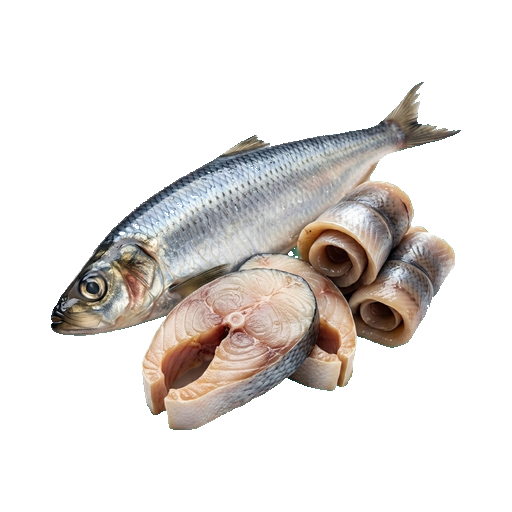
Herring
Herring is a fatty saltwater fish with a pronounced briny flavor and characteristic fishy aroma. The meat is rich in beneficial omega-3 fats and absorbs marinades well, which is why it's most often used in salted or marinated form. When choosing fresh herring, pay attention to the firmness of the body and the bright shine of the scales. When substituting in recipes, you can use mackerel or other fatty fish with similar texture.
About
Herring is one of the most versatile fish in the kitchen. Its salted form has become a classic of the Russian table, but fresh and smoked herring open up completely different culinary possibilities. Fish is excellent because it works in both simple appetizers and complex dishes, and requires minimal processing.
Aroma and Taste
Fresh herring has a pronounced sea smell and dense, slightly oily meat with a delicate flavor. Salted fish becomes more intense: the taste deepens, a saltiness appears that makes you reach for bread and potatoes. Smoked herring acquires a smoky note and becomes even more expressive. The fattiness of the fish is its main advantage: it is this that makes herring juicy and rich.
Role in Dishes
Salted herring is the star of appetizers. It is sliced, served with onions, butter, and black bread. Based on herring, salads are prepared: the classic herring under a fur coat, lighter versions with potatoes and beets, complex compositions with apples and sour cream. Smoked herring is excellent as a standalone appetizer or an addition to fish pâtés.
Fresh herring is fried whole or as fillets, grilled, and baked with vegetables. It handles marinating well — vinegar, sugar, spices, and a few hours are all you need to create a homemade delicacy. Herring works in soups, especially in Scandinavian and Eastern European cuisines.
What goes well with
- Potatoes and beets — a classic combination for salads and appetizers
- Sour cream and butter — soften salt, add creaminess
- Onion and garlic — enhance flavor, add spiciness
- Apple and pear — acidity and sweetness balance saltiness
- Lemon and vinegar — emphasize seafood flavor
- Black bread and rye bread — perfect complement to any type of herring
Selection and Storage
When choosing fresh herring, look at the shine of the scales, the transparency of the eyes, and the firmness of the meat. The smell should be of the sea, without ammonia notes. Buy salted herring in oil or brine — it should be whole or with minimal damage.
Fresh herring should be stored in the refrigerator for no more than two days, preferably on ice. Salted fish in a closed jar with brine keeps for months, but after opening it must be kept in the refrigerator and used within a week. If the herring is too salty, soak it in cold water for a few hours — the salt will dissolve and the taste will become milder.
Practical Tips
- Before using salted herring, check it for salt — taste a piece to understand if you need to soak it
- It's easier to fillet herring if the fish is cold — work with a sharp knife along the spine
- Smoked herring should not be heat-treated — serve it cold
- For marinating, choose fresh fish, not already salted — the taste will be cleaner
- Leftover smoked herring is stored in the refrigerator in a tightly closed container so the smell doesn't seep into other products
Nutrition
per 100 g
- Calories
- 242 kcal
- Protein
- 17.3 g
- Fat
- 19.3 g
- Carbs
- 0 g
Measures and weight
- 1 pcs
- 350 g
Measure calculator
- Weight
- 100 g
- Calories
- 242 kcal