Usuba
Usuba
Rye flour
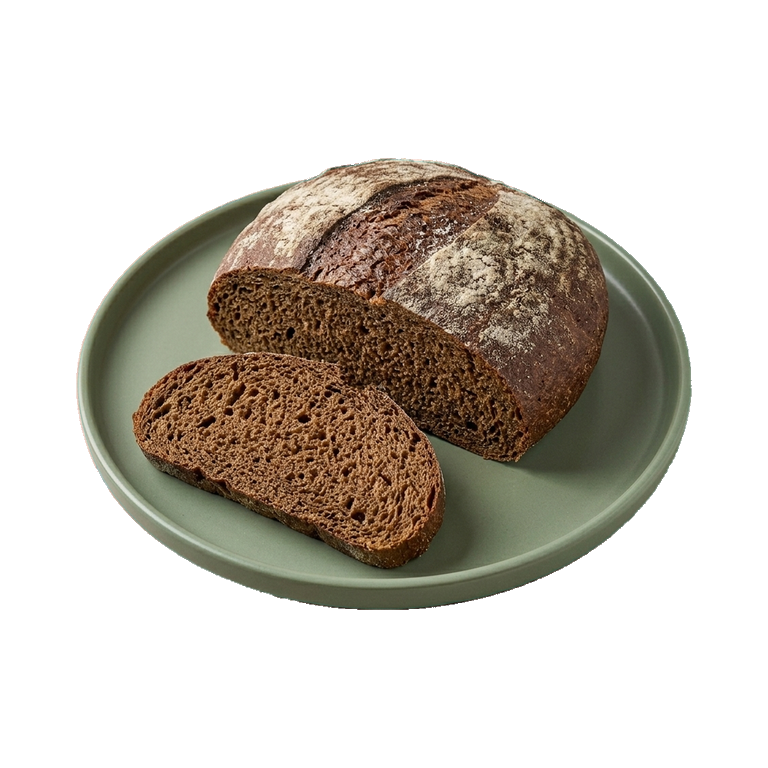
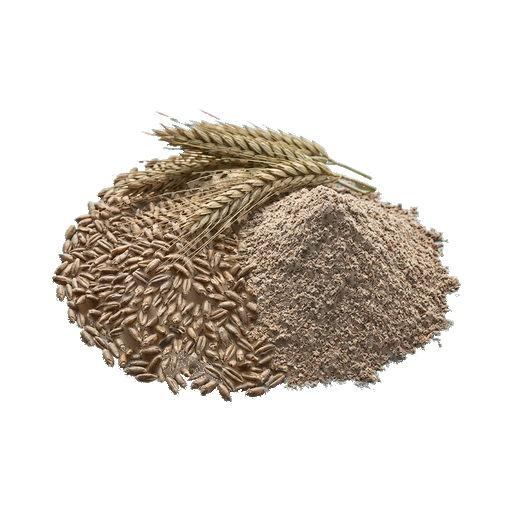
Rye flour has a rich, slightly bitter taste and dark color due to its high bran content. It absorbs more liquid than wheat flour, resulting in denser dough and moister bread that keeps longer. When substituting wheat flour with rye flour, reduce the amount of liquid and allow more time for fermentation, as rye flour contains less gluten.
About
Rye flour is one of the most rewarding ingredients for homemade baking. Its dark color, rich aroma, and dense texture immediately make finished bread or buns stand out on the table. But most importantly, it's the taste: deep, slightly tart, with a barely noticeable sweetness. This flour works not only in traditional dark breads, but also in unexpected combinations with other baked goods.
Aroma and Taste
Rye flour smells of earth, bread, and a light sourness — a recognizable and cozy aroma. In taste, it gives bread density, some tartness, and a light bitterness that doesn't spoil it at all; quite the opposite, it makes the dish more interesting. If you're used to wheat bread, the first bite of rye may seem unusual, but this quickly passes — the taste becomes a favorite.
Role in dishes
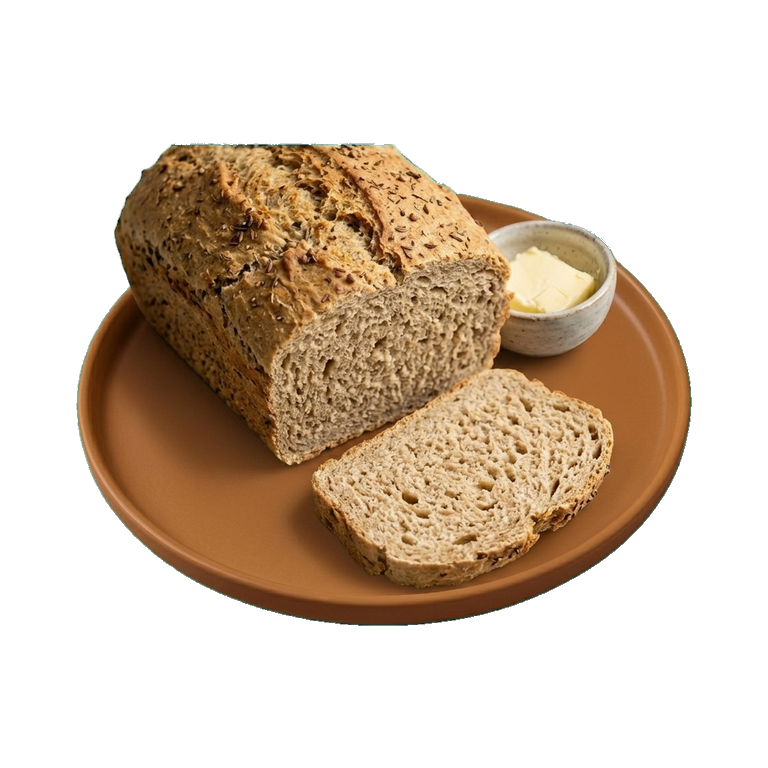
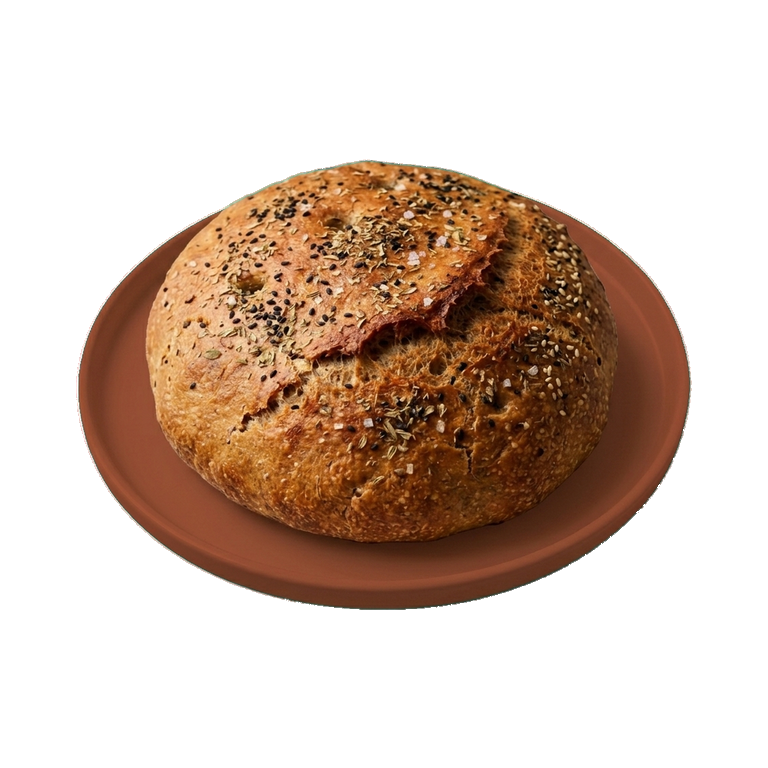
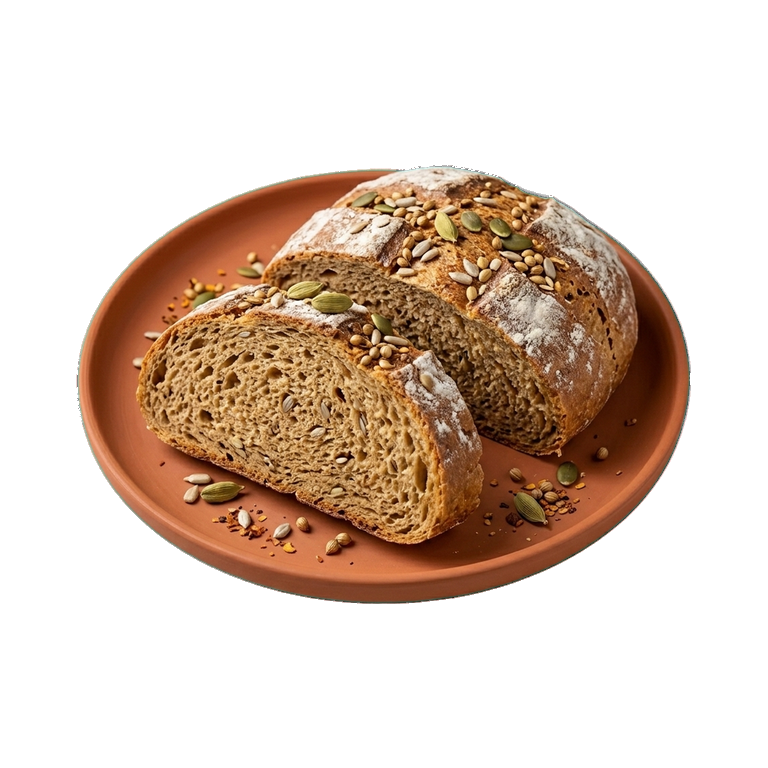
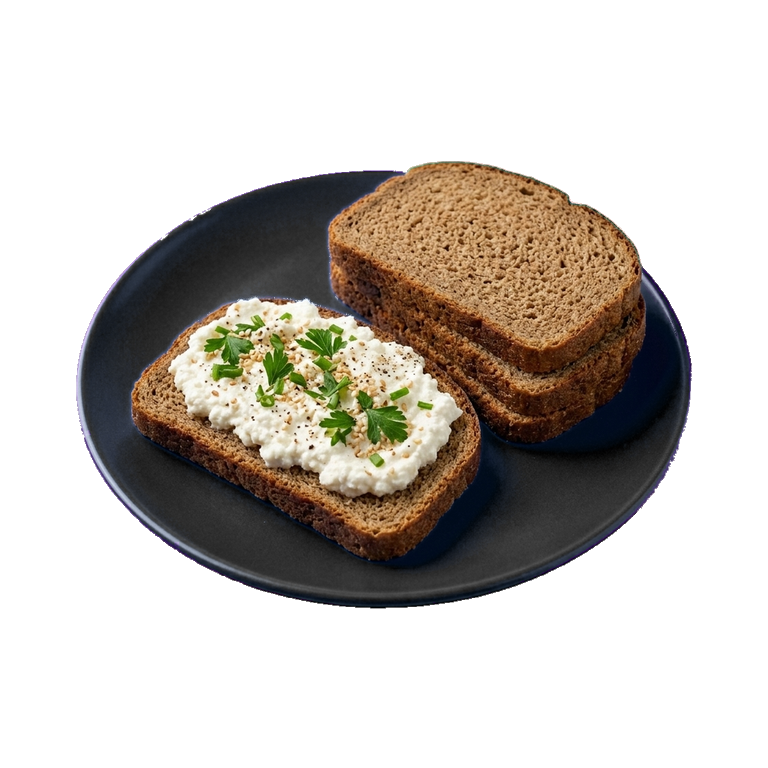
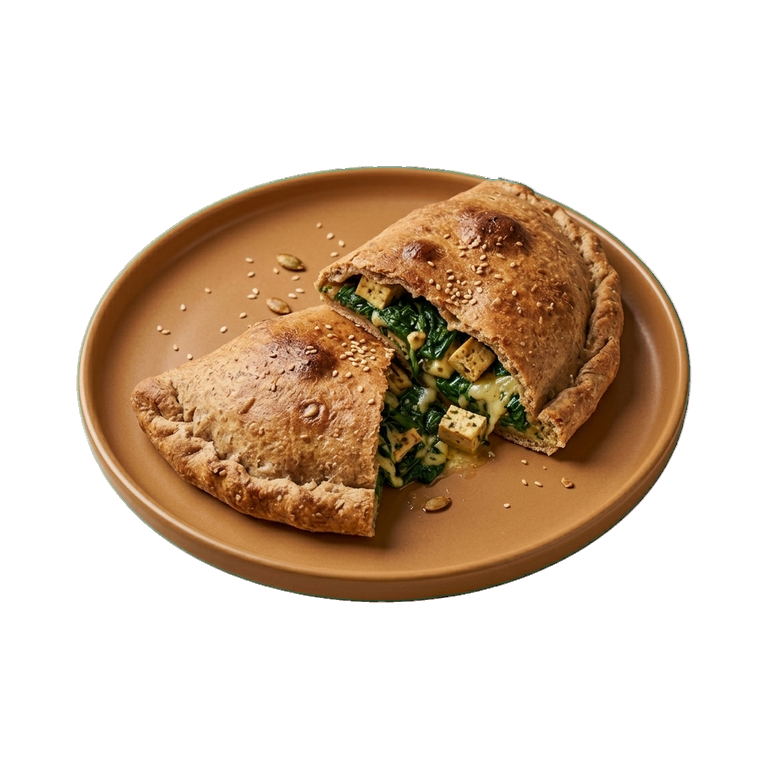
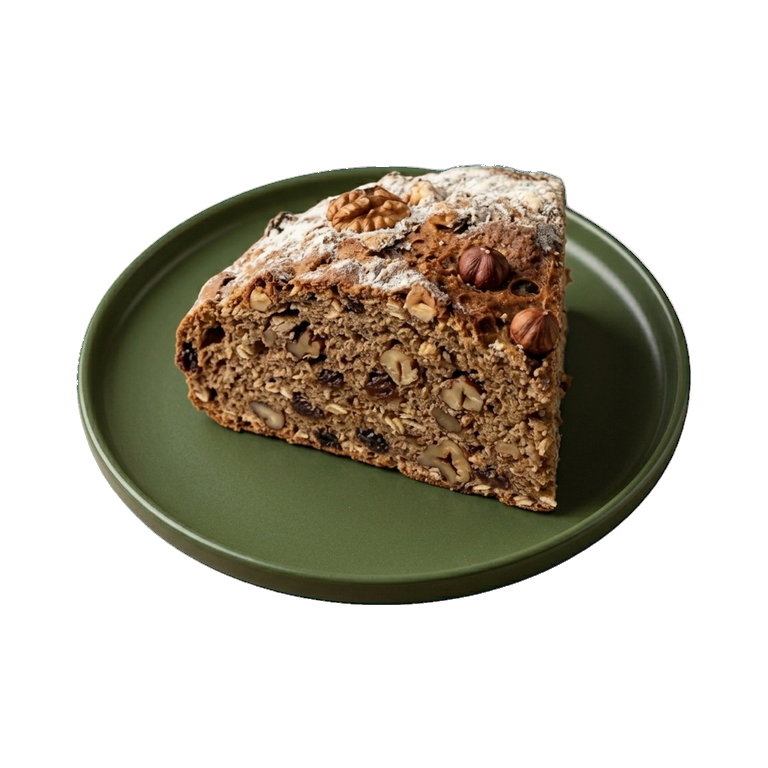
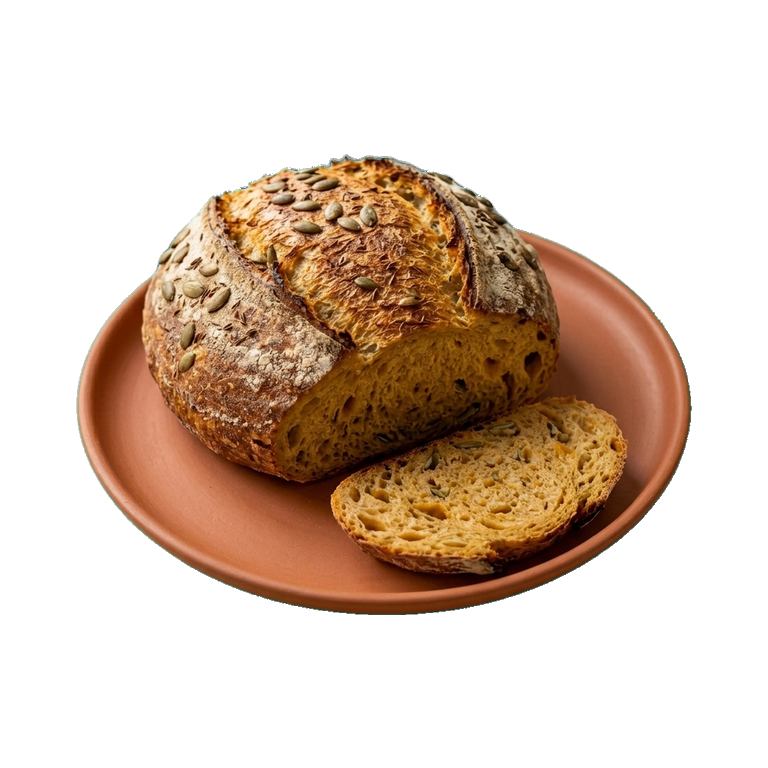
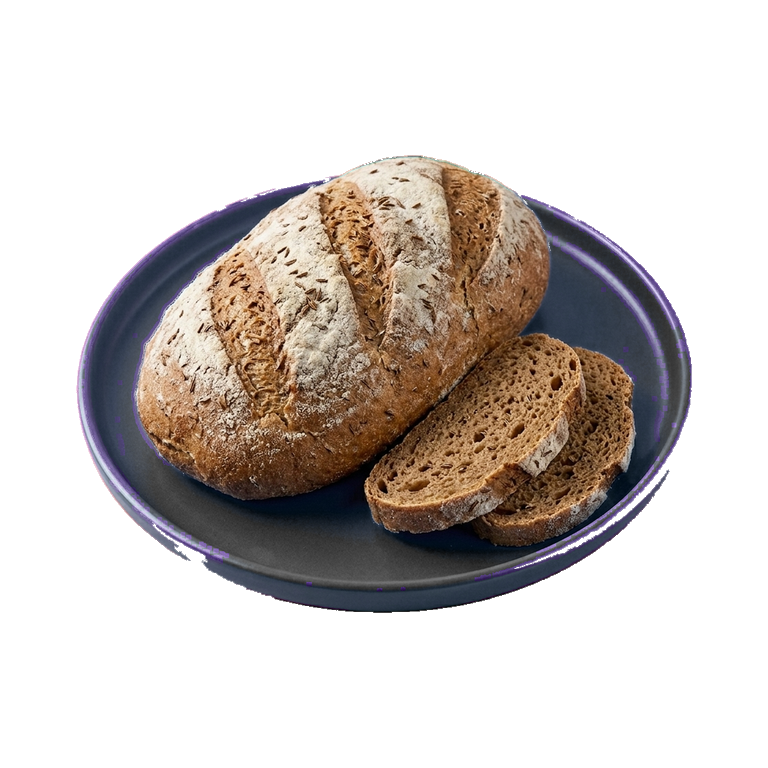
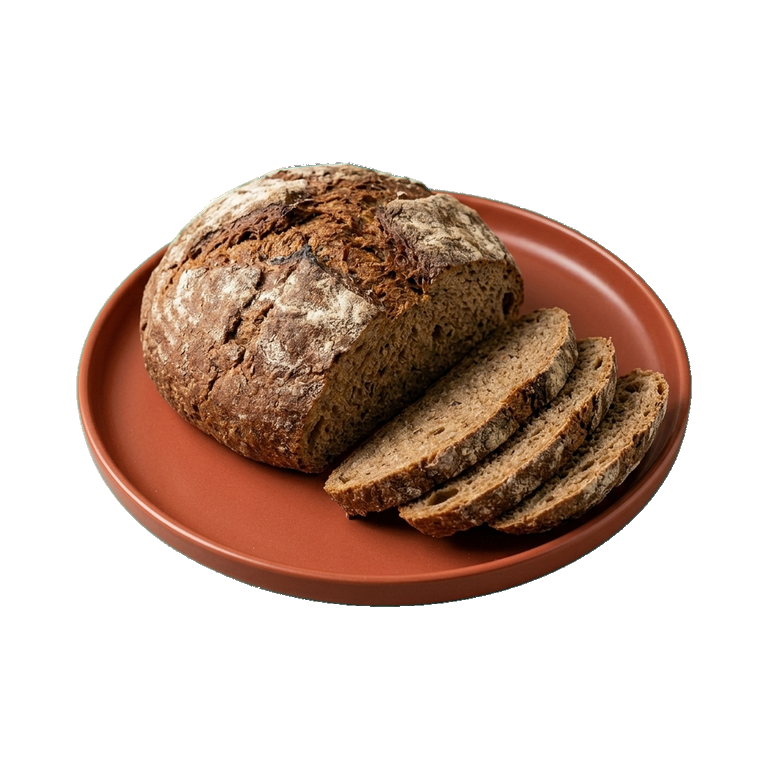
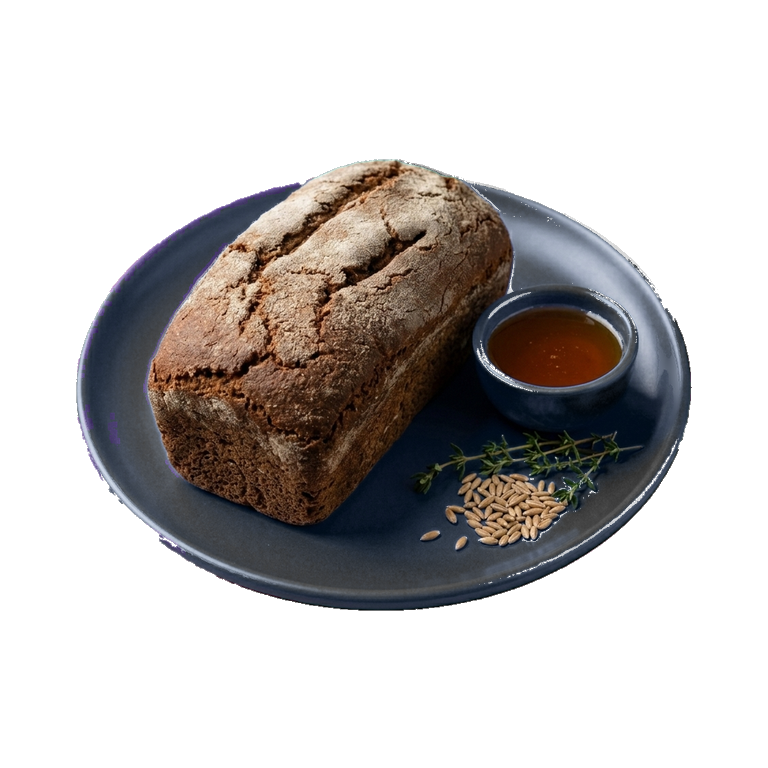
Rye flour is the main character of black and grey bread, but rarely works alone. It's usually mixed with wheat flour to achieve the right dough consistency and crumb structure. Pure rye flour produces very dense, sticky bread that requires experience and special kneading techniques. However, in the right proportion (often 30–50% of the total flour amount), it transforms ordinary bread into something with character.
Pairings and Uses
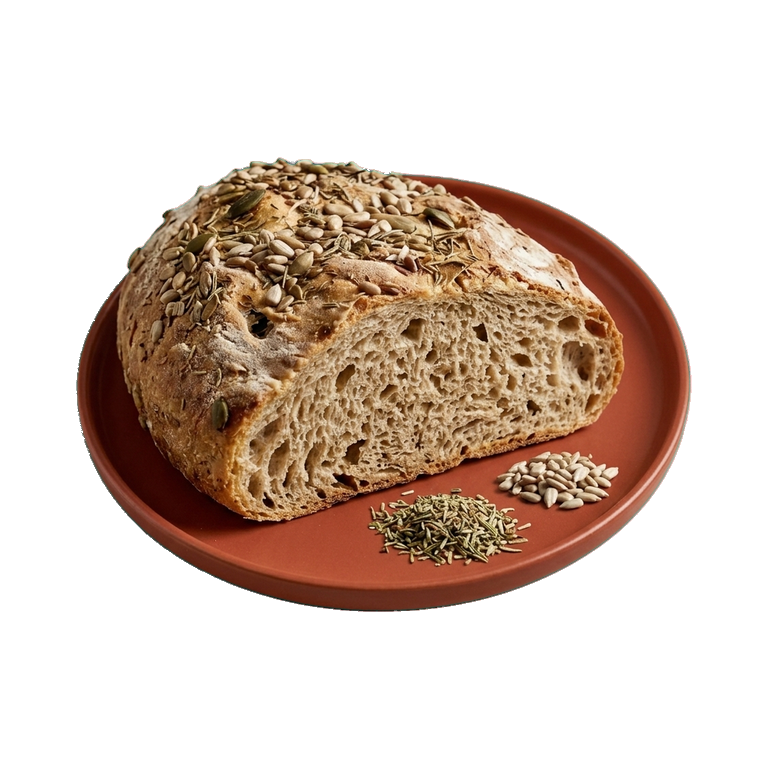
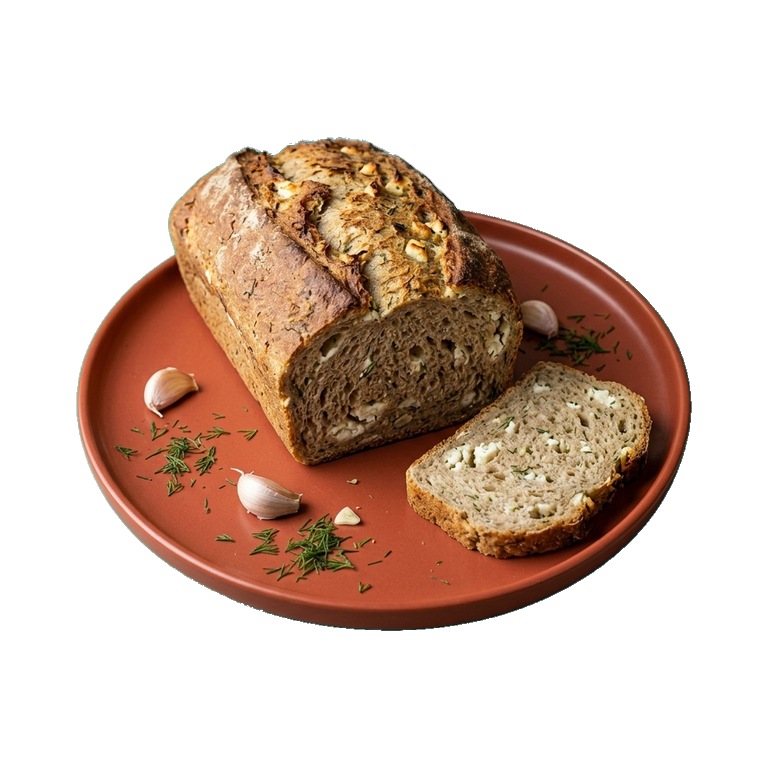
- Rye-wheat bread — the most popular use; rye flour gives flavor and color, wheat flour — airiness
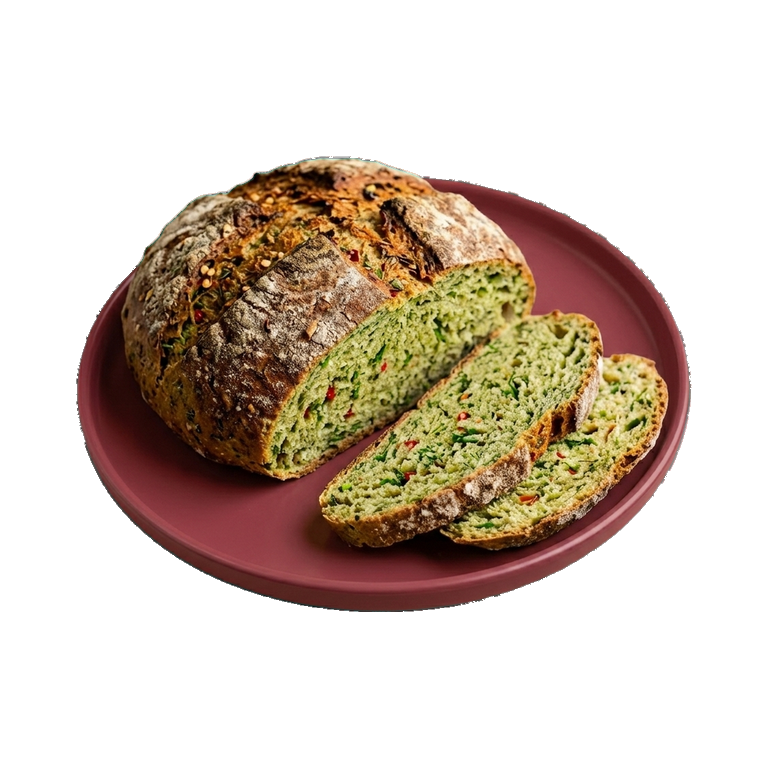
- Starters and yeast-free breads — rye flour works perfectly with long fermentation, becoming even more aromatic
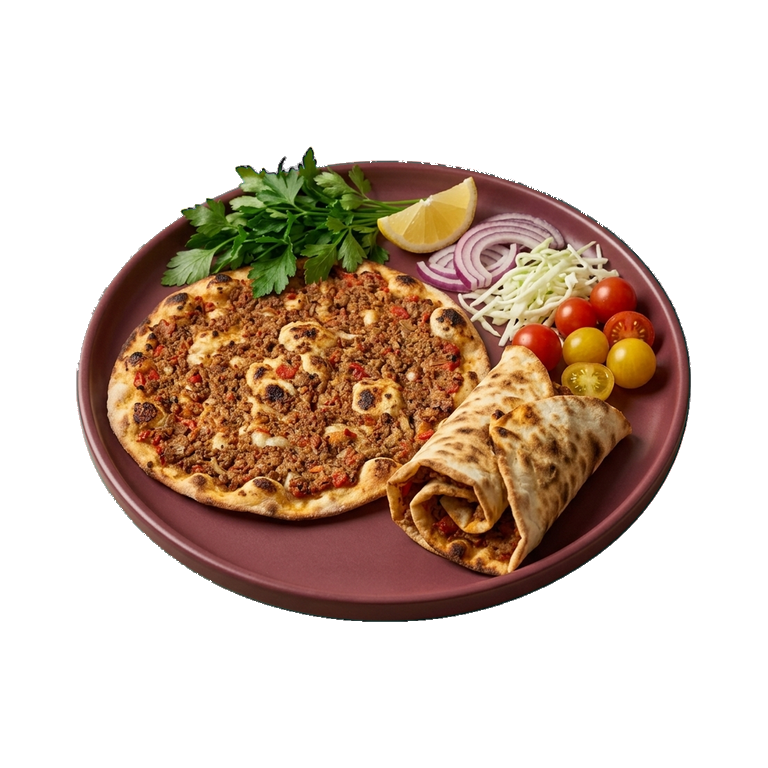
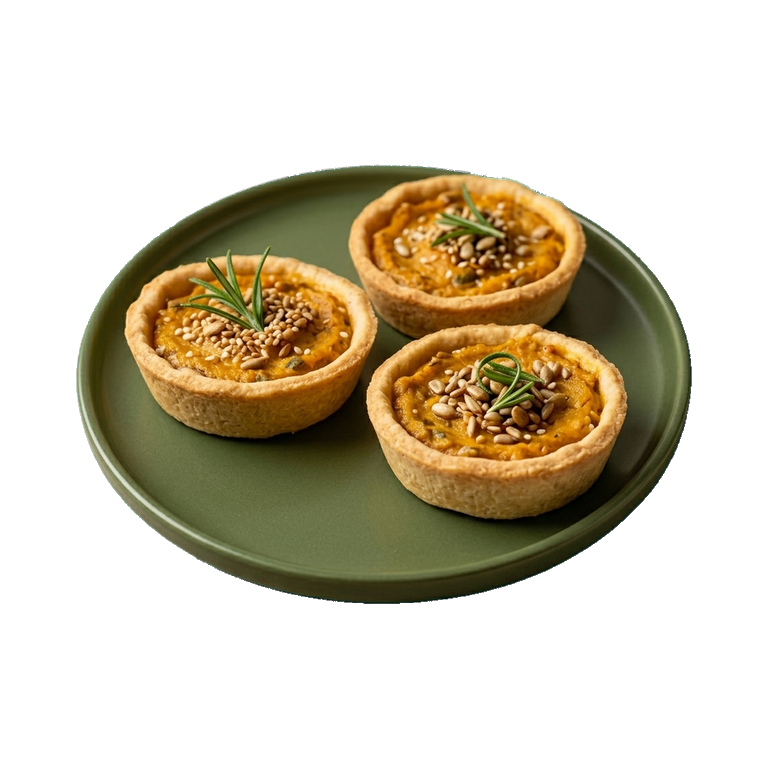
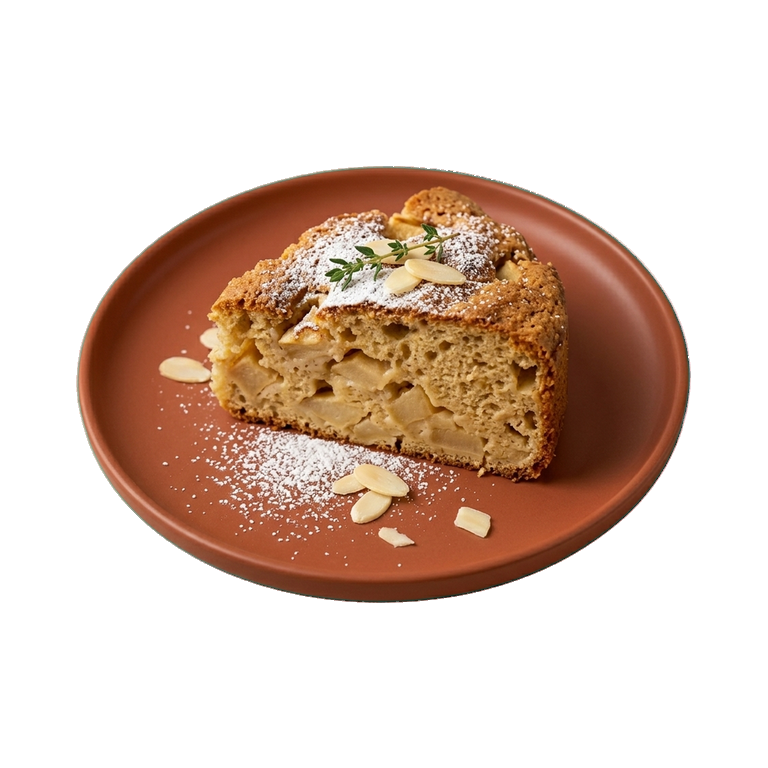
- Cookies and gingerbreads — a small amount of rye flour adds depth of flavor and interesting texture
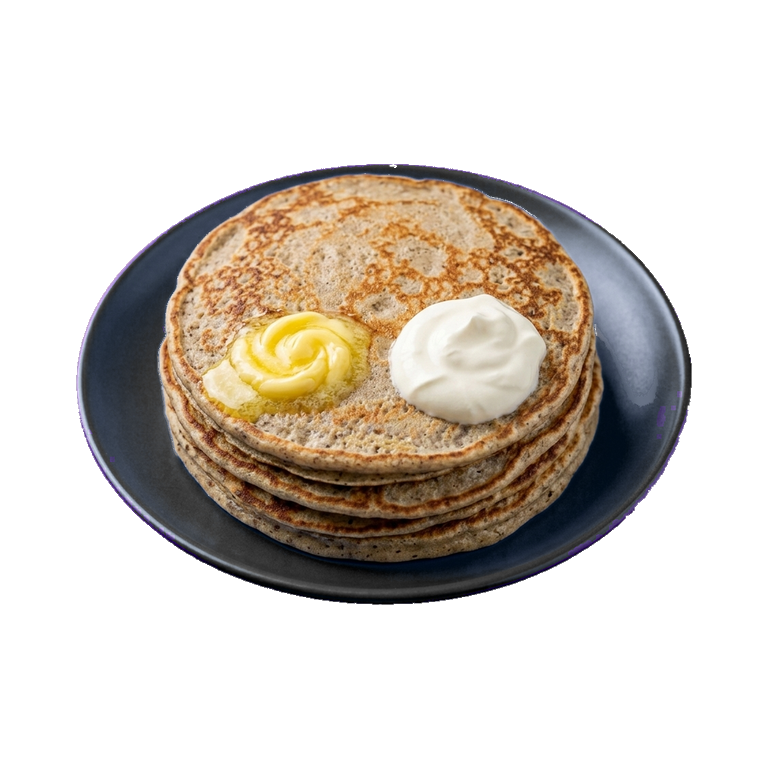
- Pancakes and fritters — create a denser structure and characteristic taste
- Porridges and kissel — a historical ingredient sometimes used for thickening
Selection and Storage
When choosing, pay attention to the color — quality rye flour has a gray-brown shade, not black. Too dark flour may be over-roasted or contain additives. The smell should be pleasant, bread-like, without mustiness. Check the packaging date: rye flour contains more oils than wheat flour and can become rancid faster.
- Store in an airtight container at room temperature, in a dry and dark place
- Shelf life is 3–4 months; can be extended up to six months in the refrigerator or freezer
- Before use, check the smell — if sourness or mustiness appears, it's better not to use the flour
If you're working with rye flour for the first time, start with a simple recipe: mix it in equal parts with wheat flour, add yeast and salt. The dough will be sticky — this is normal. Rye flour absorbs more moisture than wheat flour, so don't rush to add flour if the dough seems soft.
Rye flour is not just an ingredient, but a way to bring back true taste and nutrition to baked goods. It is absorbed more slowly, provides better satiety, and contains more vitamins and minerals than refined wheat flour. Once you try bread made with rye flour, many people stop looking at white bread.
Nutrition
per 100 g
- Calories
- 298 kcal
- Protein
- 11.5 g
- Fat
- 2.2 g
- Carbs
- 55.8 g
Measures and weight
- 1 tbsp
- 8.3 g
- 1 tsp
- 2.8 g
- 1 cup
- 137.5 g
Measure calculator
- Weight
- 100 g
- Calories
- 298 kcal