Usuba
Usuba
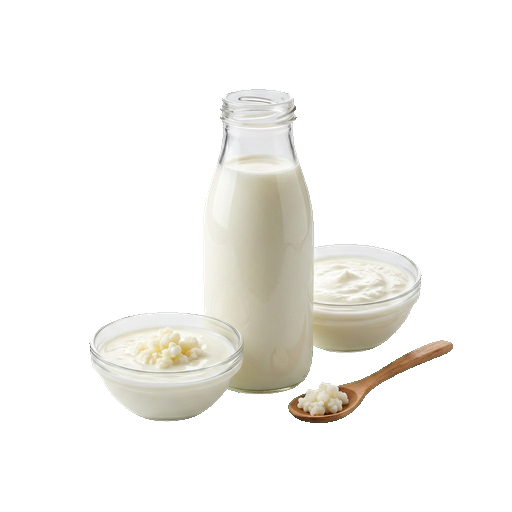
Kefir
Kefir is a fermented milk drink with a mild, slightly tangy flavor and delicate consistency, produced by fermenting milk with a special starter culture. In cooking, it is used as a standalone beverage, added to dough for baking and pancakes, serves as a base for marinades and cold soups, and is also an ingredient in various sauces and desserts. When selecting kefir, pay attention to its fat content and production dates, as fresh kefir has a more delicate taste, while prolonged storage makes it more tangy and carbonated.
About
Kefir is a fermented milk drink that works simultaneously as an ingredient and as a standalone dish. In cooking, it is valued for its ability to leaven dough, give baked goods tenderness and moisture, as well as for its sharp, slightly tangy taste, which enriches sauces and dressings. If you are cooking for the first time, remember: kefir is not just sour milk, it is a living product with character.
Taste and Aroma
Kefir smells of lactic acid with barely noticeable yeast notes — this is normal and even desirable. It tastes sour, but not sharp, with a slight prickling sensation on the tongue. The longer kefir sits in the refrigerator, the more sour it becomes. Fresh kefir (1–2 days from production) is softer and more delicate, and it works better for dough and drinking. More mature kefir with a more pronounced sourness is good in okroshka, in marinades, and in sauces for meat.
Role in dishes
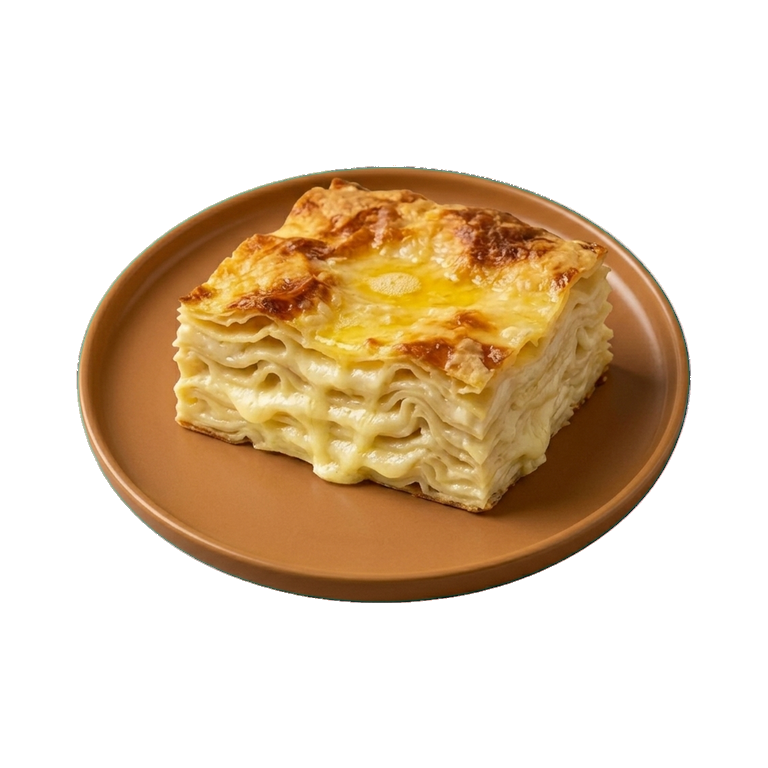
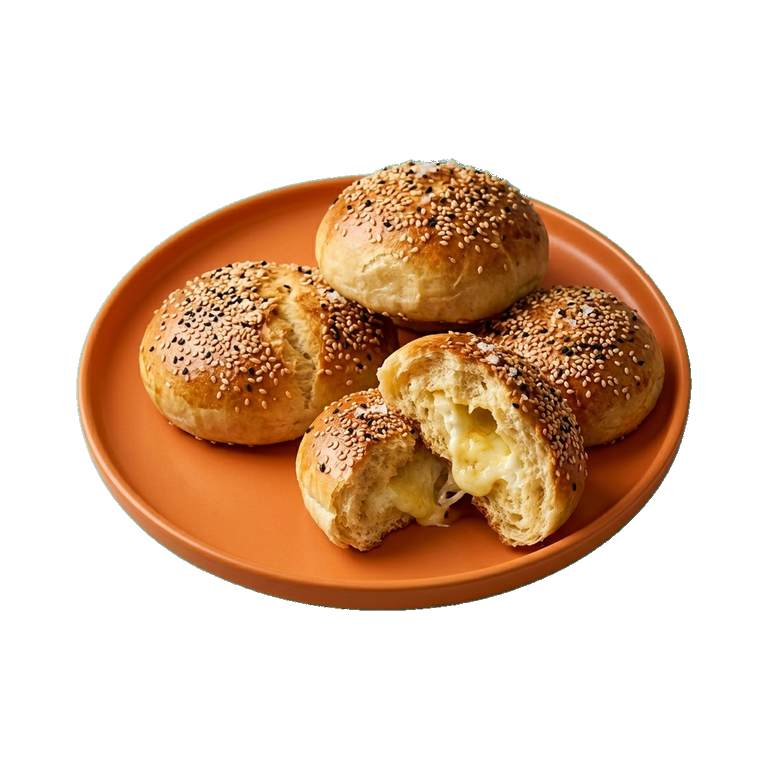
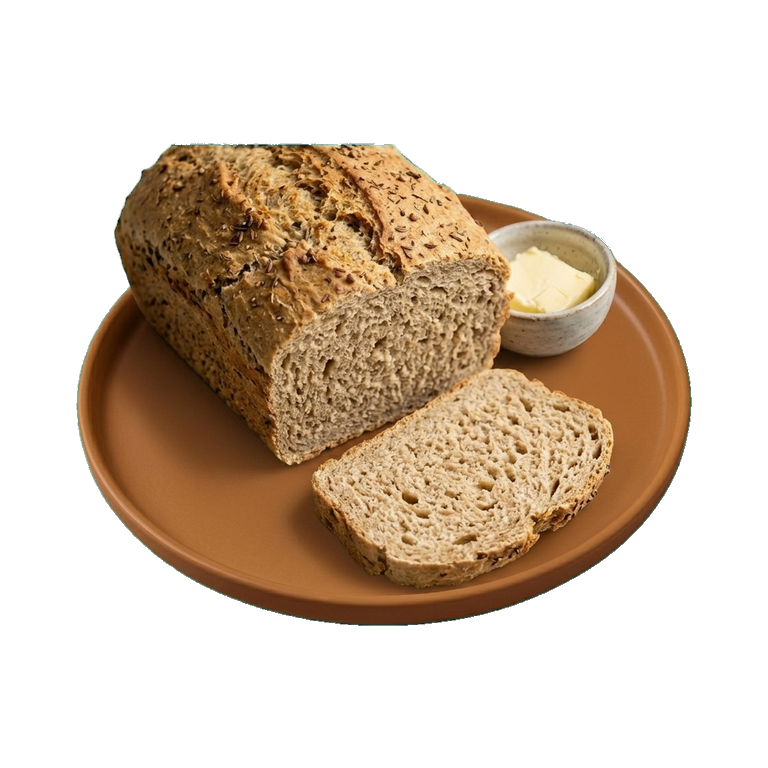
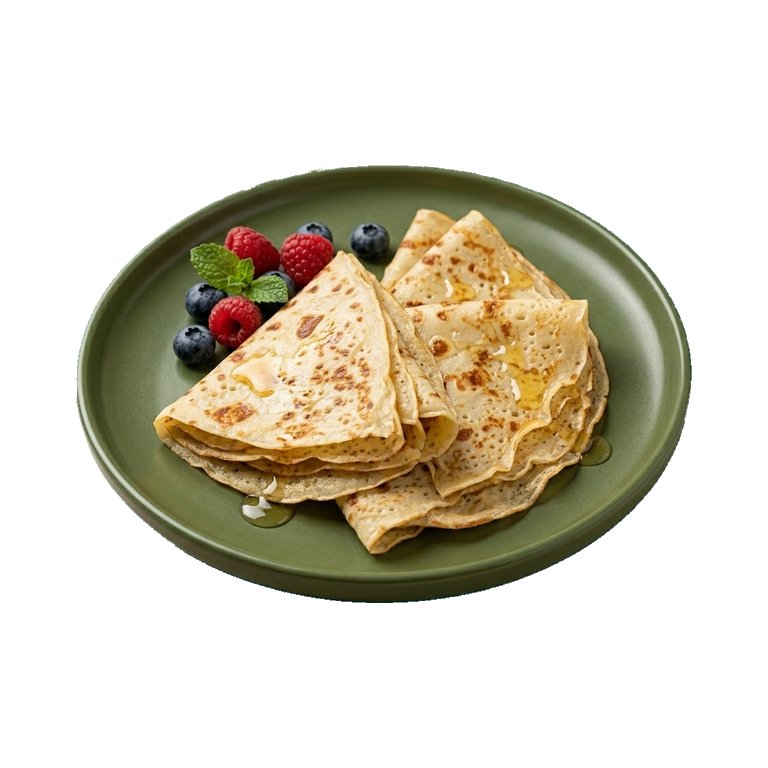
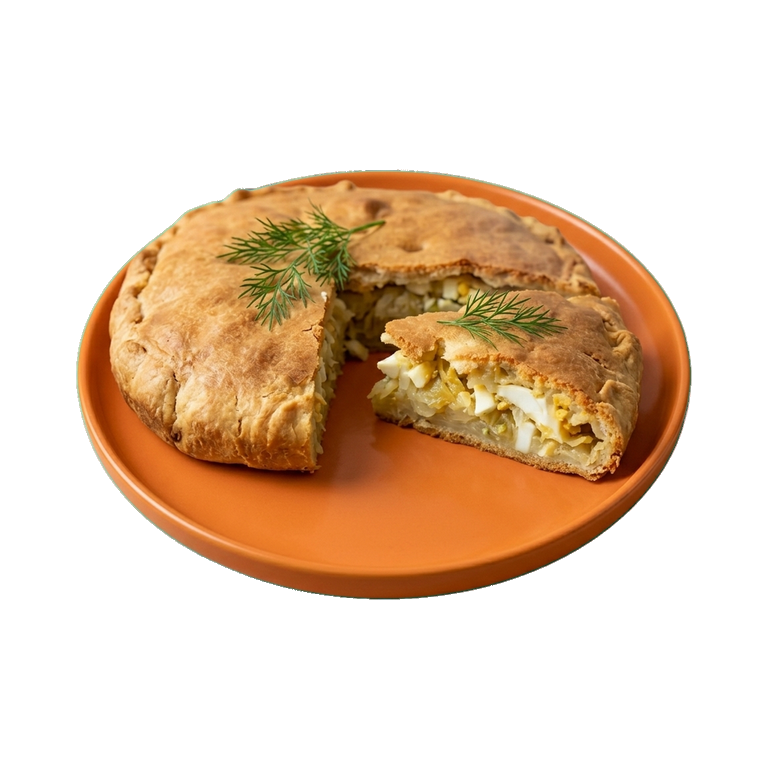
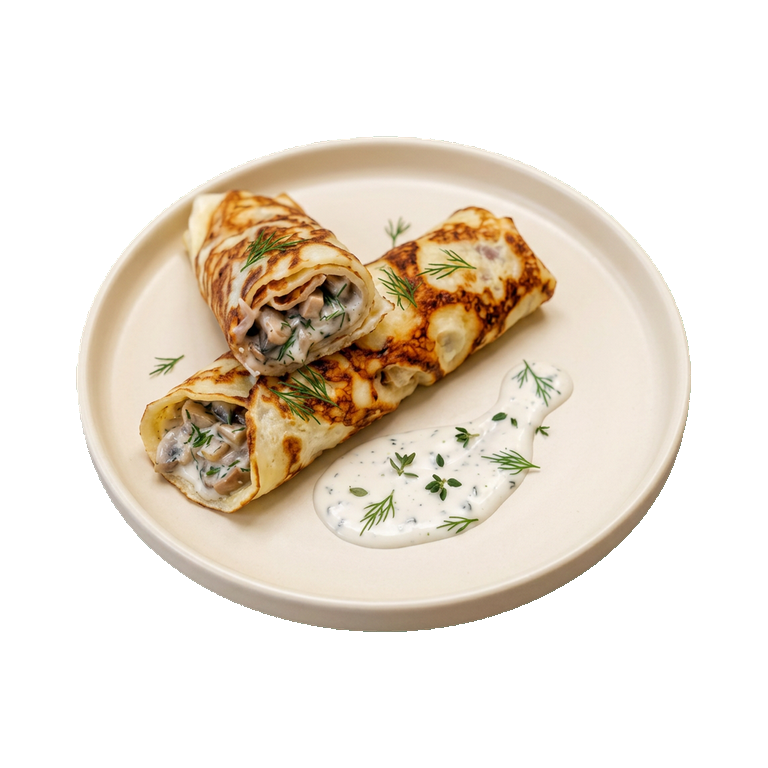
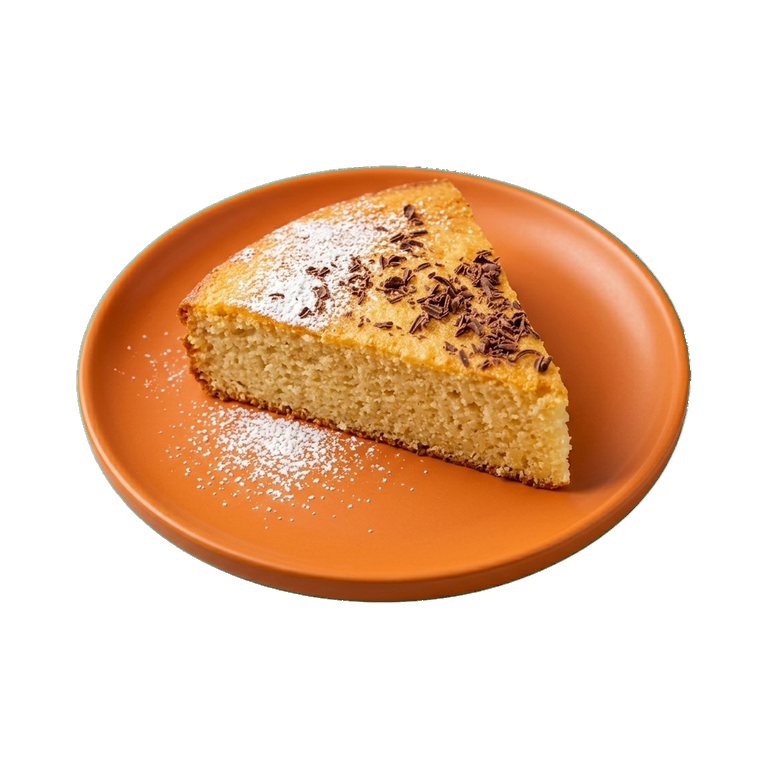
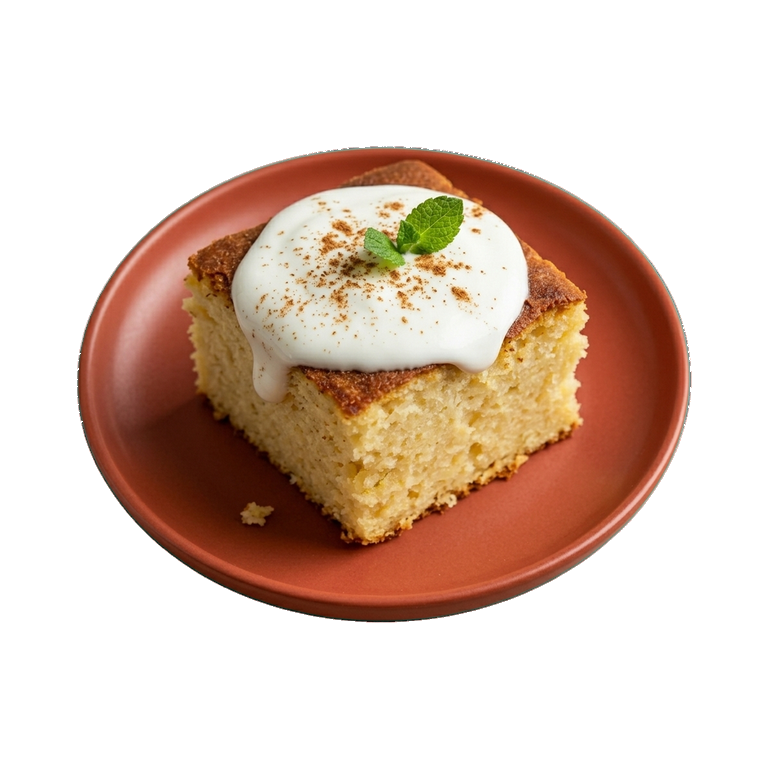
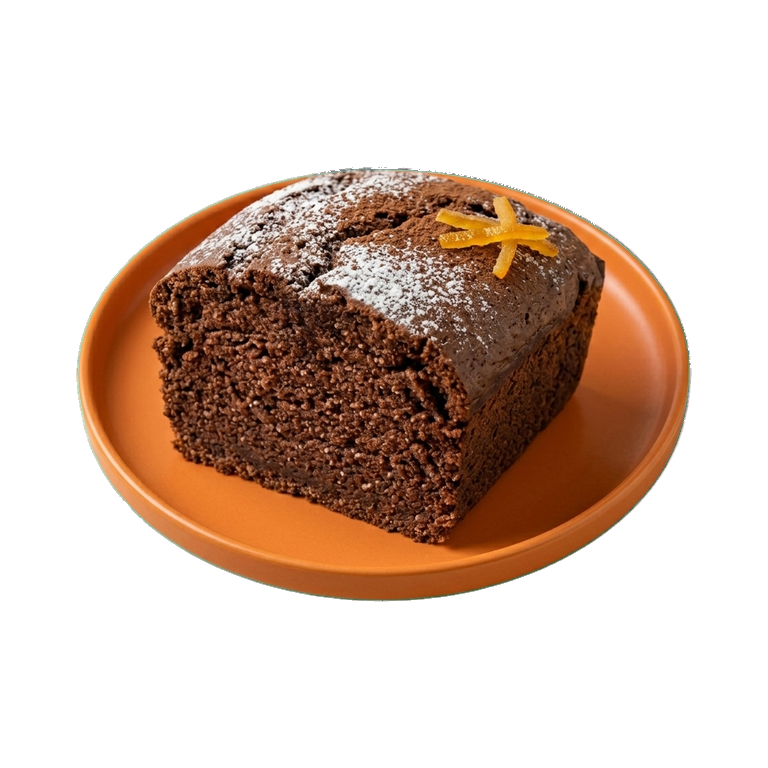
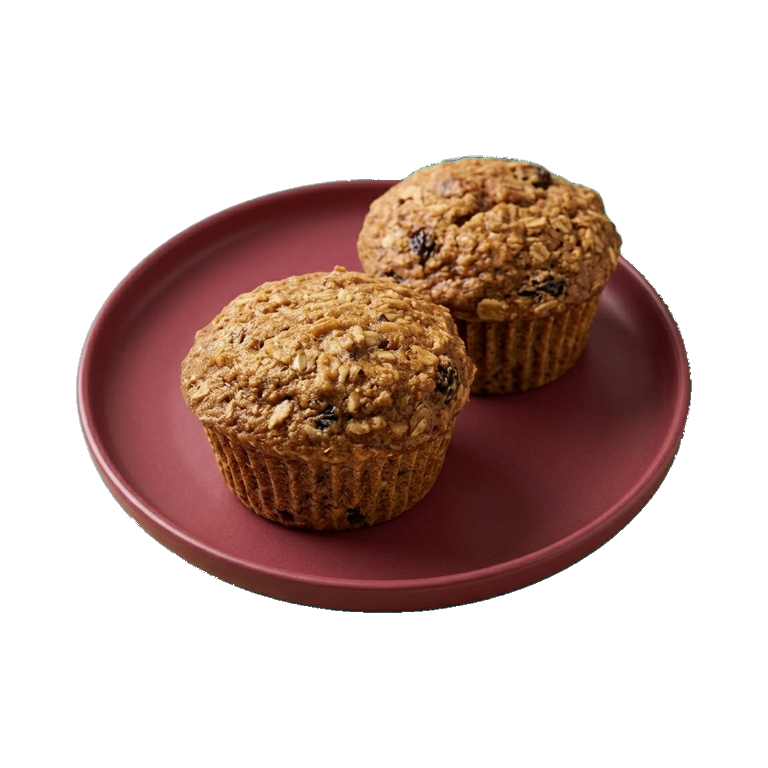
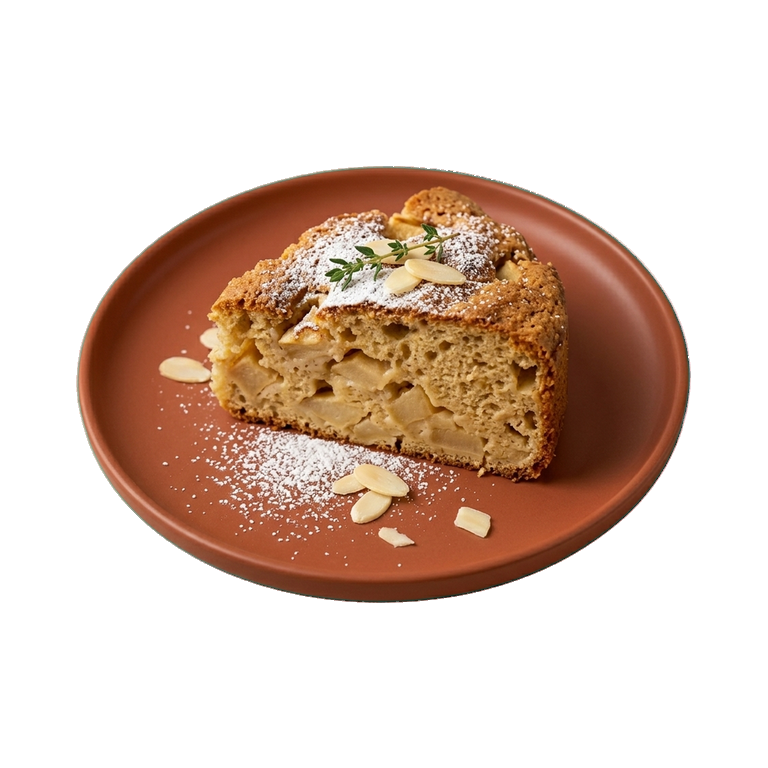
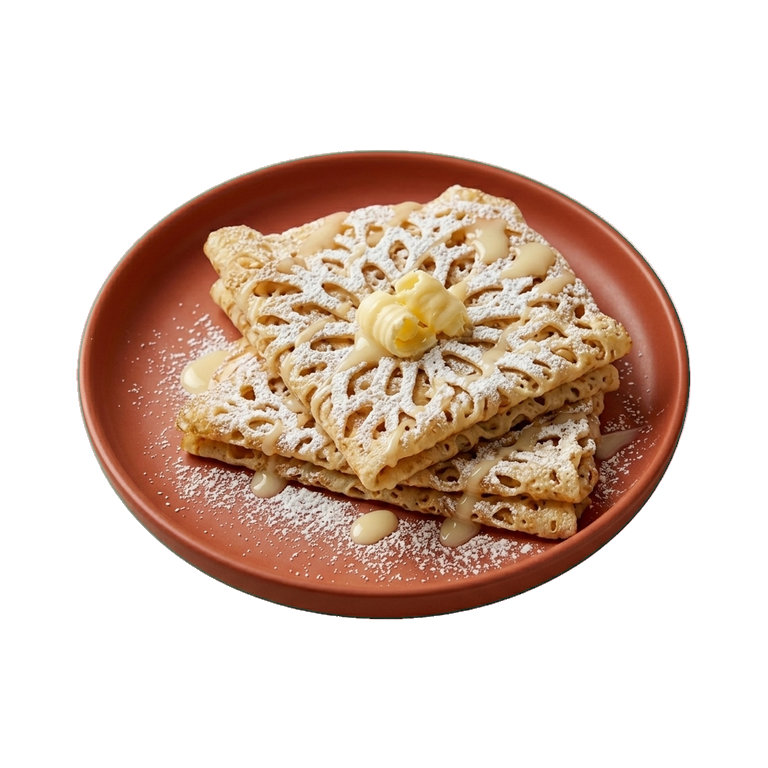
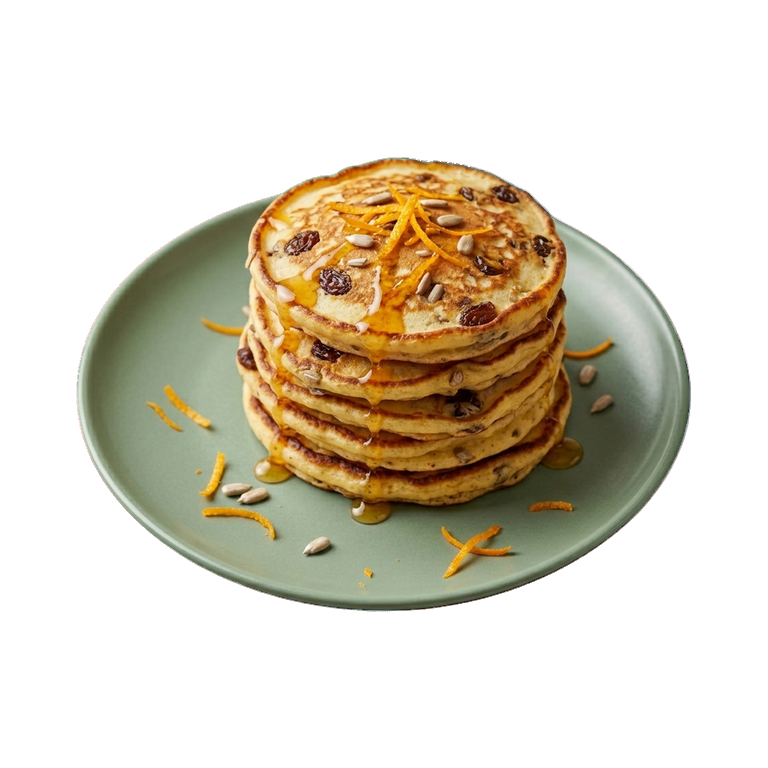
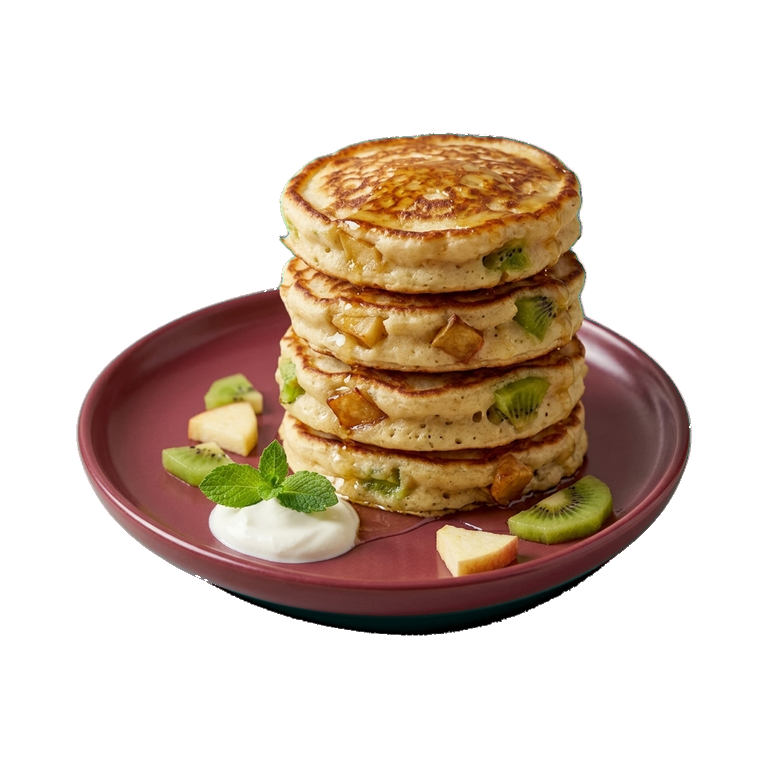
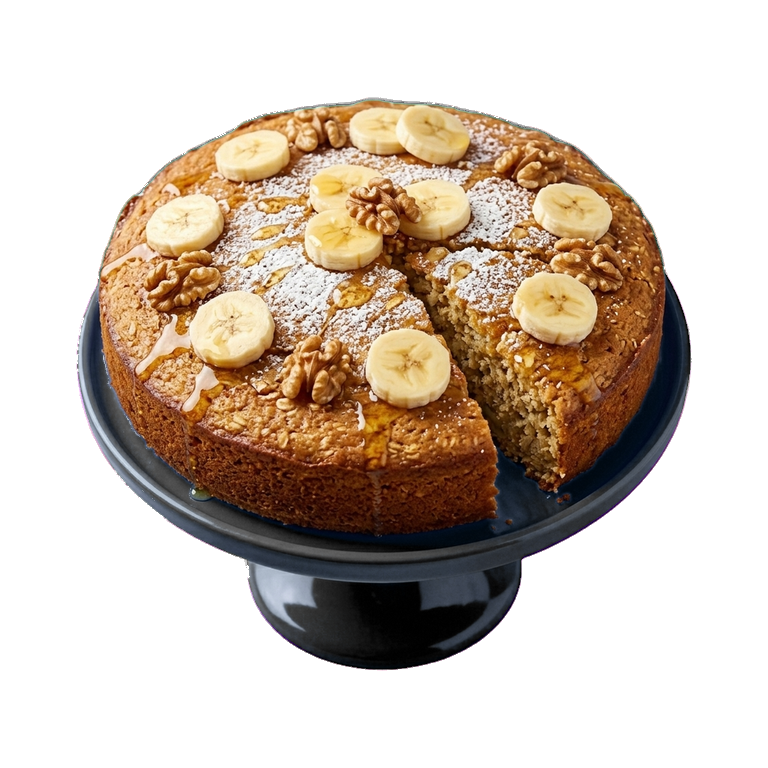
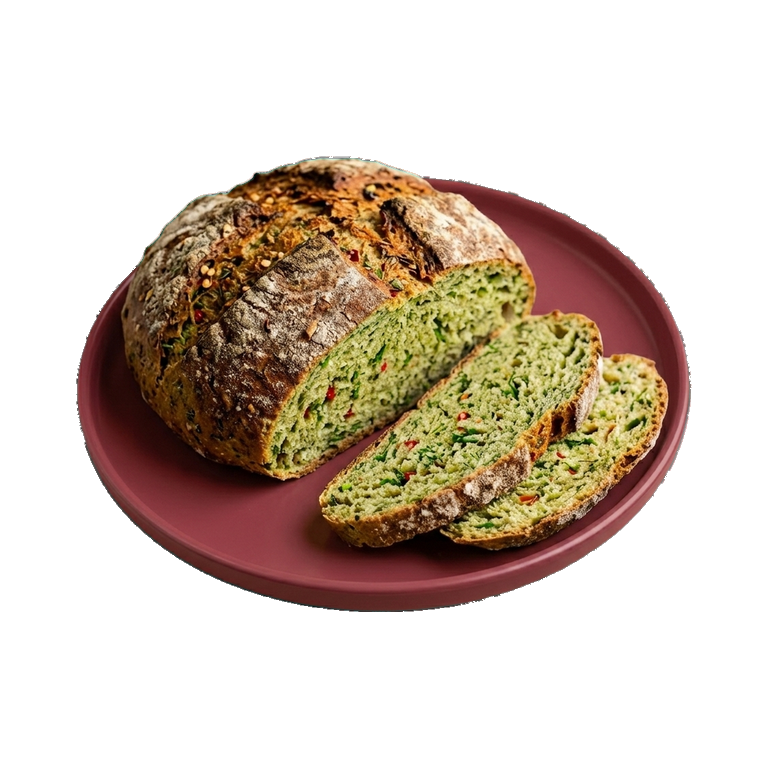
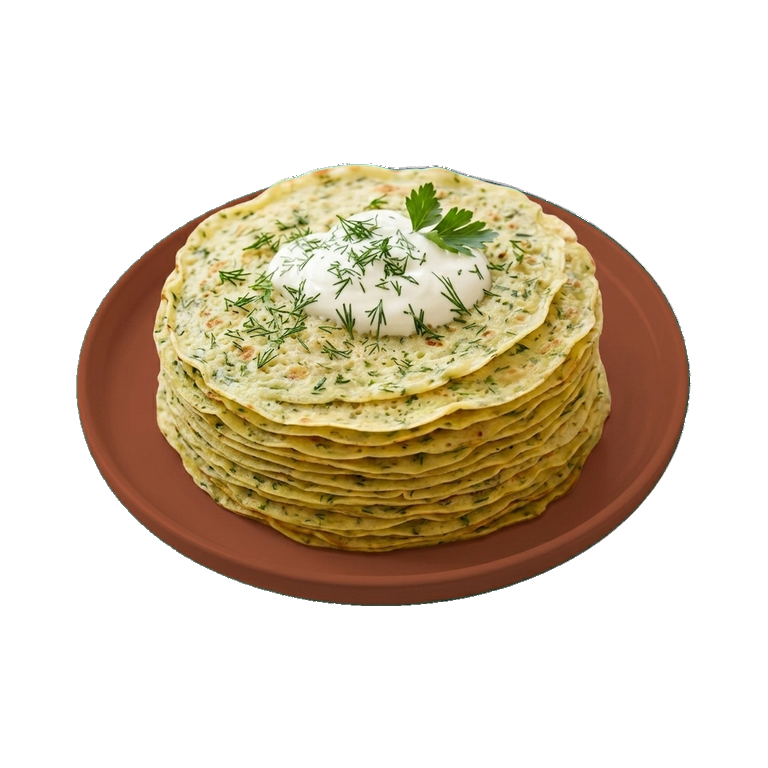
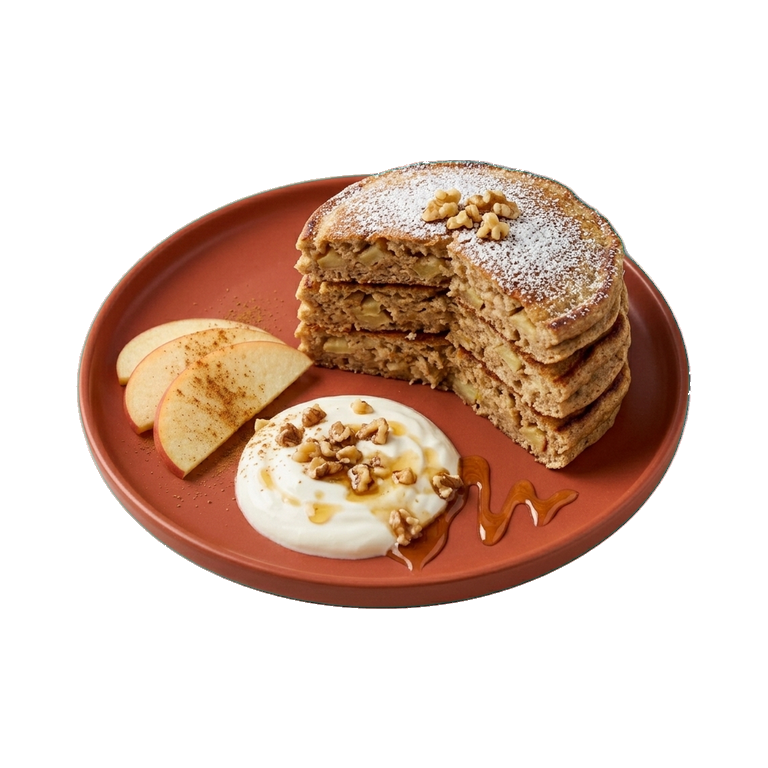
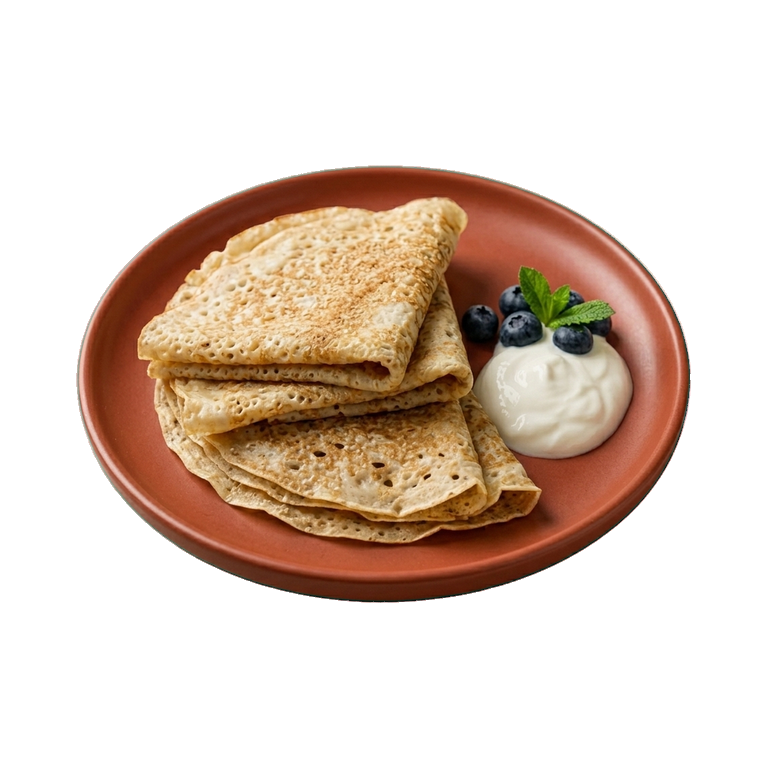
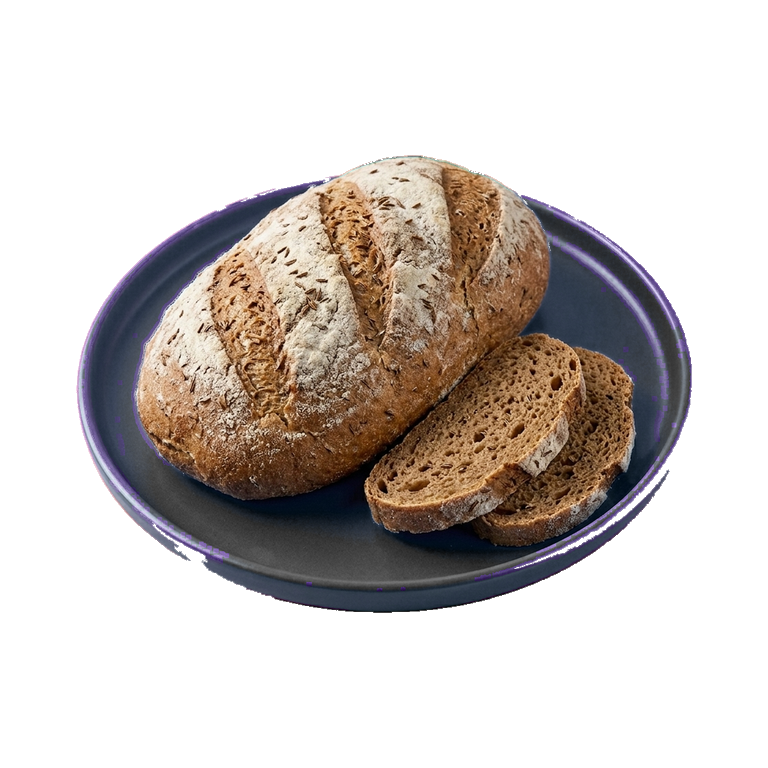
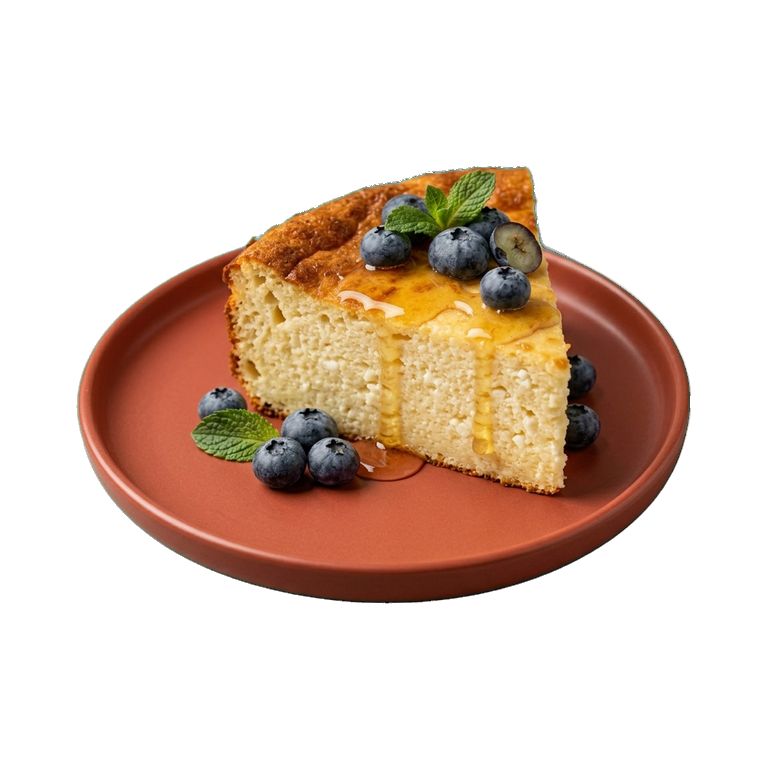
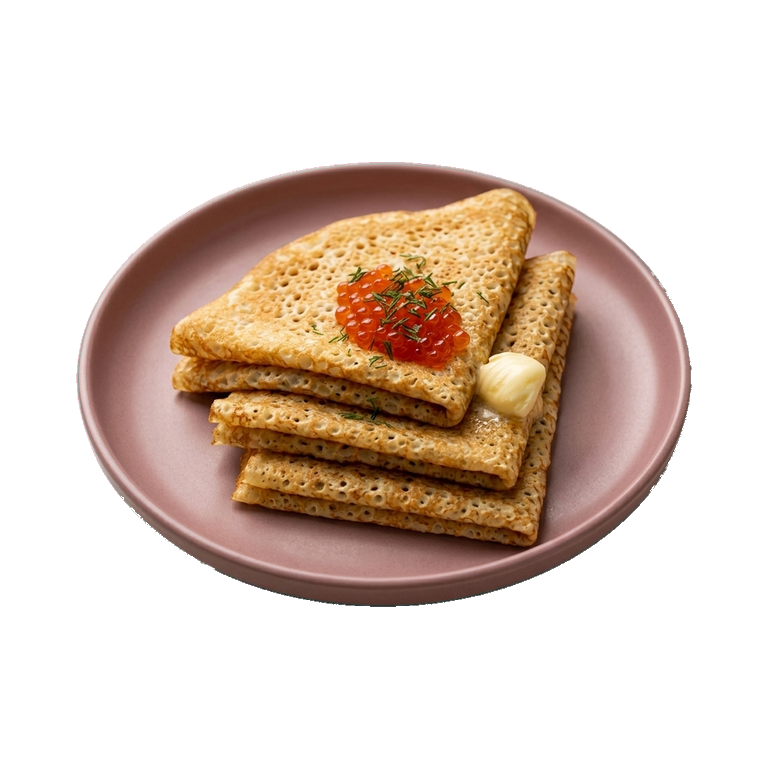
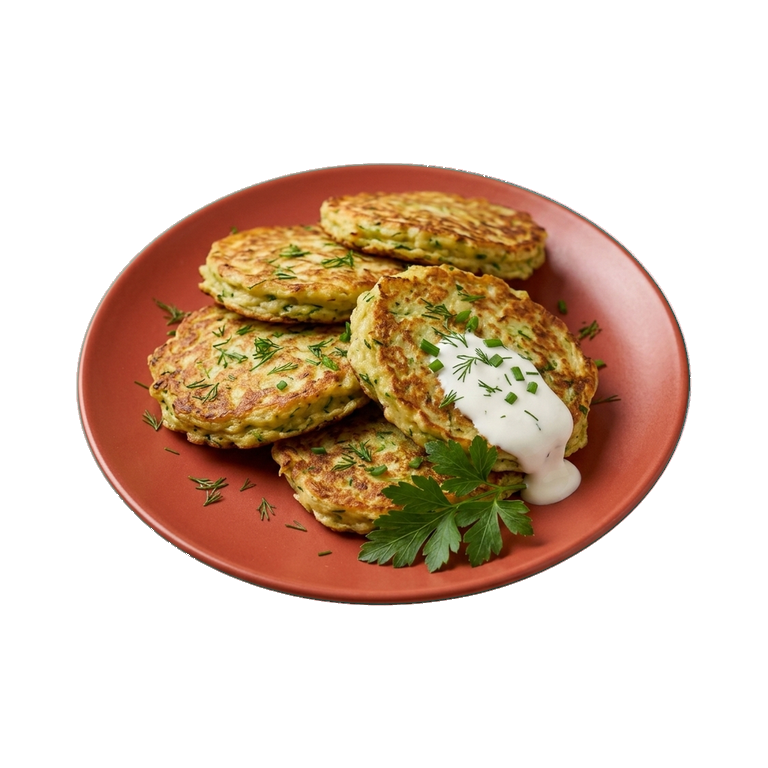
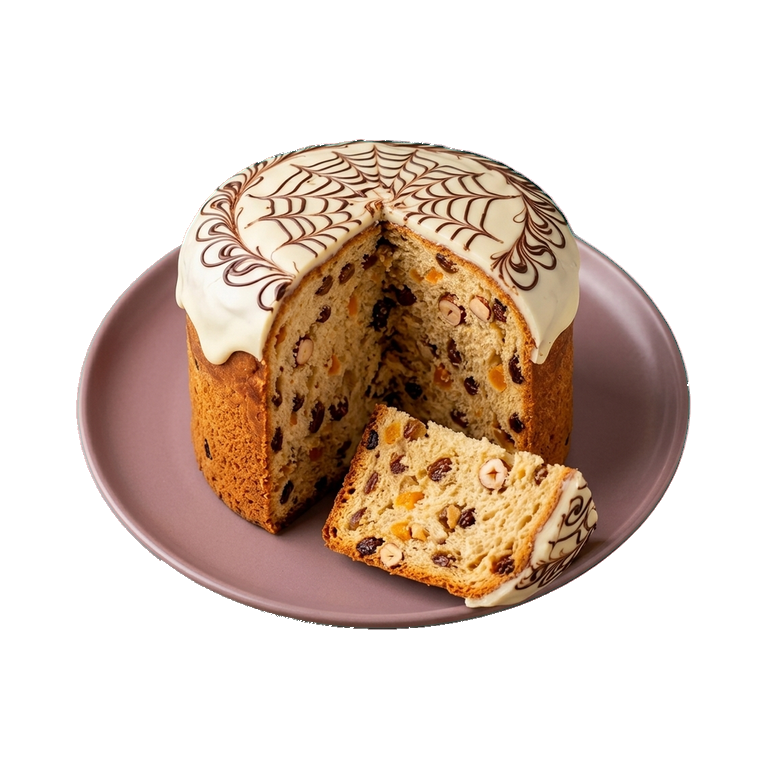
- Baking. Kefir leavens dough better than milk because its acidity reacts with baking soda, producing carbon dioxide. Pancakes, fritters, cupcakes, sponge cakes — kefir works as a helper everywhere.
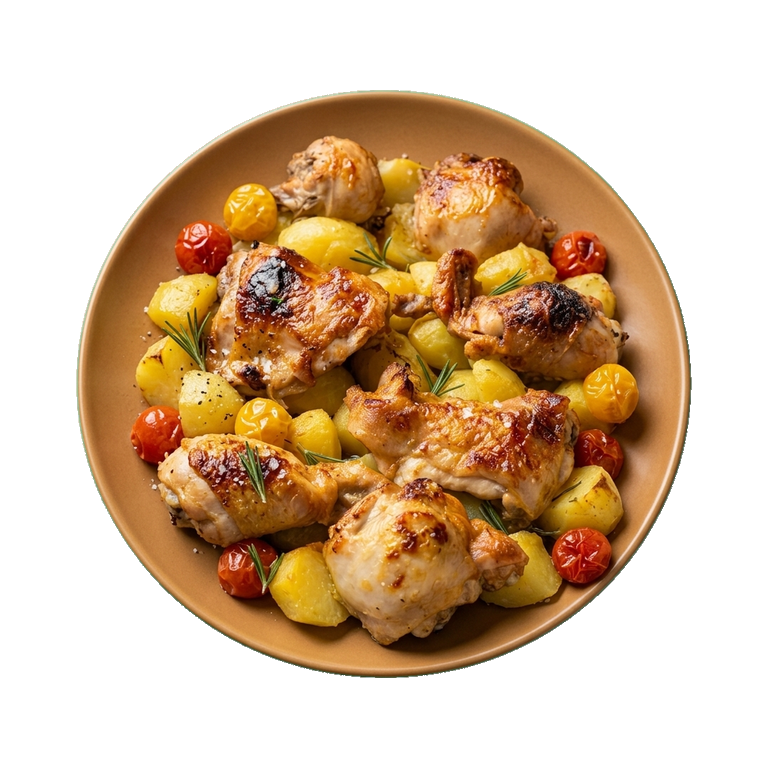
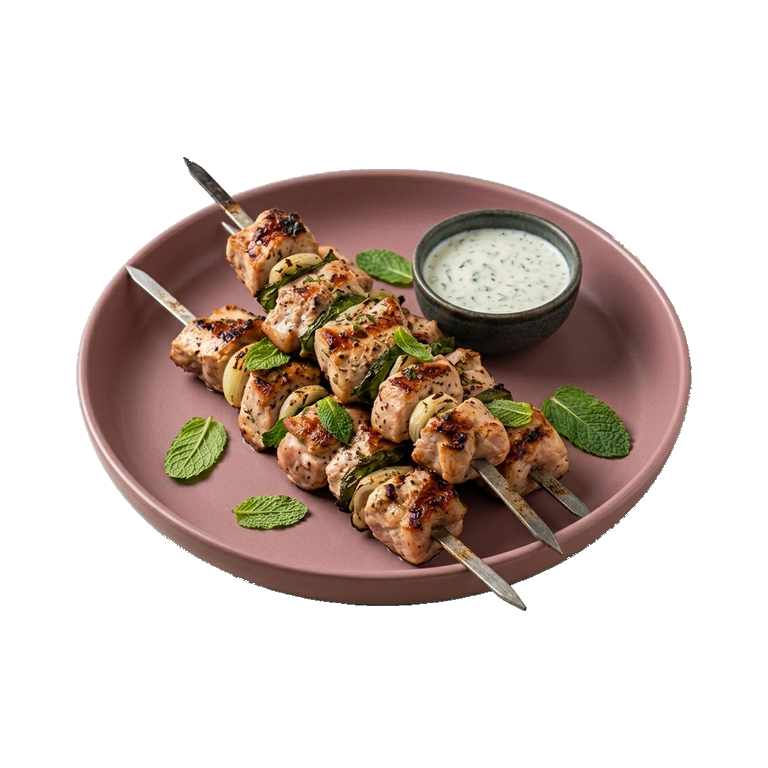
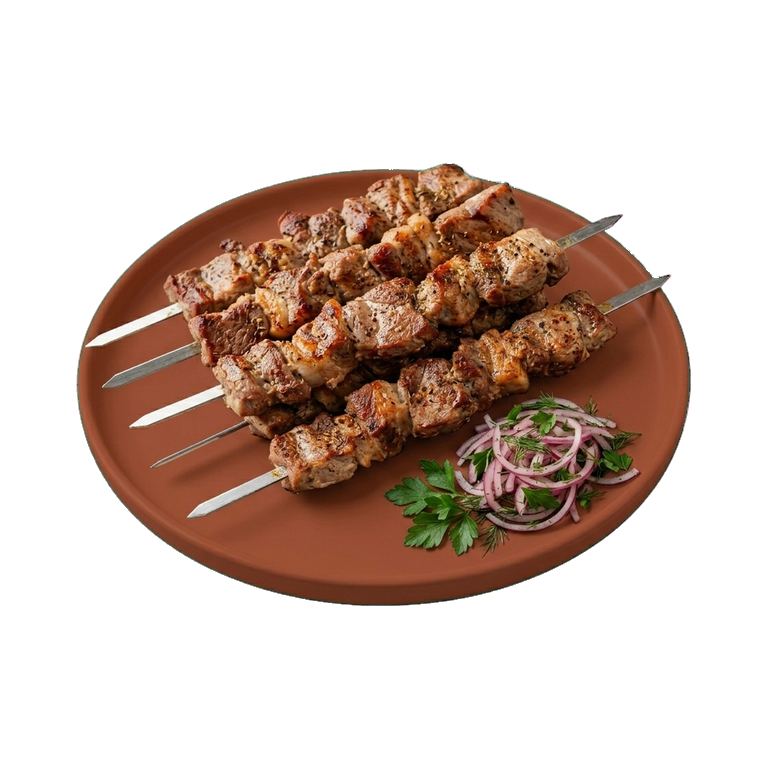
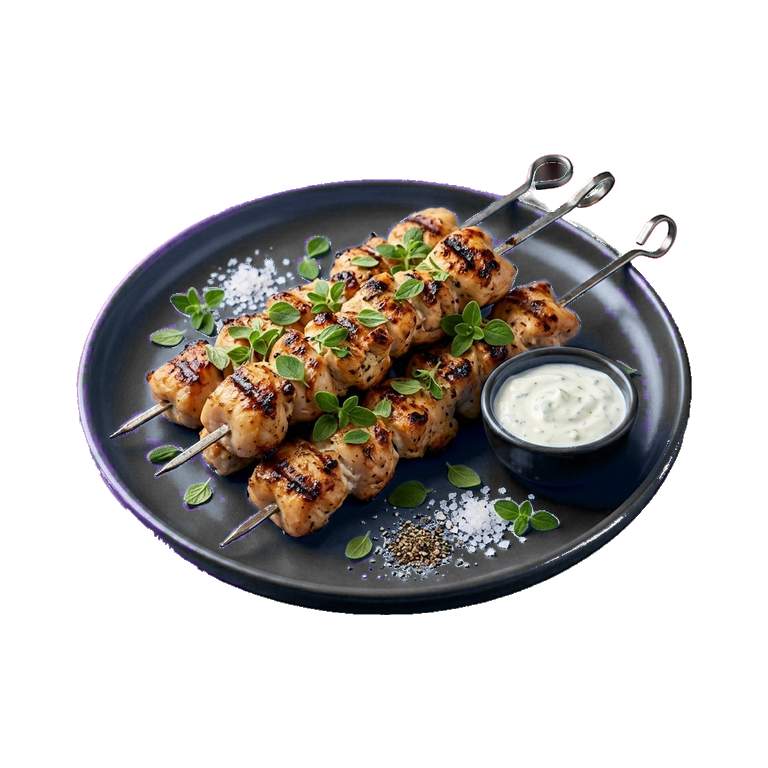
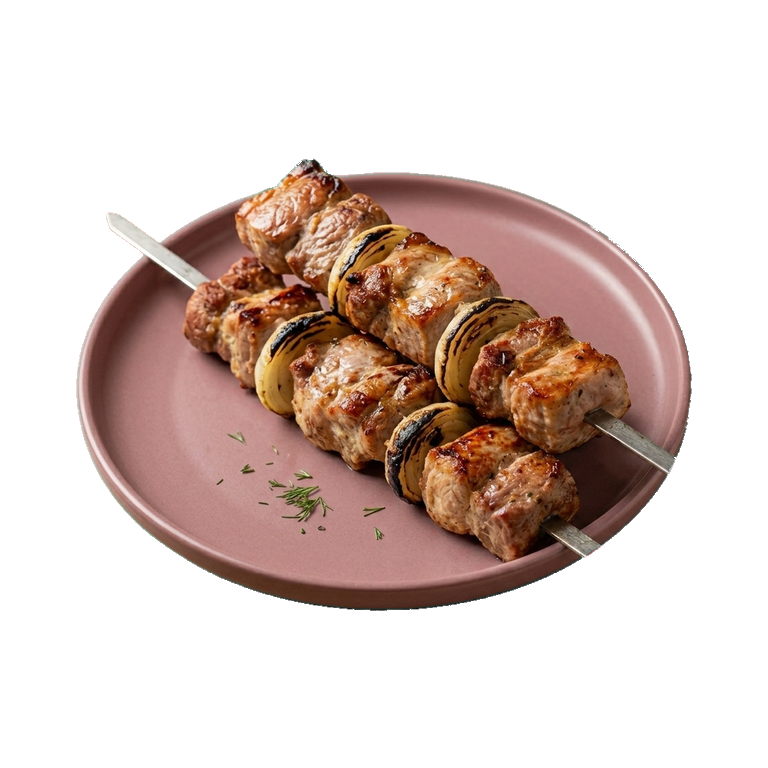
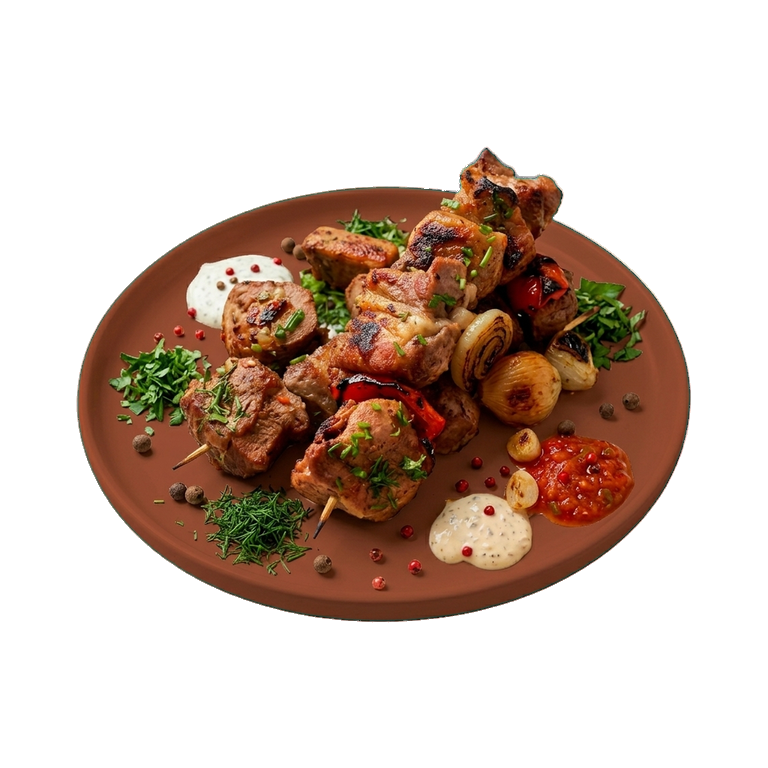
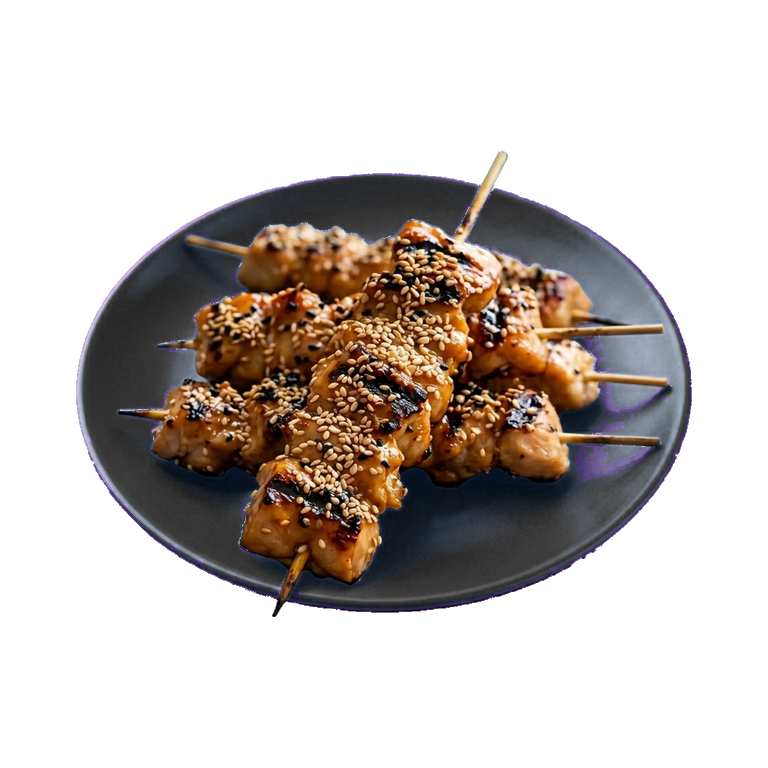
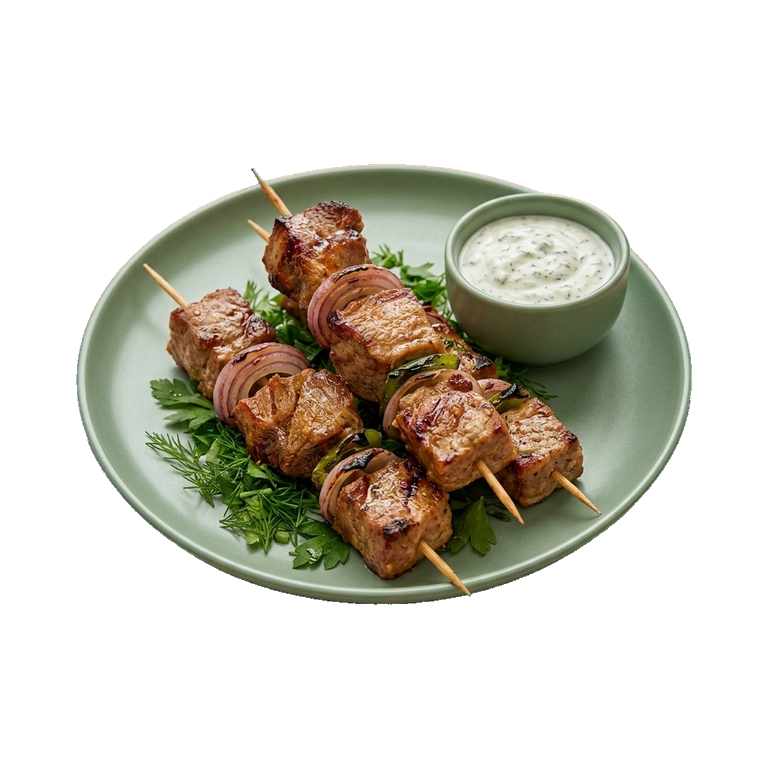
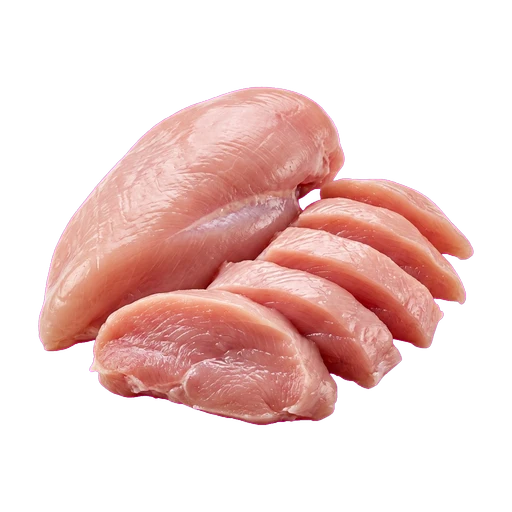
- Marinades and sauces. The acidity of kefir tenderizes meat, and its milk fat softens sharp spices. Try marinating chicken or beef in kefir with garlic and herbs.
- Cold soups. Okroshka, beet soup, cold borscht — kefir is the base here that binds the ingredients and adds tartness.
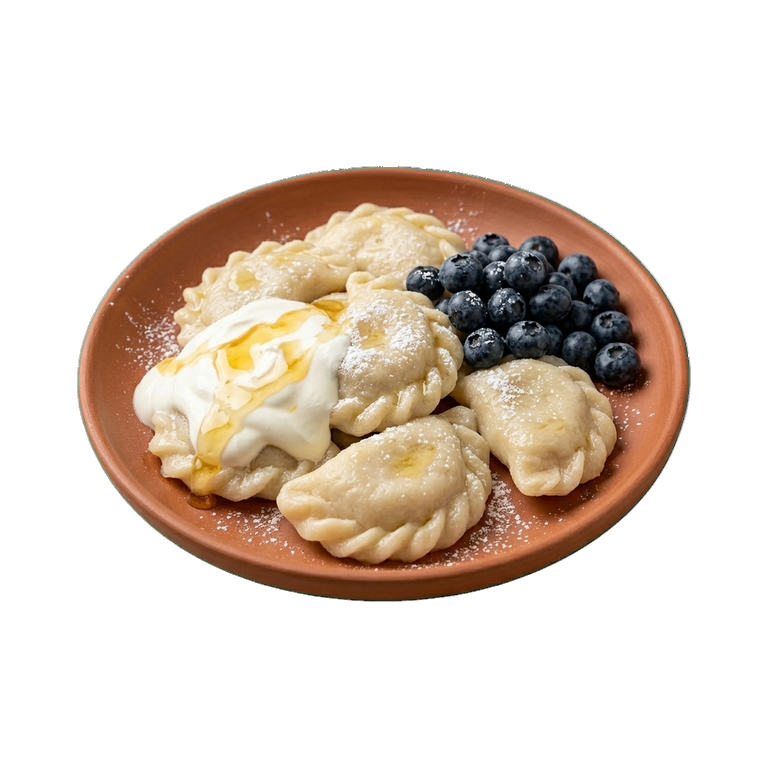
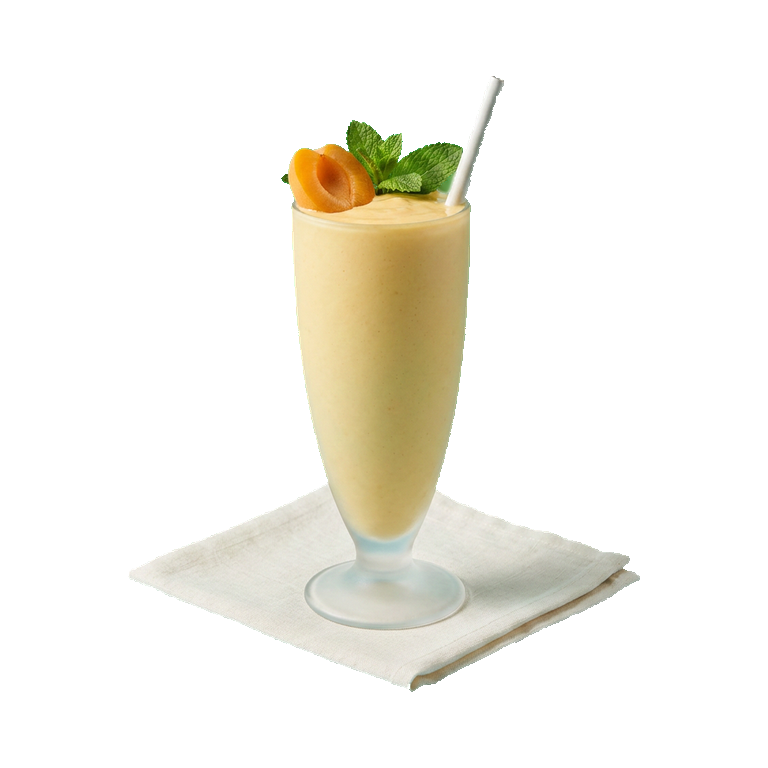
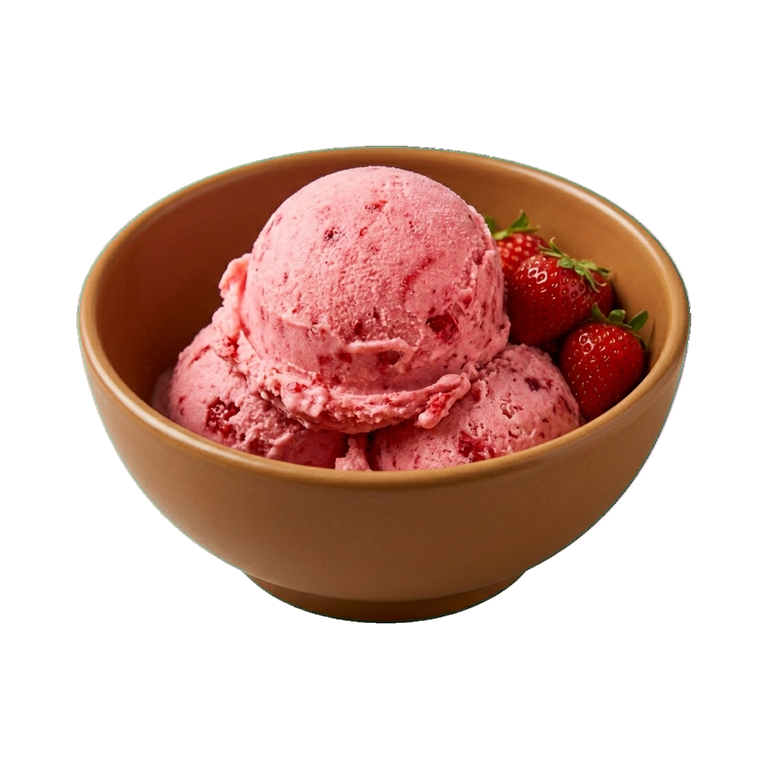
- Drinks and cocktails. Kefir mixes well with fruits, berries, honey, and spices. It thickens smoothies and gives them a creamy texture.
What it pairs with
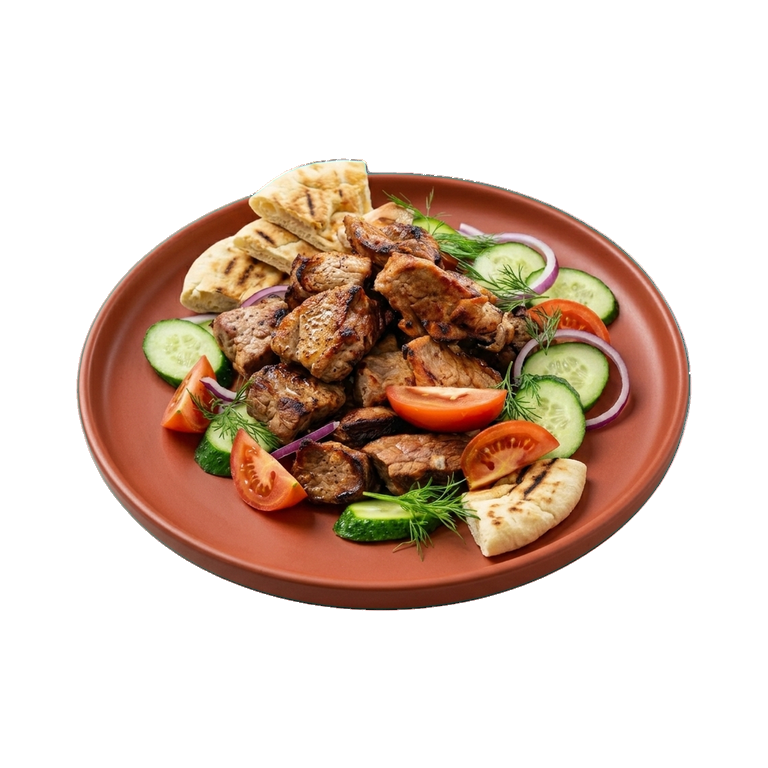
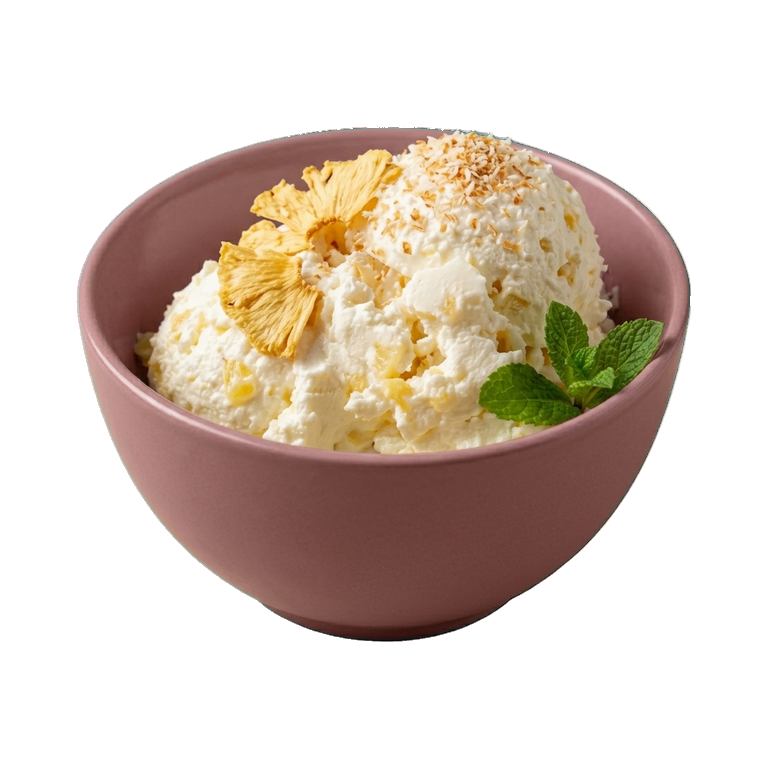
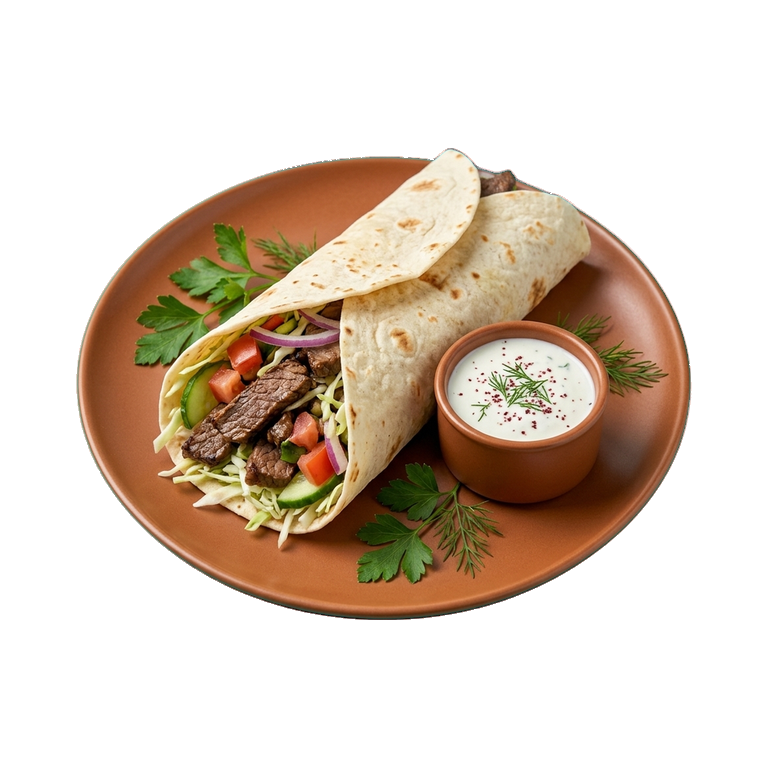
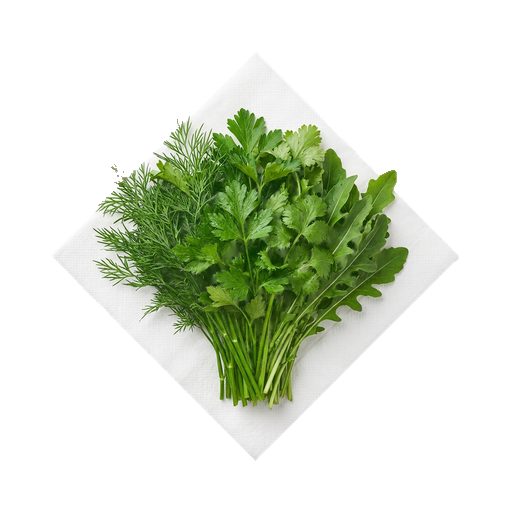
Kefir pairs well with garlic, fresh herbs (dill, parsley, cilantro), spicy spices, fresh vegetables and berries. It works great with honey, cinnamon and vanilla in sweet dishes. Kefir complements meat — beef, chicken, lamb — and helps bring out their flavors. Avoid mixing kefir with very sweet components without acid balance: sugar can overpower its taste.
Selection and Storage
- Check the date. Kefir usually lasts 7–10 days in the refrigerator. The fresher it is, the more delicate the taste.
- Look at the composition. Real kefir contains milk and starter culture (kefir grains), nothing else is needed.
- Choose the fat content based on your needs. 1–2% is suitable for baking, 2.5–3.2% is better for marinades and sauces, and for drinking — to taste.
- Store in the refrigerator in the coldest place. Kefir doesn't like heat and temperature fluctuations.
If kefir has separated and clear liquid (whey) has appeared on top, this is not spoilage — it simply means it has matured. Stir it or use it as is, depending on the recipe.
Nutrition
per 100 ml
- Calories
- 59 kcal
- Protein
- 3.4 g
- Fat
- 2 g
- Carbs
- 4.7 g
Measures and weight
- 1 tbsp
- 15.2 g
- 1 tsp
- 5 g
- 1 cup
- 252.5 g
Measure calculator
- Weight
- 100 g
- Calories
- 58 kcal