Usuba
Usuba
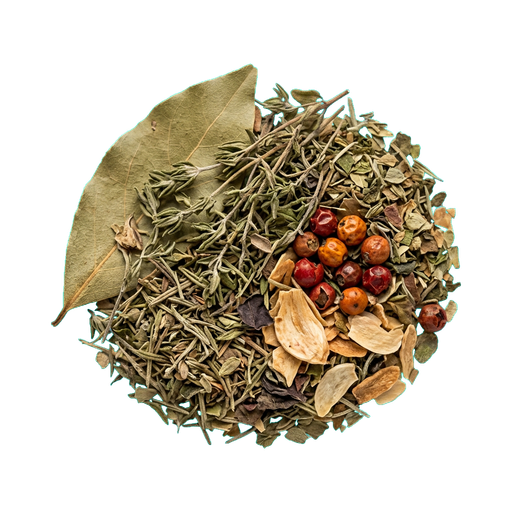
Seasonings
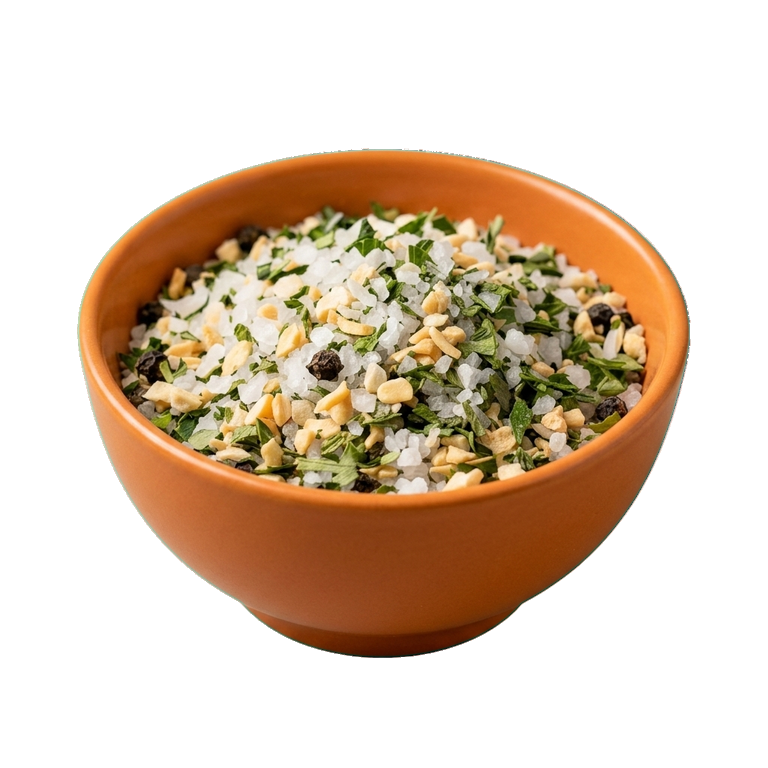
Seasonings are blends of dried herbs, spices, and other aromatic components that add depth of flavor and aroma to dishes. They are used in small amounts to enhance the natural taste of main ingredients and create complex flavor profiles in soups, meat dishes, sauces, and side dishes. When choosing seasonings, it is important to check their freshness and aroma, as essential oils evaporate over time and the blend loses its intensity.
About
Spices are what transform an ordinary dish into a memorable one. They work not just as flavor enhancers, but as full-fledged ingredients that create depth, warmth, and character in every bite. A good spice can be barely noticeable, but its absence is always felt.
When a spice becomes the main ingredient
Some spices work in the background — a little black pepper here, a pinch of salt there. But there are those that announce themselves immediately: turmeric paints the dish gold and brings earthy warmth, cinnamon creates a sweet note, paprika adds smokiness and depth. Each spice has its own character, and it's important to understand when its voice should be louder and when it should be barely heard.
The freshness of spices matters. Ground spices lose volatile oils over time, which are responsible for aroma and flavor. Whole seeds last longer and unfold more fully if lightly toasted in a dry pan before use. This simple technique awakens the spice and makes its presence in the dish more vibrant.
Practice: how to choose and combine
When choosing spices, pay attention to color and smell. Bright color and strong aroma are signs of freshness. If a spice smells musty or looks faded, it's better not to buy it. Purchase in small quantities, especially ground spices — they lose quality faster.
Combining spices is not a science, but rather intuition backed by experience. Warm spices (cinnamon, clove, nutmeg) work well together. Hot spices (black pepper, chili, ginger) enhance each other. Try mixing two or three components and write down successful combinations — over time you'll develop your own library of blends.
- Add spices at the beginning of cooking if you want them to integrate into the dish
- Use at the end if you need freshness and brightness of flavor
- Heat spices in oil or in a dry pan to unlock their potential
- Store in airtight containers, away from light and heat
Spices are the language of cuisine. They tell stories of culture, traditions, and the chef's creative approach. Start with classic combinations, and then allow yourself to experiment. Even a small pinch of the right spice can change everything.
Measures and weight
- 1 tbsp
- 7.5 g
- 1 tsp
- 2.5 g
- 1 cup
- 125 g
Measure calculator
- Weight
- 100 g