Usuba
Usuba
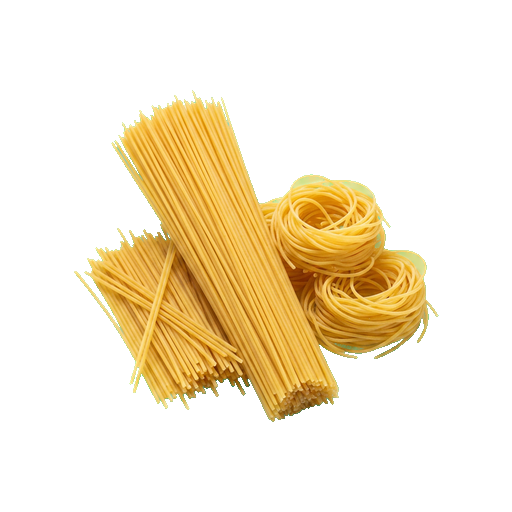
Spaghetti
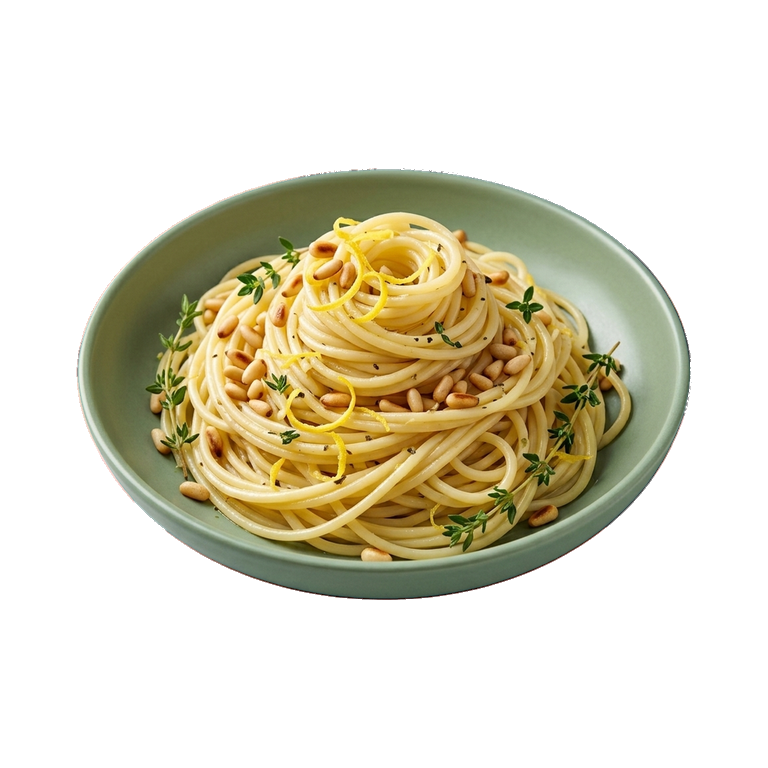
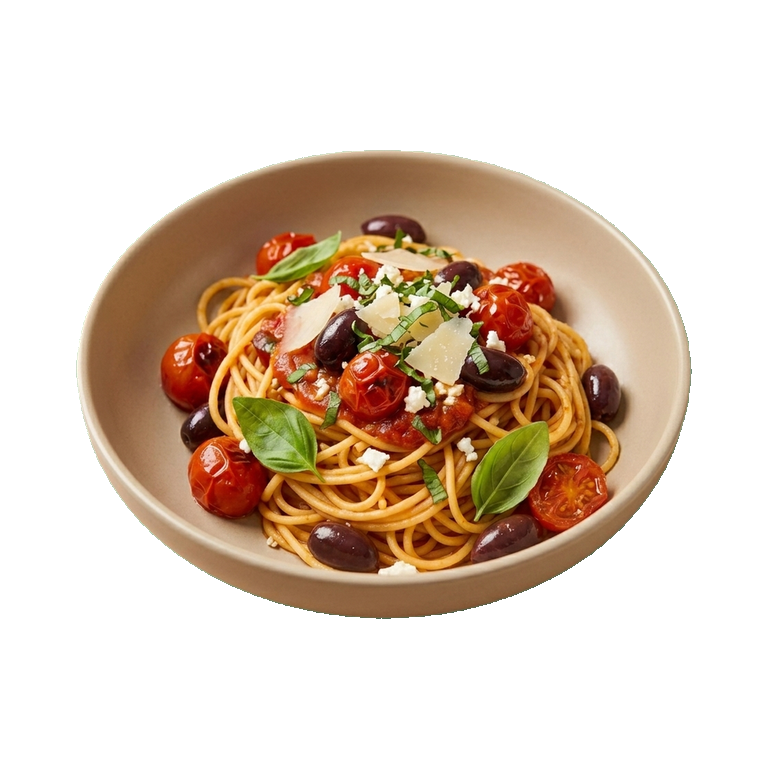
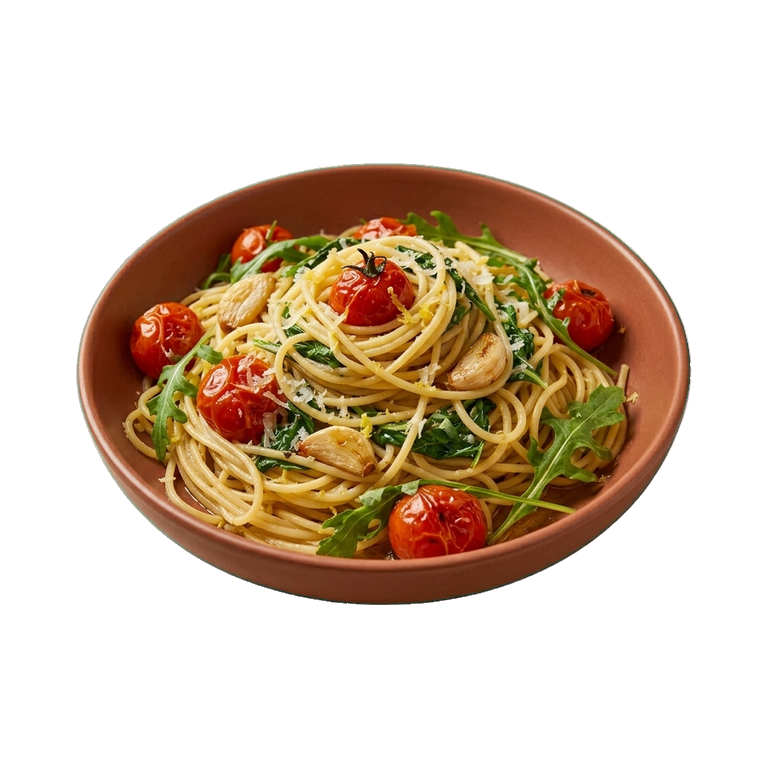
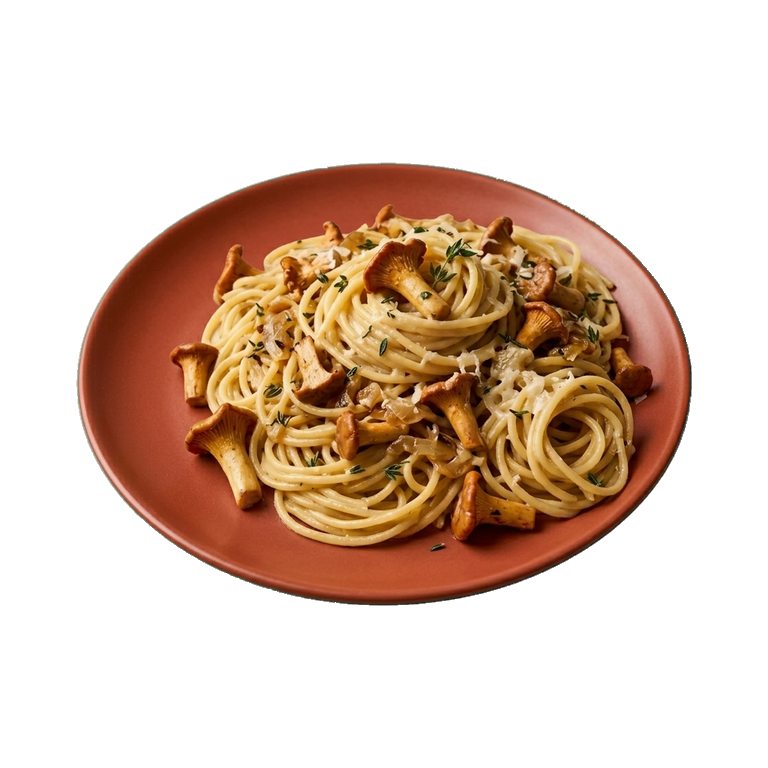
Long thin pasta of cylindrical shape that cooks until soft and absorbs sauces well. Spaghetti is versatile in use — suitable for butter, tomato, and cream sauces, as well as dishes with seafood and vegetables. When choosing, pay attention to the quality of flour and cooking time indicated on the package, as overcooked pasta becomes mushy and loses its structure.
About
Spaghetti is a long, thin pasta that has become synonymous with Italian cuisine worldwide. Its versatility in the kitchen is explained simply: spaghetti absorbs sauce, holds its shape during cooking, and pairs well with any combination of ingredients — from light olive oils to rich meat gravies.
Taste and texture
Good spaghetti has a neutral, slightly nutty flavor of wheat flour. The key is texture. Properly cooked spaghetti remains elastic with barely noticeable resistance when bitten, which the Italians call "al dente". This is achieved thanks to the protein content in pasta and the correct cooking time.
You can find spaghetti made from soft wheat, durum wheat, and their blends on store shelves. Pasta made from durum wheat (durum) holds its shape better and is less likely to become overcooked — this is what you need for reliable results. Whole grain and colored spaghetti (with spinach, beets, squid ink) add visual interest and slightly change the flavor profile.
How to cook and pair
- Boil in salted boiling water — salt adds flavor and helps prevent pasta from sticking together
- Check for doneness a minute before the time indicated on the package to avoid overcooking
- Save some cooking water — it will help the sauce coat the spaghetti evenly
- Do not rinse the cooked pasta with cold water unless you are making a cold salad
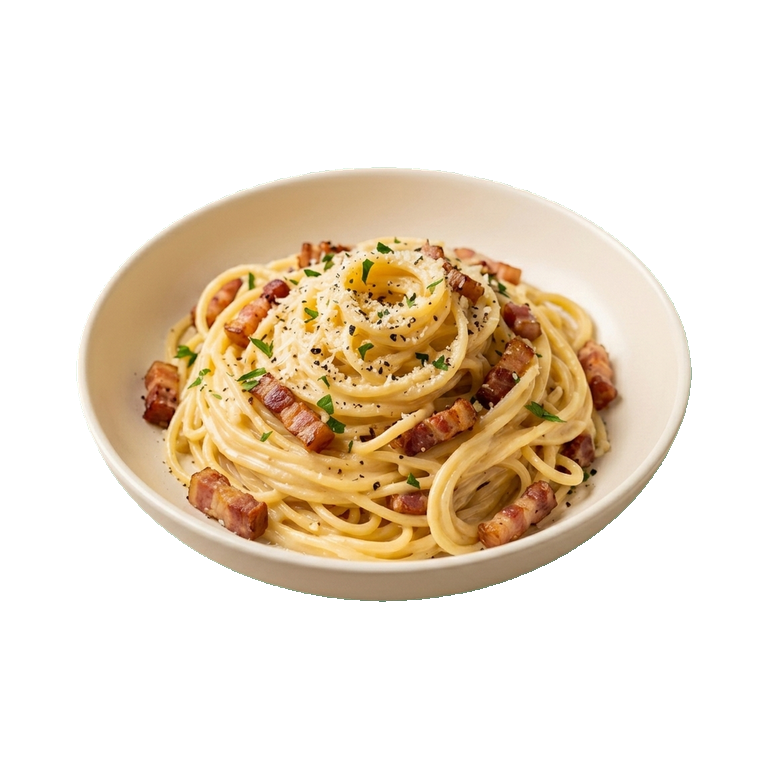
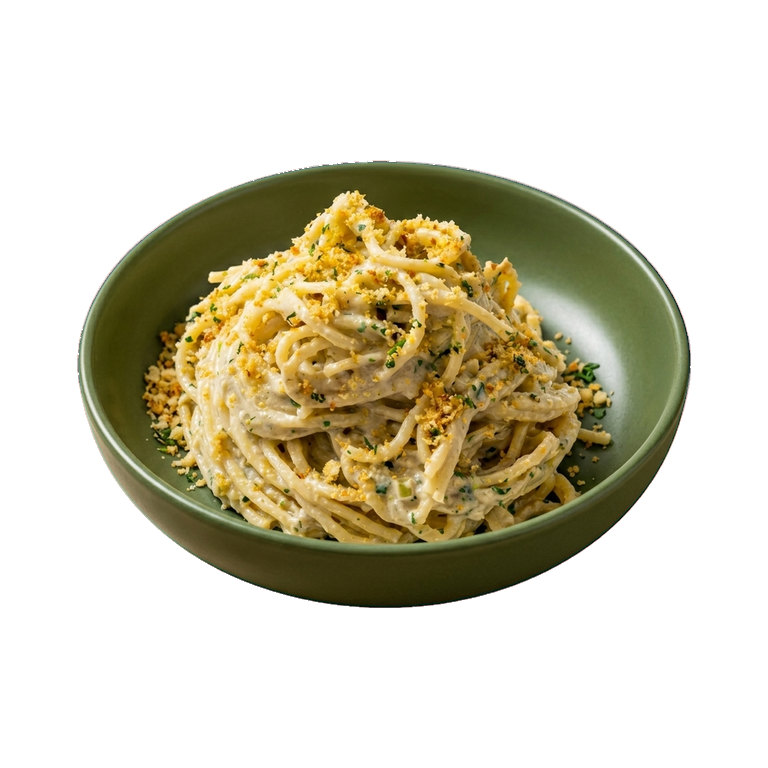
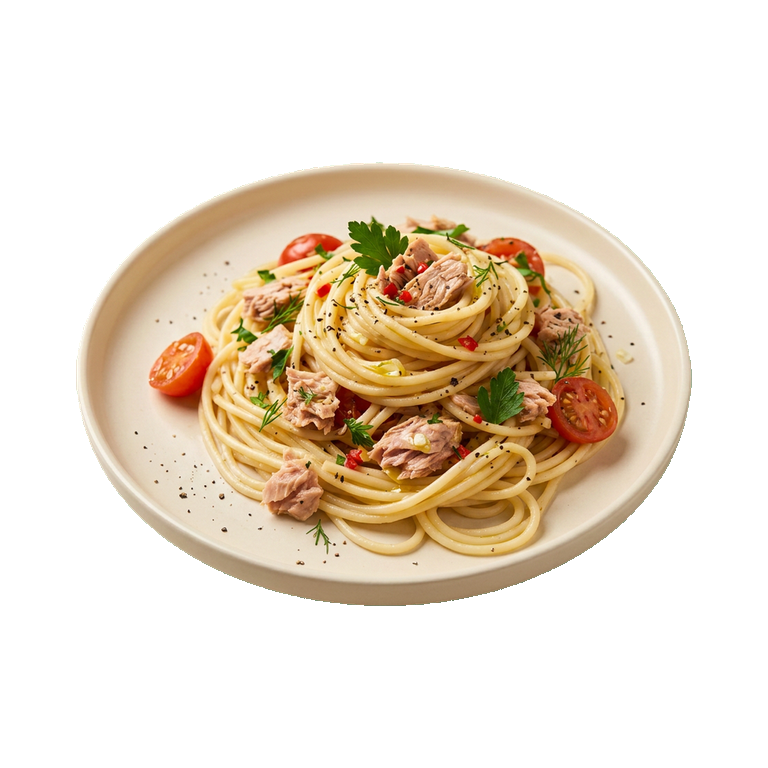
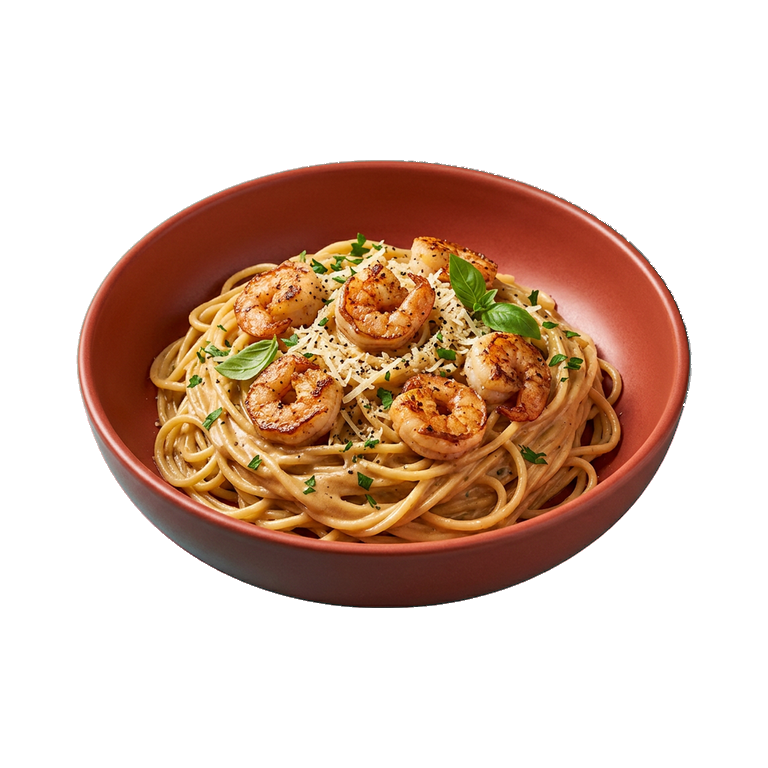
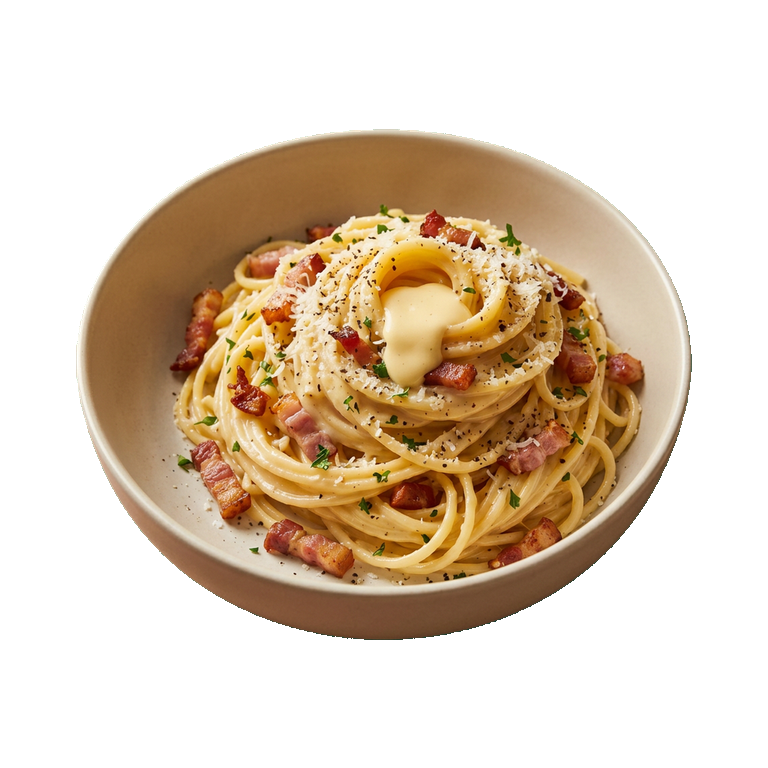
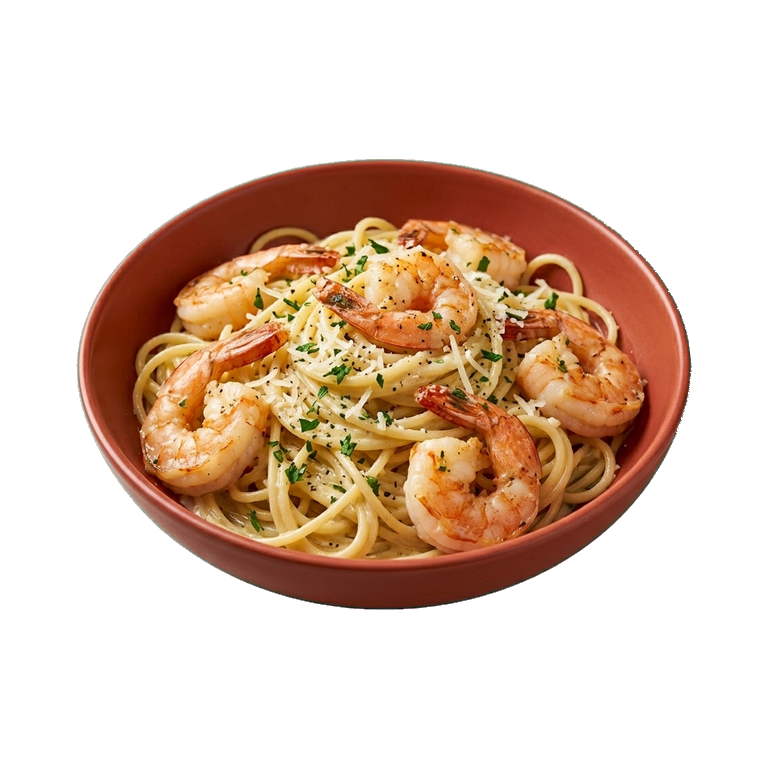
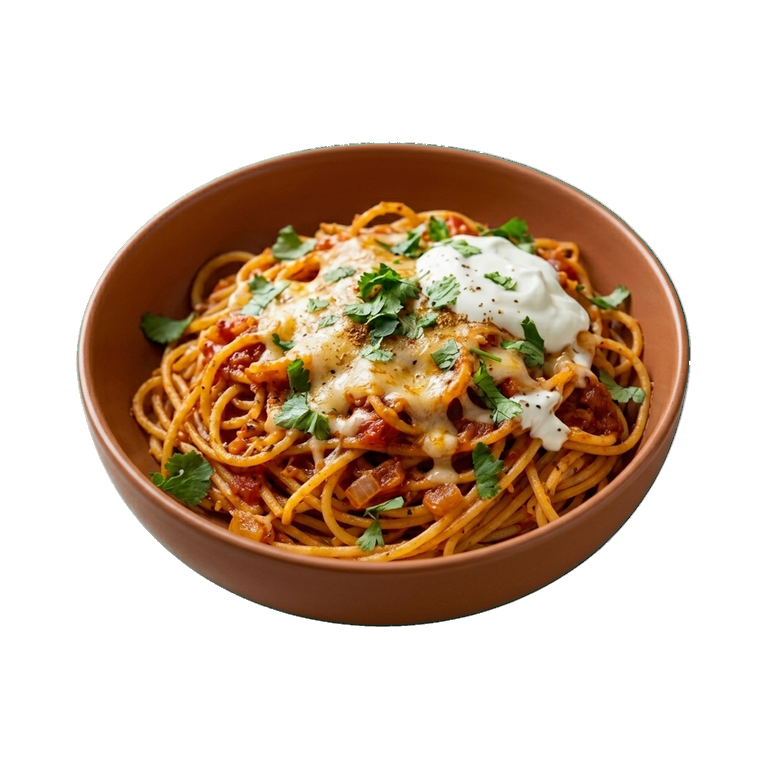
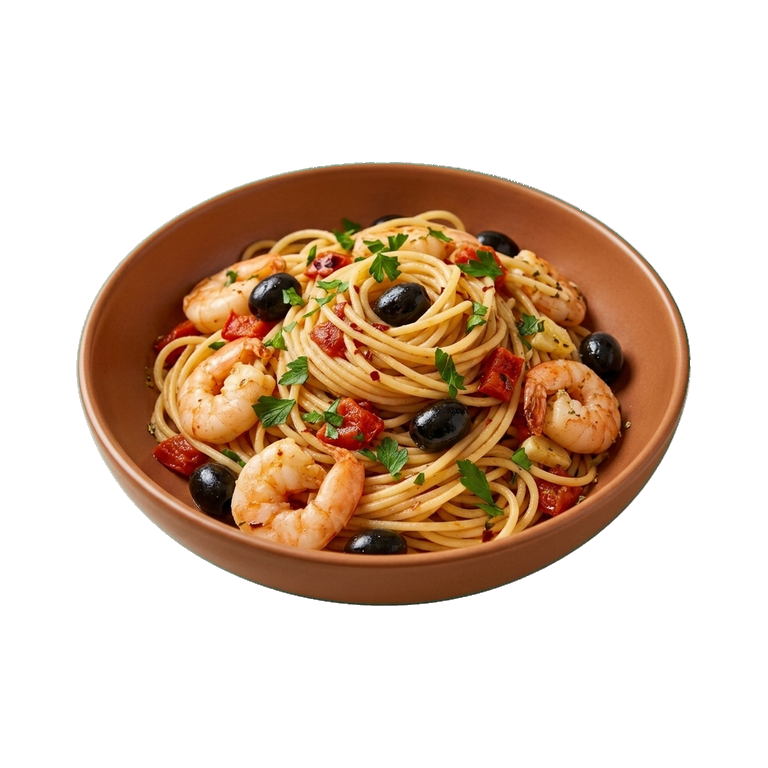
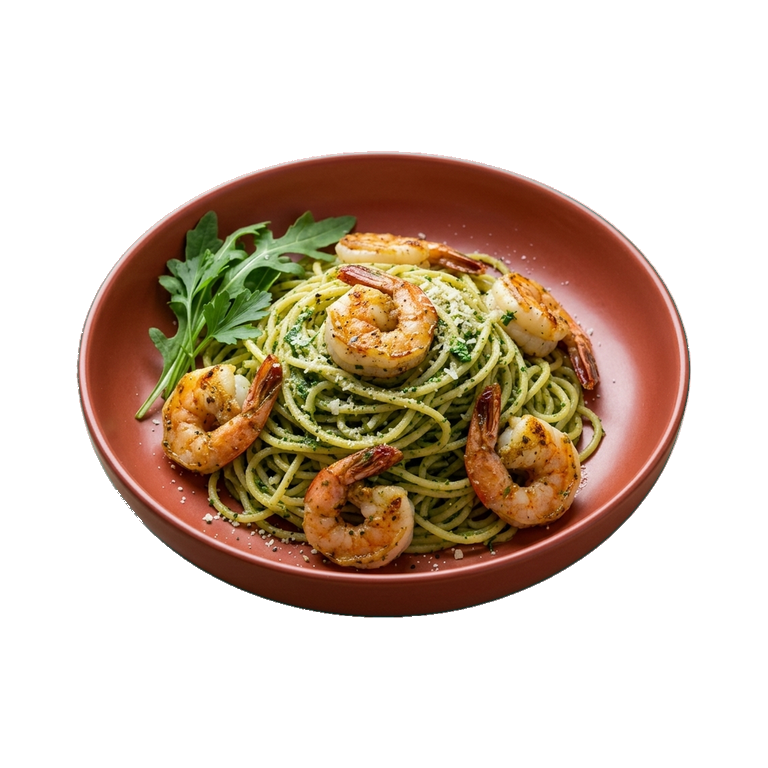
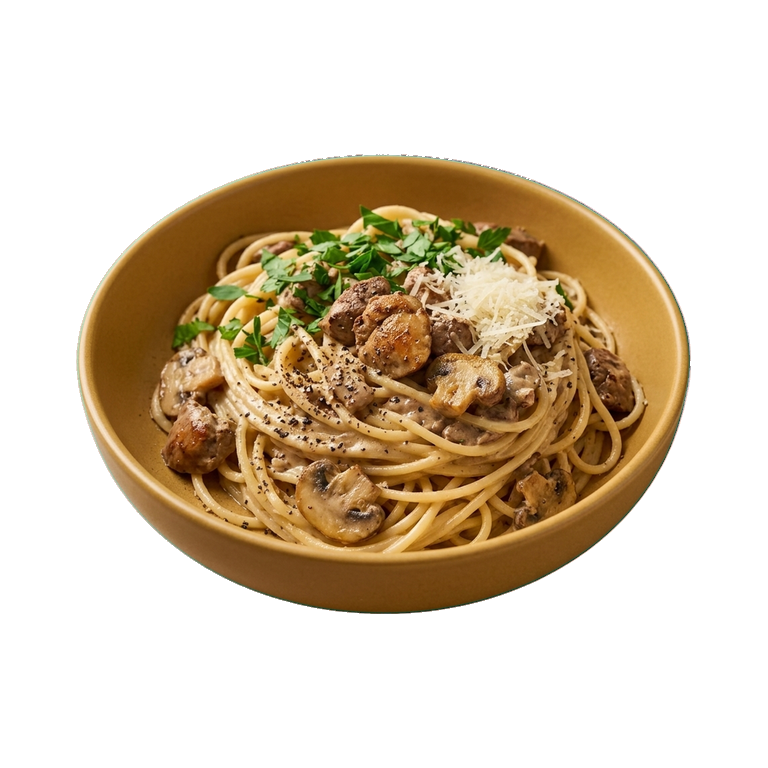
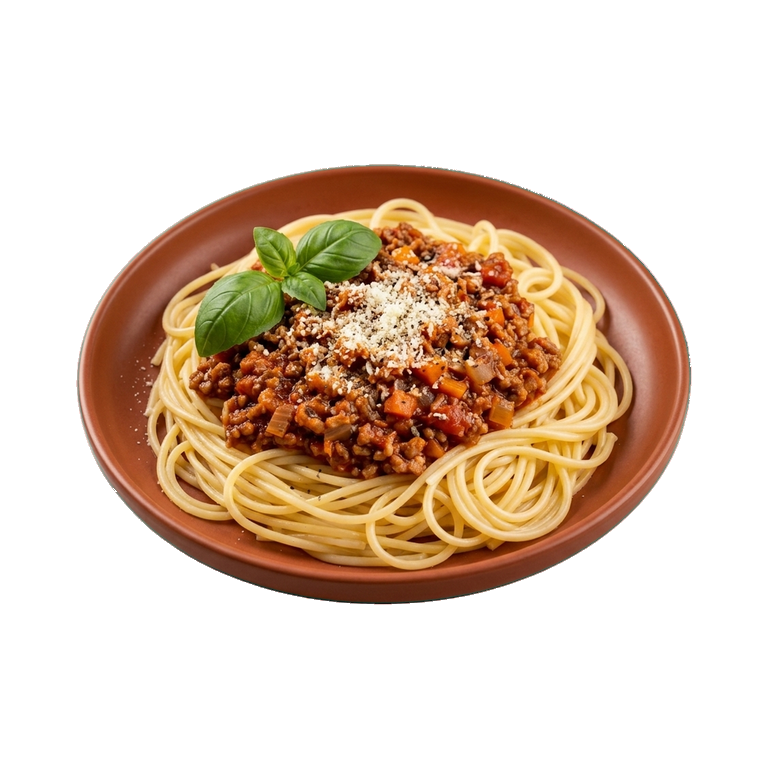
Spaghetti is versatile in combinations. They pair well with tomato sauces, creamy gravies, pesto, olive oil with garlic, seafood, and meat. Thin spaghettini suits light sauces, while thicker spaghettoni can handle rich, thick gravies. The main rule: the simpler the sauce, the higher the quality of the pasta itself should be.
Selection and Storage
- Dry spaghetti stored in airtight packaging in a cool place will last for several years
- Fresh spaghetti (if you make it yourself) should be kept in the refrigerator and used within a day or frozen
- Check the package for cracks and broken pieces — this is a sign of improper storage
- Choose pasta with durum wheat indicated on the package
Spaghetti is the foundation on which many dishes are built. They don't require complex preparation, but they do require attention to detail: pasta quality, cooking time, and sauce selection. This makes them an ideal choice for both a quick dinner and a more serious culinary project.
Nutrition
per 100 g
- Calories
- 371 kcal
- Protein
- 12.5 g
- Fat
- 1.1 g
- Carbs
- 74.7 g
Measure calculator
- Weight
- 100 g
- Calories
- 371 kcal