Usuba
Usuba
Green beans
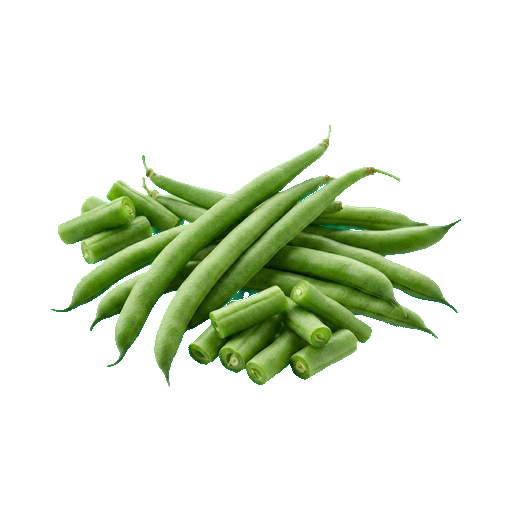
Young green beans are a tender vegetable with a soft structure that is eaten whole together with immature seeds. They have a delicate, slightly sweet taste with herbaceous notes, and a crispy texture when properly prepared. Green beans can be boiled, stewed, fried, or added to salads; they absorb sauces and spices well, which is why they are often used in Asian and Mediterranean cuisine. When selecting, look for bright green, firm pods without dents — overripe ones become tough and fibrous.
About
Green beans are young immature bean pods that are eaten whole without removing the seeds. Unlike mature beans, they don't require lengthy cooking, and the product itself remains tender and crispy. In the kitchen, this is a versatile vegetable that works equally well in hot dishes, salads, and side dishes.
Taste and Texture
Fresh green beans have a mild, slightly sweet taste with herbal notes. Texture is their main advantage: when properly cooked, the pods remain firm and crispy, without becoming soft and watery. It is this crunchiness that makes them pleasant in salads and light side dishes.
How to cook
Green beans cook in just 3–5 minutes in salted water or steam for 4–6 minutes. The key is not to overcook, otherwise the texture will be lost. For salads, you can blanch in boiling water for 2–3 minutes, then cool in ice water. They fry wonderfully in a pan with oil and garlic — the pods lightly brown and become even more delicious.
Pairings and role in dishes
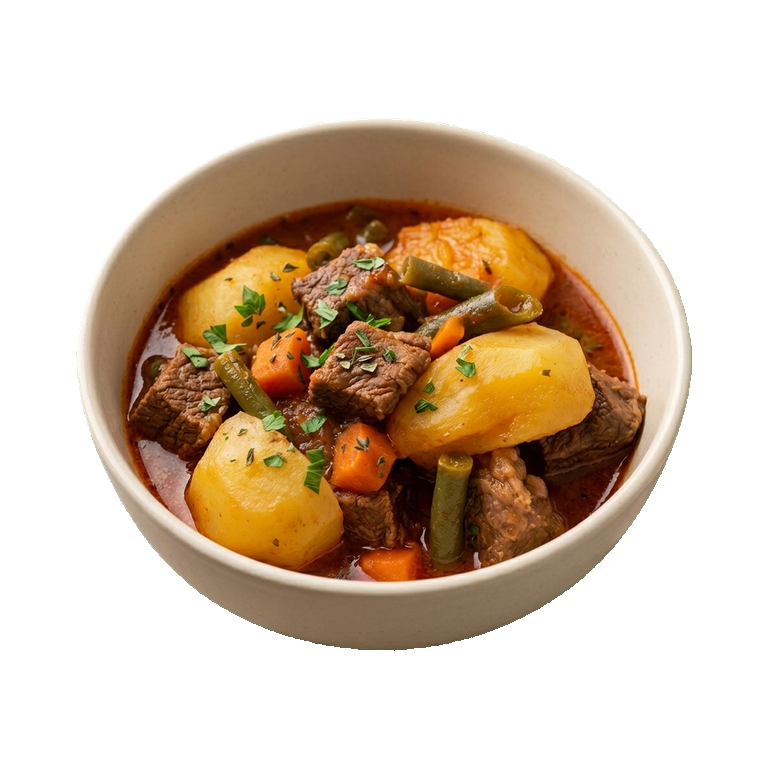
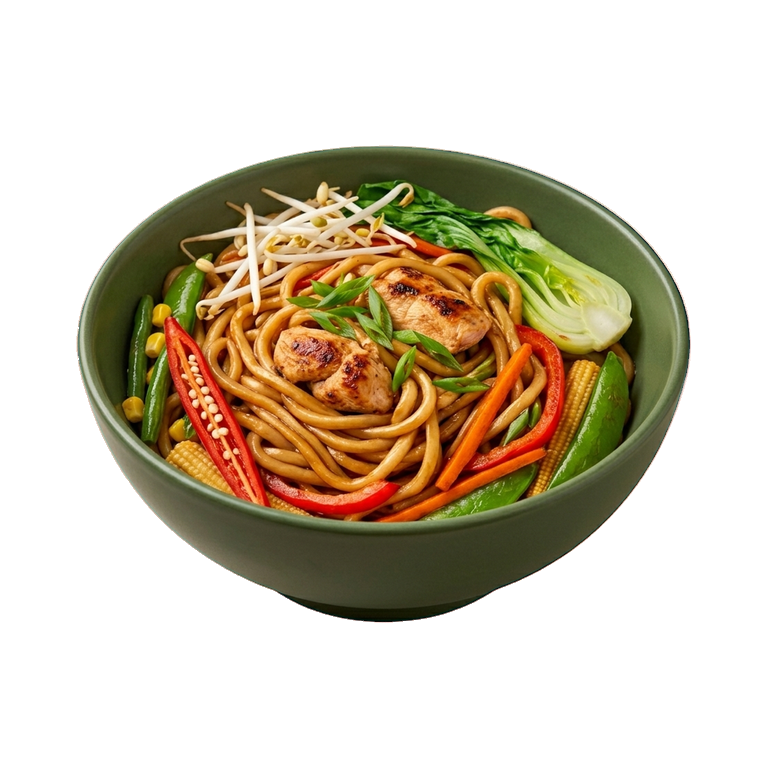
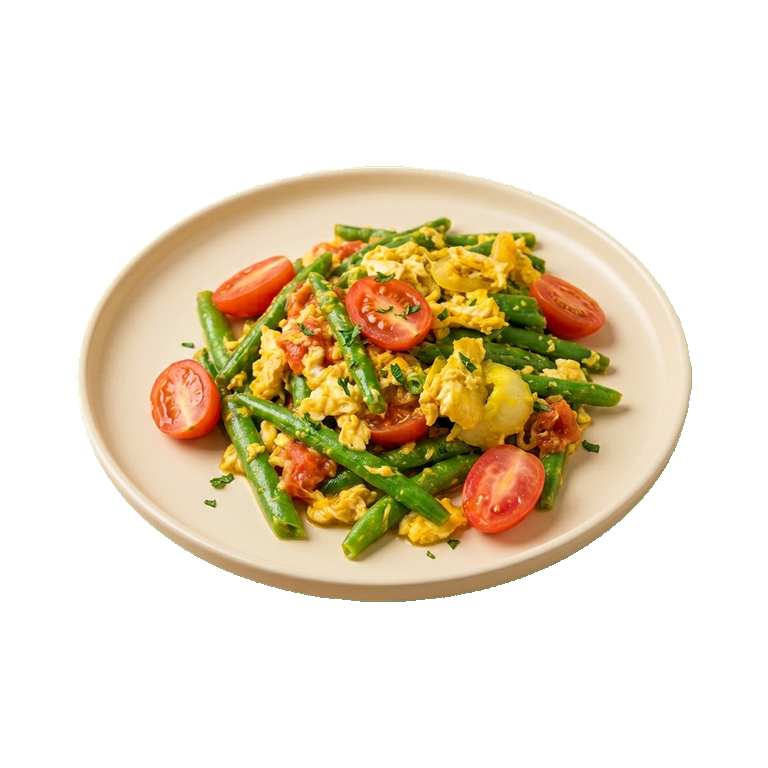
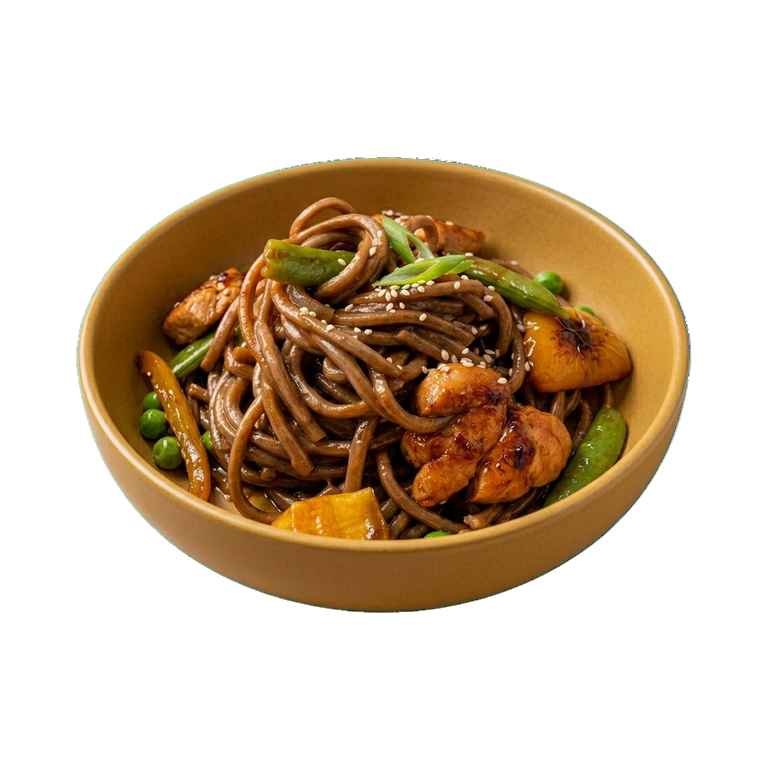
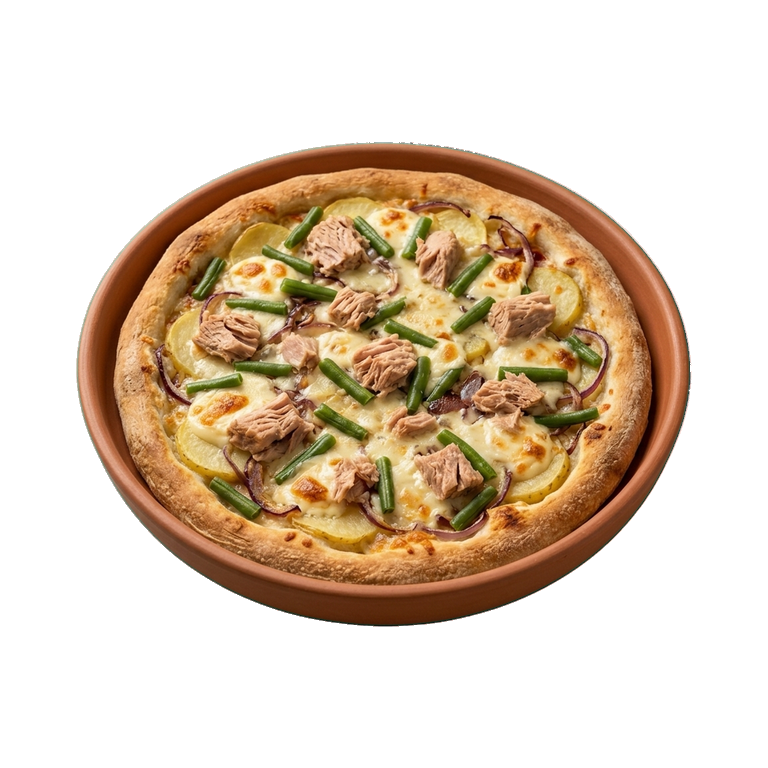
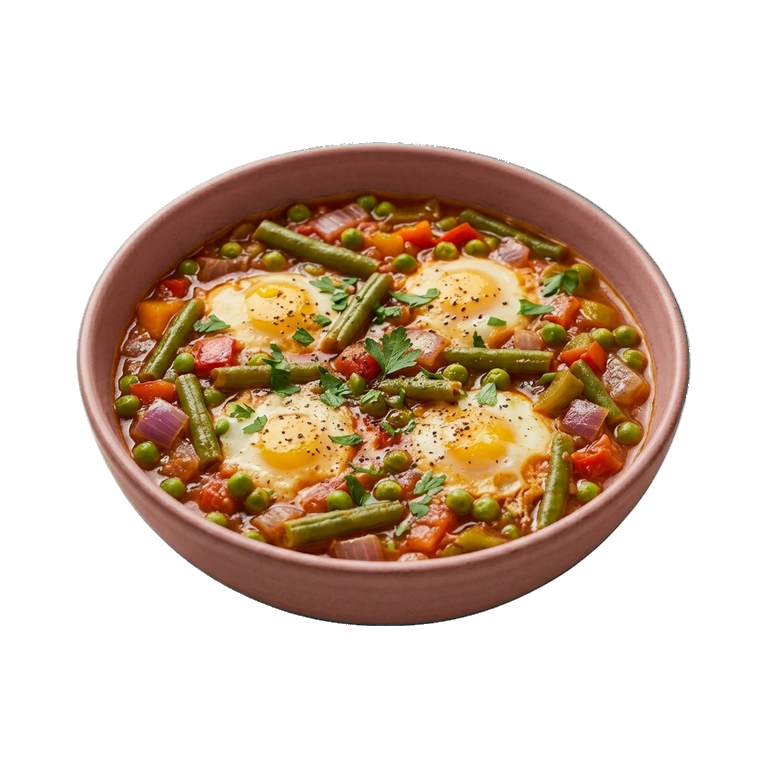
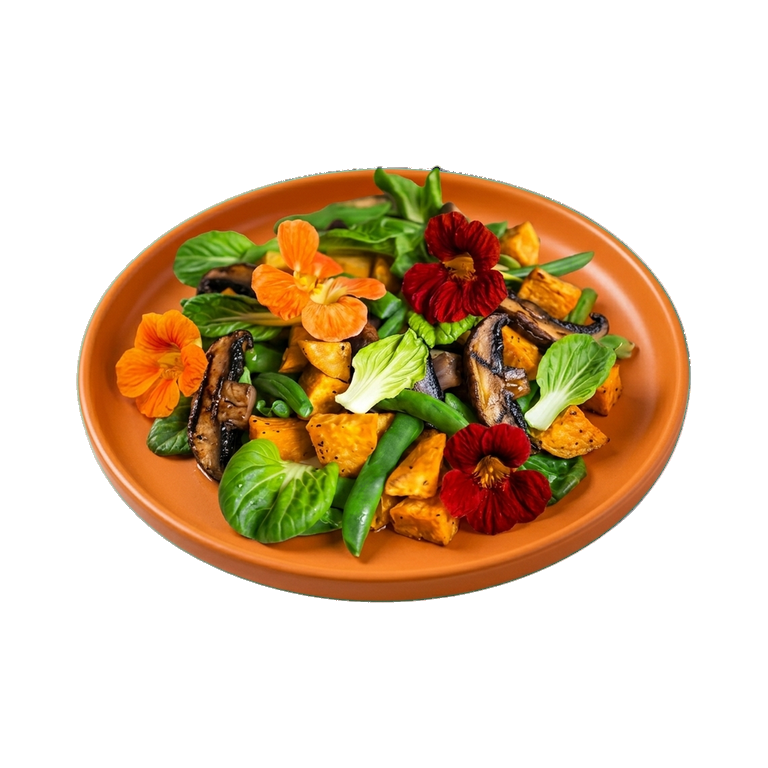
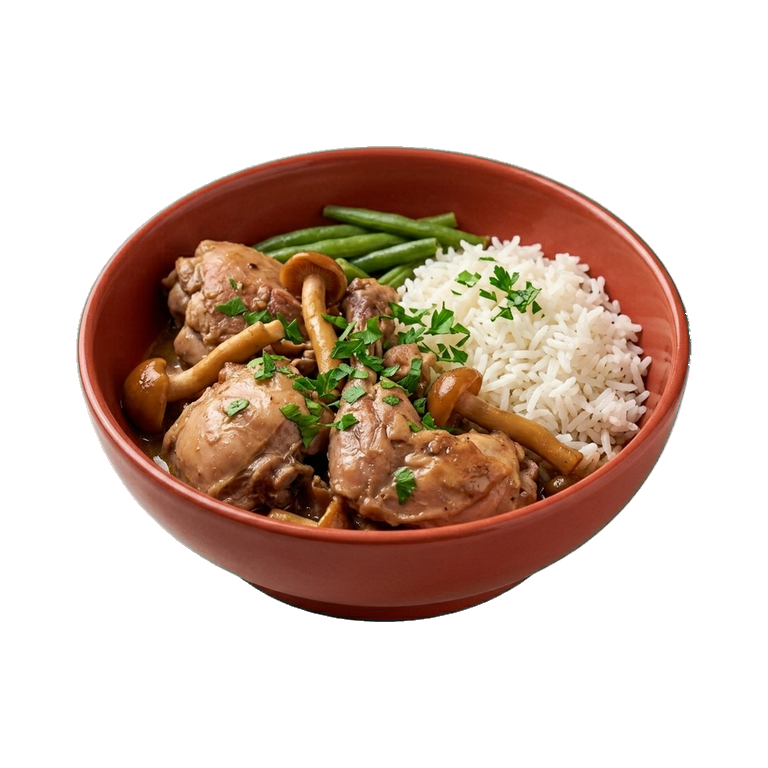
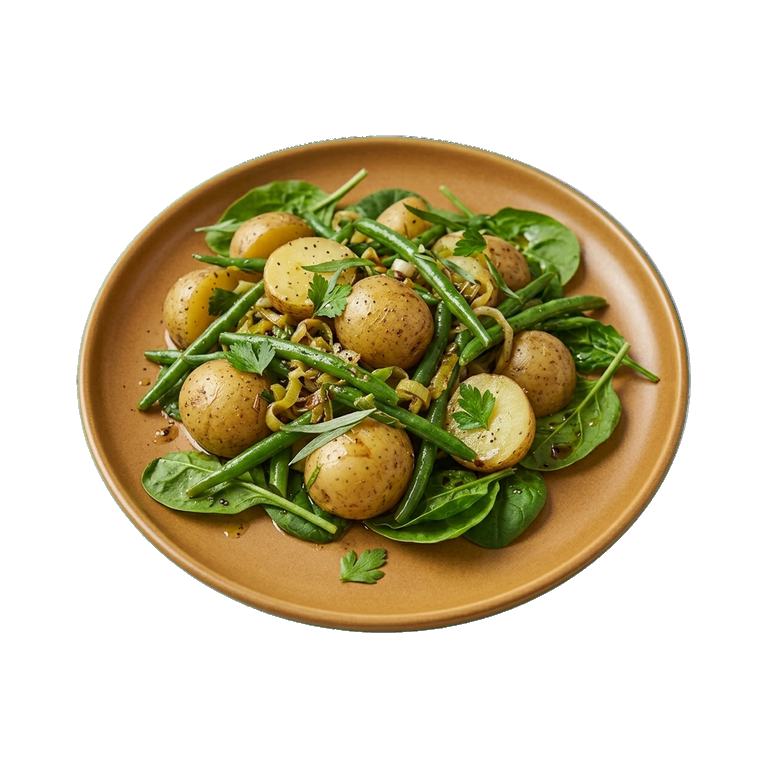
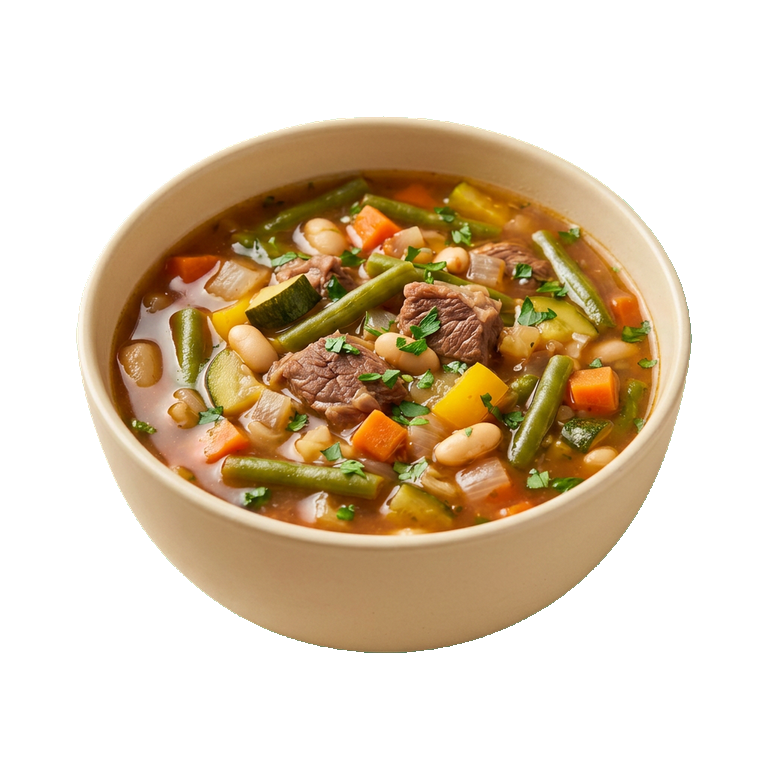
Green beans work well with tomatoes, onions, garlic, and herbs — especially parsley and basil. They don't compete with the flavor but complement it, which is why they pair perfectly with fish, chicken, and beef. In Asian cuisine, they are stewed with soy sauce and ginger, while in European cuisine, they are added to vegetable stews and side dishes with meat.
Selection and Storage
Choose bright green pods that are firm and free from damage. They should crunch when bent. Avoid limp or yellowed pods — this is a sign of age. Store beans in the refrigerator in a plastic bag or container for no more than 4–5 days. For long-term storage, you can freeze them: blanch for 2–3 minutes, cool in ice water, dry, and arrange on a freezing tray, then transfer to a freezer bag.
Practical Tips
- Trim both ends of the pod before cooking — it will take a minute and make the dish look neater.
- Salt the water generously — as you would for pasta. This will help preserve the bright green color.
- If cooking in a pan, don't stir the beans constantly — let them fry on one side for better flavor.
- Frozen beans don't need to be thawed — toss them directly into boiling water or onto a hot pan.
Nutrition
per 100 g
- Calories
- 31 kcal
- Protein
- 2 g
- Fat
- 0.2 g
- Carbs
- 7 g
Measures and weight
- 1 pcs
- 8 g
Measure calculator
- Weight
- 100 g
- Calories
- 31 kcal