Usuba
Usuba
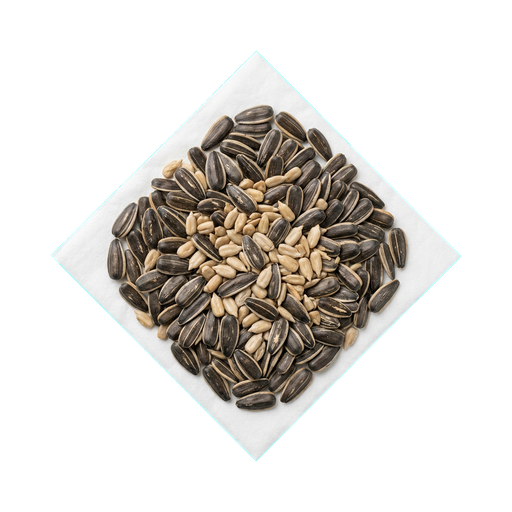
Sunflower seeds
Sunflower seeds are a nutritious ingredient with a delicate nutty flavor and subtle sweetness that adds a crispy texture and depth to dishes. They are used in baking, salads, side dishes, and as a base for oil, as well as sprinkled on finished dishes for contrast. When purchasing, choose seeds without mold and off-odors, store in an airtight container in a cool place to prevent them from becoming rancid, and keep in mind that roasted seeds are more aromatic than raw ones.
About
Why sunflower seeds in the kitchen are not just a snack
Sunflower seeds are one of those ingredients that are easy to underestimate. They seem like just a snack, but in reality, they work in the kitchen much more broadly. Raw, roasted, ground into flour or butter — each form opens up its own possibilities. They add texture, nutty aroma, and nutrition even to simple dishes.
Taste and aroma depending on processing
Raw sunflower seeds have a soft, slightly sweet taste with herbaceous notes. They crunch, but not aggressively, so they work well in salads and porridges where delicacy is needed. However, if you roast the seeds — even in a dry pan — magic happens: the flavor becomes deeper, nutty and slightly toasted notes appear, and the aroma fills the entire kitchen.
Salted seeds are already a finished product with a distinct character, but for cooking it's better to use unsalted seeds or rinse them before use. Ground seeds provide a more delicate nutty background, almost like sesame, but with greater oiliness.
Where and how to use them
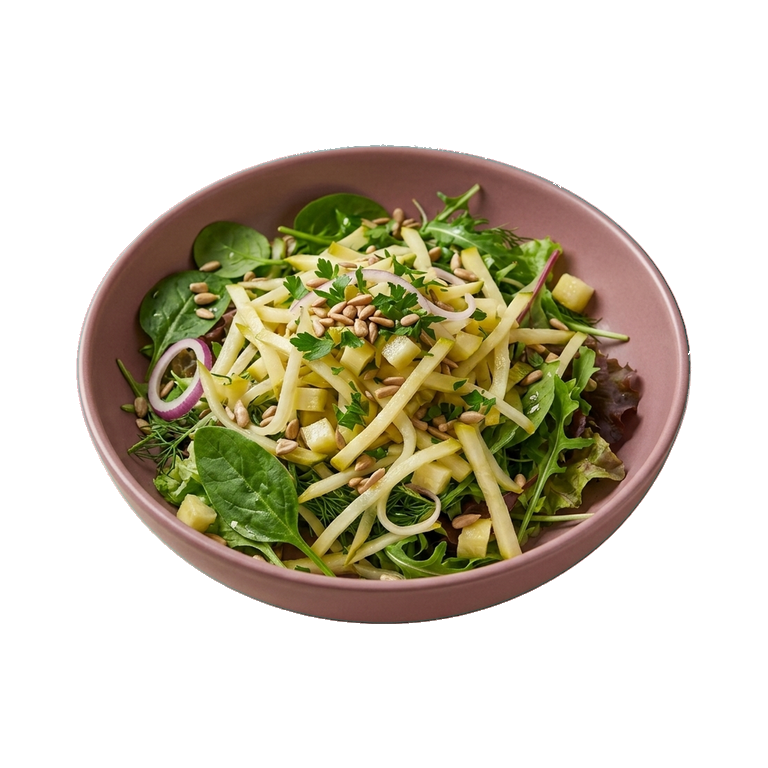
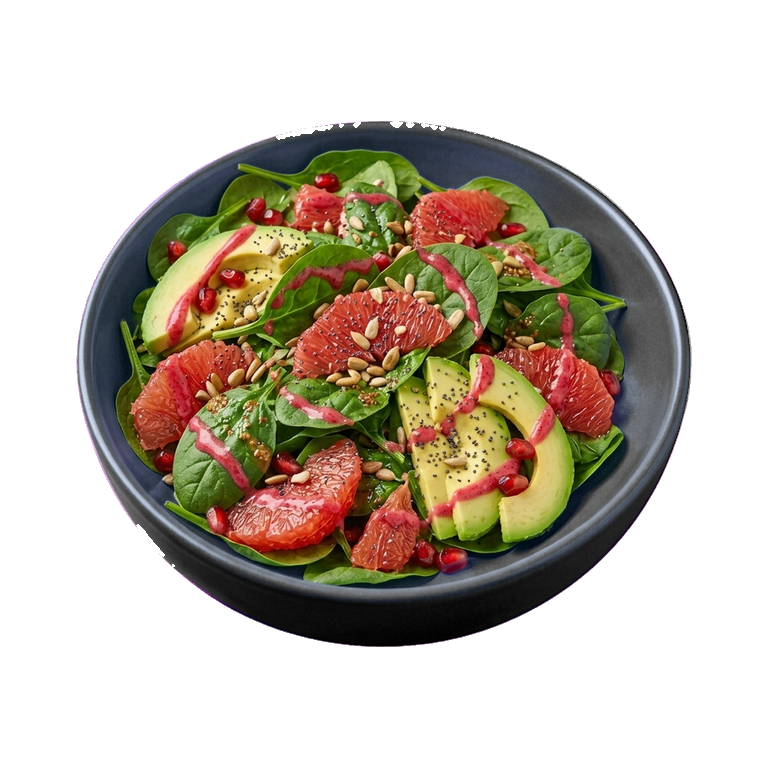
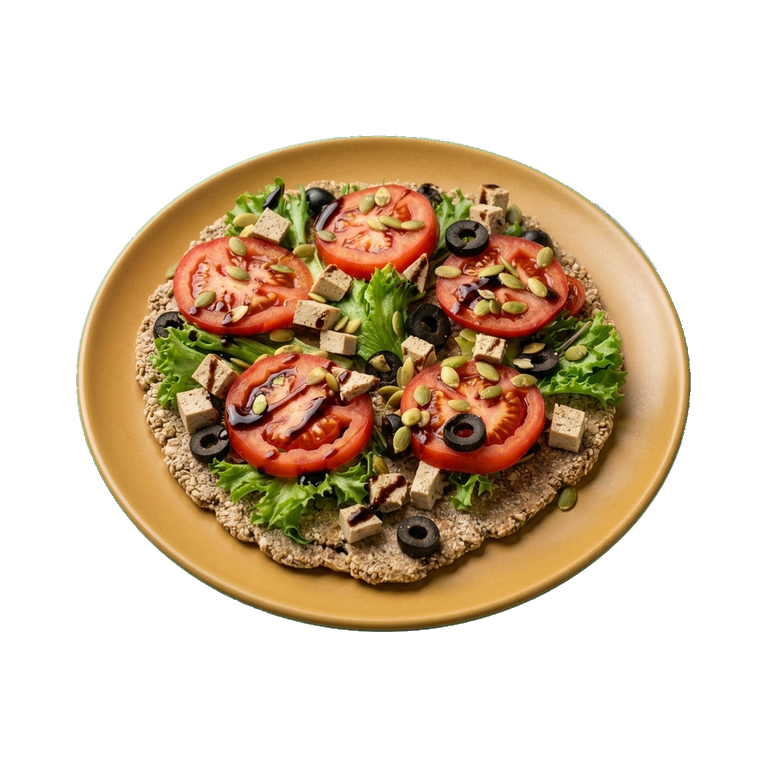
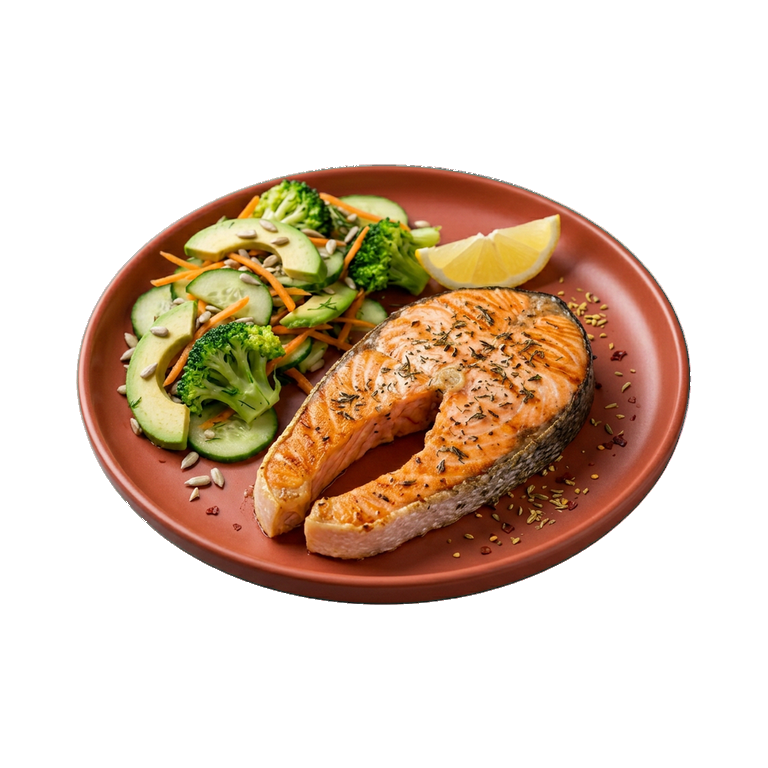
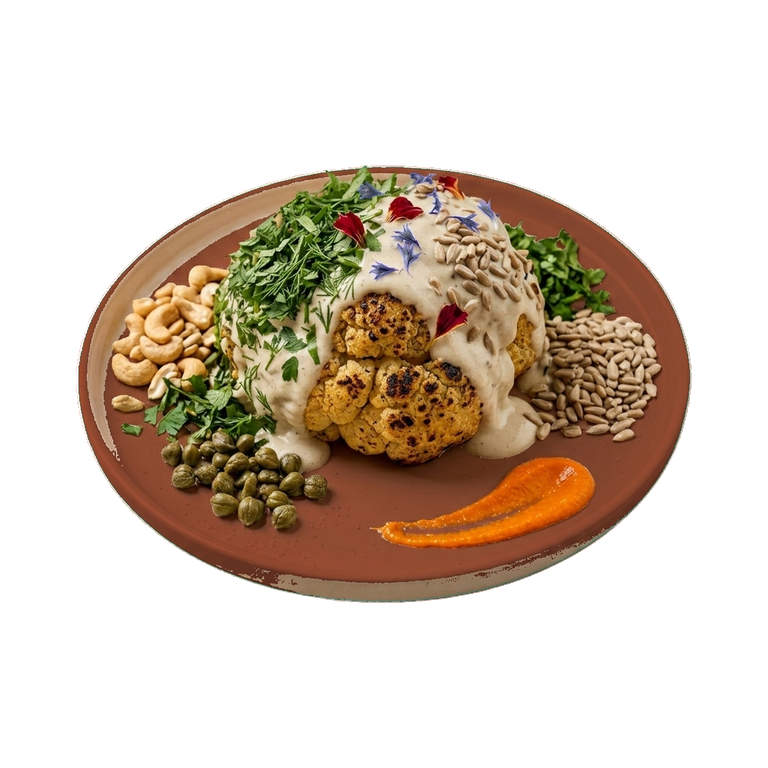
- In salads — raw or lightly roasted seeds add crunch and hold their shape better than nuts
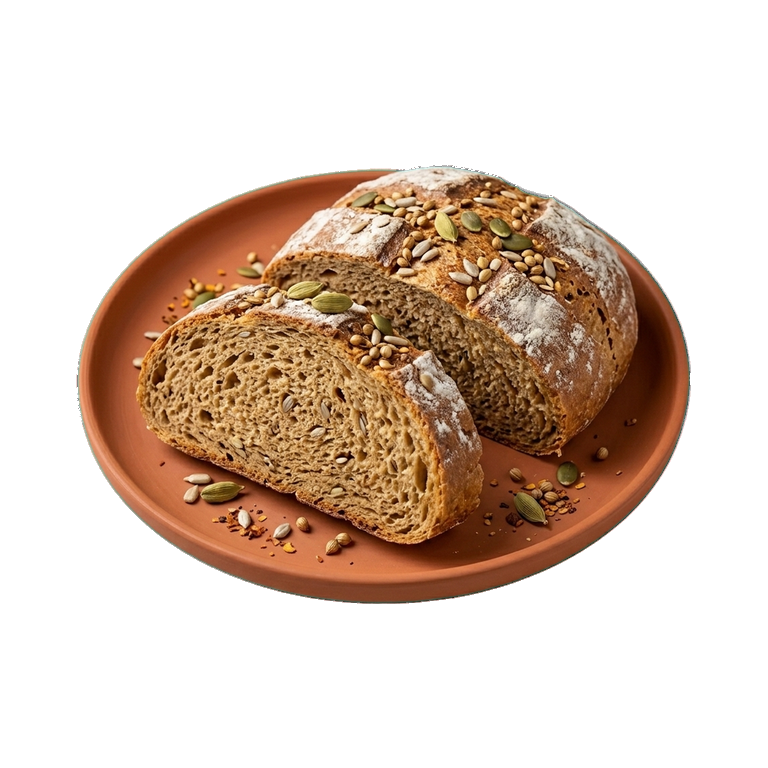
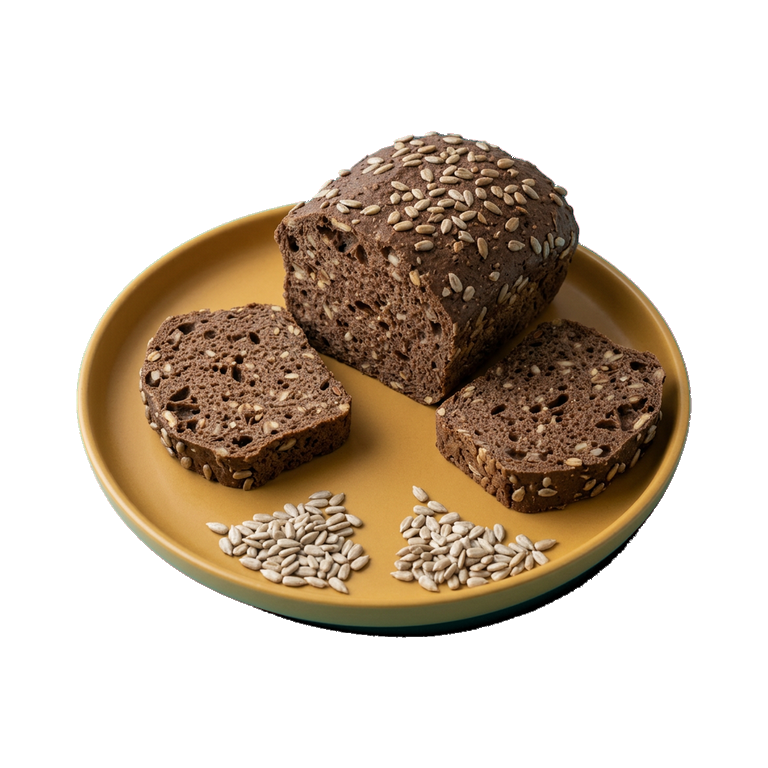
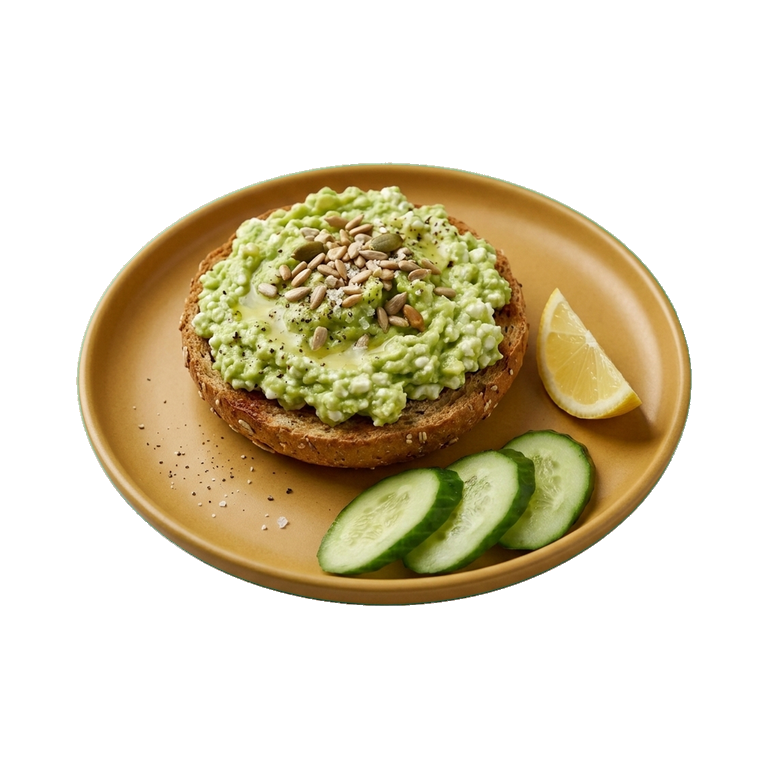
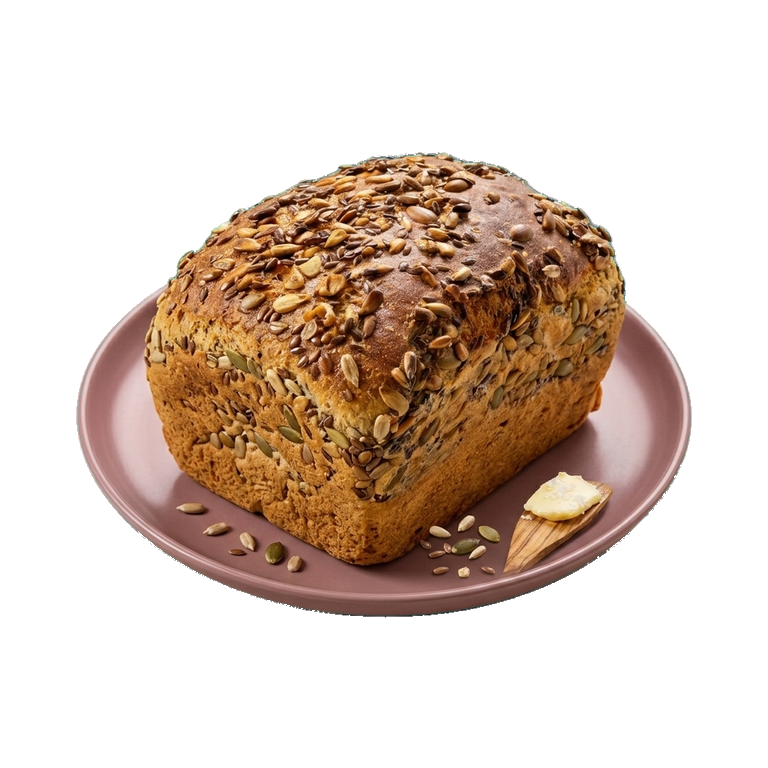
- On bread and buns — topping before baking creates a beautiful crust and nutty flavor
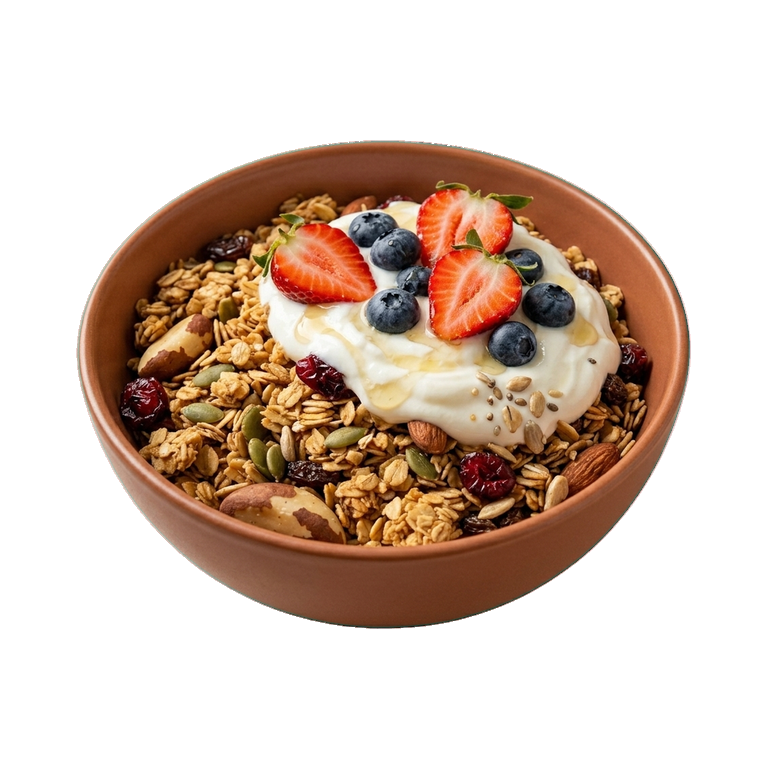
- In porridges and side dishes — roasted seeds make the dish more interesting without overpowering the main taste
- In sauces and pastas — ground seeds thicken and enrich, working as an alternative to nuts in cooking
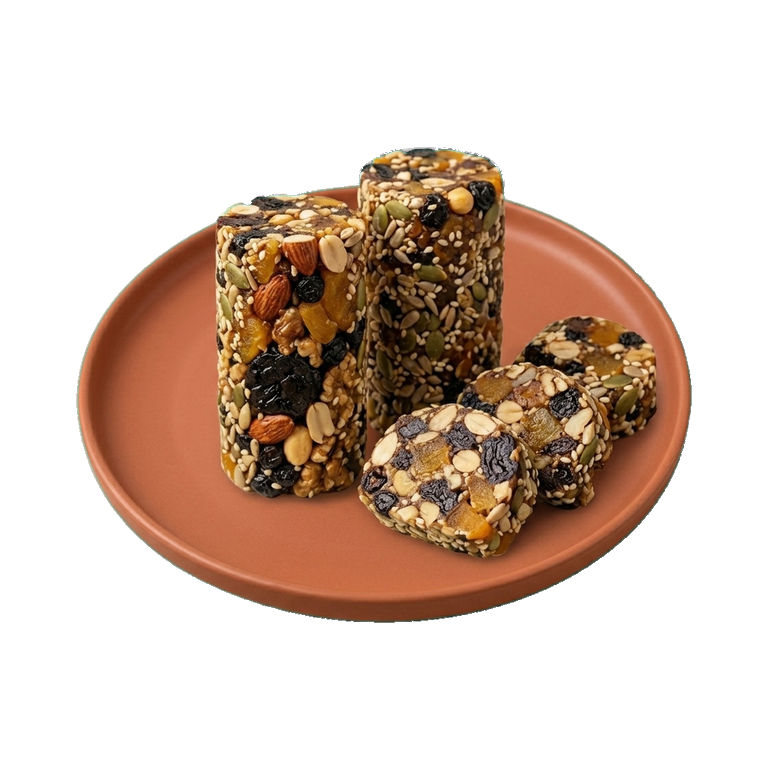
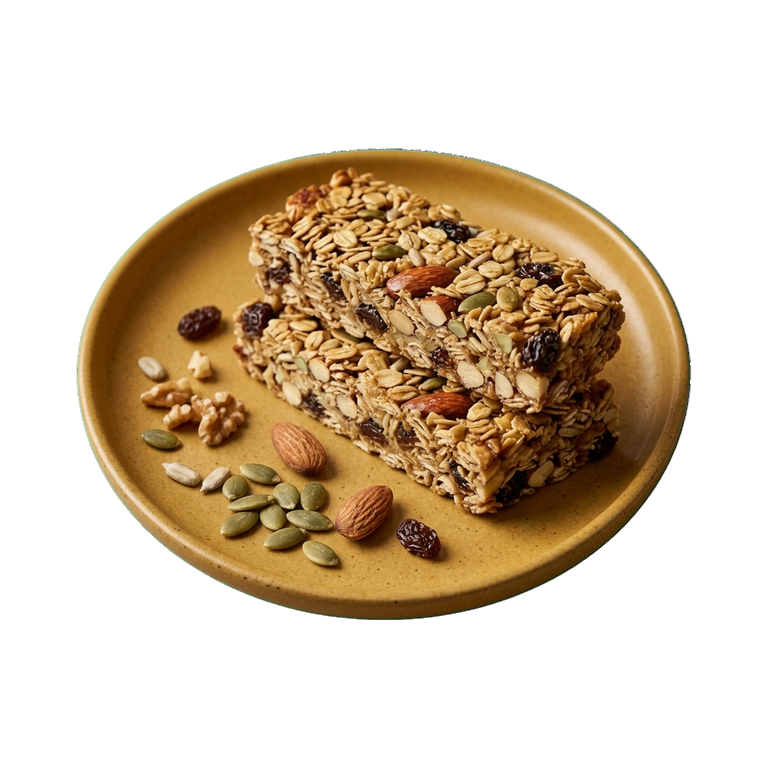
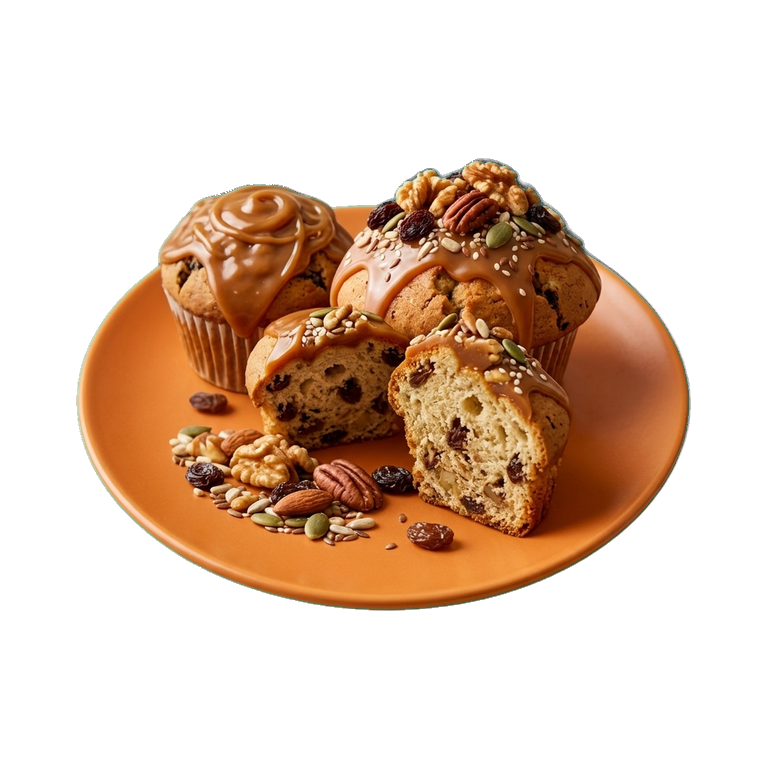
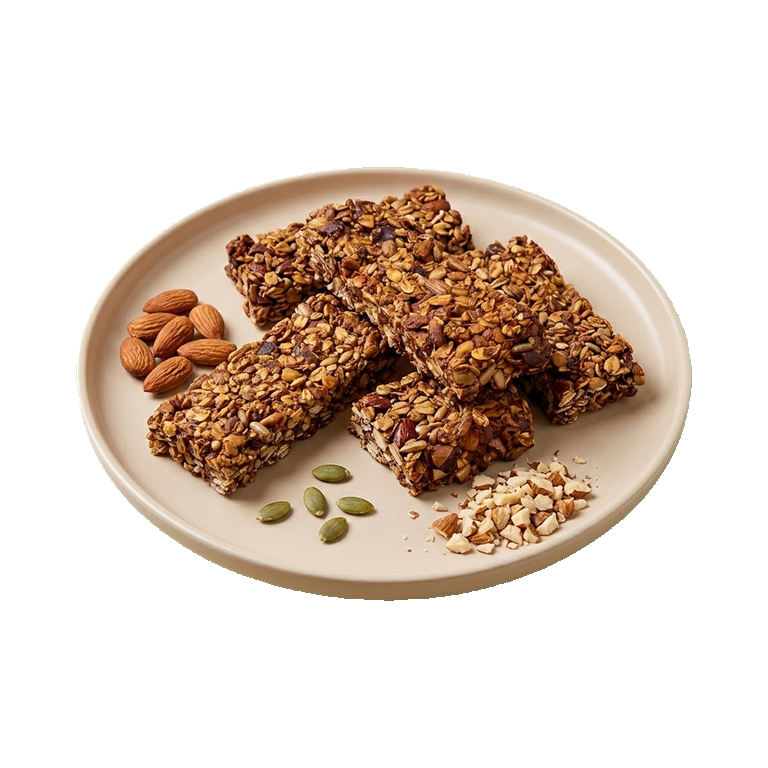
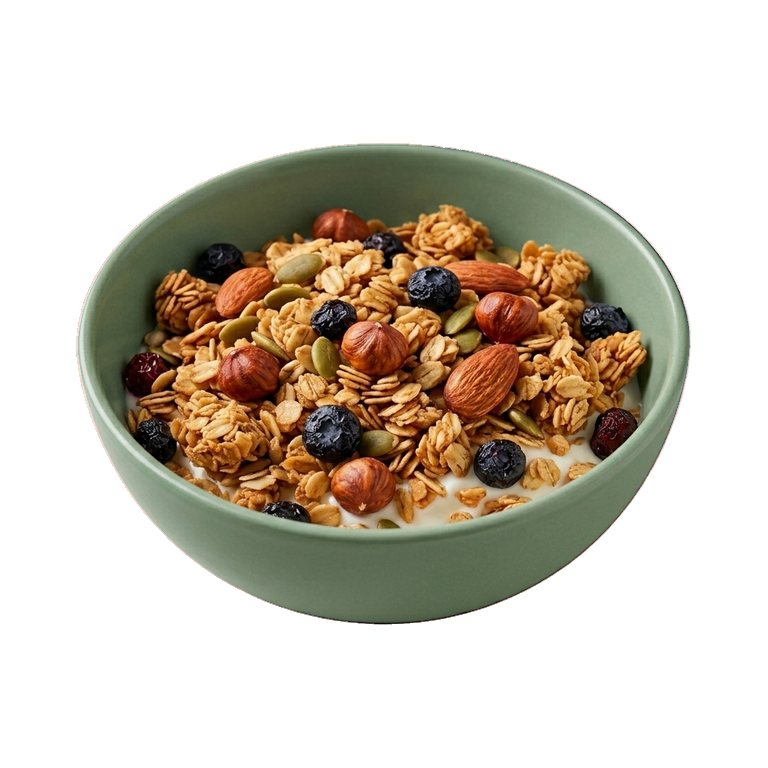
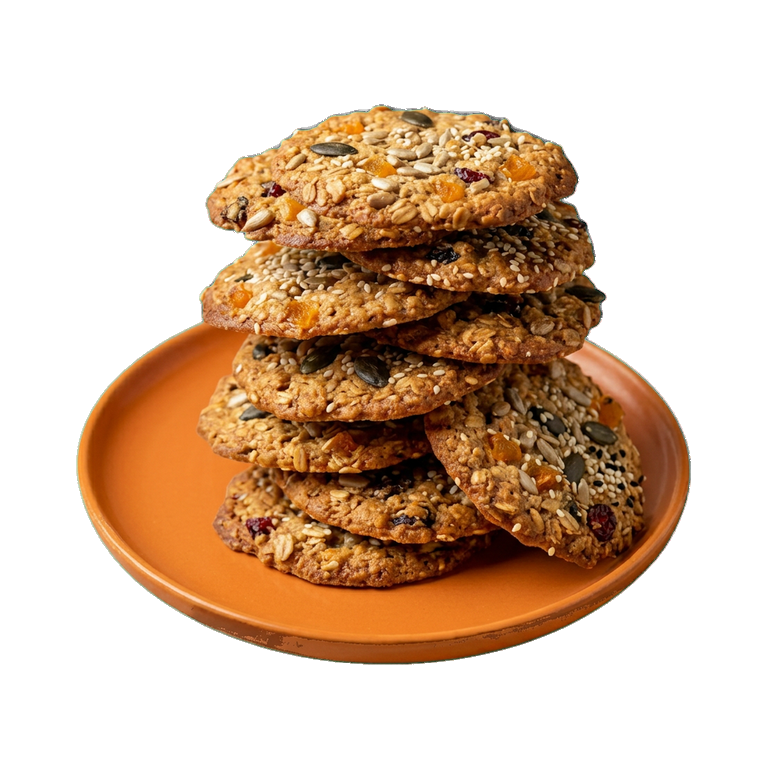
- In baked goods — add to cookie, muffin, or granola dough
Successful Pairings
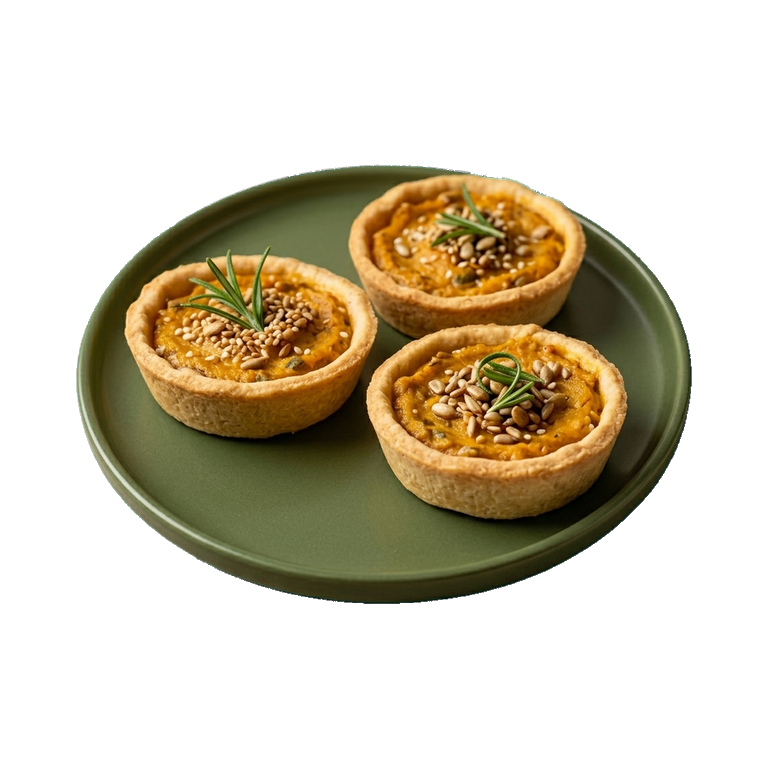
Seeds go well with everything that has an earthy, sweet, or spicy profile. They work great with carrots, beets, pumpkin — vegetables that are naturally sweet. Add seeds to greens with lemon sauce, and you'll get a light but satisfying salad.
With spices — turmeric, cumin, coriander — seeds reveal themselves in a new way, becoming more aromatic. They complement spicy and piquant dishes well, softening their sharpness and adding heartiness.
Selection and Storage
When choosing, pay attention to appearance: seeds should be whole, without cracks or mold. The smell should be fresh, nutty, without mustiness. If you're buying in bulk, ask for a taste — the flavor will tell you if the product is fresh.
Store seeds best in an airtight container in a cool, dry place. The oil in their composition can oxidize, so a refrigerator or freezer is a good option for long-term storage. Roasted seeds retain their aroma longer than raw ones, but they too become less vibrant over time.
Practical tip
If you cook often, keep two portions on hand: raw ones for salads and cereals, and roasted ones for toppings and snacks. Roast small portions yourself — it will take five minutes in a pan, and the taste will be much brighter than store-bought long-lasting options.
Nutrition
per 100 g
- Calories
- 584 kcal
- Protein
- 11.4 g
- Fat
- 52 g
- Carbs
- 20 g
Measures and weight
- 1 tbsp
- 9.8 g
- 1 tsp
- 3.3 g
- 1 cup
- 162.5 g
Measure calculator
- Weight
- 100 g
- Calories
- 584 kcal