Usuba
Usuba
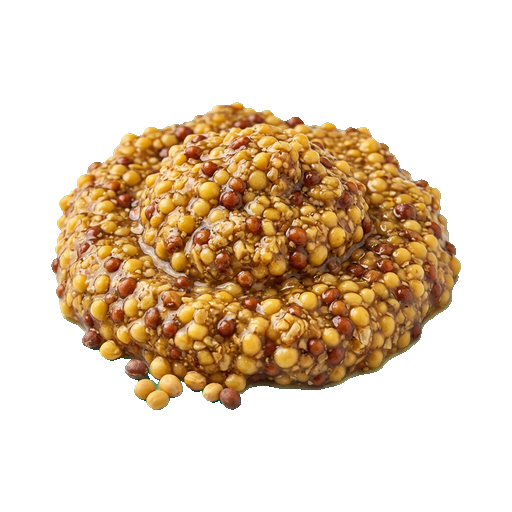
Whole grain mustard
Whole grain mustard is a condiment made from whole or partially crushed mustard seeds that retains its characteristic texture and a milder, less sharp flavor compared to regular mustard. It's used as a standalone sauce for meat, sausages, and cheese, as well as added to marinades, dressings, and sauces to add depth and a subtle mustard tang. When choosing, pay attention to the seed color — brown seeds are typically milder and sweeter than yellow ones, and the ingredients shouldn't contain preservatives if you're making a homemade version.
About
Whole grain mustard is not just a condiment, but a textural component that changes the perception of a dish. Unlike classic mustard paste, whole seeds remain here, giving it a crunch and concentrated flavor. When you bite into a grain, it bursts, releasing a sharp, slightly sweet juice — this creates a flavor dynamic that is difficult to achieve any other way.
Aroma and Taste
Whole grain mustard offers a sharp, piercing taste with a slight bitterness and a hint of sweetness. The aroma is pungent, almost burning, but not aggressive — rather inviting. Depending on the variety of seeds (yellow, brown, or black), the intensity can vary: yellow is milder, brown is more vibrant, black is the most 'fiery'.
Role in dishes
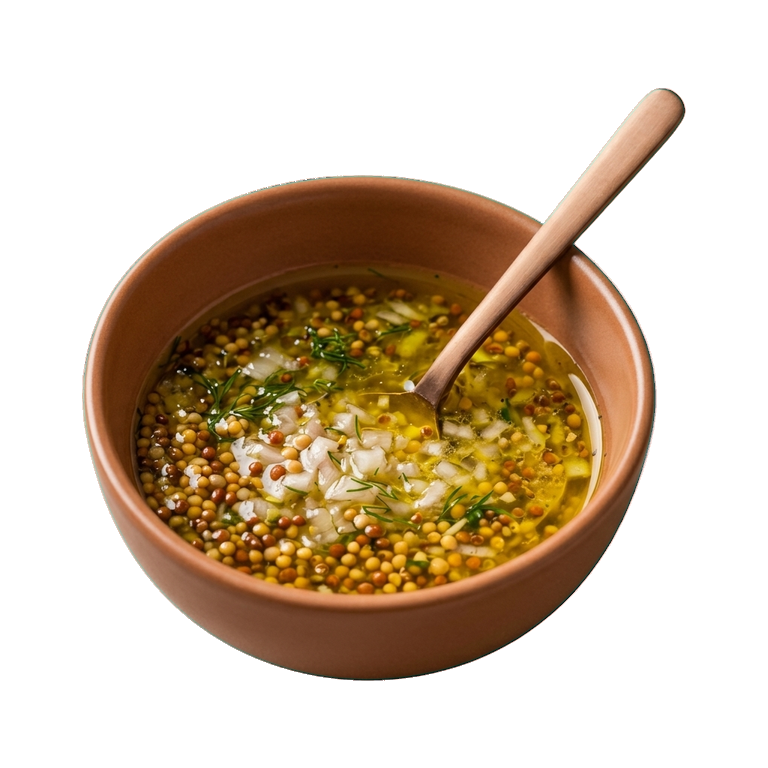
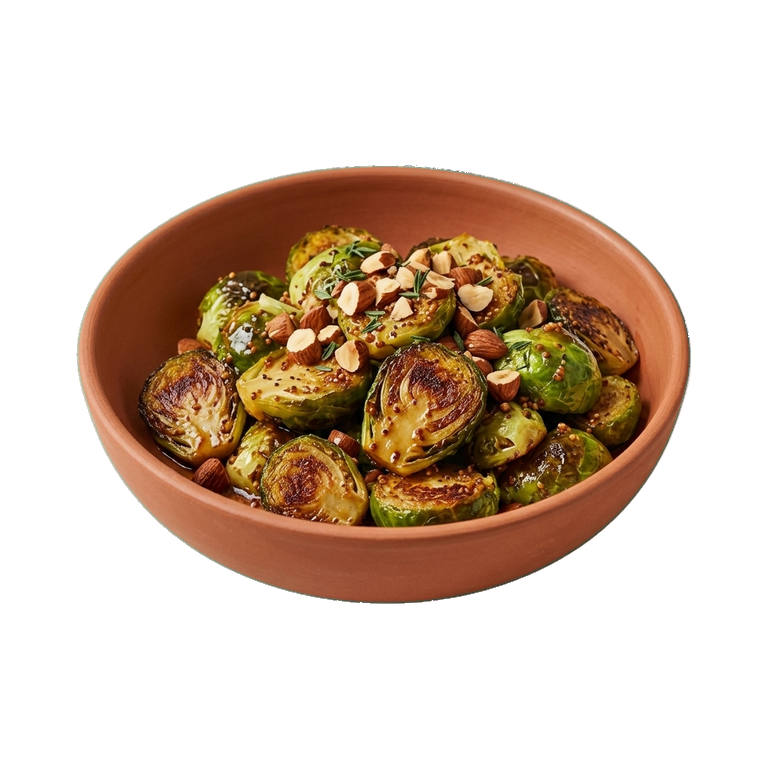
Whole grain mustard works where not only sharpness is needed, but also visual contrast. On the table next to sausage or cheese, it becomes an independent accent. In sauces for meat and fish, the grains don't dissolve, leaving a pleasant crunch. It is added to marinades for vegetables, to salad dressings, to vinaigrettes — everywhere its texture and sharpness will enhance the impression.
- Sauces for meat and fish — mustard complements without overpowering
- Marinades for vegetables — seeds enhance the preserving effect
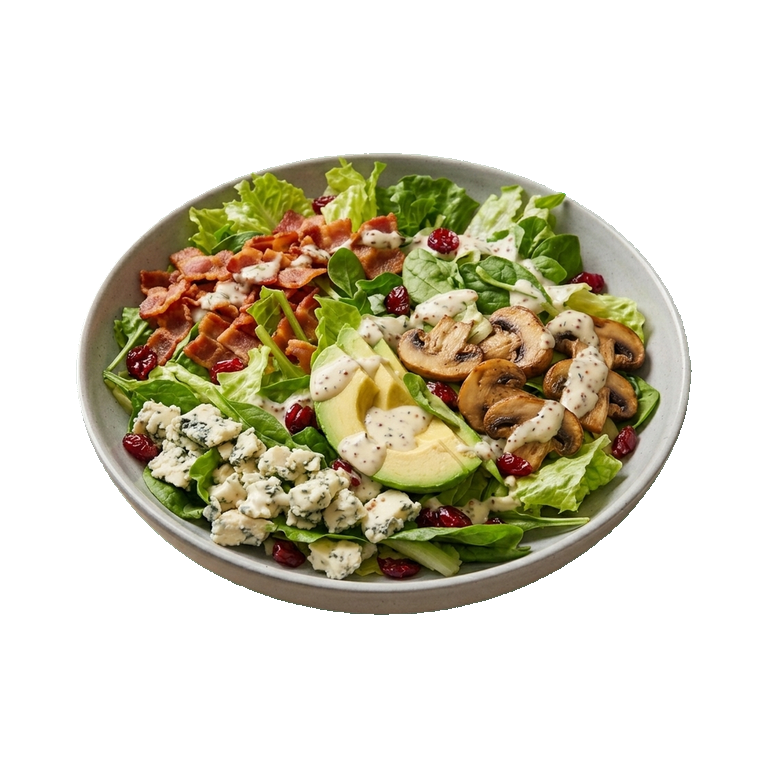
- Salad dressings — sharpness balances the richness of oil
- Appetizers and cold meat dishes — mustard highlights the flavor
- Hot dishes at the end of cooking — seeds will retain their crunch
Pairings with other ingredients
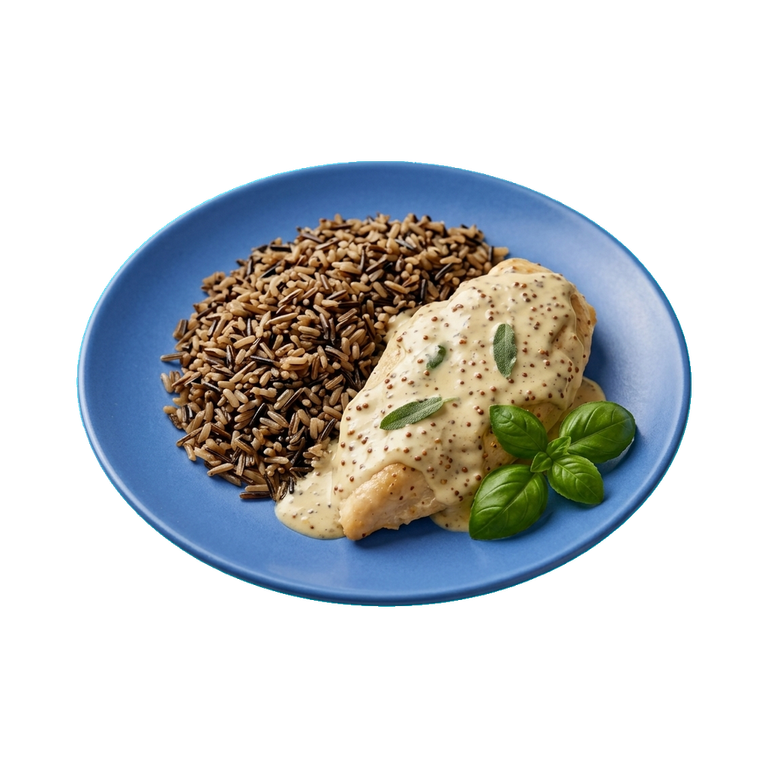
Whole grain mustard pairs well with vinegar, honey, and white wine — these components soften its sharpness and create a complex flavor. With garlic and herbs (dill, tarragon), it sounds brighter. Against the background of creamy sauces, mustard provides the necessary contrast, and with spices (black pepper, coriander) it enhances the overall depth.
Selection and Storage
When choosing, pay attention to the consistency: the grains should be visible, not crushed, in a uniform mass. The color indicates the variety and freshness — light yellow, brown, or almost black. The smell should be sharp, but not musty. A closed jar is stored in a cool place, protected from light, for several months. After opening, mustard lasts a long time in the refrigerator thanks to natural preservatives, but it is best to use it within two to three months while the sharpness is at its peak.
- Keep the closed jar in a cabinet at room temperature, away from light
- Put an open jar immediately in the refrigerator — it keeps for 2–3 months there
- Check the lid's seal before purchasing
- Do not allow water to get into the jar — mustard may become moldy
Whole grain mustard reveals itself best when not cooked, but added at the end of cooking or served separately. Heat softens the seeds and loses its main virtue — the crunch.
Nutrition
per 100 g
- Calories
- 250 kcal
- Protein
- 8.5 g
- Fat
- 11 g
- Carbs
- 9.3 g
Measures and weight
- 1 tbsp
- 19.5 g
- 1 tsp
- 6.5 g
- 1 cup
- 325 g
Measure calculator
- Weight
- 100 g
- Calories
- 250 kcal