Usuba
Usuba
Egg Noodles
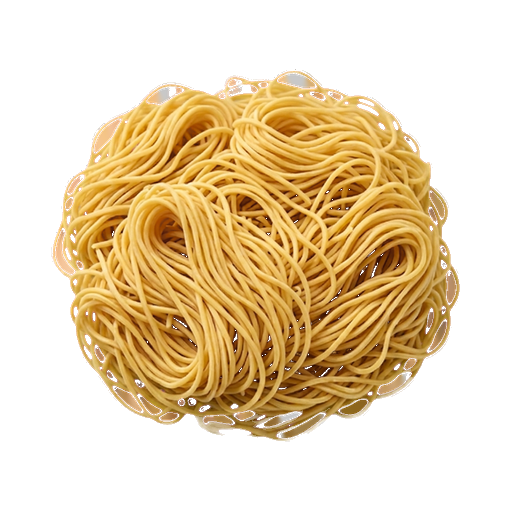
Thin pasta made from wheat flour with added eggs, which give it a rich yellow color and a denser structure compared to regular noodles. When cooked, the noodles remain elastic and absorb sauces well, making them ideal for soups, hot dishes with gravies, and stir-fried compositions. When selecting, pay attention to the integrity of the product and the absence of lumps, and when storing, it is important to keep the noodles in a dry place, as moisture can lead to softening and loss of elasticity.
About
Egg noodles are a pasta that works almost everywhere: in soups, in hot dishes with sauce, in salads, and even in desserts. Their main difference from regular wheat noodles is that eggs are added to the dough. They make the pasta more yellow, richer in flavor, and stronger in structure. Noodles hold their shape better, don't turn into mush when cooked, and absorb sauces more delicately.
Taste and Texture
Egg noodles have a soft, slightly sweet wheat flavor with a barely noticeable egg note. It's not an aggressive taste — it's rather a background one that doesn't overpower sauces and broths, but complements them. When cooked properly, the noodles remain springy inside, with a slight crunch when bitten, but not tough. The texture is dense and smooth, pleasant to chew.
How to use in the kitchen
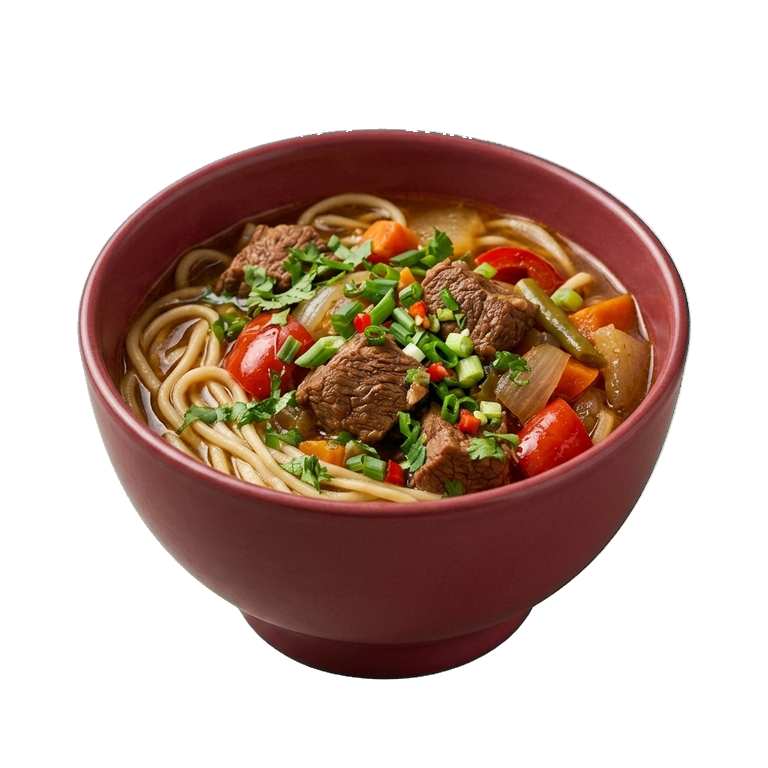
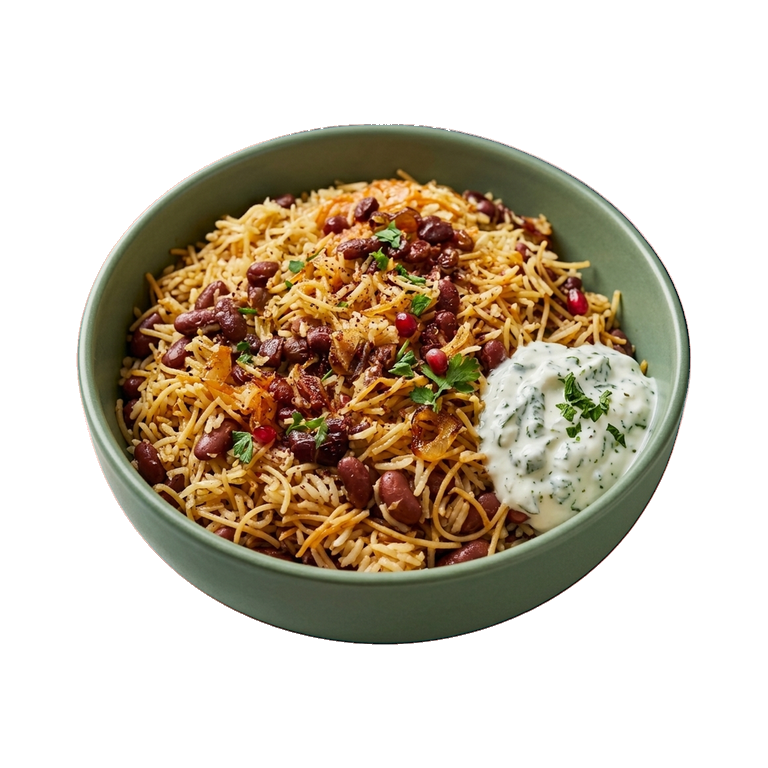
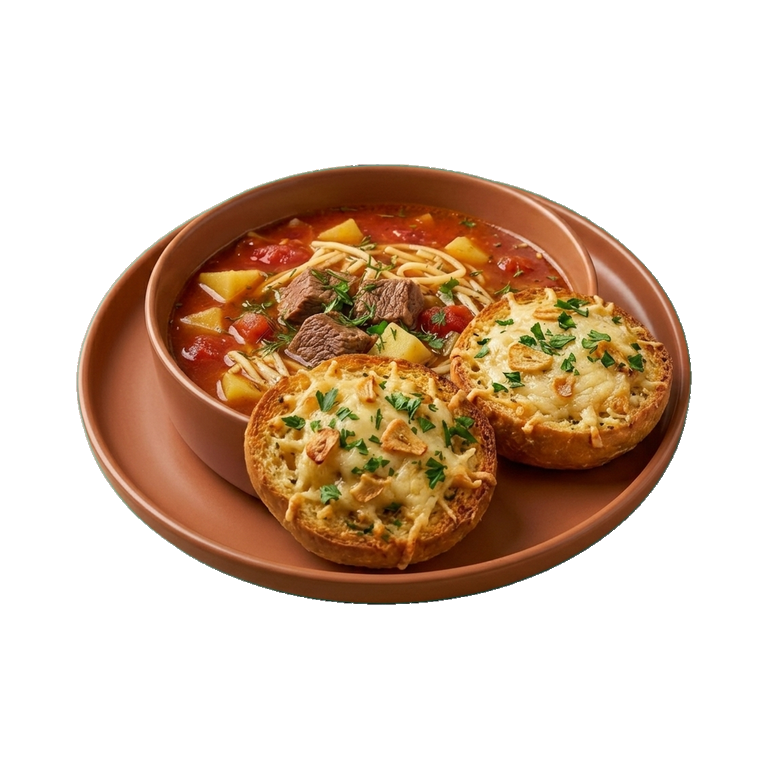
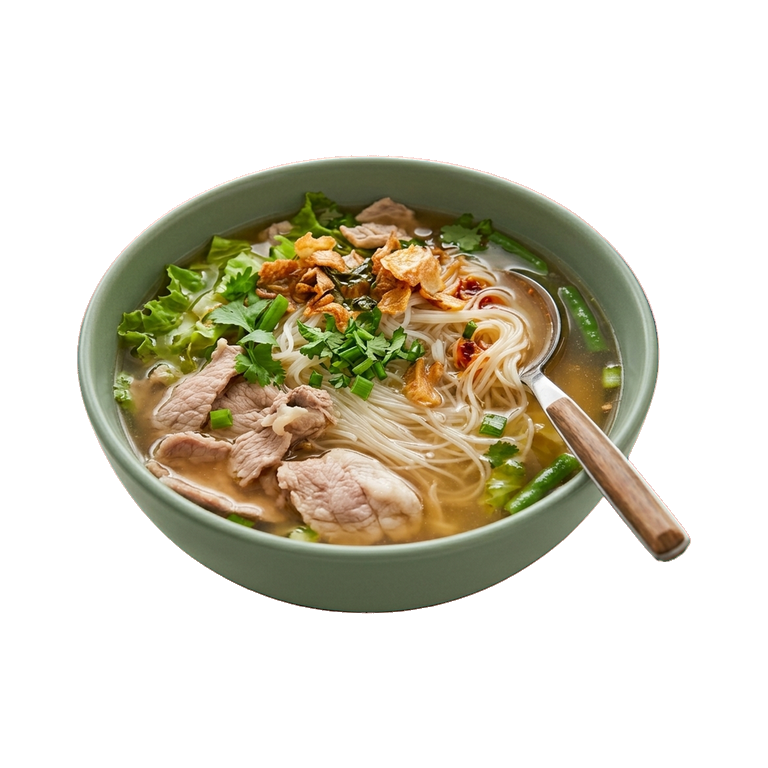
Egg noodles are a classic choice for soups: they cook quickly (usually 5–8 minutes), don't get mushy even if the broth is hot, and add heartiness to the soup. They work well with meat broths, mushroom and vegetable broths — everywhere. In hot dishes with sauce, noodles absorb flavors: with bolognese, with creamy sauce, with spicy Asian oil — everything works.
Cold salads with egg noodles turn out to be more interesting than you'd expect. The noodles hold vinaigrette, oil and vinegar well without becoming sticky. You can mix them with vegetables, herbs, and seafood. Even in sweet dishes (like noodles with milk and sugar), egg noodles work better than wheat noodles — they're softer and more delicate.
Pairings and recipes
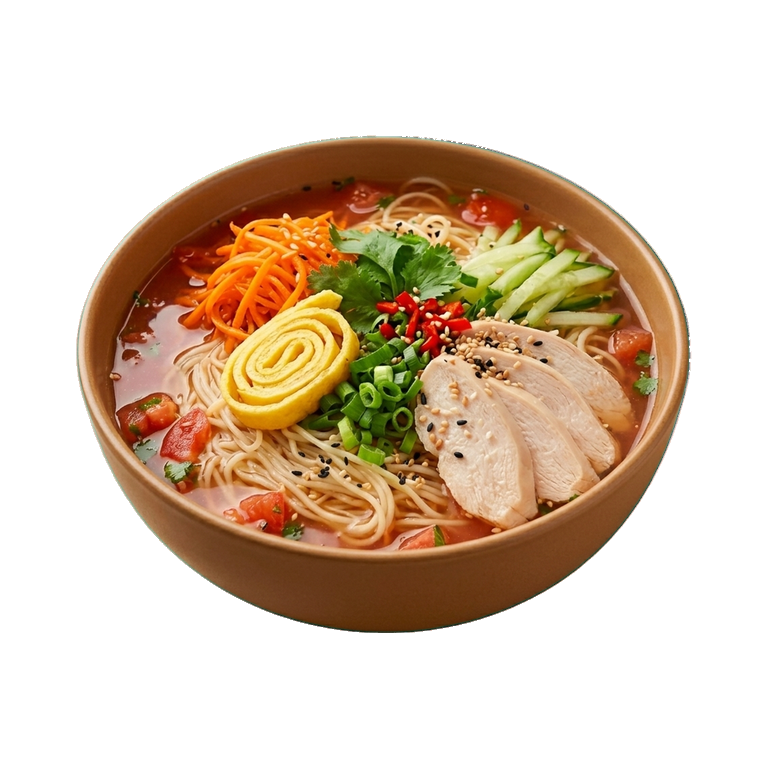
- Chicken noodle soup — a classic that always works
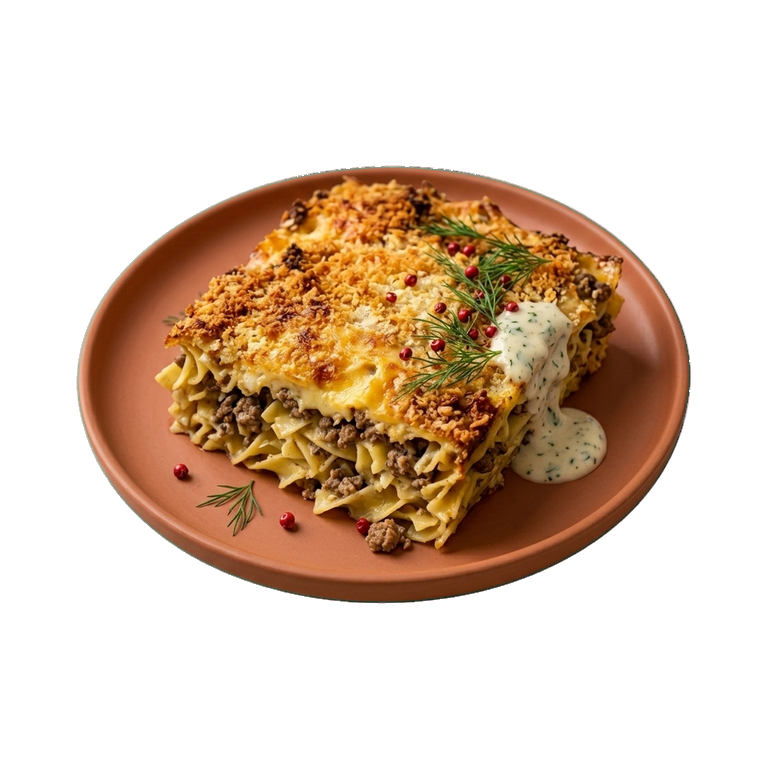
- Bolognese pasta — egg noodles absorb the meat sauce better
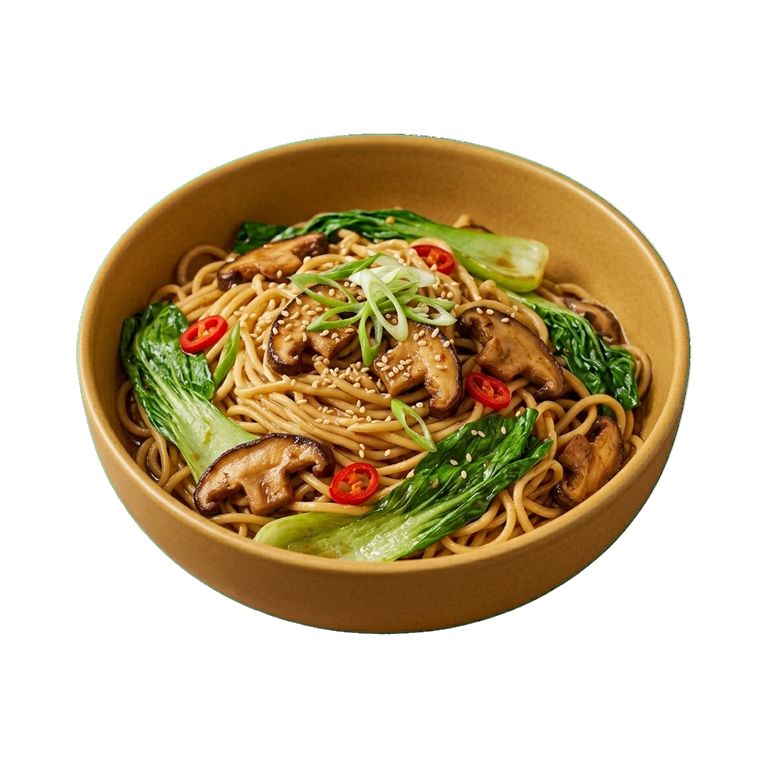
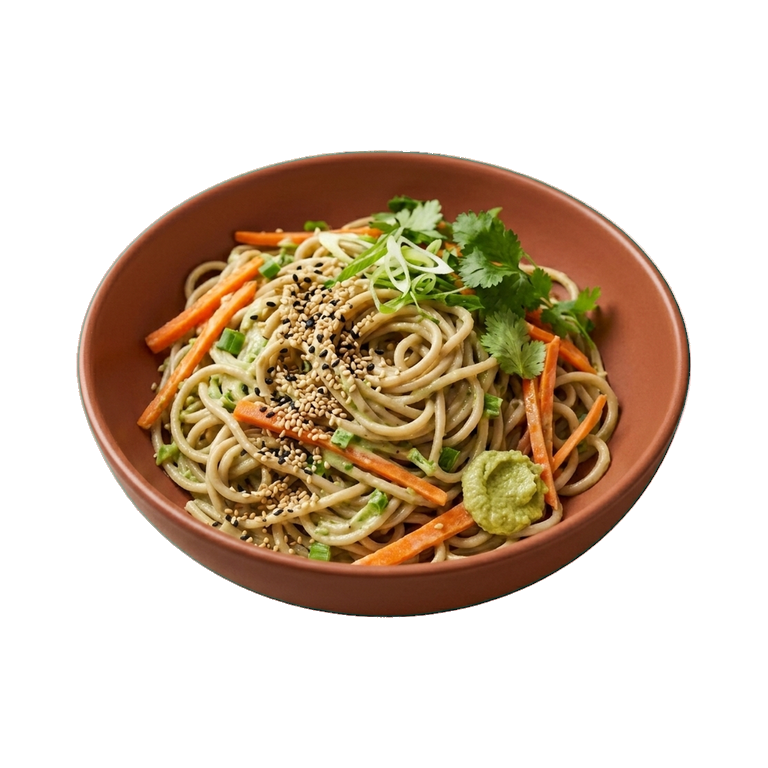
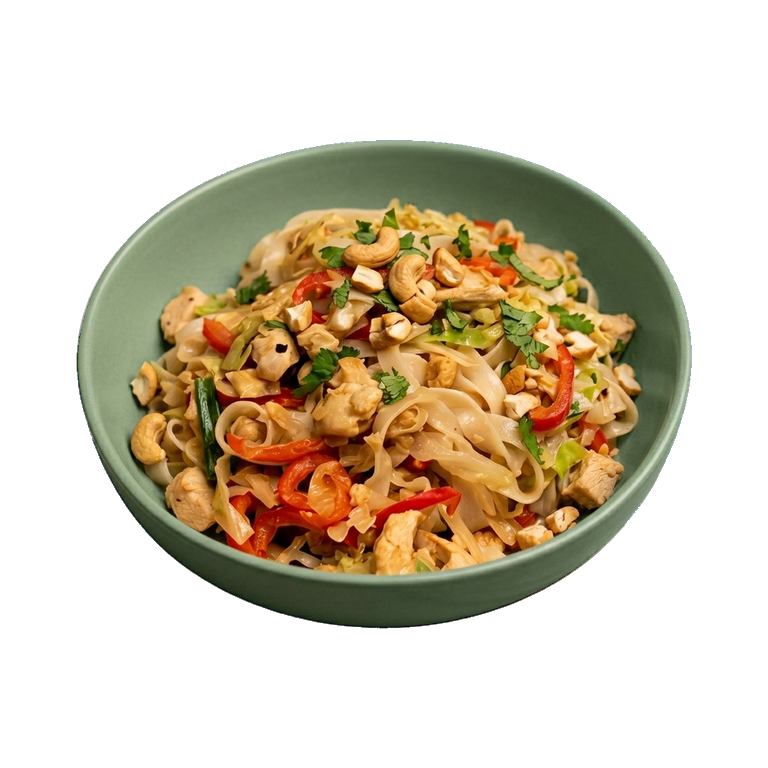
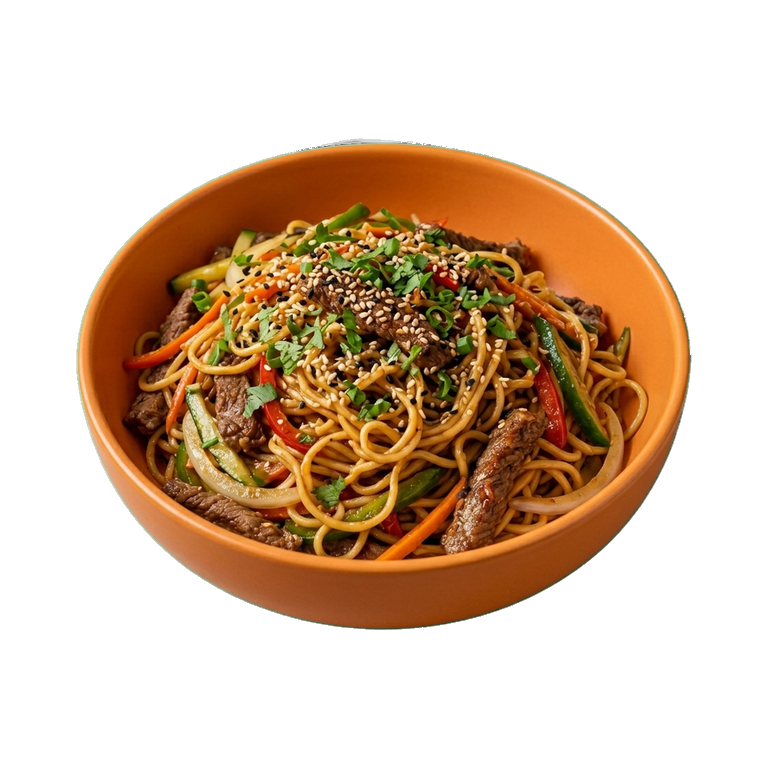
- Asian dishes: noodles with soy sauce, ginger, garlic and vegetables
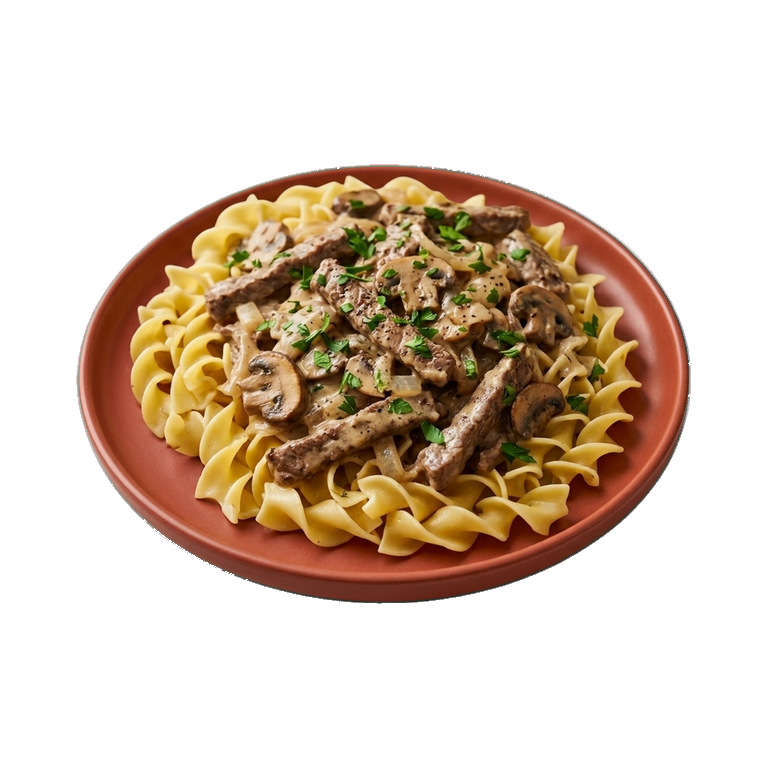
- Creamy sauces and mushrooms — a natural combination
- Cold noodles with seafood and lemon sauce
Selection and Storage
When choosing, pay attention to the color: good egg noodles have a rich yellow shade, not a pale one. If the noodles are white or gray, they contain little or no eggs. Check that there are no crumbs or dust in the package — this is a sign that the noodles are fragile or damaged during transportation. The package should indicate the ingredients: wheat flour, eggs, sometimes salt. Nothing else is needed.
Dry egg noodles should be stored in a cool, dry place in an airtight container — this way they will last a year or more. If you bought fresh egg noodles (not dried), you need to use them within a few days and store them in the refrigerator. When cooking, you don't need to add oil to the water — egg noodles won't stick together thanks to the eggs in their composition. Salt the water generously, as you would for pasta.
Cooking tip
Cook the noodles for one to two minutes less than indicated on the package if you plan to add them to hot soup or sauce — they will finish cooking there. If you're making a salad, you can cook them fully, then immediately rinse with cold water and lightly coat with oil to prevent them from sticking together.
Nutrition
per 100 g
- Calories
- 350 kcal
- Protein
- 12 g
- Fat
- 2.5 g
- Carbs
- 70 g
Measure calculator
- Weight
- 100 g
- Calories
- 350 kcal