Usuba
Usuba
Yeast
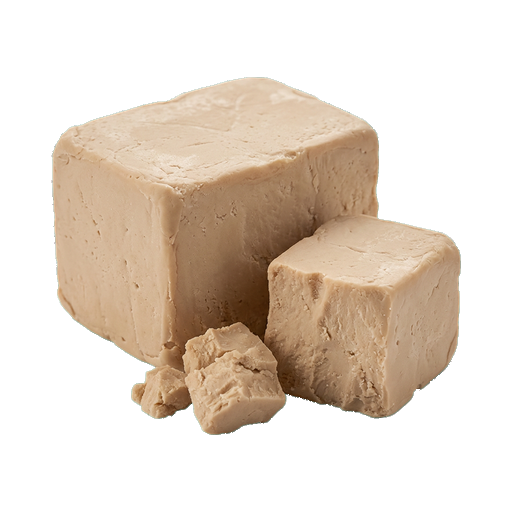
Live microorganisms that trigger fermentation and help dough rise by releasing carbon dioxide. Used in bread baking, brewing, and wine production, imparting characteristic flavor and a porous structure to the finished product. When selecting, it is important to pay attention to the expiration date and storage conditions, as yeast activity decreases over time, and frozen or dry variants require different activation approaches before use.
About
Yeast is a living microorganism that transforms dough into a fluffy cloud and wort into a beverage with alcohol content. They work invisibly, but the results of their labor are visible to the naked eye: bread rises, buns become airy, beer effervesces. For a home kitchen, they are one of the most reliable helpers, if you understand how to work with them.
Which yeast to choose for the kitchen
- Pressed (fresh) — moist, active, with a bright aroma. Work quickly, but don't store long. Ideal when you bake often.
- Dry active — in granules, last a long time in the cupboard. Need to activate in warm water before use. Convenient for occasional baking.
- Instant (quick-dissolving) — fine grind, don't require pre-dissolution. Can be mixed directly with flour.
- For bread maker — special format, designed for automatic dispensing and mixing.
The golden rule: yeast loves warmth but fears heat. Water above 50 degrees kills it. The optimal temperature for fermentation is 25–35 degrees. In the cold, it simply goes dormant and raises the dough more slowly, which sometimes even improves the flavor, but requires more time.
Role in different dishes
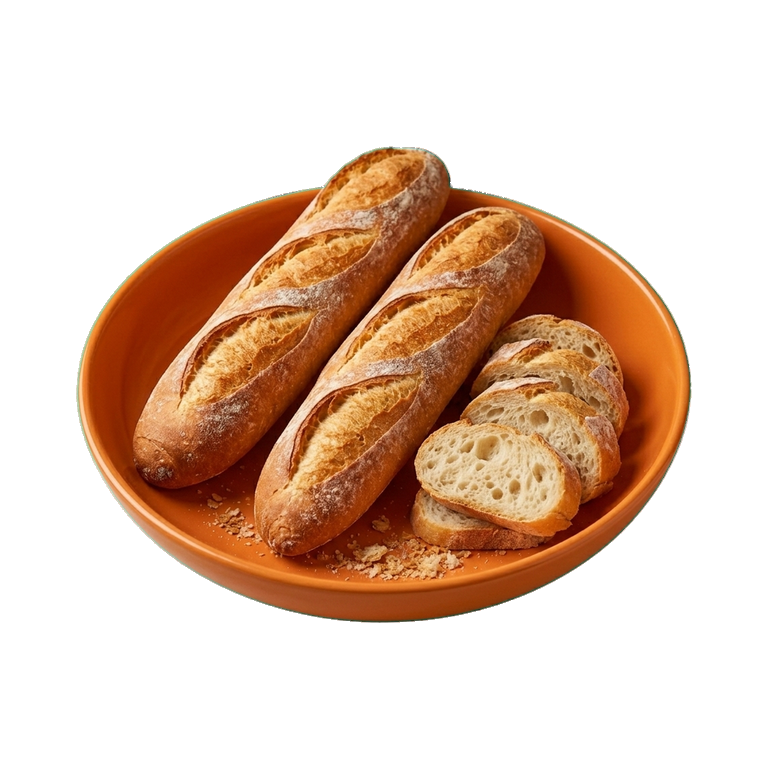
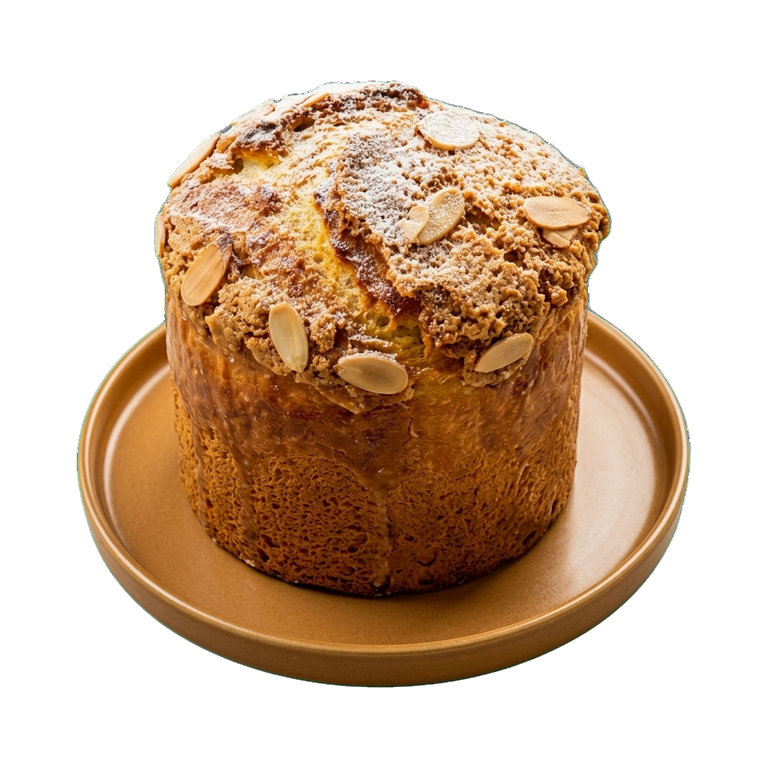
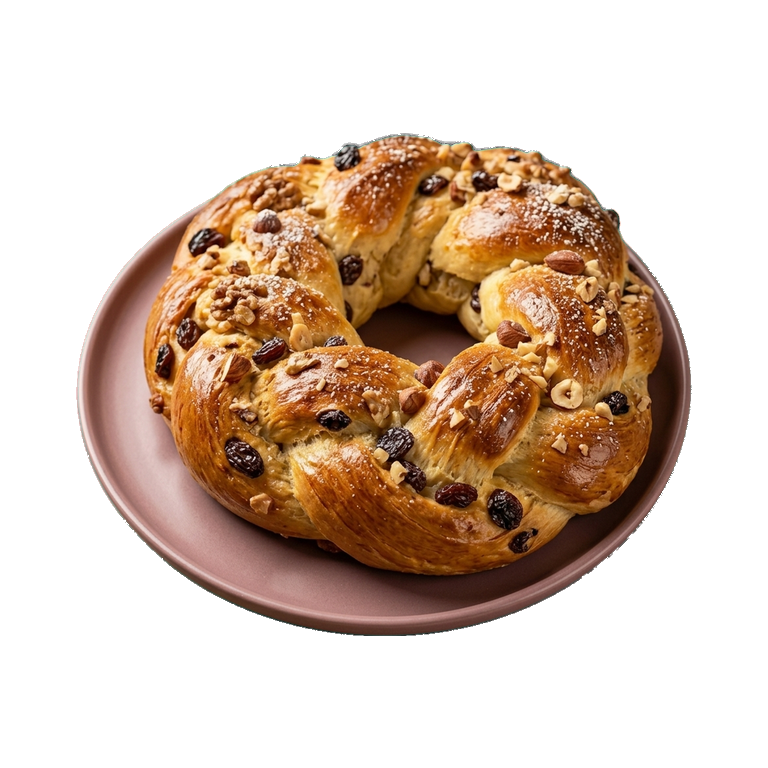
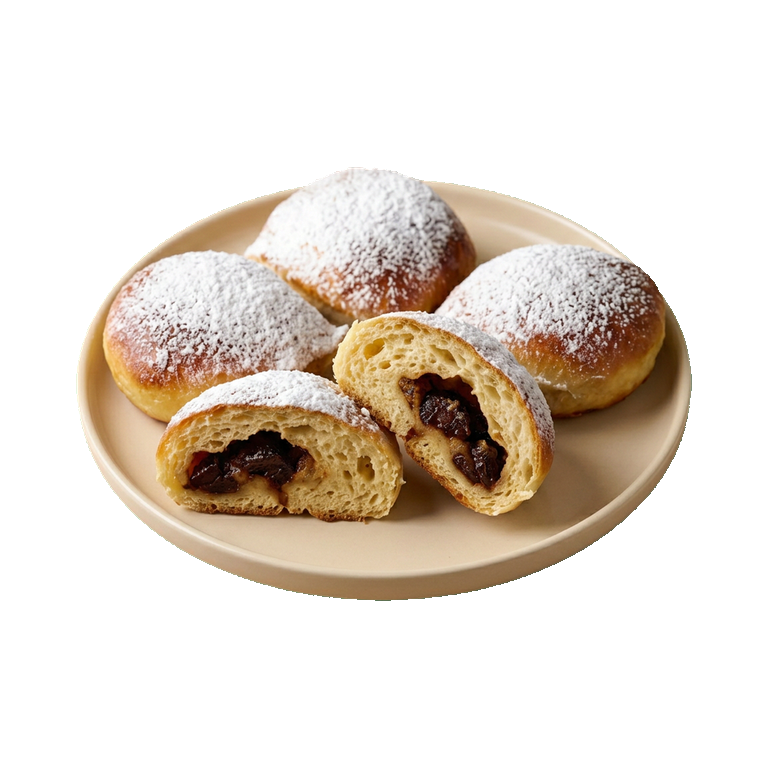
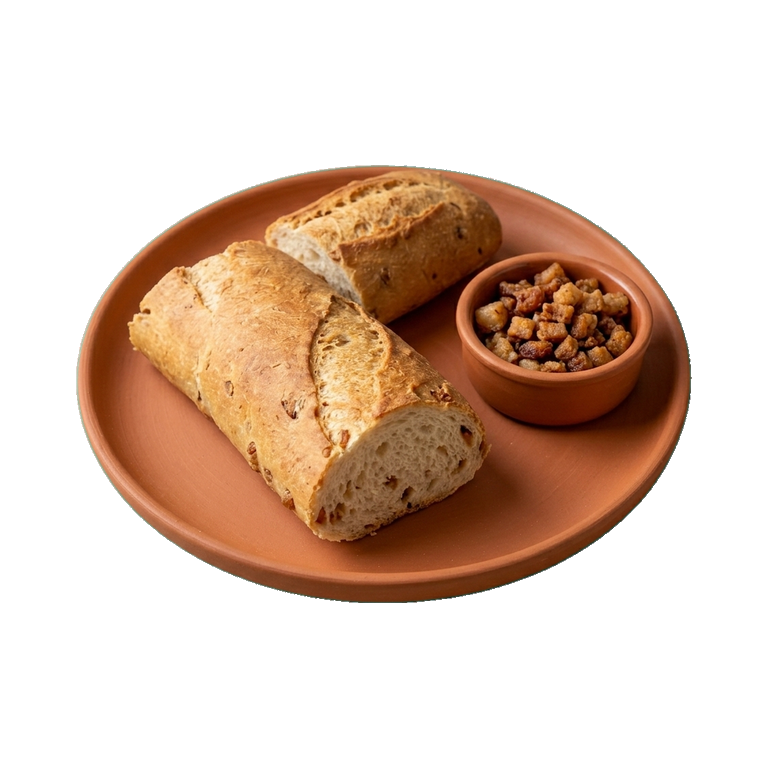
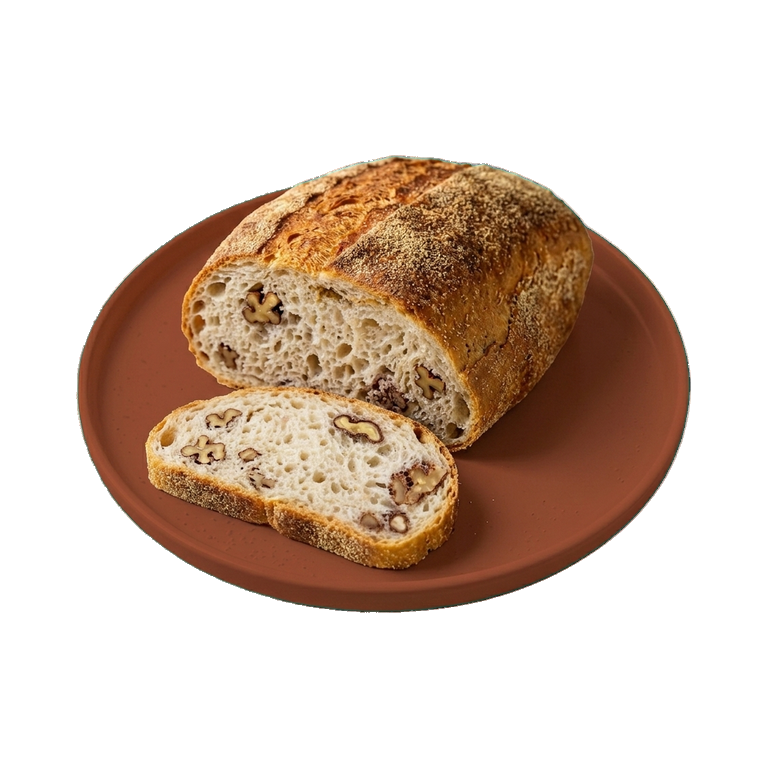
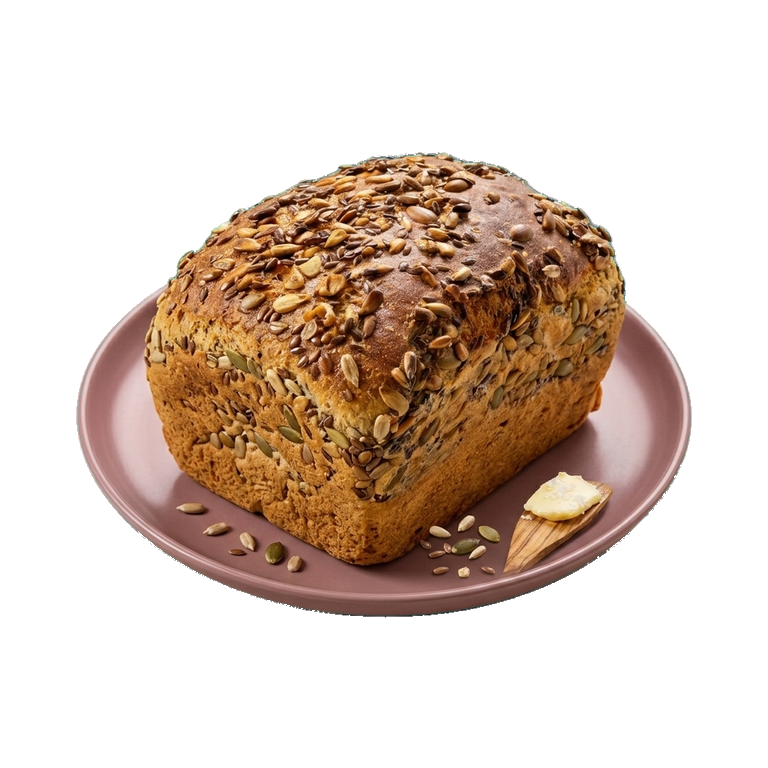
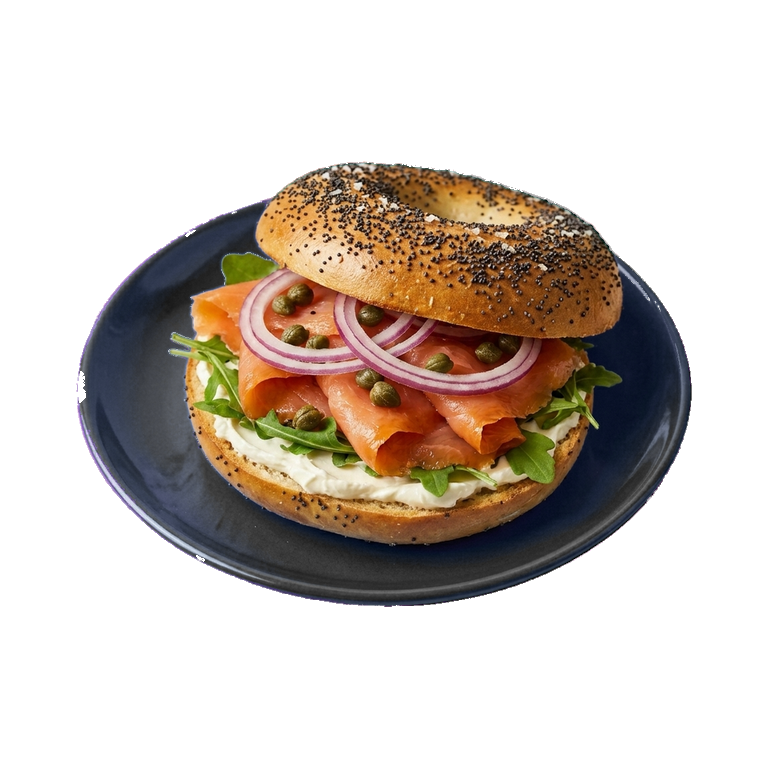
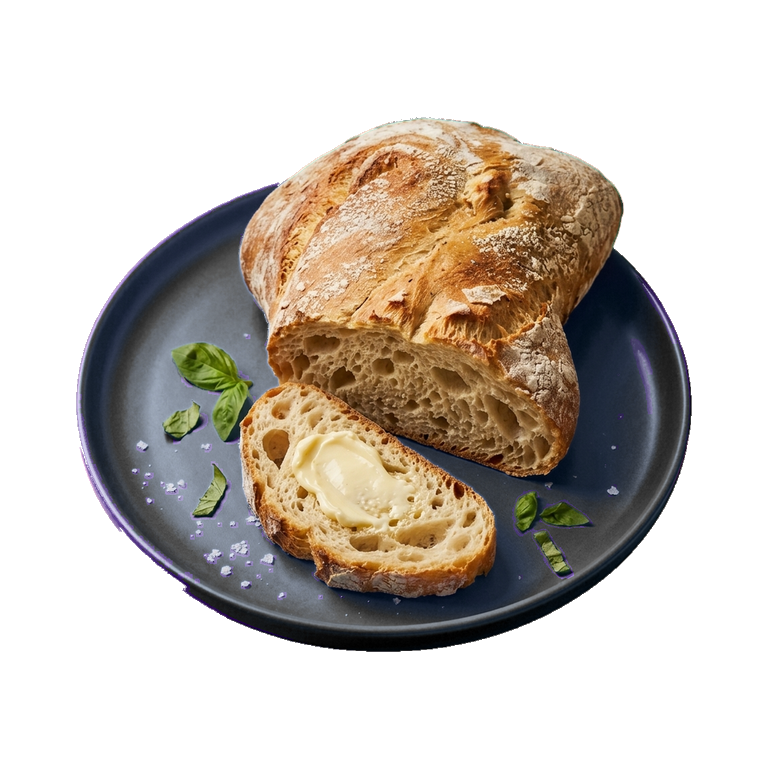
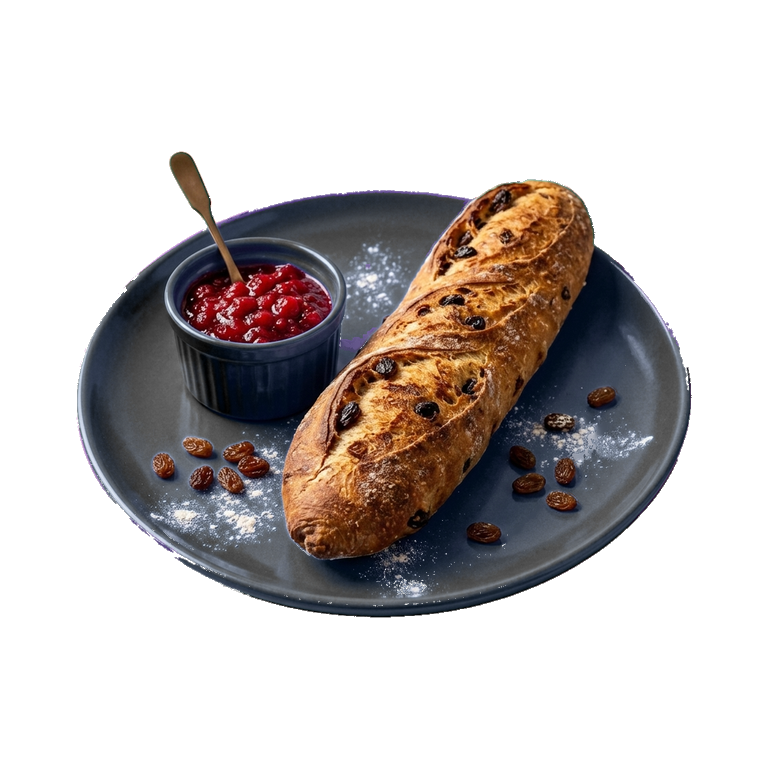
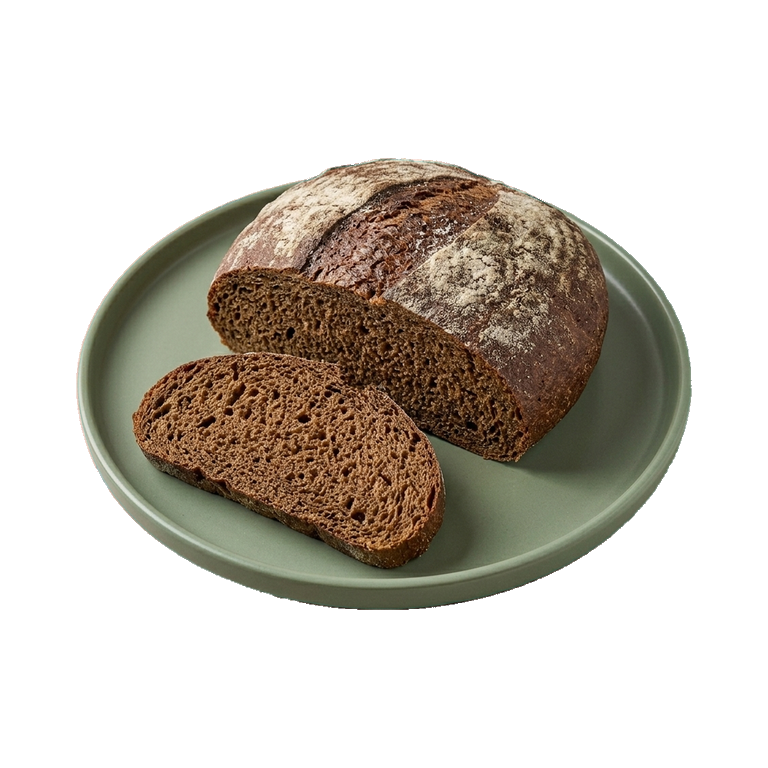
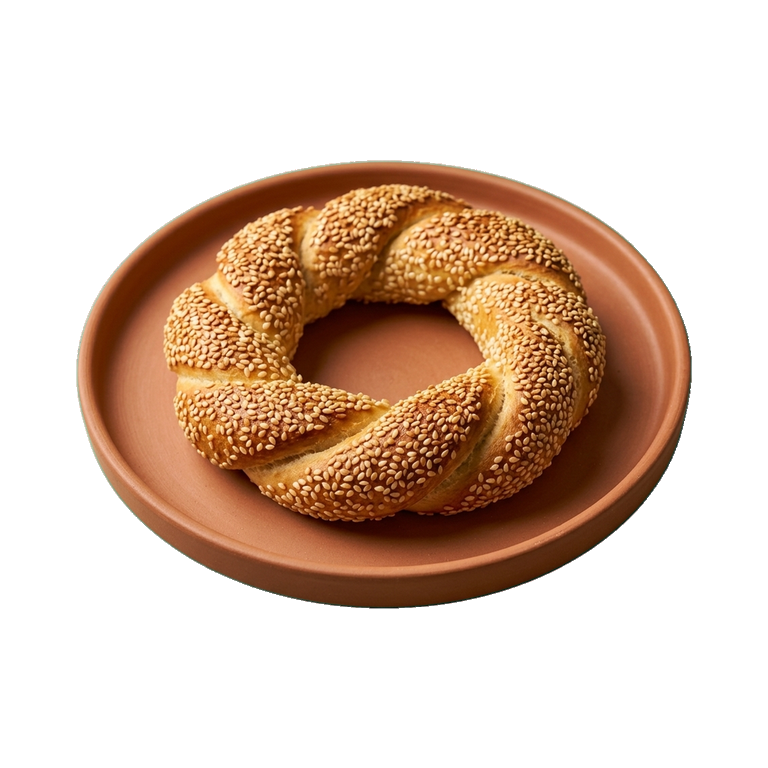
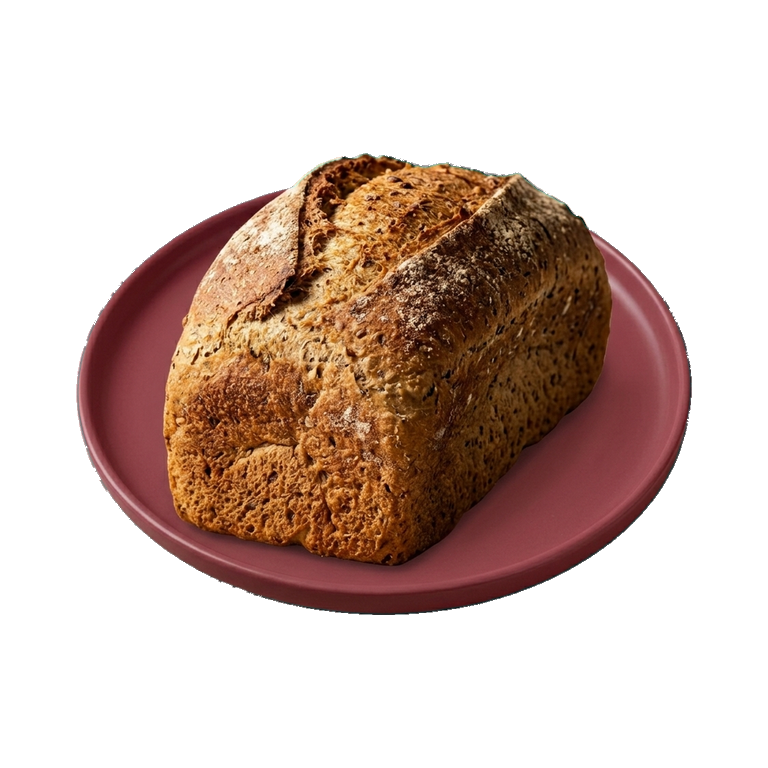
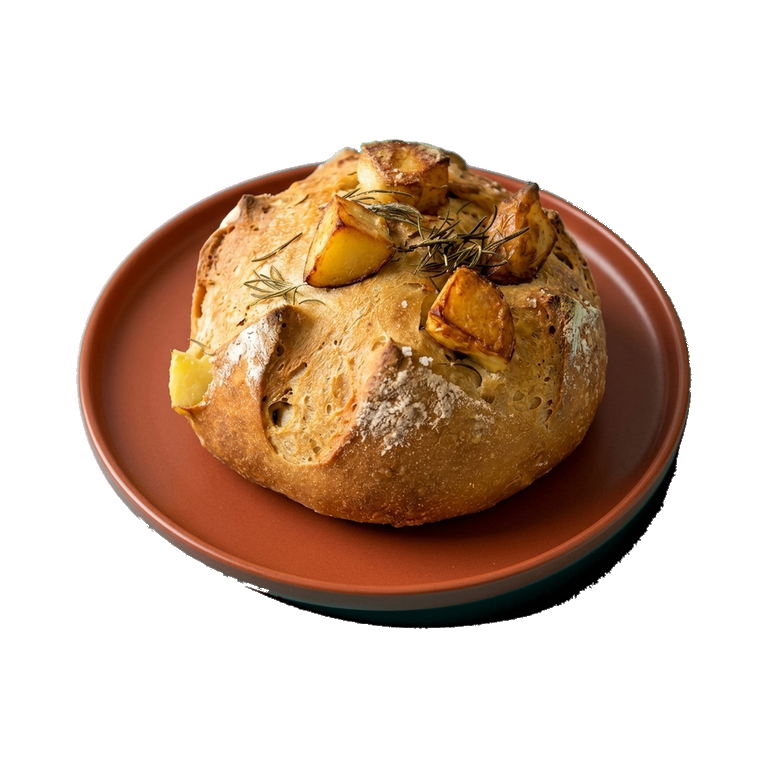
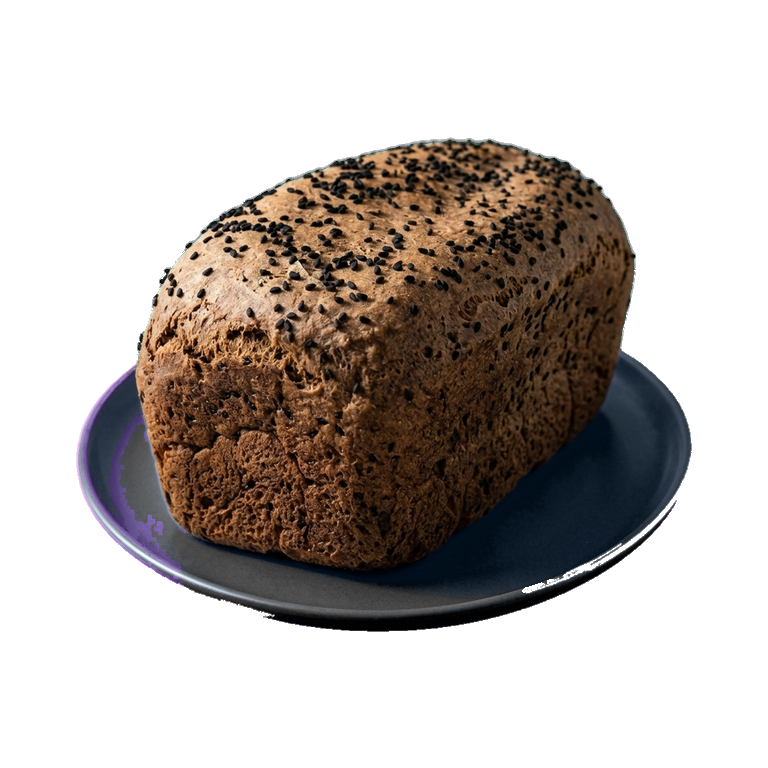
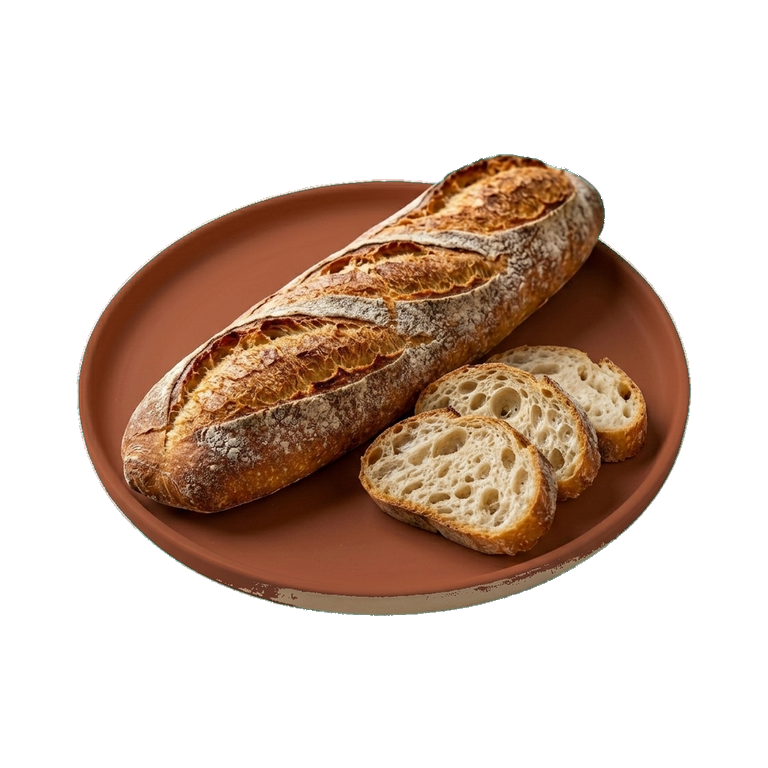
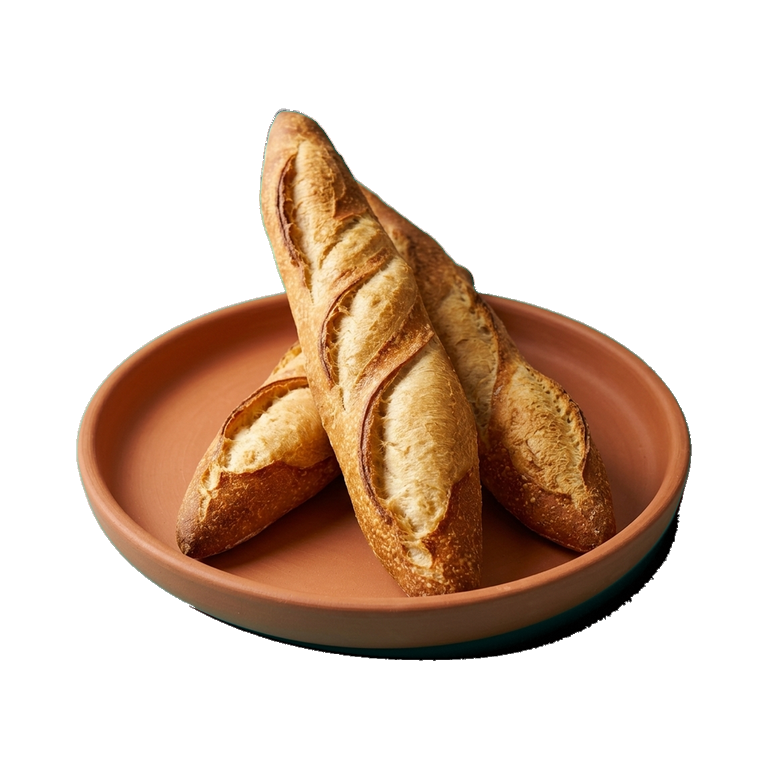
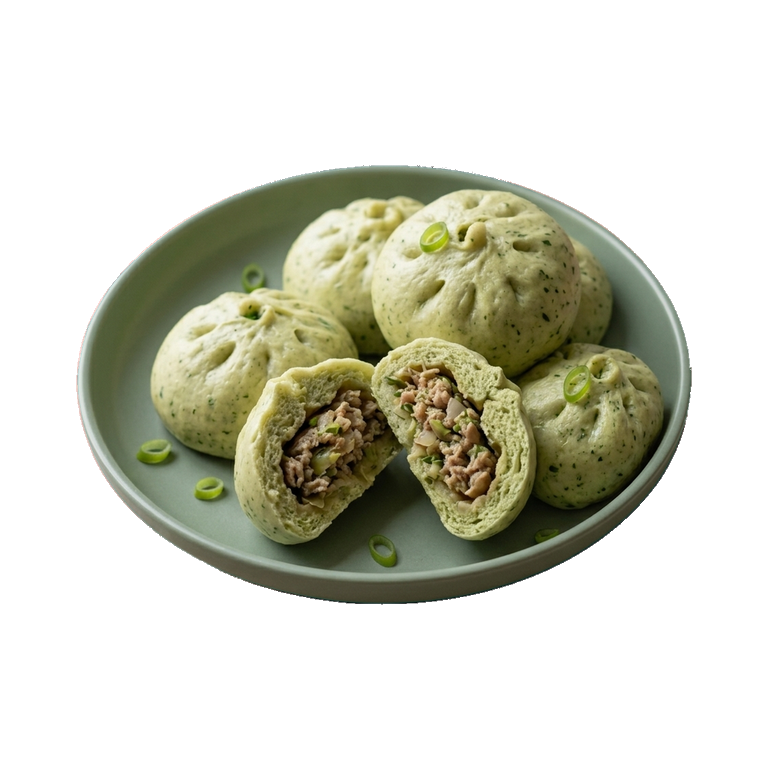
In bread and buns, yeast is the main leavening agent. It creates gas bubbles that make the crumb light and porous. The longer the dough ferments, the better the flavor develops and the longer the bread stays fresh.
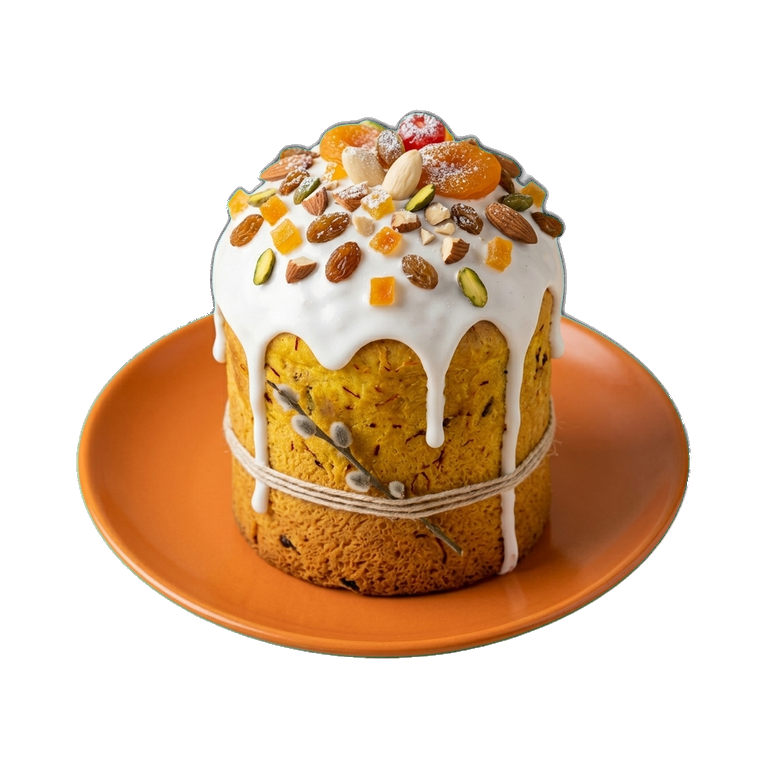
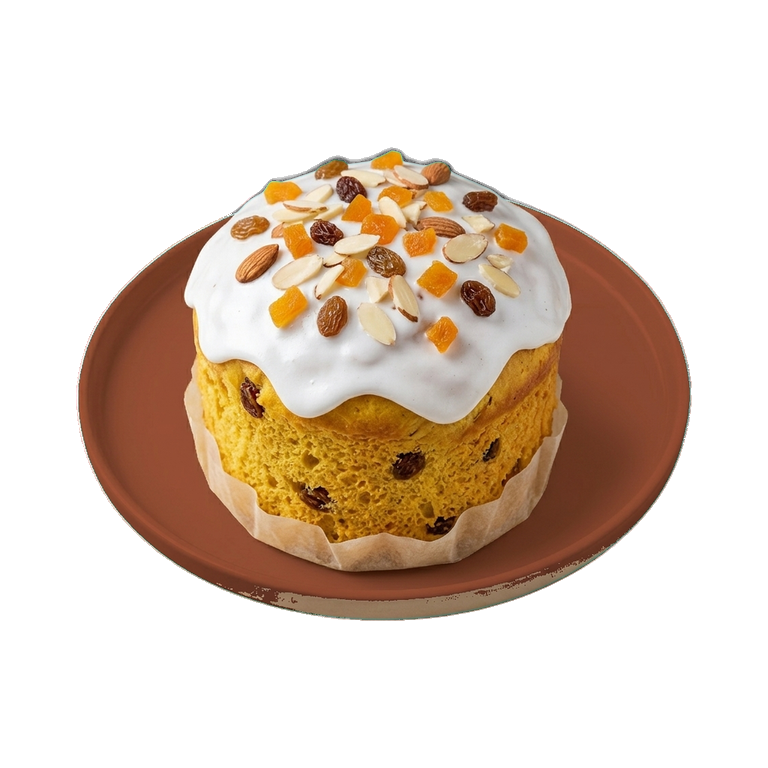
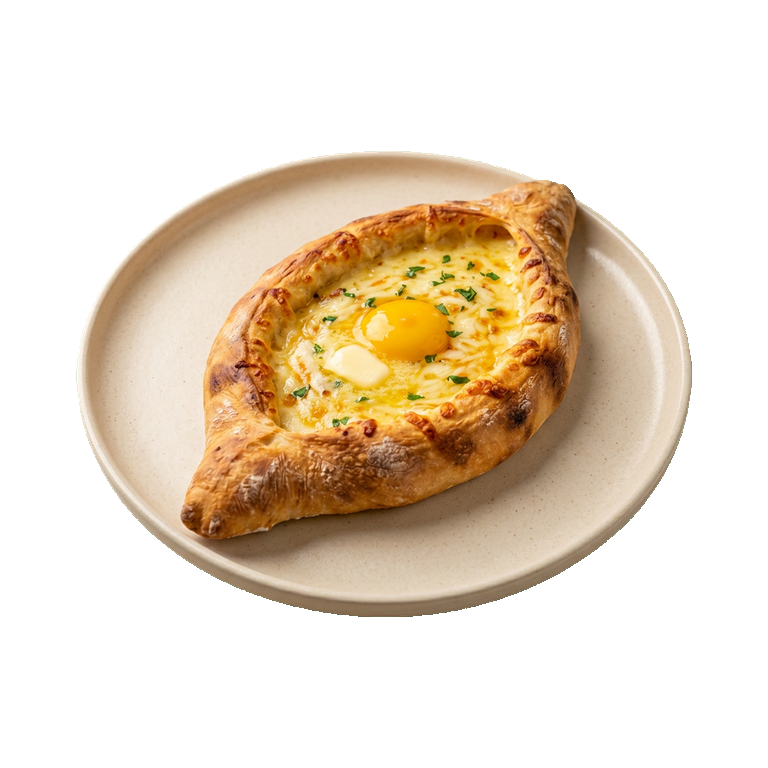
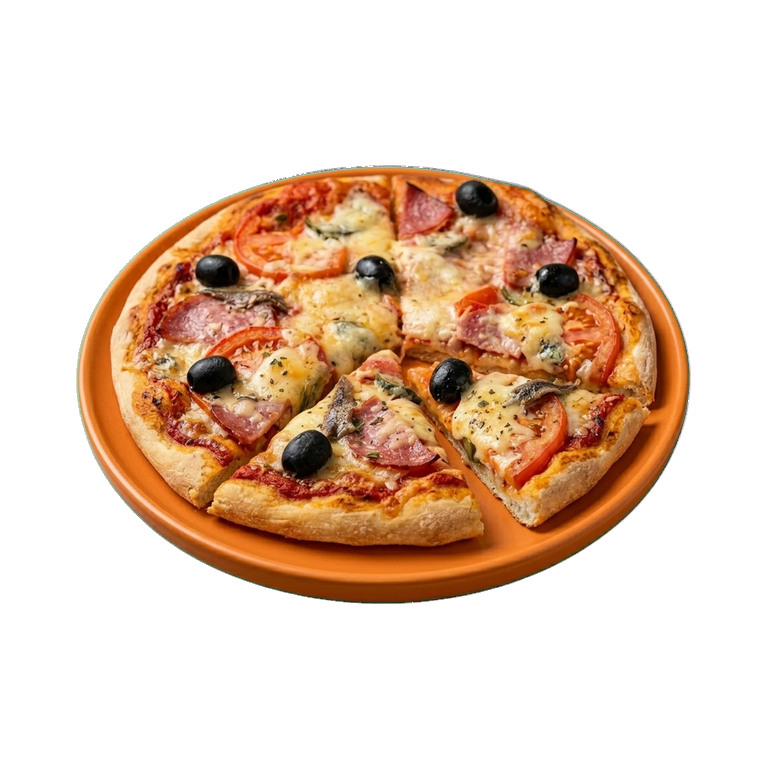
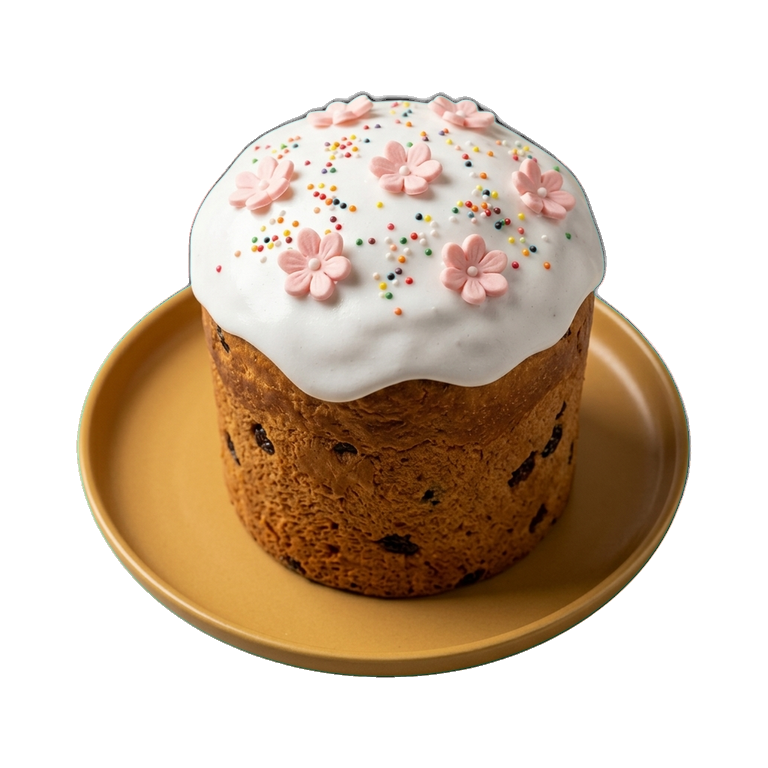
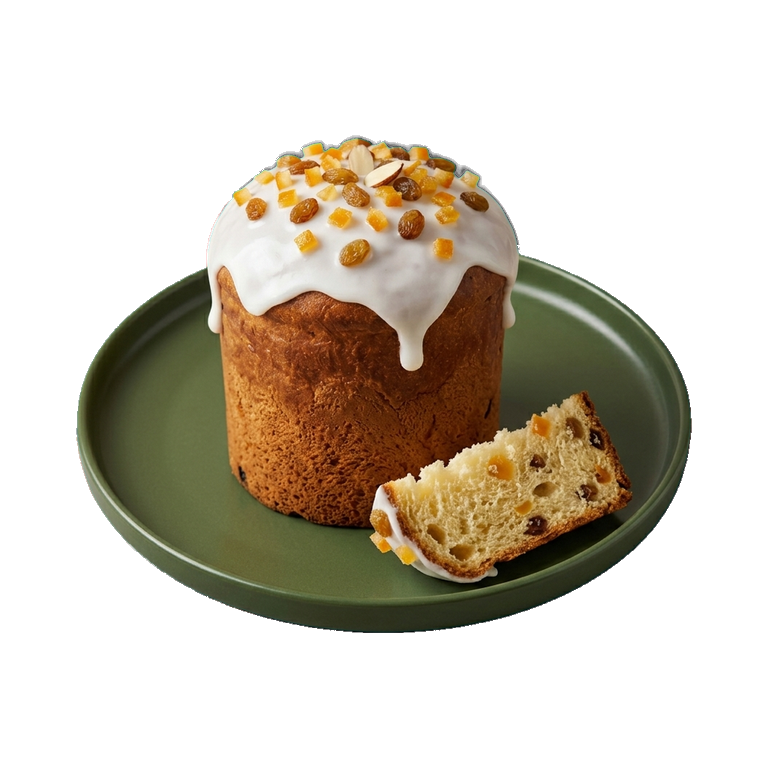
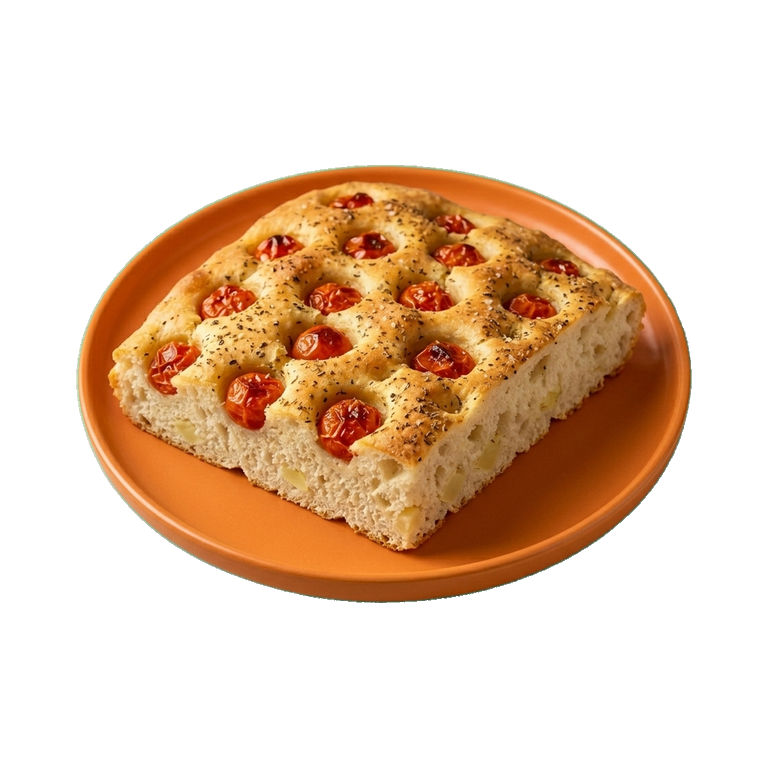
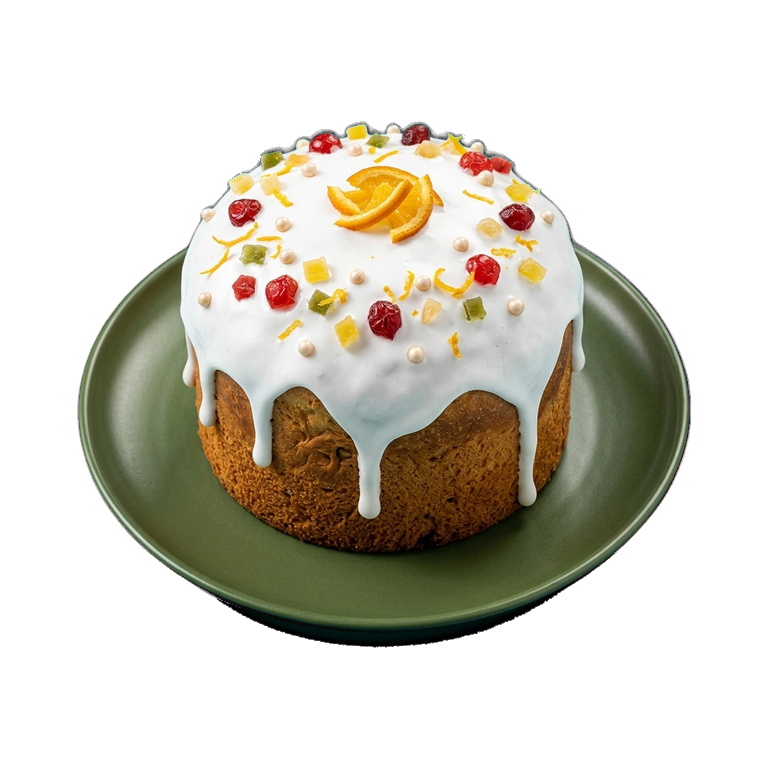
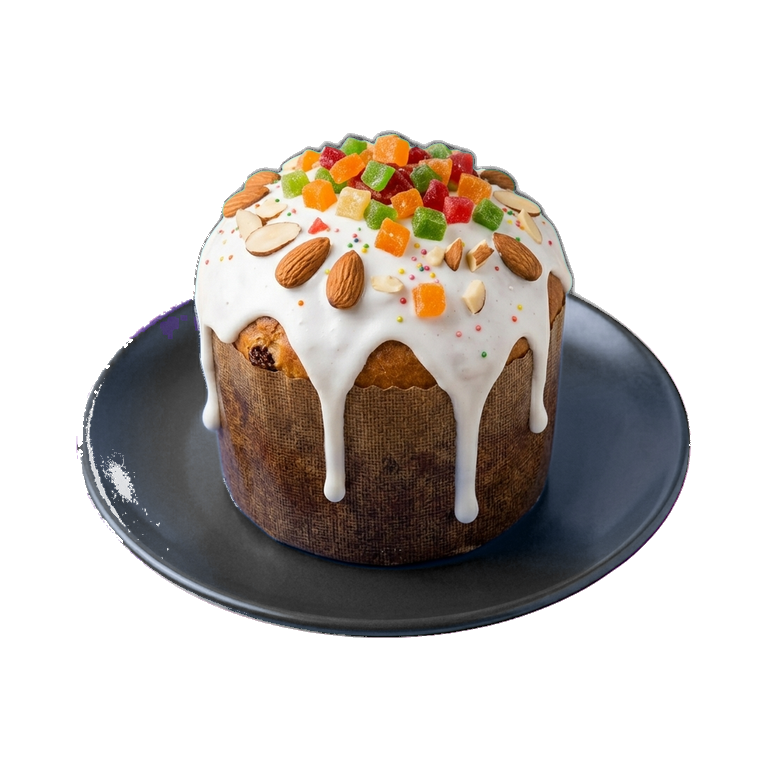
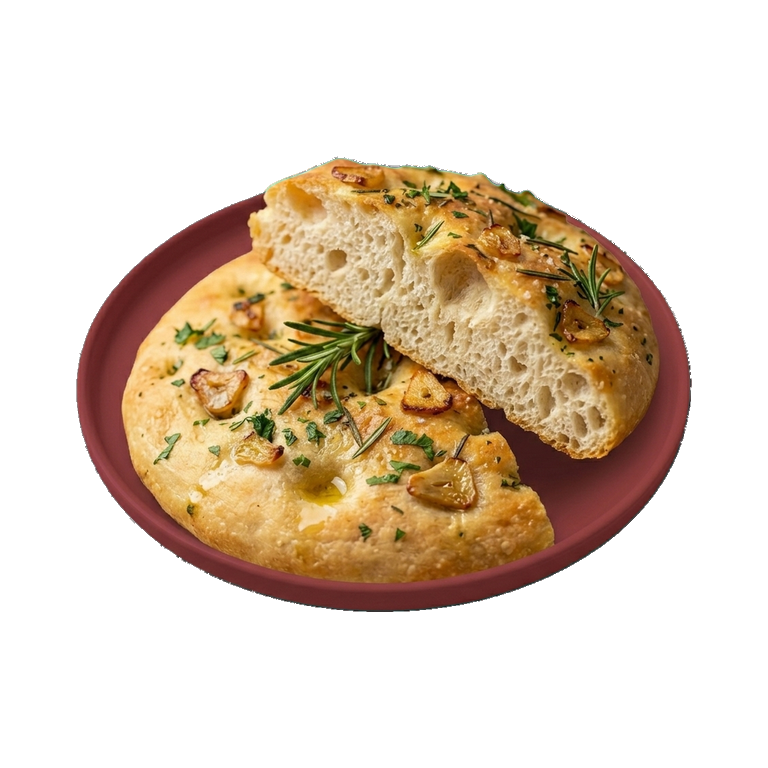
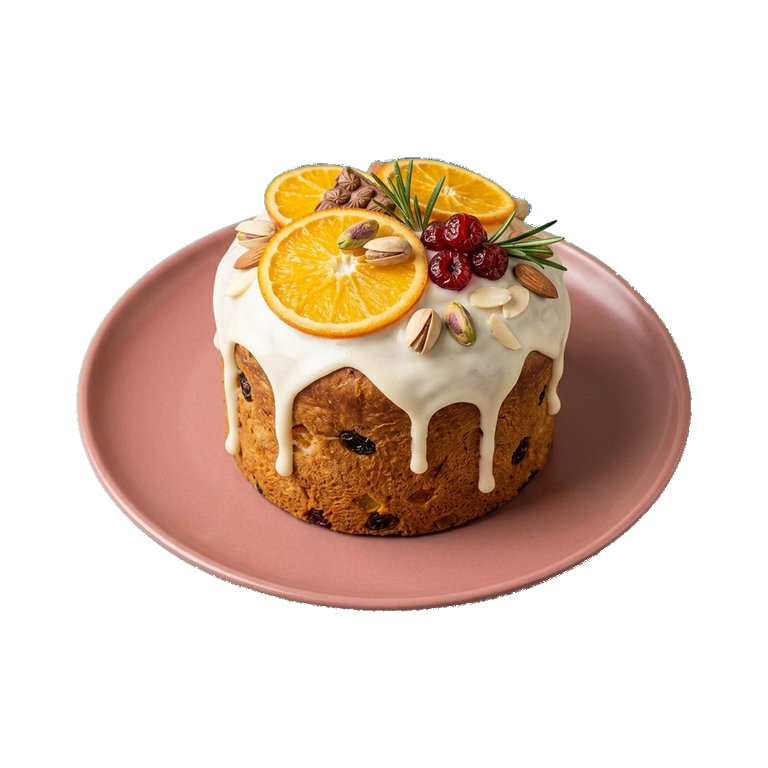
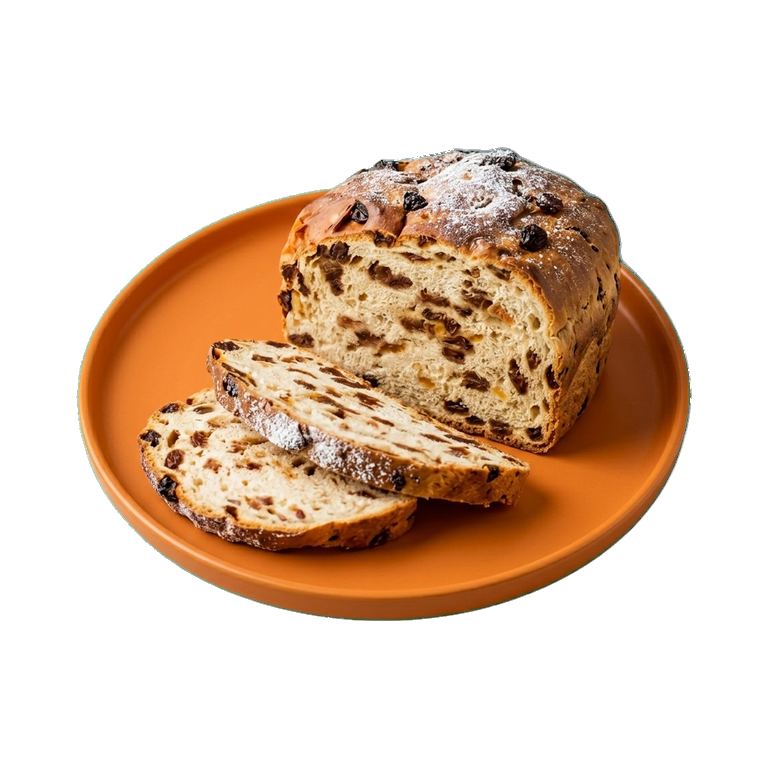
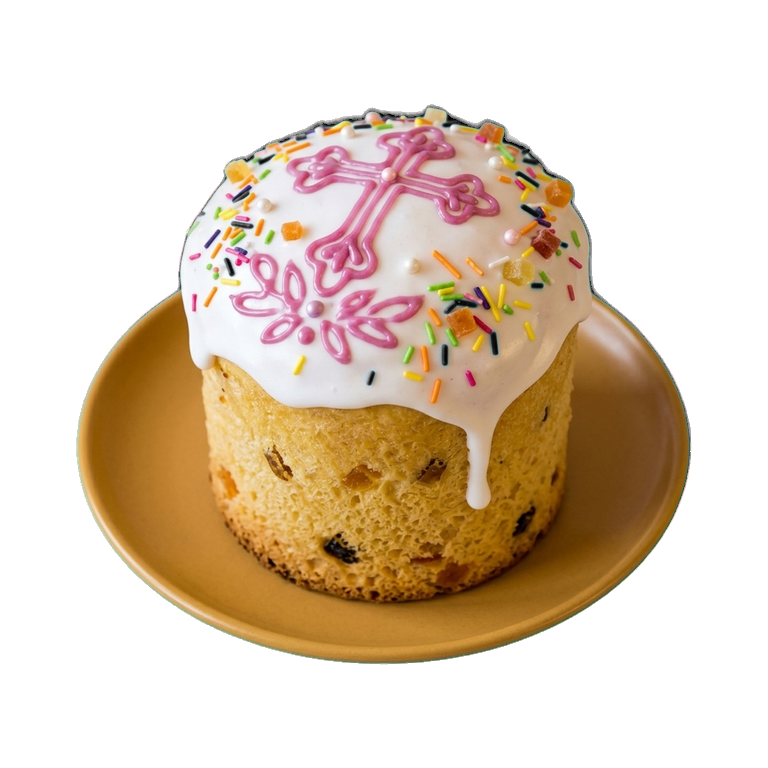
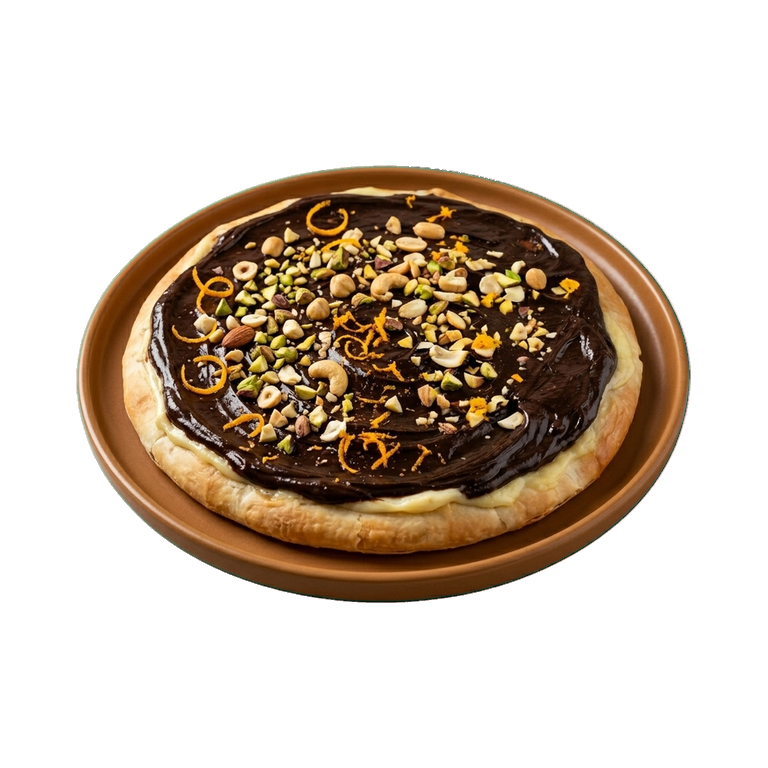
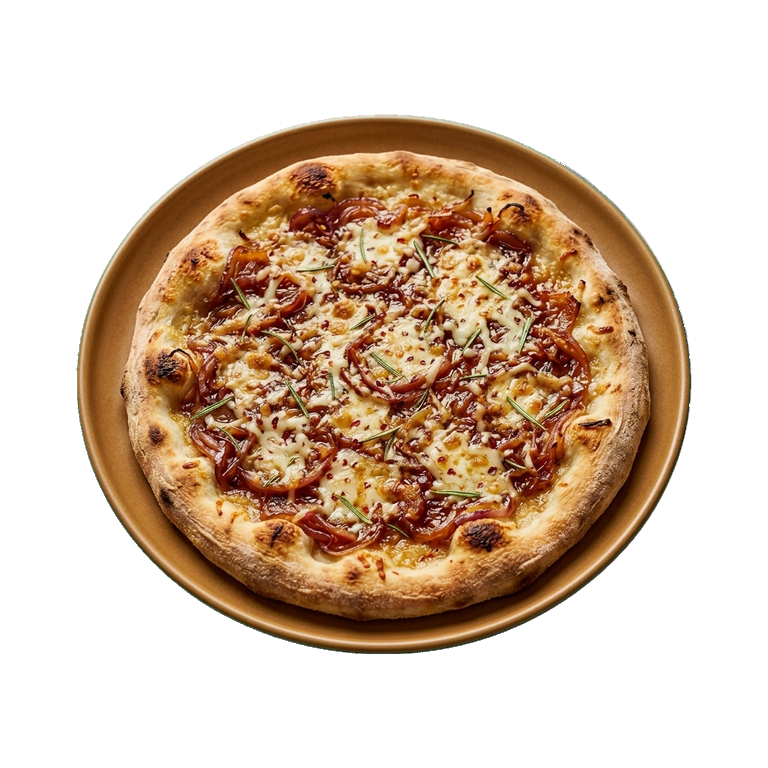
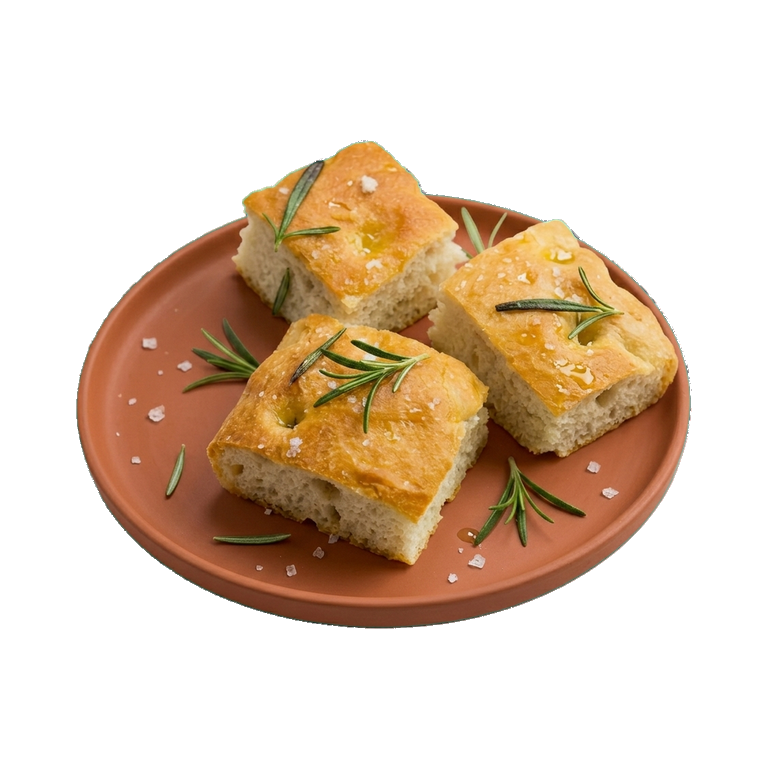
In pizza and focaccia, yeast works faster — usually 1–2 hours, and the dough is already ready for rolling. In sweet doughs (kulich, paska) fermentation can take 3–4 hours, because the dough is dense and requires more time to rise.
In kvass and other beverages, yeast is responsible for fermentation and carbonation. This requires patience: the process is slower than with dough, but the result is a living drink with a pleasant sourness and light effervescence.
Practical Tips
- Check the yeast activity before using: dissolve a pinch in warm water with sugar. If foam appears within 10–15 minutes — the yeast is alive.
- Don't salt the dough immediately if you're adding yeast to the flour. Salt slows down yeast activity. Add salt last or dissolve the yeast separately.
- Store pressed yeast in the refrigerator in an airtight container — it will last 2–3 weeks. Store dry yeast in a cool dry place, in a closed jar.
- If the dough has risen but you're not ready to use it — refrigerate it. Cold will slow down the process, and the dough will wait for your convenience.
- Excess yeast won't speed up baking; it will ruin the taste. Follow the recipe: usually 5–7 grams of pressed yeast per 500 grams of flour.
Yeast is not magic, but living biology. Understanding their needs (heat, time, moisture) gives you complete control over the result. Even a small mistake is easy to fix next time, so don't be afraid to experiment.
Nutrition
per 100 g
- Calories
- 80 kcal
- Protein
- 12 g
- Fat
- 0.5 g
- Carbs
- 5 g
Measures and weight
- 1 tbsp
- 9 g
- 1 tsp
- 3 g
- 1 cup
- 150 g
- 1 pcs
- 11 g
Measure calculator
- Weight
- 100 g
- Calories
- 80 kcal