Usuba
Usuba
Baking soda
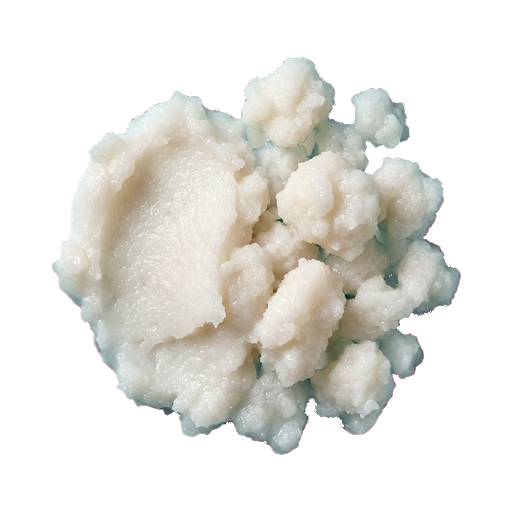
Slaked soda is sodium hydroxide obtained by the interaction of baking soda with water or alkali. It is used less frequently in cooking than regular baking soda, but is applied in some Asian dishes, particularly in Chinese and Japanese cuisine, where it helps soften noodles and gives them a characteristic chewy texture. When working with slaked soda, special caution is required — it is a caustic substance that demands precise dosing and hand protection, as improper use can ruin a dish or cause problems during cooking.
Micronutrients
per 100 g
About
Slaked soda is sodium hydroxide, which is obtained when baking soda interacts with water or other alkaline solutions. Unlike regular soda, it has already undergone chemical transformation and works differently in dough and during cooking. It's not just an alternative — it's a completely different tool that needs to be understood and respected.
How it works in baking
Slaked soda acts instantly and completely. When you mix it with dough, the reaction begins immediately — there's no need to wait for an acidic component like you would with regular baking soda. Carbon dioxide is released quickly, so the dough rises more actively and the structure becomes more open and airy.
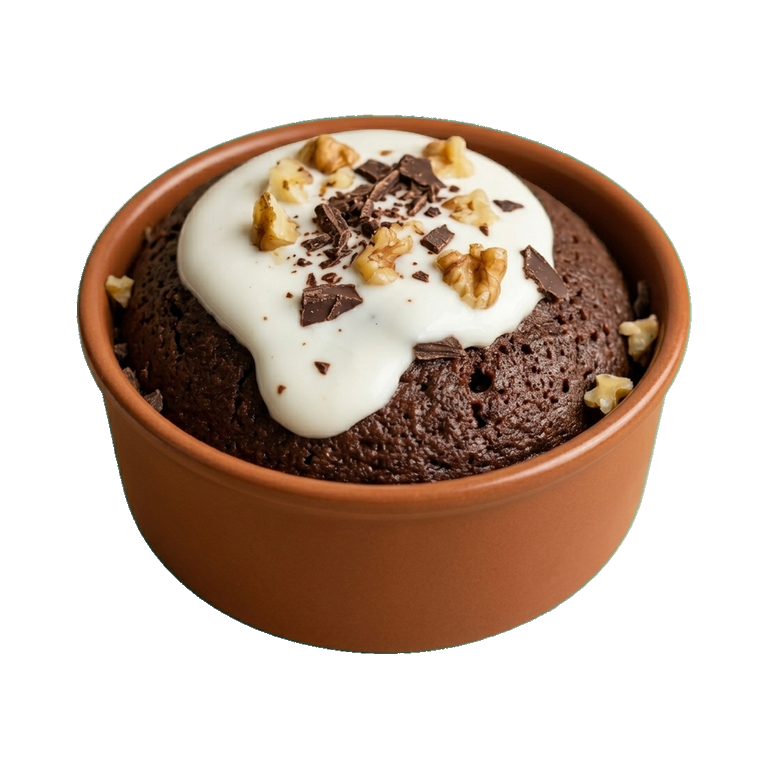
This is especially important for cookies and gingerbread, where crispness and crumbliness are needed. Baking soda gives baked goods a characteristic brownish crust tint and enhances flavor notes. That's why it's often chosen for ginger cookies, gingerbreads, and certain types of crackers.
Dosage and Substitution
Slaked soda is stronger than regular baking soda. If a recipe calls for regular baking soda, use slaked soda in a smaller amount — approximately 20-30 percent less. It's best to start with half the required amount, test the result, and then add more if necessary.
- For cookies and gingerbread: 1/4–1/2 teaspoon per portion of dough
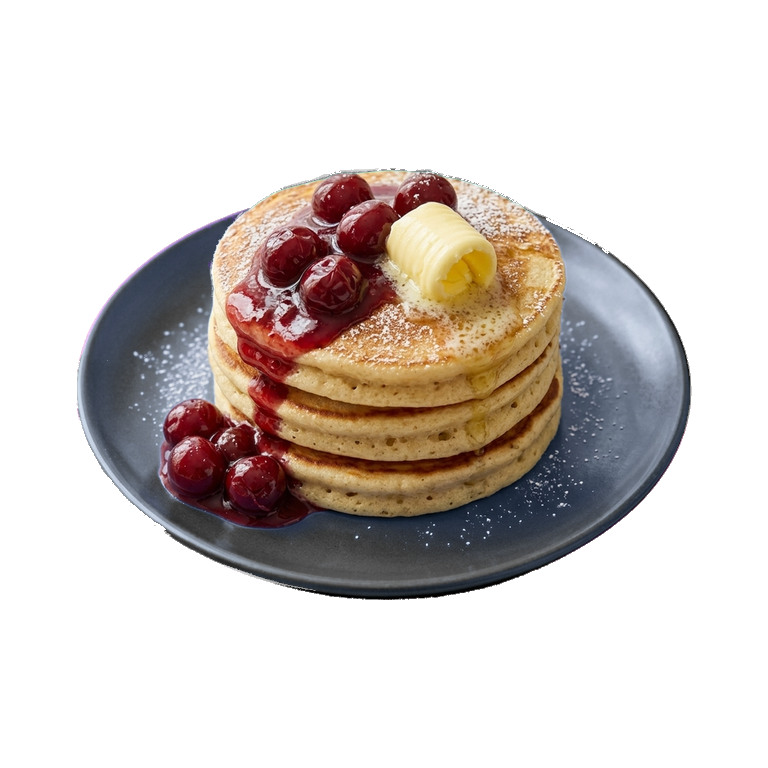
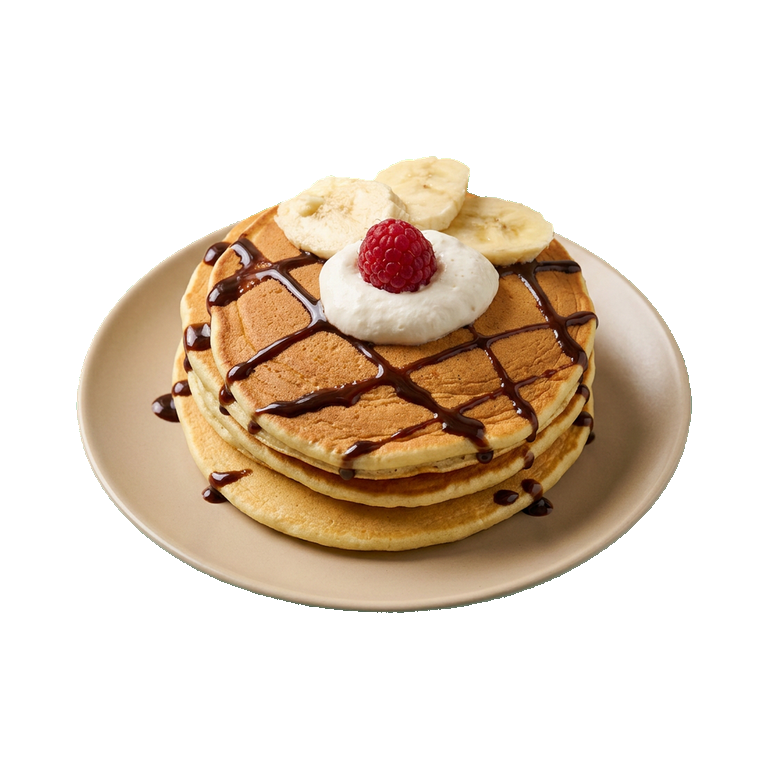
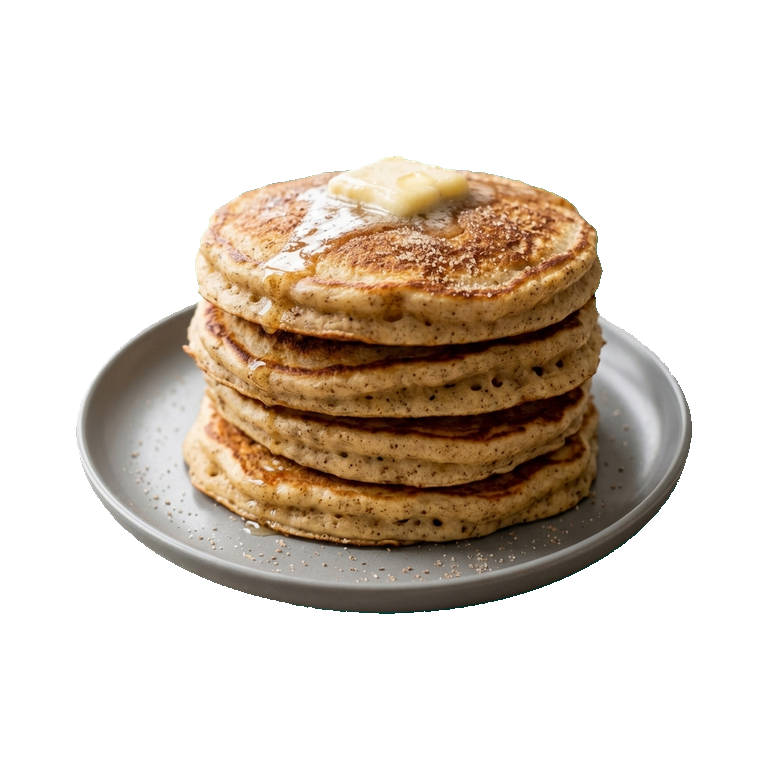
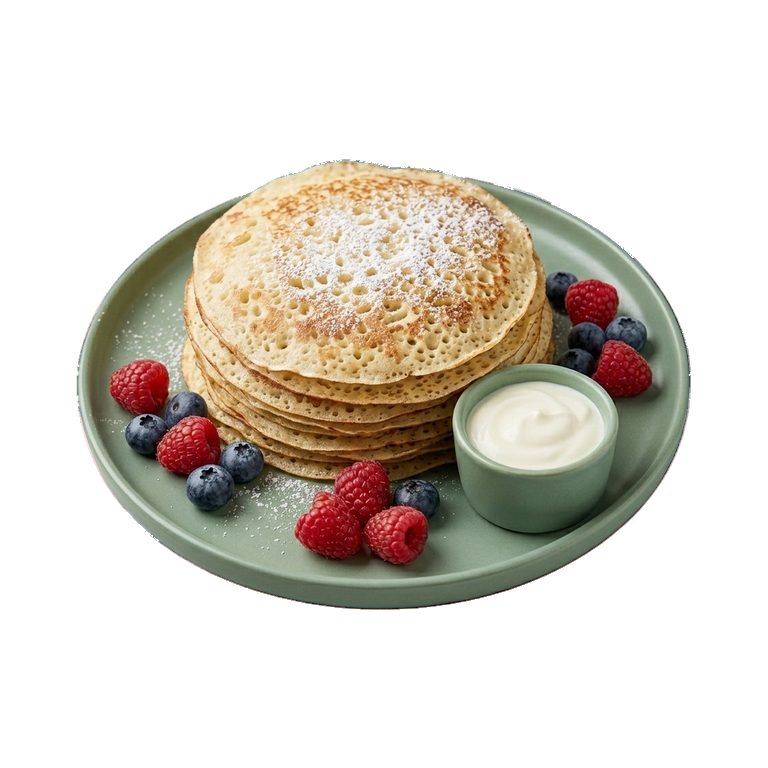
- For pancakes and fritters: a pinch, if additional fluffiness is needed
- For confectionery products: it is always better to under-salt with alkali than to over-salt
Selection and Storage
Slaked soda is hygroscopic — it absorbs moisture from the air. Store it in a sealed glass or plastic container, in a dry place, away from direct sunlight. If you notice that the soda has clumped or lost its fluffiness, break it up with a fork before use or sift it through a fine sieve.
When stored properly, baking soda retains its properties for several months. But the fresher it is, the better. If you cook infrequently, buy small packages and use them within 2–3 months.
What to pair it with
Slaked soda works well in recipes without acidic components or when they are minimal. If the dough contains milk, sour cream, or kefir, soda can react with them, but the effect will be milder than with regular baking soda. For maximum effect, use slaked soda in recipes with neutral pH or in combination with fat and sugar.
- Butter or vegetable oil — ideal partners
- Eggs — help structure and stabilize rise
- Spices (ginger, cinnamon, clove) — flavor becomes more vibrant
- Honey and molasses — enhance color and aroma of baking
Practical tip
If you're working with baking soda for the first time, start with cookies or gingerbread — the result is immediately visible and easy to control. Don't add it to the dough long before baking: the reaction starts right away, and if you delay baking, the gas may escape and the rise will be weak. Prepare the dough and put it in the oven immediately.
Nutrition
per 100 g
- Calories
- 0 kcal
- Protein
- 0 g
- Fat
- 0 g
- Carbs
- 0 g
Micronutrients
per 100 g
Macronutrients
- Fiber
- 0 g
- Sugars
- 0 g
- Saturated fat
- 0 g
- Monounsaturated fat
- 0 g
- Polyunsaturated fat
- 0 g
- Omega-3 (EPA + DHA)
- 0 g
- Cholesterol
- 0 mg
- Water
- 0.2 g
Minerals
- Sodium
- 27360 mg
- Potassium
- 0 mg
- Calcium
- 0 mg
- Magnesium
- 0 mg
- Phosphorus
- 0 mg
- Iron
- 0 mg
- Zinc
- 0 mg
- Copper
- 0 mg
- Manganese
- 0 mg
- Selenium
- 0.2 mcg
Vitamins
- Vitamin A (RAE)
- 0 mcg
- Vitamin D
- 0 mcg
- Vitamin E
- 0 mg
- Vitamin K
- 0 mcg
- Vitamin C
- 0 mg
- Vitamin B1 (thiamin)
- 0 mg
- Vitamin B2 (riboflavin)
- 0 mg
- Vitamin B3 (niacin)
- 0 mg
- Vitamin B5 (pantothenic acid)
- 0 mg
- Vitamin B6
- 0 mg
- Vitamin B9 (folate, DFE)
- 0 mcg
- Vitamin B12
- 0 mcg
Measures and weight
- 1 tbsp
- 12 g
- 1 tsp
- 4 g
- 1 cup
- 200 g
Measure calculator
- Weight
- 100 g
- Calories
- 0 kcal