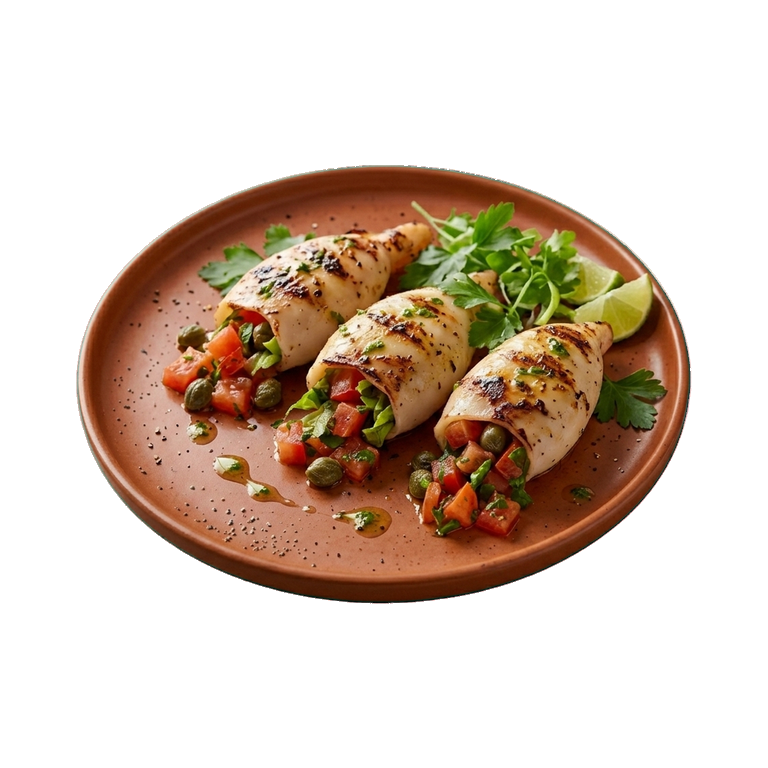
Usuba
Usuba
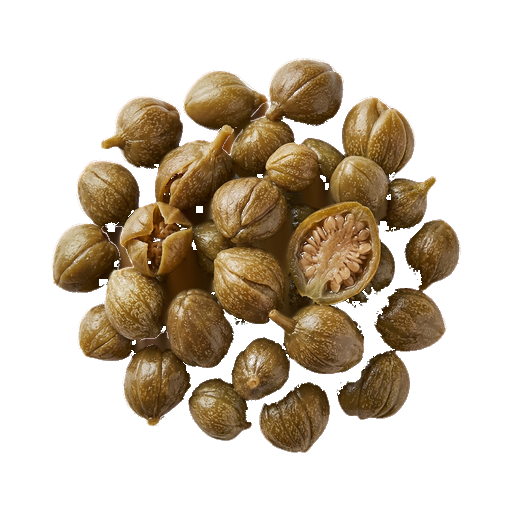
Capers
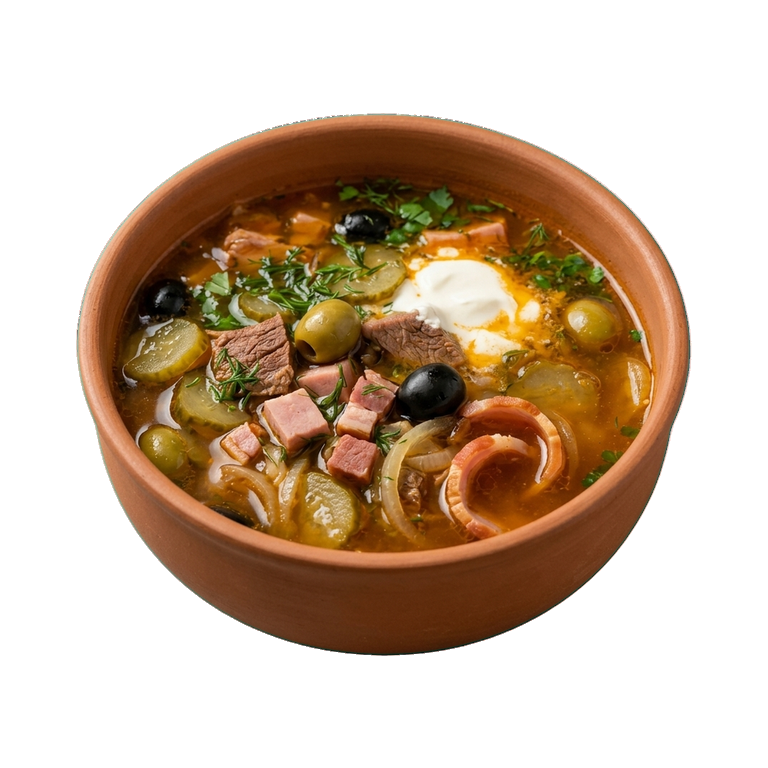
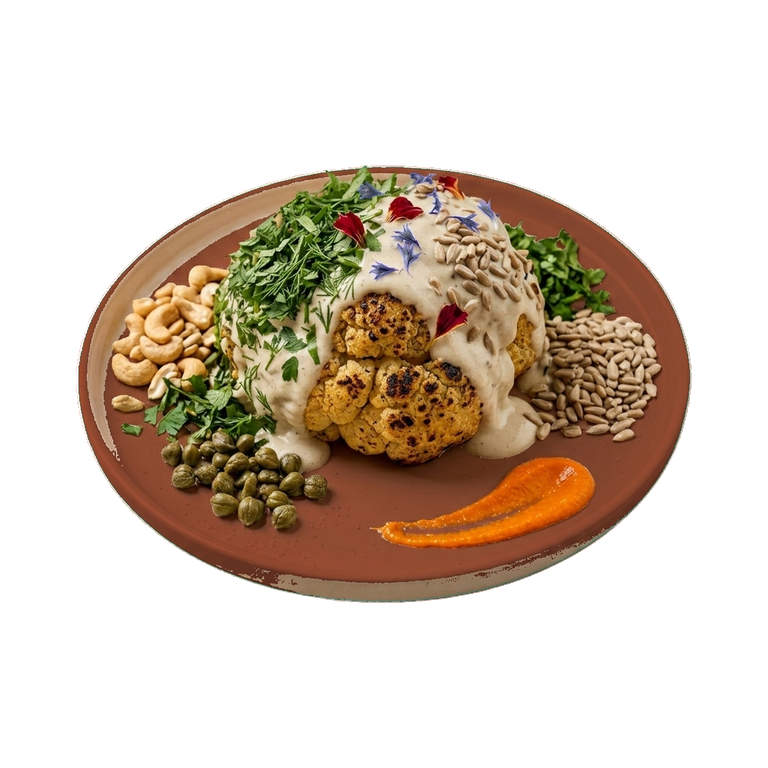
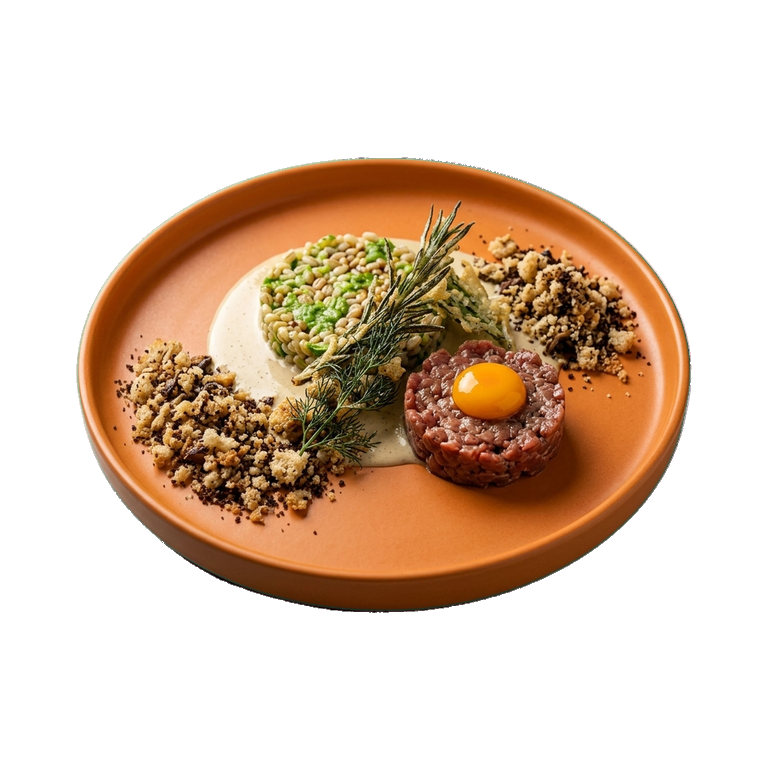
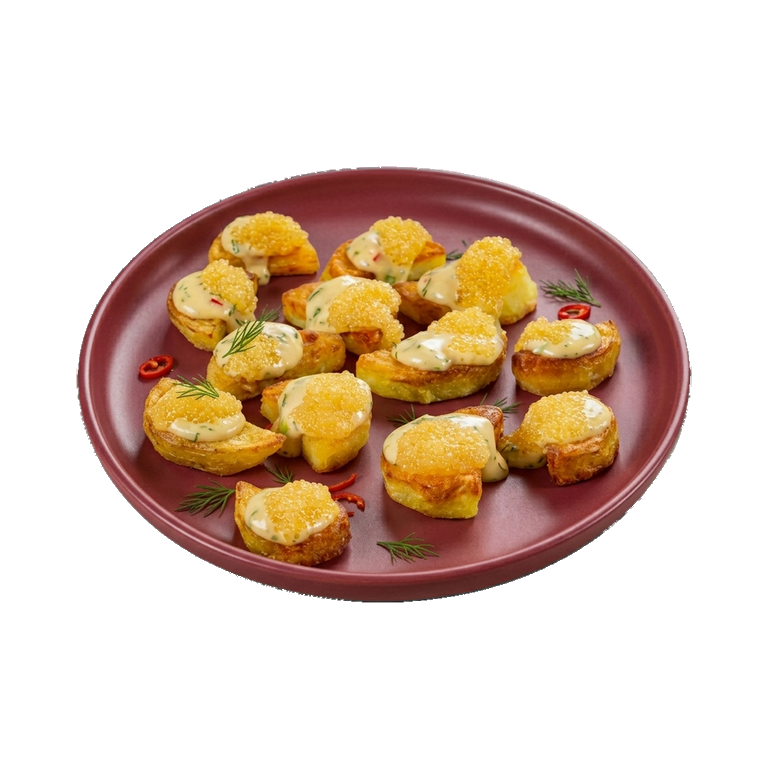
Capers are pickled unopened buds of a shrub that add a distinctly sharp, slightly bitter taste with salty notes to dishes. They pair well with fish, meat, and vegetables, and are often used in sauces, salads, and appetizers, adding piquancy and aroma to dishes. When choosing capers, pay attention to the size of the buds — smaller ones are considered a delicacy. If substituting, you can use chopped olives, though the taste will be noticeably different.
About
Capers are unopened flower buds of a thorny shrub, preserved in salt or vinegar. In a jar, they look like small green or brownish balls the size of a pea, but their taste is anything but simple. Sharp, salty, with a slight bitterness — capers instantly enliven a dish, adding character and depth to it.
Aroma and taste
The main flavor profile of capers is piquancy with a slight bitter note and acidity. They are not sweet, not soft: this is an ingredient that makes a statement. The preserving brine gives them a salty quality, so capers are often rinsed before use to avoid over-salting the dish. The aroma is fresh, somewhat herbaceous, with a hint of spice.
Where and how to use
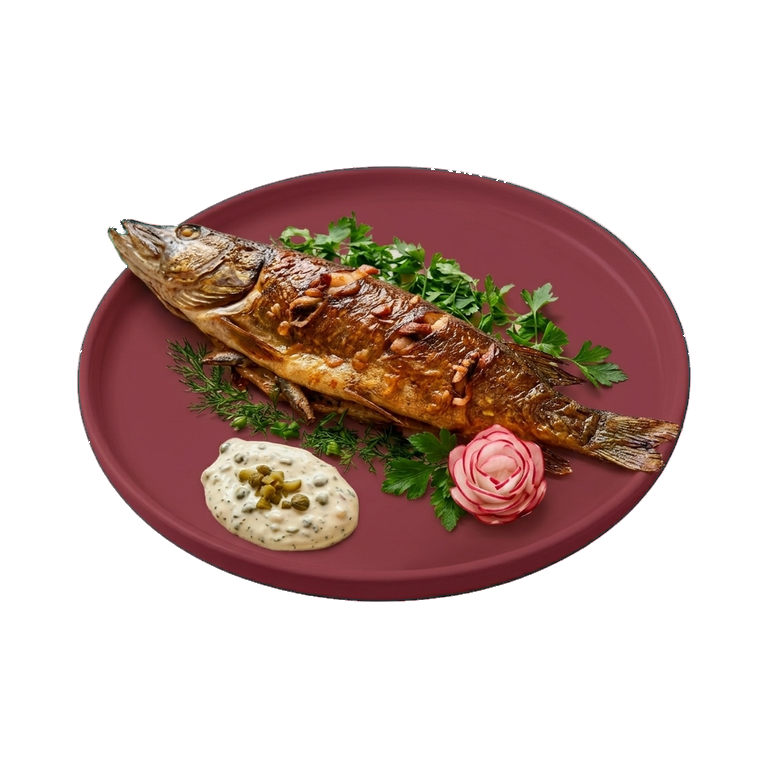
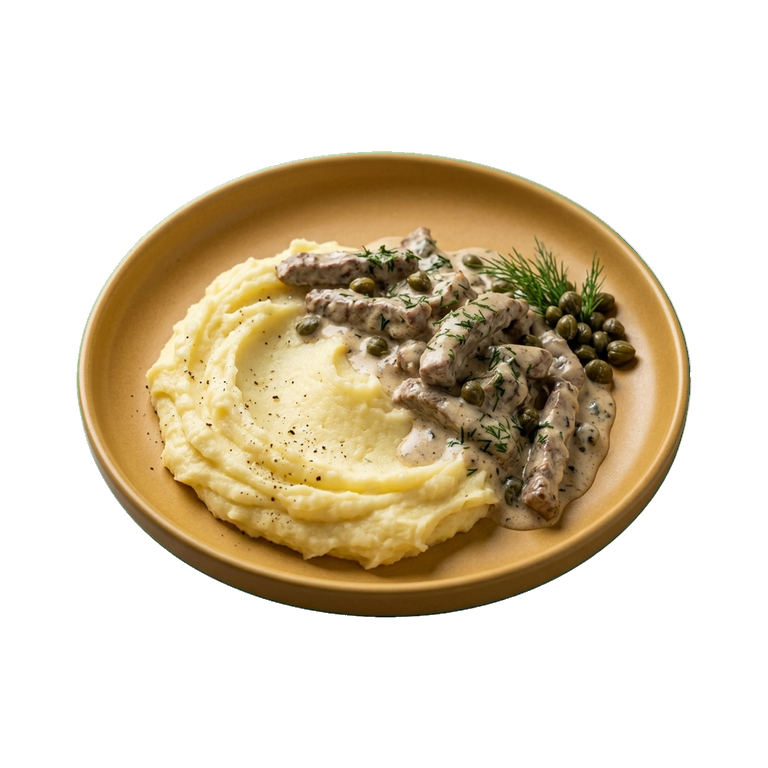
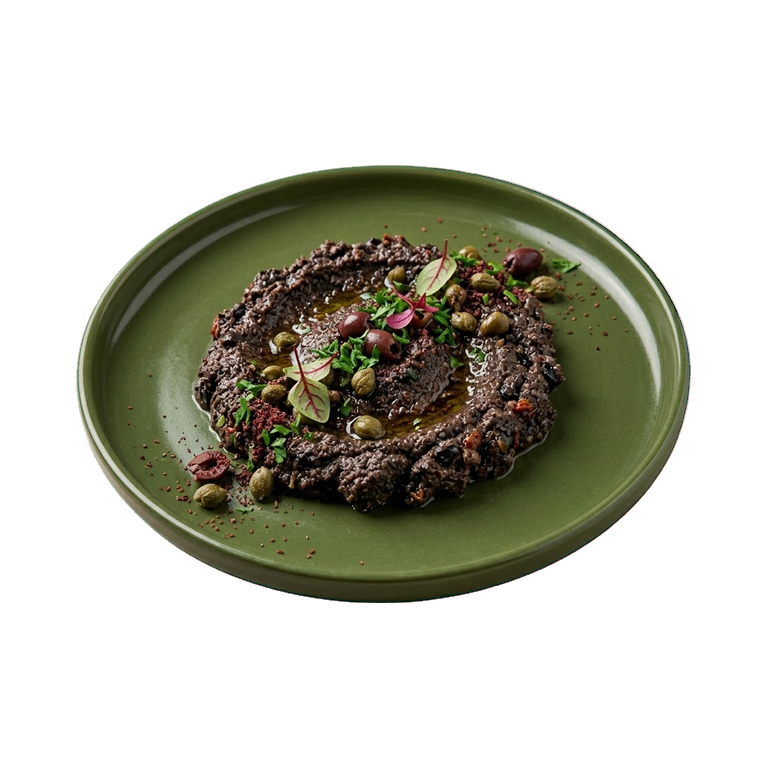
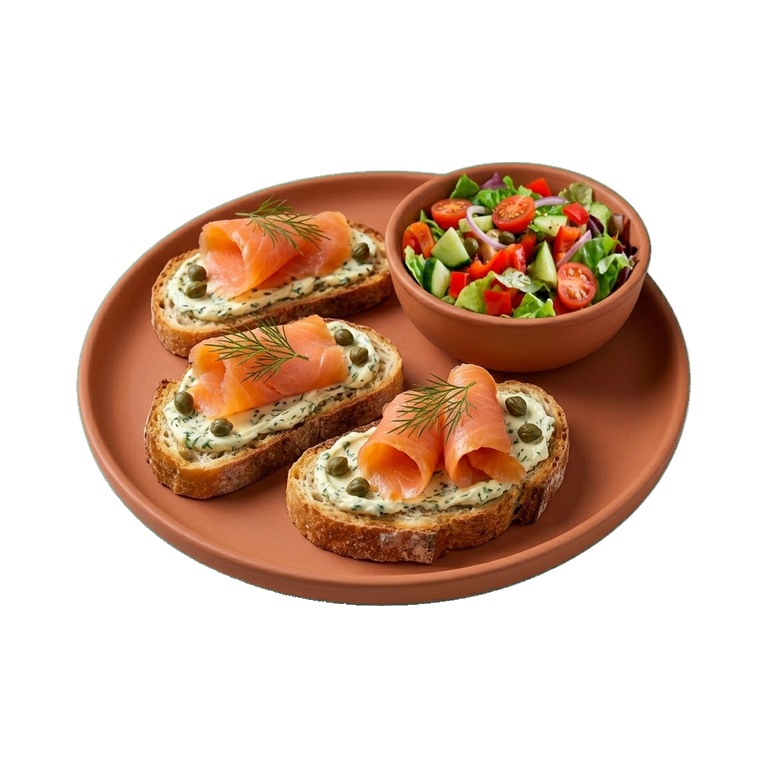
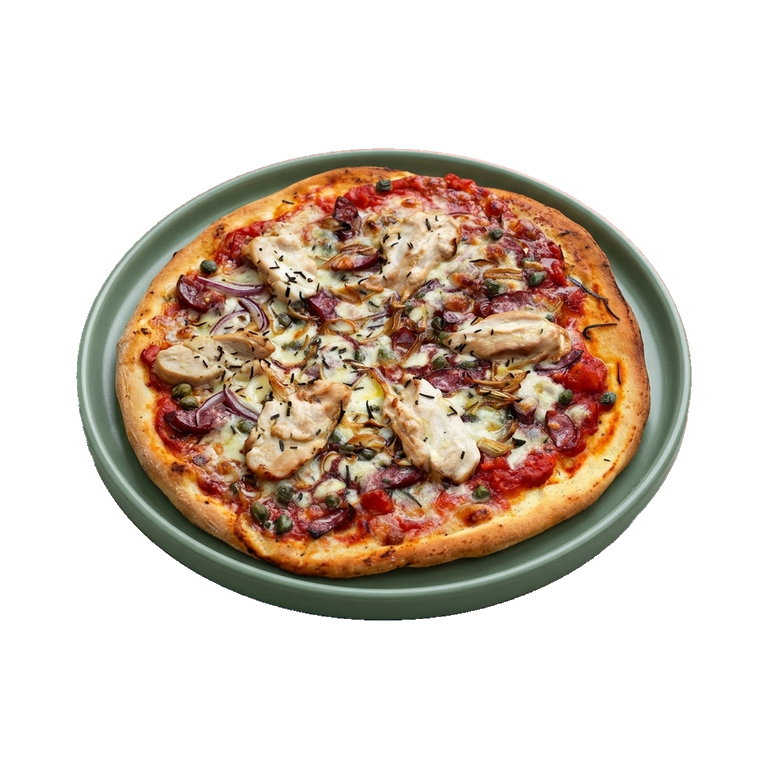
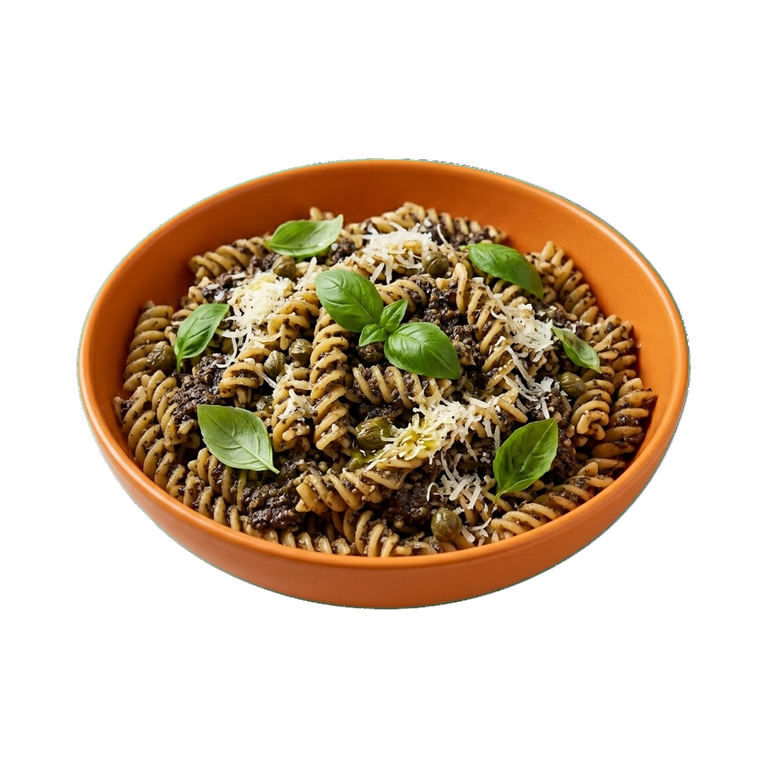
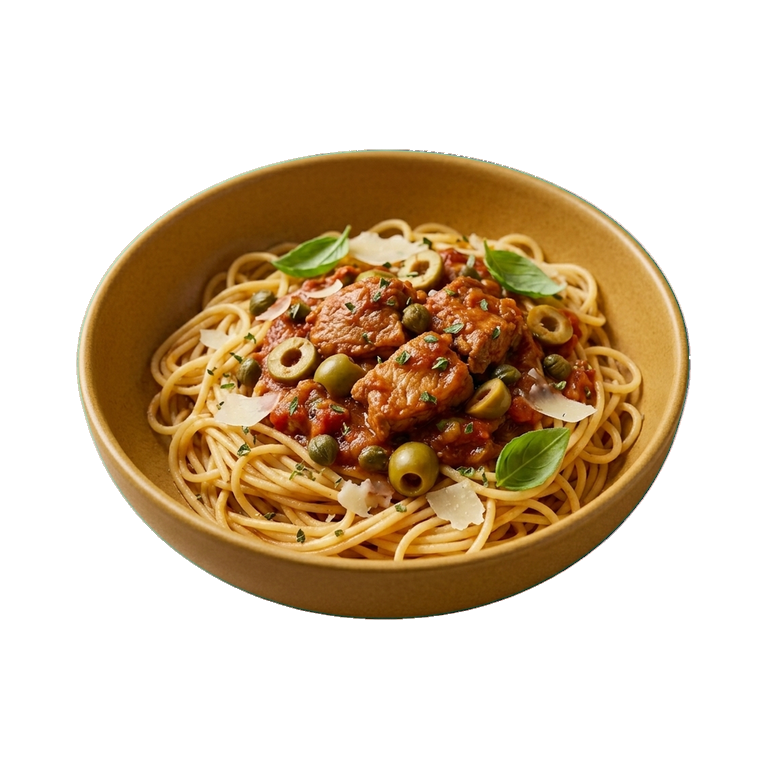
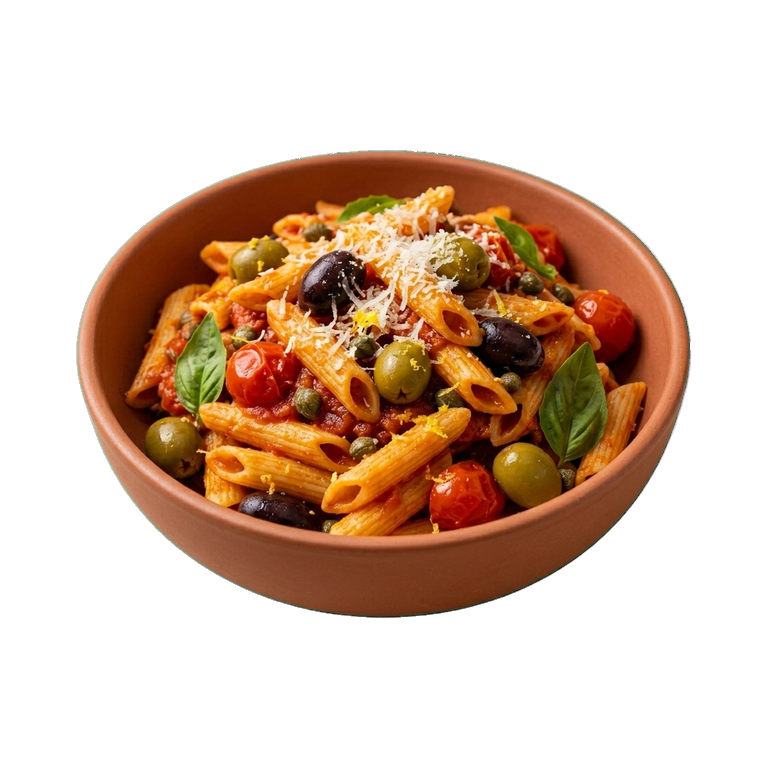
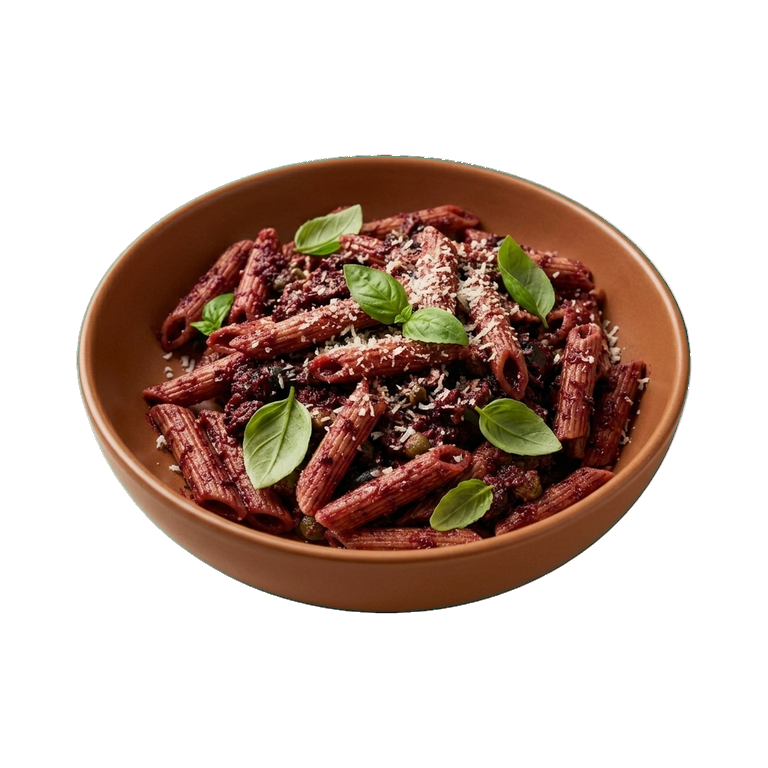
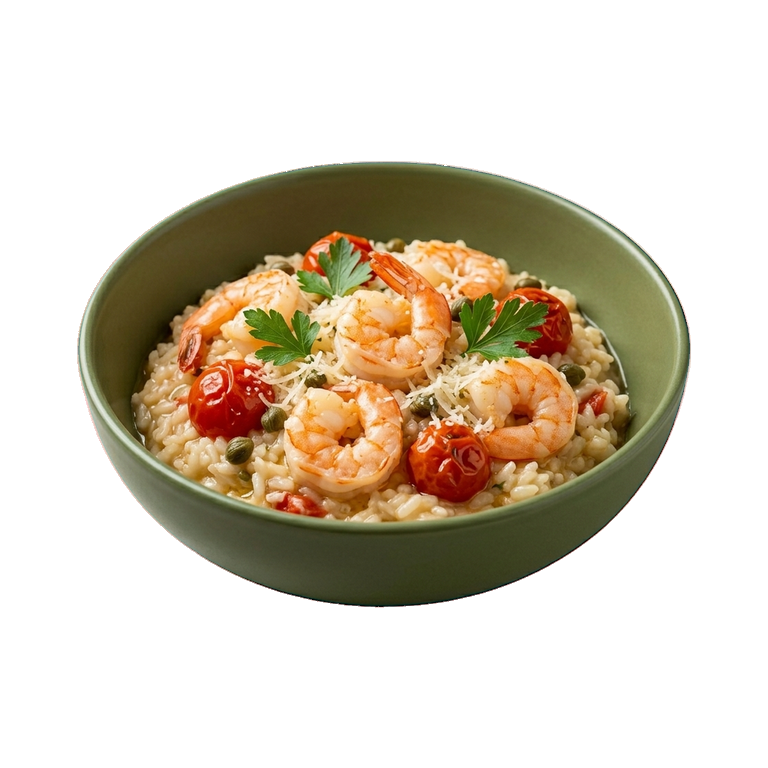
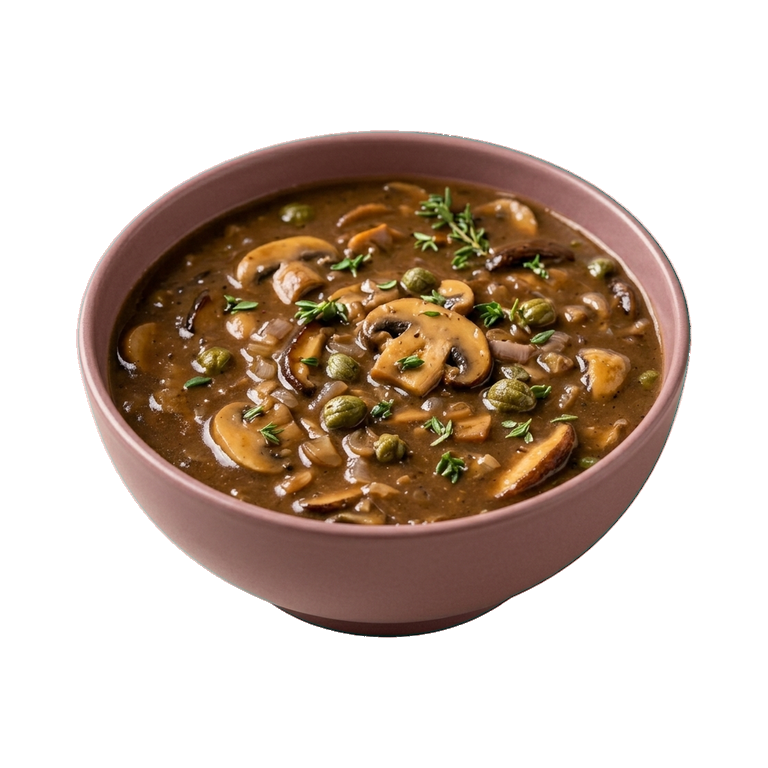
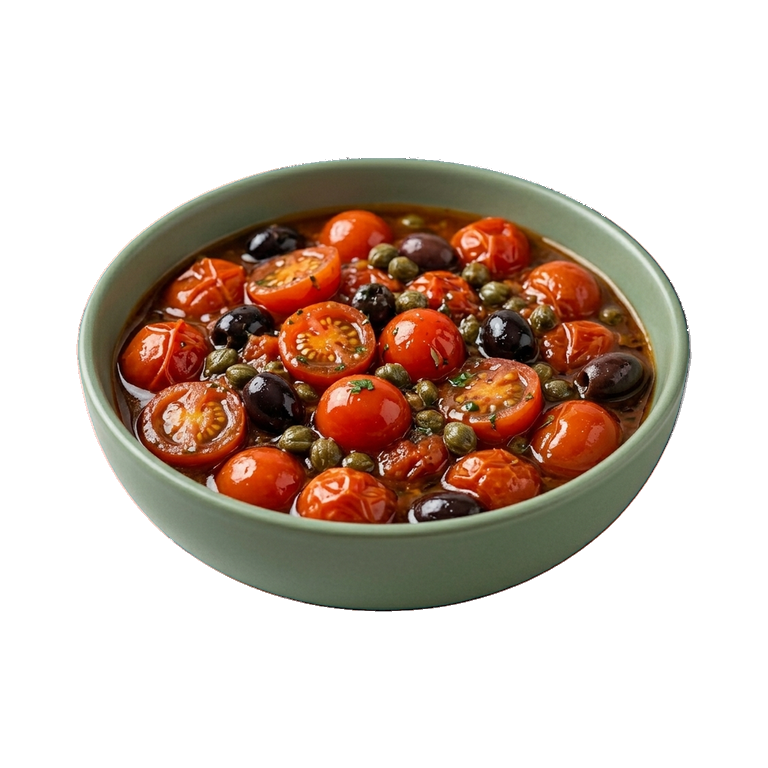
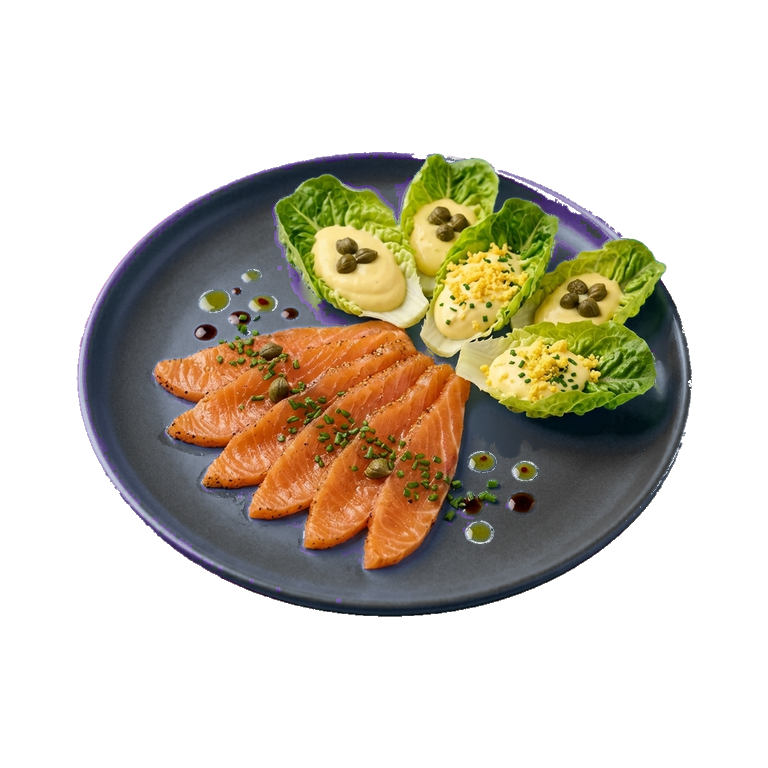
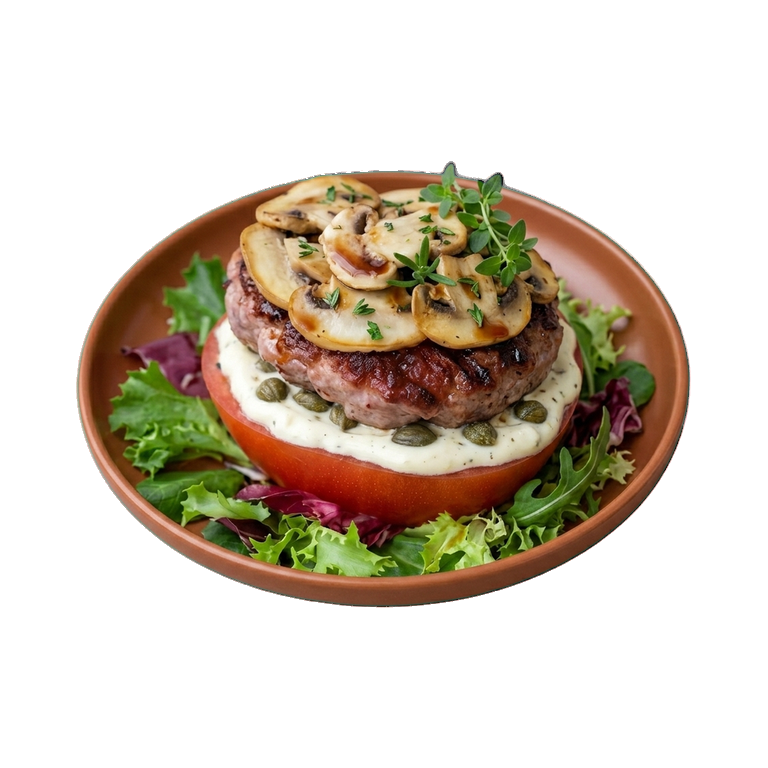
Capers work as an accent rather than a main ingredient. A pinch adds interest to fish dishes — they work especially well with salmon, trout, or white fish. They garnish salads, become part of sauces and tapenades, and sit on sandwiches alongside butter and cheese. In Mediterranean cuisine, they are added to pasta, risotto, and pizza.
- Fish and seafood — a classic combination
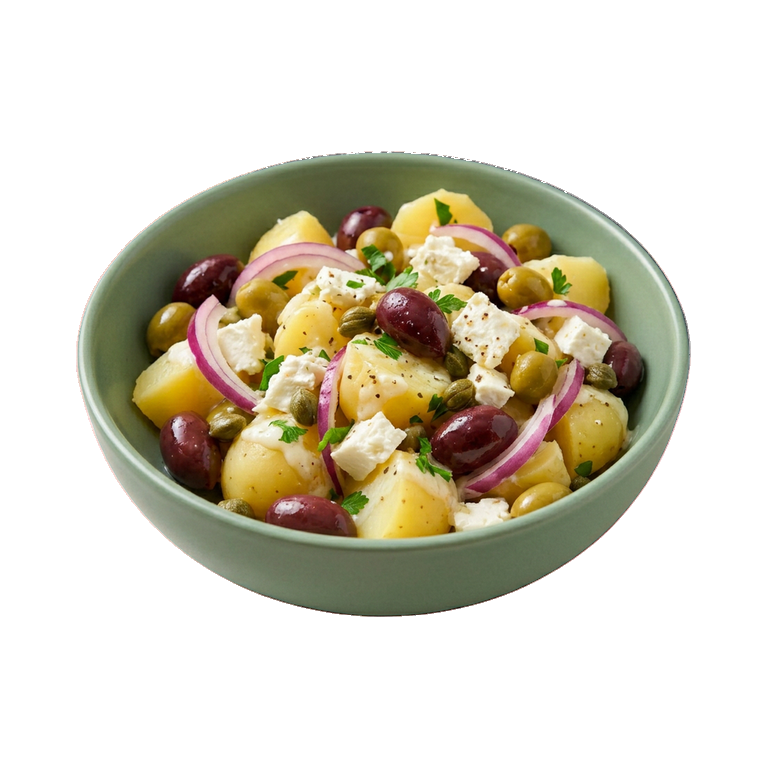
- Salads with tomatoes, olives and goat cheese
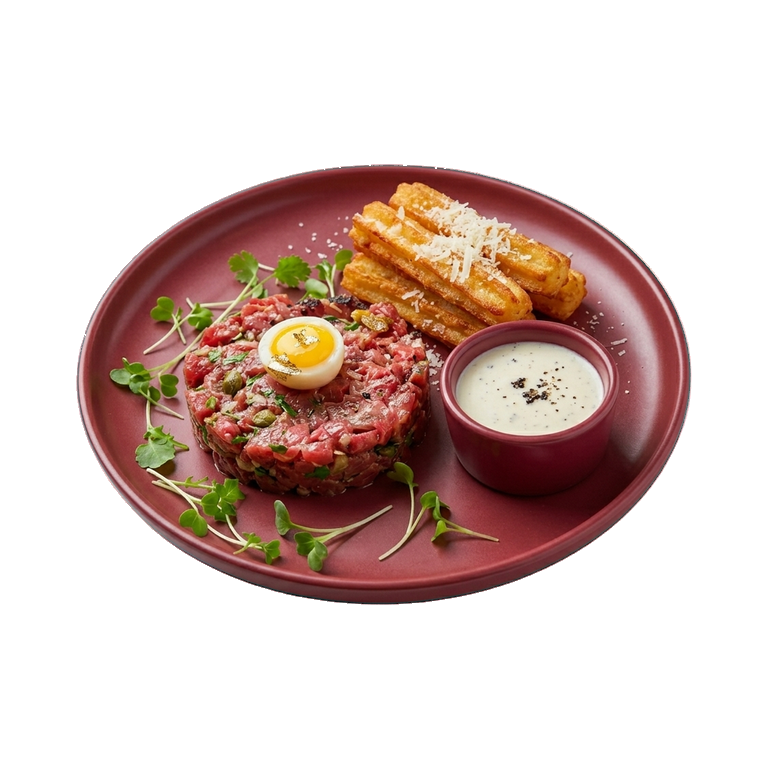
- Sauces for meat (especially veal)
- Pasta with anchovies and tomatoes
- Cold appetizers and antipasti
Selection and Storage
Capers are sold in jars or small bottles, preserved in salt, vinegar, or brine. When choosing, pay attention to the integrity of the buds — they should be firm, without any softening. Capers in salt have a more concentrated flavor, while those in vinegar are milder and more acidic. If you are sensitive to saltiness, choose the vinegar option or rinse before using.
After opening a jar, capers are stored in the refrigerator in their own liquid for several months. Make sure they are always covered with brine — this extends their shelf life. Use a clean spoon when removing them to avoid introducing bacteria. A small jar runs out quickly because capers are exactly the kind of seasoning you need just a little of, but use often.
Remember: capers are not a side dish, they are punctuation in a dish. A handful on a plate can spoil the impression, but a few pieces in the sauce will make it unforgettable.
Nutrition
per 100 g
- Calories
- 23 kcal
- Protein
- 2.3 g
- Fat
- 0.9 g
- Carbs
- 1.7 g
Measures and weight
- 1 tbsp
- 13.5 g
- 1 tsp
- 4.5 g
- 1 cup
- 225 g
- 1 pcs
- 1 g
Measure calculator
- Weight
- 100 g
- Calories
- 23 kcal