Usuba
Usuba
Chicken broth
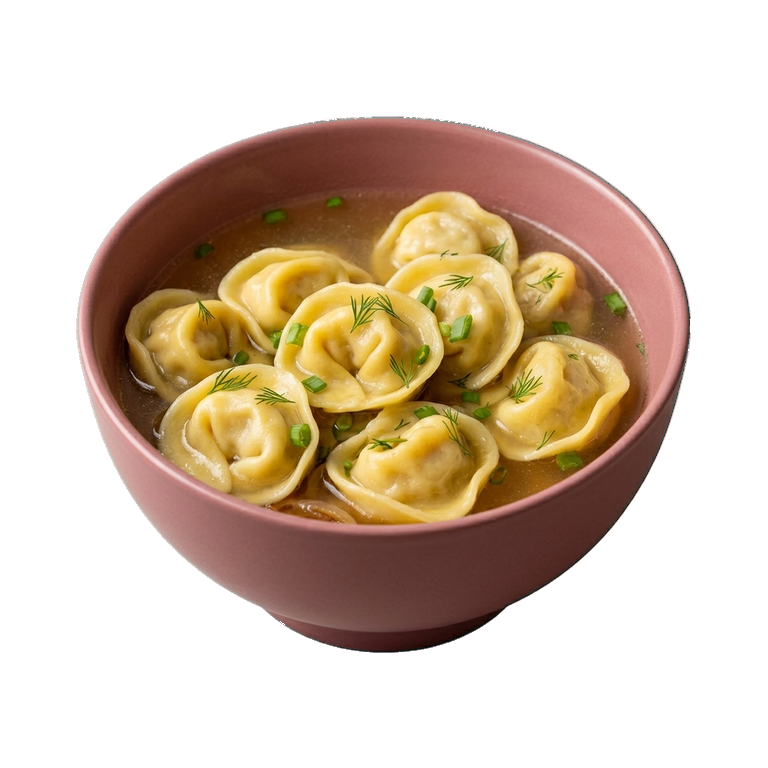
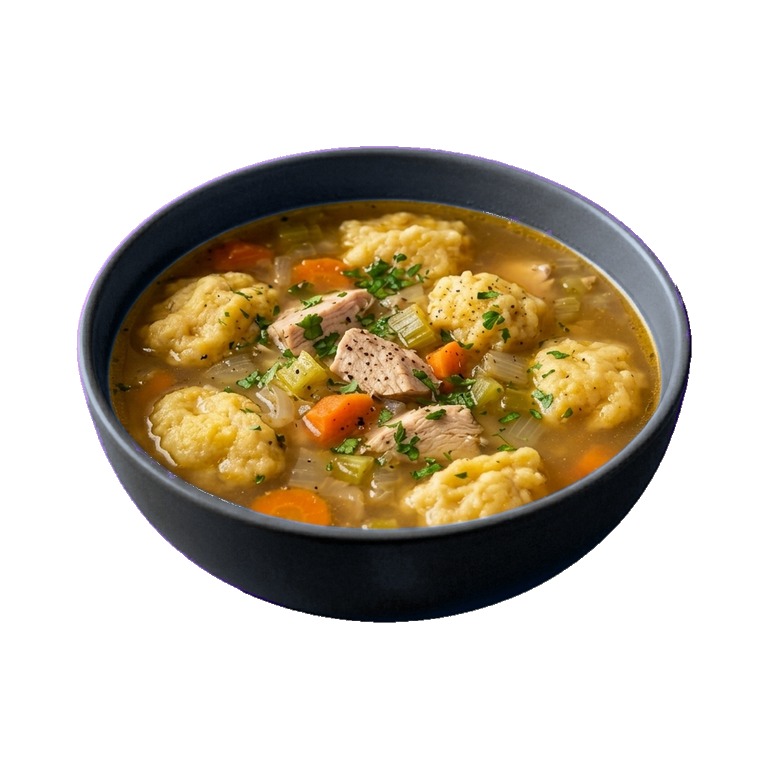
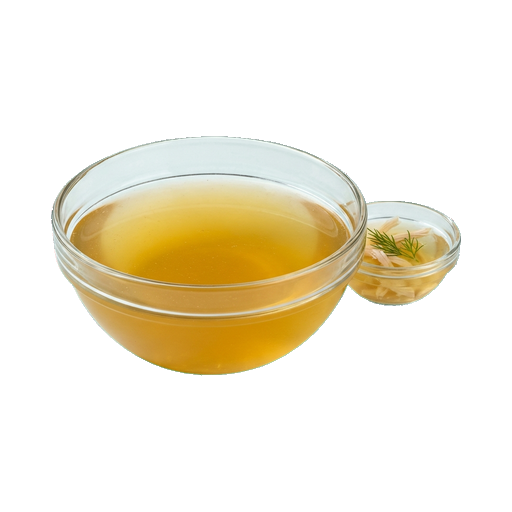
Chicken broth is a clear liquid obtained by simmering chicken with vegetables and spices for an extended period, serving as the foundation for soups, sauces, and many other dishes. It has a mild, balanced flavor with a subtle sweetness and contains gelatin, which gives finished dishes a tender consistency. When choosing between homemade and store-bought broth, keep in mind that homemade requires time to prepare but delivers a more intense flavor, while store-bought is more convenient but may contain additives.
About
Chicken broth is one of the most versatile kitchen helpers. It's not just the liquid left over from cooking chicken: properly prepared broth becomes a foundation that gives depth and roundness to the flavor of any dish. Homemade broth differs from store-bought concentrate precisely because it's alive — it retains natural gelatins and aromas that cannot be recreated artificially.
Taste and Aroma
Chicken broth has a mild, delicate flavor that doesn't overpower other ingredients but rather enhances them. The aroma depends on what you cook together with the chicken: if you add carrots, celery, and onions, you'll get a classic broth with a subtle sweetness of vegetables and tender chicken. A transparent broth of light color indicates that it was cooked on low heat and properly strained — it looks more appetizing and works better in dishes where flavor purity is important.
Where and how to use
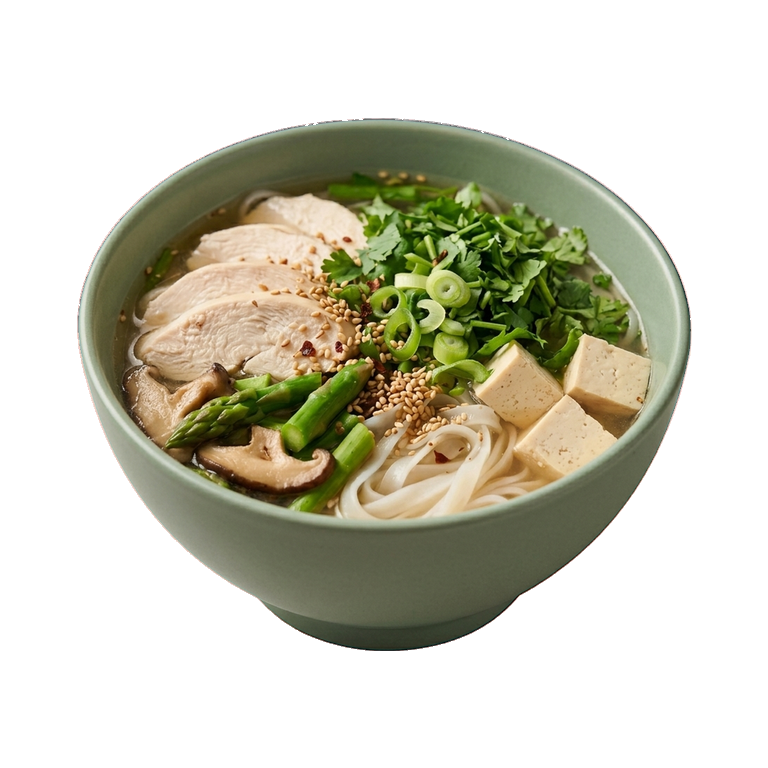
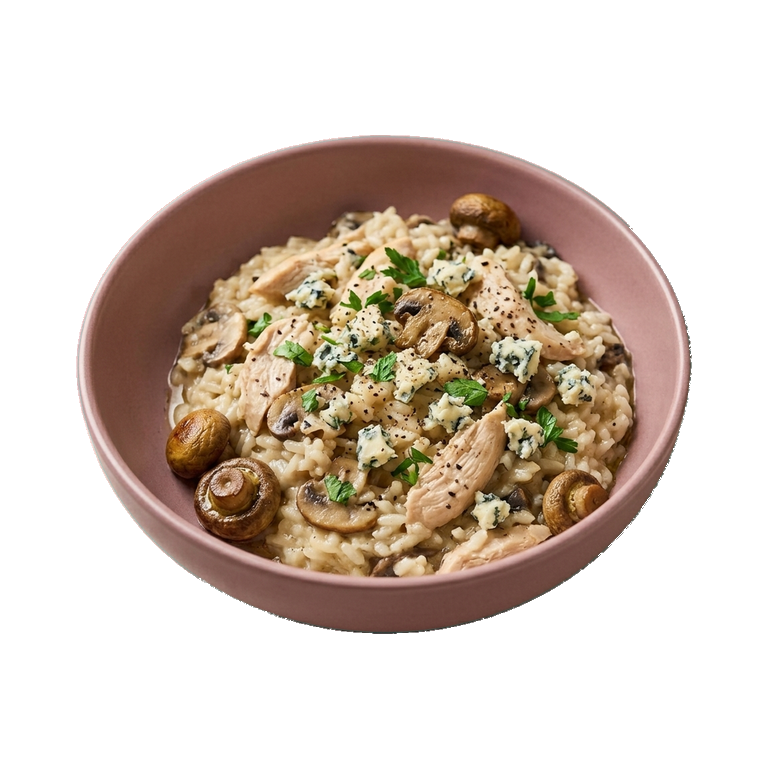
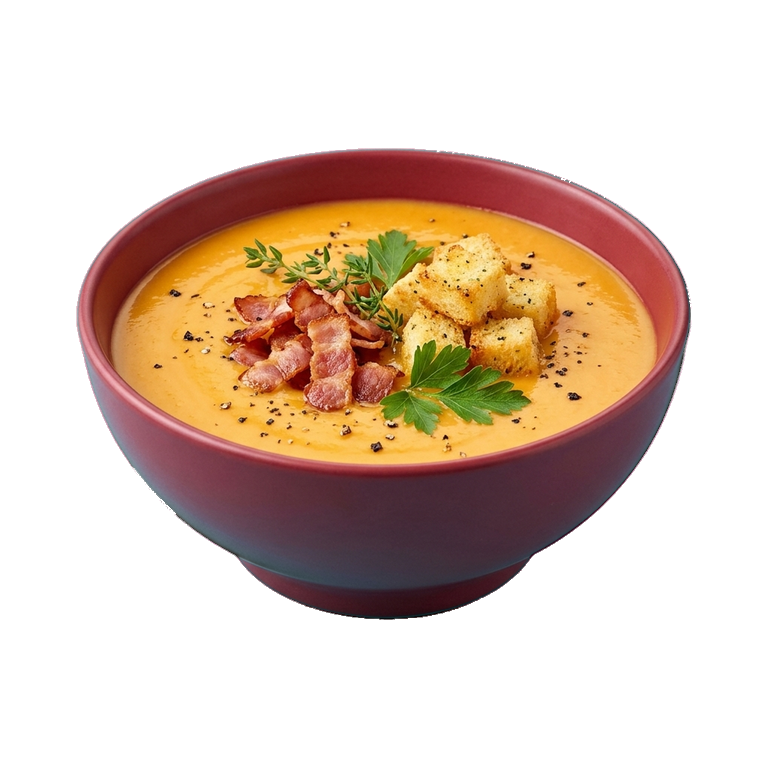
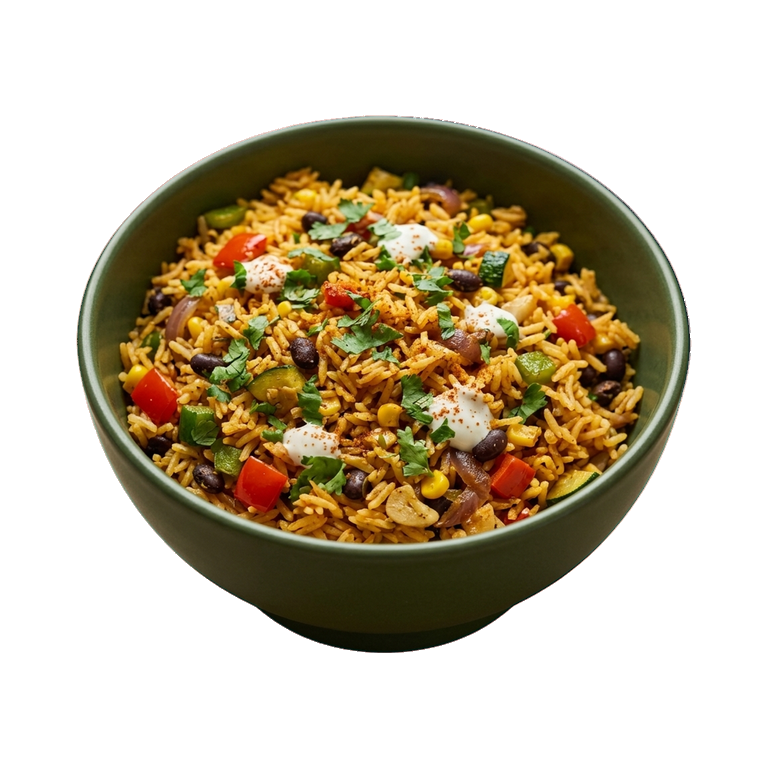
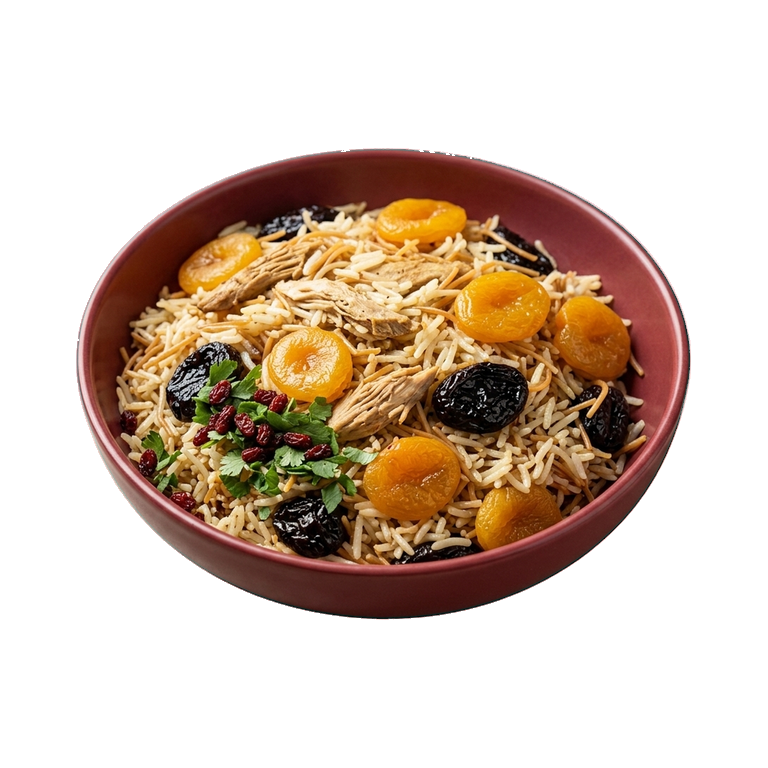
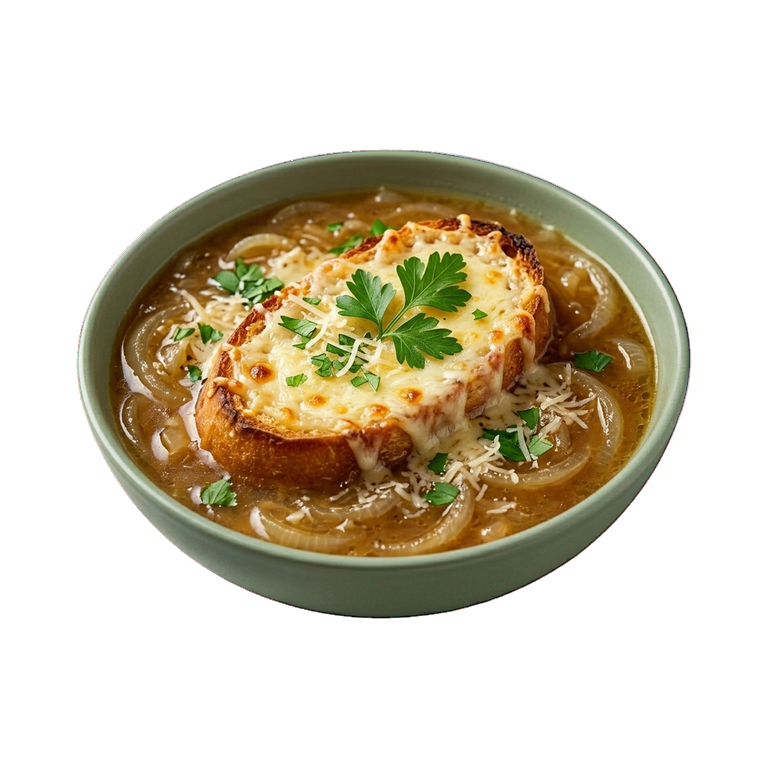
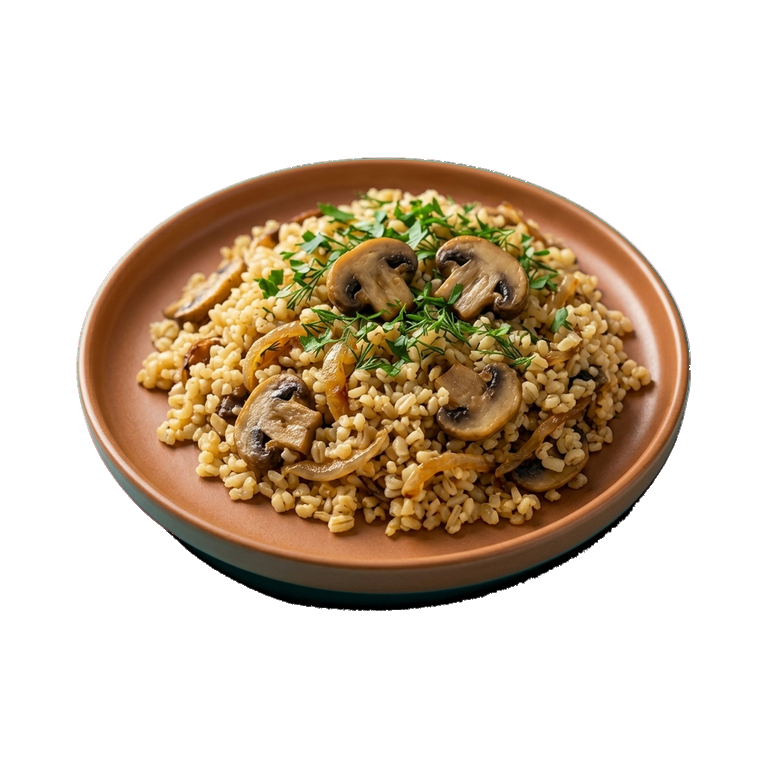
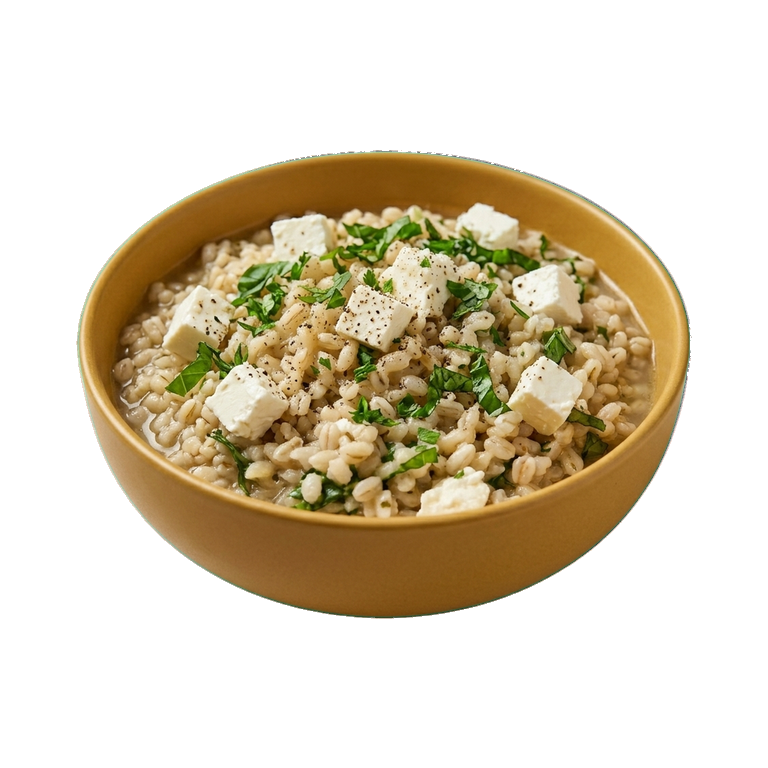
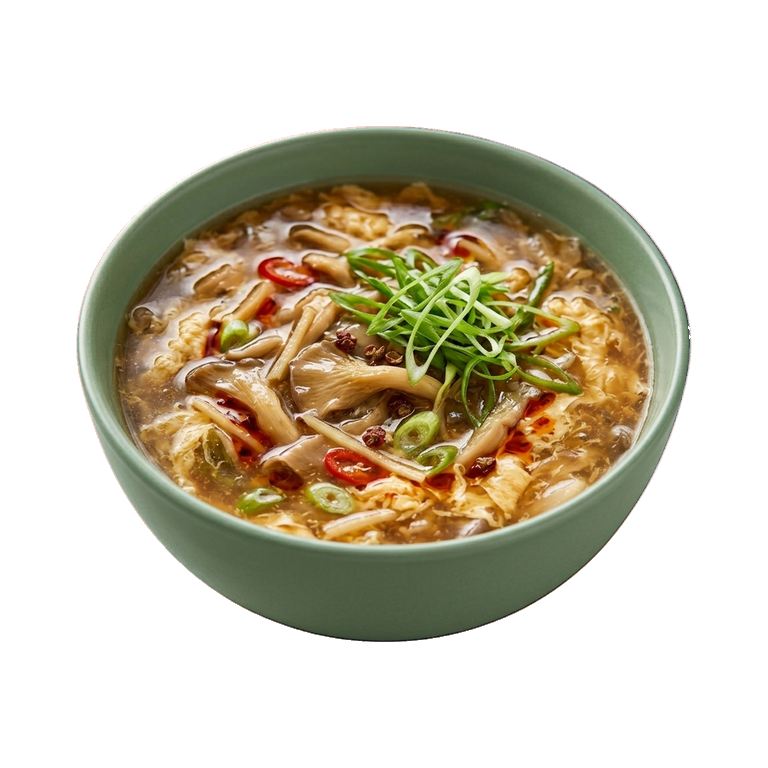
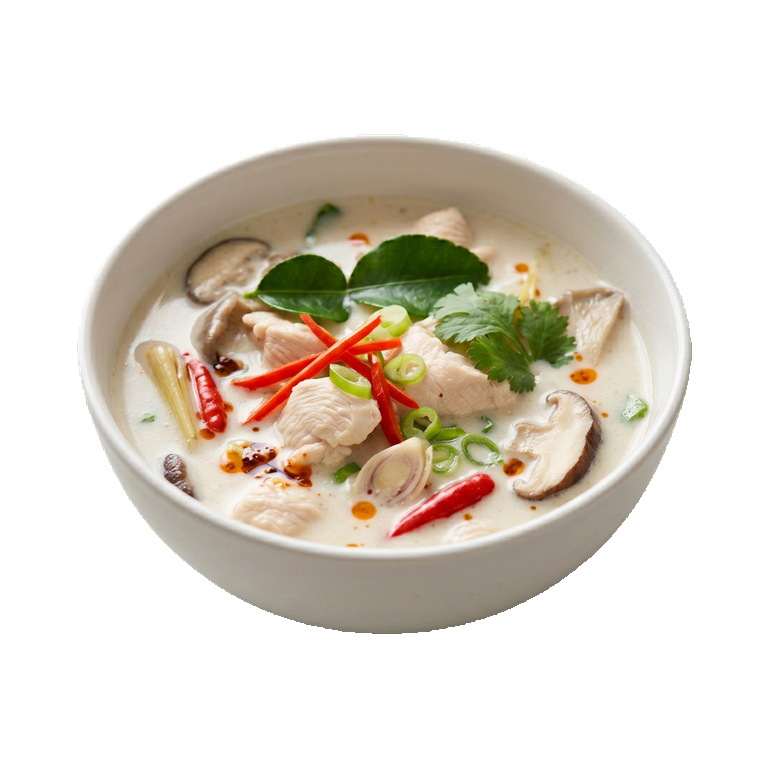
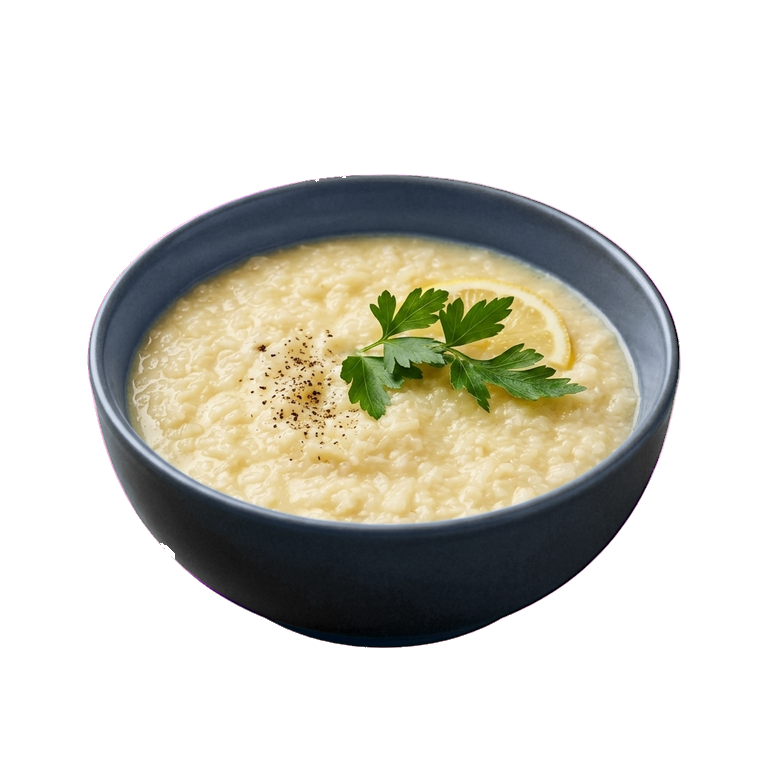
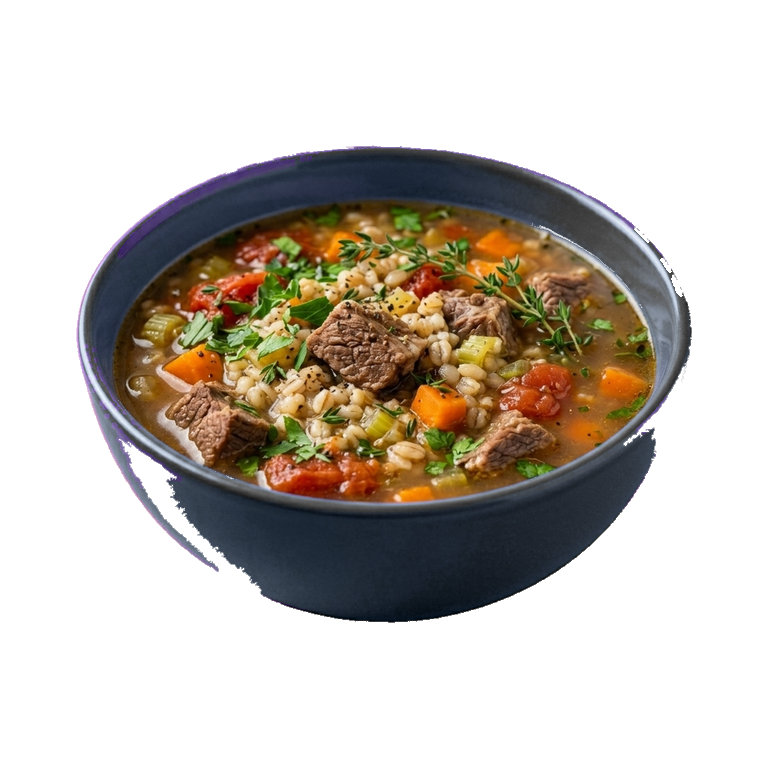
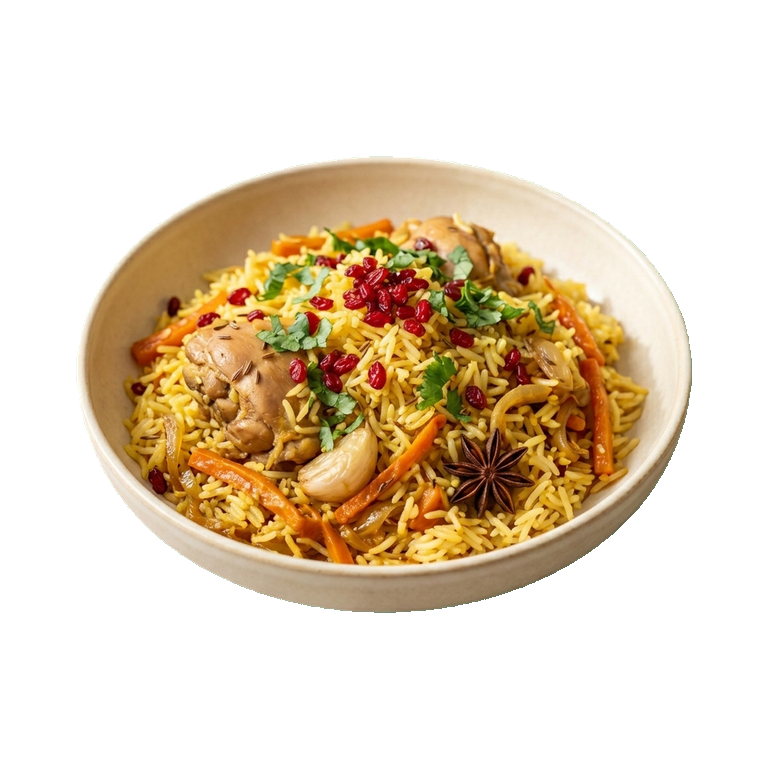
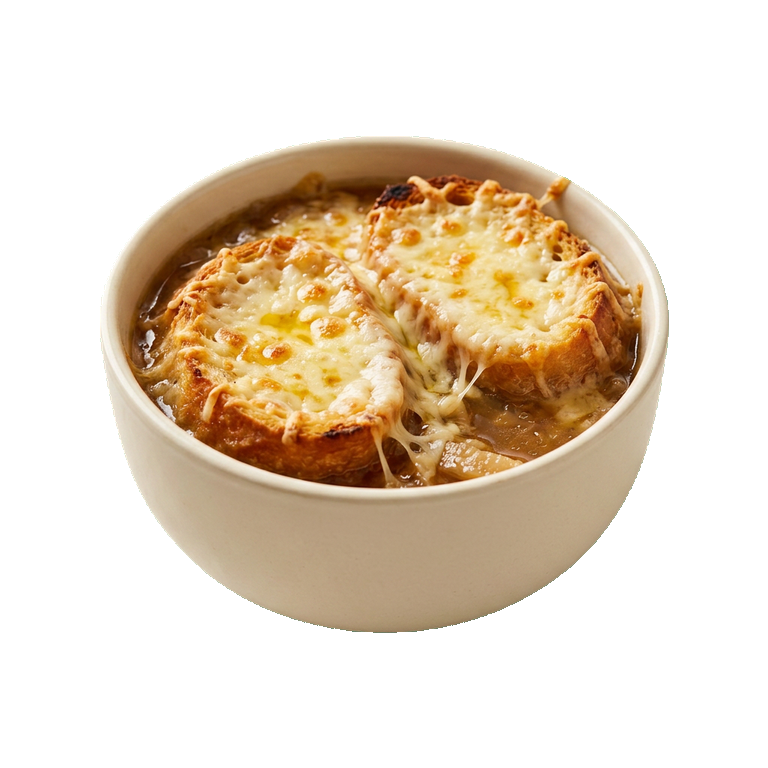
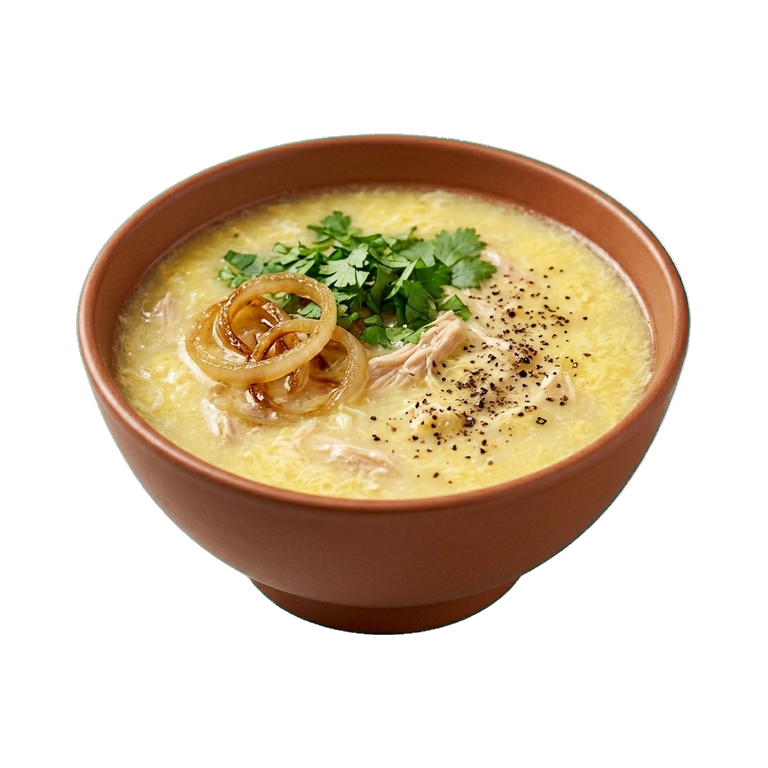
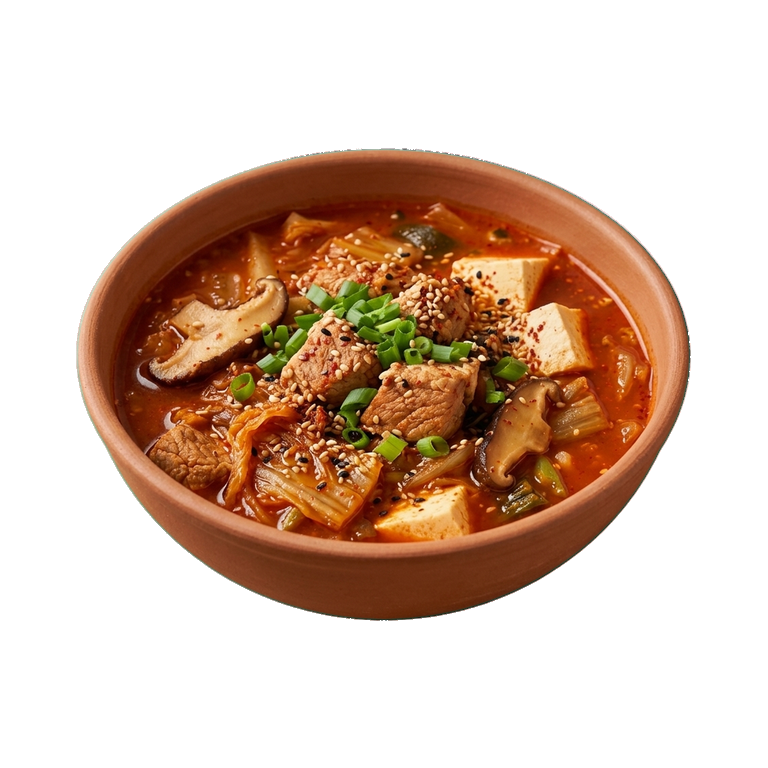
Chicken broth is the foundation for soups, but its role is much broader. It goes into risotto, pilaf, paella, sauces, and even bread. When you cook rice or pasta in broth instead of water, the dish immediately becomes tastier and more interesting. Broth can be used as a base for preparing grains — buckwheat or spelt cooked in broth acquire a completely different dimension.
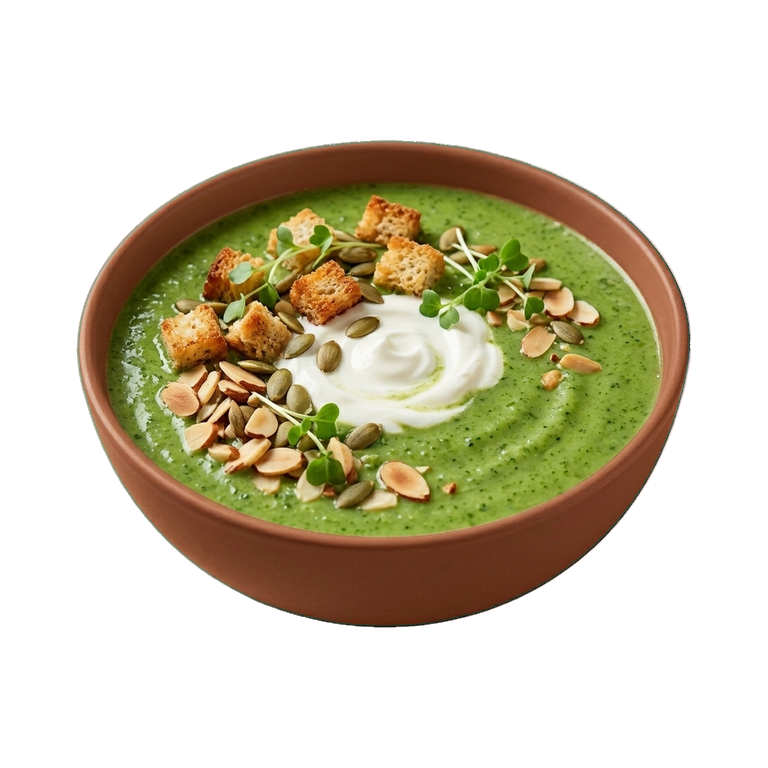
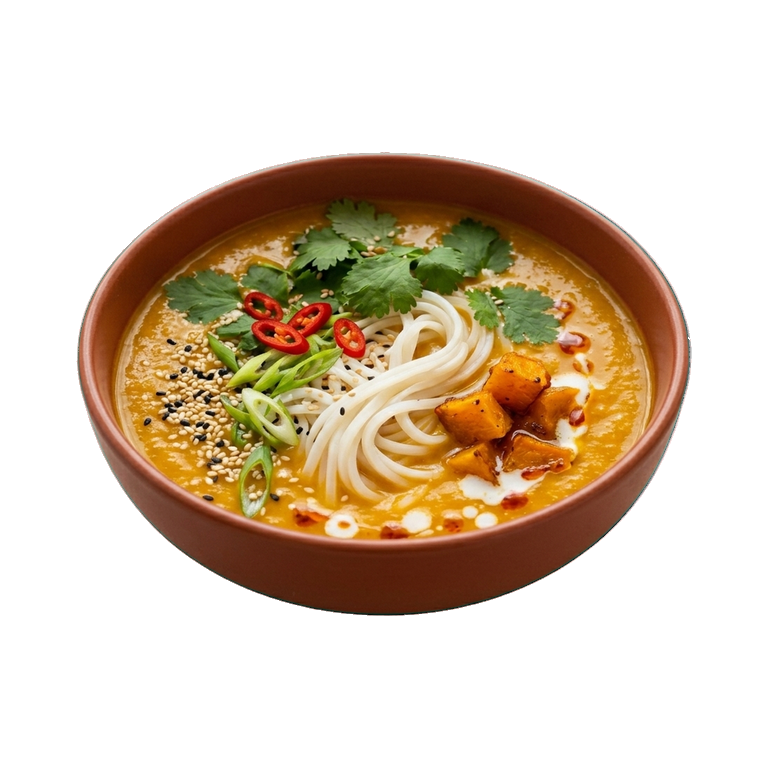
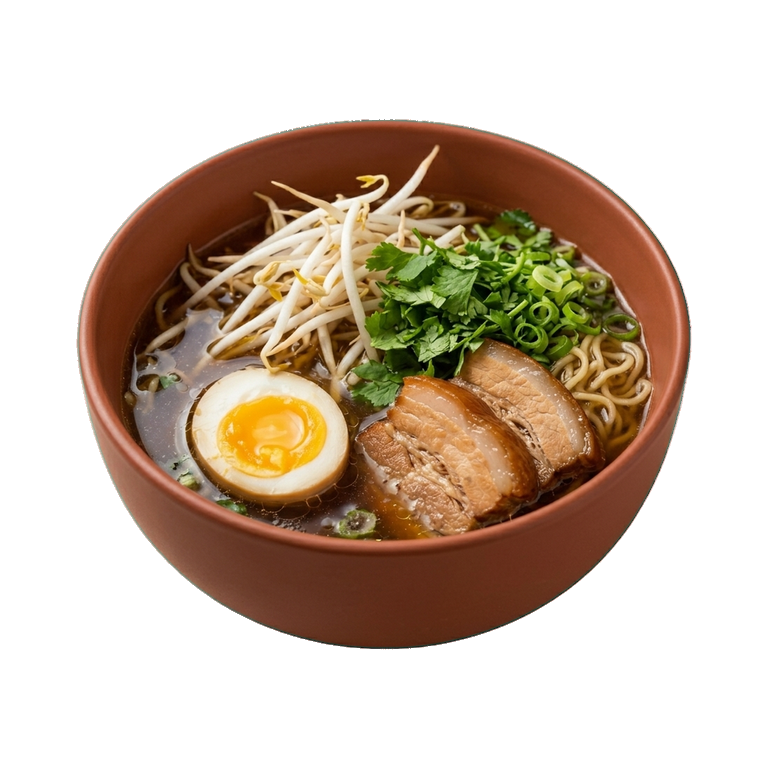
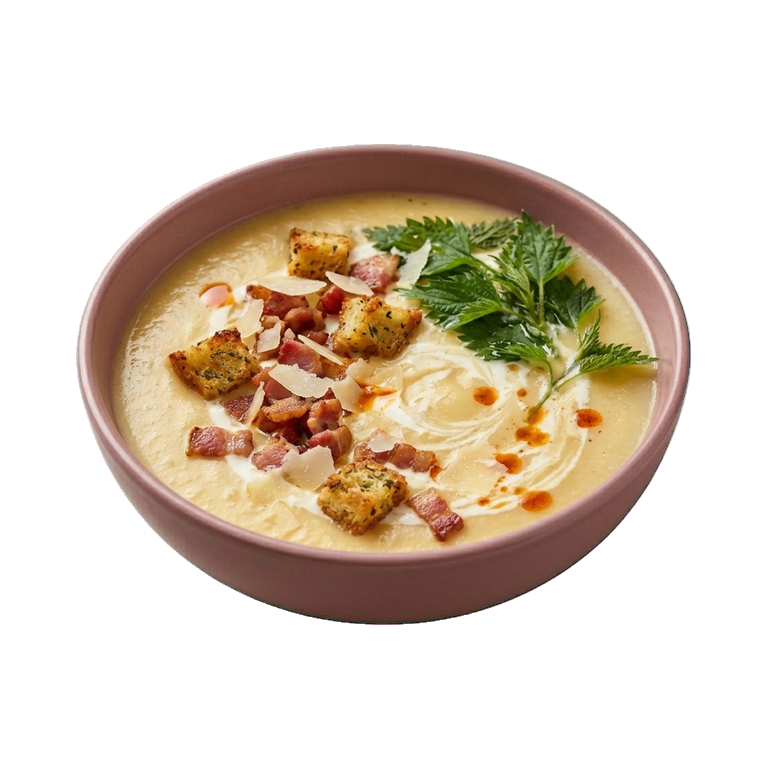
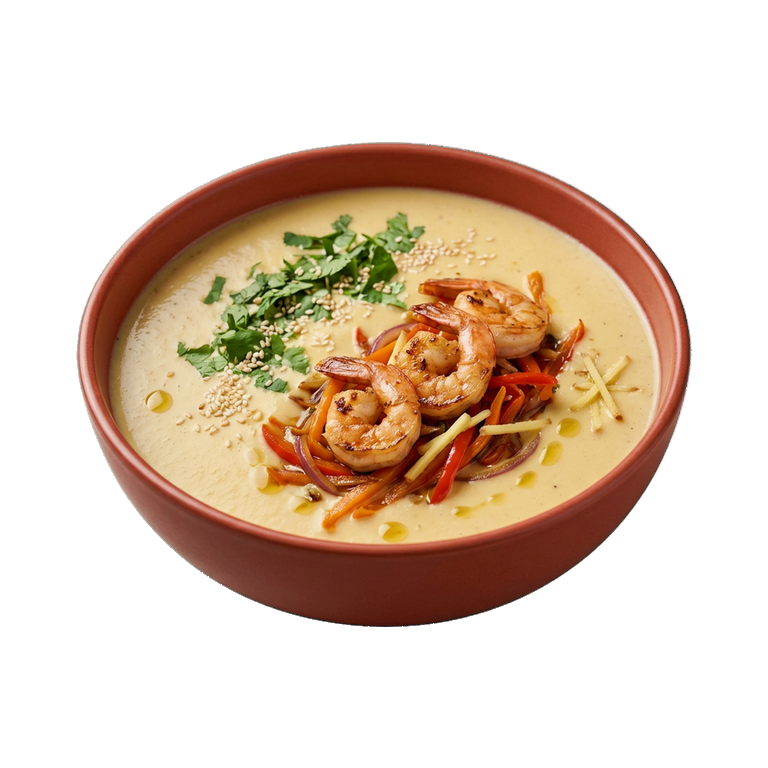
- Soups — from classic chicken soup to cream soups and purees
- Risotto and paella — liquid is added gradually, being absorbed by the grains
- Sauces — broth helps bind ingredients and add depth
- Side dishes — rice, buckwheat, spelt, pasta
- Dough and starters — some bakers add broth for aroma
Selection and Storage
If you are making broth yourself, cook it from bones and joints — they give more gelatin and flavor than just meat. Strain the broth through a fine sieve or cheesecloth to avoid cloudiness. Cooled homemade broth is often covered with a layer of fat — this is a good sign, such fat protects the broth during storage.
- In the refrigerator: 3–4 days in an airtight container
- In the freezer: up to 3 months in plastic containers or ice cubes
- Ice cubes are convenient because they allow you to add exactly as much broth as you need
Chicken broth is an investment in the quality of your dishes. Even if you use store-bought broth, choose an option without unnecessary additives and flavor enhancers. Proper broth works in the background, not drawing attention, but its absence is always noticeable.
Nutrition
per 100 ml
- Calories
- 15 kcal
- Protein
- 1.7 g
- Fat
- 0.5 g
- Carbs
- 0 g
Measures and weight
- 1 tbsp
- 15 g
- 1 tsp
- 5 g
- 1 cup
- 250 g
Measure calculator
- Weight
- 100 g
- Calories
- 15 kcal