Usuba
Usuba
Ciabatta
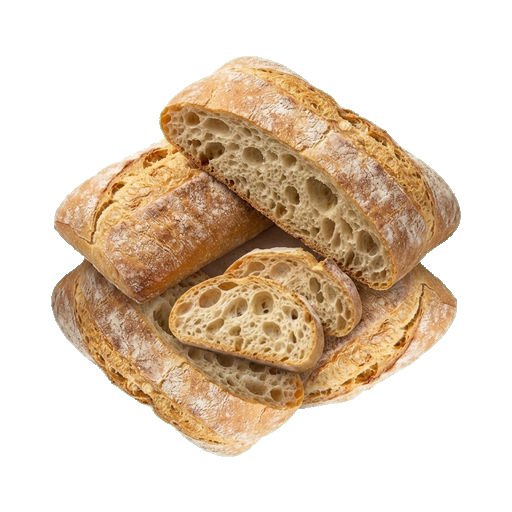
Italian bread with a characteristic porous structure and crispy crust, made from dough with high water content. It has a delicate flavor with a subtle tanginess and an airy crumb, making it ideal for sandwiches, open-faced sandwiches, and appetizers. When selecting, pay attention to the crispy crust and the elasticity of the crumb — fresh ciabatta should be light and not crumble when sliced.
About
Ciabatta is a bread with character: a crispy crust, airy crumb with large holes, and a slightly oily texture. It's ideal for those who want a sandwich that won't fall apart from the filling, yet remains light and pleasant to taste. If you cook at home, you know: proper ciabatta requires time and patience, but the result is worth it.
Taste and Texture
The main feature of ciabatta is its structure. The crumb is porous and airy, like foam, yet dense enough to hold its shape. The flavor is neutral, slightly salty, with a barely noticeable sourness that develops due to prolonged fermentation. The crust crackles and makes a pleasant sound when bitten—this is important for the sensation of freshness.
How to cook with ciabatta
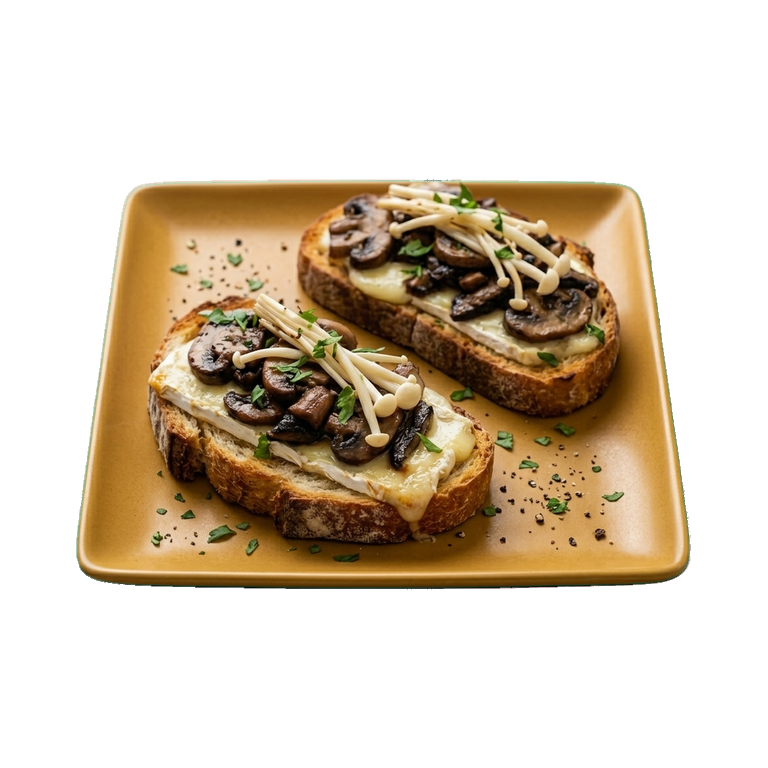
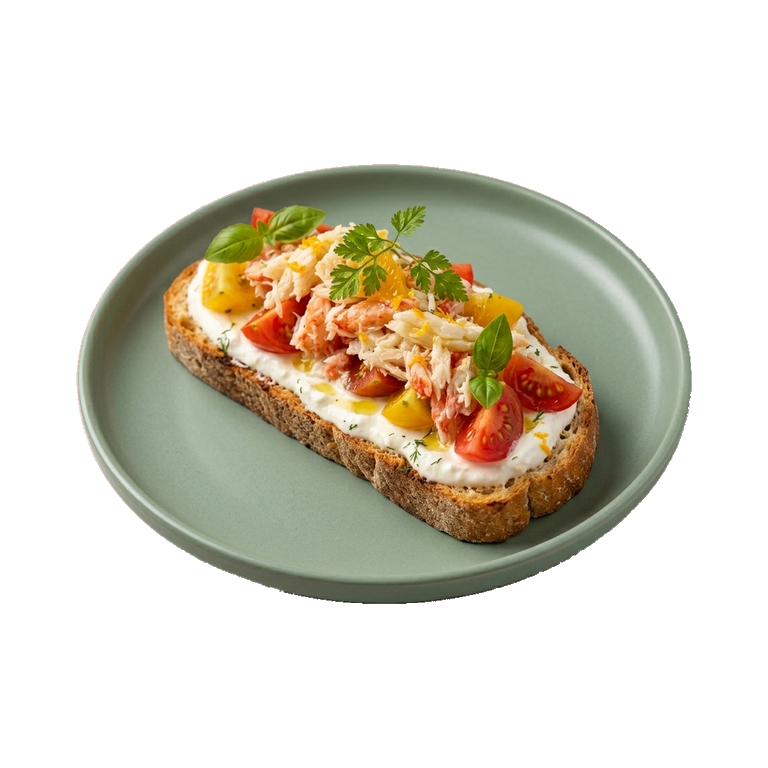
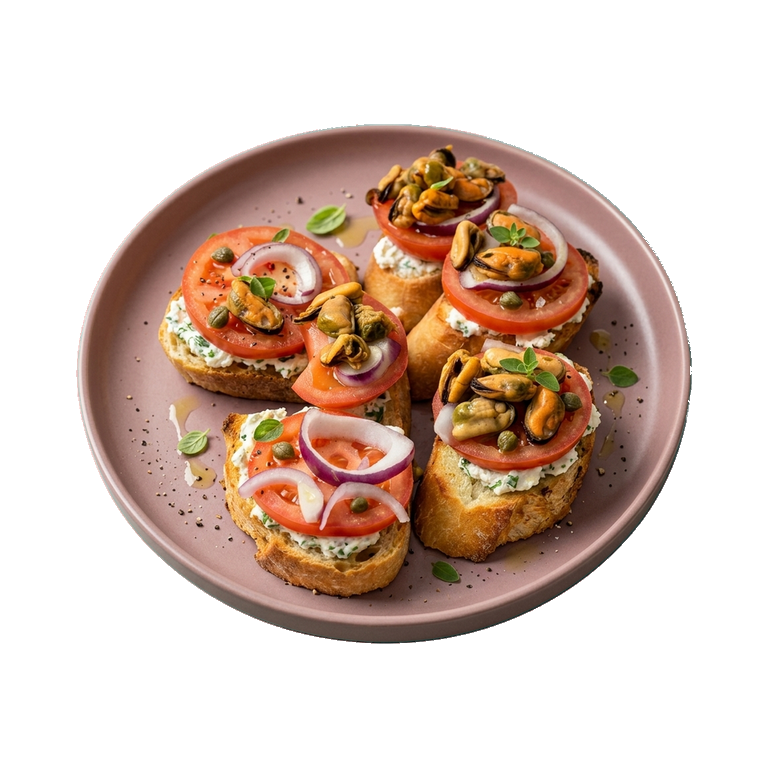
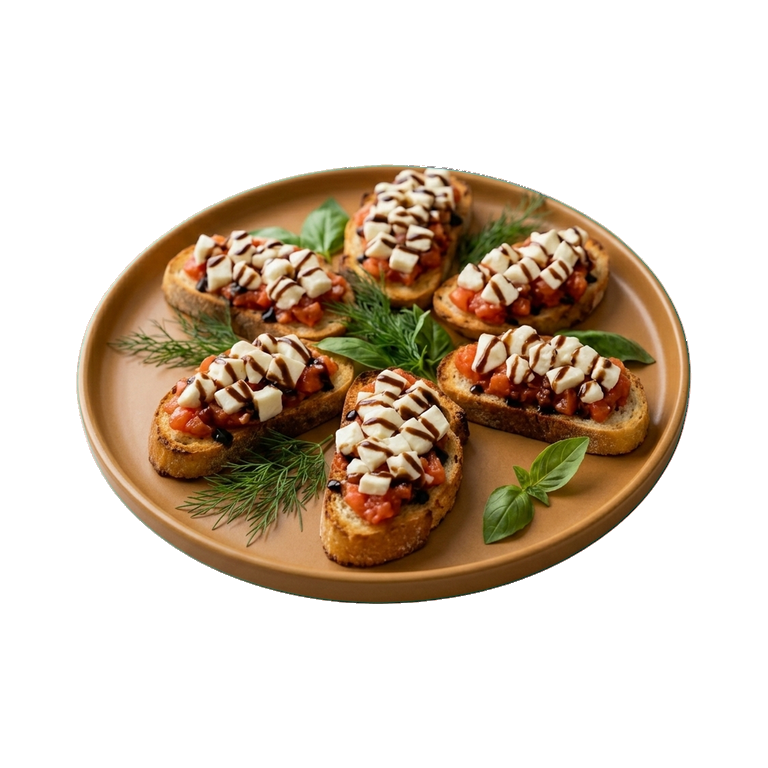
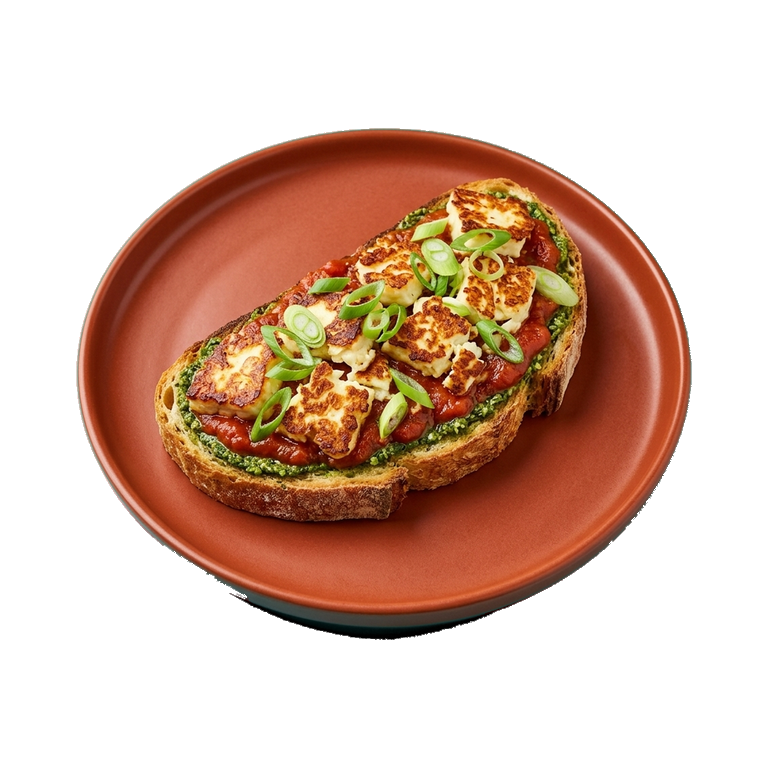
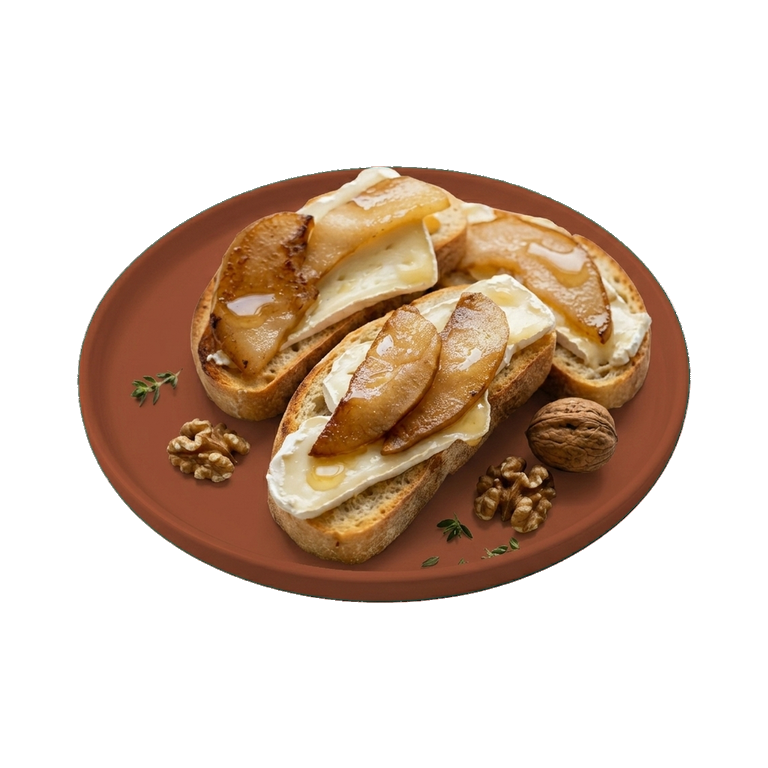
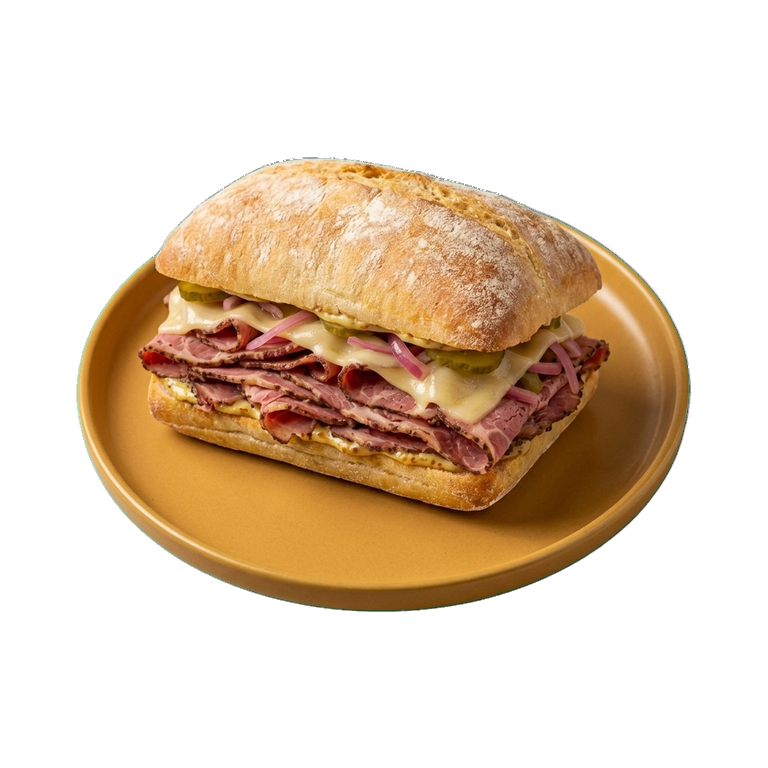
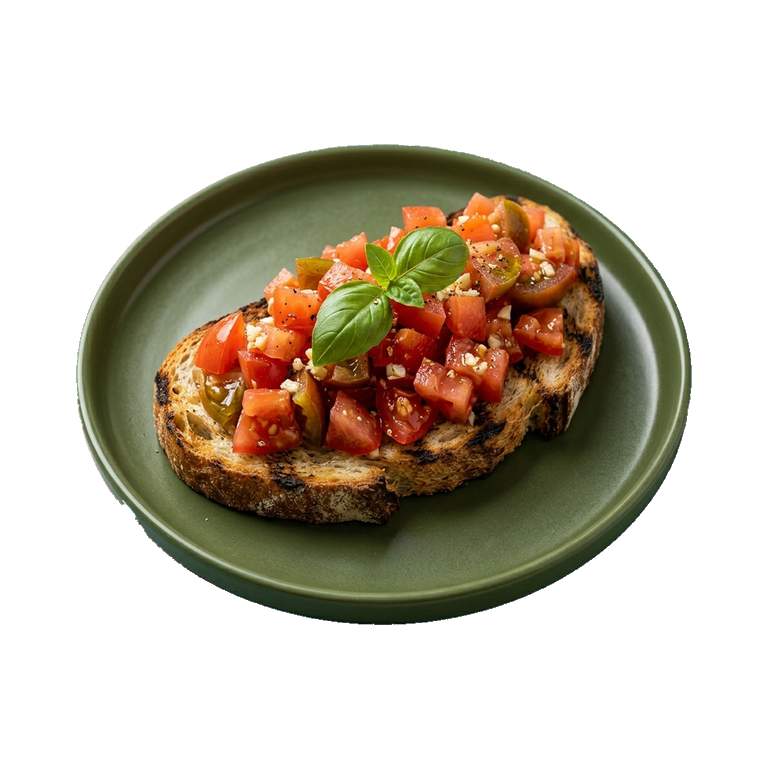
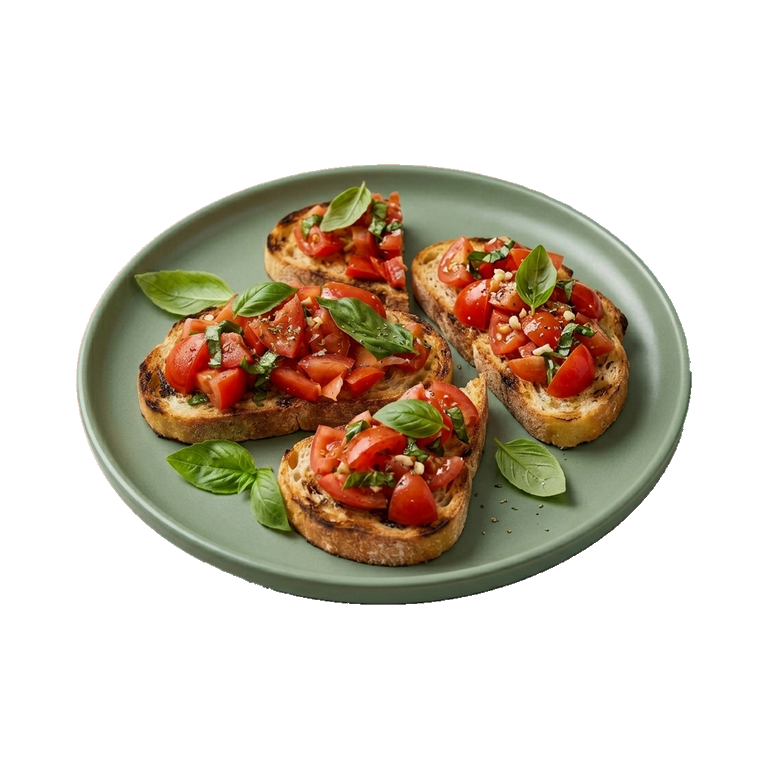
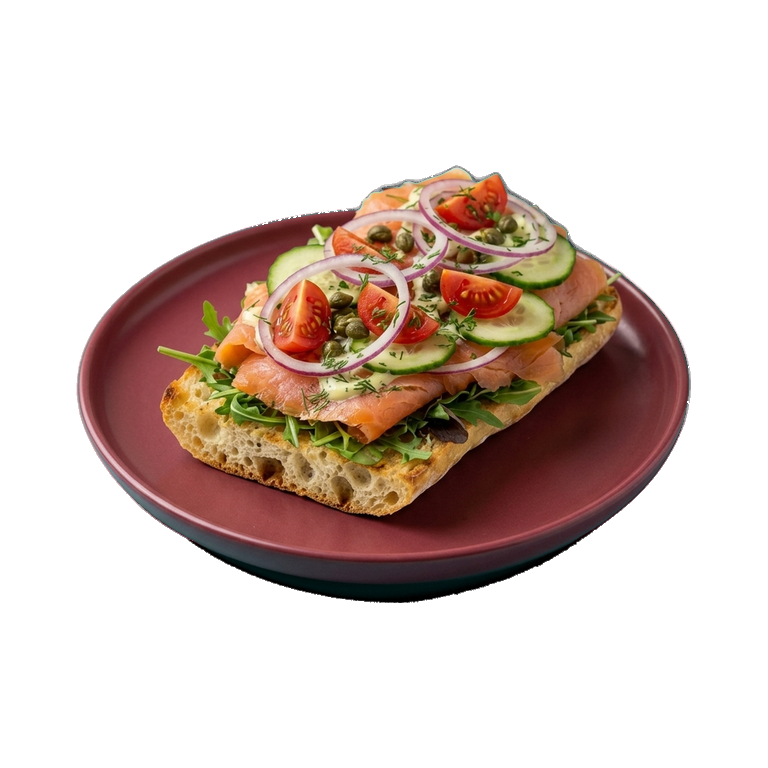
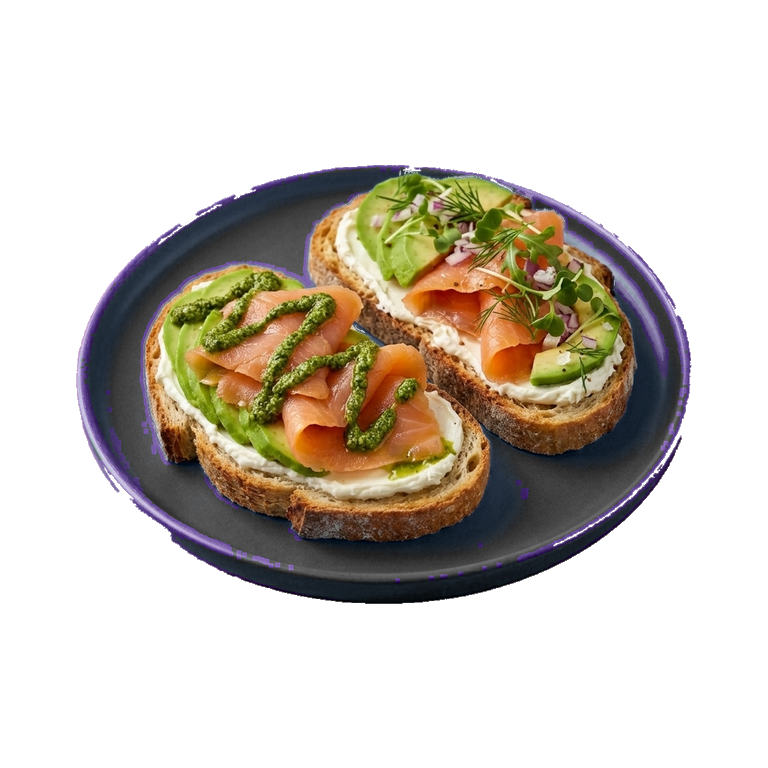
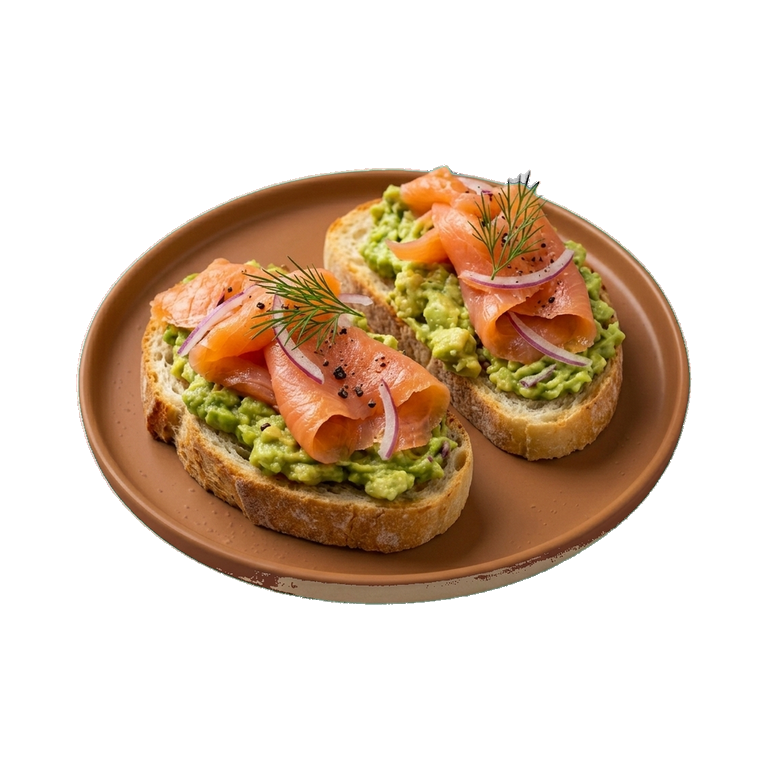
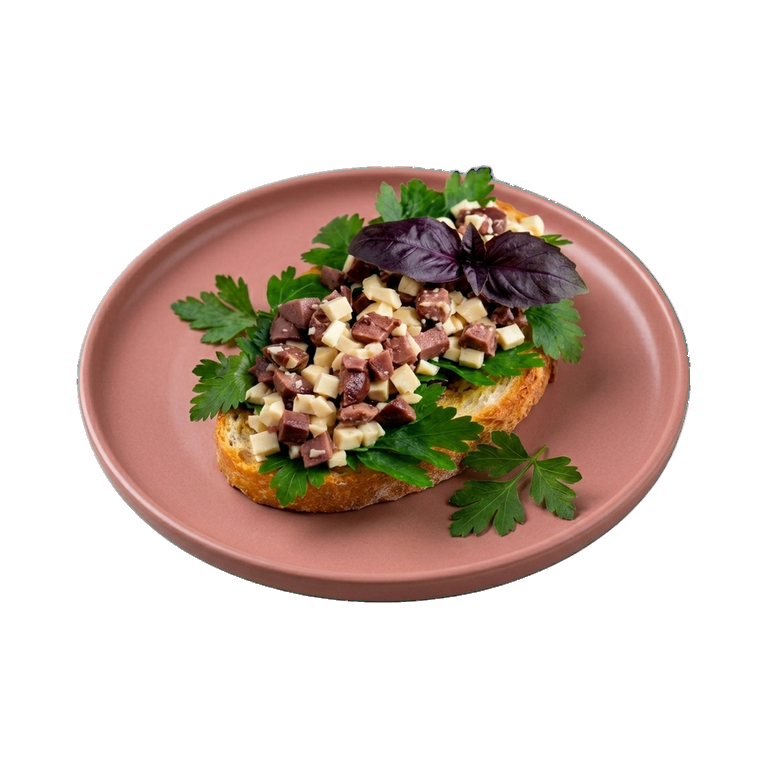
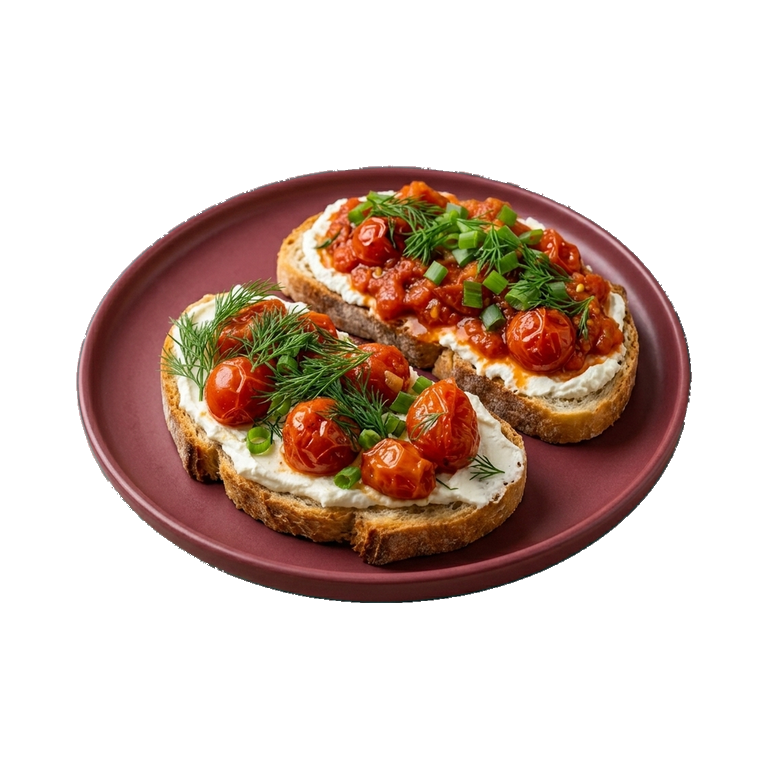
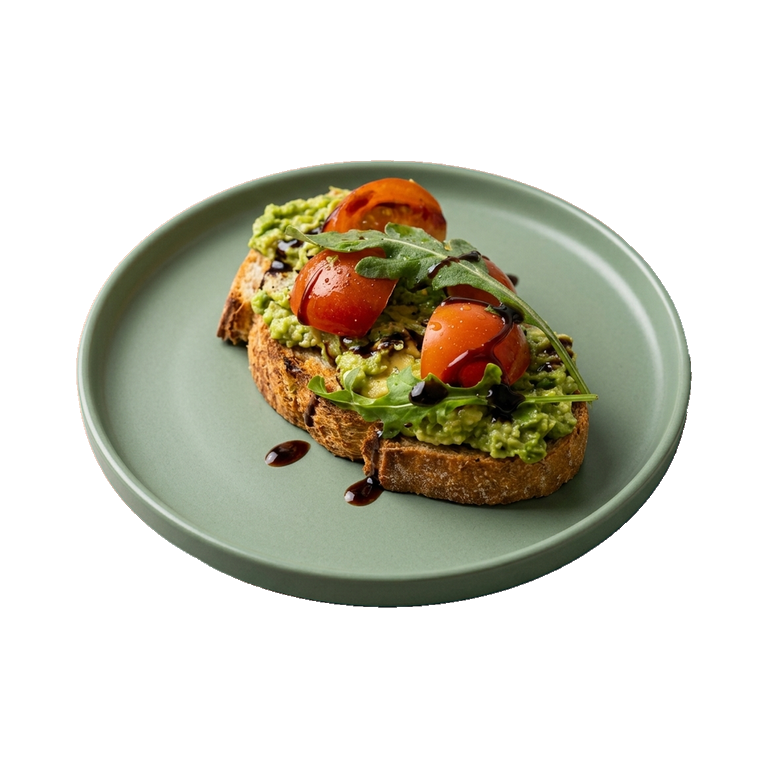
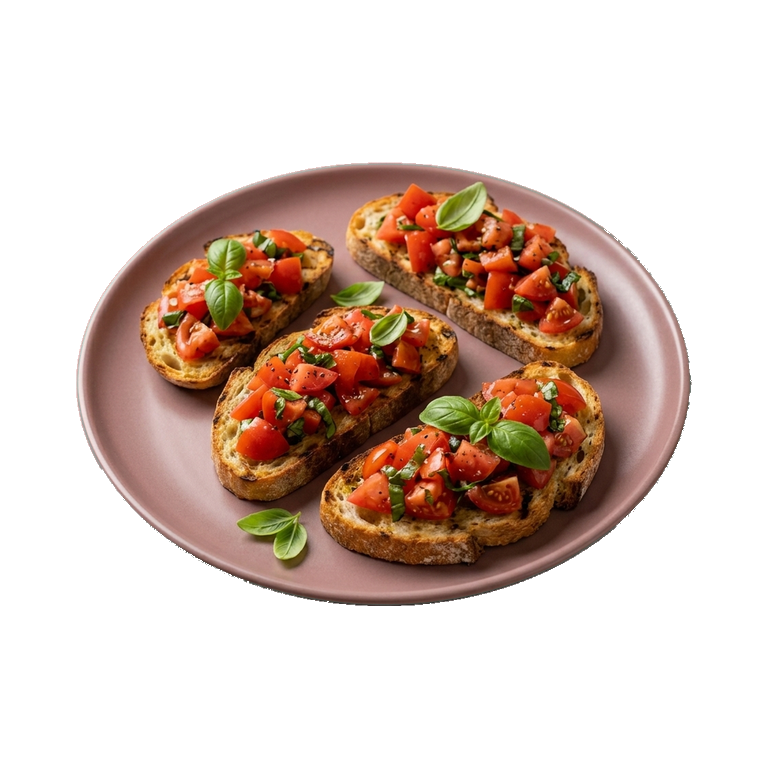
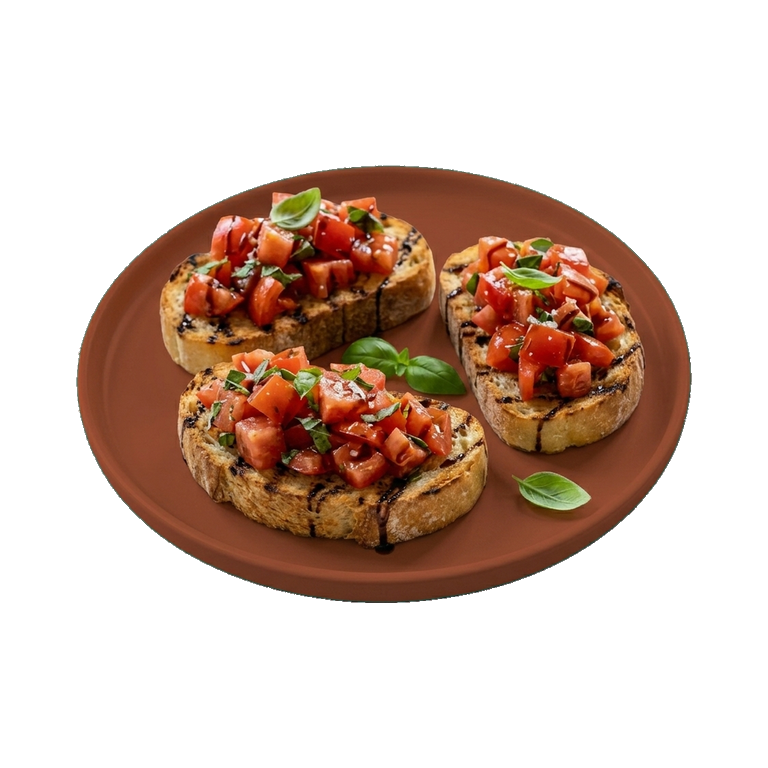
Ciabatta is versatile, but particularly excellent in certain roles. Its structure absorbs oils and sauces without falling apart — ideal for bruschetta, panini, or sandwiches with wet fillings. Slice it horizontally or diagonally to maximize the contact area with the filling.
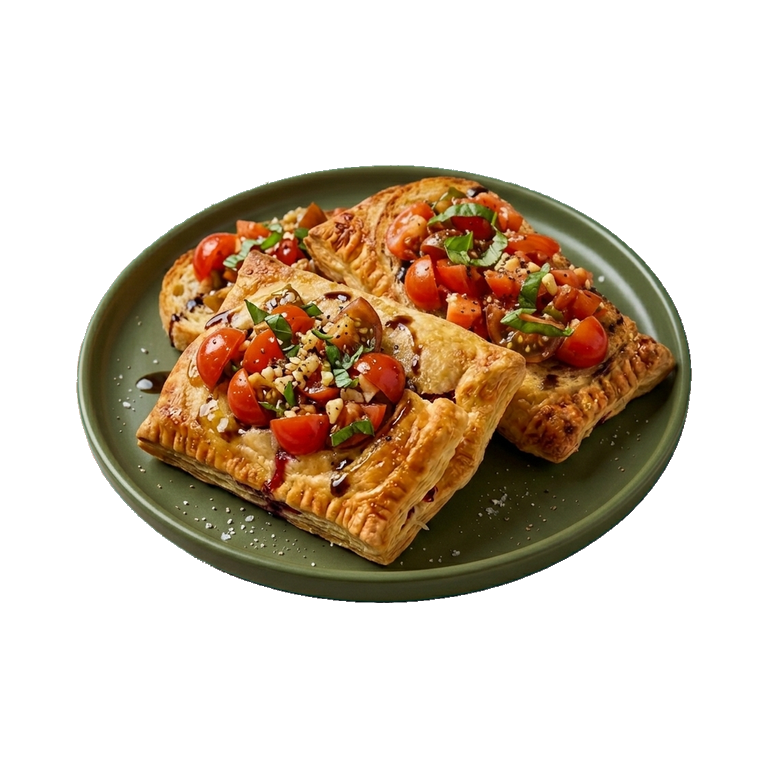
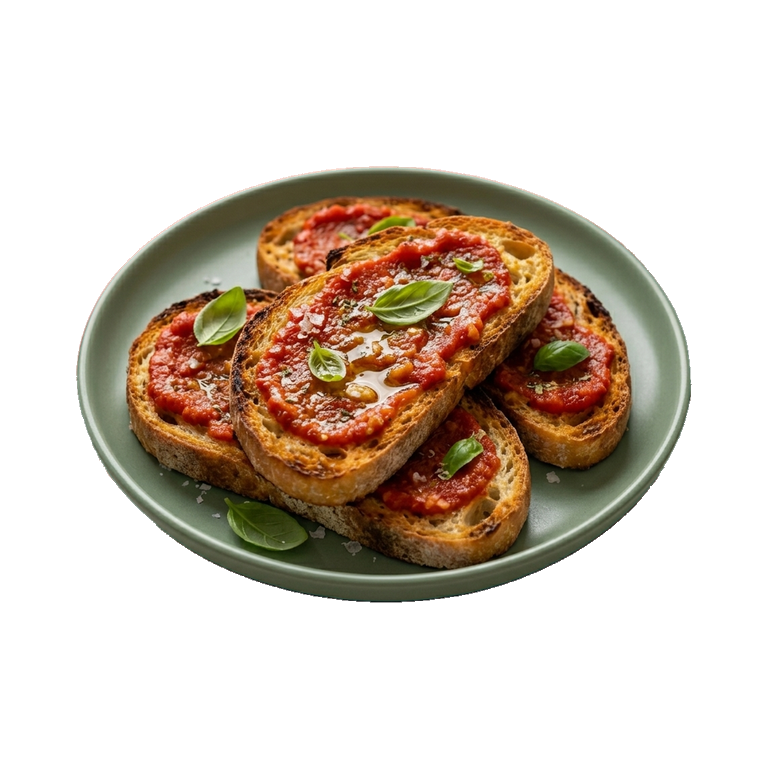
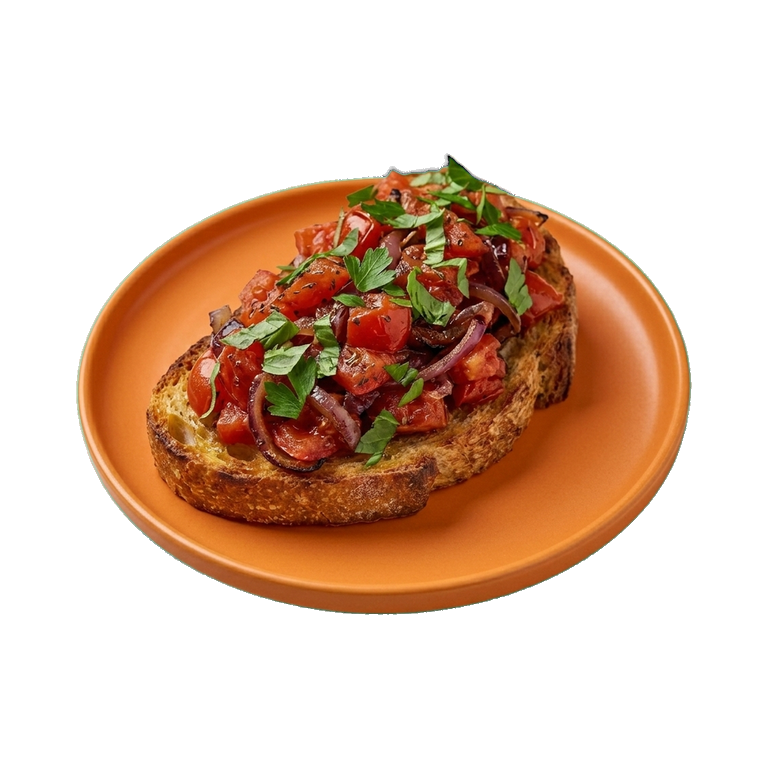
- Bruschetta with tomatoes and basil — a classic that works thanks to its crispy crust
- Panini with ham, cheese and vegetables — the bread holds its shape under the press and absorbs moisture evenly
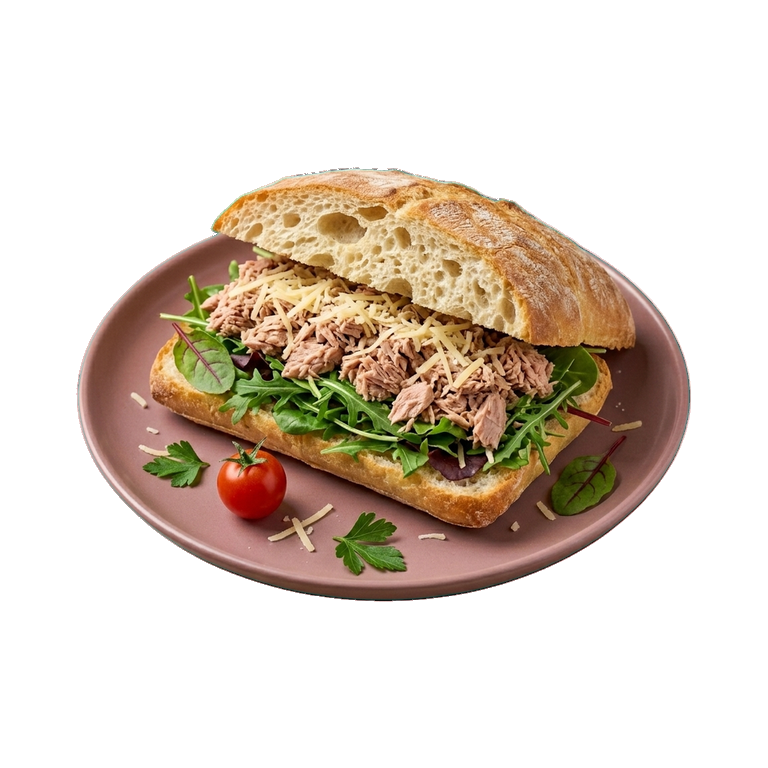
- Sandwiches with meat and sauces — porous crumb will absorb moisture but remain springy
- Side dish for soups and stews — a slice of ciabatta will absorb the broth and won't fall apart
Combinations and preparation
Ciabatta works well with bright flavors: tomatoes, basil, olive oil, prosciutto, mozzarella. Its neutral taste doesn't compete with the fillings but enhances them. If you're preparing a hot dish, slice the bread and lightly dry it in the oven or on a pan — this will enhance the crunch and prevent it from becoming soggy.
Selection and Storage
Fresh ciabatta should be light for its size — this is a sign of good porosity. The crust should not be too hard, but not soft either. If you're buying ready-made bread, check that it's crispy, not rubbery. Store ciabatta in a paper bag at room temperature — in plastic it will quickly become moist and lose its crunch. After a day or two, the bread will start to go stale, but it's easy to revive it: slice it, spray with water, and heat in the oven for 5–7 minutes at 200 degrees.
If you're cooking at home
Homemade ciabatta requires wet dough — it's sticky and demands experience. The key is not to fear this stickiness and work with wet hands. The dough should ferment for a long time, often 12–24 hours in the refrigerator, to develop the desired structure with large holes. When baking, use steam in the first few minutes — this will create a crispy crust. The result is worth the time spent: the bread will turn out airy, with real flavor and texture.
Nutrition
per 100 g
- Calories
- 270 kcal
- Protein
- 9 g
- Fat
- 3.5 g
- Carbs
- 49 g
Measures and weight
- 1 pcs
- 250 g
- 1 slice
- 45 g
Measure calculator
- Weight
- 100 g
- Calories
- 270 kcal