Usuba
Usuba
Coconut milk
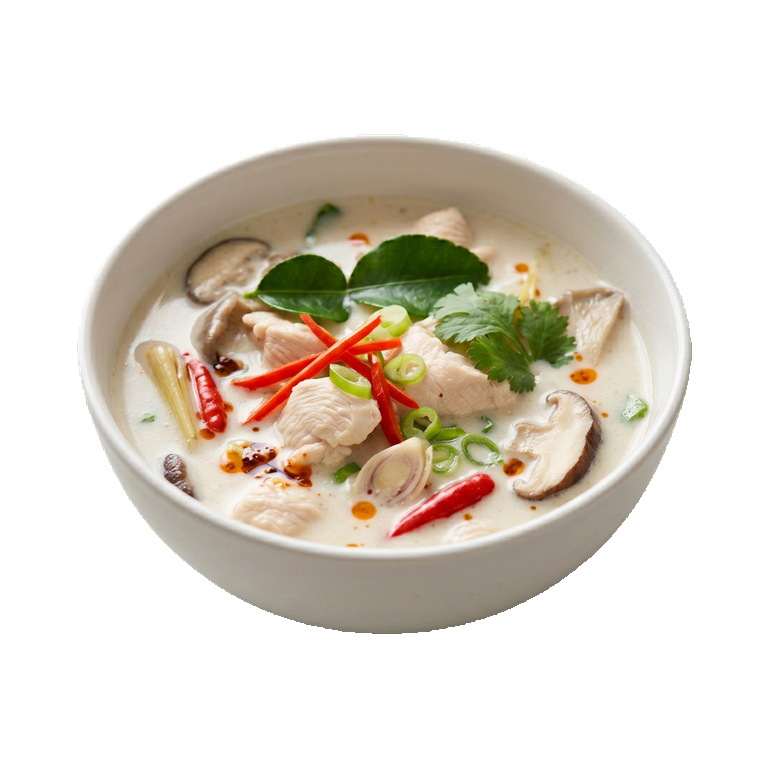
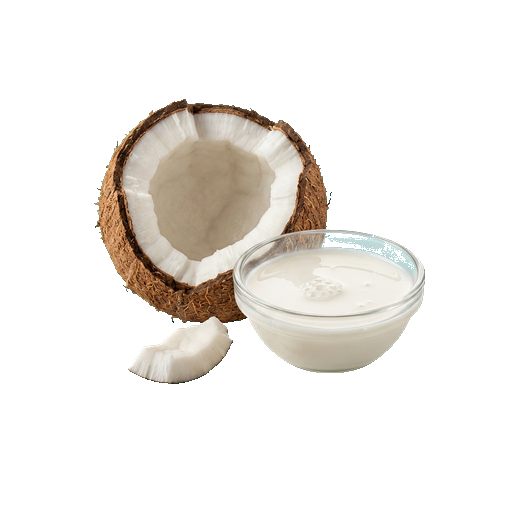
Coconut milk is a thick white liquid extracted from the flesh of ripe coconuts, with a delicate sweet taste and characteristic coconut aroma. It is primarily used in Asian cuisine for preparing curries, soups, and desserts, giving dishes a creamy texture and soft buttery undertone. When selecting coconut milk, it is important to check the ingredients — quality milk contains only coconut and water, without emulsifiers or thickeners, and natural separation of fat and liquid is acceptable during storage.
About
Coconut milk is not coconut juice, but a thick liquid that forms when coconut meat is steeped in hot water and squeezed out. In a can or carton, you will find a creamy substance with a characteristic sweet aroma and soft buttery flavor. It is precisely this texture and taste that make it indispensable in the cuisines of Southeast Asia and the Caribbean region.
Aroma and Taste
Coconut milk has a sweet and mild smell — it's the aroma of ripe coconut without harshness. It tastes creamy, with a barely noticeable sweetness that doesn't overpower but complements other ingredients. The fat content depends on the concentration: thick milk contains more coconut pulp and fat, thin milk is diluted with water. Both options are useful in different dishes.
Role in dishes
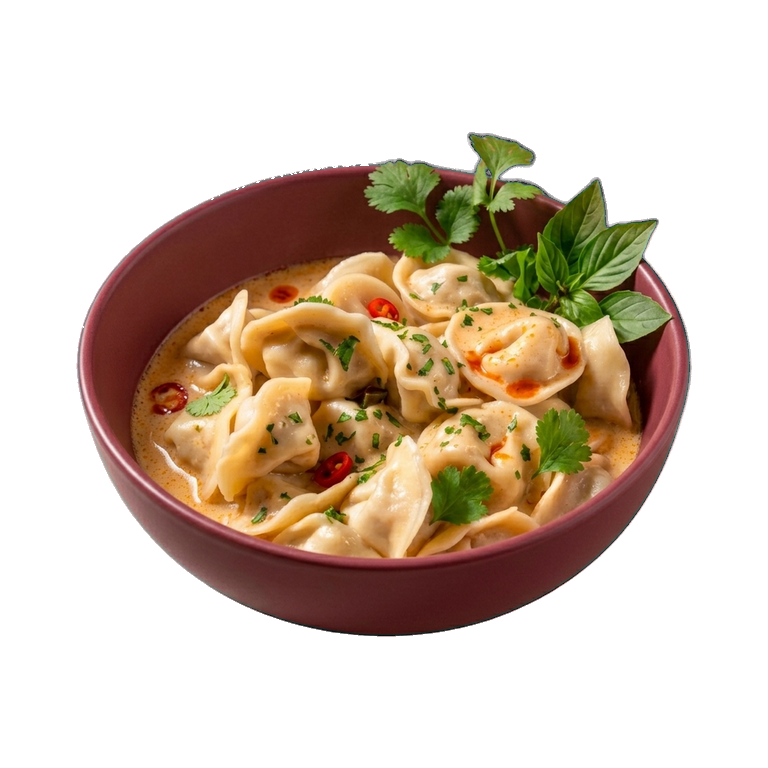
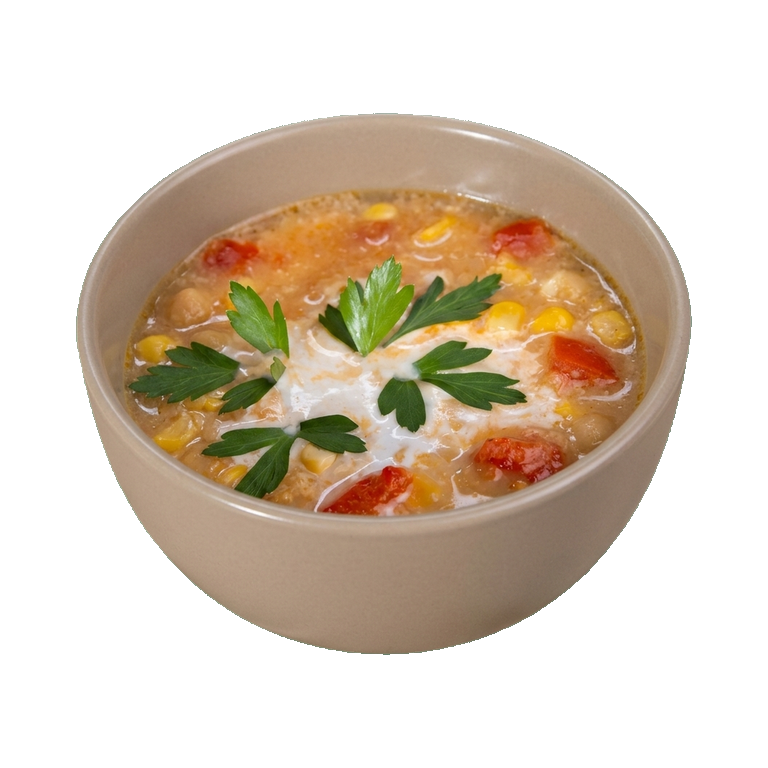
- Base for soups and curries: coconut milk creates a soft base where spices and vegetables unfold more fully
- Thickener for sauces: due to its fat content, it makes the sauce silky and enveloping
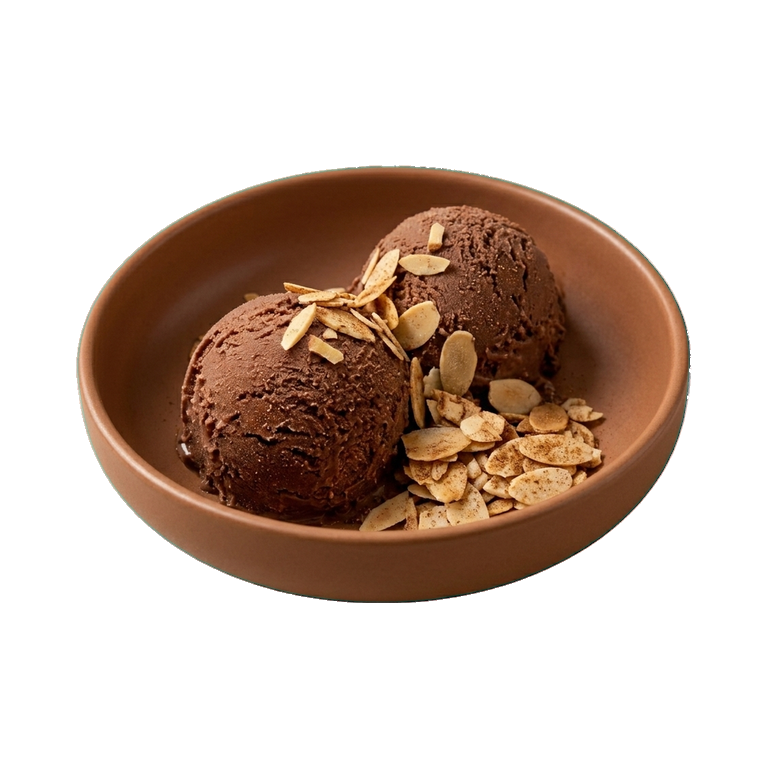
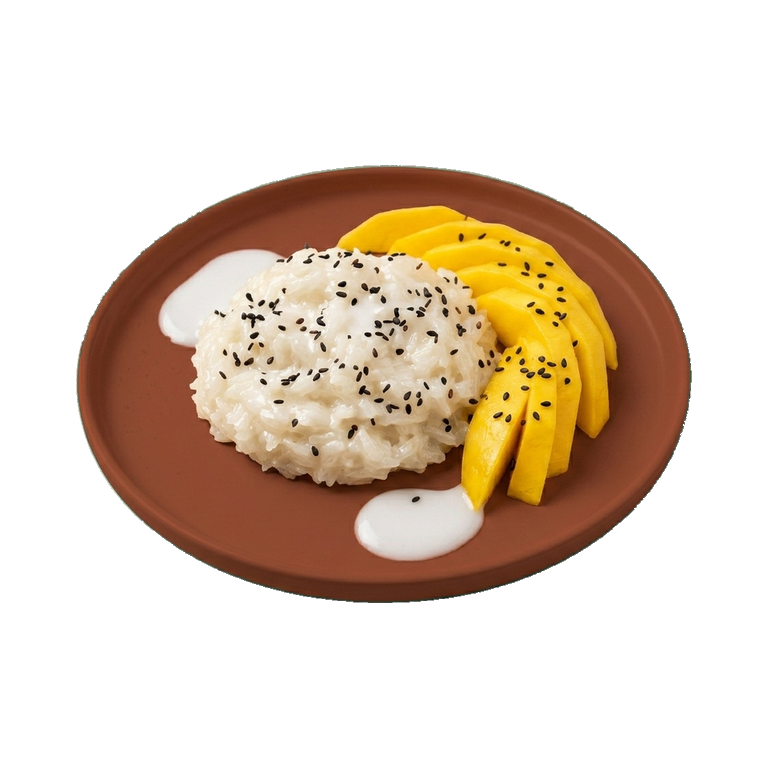
- Dessert component: in panna cotta, mousses and creams, coconut milk adds a tropical character
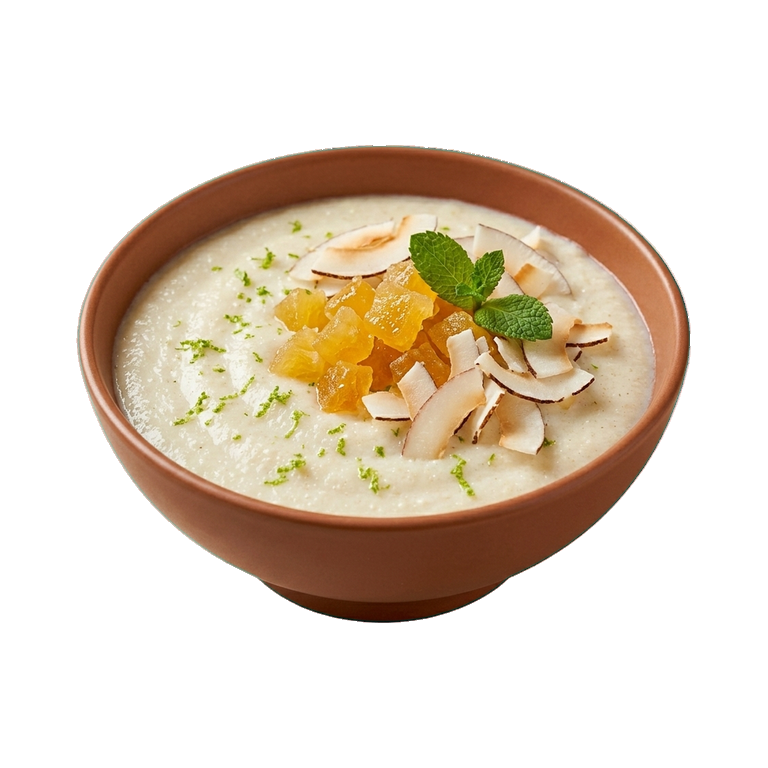
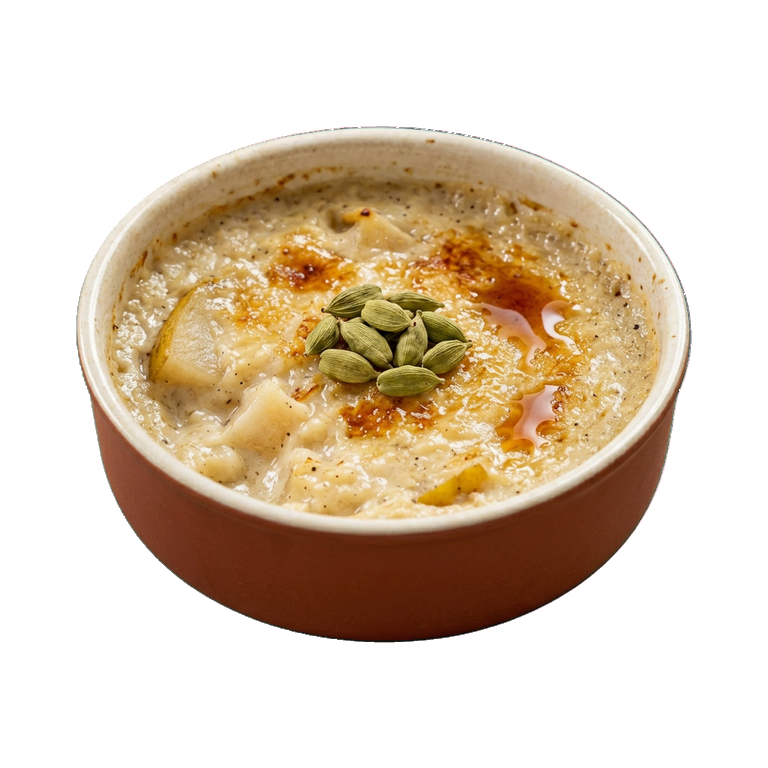
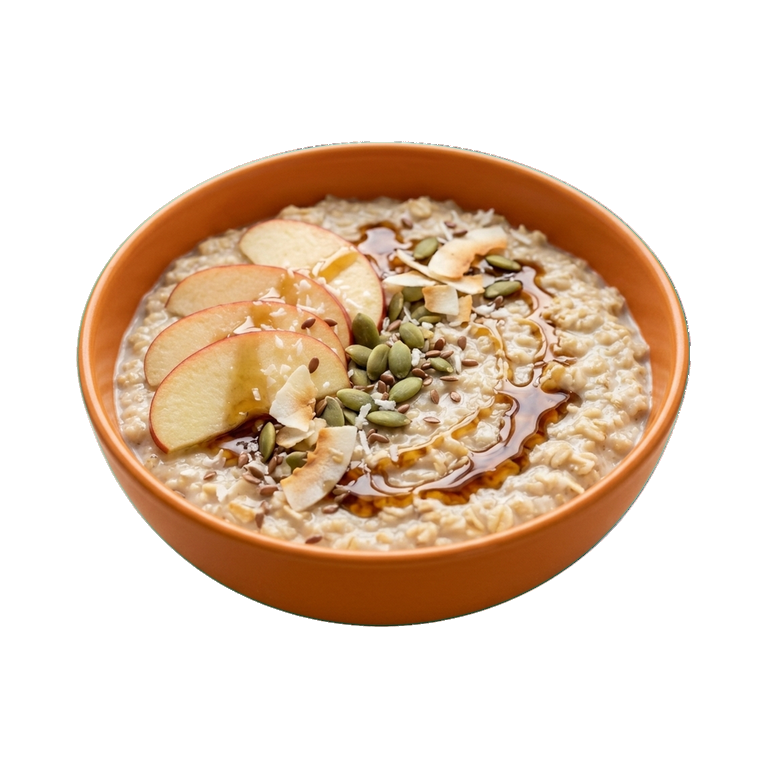
- Base for porridges and puddings: rice, semolina or quinoa cooked in coconut milk become more tender and aromatic
Successful Combinations
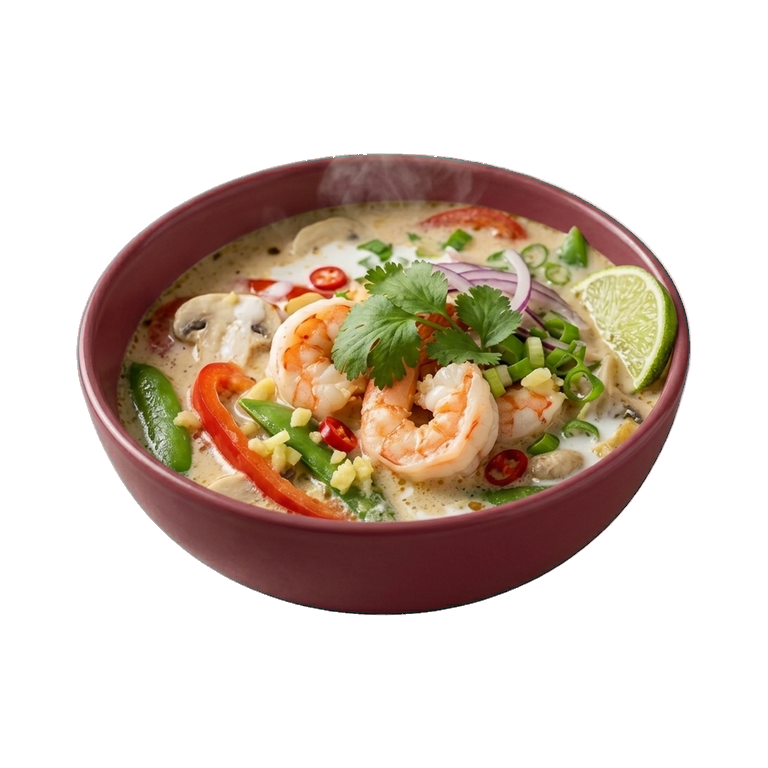
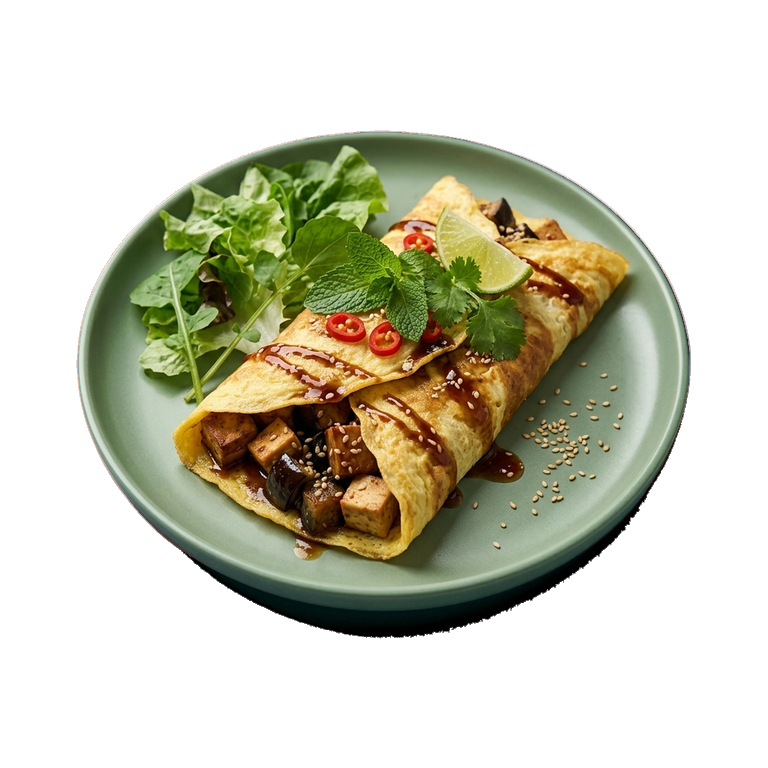
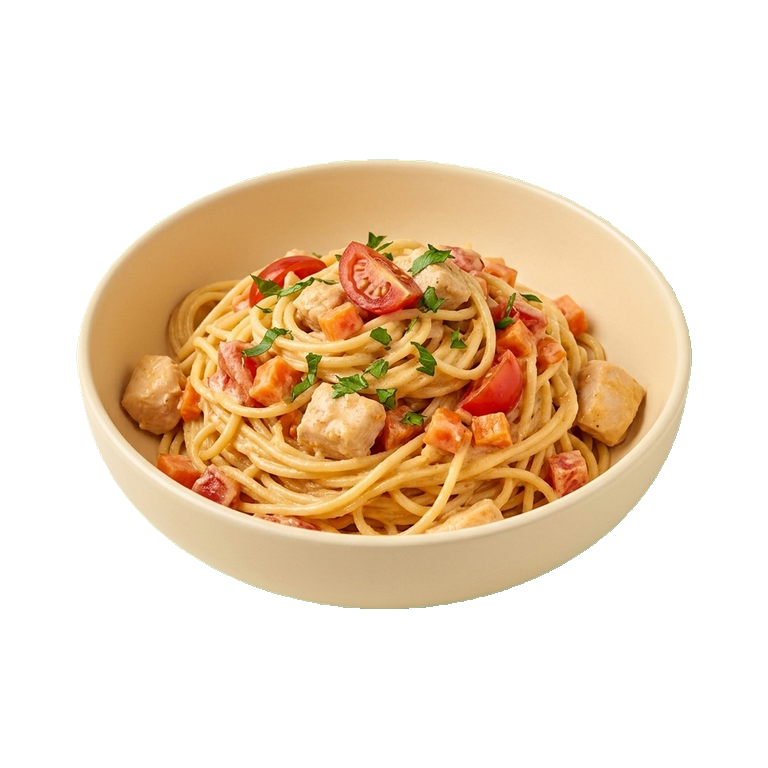
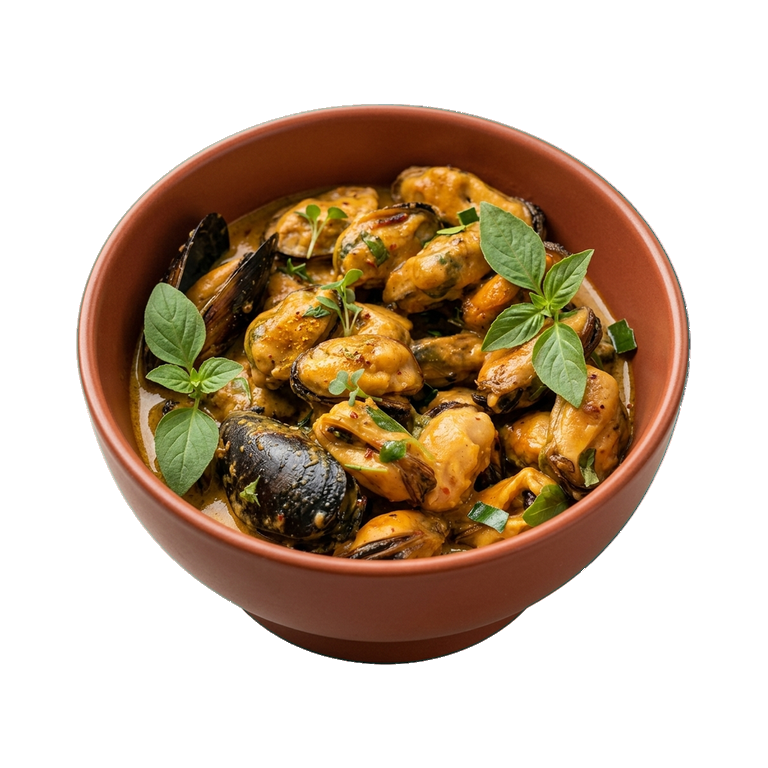
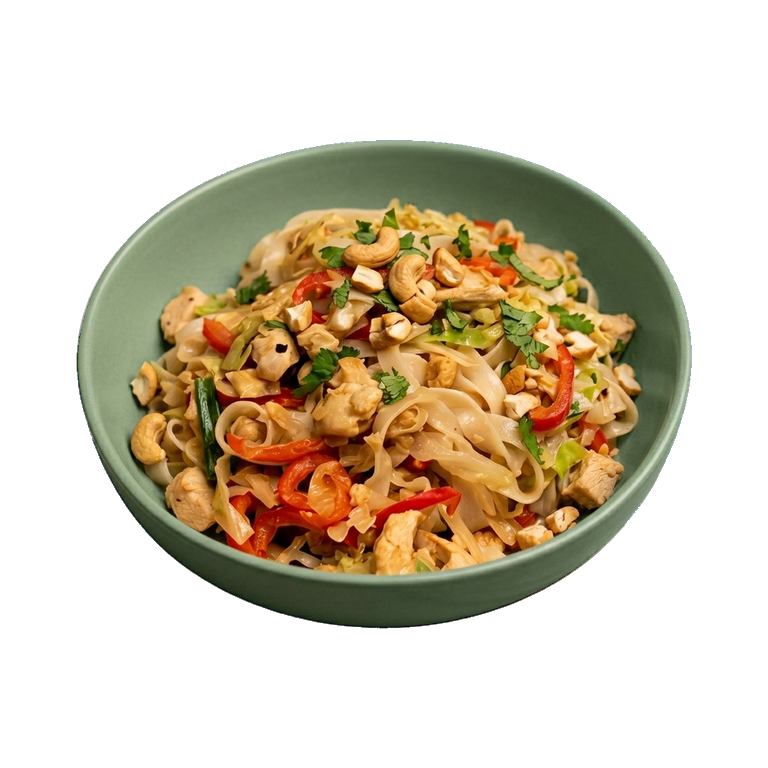
Coconut milk works well with sharp spices — chili, ginger, turmeric sound brighter in its company. It softens the harshness of lemongrass and balances the acidity of lime. Vegetables like eggplant, zucchini, and sweet pepper become more tender in coconut milk. With proteins — chicken, fish, shrimp — milk creates a harmonious, satisfying sauce. Don't forget about sweet pairings: vanilla, cardamom, and black pepper in coconut milk reveal themselves unexpectedly richly.
Selection and Storage
- Check the ingredients: good coconut milk contains only coconut and water, without additives and stabilizers
- Shake the can before buying: separation inside is possible, this is normal, but the milk should mix easily
- Choose thick milk for curries and soups, thin milk for drinks and light sauces
- Store an open can in the refrigerator for a maximum of three days in a glass container
- Keep a closed can in a dark cool place for up to a year
If milk has separated in the jar, it's not a defect: simply mix it before use or use the layers separately — the thick top for sauces, the liquid bottom for beverages.
Nutrition
per 100 ml
- Calories
- 150 kcal
- Protein
- 2.3 g
- Fat
- 23.5 g
- Carbs
- 5.5 g
Measures and weight
- 1 tbsp
- 15 g
- 1 tsp
- 5 g
- 1 cup
- 250 g
- 1 can
- 400 g
Measure calculator
- Weight
- 100 g
- Calories
- 150 kcal