Usuba
Usuba
Condensed milk
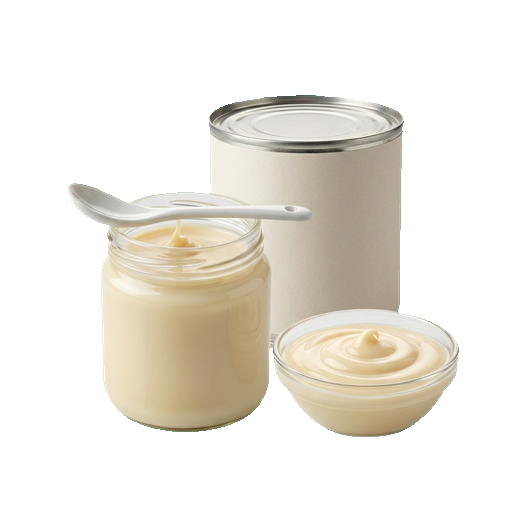
Condensed milk is a concentrated dairy product obtained by evaporating water from regular milk with added sugar. It has a dense, viscous consistency, sweet creamy flavor, and light brown color. In cooking, it is used as a base for desserts, creams, and fillings, as well as a standalone treat — it is added to coffee, tea, porridge, or eaten with bread. When choosing, check the composition: quality condensed milk contains only milk and sugar without vegetable fats and thickeners.
Micronutrients
per 100 ml
About
Condensed milk is concentrated milk from which most of the water has been removed, and then sugar is added. The result: a thick, sweet mass that keeps for months and transforms an ordinary dessert into a festive treat. In the kitchen, it's not just an ingredient, but a magic wand that saves the day when you need sweetness, creamy texture, and reliability.
Taste and Texture
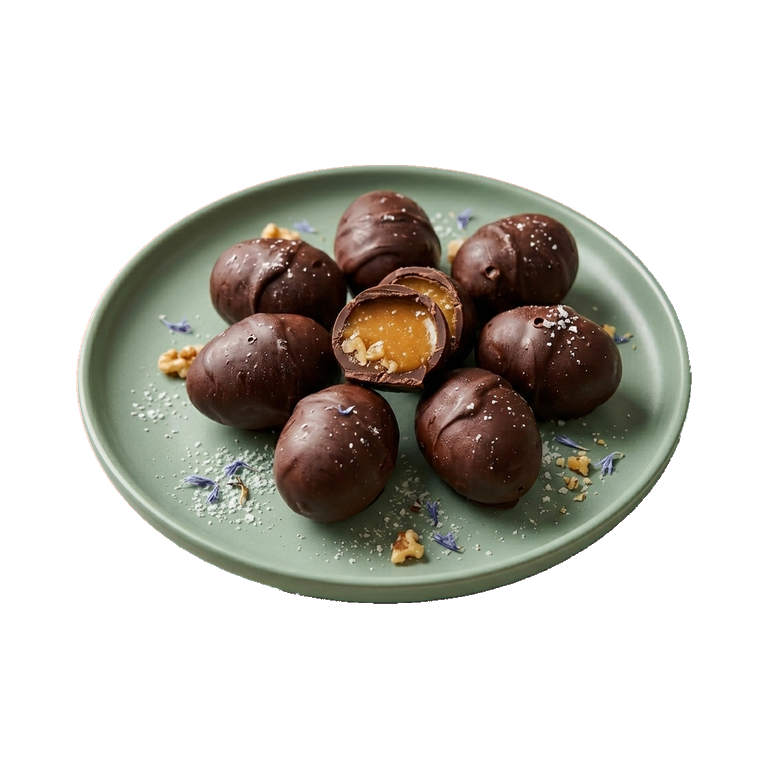
Condensed milk imparts sweetness with caramel notes, especially if it has darkened slightly during storage. The consistency is thick, almost like honey, but softer — it mixes easily in hot beverages and melts when heated. If you open a can of boiled condensed milk, you will be greeted by a brownish hue and an even more saturated, almost toffee-like, flavor.
Where to use it
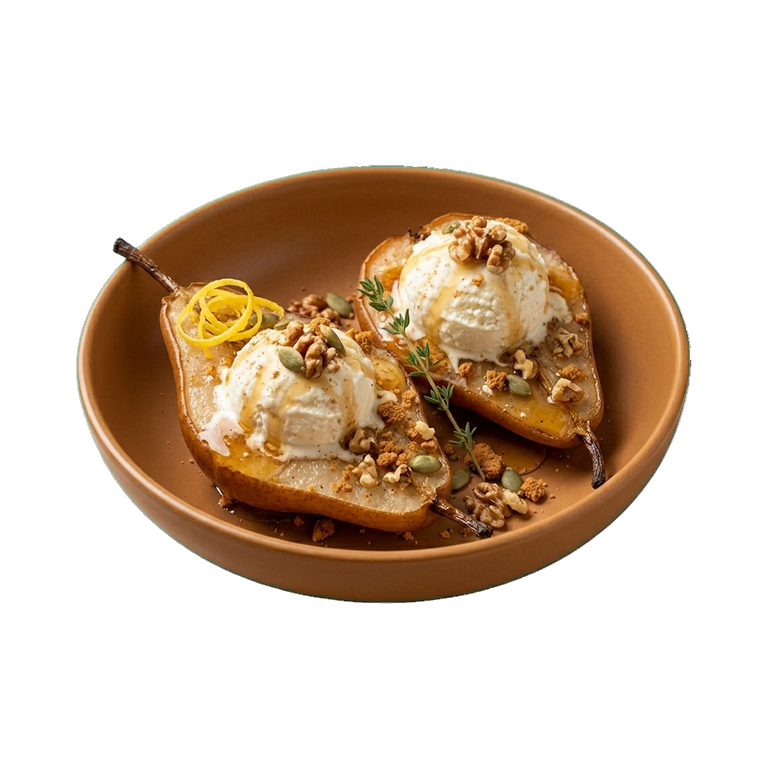
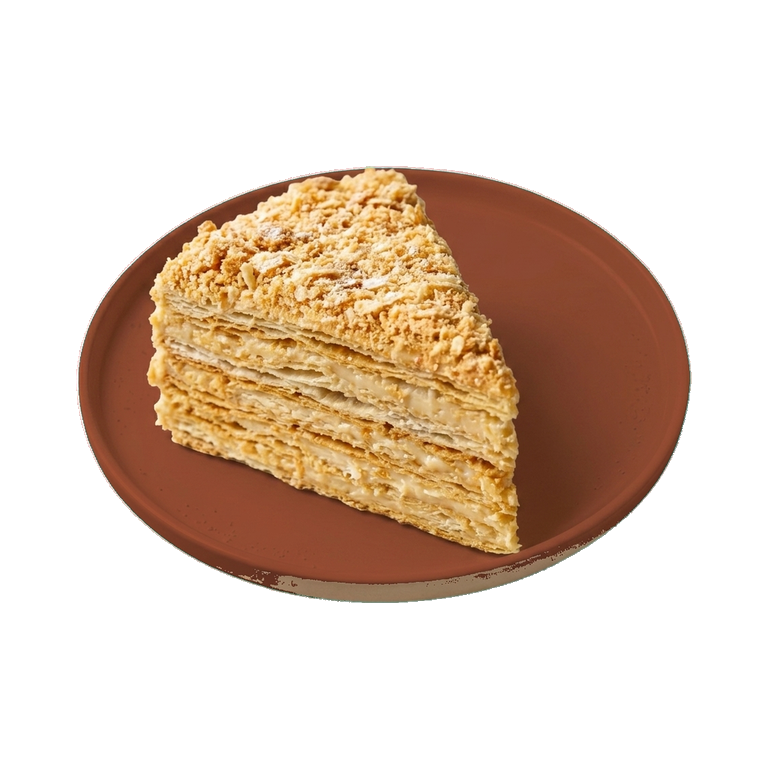
This is a versatile ingredient. Add it to your coffee or tea instead of milk and sugar — you'll get a creamy, sweet drink. Use it as a base for cottage cheese pancakes or casseroles to make them more tender. Spread it on pancakes, add it to cookie dough, or mix it with butter for a creamy filling in a cake.
- Sweet drinks and coffee
- Creams and fillings for cakes
- Fillings for pies and buns
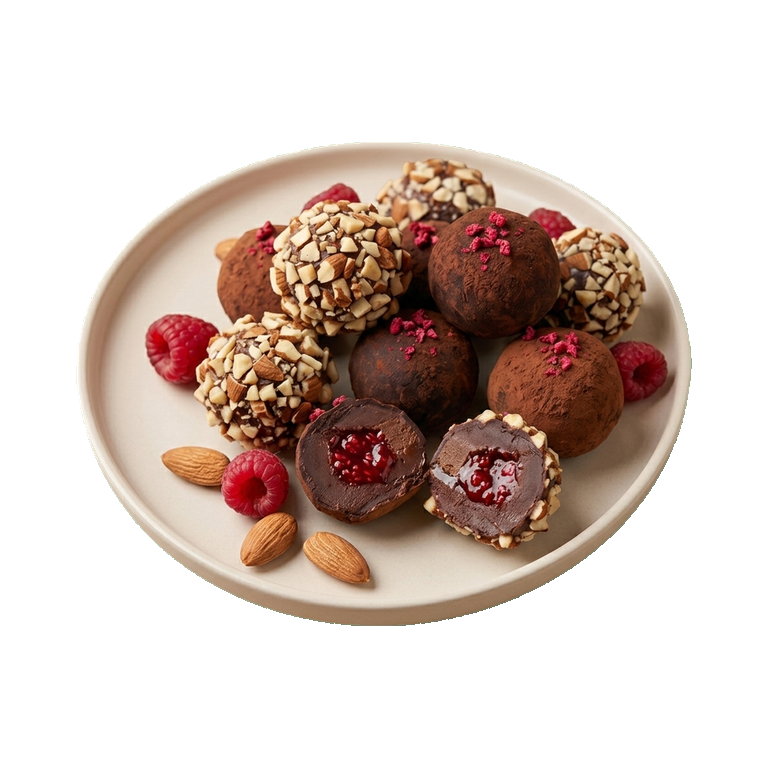
- Base for homemade sweets (candies, fudge)
- Additive to dough for fluffiness and moisture
- Sauce for fruits and berries
Successful Pairings
Condensed milk goes well with everything that calls for sweetness and softness. It works great with cocoa, coffee, nuts, and cookies. If you add it to cottage cheese, you'll get a delicate mass perfect for desserts. With black bread and butter, it makes a classic Soviet sandwich. It pairs well with vanilla, cinnamon, and lemon zest — they highlight its sweetness and add depth.
How to Choose and Store
When purchasing, pay attention to the production date and ingredients. Quality condensed milk contains only milk and sugar, without vegetable fats and starch. The can should be free of dents and rust. Transfer an opened can to a glass container and store it in the refrigerator — this way it will retain its flavor and not absorb odors.
- Closed jar — at room temperature, in a dry place, up to a year
- Open jar — in the refrigerator in a glass or ceramic container, up to two weeks
- Boiled condensed milk lasts longer due to additional processing
Practical Tips
If condensed milk is too thick and doesn't mix well, warm the can in hot water for a few minutes — it will become more pliable. For creams and fillings, whip it with butter — you'll get an airy mixture. If you need a less sweet consistency, dilute the condensed milk with milk or cream in the desired proportion. Boiled condensed milk can be made at home by cooking a sealed can in boiling water for several hours — but this requires caution.
Nutrition
per 100 ml
- Calories
- 320 kcal
- Protein
- 7.2 g
- Fat
- 8.5 g
- Carbs
- 55.5 g
Micronutrients
per 100 ml
Macronutrients
- Saturated fat
- 6.261 g
- Monounsaturated fat
- 2.469 g
- Polyunsaturated fat
- 0.392 g
- Water
- 32.266 g
Vitamins
- Vitamin B2 (riboflavin)
- 0.61 mg
- Vitamin B6
- 0.05 mg
Measures and weight
- 1 tbsp
- 19.5 g
- 1 tsp
- 6.5 g
- 1 cup
- 325 g
- 1 can
- 380 g
Measure calculator
- Weight
- 100 g
- Calories
- 246 kcal