Usuba
Usuba
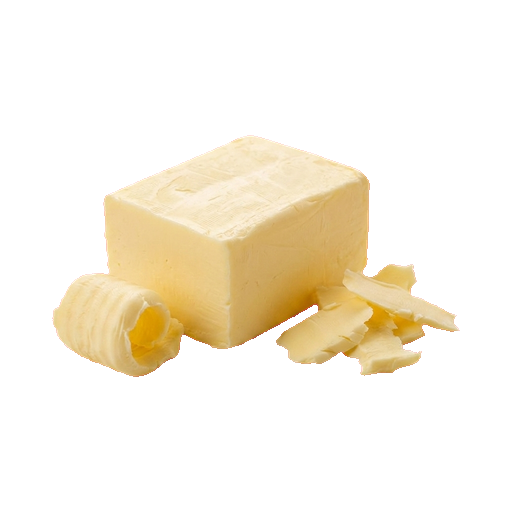
Margarine
Margarine is an emulsion of vegetable or animal fats with water, created as a substitute for butter. It has a dense consistency at room temperature, a neutral taste, and works well for baking, frying, and making creams. When choosing margarine, it is worth paying attention to the trans fat content and the composition of the fat base, as these factors determine the taste qualities and nutritional value of the product in finished dishes.
About
Margarine is an emulsion of vegetable or animal fats with water, milk, and emulsifiers. Created as an alternative to butter, it has its own character and purpose in the kitchen. Modern margarine is quite different from what it was decades ago: formulas have improved, and it has become a more beneficial and practical tool for baking and cooking.
Taste and Aroma
Margarine has a neutral and mild taste — this is its main difference from butter with its creamy notes. The aroma is barely noticeable, which for many recipes becomes an advantage: margarine does not overpower delicate flavors, does not compete with spices and fillings. The texture is plastic and smooth, softens easily at room temperature and spreads well over surfaces.
Where margarine works best
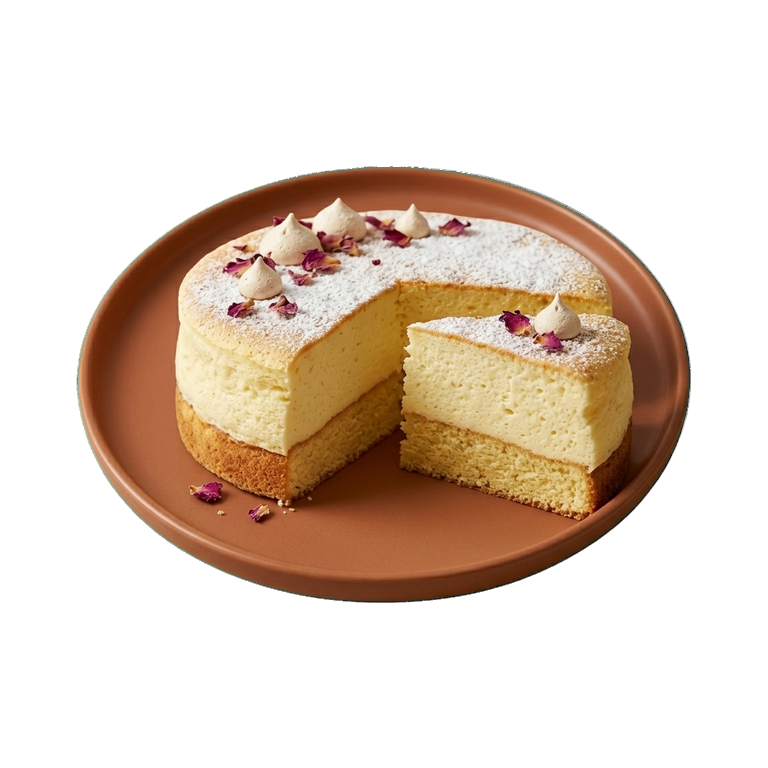
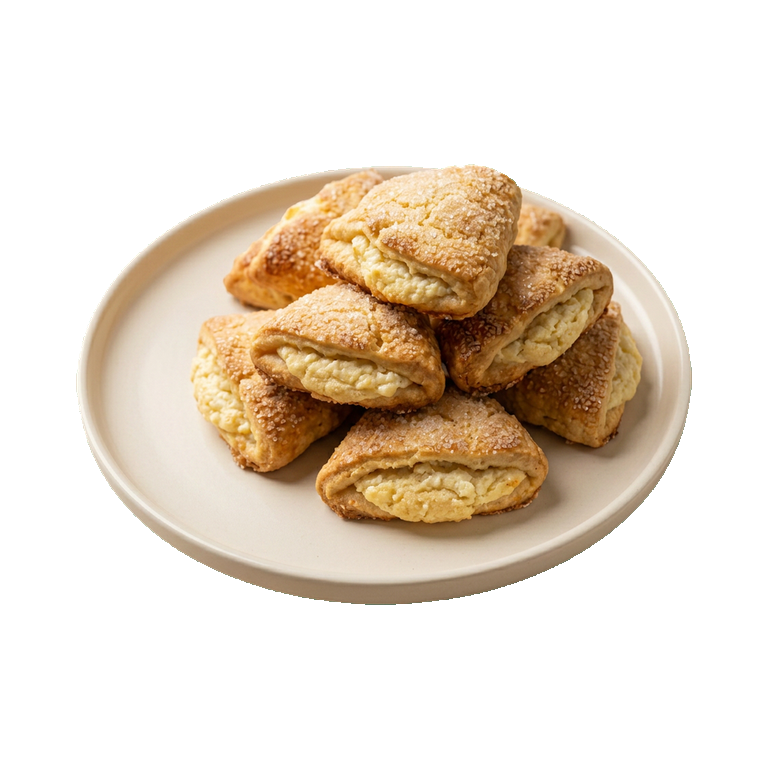
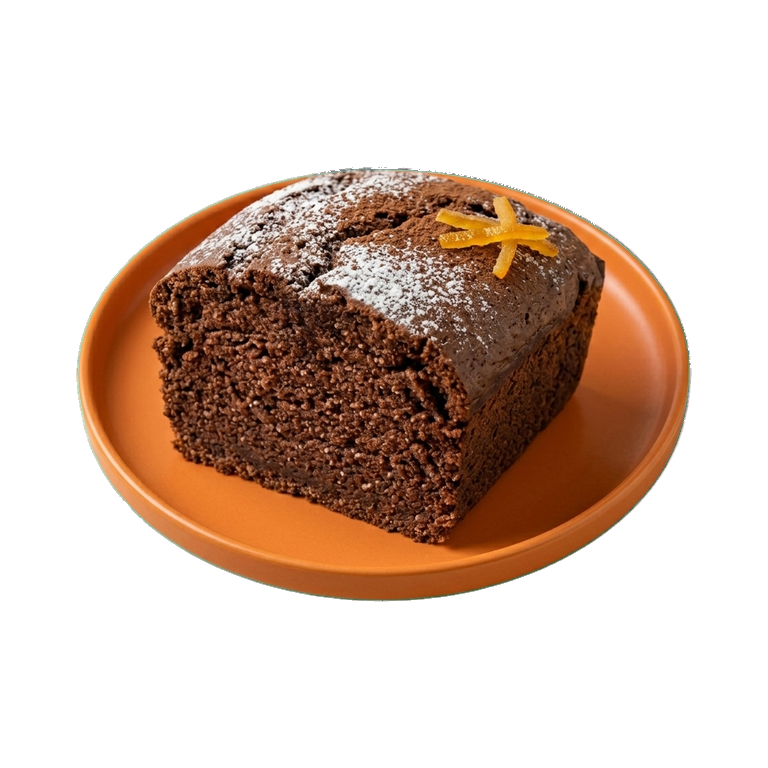
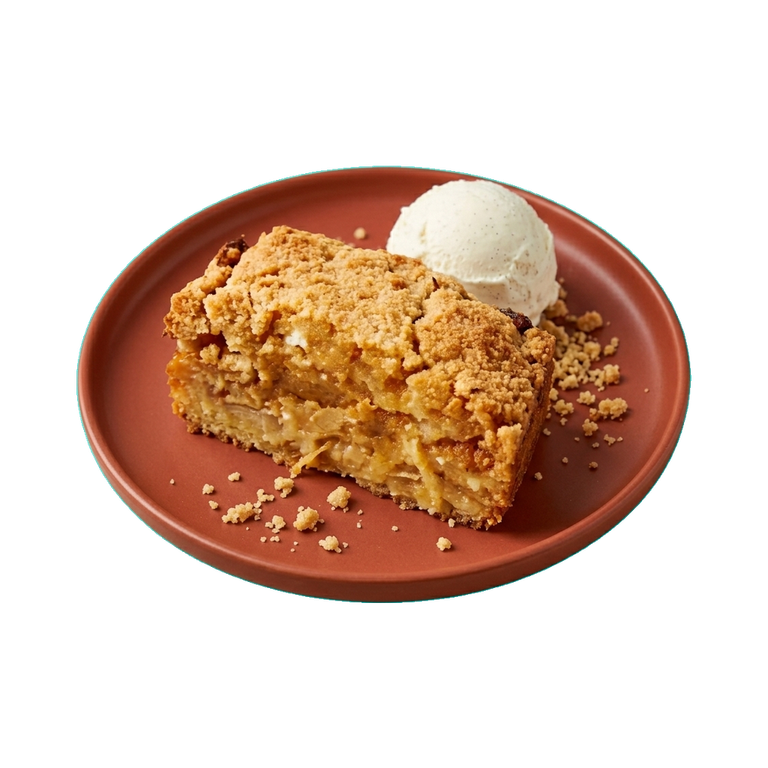
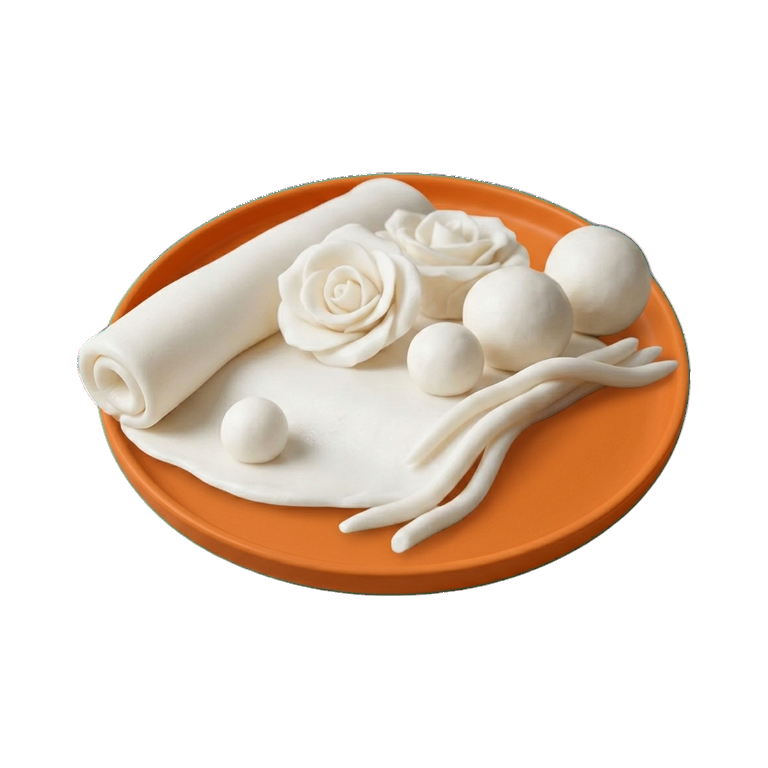
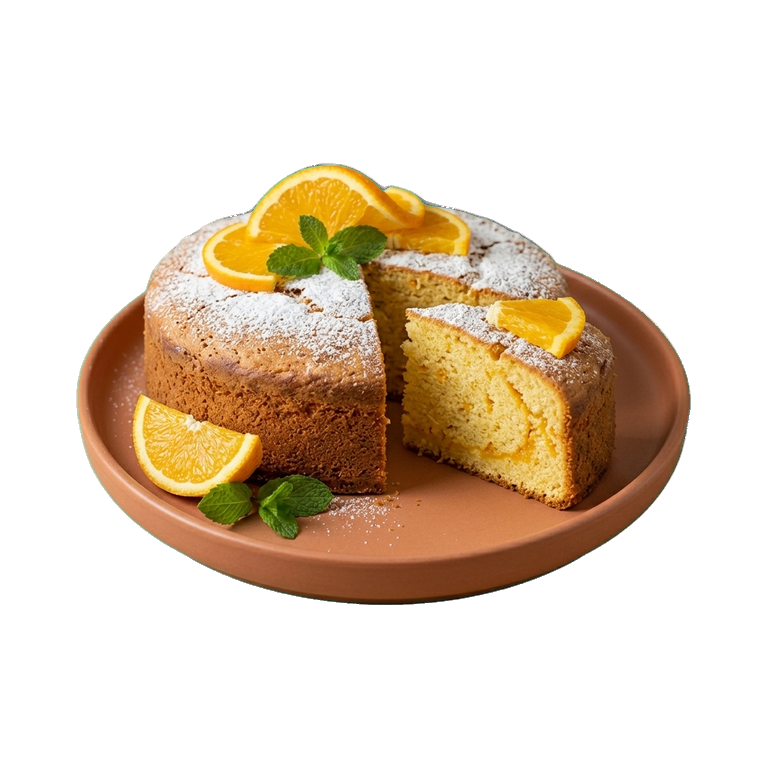
In baking, margarine is a star. It creates airy dough for cookies, fluffy cakes, and crumbly pastries because of how well it blends into flour. For sponge cakes and cupcakes, margarine delivers consistent results: the dough rises evenly and the structure turns out tender. In puff pastry, margarine works just as well as butter if you choose the right type — firm, with a high melting point.
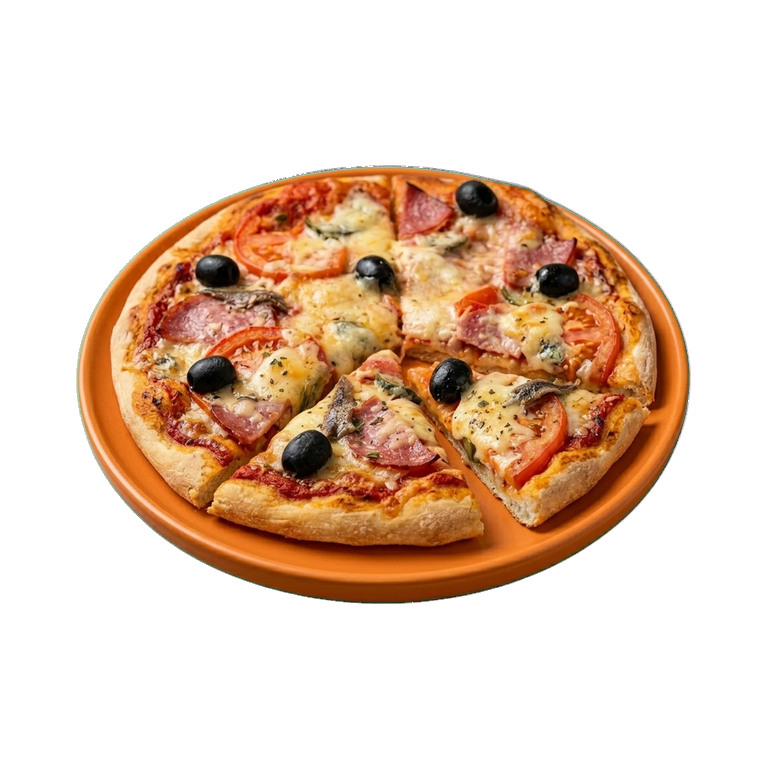
Margarine on a frying pan is good for frying vegetables, breading, and stewing. It does not produce a strong smell, allowing the taste of the main ingredient to remain in the foreground. For deep frying, special types of margarine with a high smoke point are used.
Pairings and Substitutions
- Cookies, cakes, cupcakes, pastries — margarine as the main fat
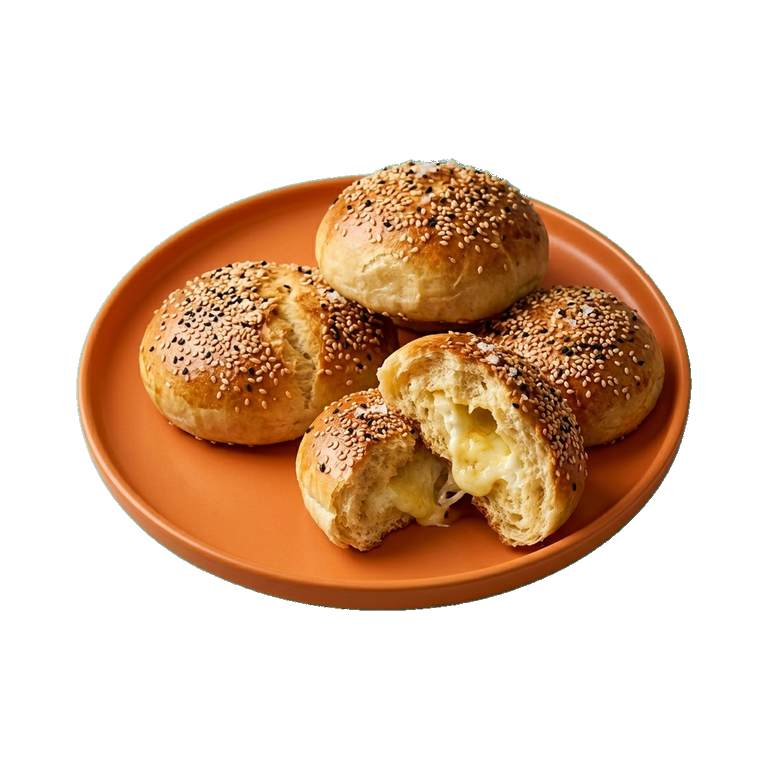
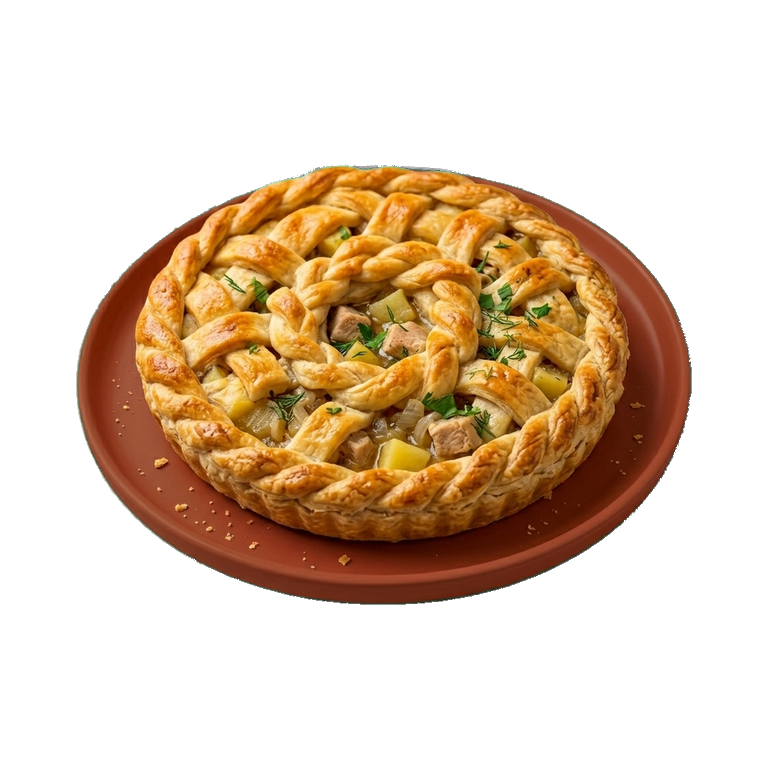
- Puff pastry for pies and buns
- Breading and frying in a pan
- Cake frosting (mixed with sugar and milk)
- Greasing baking pans before baking
Margarine does not replace butter in recipes where butter is the main flavor component (for example, in beurre blanc sauce or for spreading on bread). However, in baking, it often produces even more predictable results.
Selection and Storage
- Check the composition: the fewer additives, the better. Look for margarine with a high content of vegetable oils.
- For baking, choose solid margarine in bars — it gives the right dough consistency.
- Soft margarine in tubs is more convenient for frying and greasing pans.
- Check the expiration date: margarine lasts longer than oil, but still has a limit.
Store margarine in the refrigerator, wrapped in foil or in a tightly sealed package, so it doesn't absorb foreign odors. At a temperature of 4–8 degrees, it retains its properties for several months. Before using in a recipe, let the margarine soften at room temperature — this is important for uniform mixing with the other ingredients.
Margarine is a practical product for everyday cooking. It is stable to work with, affordable, and handles its tasks well. There is no need to demonize it, but it shouldn't be used everywhere that real butter is required. Each has its own place in the kitchen.
Nutrition
per 100 g
- Calories
- 717 kcal
- Protein
- 0.5 g
- Fat
- 80 g
- Carbs
- 0.5 g
Measures and weight
- 1 tbsp
- 13.7 g
- 1 tsp
- 4.5 g
- 1 cup
- 227.5 g
Measure calculator
- Weight
- 100 g
- Calories
- 717 kcal