Usuba
Usuba
Mirin
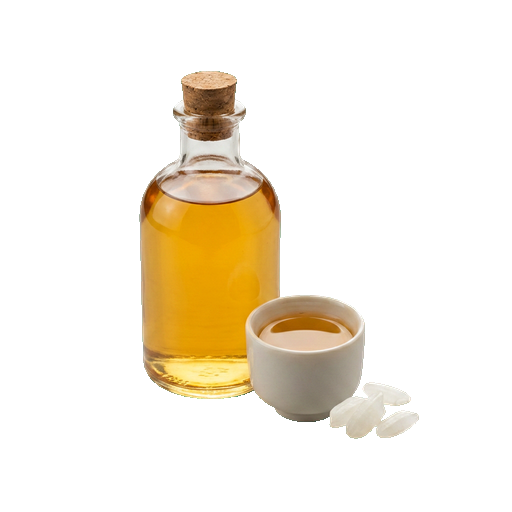
Mirin is a sweet rice alcoholic beverage traditional to Japanese cuisine, with low alcohol content and high sugar concentration. It gives dishes a characteristic glossy shine, subtle sweetness, and depth of flavor, and is often used in marinades, sauces, and teriyaki preparation. When choosing mirin, pay attention to its type: hon-mirin contains more alcohol and natural sugars, while shio-mirin is more affordable and versatile for everyday use.
About
Mirin is a sweet rice drink that serves as a universal helper in Japanese cuisine. It's not just a sweetener: mirin adds depth, gloss, and a light caramel note to dishes. If you're cooking Japanese style or want to add an Asian accent to sauces and marinades, mirin will become your reliable tool.
Taste and Aroma
Mirin has a soft, delicate sweet taste with a barely noticeable alcoholic note — it evaporates when heated. The aroma is subtle, rice-like, slightly honeyed. Unlike sugar, which simply sweetens, mirin gives a dish roundness and harmony. It is a sweetness that does not dominate, but supports other flavors.
Which mirin to choose
- Hon-mirin (true mirin) — the highest quality and most aromatic, with an alcohol content of about 14%. Use it for sauces and marinades where depth of flavor is needed.
- Shio-mirin (mirin with salt) — already salted, convenient for quick cooking. Check the salt content before using to avoid over-salting the dish.
- Amazake or sweet rice drink — a more affordable alternative, although the flavor is less pronounced. It will work if you don't have mirin on hand.
Where and how to apply
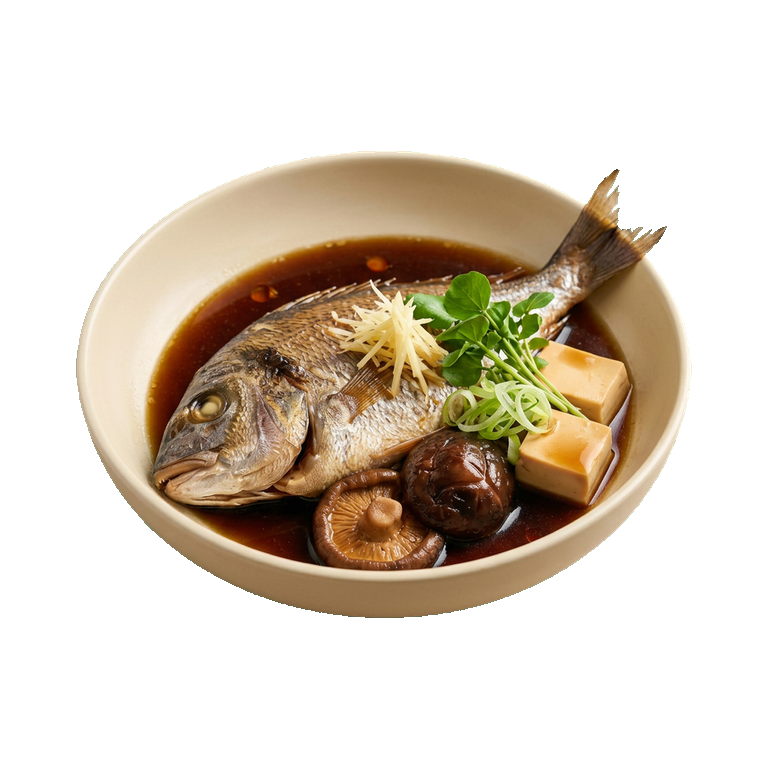
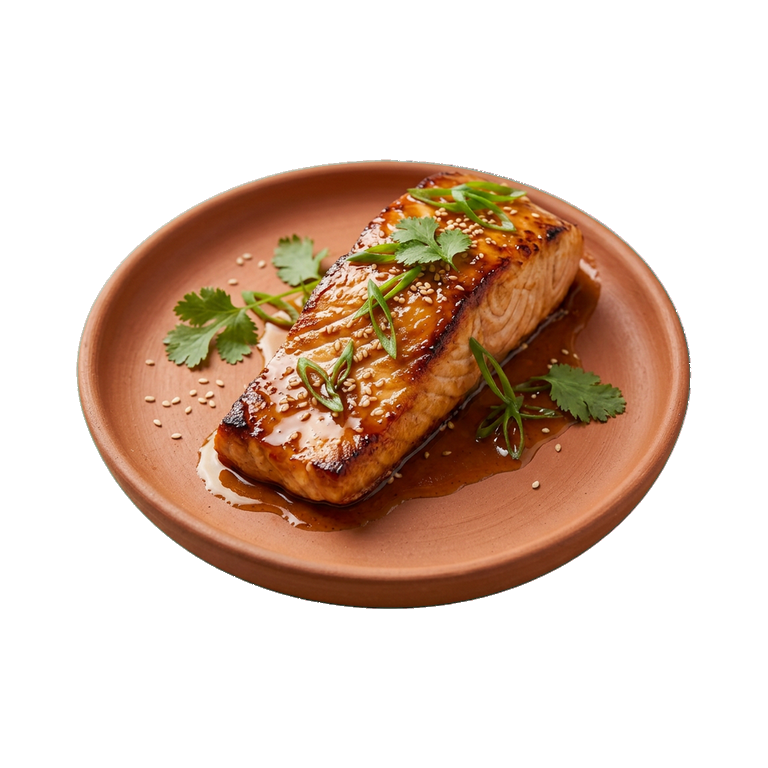
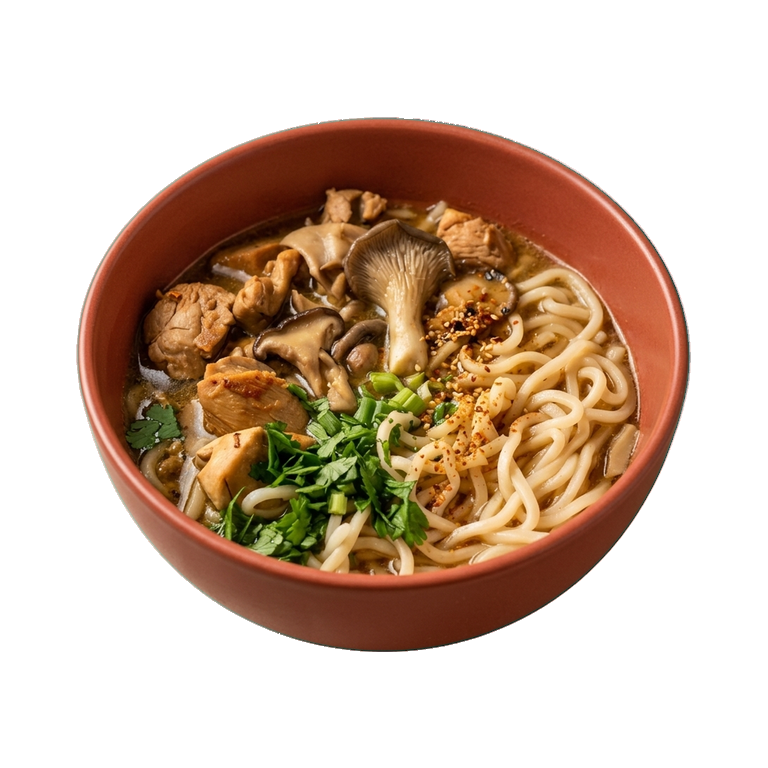
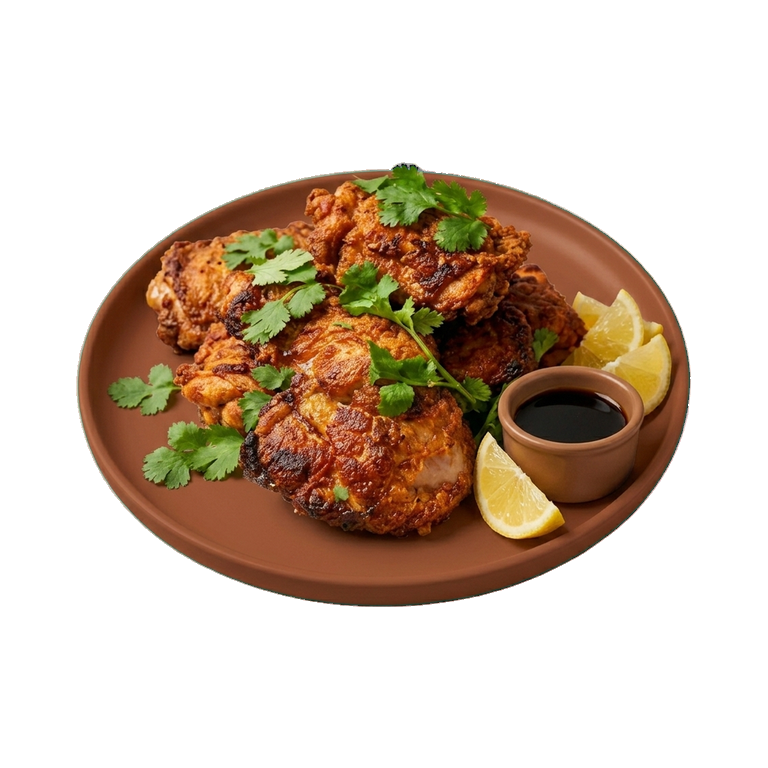
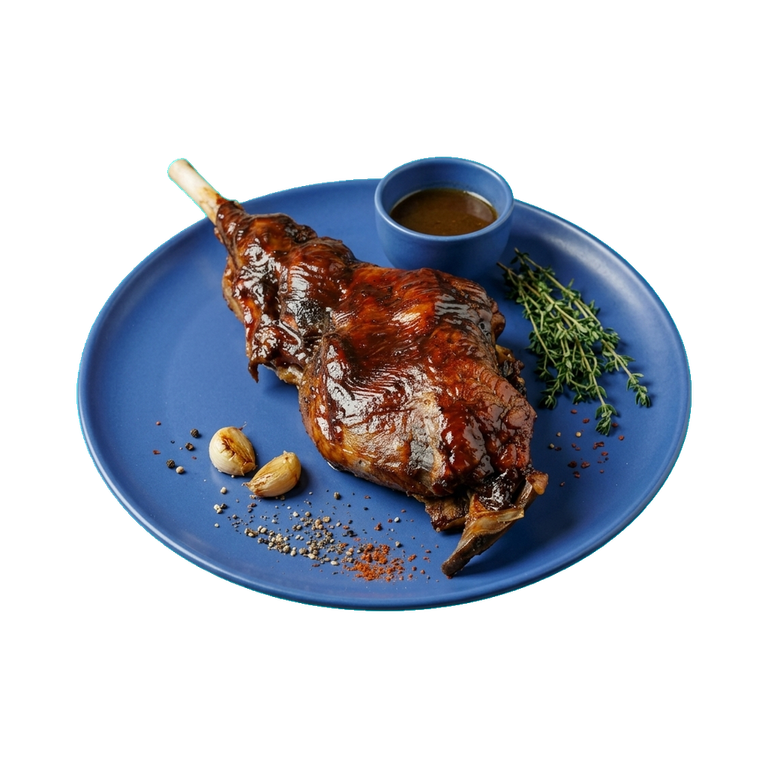
Mirin is used in teriyaki sauces, marinades for meat and fish, soups and stews. Add it to a glaze for chicken or beef — the meat will get a beautiful shine and a sweet-salty balance. Mirin is an essential component in sushi rice. You can even add a spoonful or two to European sauces for a rounder flavor.
When heated, alcohol evaporates, so mirin can be used in any dish, even children's dishes. Add it at the beginning of cooking so the flavors blend well, or at the end for freshness of aroma. Usually one to two tablespoons per serving of sauce is enough.
Selection and Storage
Look for mirin in the Asian foods section or online stores. The label should list the ingredients — good mirin contains no more than three: rice, rice malt, and salt. Avoid products with corn syrup and thickeners.
Store an open bottle in the refrigerator in a closed container — mirin can be stored for up to a year. Unopened mirin can safely be kept in a cupboard at room temperature. Before use, shake the bottle: sometimes sediment forms, which is easily mixed in.
If there is no myrrhina
- Mix sugar with water in equal proportions and add a pinch of salt — it will be similar in sweetness, but without that softness.
- Use honey or maple syrup — they will give depth, but the taste will be different.
- Rice syrup or brown rice syrup — the closest alternative in texture and taste.
Mirin is an investment in taste quality. One bottle lasts a long time and opens the door to Asian cuisine. Start with a simple teriyaki sauce, and you'll understand why chefs value this ingredient so much.
Nutrition
per 100 ml
- Calories
- 270 kcal
- Protein
- 0.5 g
- Fat
- 0 g
- Carbs
- 65 g
Measures and weight
- 1 tbsp
- 18 g
- 1 tsp
- 6 g
- 1 cup
- 300 g
Measure calculator
- Weight
- 100 g
- Calories
- 225 kcal