Usuba
Usuba
Sake
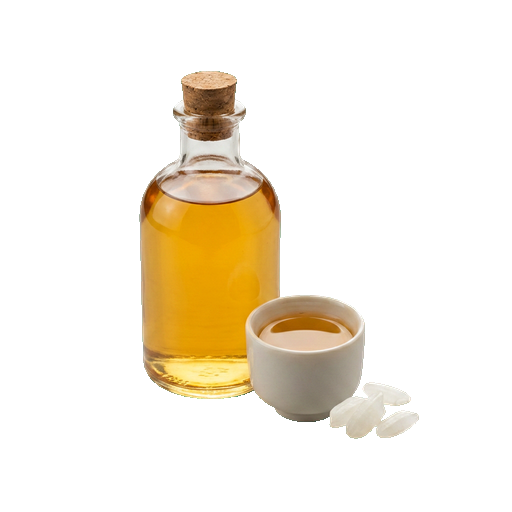
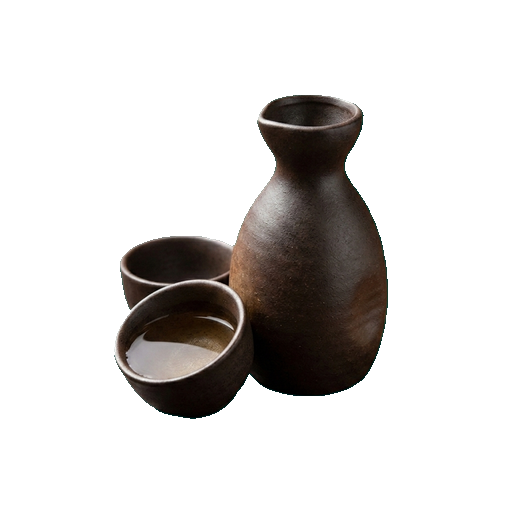
Japanese rice wine with a mild, slightly sweet taste and floral aroma, typically with an alcohol content of 14 to 20 percent. In cooking, it is used for marinades, sauces, and preparing Japanese cuisine dishes, where it helps soften sharp odors and add depth to the flavor. When choosing, it is worth considering the quality of the beverage — more expensive varieties are better suited for drinking, while affordable options work perfectly well for cooking.
Micronutrients
per 100 ml
About
Sake is not just rice wine, but the result of a complex fermentation process that transforms ordinary rice into a beverage with delicate flavor and aroma. In cooking, sake works as a flavor enhancer and a softener of the harshness of other ingredients. When you add sake to a dish, the alcohol evaporates, leaving sweet and umami notes that make the food deeper and more interesting.
Aroma and taste
Sake has a soft and delicate aroma — floral notes, light fruitiness, sometimes herbal undertones. The taste is dominated by sweetness, but not cloying, rather natural, with a slight acidity and barely perceptible bitterness. The higher the quality of sake, the more complex and layered its profile becomes. When heated, the aroma becomes more pronounced and warming, when cooled — more fresh and mineral.
Role in dishes
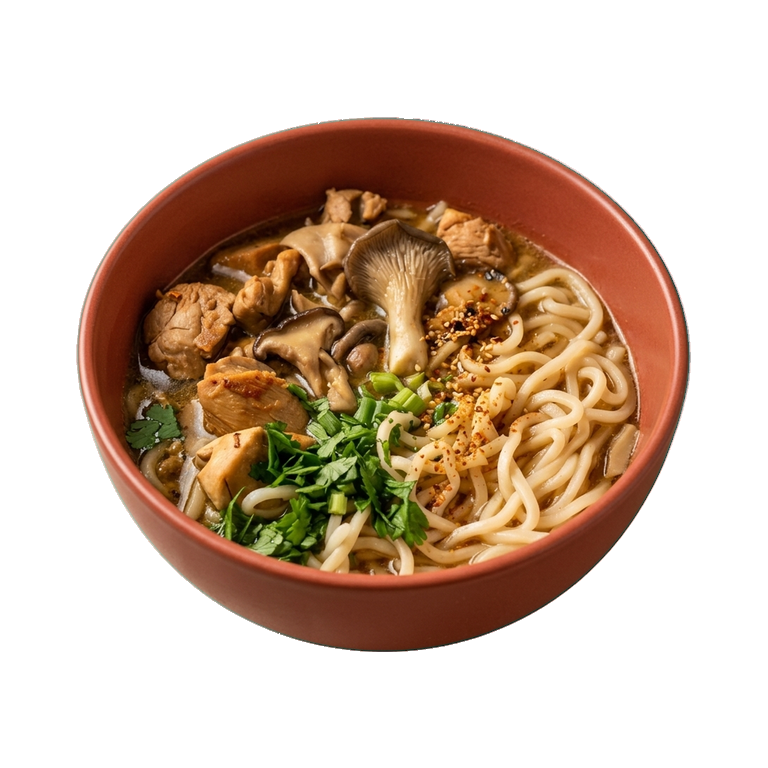
In cooking, sake works on several fronts simultaneously. It neutralizes the fishy smell in soups and stews, softens meat toughness during marinating, and gives dishes natural sweetness without the need to add sugar. Sake is often used in Japanese cuisine — in teriyaki sauces, when stewing vegetables and seafood, in broths for sushi rice.
Combinations and Proportions
- With fish and seafood — sake helps reveal their delicate flavor and eliminates unwanted odors
- With soy sauce and mirin — a classic triad for Asian marinades and sauces
- With ginger and garlic — sake balances their sharpness
- With vegetables when stewing — adds depth without excess saltiness
Sake is usually added in small quantities — from one tablespoon per serving of soup to a quarter cup for a marinade per kilogram of meat or fish. The main rule: the longer sake simmers in a dish, the more completely the alcohol evaporates and its aromatic qualities manifest. For maximum effect, add sake at the beginning of cooking so it has time to fully develop.
Selection and Storage
For cooking, special culinary sake (Hon-Mirin or Shio-Sake) is suitable, which is cheaper than premium drinking varieties. Check the label — good cooking sake has an alcohol content of about 14% and contains minimal additives. Avoid sake with a large amount of sugar and preservatives — they will spoil the taste of the dish.
- Store sake in a cool place, protected from direct sunlight
- Use an opened bottle within a month — sake oxidizes quickly
- If sake starts to smell like vinegar or looks cloudy, it's better not to use it
- Sake lasts longer in the refrigerator than at room temperature
Sake is one of the few ingredients that works simultaneously as a flavor enhancer, tenderizer, and flavoring agent. Even a small amount of it can transform an ordinary dish into something more expressive and harmonious.
Nutrition
per 100 ml
- Calories
- 134 kcal
- Protein
- 0.2 g
- Fat
- 0 g
- Carbs
- 2.6 g
Micronutrients
per 100 ml
Macronutrients
- Fiber
- 0 g
- Sugars
- 0 g
- Saturated fat
- 0 g
- Monounsaturated fat
- 0 g
- Polyunsaturated fat
- 0 g
- Omega-3 (EPA + DHA)
- 0 g
- Cholesterol
- 0 mg
- Water
- 77.616 g
Minerals
- Sodium
- 1.98 mg
- Potassium
- 24.75 mg
- Calcium
- 4.95 mg
- Magnesium
- 5.94 mg
- Phosphorus
- 5.94 mg
- Iron
- 0.1 mg
- Zinc
- 0.02 mg
- Copper
- 0.01 mg
- Selenium
- 1.4 mcg
Vitamins
- Vitamin A (RAE)
- 0 mcg
- Vitamin D
- 0 mcg
- Vitamin E
- 0 mg
- Vitamin K
- 0 mcg
- Vitamin C
- 0 mg
- Vitamin B1 (thiamin)
- 0 mg
- Vitamin B2 (riboflavin)
- 0 mg
- Vitamin B3 (niacin)
- 0 mg
- Vitamin B6
- 0 mg
- Vitamin B9 (folate, DFE)
- 0 mcg
- Vitamin B12
- 0 mcg
Measures and weight
- 1 tbsp
- 14.8 g
- 1 tsp
- 5 g
- 1 cup
- 247.5 g
Measure calculator
- Weight
- 100 g
- Calories
- 135 kcal