Usuba
Usuba
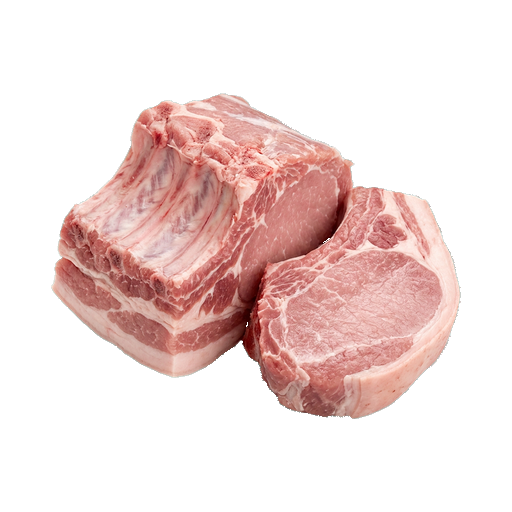
Pork loin
Pork loin is the back part of the carcass with meat, fat layers, and ribs, distinguished by its tenderness and juiciness due to natural marbling. It is used for frying, roasting as a whole piece or cutting into steaks and cutlets, as well as for making cured meats. When selecting, pay attention to the color of the meat — it should be light pink, and the fat — white and not rancid, as this affects the taste of the finished dish.
Micronutrients
per 100 g
About
Pork loin is muscle tissue from the back of an animal, located between the shoulder blade and the hind leg. It is one of the most versatile and affordable cuts of meat that works equally well in everyday dishes and festive menus. The meat here is tender, with a thin layer of fat that prevents it from drying out during cooking and gives it juiciness.
Taste and Texture
Pork loin has a pronounced pork flavor without excess fat — the meat is firm but not tough. When you cut a cooked piece, the meat fibers separate easily, which indicates proper cooking. The fat in the loin is distributed evenly, so the piece does not require additional preparation before cooking.
Cooking Methods
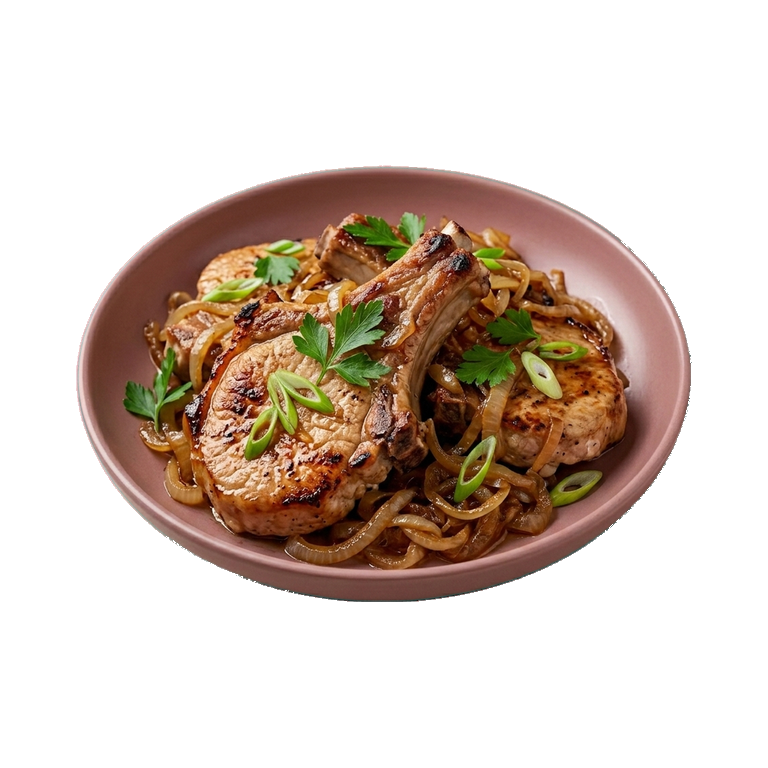
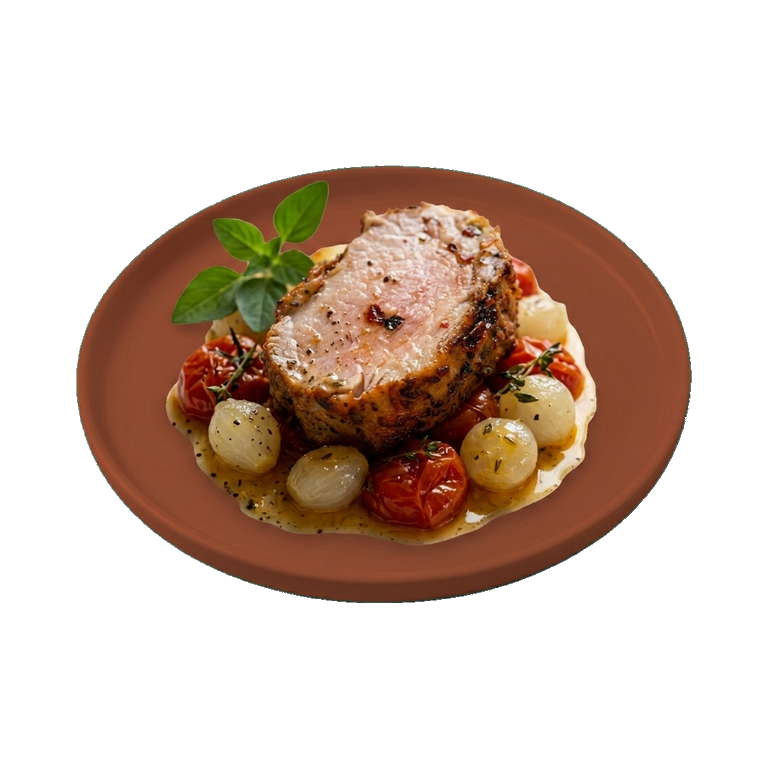
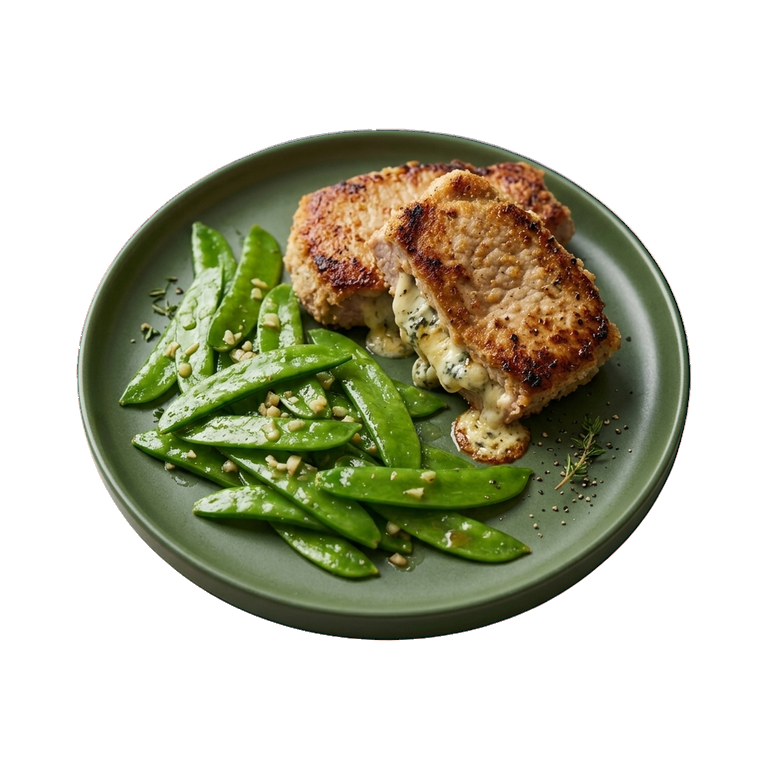
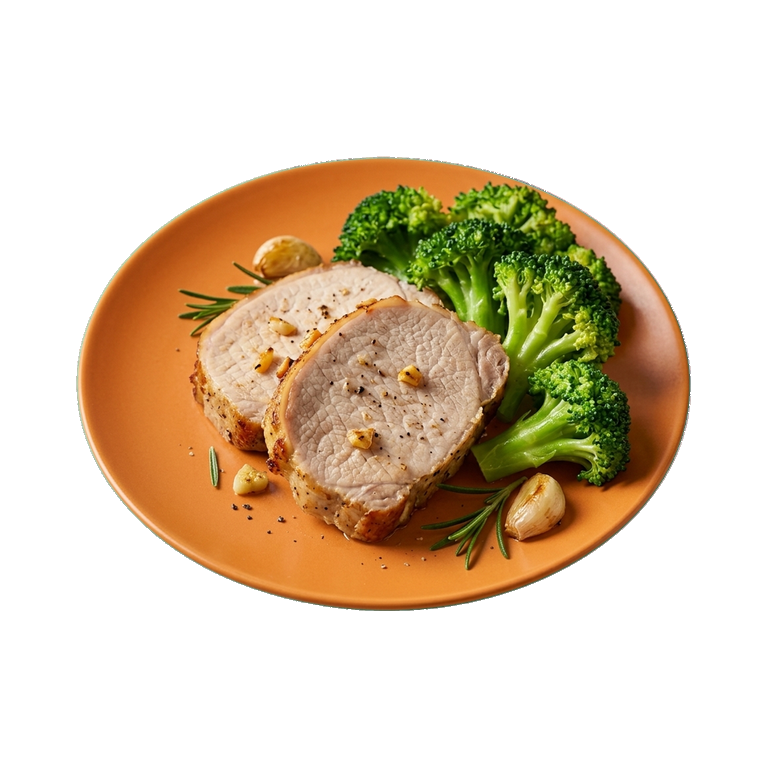
Pork loin works well in a skillet, oven, and even on the grill. It can be fried as a whole piece, cut into steaks, or used for kebabs. The meat cooks quickly — a two-centimeter thick steak will be done in five to seven minutes on each side over high heat. At 160 degrees in the oven, a whole piece weighing one kilogram will be ready in about an hour.
- On the stovetop: quick cooking over high heat for a crispy crust
- In the oven: slow baking with vegetables and herbs
- On the grill: sliced steaks with minimal seasoning
- Stewing: prolonged cooking in sauce or broth for tenderness
Pairings and Seasonings
Pork belly pairs well with classic seasonings: black pepper, garlic, rosemary, and thyme. Asian sauces with soy sauce, ginger, and lemon are also perfect. The meat works beautifully with both spicy and sweet-and-sour flavors. Choose side dishes seasonally — potatoes, grilled vegetables, fresh herbs.
Selection and Storage
When buying, look at the color of the meat — it should be pink or light red, without gray spots. The fat should be light and clean, and the pork loin itself should be firm to the touch. If you see too much moisture in the package, this is a sign of improper storage.
- In the refrigerator: two to three days in the coldest part
- In the freezer: up to four months in an airtight container
- After thawing: cook within twenty-four hours, do not refreeze
Pork loin is a reliable choice when you need to quickly prepare a delicious meat dish. It doesn't require complex preparation, cooks well, and remains juicy. This meat works well for both everyday dinners and more serious culinary projects.
Nutrition
per 100 g
- Calories
- 241 kcal
- Protein
- 19.4 g
- Fat
- 18 g
- Carbs
- 0 g
Micronutrients
per 100 g
Macronutrients
- Saturated fat
- 3.285 g
- Monounsaturated fat
- 3.946 g
- Polyunsaturated fat
- 1.379 g
- Cholesterol
- 55.93 mg
- Water
- 68.82 g
Minerals
- Sodium
- 40.2 mg
- Potassium
- 361.2 mg
- Calcium
- 4.11 mg
- Magnesium
- 21.96 mg
- Phosphorus
- 196.8 mg
- Iron
- 0.45 mg
- Zinc
- 1.57 mg
- Copper
- 0.04 mg
- Manganese
- 0 mg
Measures and weight
- 1 slice
- 100 g
Measure calculator
- Weight
- 100 g
- Calories
- 241 kcal