Usuba
Usuba
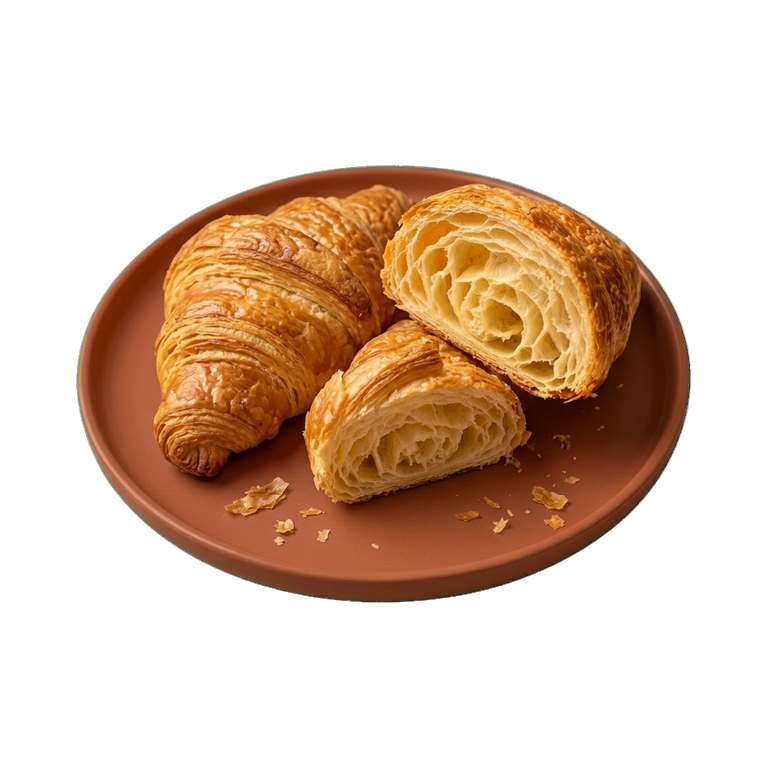
Butter Croissants
French puff pastry with butter that is rolled out and folded several times to create thin crispy layers. The dough is prepared with yeast, which gives croissants their airiness and lightness. Frozen blanks should be thawed at room temperature before proofing, otherwise the top layer will rise while the center remains cold.
- Total
- 300 min
- Standard serving
- 115 g
Ingredients
Total 9



Instructions
- 1
Step 1
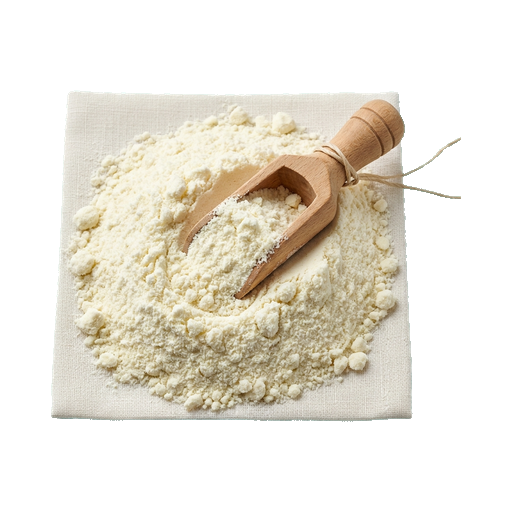
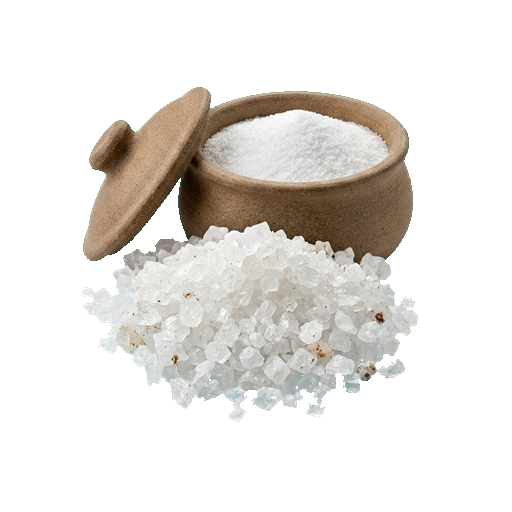
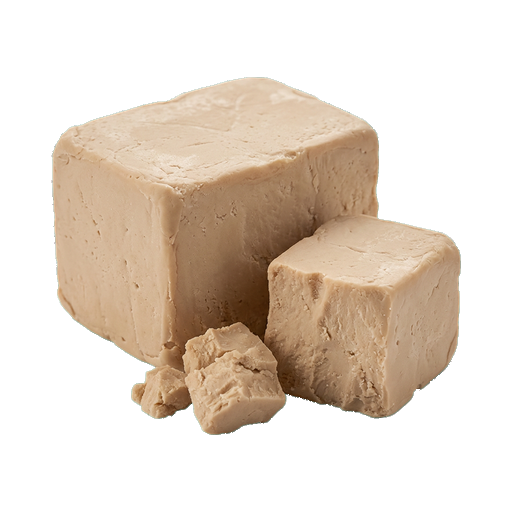
Pour the flour, dry milk, salt, and fresh yeast into a dough mixer or any container. Lightly crumble the yeast in your hands so it becomes crumbly. The ingredients can be mixed together or left as is.
- 2
Step 2
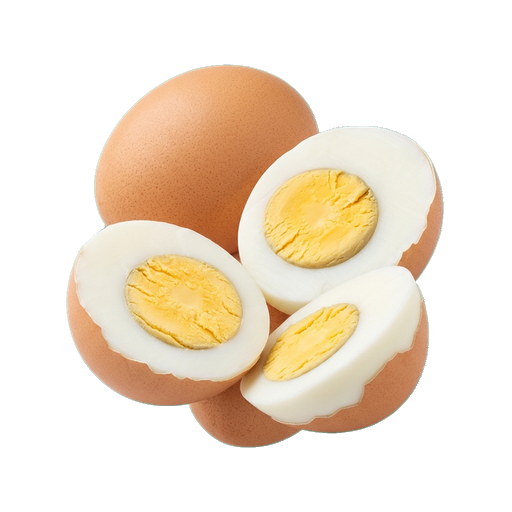
In a separate bowl, mix the egg, water, milk, and sugar. Stir with a whisk until the yolk is broken. Pour the mixture into the mixer with the dry ingredients and start kneading the dough.
When the ingredients are mixed and the mass becomes homogeneous, add 40 g of melted butter.
- 3
Step 3
Continue kneading until the dough becomes smooth, lump-free, and stops sticking to the sides. When you cut a piece of dough, you should see small bubbles inside.
- 4
Step 4
Divide the finished dough into two equal parts. Wrap each portion in plastic wrap and leave at room temperature for 1 hour.
- 5
Step 5
Divide the softened butter into two parts of 250 g each. Place each part between sheets of plastic wrap and roll out to a thickness of 5 mm. Put the rolled butter in the freezer so it sets and becomes a single elastic layer.
- 6
Step 6
After 1 hour, begin the first rolling of the dough. Stretch the dough by hand and lightly roll it with a rolling pin, or make a cross-shaped cut in the round dough and unfold the corners outward to form a square.
- 7
Step 7
Stretch the square with your hands. Wrap it in plastic wrap and place it in the freezer for 5 minutes to let the dough cool slightly.
- 8
Step 8
Roll out the chilled dough into a rectangle 1 cm thick. Place a sheet of butter in the center.
- 9
Step 9
Wrap the butter in the dough like an envelope. Pinch the edges and cut off any excess dough extending beyond the butter layer. You now have dough with two layers separated by butter.
Wrap it in plastic wrap and place it in the freezer for 30 minutes so that the temperatures of the butter and dough equalize.
- 10
Step 10
After 30 minutes, take out the dough and roll it into a sheet 11 mm thick. Fold it like a book: fold the edges from each side toward the middle, then fold in half once more. You will get 8 layers.
Wrap in plastic wrap and place in the freezer for 30 minutes. Repeat the procedure one more time: roll out, fold like a book, wrap, and place in the freezer for 30 minutes. Now the dough has 32 layers.
- 11
Step 11
Remove the dough and repeat the procedure a third time: roll it out to a thickness of 11 mm, fold it like a book, wrap it in plastic film, and place it in the freezer for 30 minutes.
The dough is ready. It has 128 layers, not counting the butter. The airiness of croissants depends on the number of layers. The dough can be frozen and used within 2 days.
- 12
Step 12
Roll out the finished dough into a rectangle approximately 60 by 35 cm and 6 mm thick. Cut the dough into triangles.
- 13
Step 13
Roll each triangle into a roll, starting from the thick edge.
- 14
Step 14
Croissants can be frozen and baked within 2 days, or sent directly for proofing.
To proof the dough at home, place a pan of water in the oven, arrange the croissants on a tray, and put them in the oven for 2 hours without turning it on. The oven will create a warm and humid environment. Alternative: leave the croissants for 5 hours under plastic wrap at room temperature.
Proofing activates the yeast. The longer croissants proof, the more bubbles form in them. The finished dough becomes tender: when pressed lightly with a finger, you can feel the tiniest bubbles bursting. During proofing, croissants rise 2.5 times their original size.
- 15
Step 15
Before baking, brush the croissants with a mixture of egg and water (20 ml of water per 1 egg). Brush very carefully and gently with a pastry brush, only along the spiral lines, not across, to avoid disrupting the structure and shifting the layers.
- 16
Step 16
Preheat the oven to 190 degrees. When you open the oven door, the temperature will drop, so immediately adjust it to 180 degrees to ensure the croissants reach the correct temperature.
- 17
Step 17
Bake the croissants for about 10 minutes at 180 degrees, then for another 10 minutes at 160 degrees. The time depends on the parameters of your specific oven.
Signal to switch temperature: the croissant looks ready, but is still raw inside. Changing the mode brings it to doneness. Remove the croissants and let them cool — they will continue to cook.
Freshly baked croissants are delicious for 6 hours, then the quality declines.
Cooked it?Did you cook this recipe?
Rate itRate the result
Your rating will be saved after sign-in