Usuba
Usuba
Wheat flour
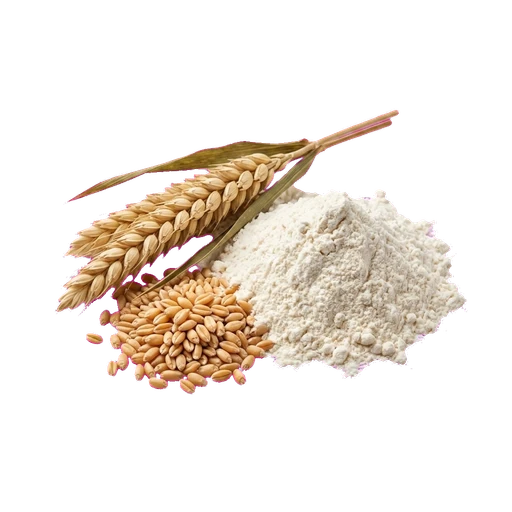
Wheat flour is the primary thickening agent and base for most baked goods, obtained by grinding wheat grains. It contains gluten, which provides elasticity to the dough and its ability to retain gas during fermentation and baking. When choosing flour, it is important to pay attention to the protein content: flour with high gluten content is suitable for bread and pasta, while flour with low gluten content is better for delicate pastries, pancakes, and muffins.
Micronutrients
per 100 g
Minerals
About
Wheat flour is the foundation of half your kitchen. It's in every home, but few people wonder why one batch is perfect for bread while another is better suited for cookies. The choice of flour type directly affects the result: from the airiness of the dough to the crispness of the crust. Understanding these differences saves time and rescues failed baking.
What varieties are there and how do they differ
- High-protein flour (12–14% protein) — for bread and pasta. Gluten develops well in it, the dough becomes elastic and holds its shape.
- All-purpose flour (10–12% protein) — the workhorse for buns, pies, and everyday baking. The golden mean for most recipes.
- Soft flour (8–10% protein) — for cookies, cupcakes, and thin pancakes. Less gluten means tender, crumbly dough.
- Whole-grain flour — with the grain husk, denser and more nutritious. Absorbs more liquid, so it requires recipe adjustments.
The protein content is indicated on the package and determines dough behavior. The higher the protein — the more gluten, the better the dough stretches and retains gas during rising. For bread this is beneficial, for delicate cookies — it's a hindrance.
How to Choose Flour and What to Look For
- Check the packaging date. Fresh flour is lighter in color, while old flour may turn yellow and lose its properties.
- Consider the color. White flour is refined, cream-colored flour may contain bran or be slightly oxidized.
- Feel the packaging. Flour should be dry, without lumps. Moisture is the enemy of storage.
- Read the ingredients. Quality flour is only wheat grains, no additives.
Store flour in an airtight container at room temperature, away from moisture and direct sunlight. This way it will retain its properties for several months. Flour lasts longer in the refrigerator or freezer, but requires acclimatization before use.
How to use in different dishes
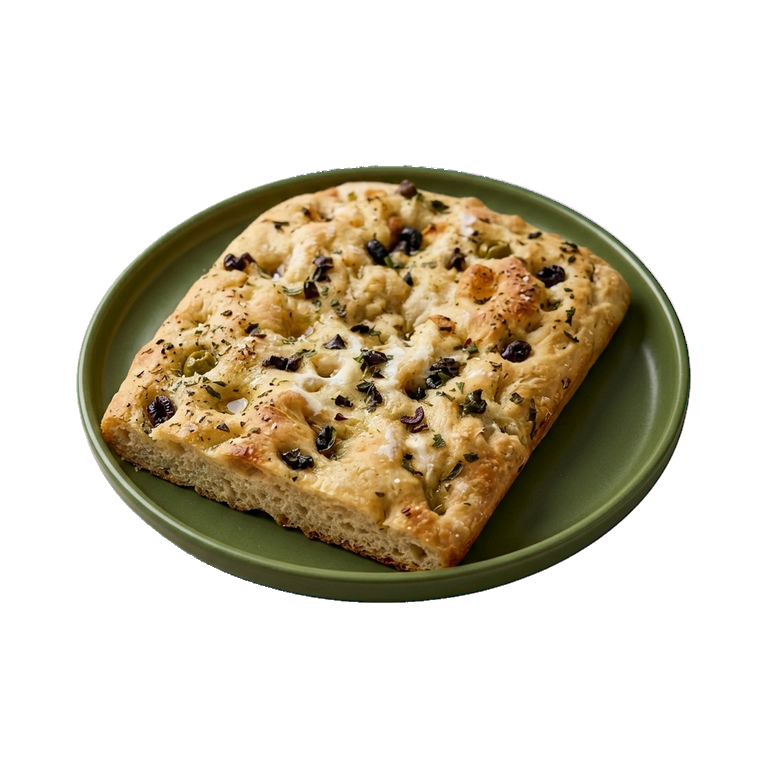
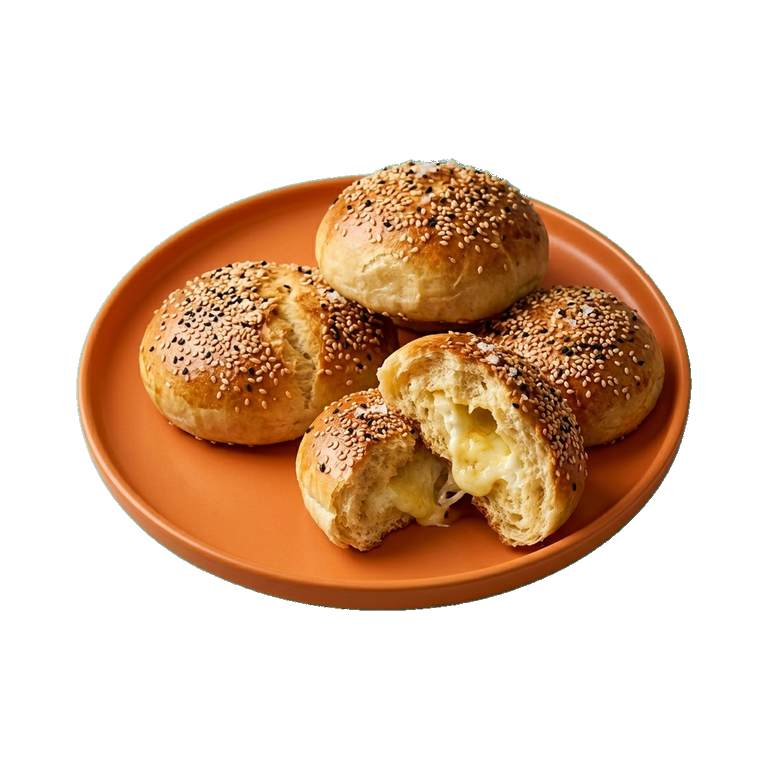
- Bread and rolls — use flour with high protein content. The dough will be elastic, the bread will have a good structure and won't fall apart.
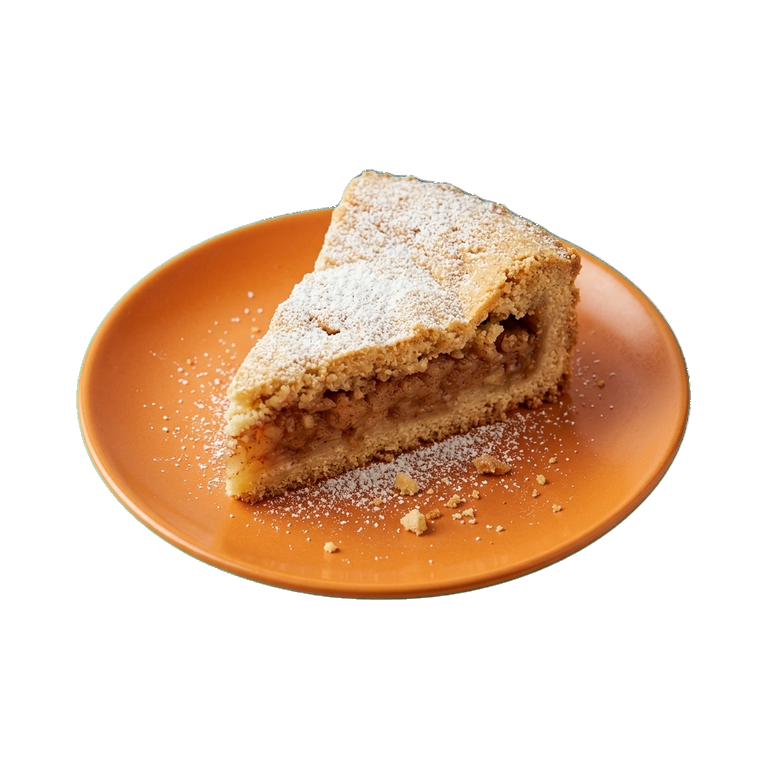
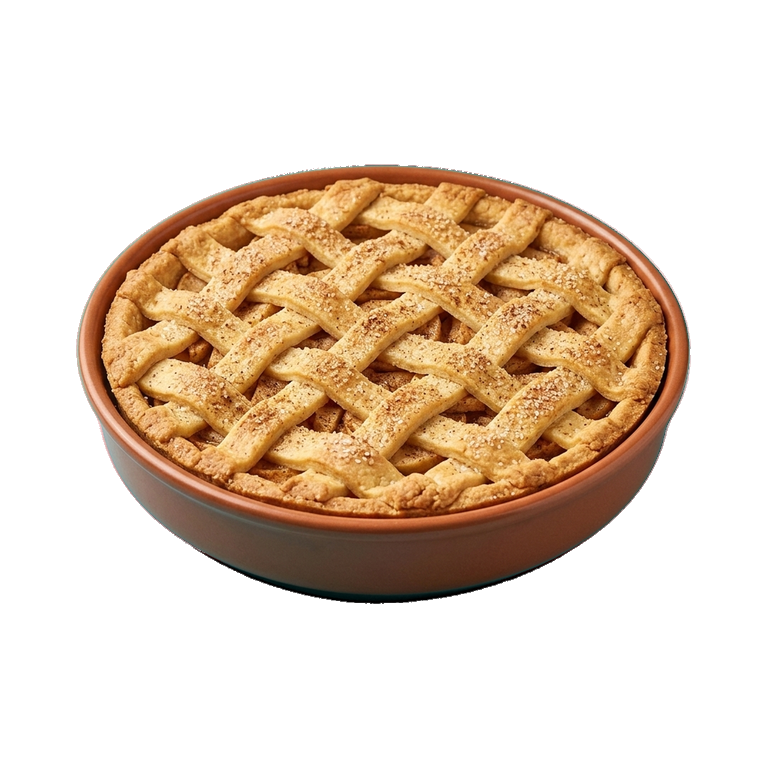
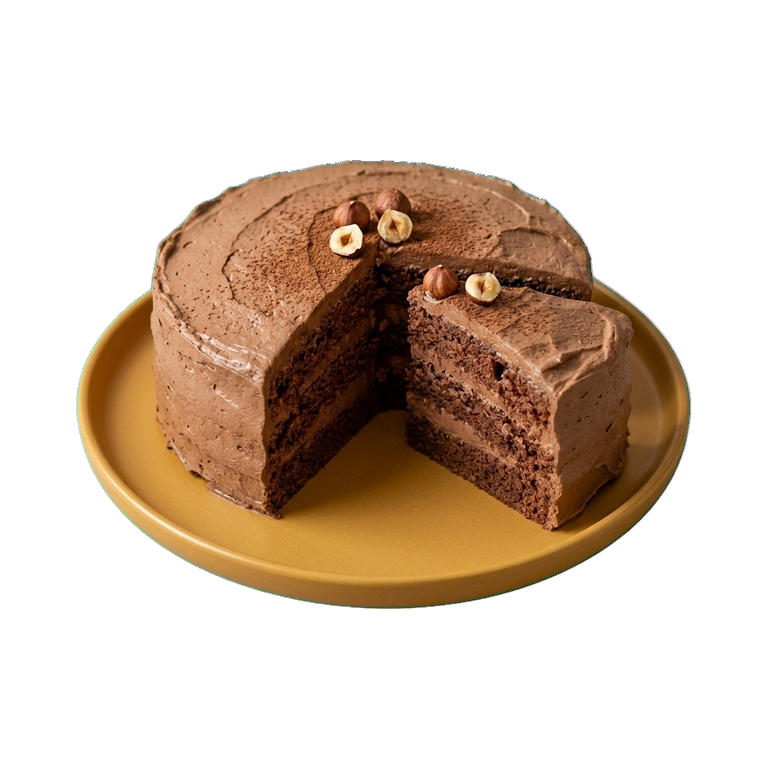
- Pies and cakes — all-purpose flour works great. Add starch if you want it more tender.
- Cookies — use soft flour or mix all-purpose flour with starch in a 1:1 ratio. The result is crumbly and tender.
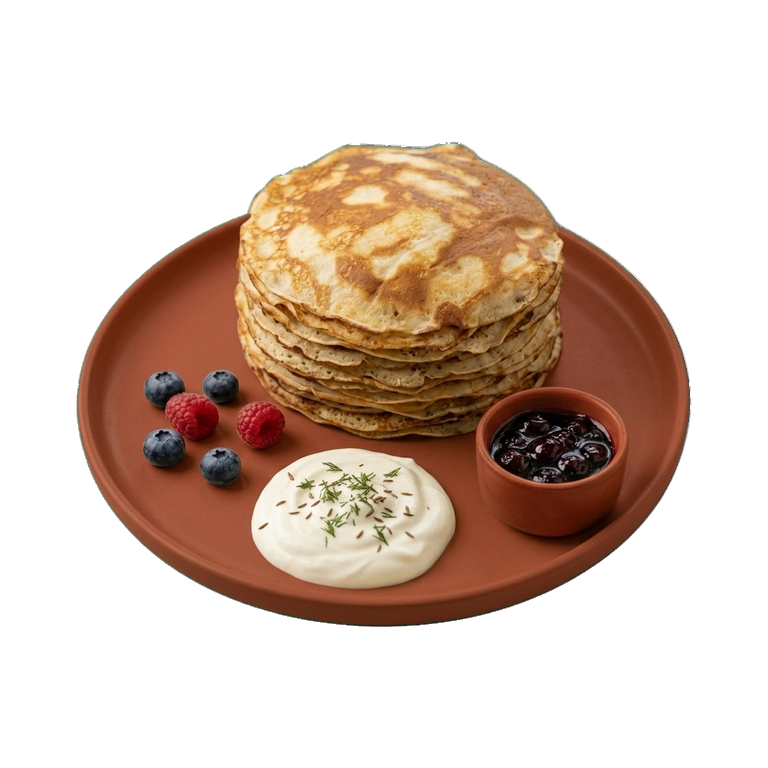
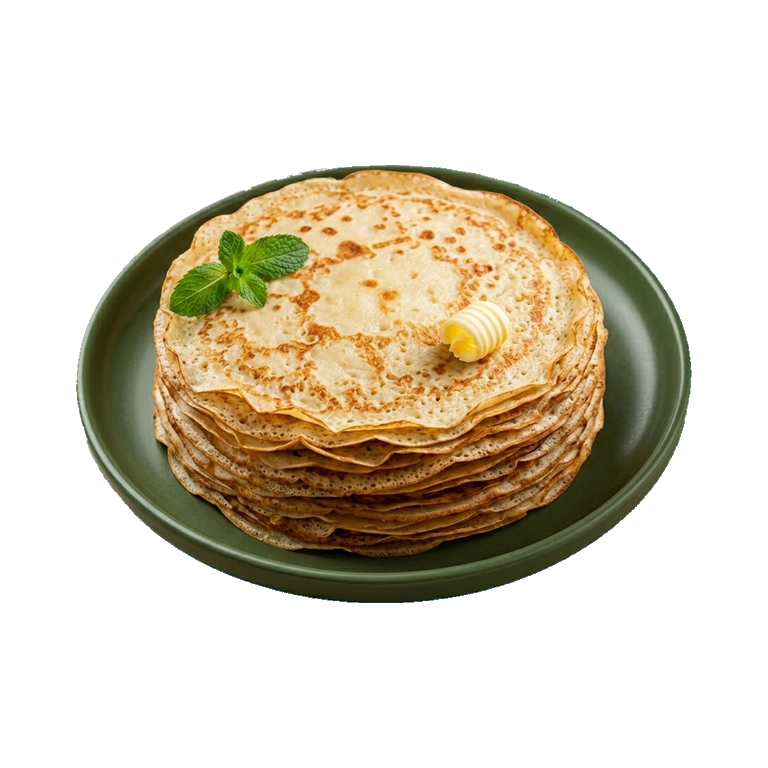
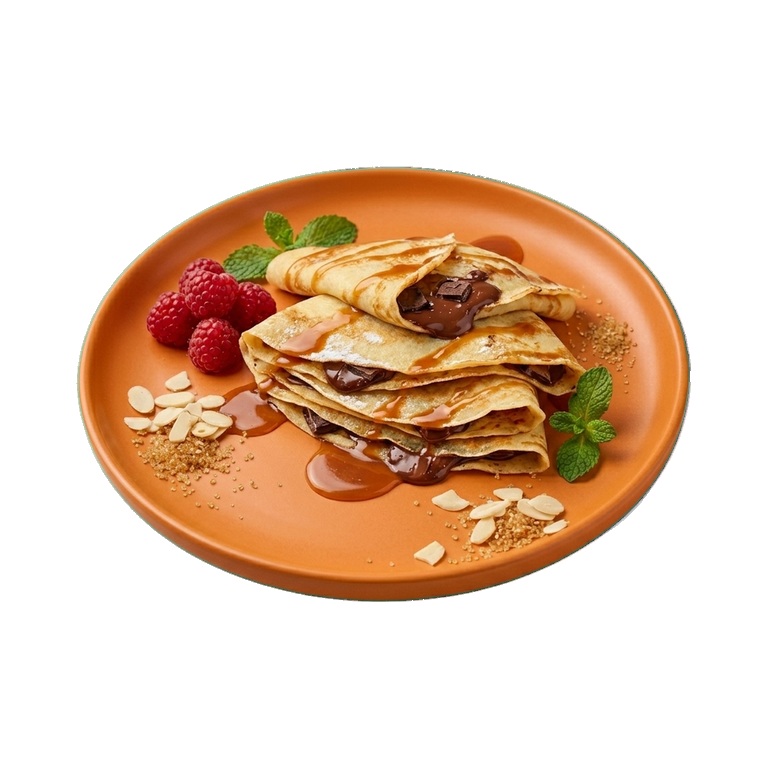
- Pancakes and fritters — all-purpose flour, but sift it before mixing with liquid. This will add air and make the pancakes fluffier.
- Sauces and breading — any flour will do, but it should be room temperature to avoid lumps.
One practical tip: always sift flour before using, especially if it has been stored for a long time. This loosens it, removes lumps, and adds air to the dough. The difference in the result is noticeable even for beginners.
When substitutions are needed
If you only have one type of flour on hand and the recipe calls for another, don't panic. All-purpose flour handles most tasks well. For bread, it will be slightly less elastic, but it will still turn out fine. For cookies — a bit denser than you'd like, but edible. Whole wheat flour can be added to mixtures up to 30% of the total volume — this way you'll add nutrition without compromising the structure.
Nutrition
per 100 g
- Calories
- 364 kcal
- Protein
- 10.3 g
- Fat
- 1 g
- Carbs
- 71 g
Micronutrients
per 100 g
Macronutrients
- Fiber
- 2.7 g
- Sugars
- 0.27 g
- Saturated fat
- 0.155 g
- Monounsaturated fat
- 0.087 g
- Polyunsaturated fat
- 0.413 g
- Omega-3 (EPA + DHA)
- 0 g
- Cholesterol
- 0 mg
- Water
- 11.92 g
Minerals
- Sodium
- 2 mg
- Potassium
- 107 mg
- Calcium
- 15 mg
- Magnesium
- 22 mg
- Phosphorus
- 108 mg
- Iron
- 4.64 mg
- Zinc
- 0.7 mg
- Copper
- 0.14 mg
- Manganese
- 0.68 mg
- Selenium
- 33.9 mcg
Vitamins
- Vitamin A (RAE)
- 0 mcg
- Vitamin D
- 0 mcg
- Vitamin E
- 0.06 mg
- Vitamin K
- 0.3 mcg
- Vitamin C
- 0 mg
- Vitamin B1 (thiamin)
- 0.79 mg
- Vitamin B2 (riboflavin)
- 0.49 mg
- Vitamin B3 (niacin)
- 5.9 mg
- Vitamin B5 (pantothenic acid)
- 0.44 mg
- Vitamin B6
- 0.04 mg
- Vitamin B9 (folate, DFE)
- 291 mcg
- Vitamin B12
- 0 mcg
Measures and weight
- 1 tbsp
- 8.3 g
- 1 tsp
- 2.8 g
- 1 cup
- 137.5 g
Measure calculator
- Weight
- 100 g
- Calories
- 364 kcal