Usuba
Usuba
Water
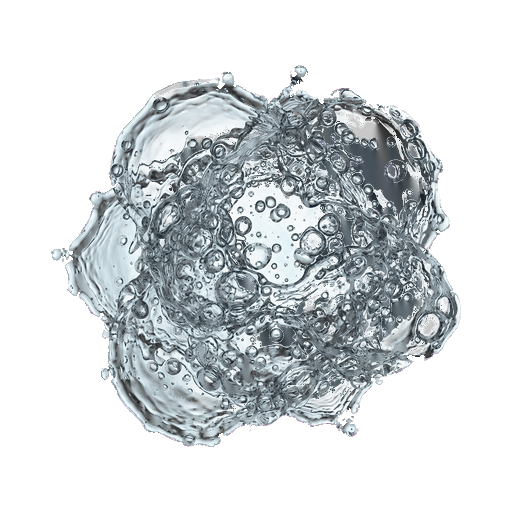
Water is a universal solvent and the foundation of most dishes, essential for boiling, stewing, making sauces, and preparing dough. Its quality affects the taste of the finished dish: hard water with high mineral content can slow down the cooking of pasta and legumes, as well as affect dough consistency. When cooking, it is important to use clean water, and for some delicate dishes, it makes sense to use filtered or distilled water.
About
Water in Cooking: More Than Just an Ingredient
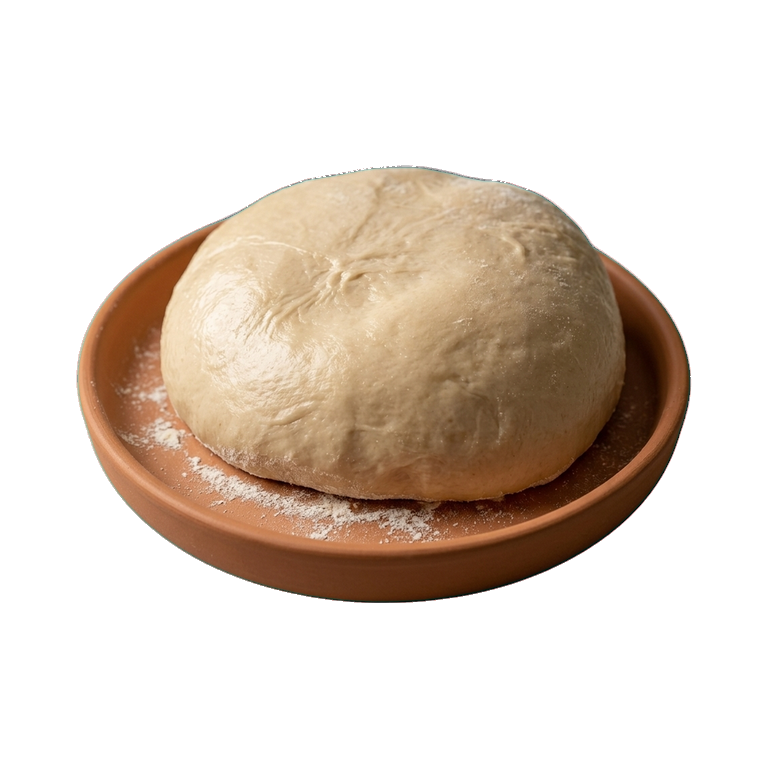
Water is the foundation of any dish, although we often forget about its role. It doesn't just dilute; it transforms: it dissolves salt and spices, activates gluten in dough, creates steam for cooking, helps extract flavors and aromas. The quality of water determines how clean the taste of the soup will be, how fluffy the dough will turn out, how vibrant the broth or stock will be.
Which water to choose for cooking
If tap water is heavily chlorinated or contains noticeable sediment, it's worth letting it settle for a couple of hours or using filtered water. For delicate dishes — light soups, tender sauces, rice or pasta preparation — it makes sense to choose softer water. Hard water will slow down the cooking of legumes and can cloud a clear broth.
Water temperature matters
Cold water is needed to start the cooking process for vegetables and meat — they heat evenly and remain juicy. Boiling water is critical for pasta so it doesn't stick together, and for blanching vegetables to preserve their color and texture. Hot (but not boiling) water is good for brewing tea and spices, for dissolving gelatin, or for preparing pancake batter.
How to calculate the right amount
- For soup: usually take water in a 3:1 ratio to the main ingredient (meat, vegetables) or even more if you need a light, clear broth
- For porridges and rice: the ratio depends on the grain, but on average 2:1 — two parts water to one part grain
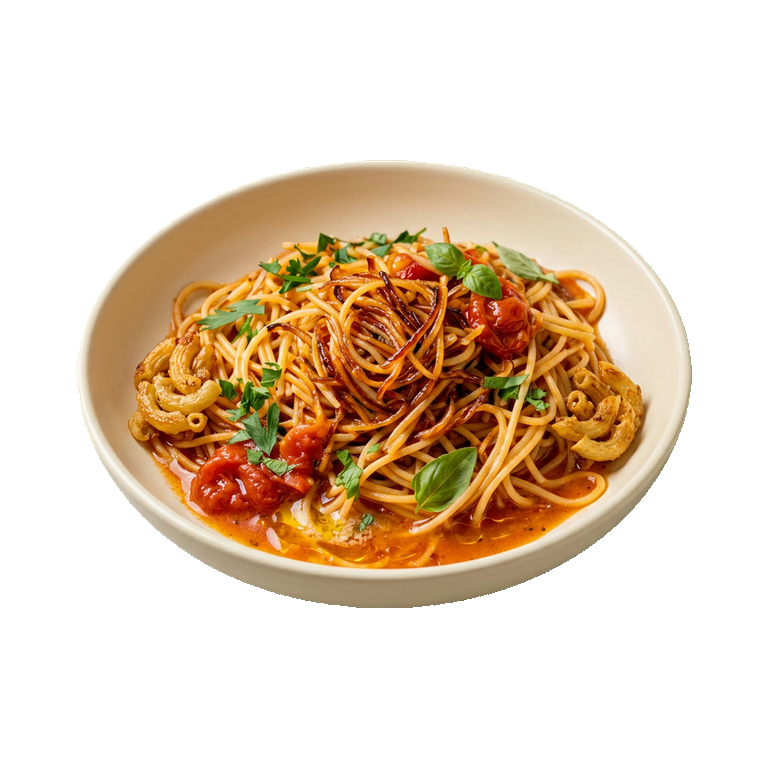
- For pasta: one liter of water per every 100 grams of pasta — a generous amount helps prevent sticking
- For dough: start with a smaller amount and add gradually — different flours absorb water differently
Practical Tips
Always boil water for pasta and vegetables — this prevents germs from getting into them and promotes quick cooking. When boiling meat or fish for broth, start with cold water to ensure a more complete extraction. If water evaporates too quickly, add hot water rather than cold — this will maintain the temperature and cooking time. Remember that salt in water raises its boiling point, so salted water can be brought to a boil faster.
Water is not just a background for cooking a dish. It is an active participant in the process, and its quality, temperature, and quantity directly affect the result.
Nutrition
per 100 ml
- Calories
- 0 kcal
- Protein
- 0 g
- Fat
- 0 g
- Carbs
- 0 g
Measures and weight
- 1 tbsp
- 15 g
- 1 tsp
- 5 g
- 1 cup
- 250 g
Measure calculator
- Weight
- 100 g
- Calories
- 0 kcal