Usuba
Usuba

Milk
Milk — a primary dairy product with a delicate, slightly sweet taste and creamy texture, used in baking, sauces, porridges, and beverages. When choosing milk, it's important to pay attention to fat content: whole milk provides a richer flavor and is better suited for desserts, while low-fat milk works well for diet-conscious dishes and sauces. When substituting milk in recipes, keep in mind that plant-based alternatives may alter the consistency and taste of the finished dish.
Micronutrients
per 100 ml
Minerals
Vitamins
- AVitamin A (RAE)27.8mcg3% DV
- DVitamin D1.3mcg9% DV
- EVitamin E0.07mg0% DV
- KVitamin K0.3mcg0% DV
- CVitamin C0.93mg1% DV
- B1Vitamin B1 (thiamin)0.04mg3% DV
- B2Vitamin B2 (riboflavin)0.17mg9% DV
- B3Vitamin B3 (niacin)0.13mg1% DV
- B5Vitamin B5 (pantothenic acid)0.3mg6% DV
- B6Vitamin B60.04mg2% DV
- B9Vitamin B9 (folate, DFE)5.2mcg1% DV
- B12Vitamin B120.3mcg10% DV
About
Milk is one of the most versatile ingredients in the kitchen. It works everywhere: in sweet desserts, in creamy sauces, in bread and even in soups. Its role is often unnoticed, but without milk, half of the familiar dishes simply won't turn out the way we know them.
Taste and Texture
The taste of milk depends on its fat content. Whole milk (3.2–3.6% fat) is soft and creamy — ideal for porridges, milk soups, and beverages. Low-fat milk (1.5%) is lighter and suits those watching their calorie intake, but in baking it can produce a drier result. Skim milk is a choice for diet dishes, but it's better not to use it in creams and sauces where density is needed.
When heated, milk changes: a film forms on the surface, it becomes thicker and acquires a slight caramel flavor. This is normal and often desirable — for example, in milk porridges or when making condensed milk.
Role in dishes
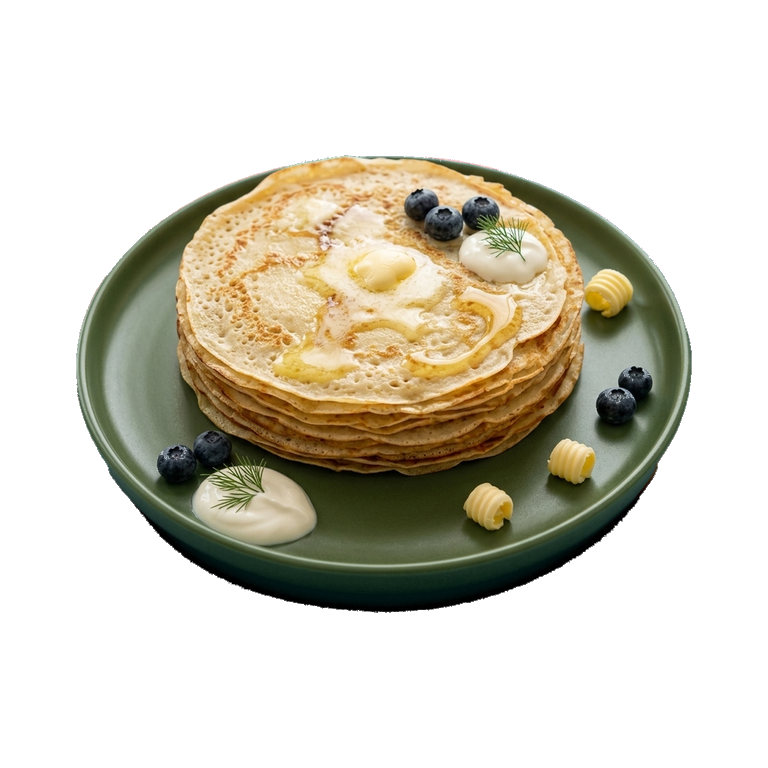
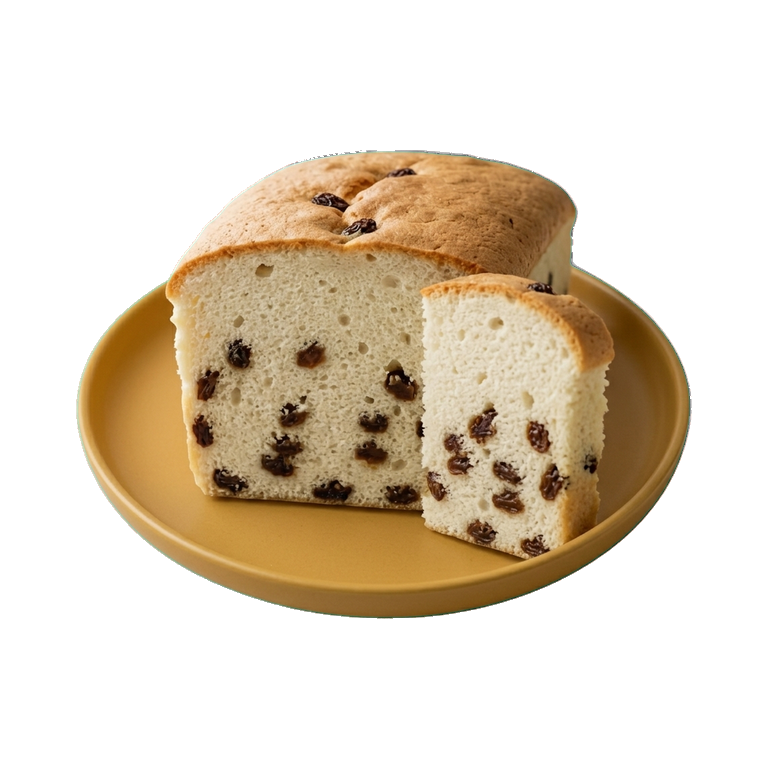
- Baking and dough — milk makes buns softer, helps dough rise, creates tender crumb
- Sauces and gravies — base for béchamel, cream and mushroom sauces
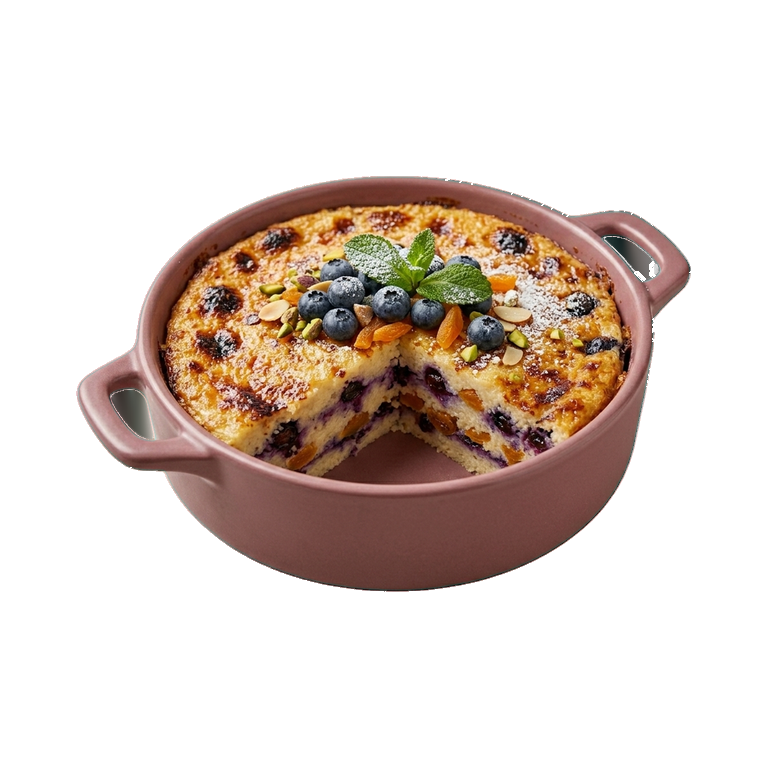
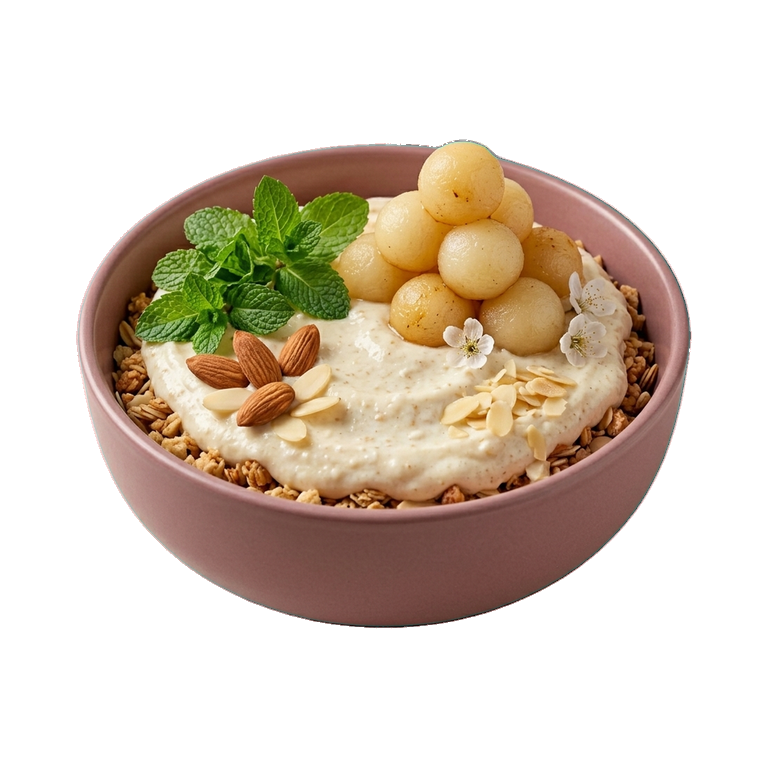
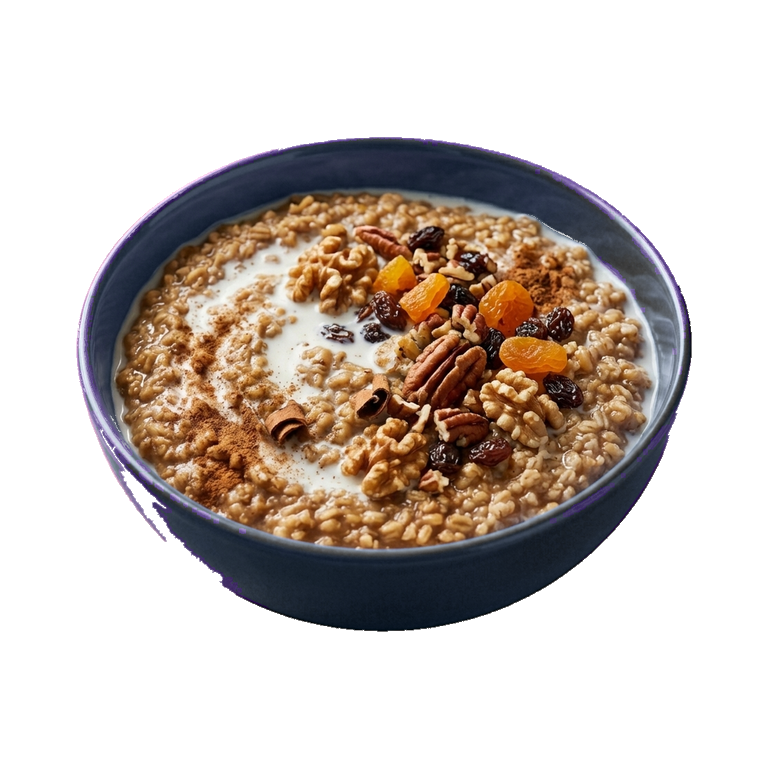
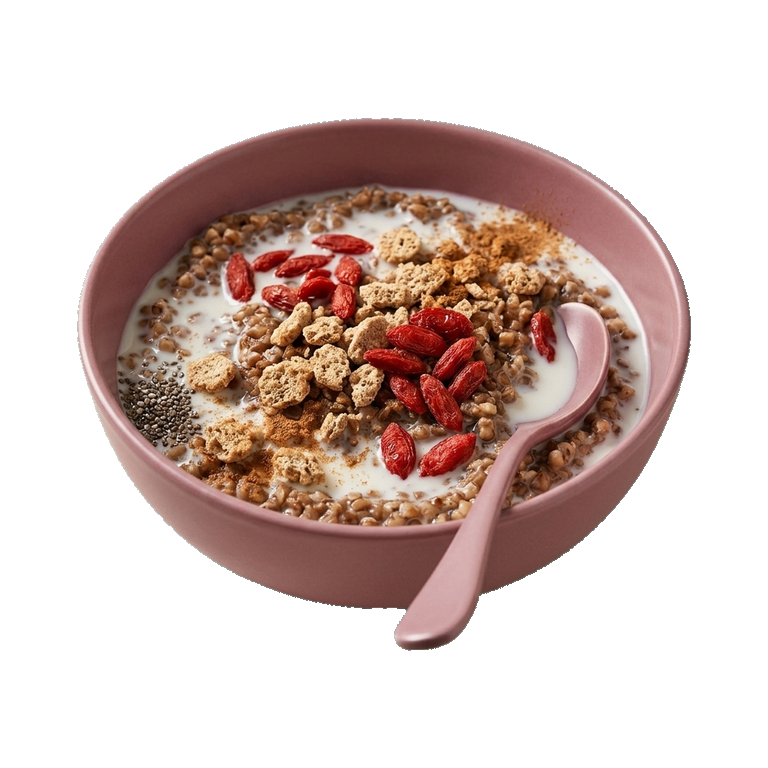
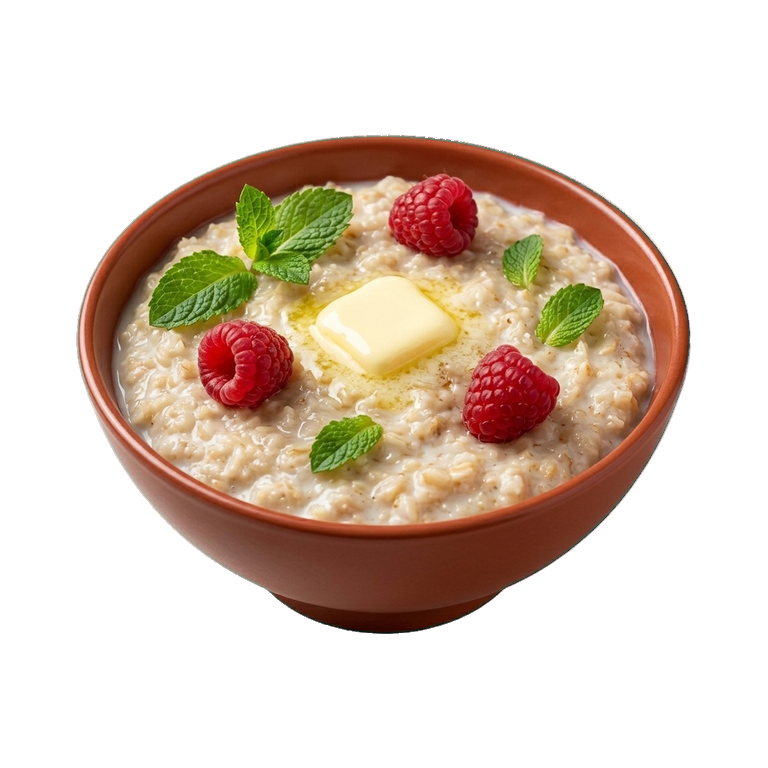
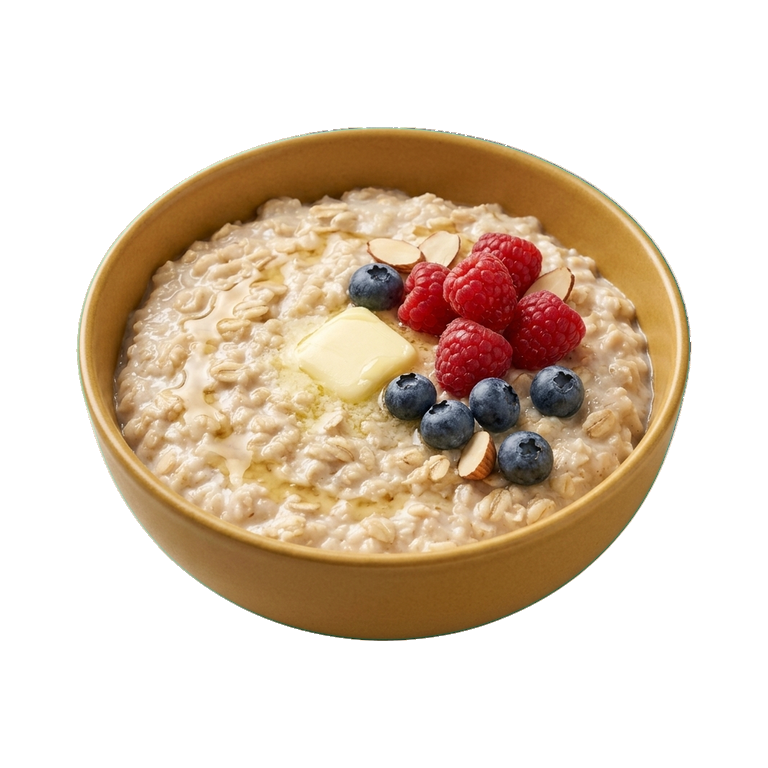
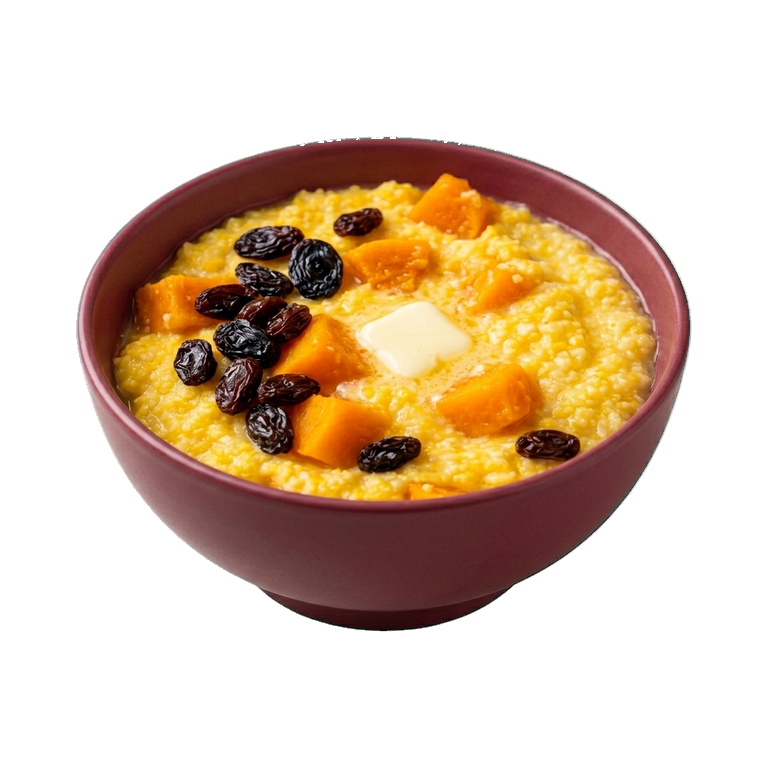
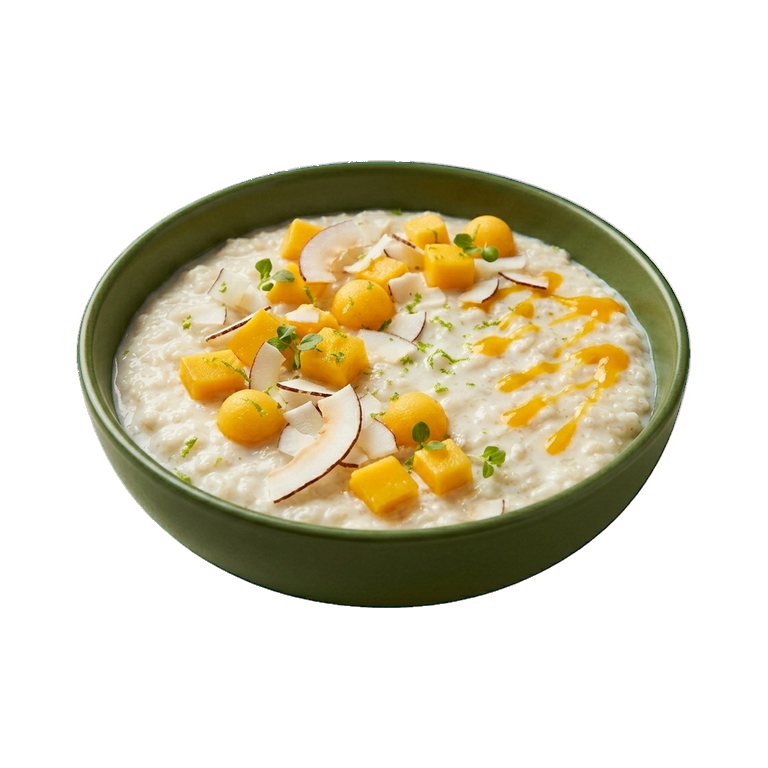
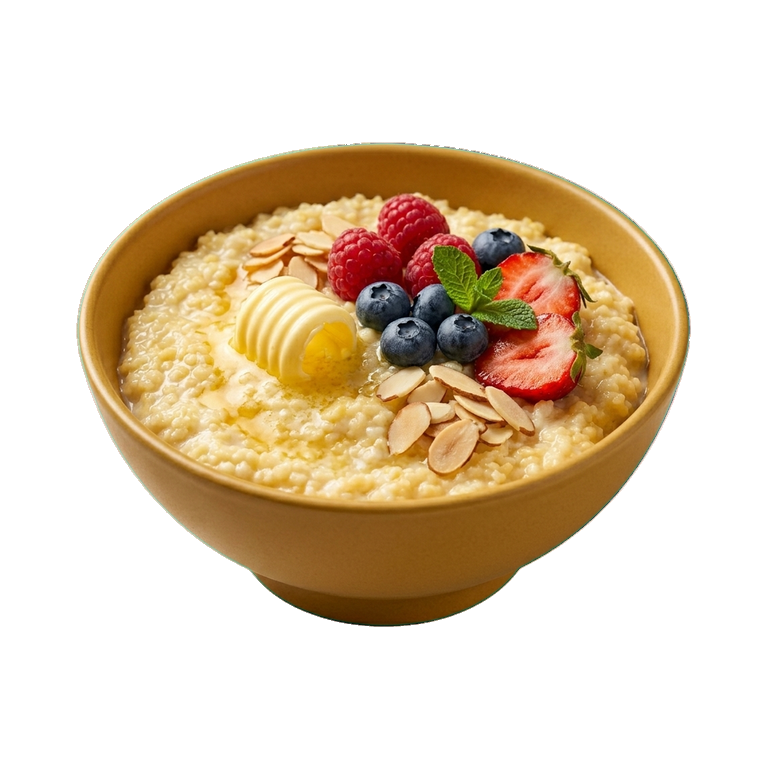
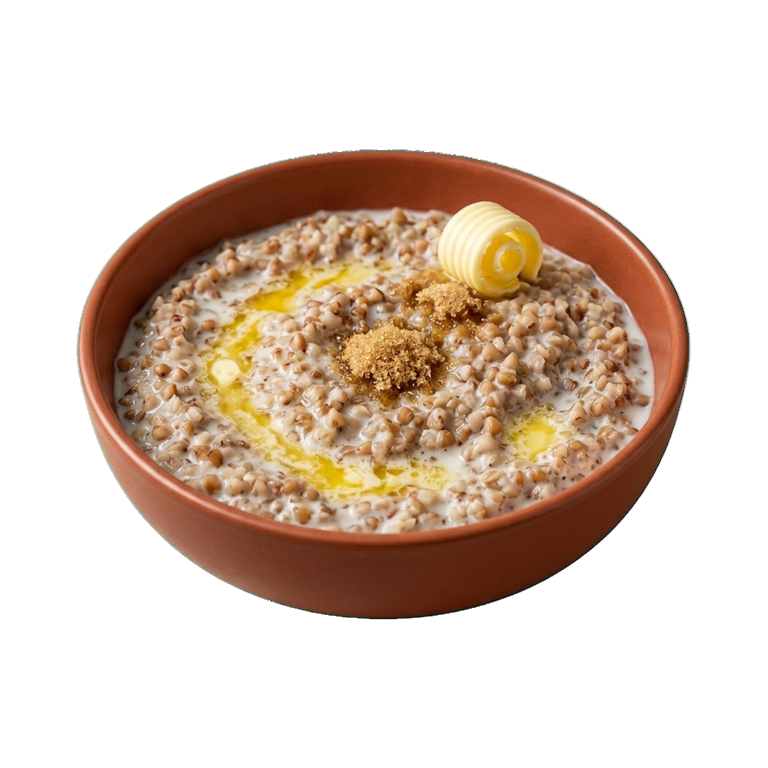
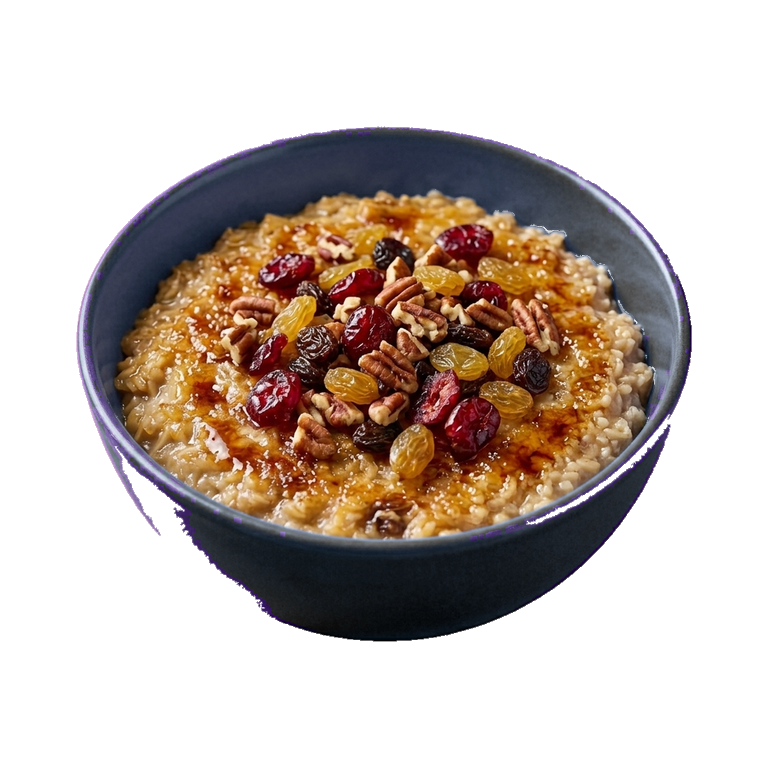
- Porridges and side dishes — porridges cooked in milk become creamy and delicious
- Soups — milk base for cream soups, borscht with sour cream
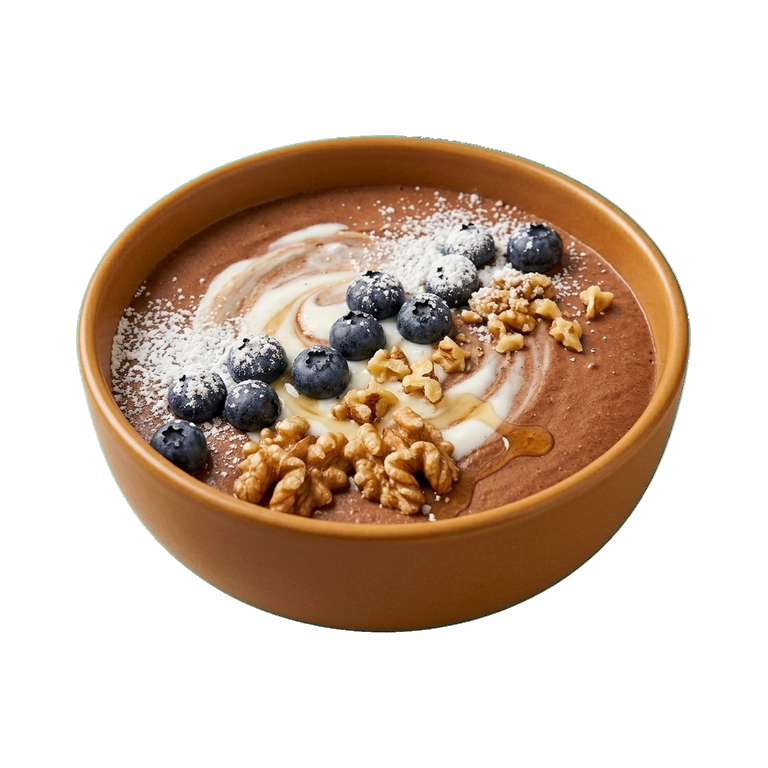
- Beverages — milk with cocoa, coffee, tea, smoothies
- Desserts — milk in creams, puddings, ice cream, milk puddings
Selection and Storage
When purchasing, pay attention to the packaging date — fresh milk always tastes better. Ultra-pasteurized milk lasts longer but has a more neutral flavor. Pasteurized milk with a short shelf life is usually more aromatic and suitable for beverages and cereals.
Milk quickly absorbs odors, so keep it at the back of the refrigerator away from pungent products. Once opened, it's best to use the package within 3–4 days. If the milk starts to smell sour — that's a signal that it's no longer fresh.
Practical Tips
- For milk porridges, it's best to mix milk with water in equal parts — this way the porridge cooks faster and doesn't burn
- If you need to heat milk for a sauce, do it over medium heat and stir — this will prevent a film from forming and burning
- For baking, milk can be replaced with kefir, yogurt, or cream depending on the desired consistency
- If the milk is fresh and cold, it froths better into foam for cappuccino or milk cocktails
Nutrition
per 100 ml
- Calories
- 61 kcal
- Protein
- 3.2 g
- Fat
- 3.3 g
- Carbs
- 4.8 g
Micronutrients
per 100 ml
Macronutrients
- Fiber
- 0.824 g
- Sugars
- 9.826 g
- Saturated fat
- 2.167 g
- Monounsaturated fat
- 1.02 g
- Polyunsaturated fat
- 0.128 g
- Omega-3 (EPA + DHA)
- 0 g
- Cholesterol
- 12.36 mg
- Water
- 84.769 g
Minerals
- Sodium
- 61.8 mg
- Potassium
- 172.01 mg
- Calcium
- 115.36 mg
- Magnesium
- 13.39 mg
- Phosphorus
- 104.03 mg
- Iron
- 0.25 mg
- Zinc
- 0.42 mg
- Copper
- 0.07 mg
- Manganese
- 0.08 mg
- Selenium
- 2 mcg
Vitamins
- Vitamin A (RAE)
- 27.8 mcg
- Vitamin D
- 1.3 mcg
- Vitamin E
- 0.07 mg
- Vitamin K
- 0.3 mcg
- Vitamin C
- 0.93 mg
- Vitamin B1 (thiamin)
- 0.04 mg
- Vitamin B2 (riboflavin)
- 0.17 mg
- Vitamin B3 (niacin)
- 0.13 mg
- Vitamin B5 (pantothenic acid)
- 0.3 mg
- Vitamin B6
- 0.04 mg
- Vitamin B9 (folate, DFE)
- 5.2 mcg
- Vitamin B12
- 0.3 mcg
Measures and weight
- 1 tbsp
- 15.5 g
- 1 tsp
- 5.2 g
- 1 cup
- 257.5 g
Measure calculator
- Weight
- 100 g
- Calories
- 59 kcal