Usuba
Usuba
Bread for toast
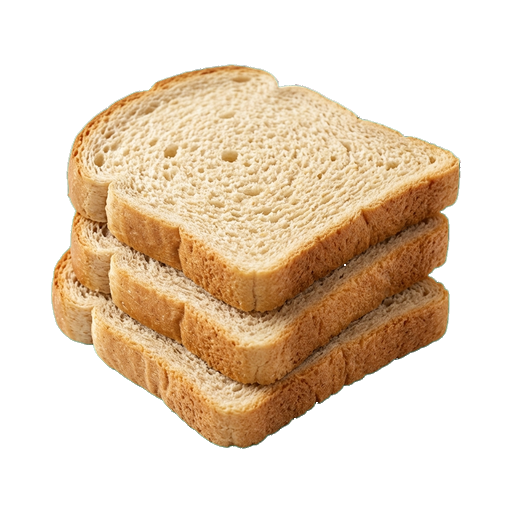
A special bread with a dense crumb and thin crust, sliced into pieces of uniform thickness for even toasting. It absorbs oil and toppings well due to its porous structure while remaining intact and holding its shape. When selecting, pay attention to freshness — stale bread will become brittle and crumbly, while overly soft bread may brown on the edges without cooking through inside.
About
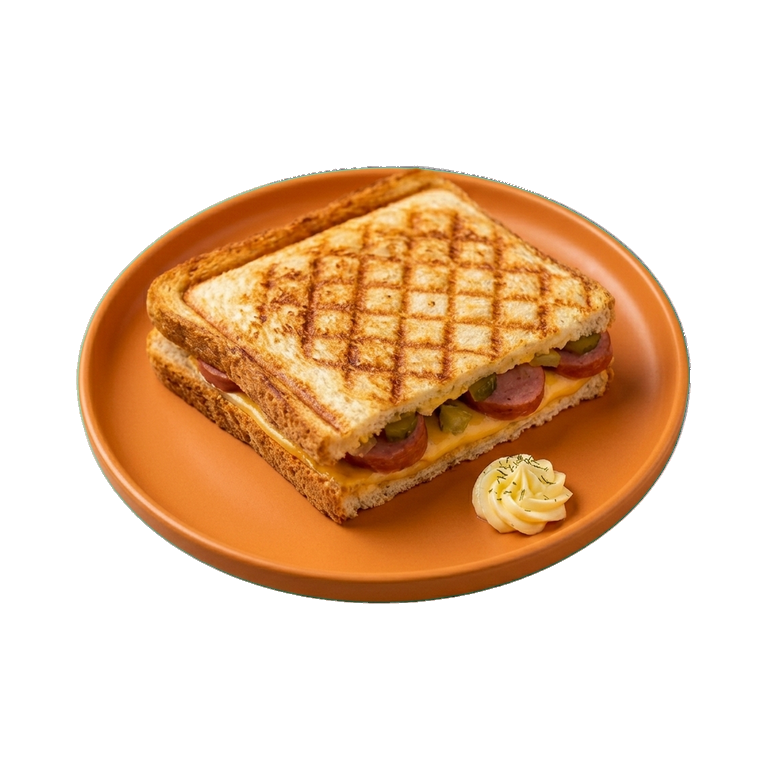
Toast bread is not just a sliced loaf, but a specially developed product that behaves predictably in a toaster. Such bread is denser than regular bread, with a finer crumb structure, so when heated it browns evenly rather than drying out or burning in patches. This quality is especially important when you're in a hurry in the morning or preparing breakfast for several people.
Structure and Behavior When Heated
The main difference of toast bread is its uniform, dense crumb with thin pore walls. Thanks to this, a slice heats evenly: the crust becomes crispy, while the inside retains slight softness. Regular bread with large pores can burn in some places and remain soft in others. Additionally, toast bread contains slightly more sugar and fat, which contributes to better browning.
Where and how to use
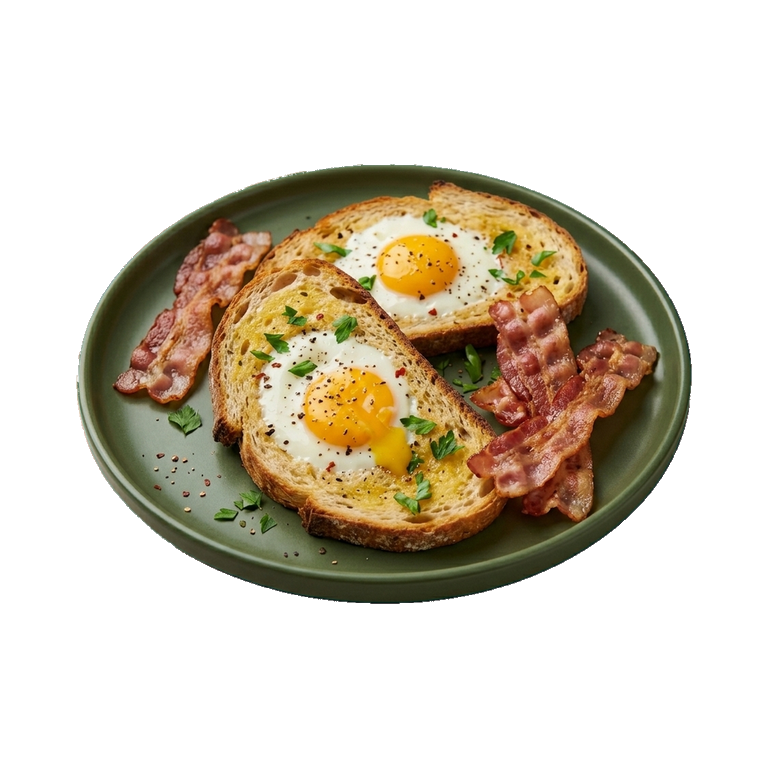
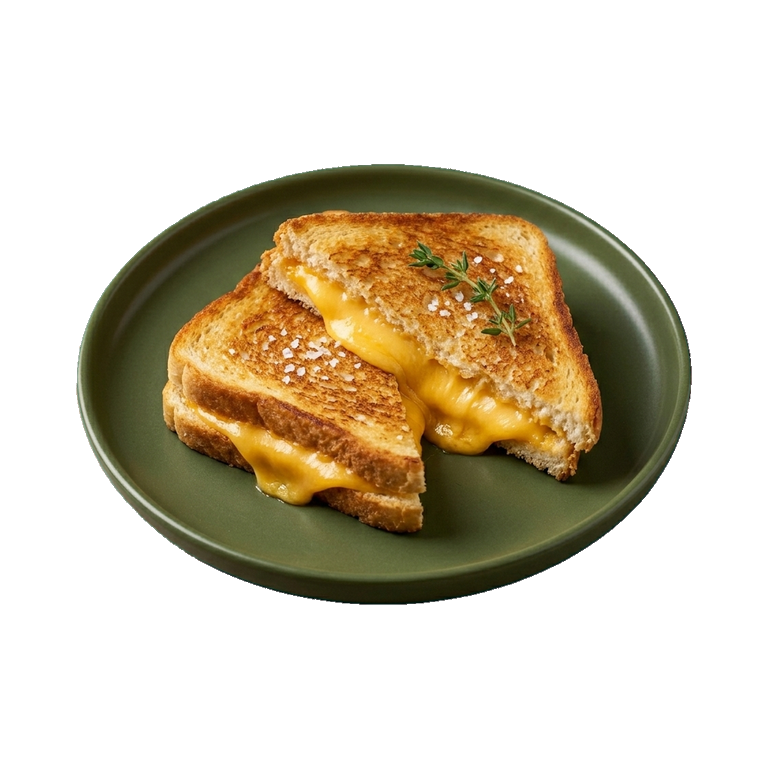
- Classic breakfast with butter, jam or nut butter — bread won't get soggy or fall apart
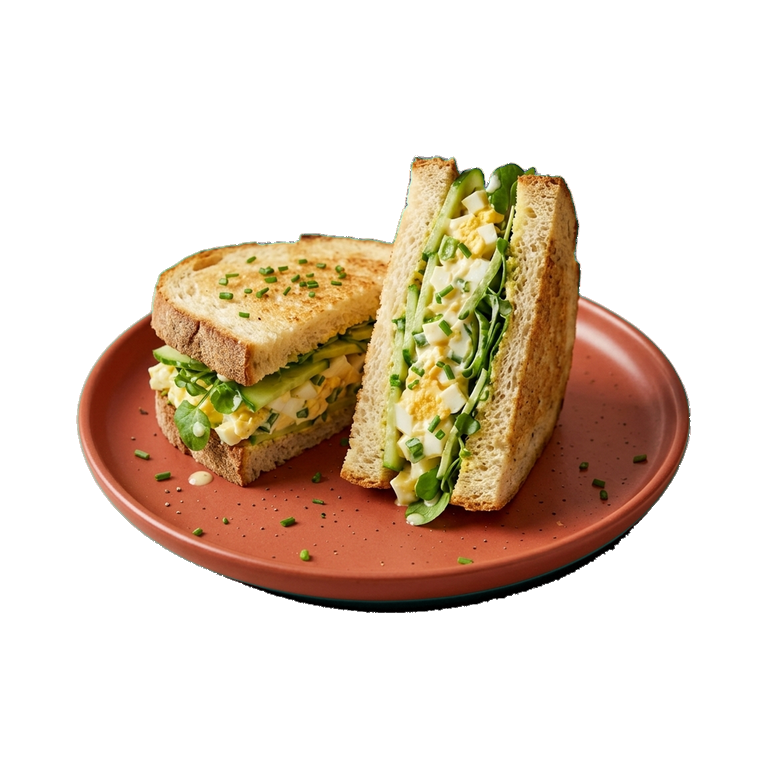
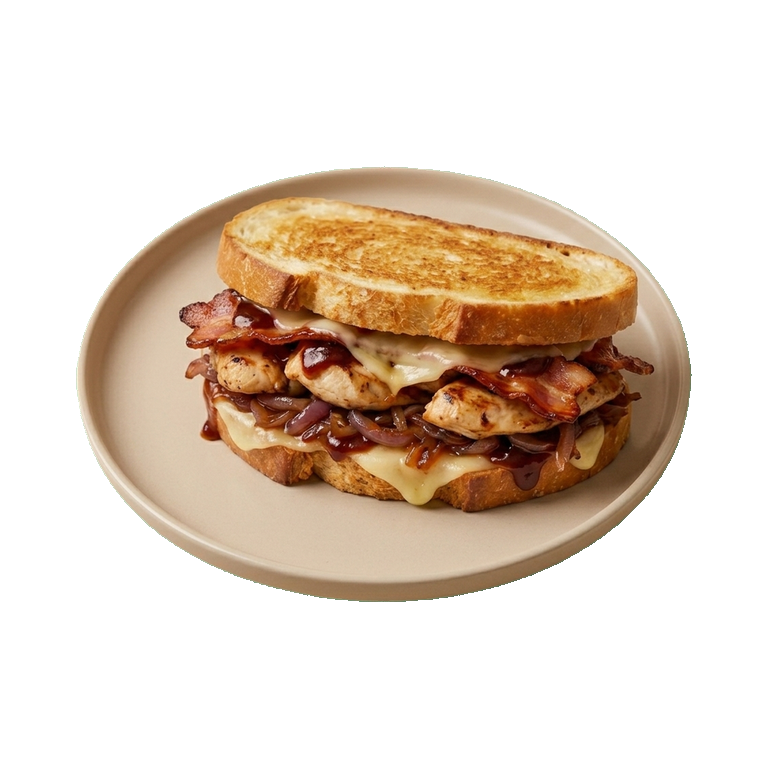
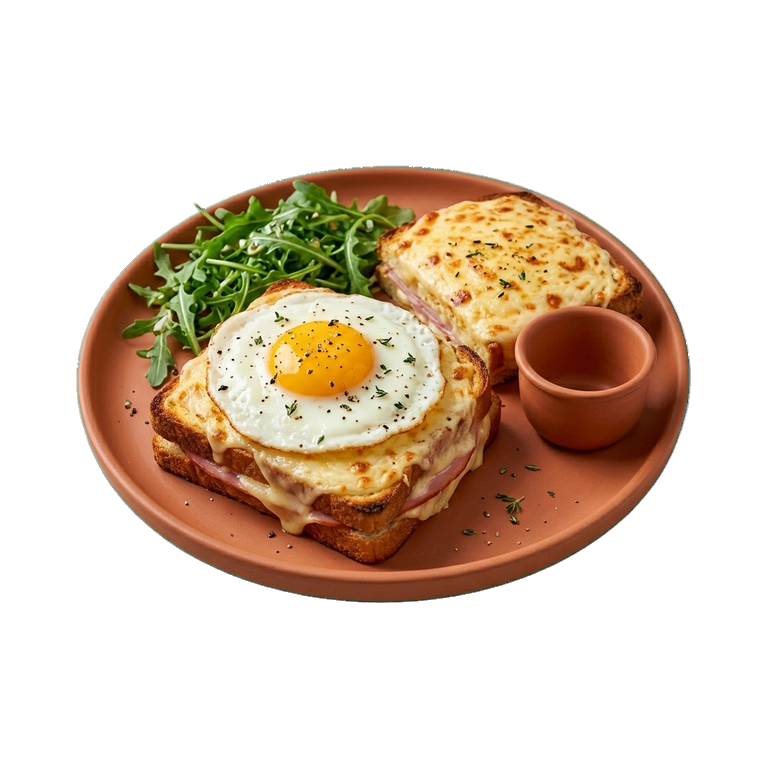
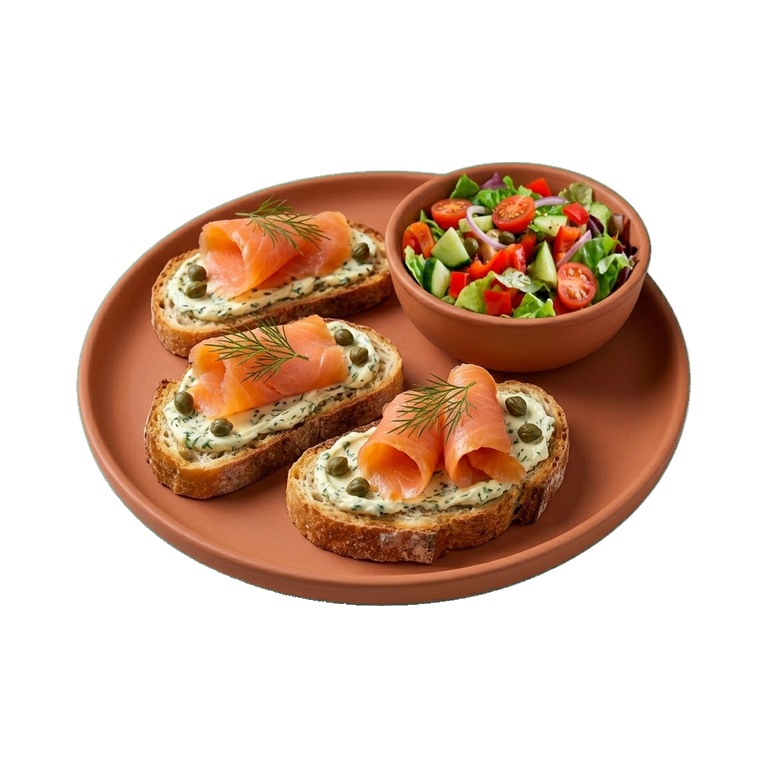
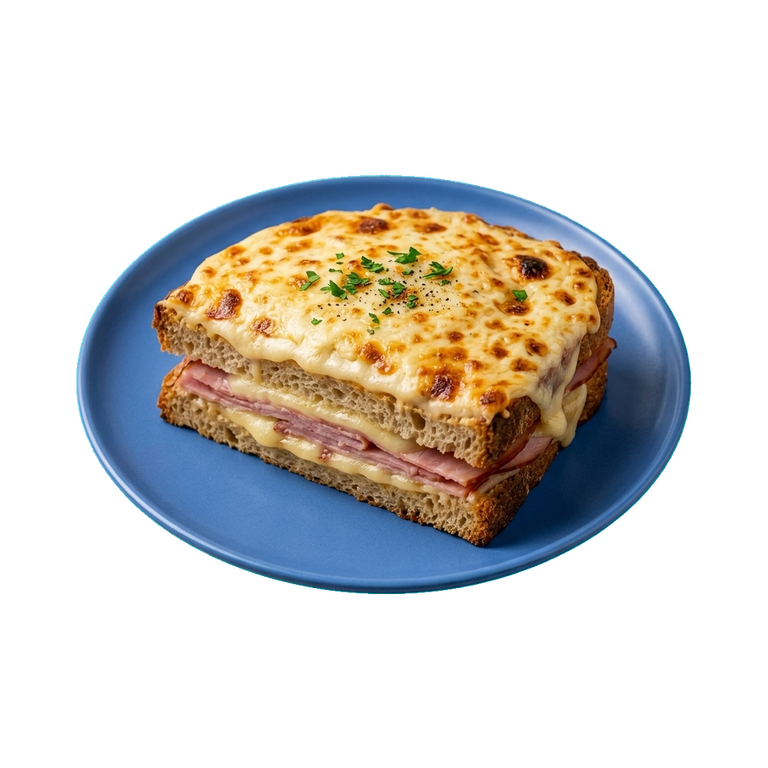
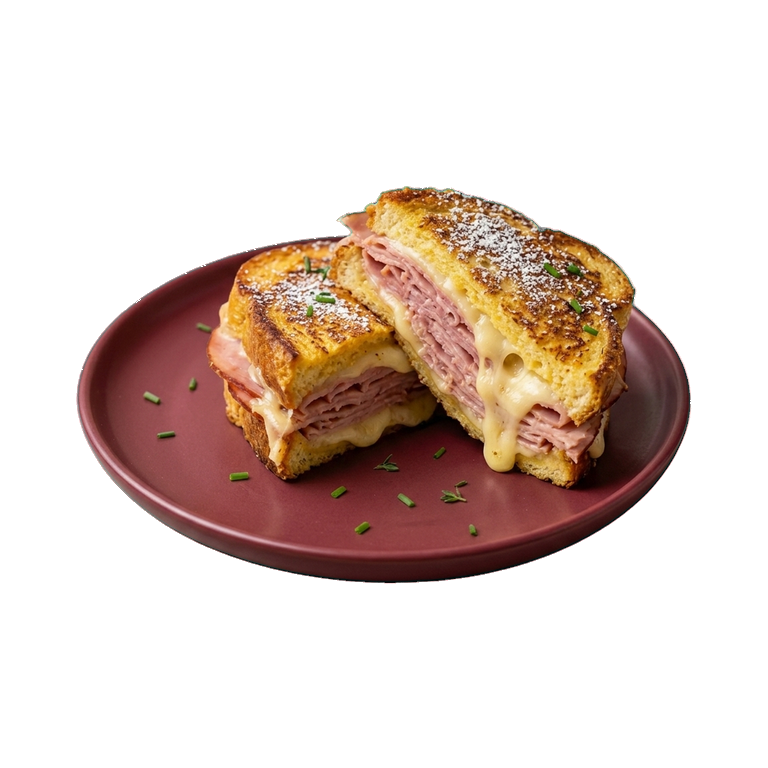
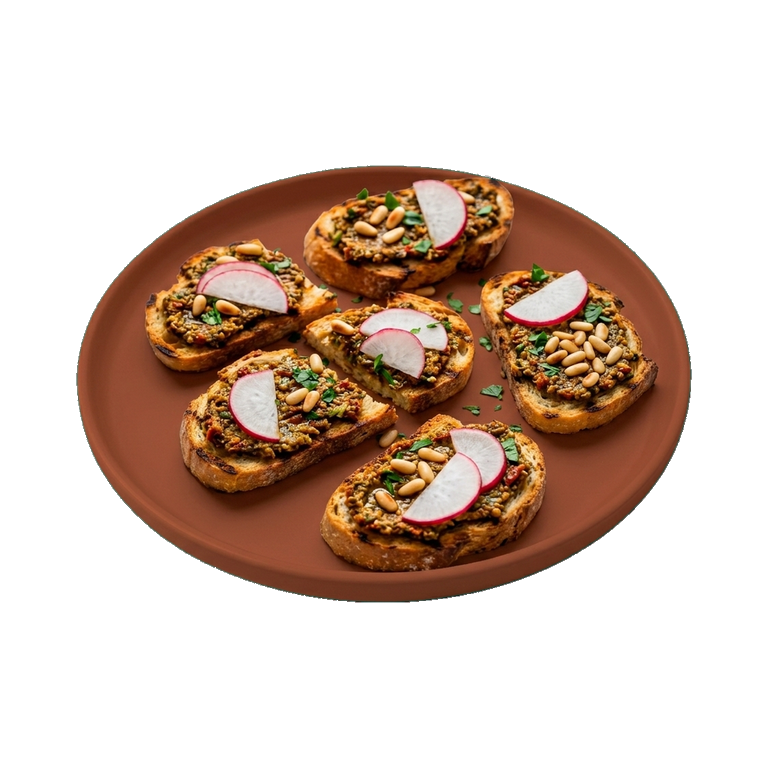
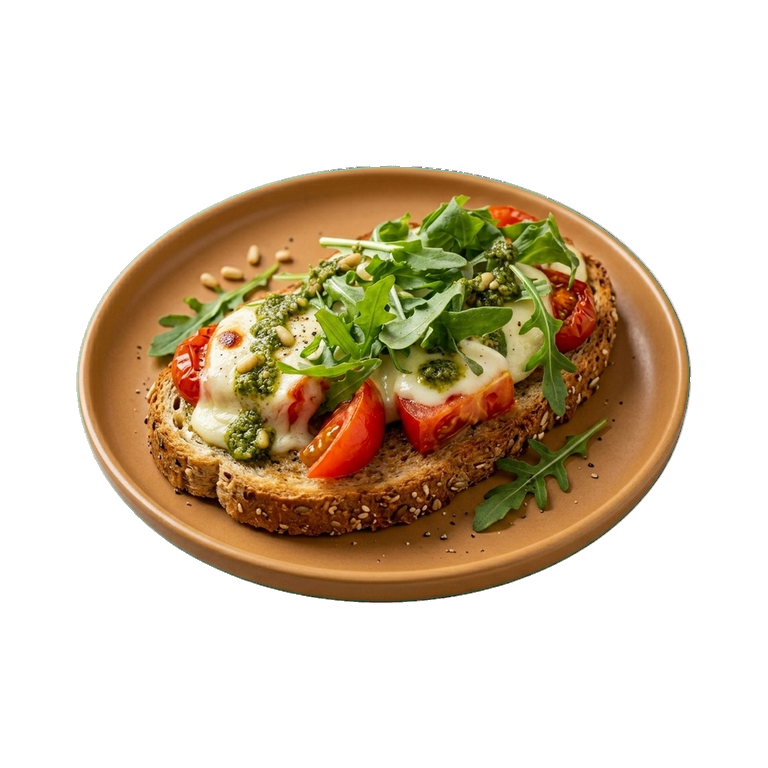
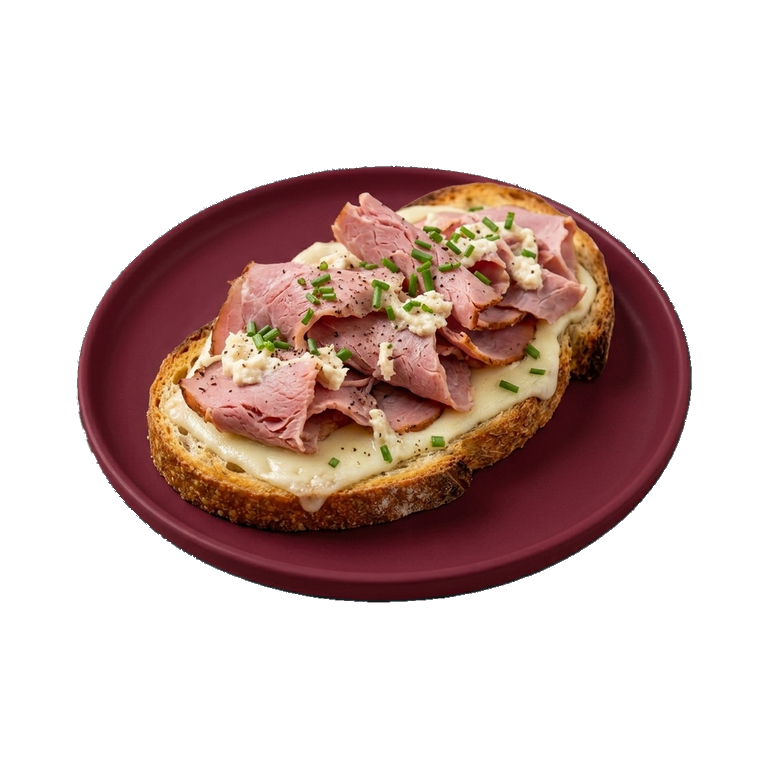
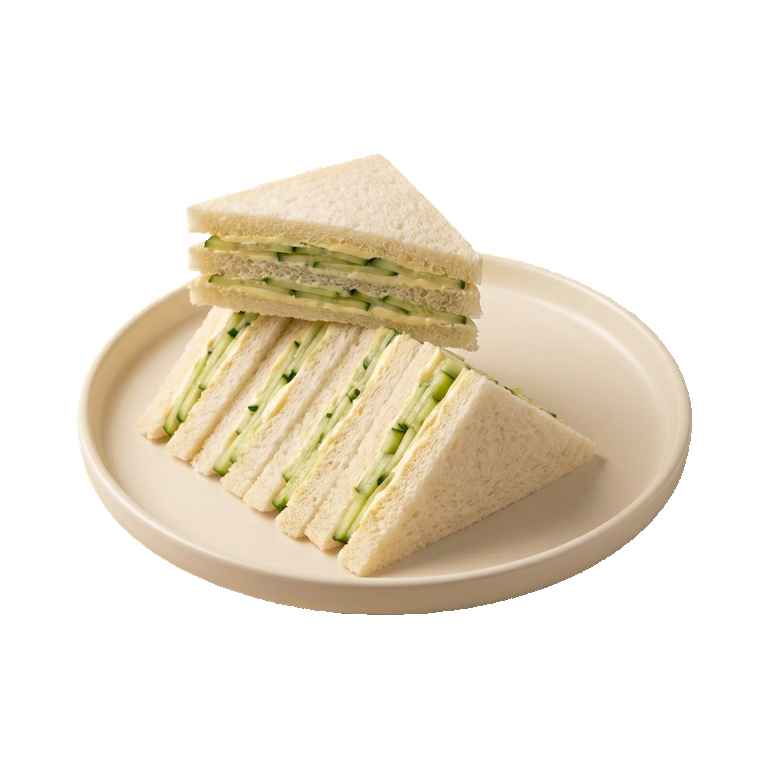
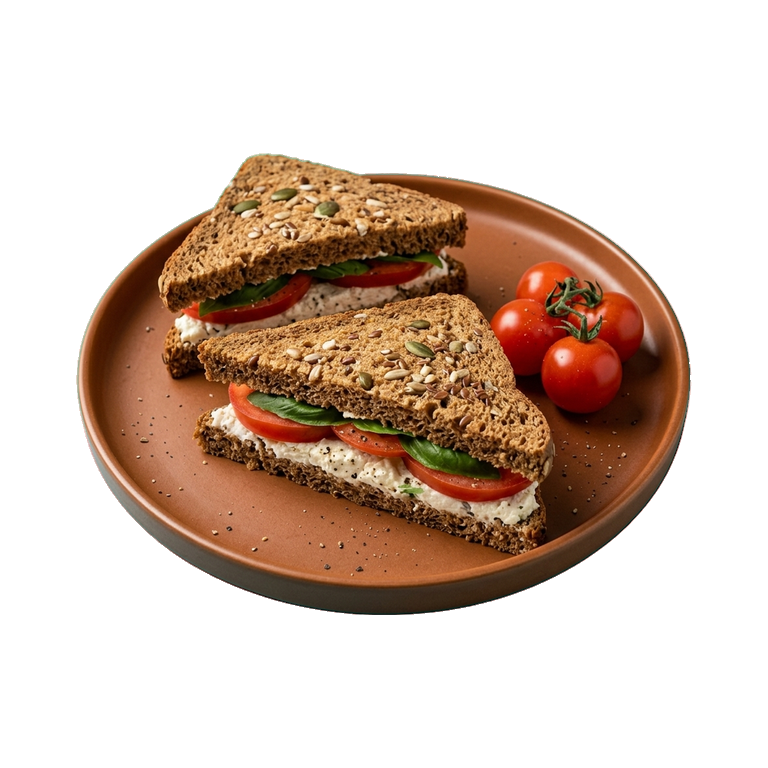
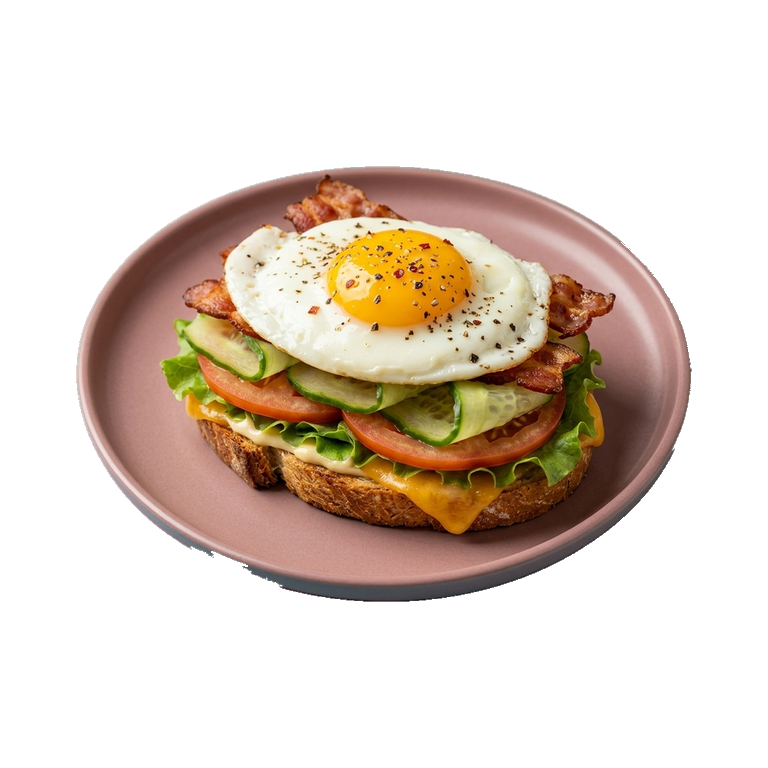
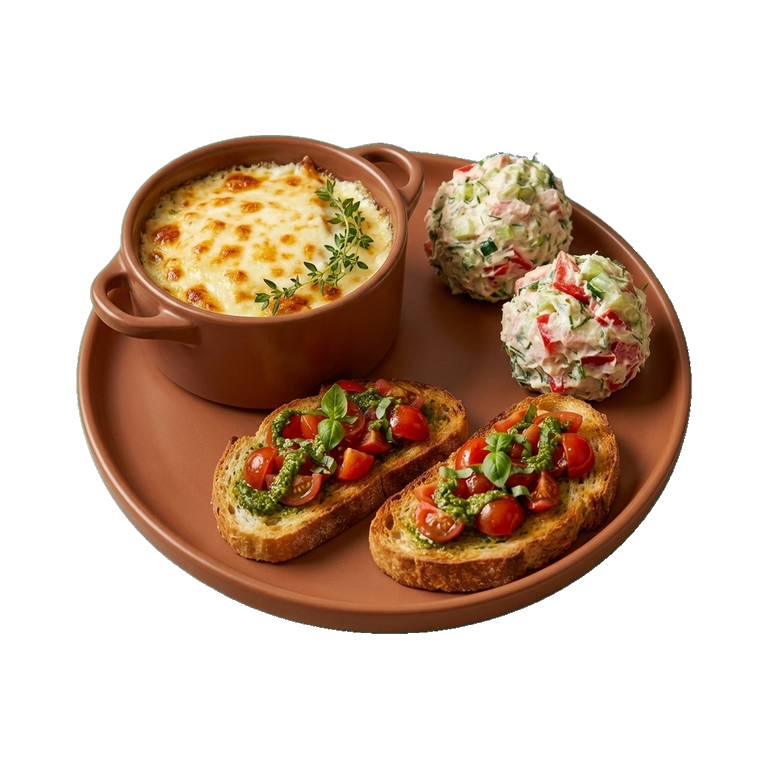
- Base for open sandwiches with avocado, tomatoes or cream cheese
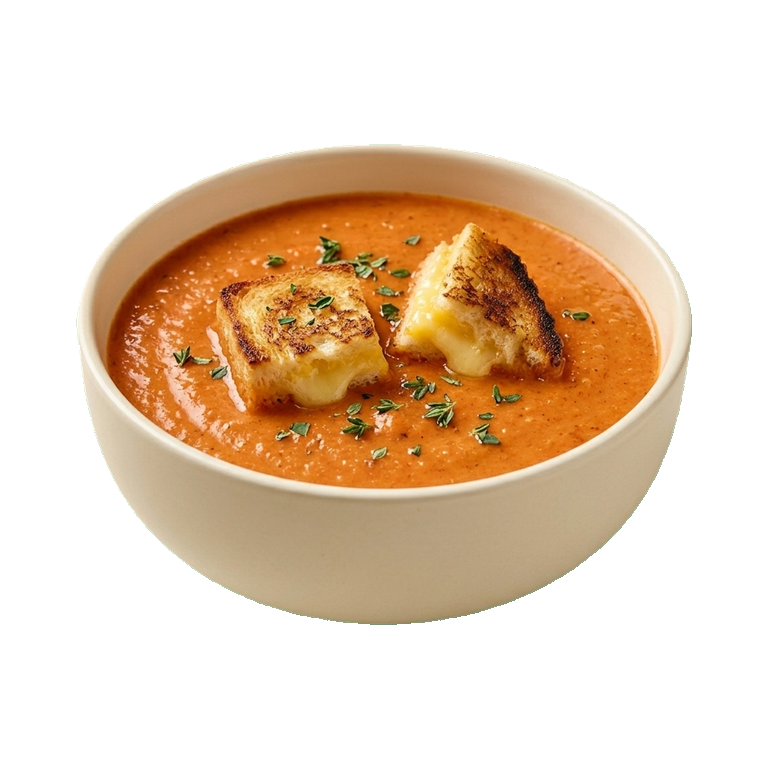
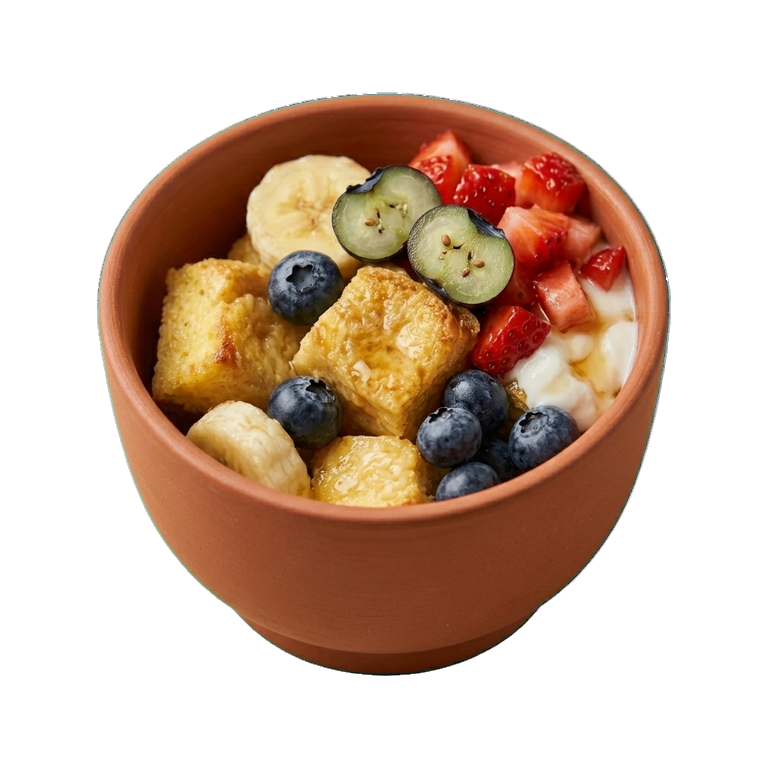
- Crispy croutons for soups and salads — cut into cubes and fry in oil
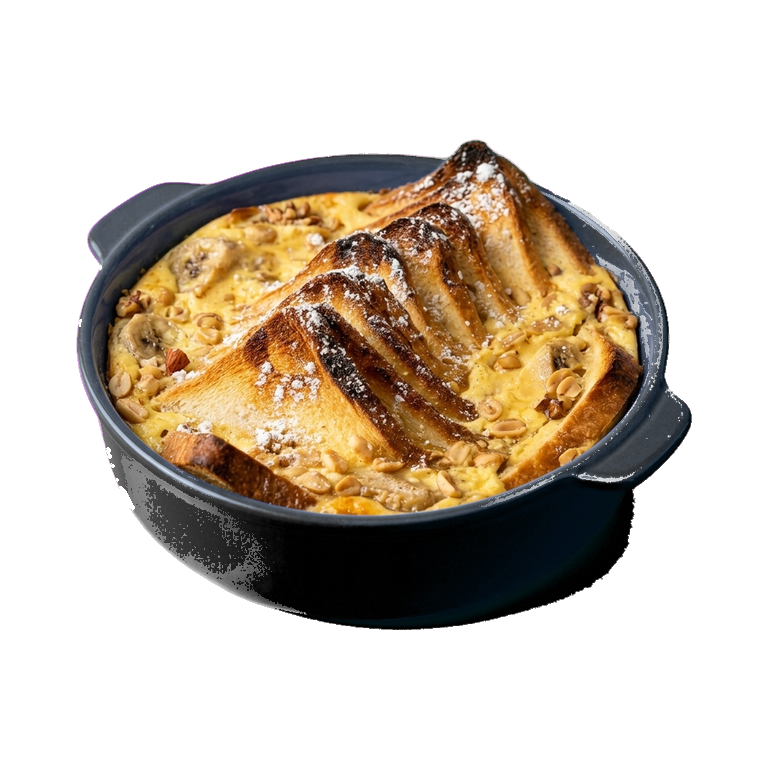
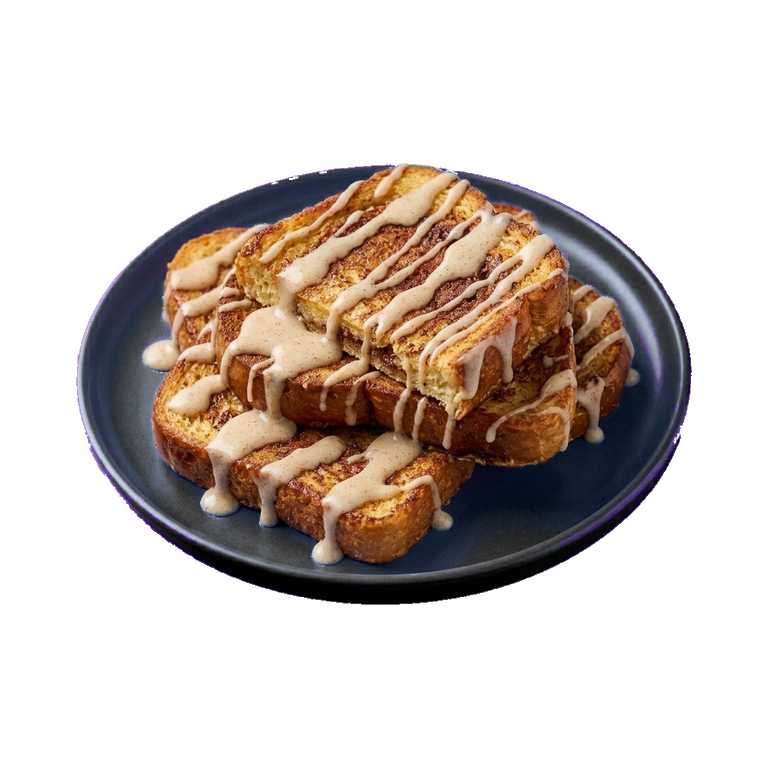
- Layer in sweet desserts like tiramisu or panettone, if regular bread seems too crumbly
- Breading for cutlets and fish — dry in a toaster, grind in a blender
How to Choose and Store
When purchasing, pay attention to the density of the bread — it should be heavier than a regular baguette of the same size. The slices should be even and of uniform thickness so that the toaster processes them simultaneously. Check the expiration date: bread for toasts often contains preservatives, so it lasts longer, but freshness is still important for taste.
- Store in a bread box at room temperature — this way the bread won't dry out too quickly
- In the refrigerator, bread goes stale faster than at room temperature
- If you want to keep it for a month, freeze it in a bag — take out slices as needed and put them directly in the toaster
- Use an open package within a week to avoid mold
Pairings and Tips
Toast bread works well with contrasting flavors: spicy butter, sour yogurt, sweet honey, salted caviar. If you're preparing a sweet breakfast, choose bread without a pronounced aroma — it shouldn't compete with the filling. For open sandwiches with salty ingredients, bread with a light nutty or wheat flavor would be suitable.
- If your toaster has settings, start with a medium level — you can always add a few more seconds
- Slightly damp hands will help you spread oil or pâté evenly before toasting
- For double crispiness, put a slice in the toaster twice with a short interval
Bread for toast is an investment in convenience and consistent results. Once you try the right toasting bread, you'll understand the difference: breakfast is prepared faster, and the taste turns out more even and pleasant.
Nutrition
per 100 g
- Calories
- 265 kcal
- Protein
- 9 g
- Fat
- 3.5 g
- Carbs
- 49 g
Measures and weight
- 1 pcs
- 28 g
- 1 slice
- 28 g
Measure calculator
- Weight
- 100 g
- Calories
- 265 kcal