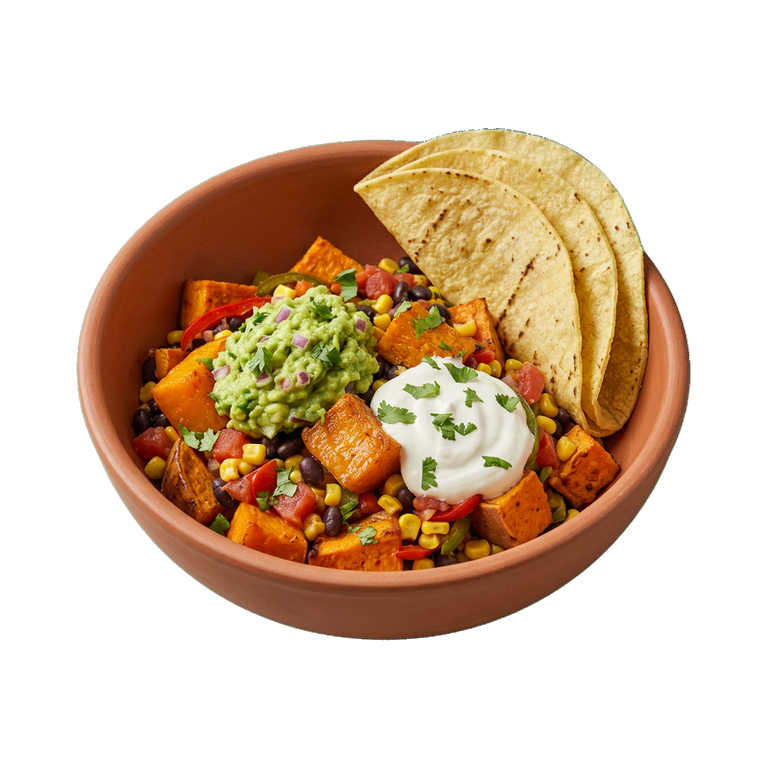
Usuba
Usuba
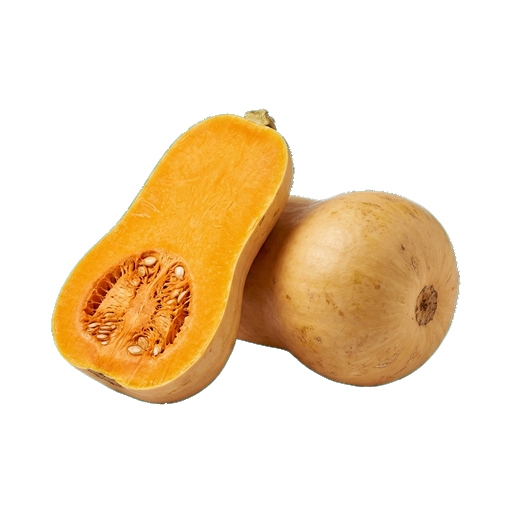
Butternut squash
Butternut squash is a sweet variety with dense orange flesh that has a delicate nutty aroma and creamy flavor. Thanks to its low moisture content, it holds its shape well when roasted, stewed, or made into puree. When selecting, look for firm fruits without damage, and when storing, keep in a cool dark place — this squash can last several months.
Micronutrients
per 100 g
About
Butternut squash is not just a vegetable, but a treasure for those who appreciate sweetness and a dense, creamy texture. Its orange flesh has a subtle nutty aroma and natural sweetness that unfolds during cooking. Thanks to this, it easily becomes a star in both sweet and savory dishes.
Aroma and taste
The main highlight of butternut squash is its soft, slightly honeyed taste with a subtle nutty undertone. When baked or boiled, the sweetness becomes even more pronounced, and the flesh texture becomes tender and almost buttery. This makes it ideal for purees, soups, and side dishes, where it doesn't require added sugar.
Role in dishes
- Cream soup with the addition of cream or coconut milk — a classic application
- Baked slices with herbs, oil and spices as a side dish for meat or fish
- Puree as a side dish instead of potatoes or carrots
- Filling for pies and pastries, especially with cinnamon and nutmeg
- Base for risotto or pilaf with the addition of herbs and parmesan
- Component in porridges and casseroles for a sweet breakfast
Successful Pairings
- Spices: cinnamon, nutmeg, ginger, cardamom, black pepper
- Herbs: thyme, sage, rosemary, parsley
- Dairy products: cream, butter, parmesan, gorgonzola
- Other vegetables: onion, garlic, carrot, celery, tomatoes
- Proteins: chicken, turkey, beef, seafood
- Grains: rice, quinoa, polenta, barley
Selection and Storage
When selecting, look for pumpkins without damage and soft spots. A good butternut squash should be heavy for its size — this is a sign of dense, sweet flesh. The skin is usually beige or orange-brown in color with a characteristic bumpy texture.
A whole pumpkin can be stored in a cool, dark place (cellar, pantry) for months — it's one of the most shelf-stable vegetables. If already cut, wrap the cut surface with plastic wrap and keep it in the refrigerator for one to two weeks. Peeled and chopped flesh can be conveniently frozen in portions — it maintains its texture and flavor perfectly.
Tip: before cooking, peel off the skin with a sharp knife or vegetable peeler. The flesh cuts easily and cooks quickly — on average 20–30 minutes steamed or in the oven at 200 degrees. Do not overcook, otherwise it will fall apart into mush.
Nutrition
per 100 g
- Calories
- 26 kcal
- Protein
- 1 g
- Fat
- 0.1 g
- Carbs
- 6.5 g
Micronutrients
per 100 g
Macronutrients
- Fiber
- 1.959 g
- Water
- 87.32 g
Minerals
- Sodium
- 0 mg
- Potassium
- 329.1 mg
- Calcium
- 21.74 mg
- Magnesium
- 14.95 mg
- Phosphorus
- 26.53 mg
- Iron
- 0.21 mg
- Zinc
- 0.19 mg
- Copper
- 0.07 mg
- Manganese
- 0.08 mg
Vitamins
- Vitamin C
- 7.6 mg
Measures and weight
- 1 pcs
- 1500 g
Measure calculator
- Weight
- 100 g
- Calories
- 26 kcal