Usuba
Usuba
Mint
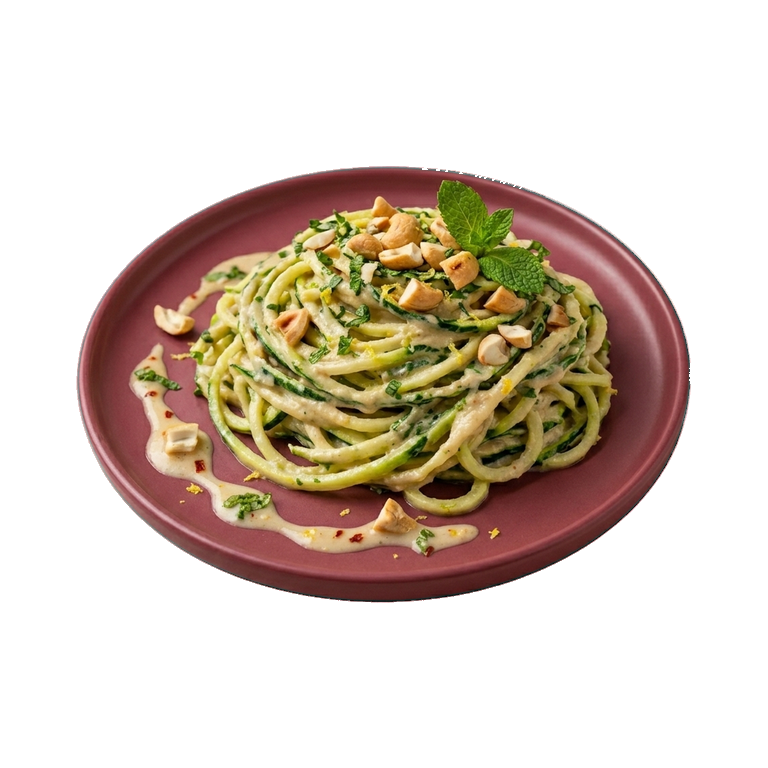
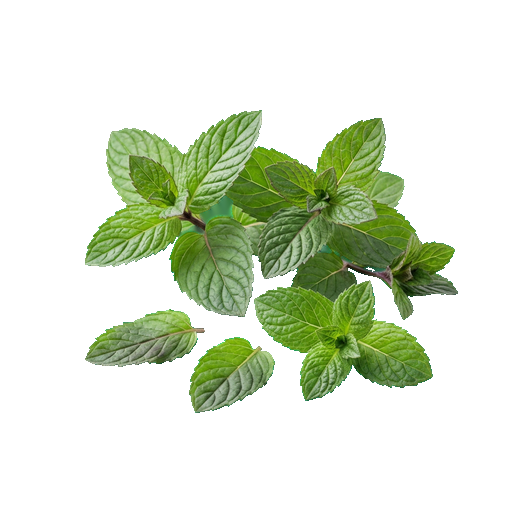
Fresh mint is an aromatic herb with a cooling, slightly sweet taste and an intense menthol aroma. It's added to beverages, desserts, salads, and meat dishes, pairing well with lemon, chocolate, and fruits. When selecting, look for firm leaves of bright green color without darkening, and before use, gently crush them in your hands to release the aroma.
About
Aroma and Taste
Mint is all about freshness that literally hits your nasal passages. Its aroma is cooling, invigorating, and makes you take a deeper breath. The taste is slightly sweet with a distinct coolness that you can feel even on your tongue thanks to menthol. Fresh leaves give a clean, almost herbal flavor, while dried mint becomes more concentrated and slightly bitter.
The intensity of mint aroma depends on when you picked or bought it. Young leaves are more delicate, older ones are more powerful. If you rub a leaf between your fingers, the smell will become much stronger and reveal itself more fully.
Where and how to use
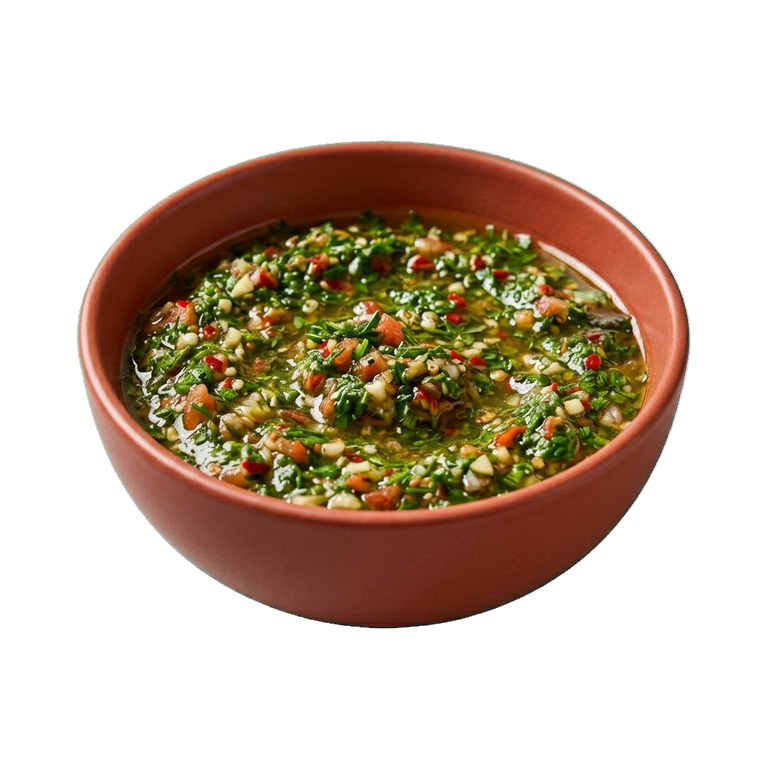
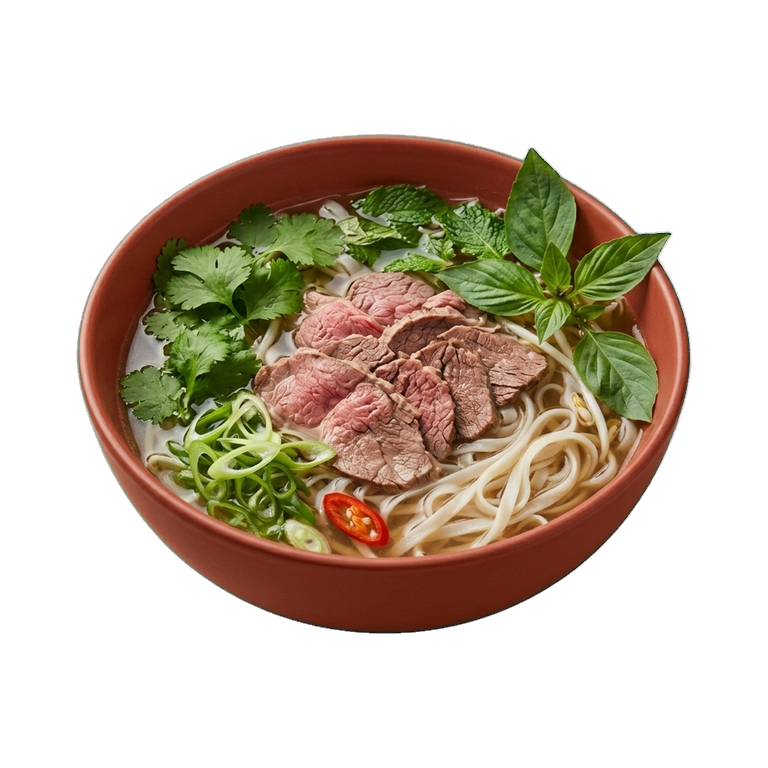
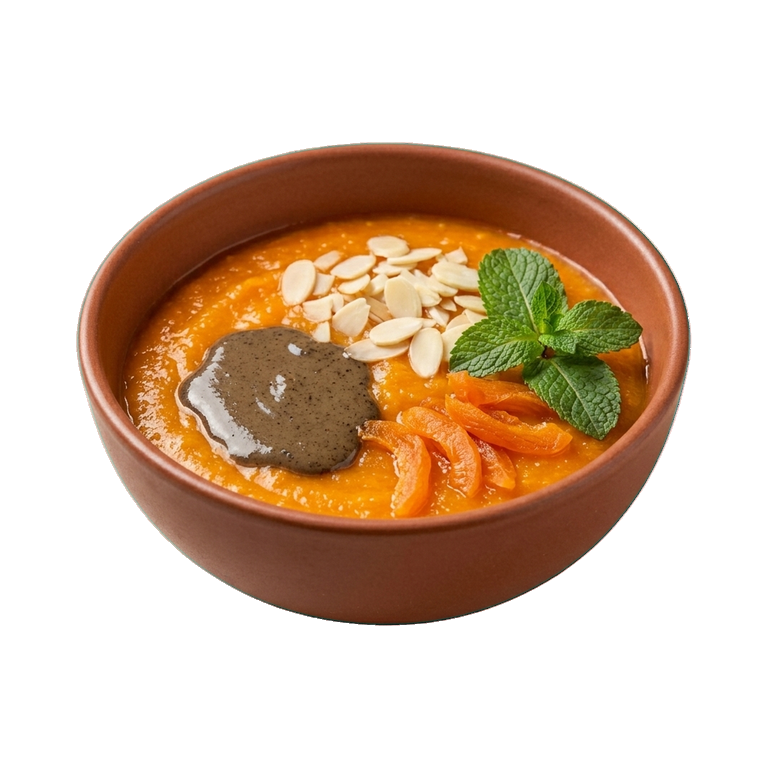
Mint is versatile: it works equally well in cold and hot dishes. In beverages — from tea and cocktails to lemonades and compotes — it reveals its full potential. In desserts, it adds freshness and lightness. In hot dishes, it works as an accent: sprinkle mint over finished soup, meat dishes, or fish at the last moment.
- Beverages: tea, mojito, lemonade, smoothie, hot chocolate
- Desserts: ice cream, sorbet, cookies, chocolate candies
- First courses: soup, borscht, okroshka — add at the end of cooking
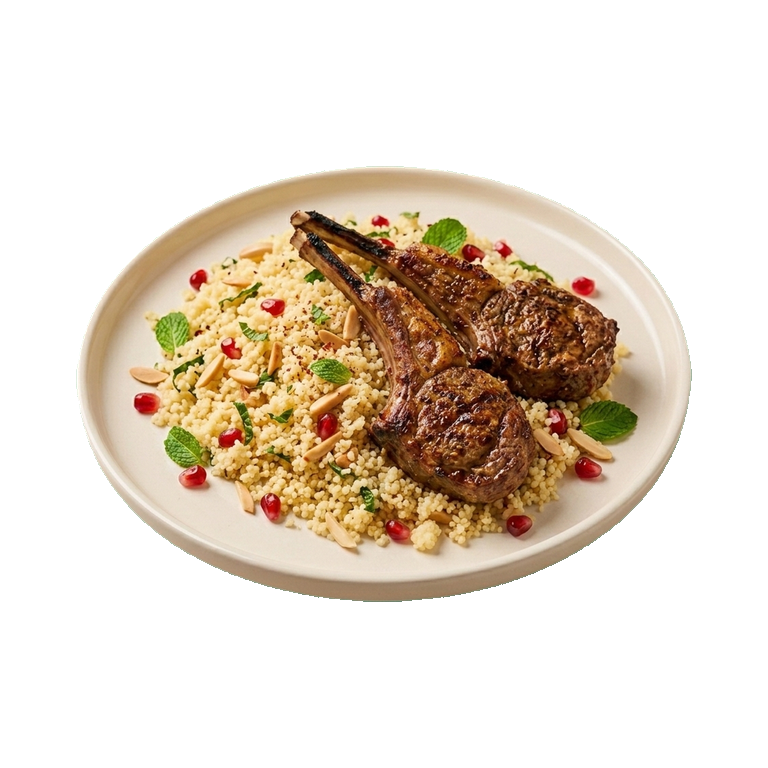
- Second courses: lamb, poultry, fish, vegetable side dishes
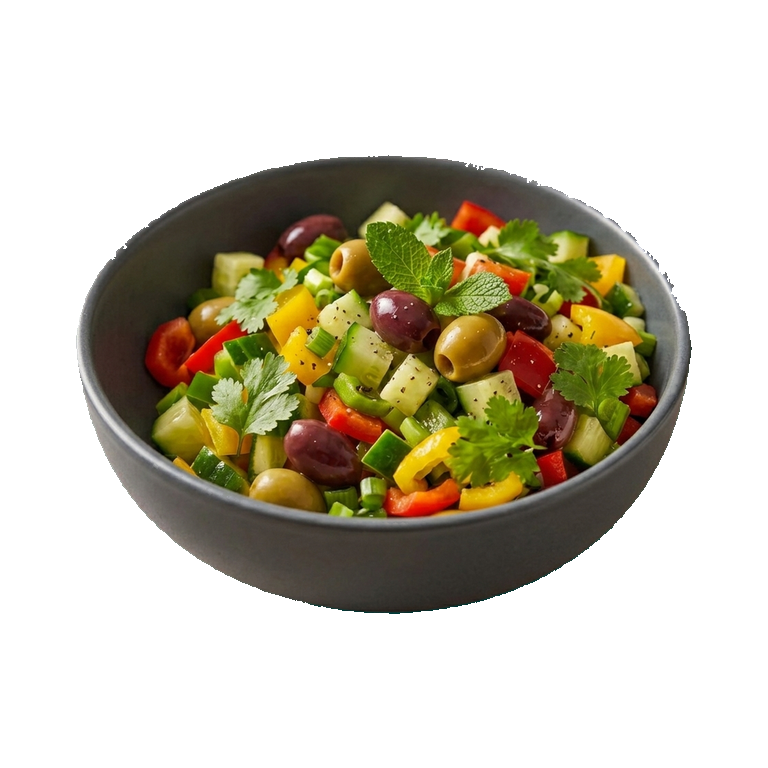
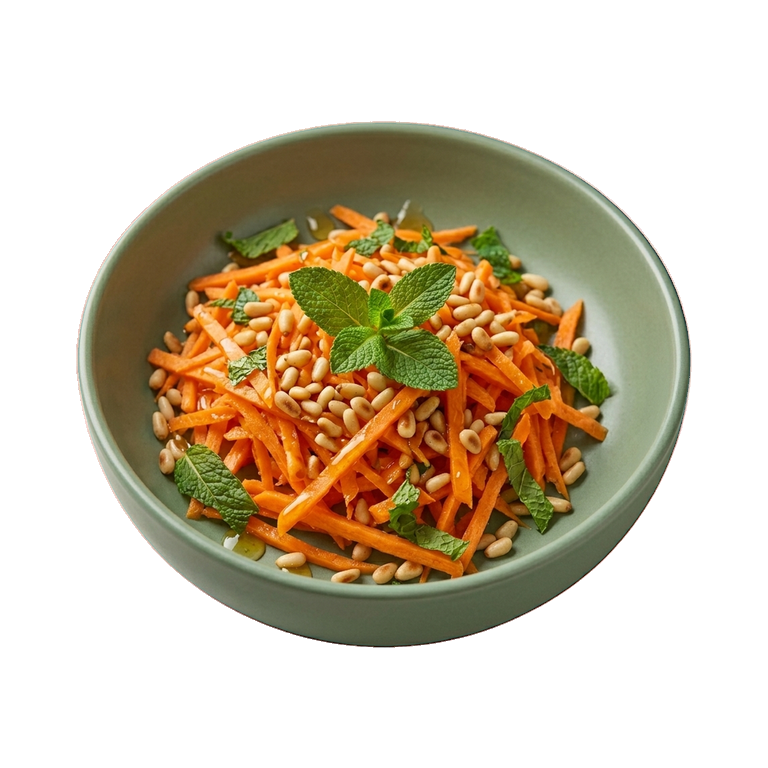
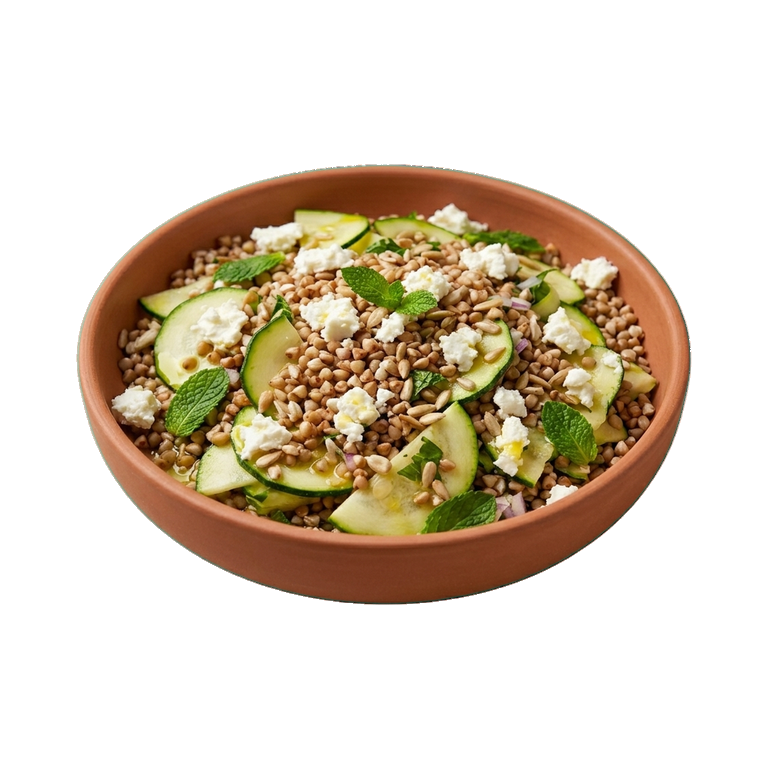
- Salads: especially good with tomatoes, cucumbers, melons, berries
Successful Pairings
Mint pairs well with lemon and lime — acidity highlights its freshness. With ginger, it creates a warming effect. Works well alongside basil, coriander, and parsley. In sweet dishes, it combines perfectly with chocolate, vanilla, and berries. With honey and milk, it creates a classic, cozy flavor.
Selection and Storage
Look for fresh mint with bright green, firm leaves without dark spots or signs of wilting. Leaves should detach easily from the stem. Smell it — the aroma should be pronounced and pleasant, without mustiness.
- Store fresh mint in the refrigerator by wrapping a damp sprig in paper towel and placing it in a bag — it will keep for one to two weeks
- You can place the stems in a glass of water and cover with a bag — it will last longer
- Keep dried mint in an airtight jar in a dark, cool place — the flavor and aroma will be preserved for months
- Freeze the leaves in ice cubes with water for drinks and cocktails
Dried mint is more concentrated than fresh: if a recipe calls for a bunch of fresh leaves, replace it with one teaspoon of dried mint. Add it at the beginning of cooking so the aroma fully develops, and to cold dishes and beverages — at the end to preserve freshness.
Nutrition
per 100 g
- Calories
- 49 kcal
- Protein
- 3.3 g
- Fat
- 0.7 g
- Carbs
- 6.9 g
Measures and weight
- 1 tbsp
- 3 g
- 1 tsp
- 1 g
- 1 cup
- 50 g
- 1 bunch
- 30 g
- 1 sprig
- 3 g
- 1 stalk
- 3 g
Measure calculator
- Weight
- 100 g
- Calories
- 49 kcal