Usuba
Usuba
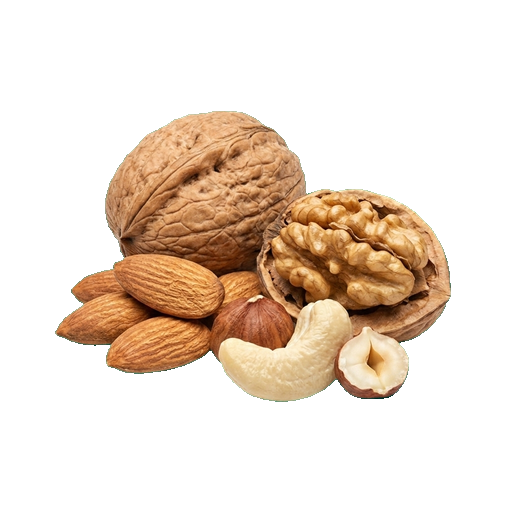
Nuts
Nuts are fruits with hard shells and oily kernels that add rich flavor, texture, and nutritional value to dishes. They work well in both sweet desserts and baked goods, as well as in savory snacks, salads, and main courses, and serve as a base for oils and pastes. When selecting nuts, it's important to check the expiration date and storage conditions, as nuts easily become rancid due to their high oil content; they are best stored in a cool place in an airtight container.
About
Why nuts are an indispensable ingredient in the kitchen
Nuts are not just a beer snack. In cooking, they work as a universal tool: they add texture, depth of flavor, nutrition, and make a dish memorable. A handful of walnuts in a salad, almond flour in baking, pine nuts in a sauce — each type serves its own purpose. And most importantly: nuts are equally good in sweet, savory, and spicy dishes.
Different nuts — different roles
- Walnuts: bitter, pronounced flavor. Good for dough, salads, sauces. Hold their shape well when heated.
- Almonds: delicate, slightly sweet. Ground almonds are the base for creams and pastes, whole kernels decorate desserts.
- Pine nuts: delicate, buttery flavor. Expensive, but a powerful accent in sauces and side dishes.
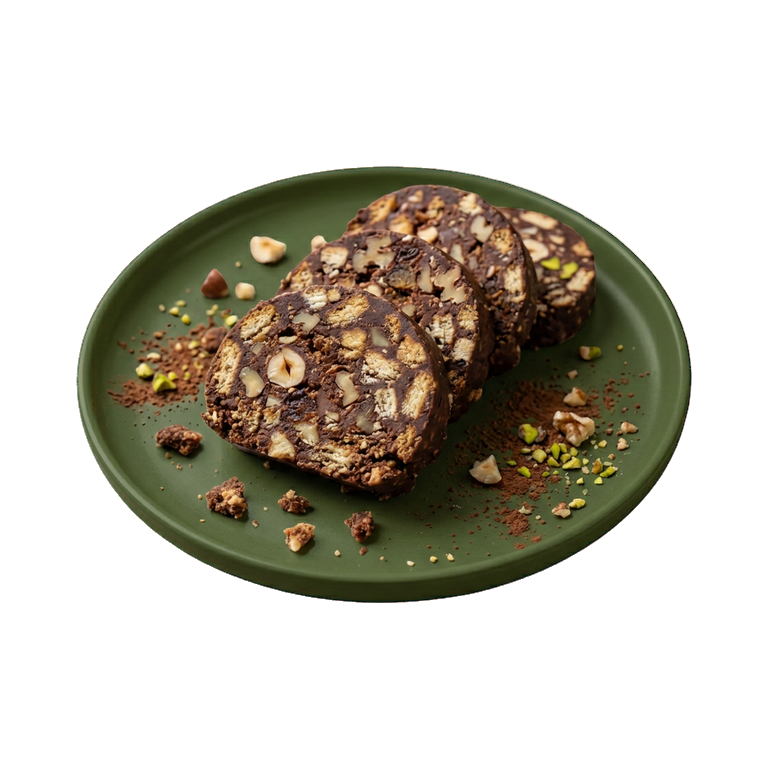
- Hazelnuts: sweet, almost caramel-like. Works wonderfully in chocolate dishes and pastes.
- Cashews: soft, buttery, almost neutral. Easily turn into cream, great in Asian dishes.
- Peanuts: rich, earthy flavor. A classic in sauces, peanut butter, and spicy appetizers.
How to Reveal the Flavor of Nuts
Raw nuts are one thing, roasted nuts are quite another. Heat them in a dry pan for 3–5 minutes over medium heat, and the aroma will become more vibrant, the taste deeper. The key is not to overdo it, otherwise bitterness will appear. If the nuts are already roasted, add them at the end of cooking so they don't lose their crunchiness and freshness.
What nuts go well with
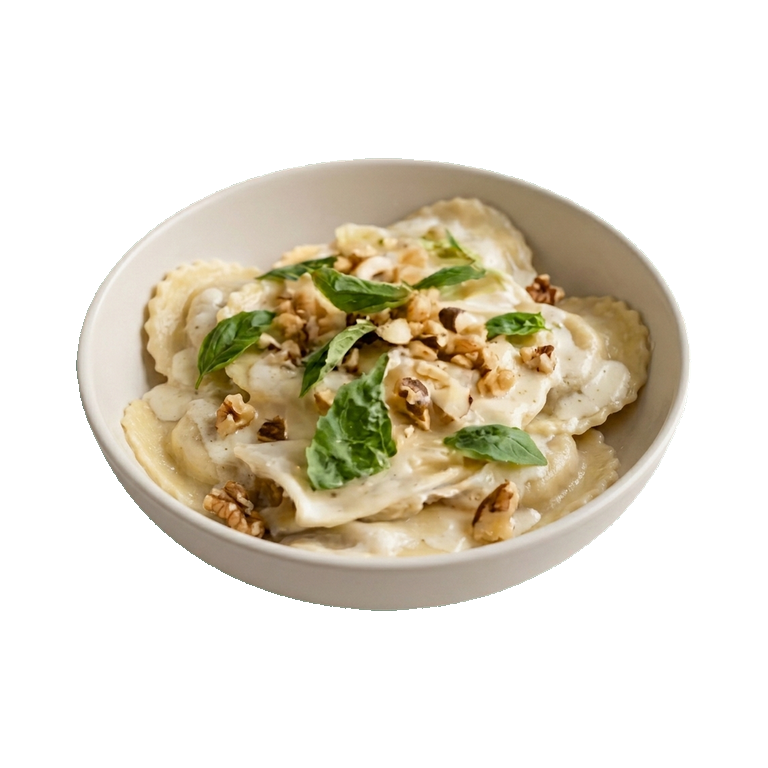
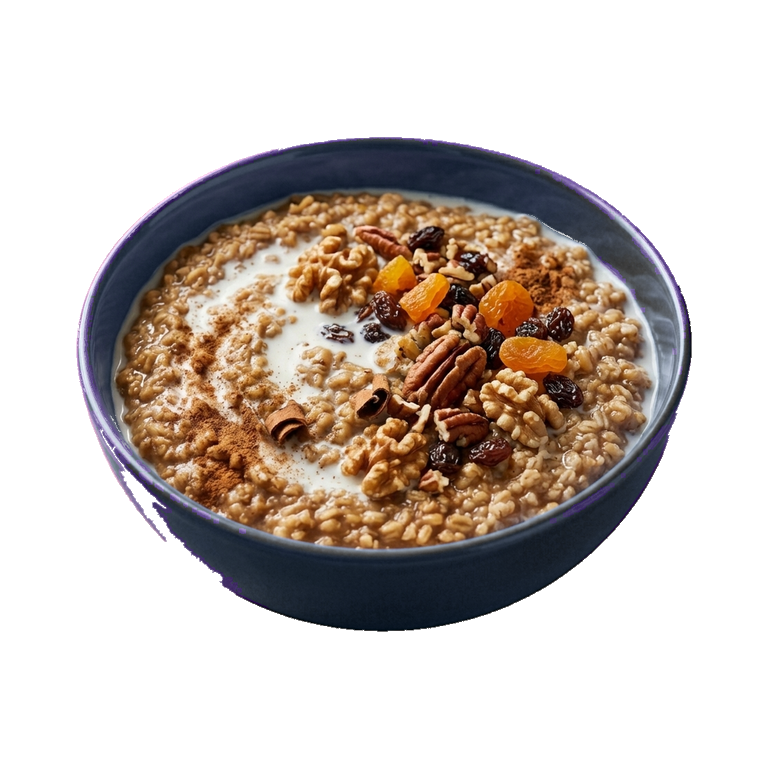
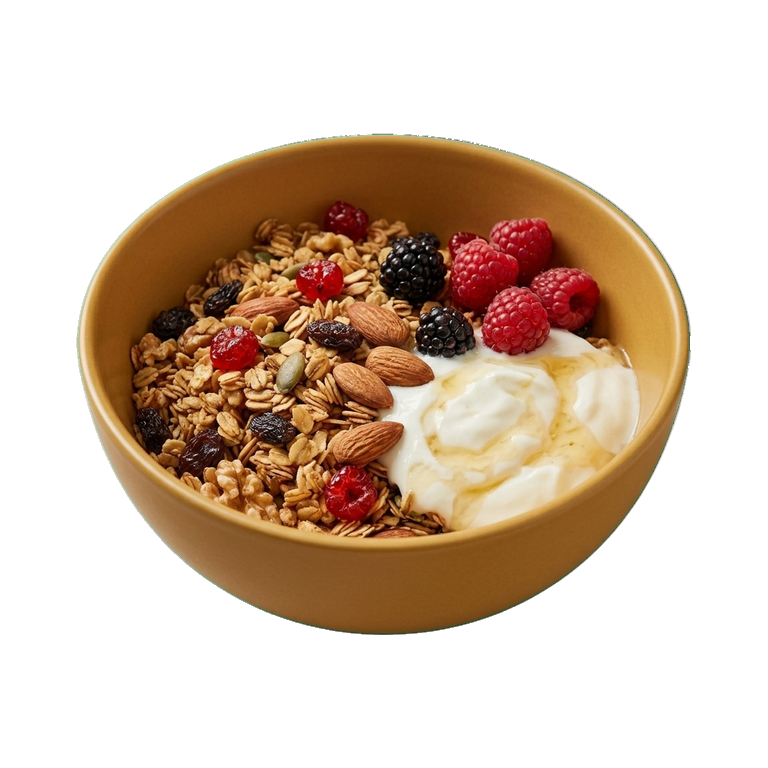
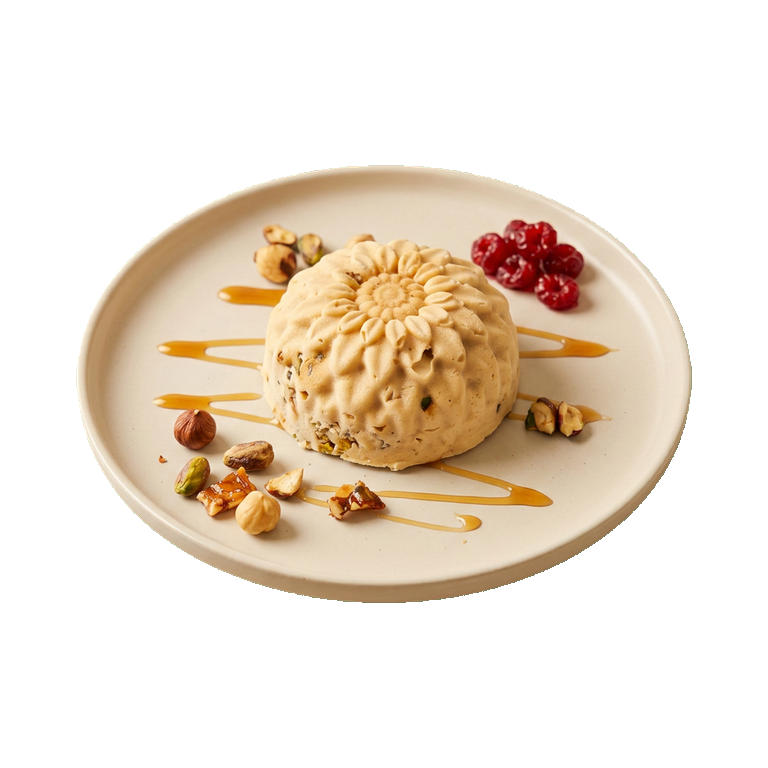
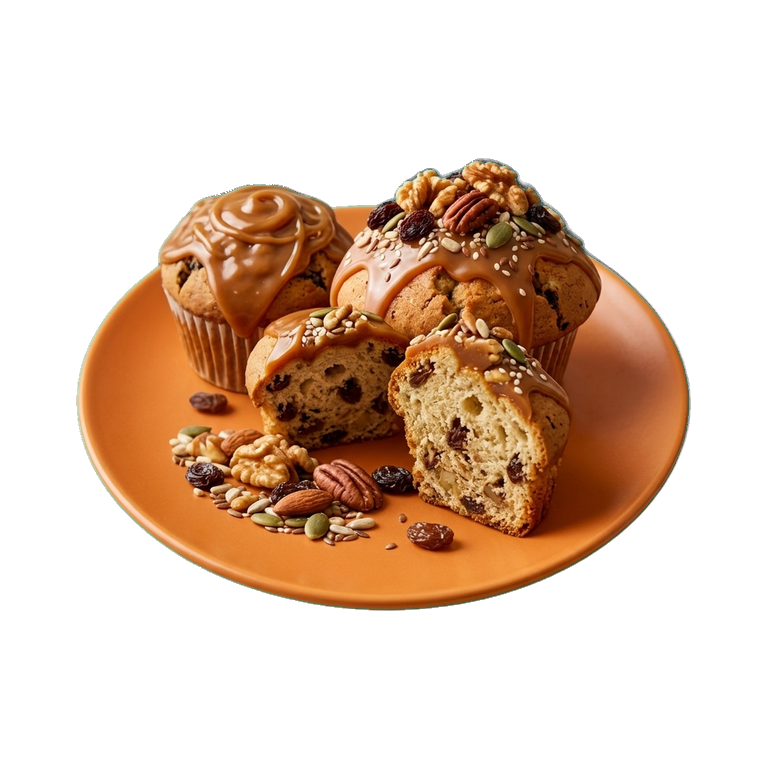
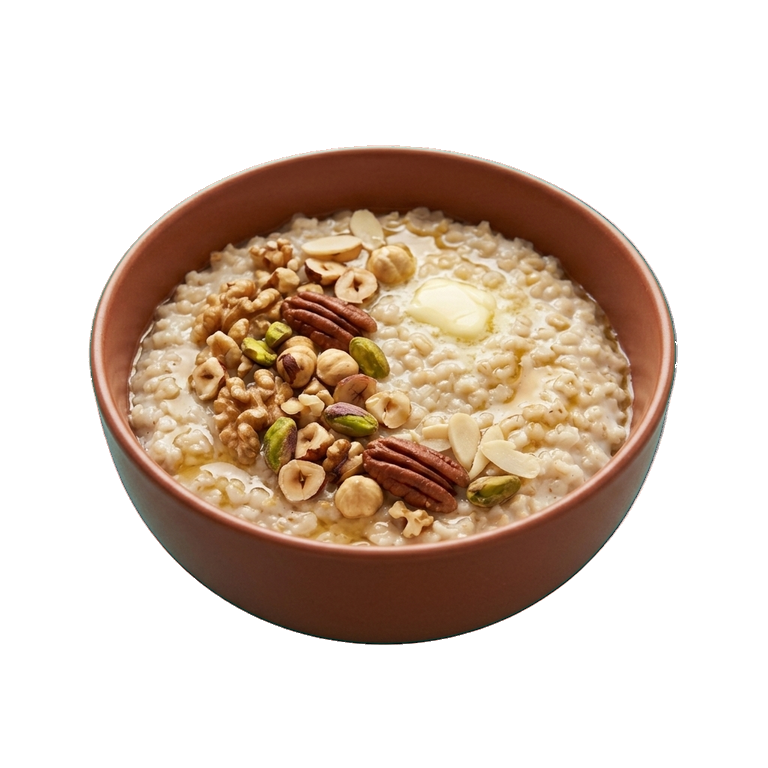
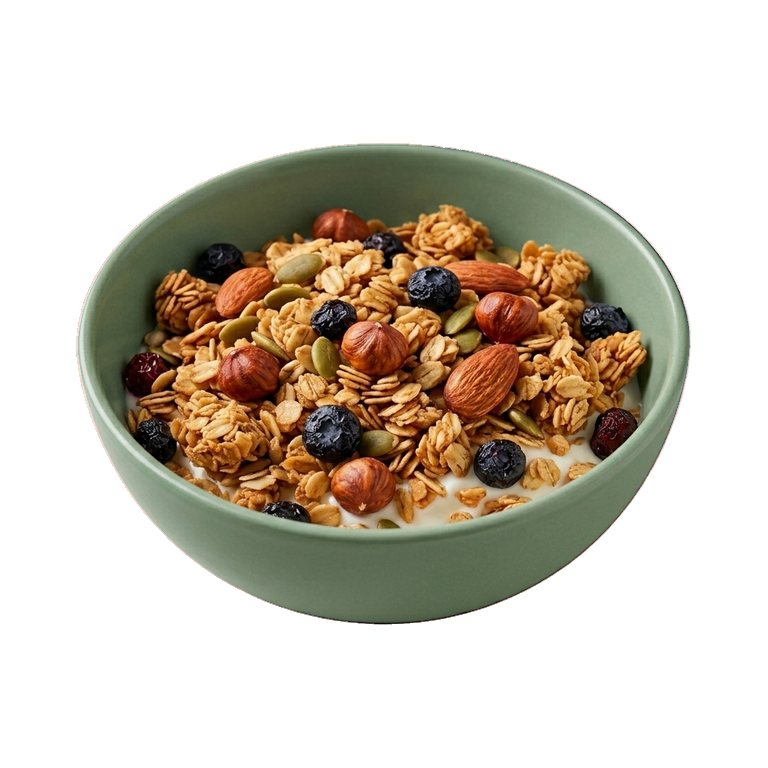
In sweet dishes, nuts pair well with cinnamon, vanilla, honey, chocolate, and dried fruits. In savory dishes — with garlic, herbs, hot spices, and acidity (lemon, vinegar). Nuts work well in creams, crumbles, and whole as a textural element.
Selection and Storage
Nuts in shells stay fresh longer, but shelled nuts are more convenient. Look at the color — it should be even, without dark spots or mold. Smell them: fresh nuts have a pleasant aroma, rancid ones smell unpleasantly sour.
It's best to store them in an airtight container in the refrigerator or freezer — this way they won't oxidize or absorb foreign odors. At room temperature, nuts spoil quickly, especially if the room is humid. Ground nuts and nut butters spoil faster than whole kernels, so check the expiration dates and don't stockpile.
Nutrition
per 100 g
- Calories
- 570 kcal
- Protein
- 16.2 g
- Fat
- 50.6 g
- Carbs
- 13.7 g
Measures and weight
- 1 tbsp
- 9.8 g
- 1 tsp
- 3.3 g
- 1 cup
- 162.5 g
Measure calculator
- Weight
- 100 g
- Calories
- 570 kcal