Usuba
Usuba
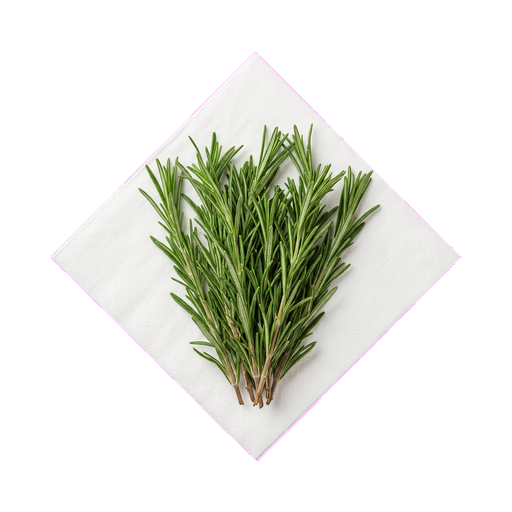
Rosemary
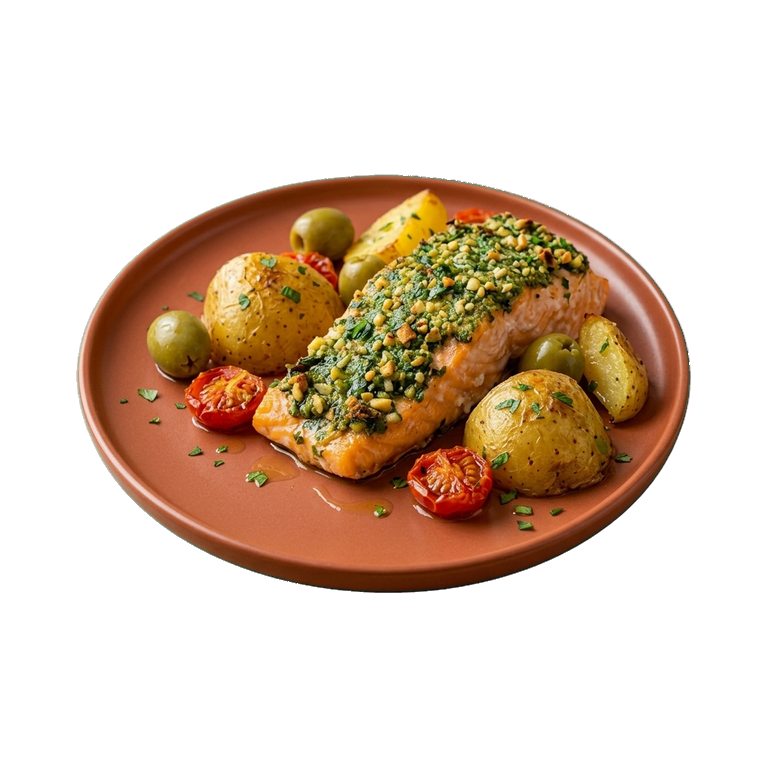
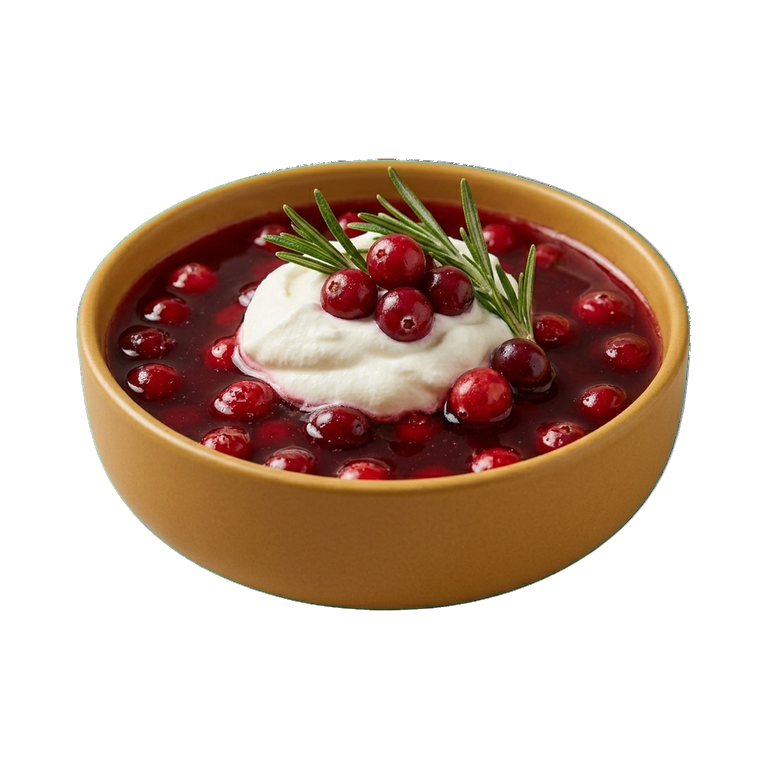
Rosemary is an evergreen herb with narrow needle-like leaves and an intense coniferous aroma with a subtle bitterness. In cooking, it is used both fresh and dried, and pairs well with meat, poultry, fish, potatoes, and grilled vegetables. When cooking, it's important to remember that rosemary has a strong flavor, so it should be added in moderation, and fresh sprigs are often placed in the dish whole for convenient removal after cooking.
About
Rosemary is an evergreen shrub with narrow needle-like leaves and a pronounced aroma. In cooking, the leaves are used, which contain essential oils that give dishes a rich, slightly resinous flavor. Fresh rosemary is much more aromatic than dried, but both options work well in the kitchen — it all depends on what you are cooking and what intensity of result you want to achieve.
Aroma and Taste
Rosemary smells like a forest and pine needles with subtle floral notes. The taste is slightly bitter, a bit sharp, with a peppery aftertaste. Fresh leaves are more delicate, their flavor is softer and more vibrant at the same time. Dried rosemary concentrates the aroma, becomes more intense and slightly more robust, so it should be added more carefully.
Where to use rosemary
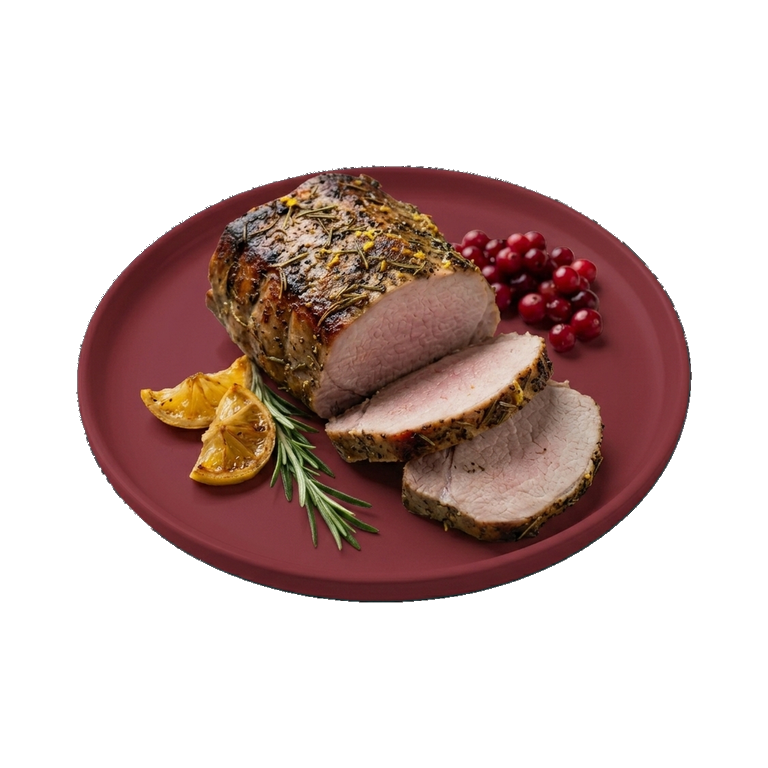
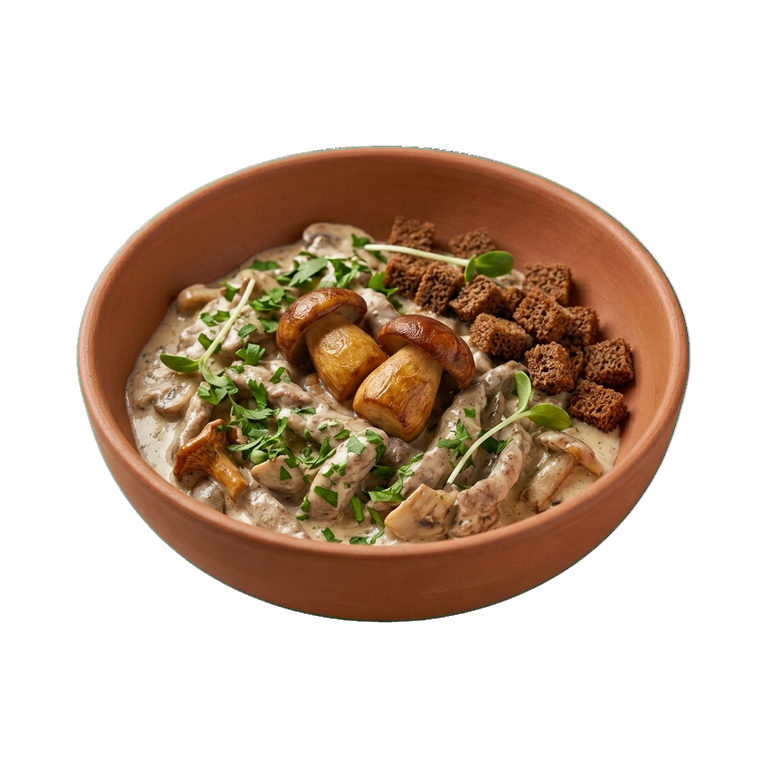
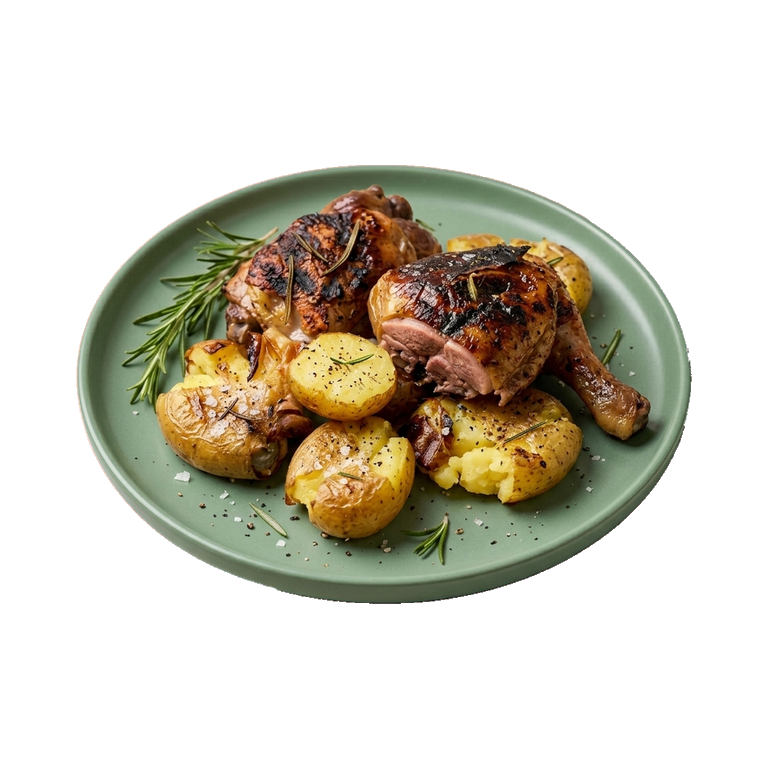
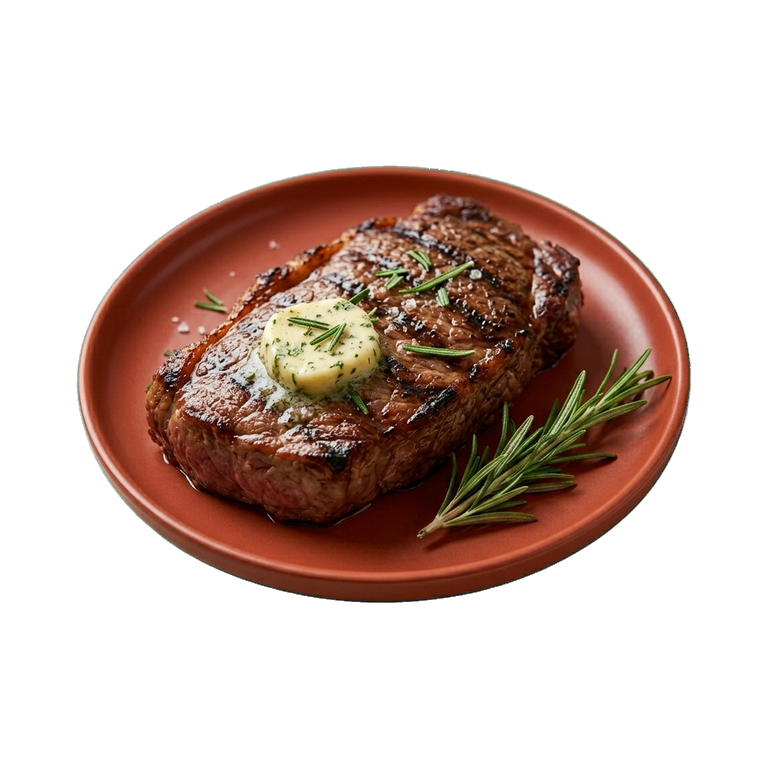
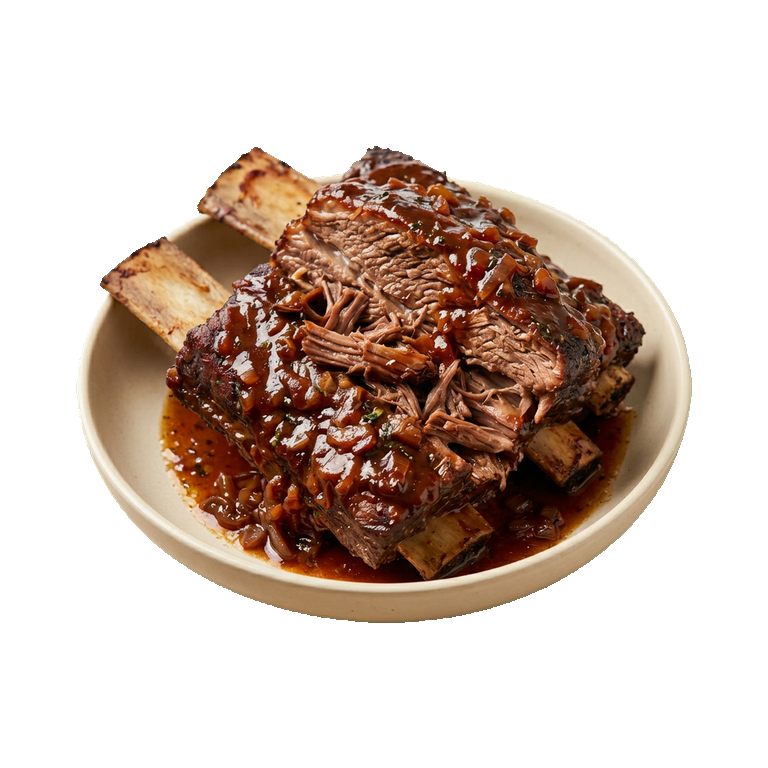
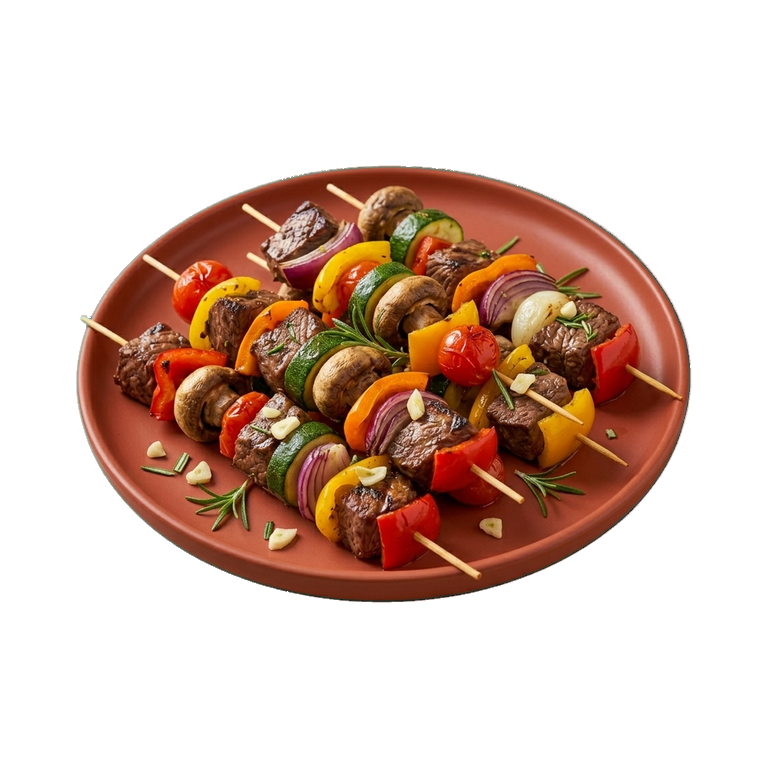
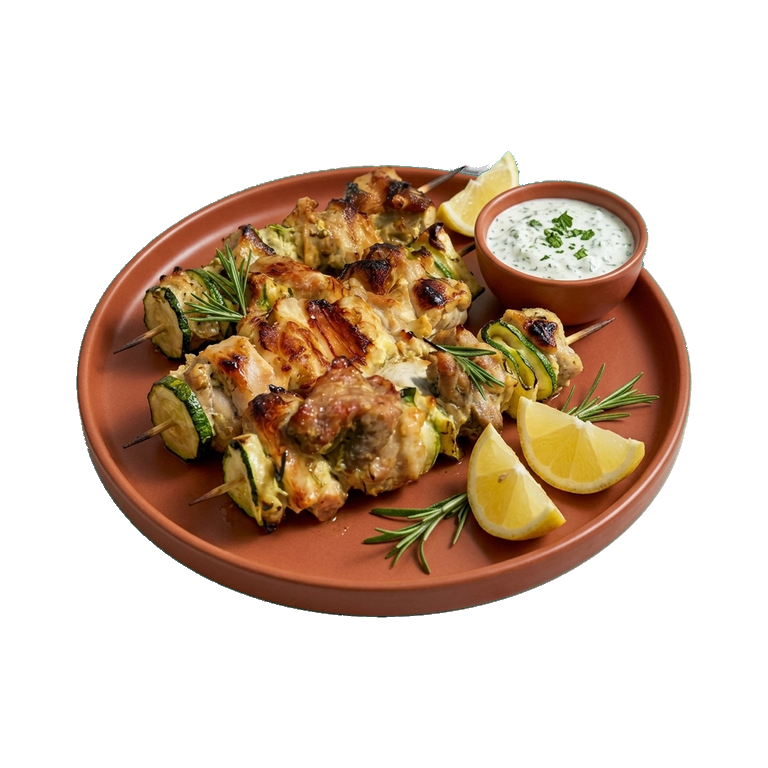
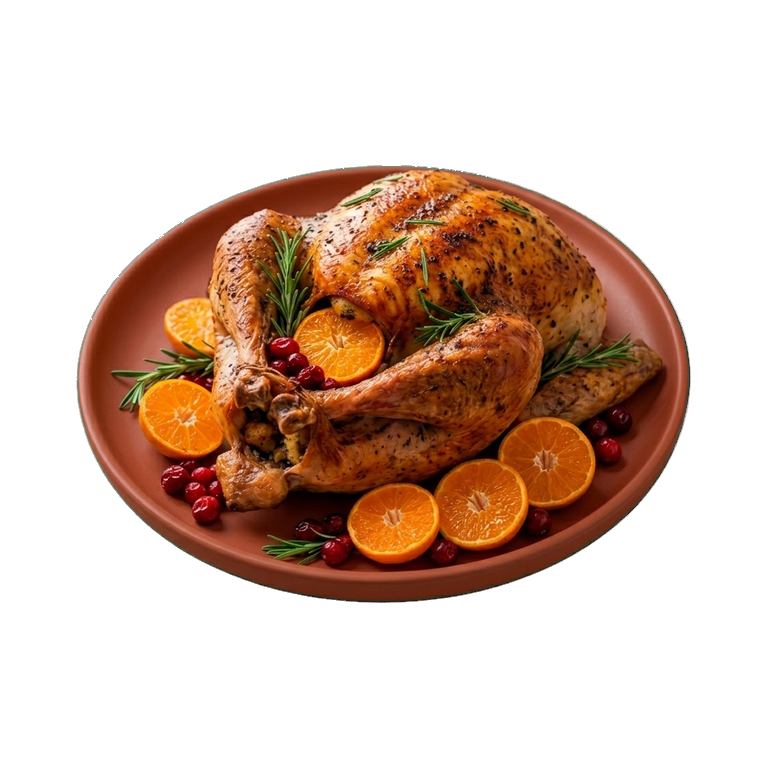
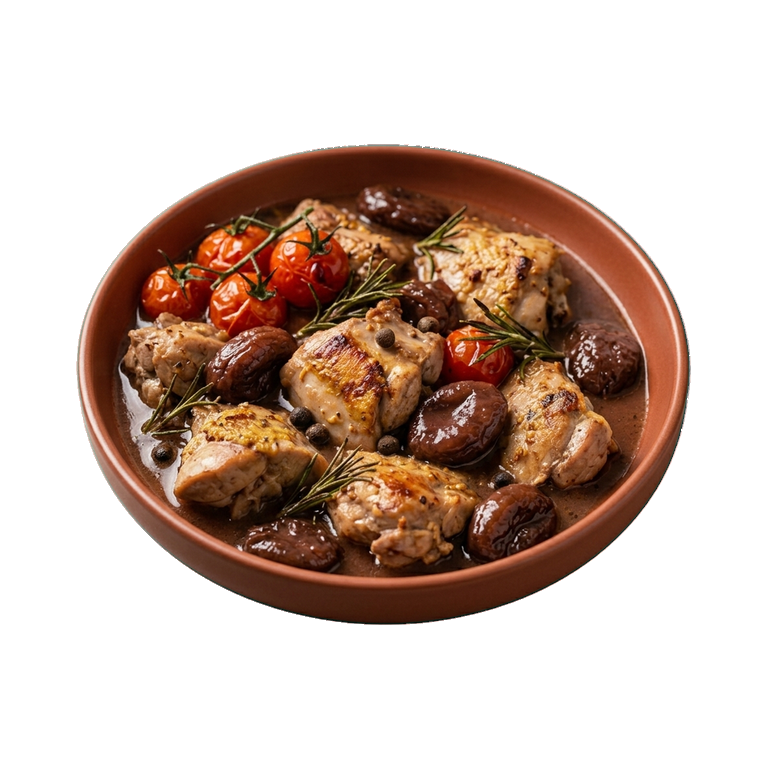
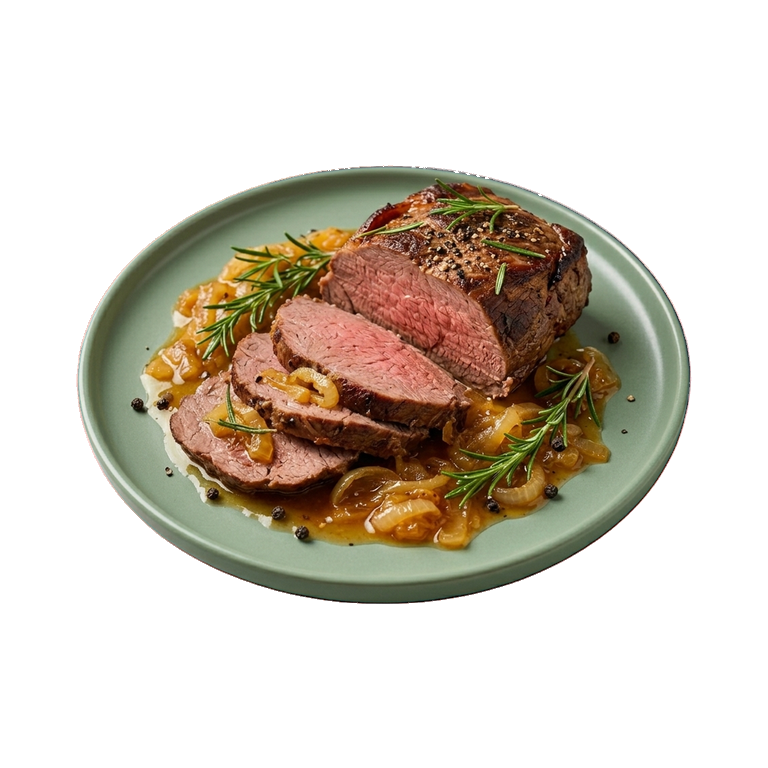
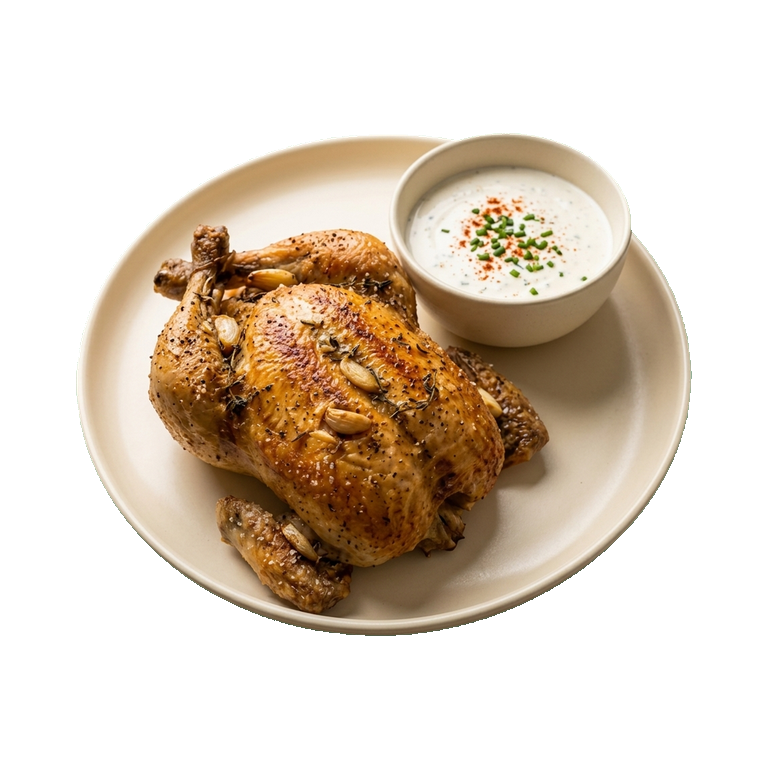
- Meat dishes — rosemary is perfect for beef, pork, lamb, and poultry. Add it when frying or marinate the meat before cooking.
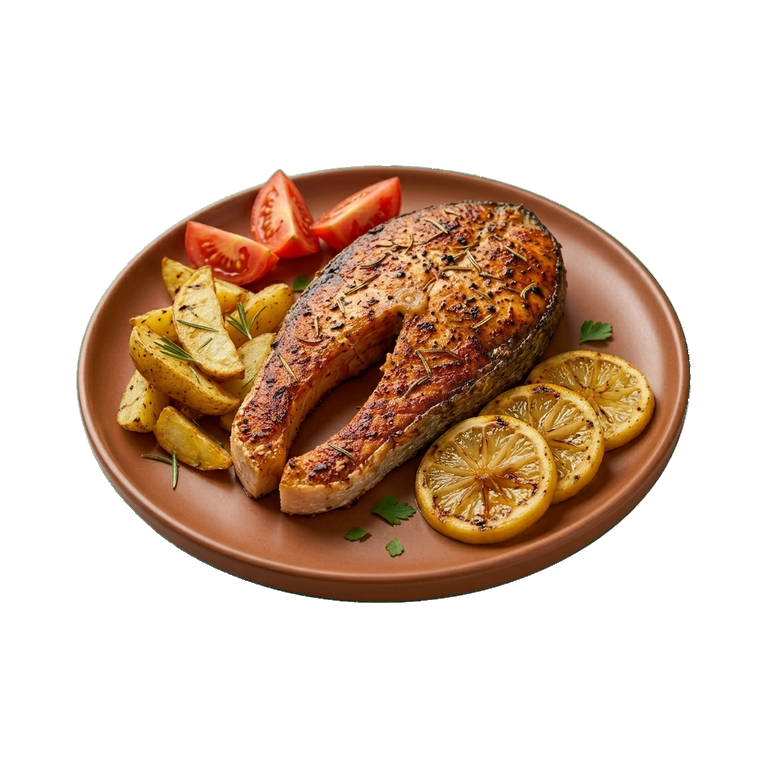
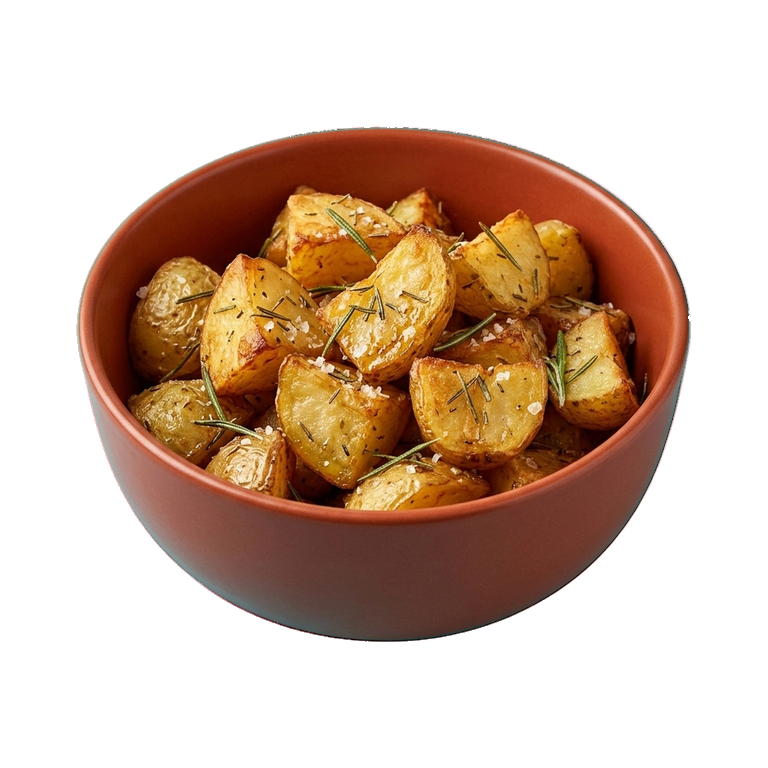
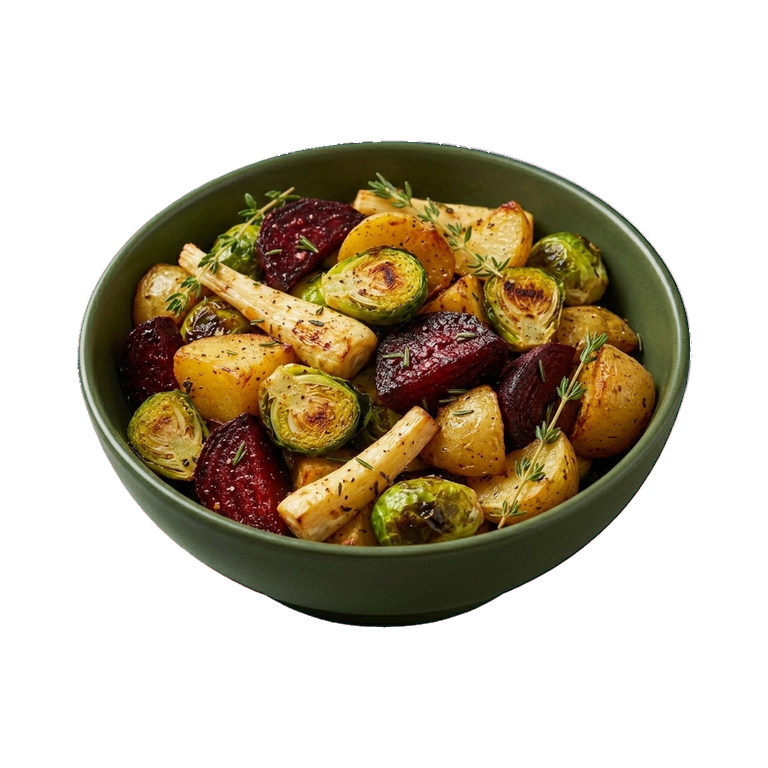
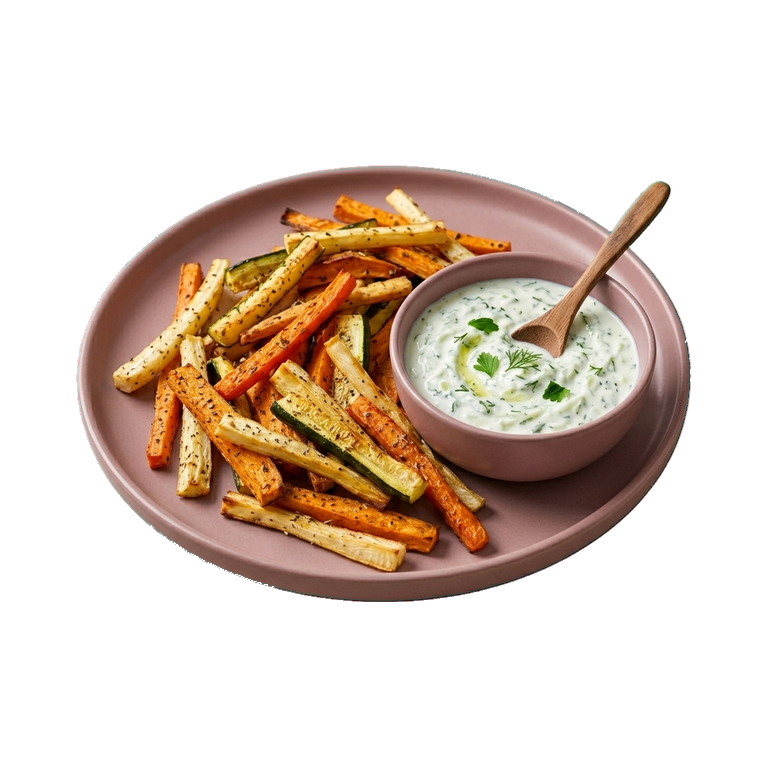
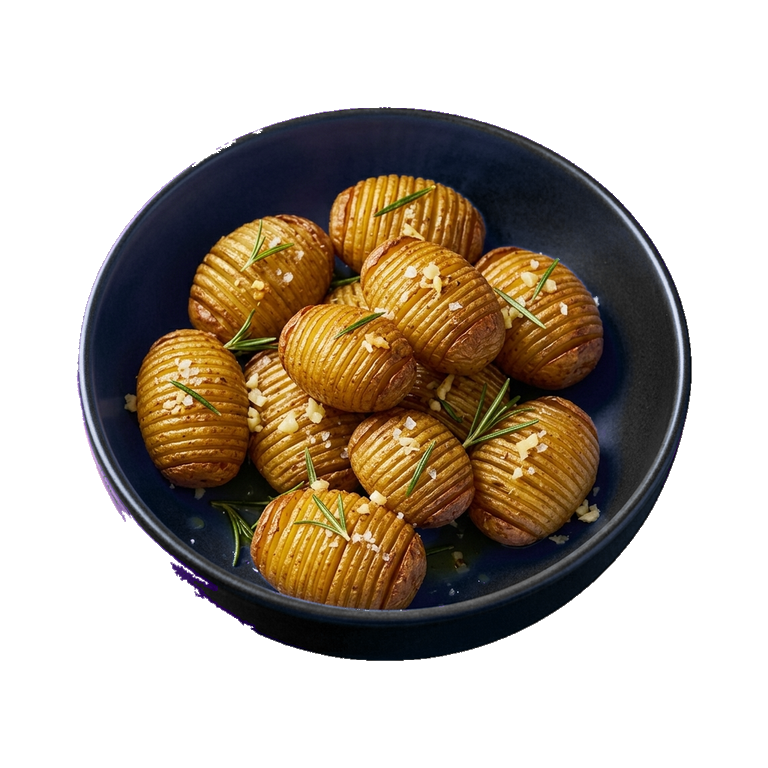
- Potatoes and vegetables — roasted with rosemary, root vegetables and vegetables acquire a restaurant-level aroma.
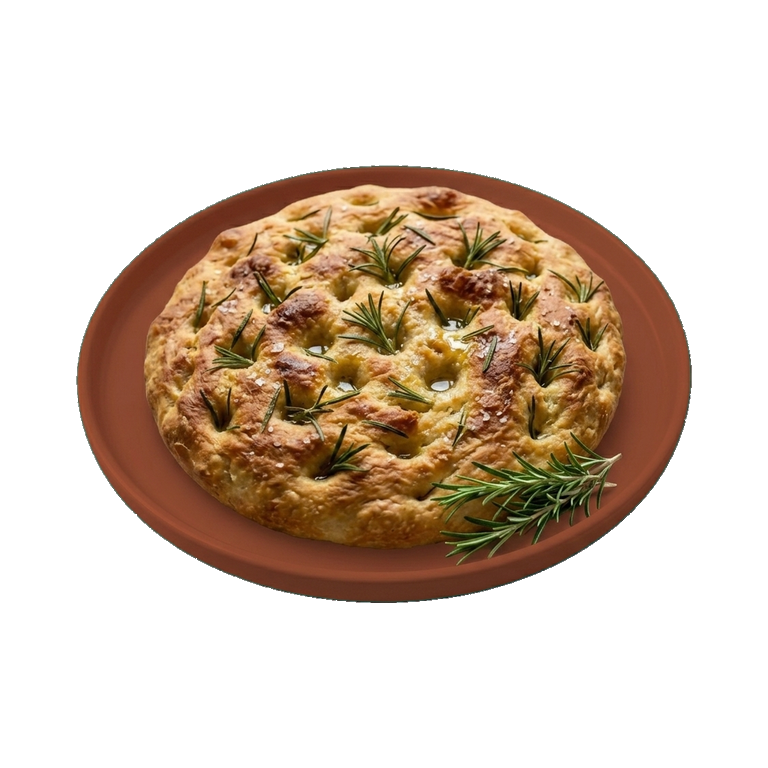
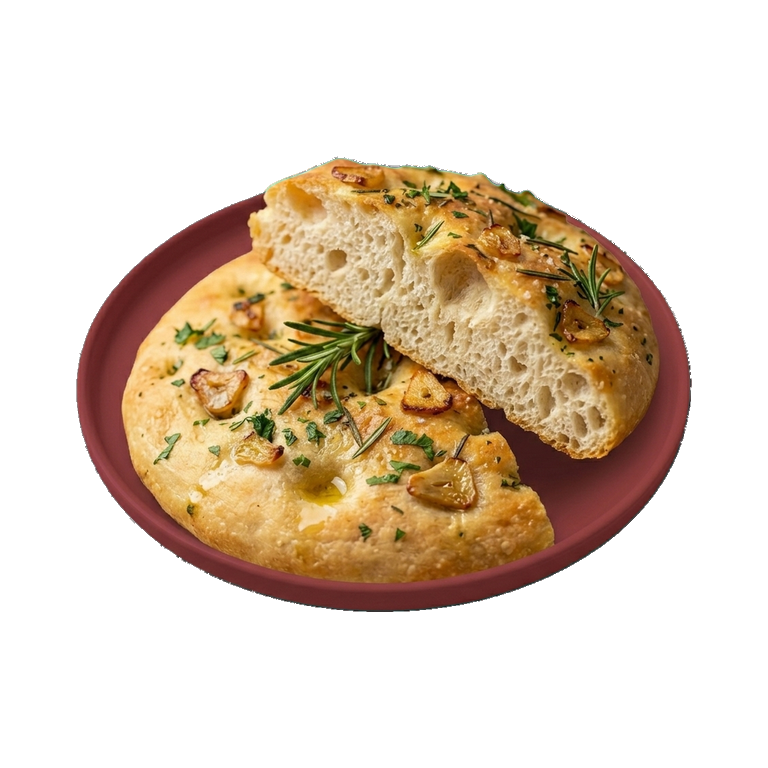
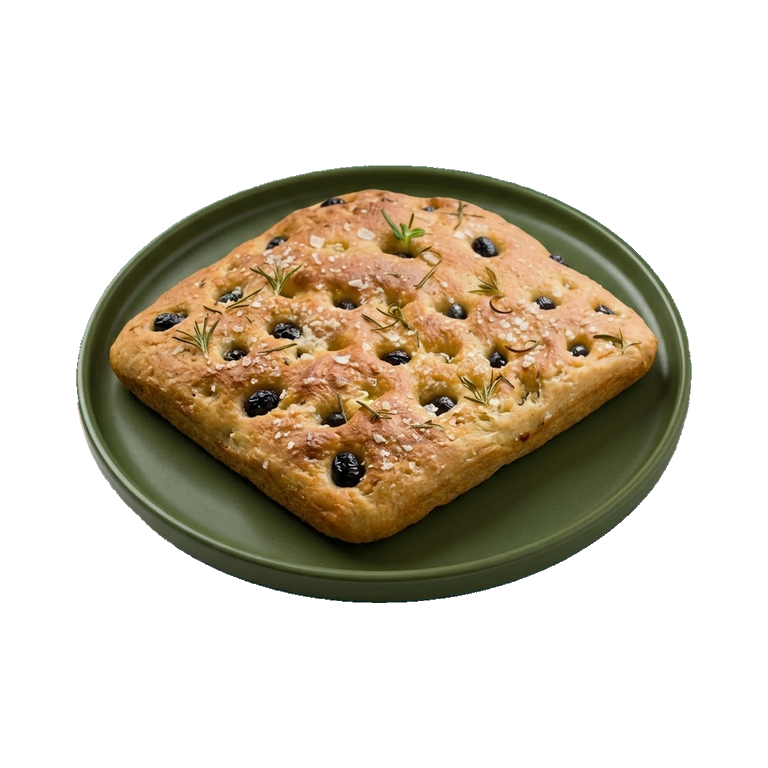
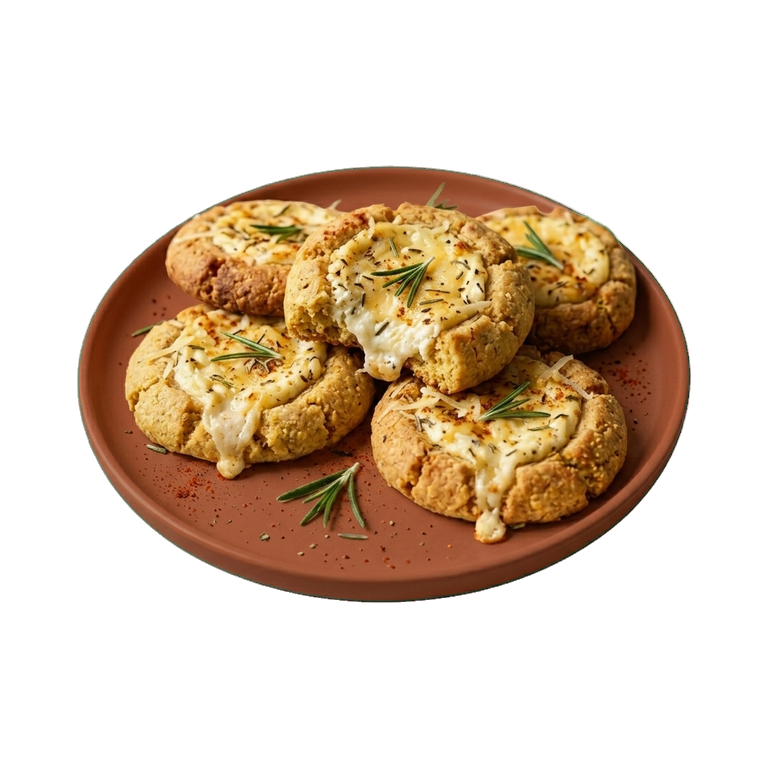
- Bread and buns — rosemary works great in focaccia dough, bread, and crackers.
- Oils and vinegars — infuse rosemary in olive oil or wine vinegar for dressings and sauces.
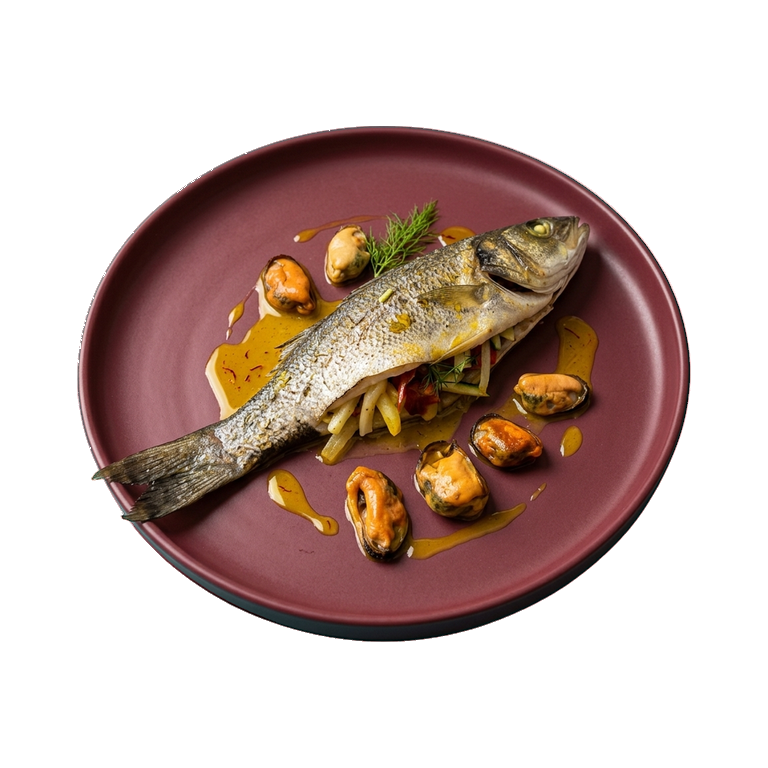
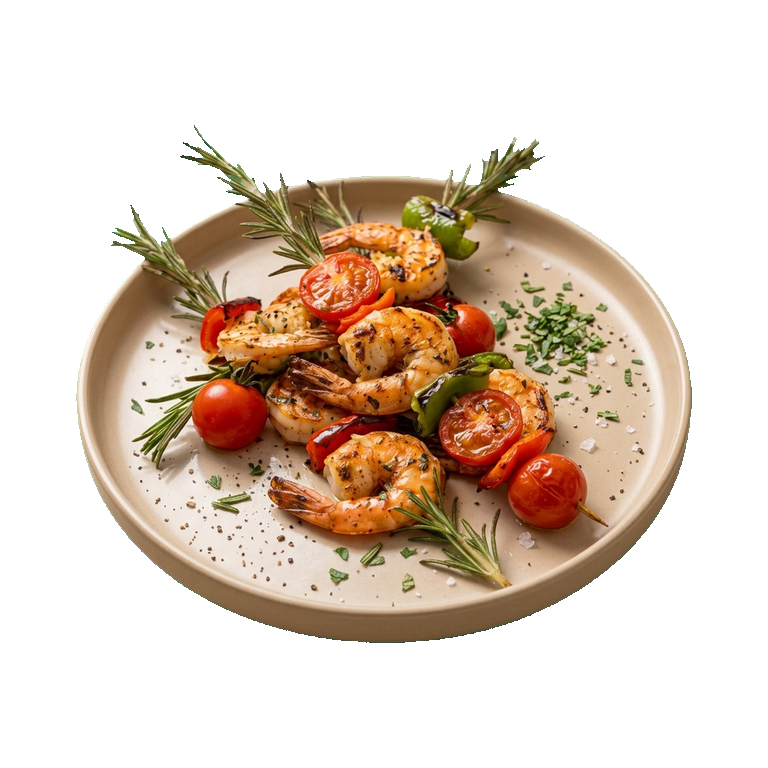
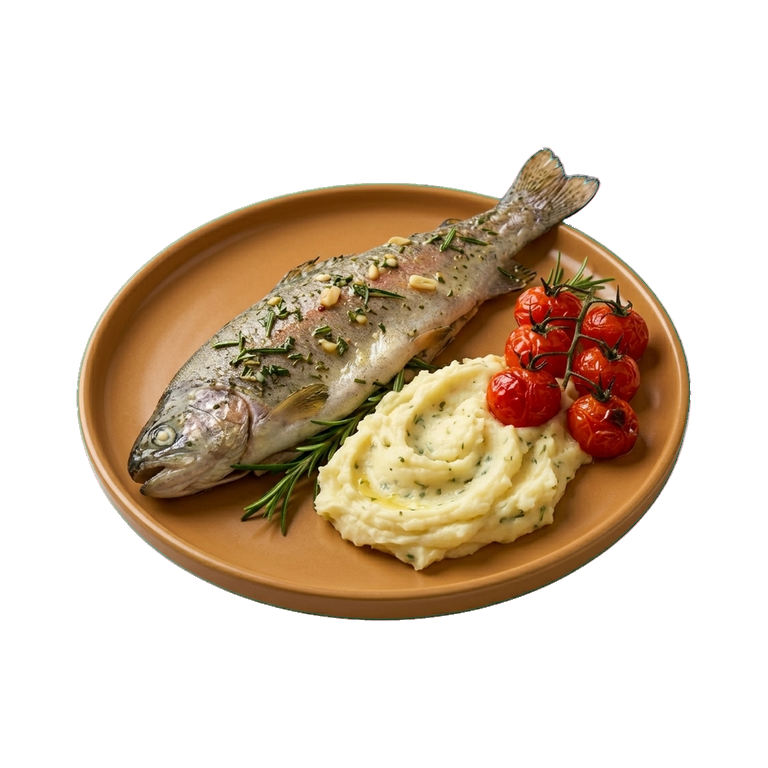
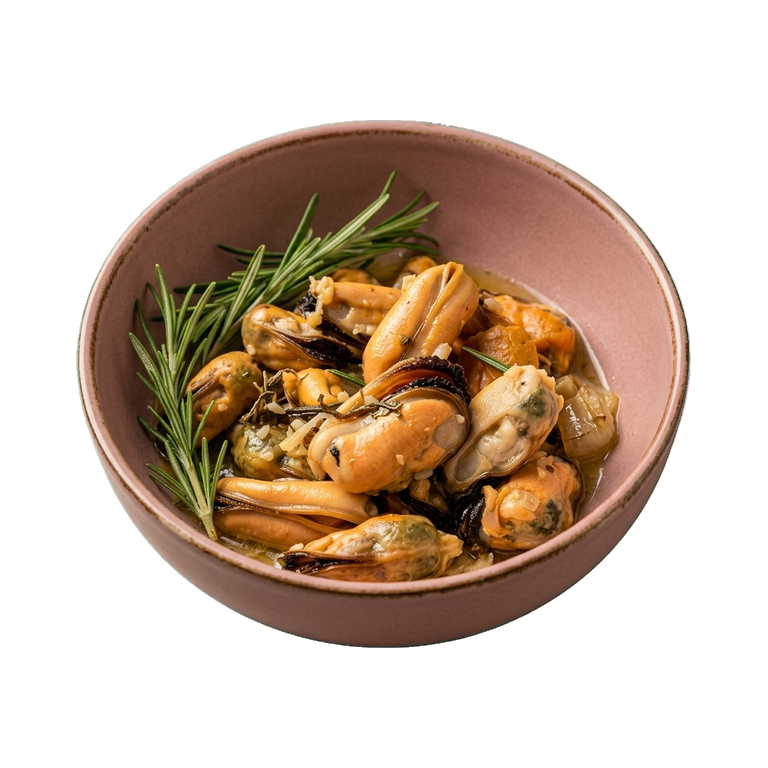
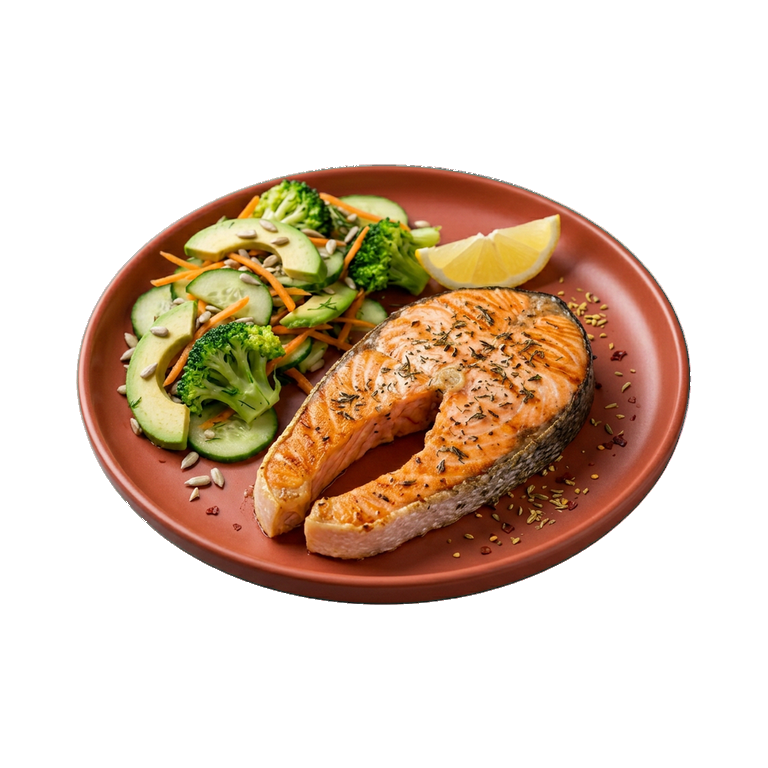
- Fish and seafood — fresh rosemary emphasizes the flavor of sea fish and shrimp.
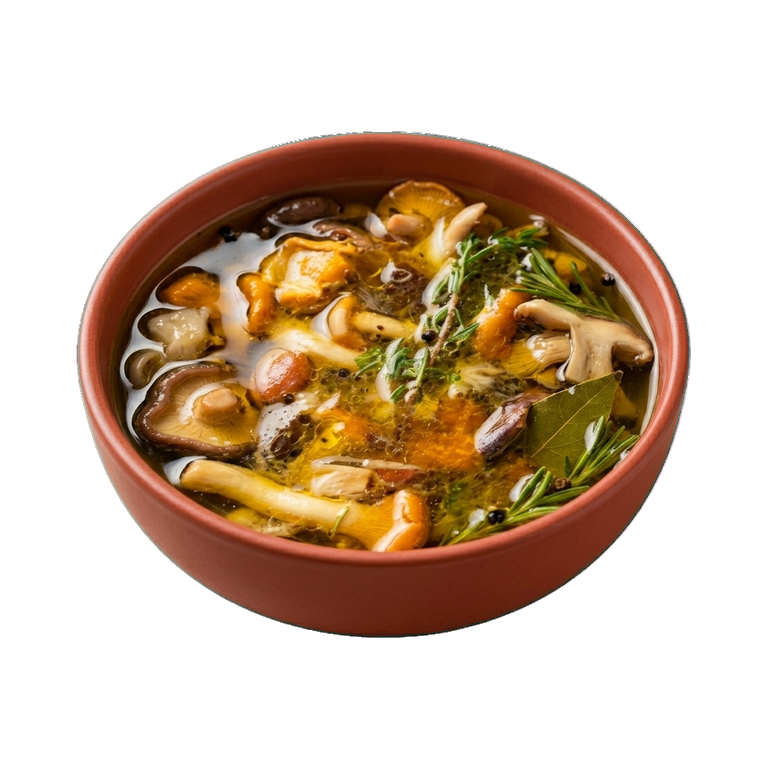
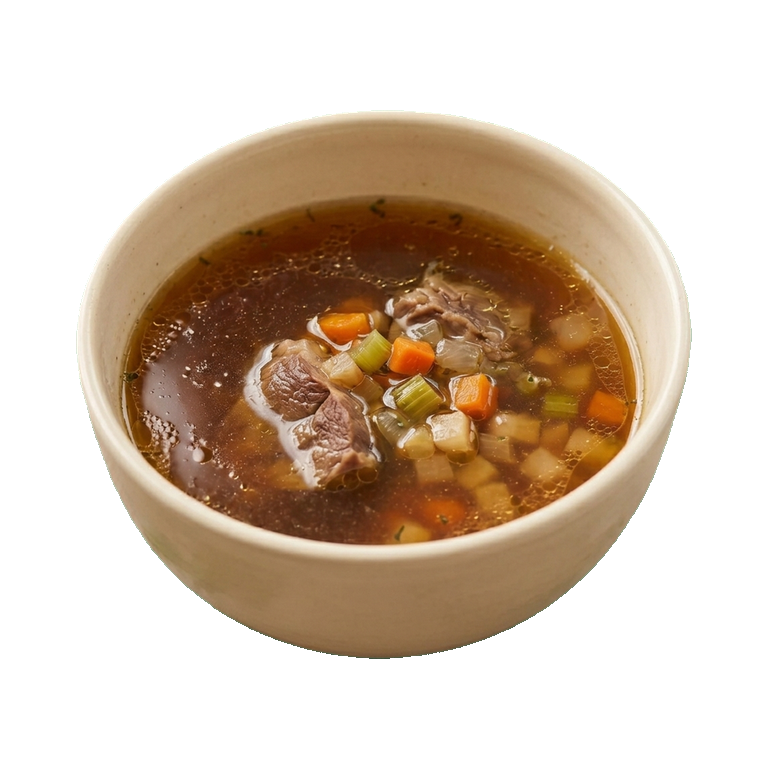
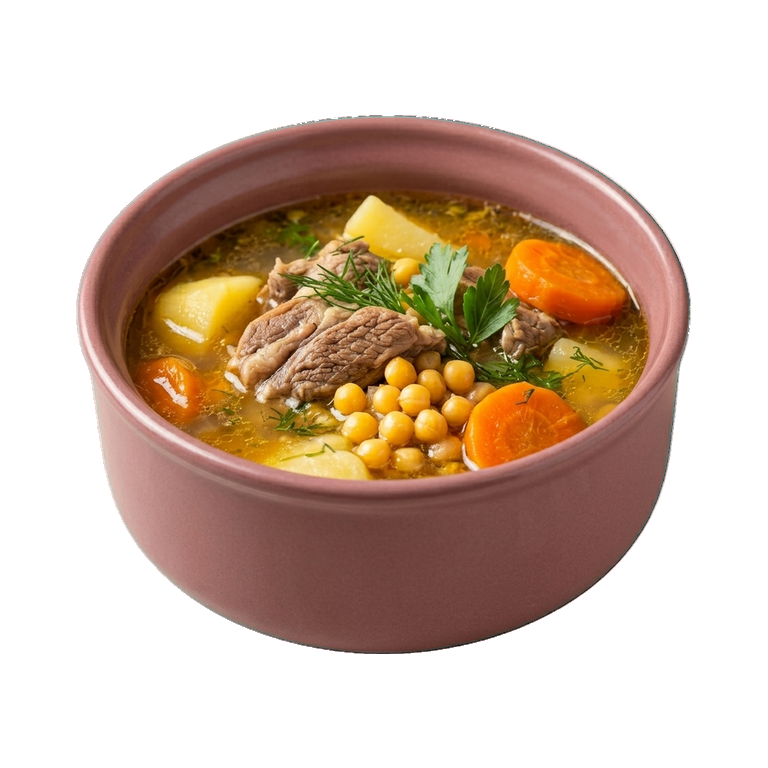
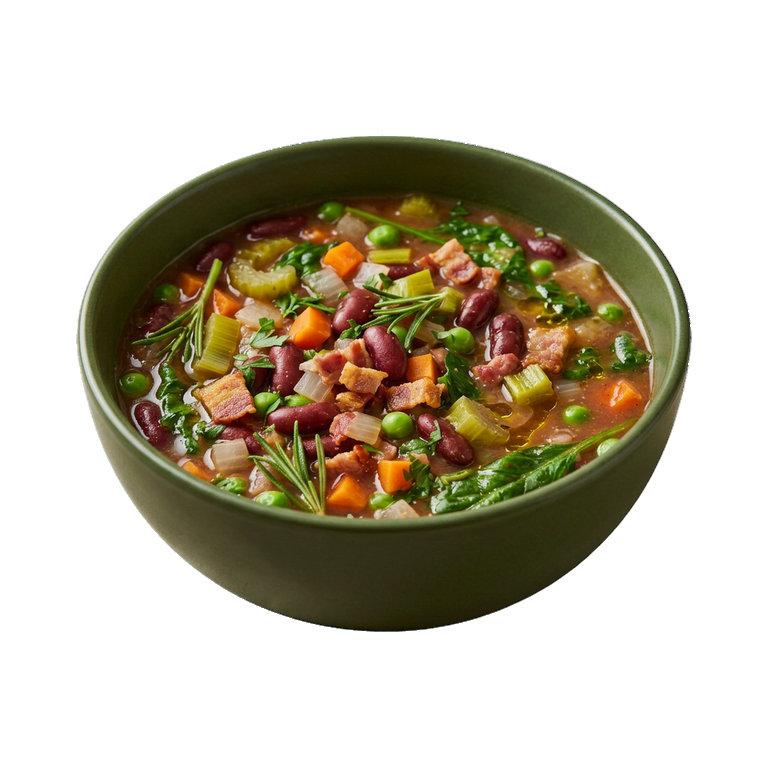
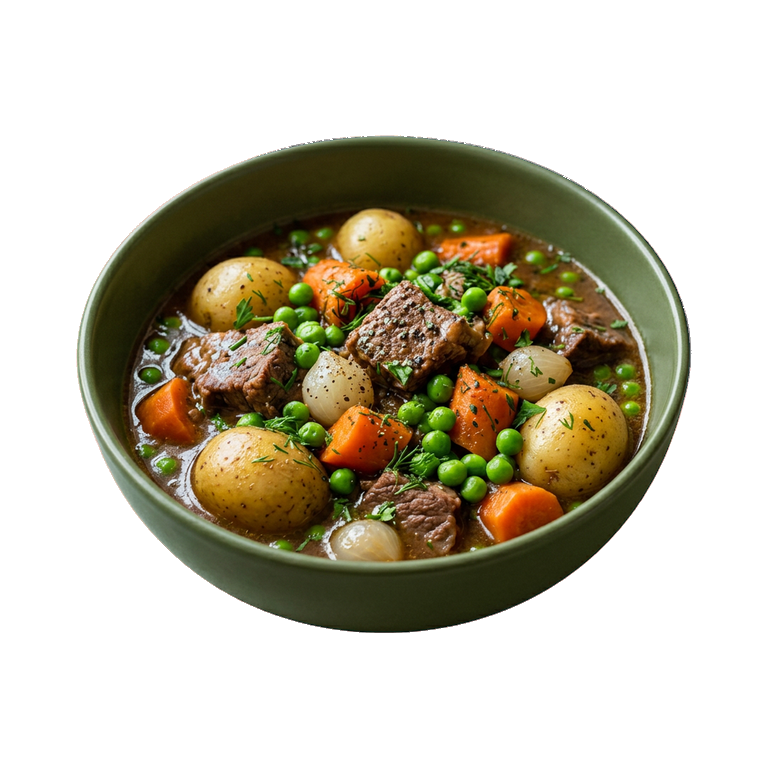
- Soups and stews — add at the end of cooking so the aroma doesn't dissipate.
Successful Combinations
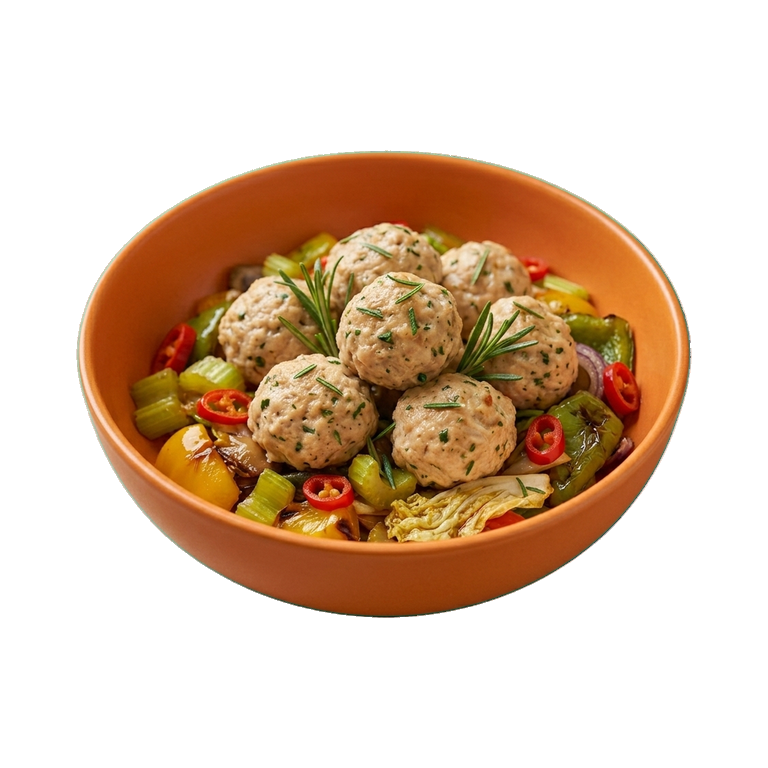
Rosemary pairs well with garlic, lemon, and lime — this trio creates a classic Mediterranean bouquet. With thyme and oregano, rosemary forms a harmonious herbal ensemble. Try combining it with hot peppers, ginger, and soy sauce — you'll get an interesting Asian twist. Rosemary also works well with olive oil, red wine, and balsamic vinegar.
Selection and Storage
When choosing fresh rosemary, look for sprigs with firm leaves of a bright green color, free from signs of wilting and darkening. The sprigs should smell fresh, without any musty odor. Store fresh rosemary in the refrigerator, wrapped in a damp towel or placed in a glass of water like a bouquet — this way it will last for two to three weeks. You can also freeze the sprigs whole in the freezer in a bag or in ice cubes with olive oil.
Store dried rosemary in an airtight glass jar in a dark, cool place away from sunlight and heat. When stored properly, it retains its properties for up to a year, but has maximum aroma in the first few months. When the leaves start to lose color and the aroma becomes weak, it's time to refresh your supply.
Dosage
- Fresh rosemary — 1–2 sprigs per serving or to taste; you can add more generously as the flavor is milder.
- Dried rosemary — 1/4–1/2 teaspoon per serving; start with a smaller amount and add as needed.
If you are cooking a dish for the first time and are afraid of overdoing it with rosemary, add it at the end of cooking or frying. This way you will be able to control the intensity of taste and aroma, rather than struggle with excess bitterness.
Rosemary is not just a seasoning, but a way to instantly elevate any dish. Even simple roasted potatoes with rosemary and garlic sound like a restaurant-quality meal. Keep it always on hand, and your kitchen will become more aromatic and delicious.
Nutrition
per 100 g
- Calories
- 131 kcal
- Protein
- 3.3 g
- Fat
- 3.7 g
- Carbs
- 20.7 g
Measures and weight
- 1 tbsp
- 2.3 g
- 1 tsp
- 0.8 g
- 1 cup
- 37.5 g
- 1 pcs
- 5 g
- 1 bunch
- 30 g
- 1 sprig
- 3 g
- 1 stalk
- 2 g
Measure calculator
- Weight
- 100 g
- Calories
- 131 kcal