Usuba
Usuba
Blueberry
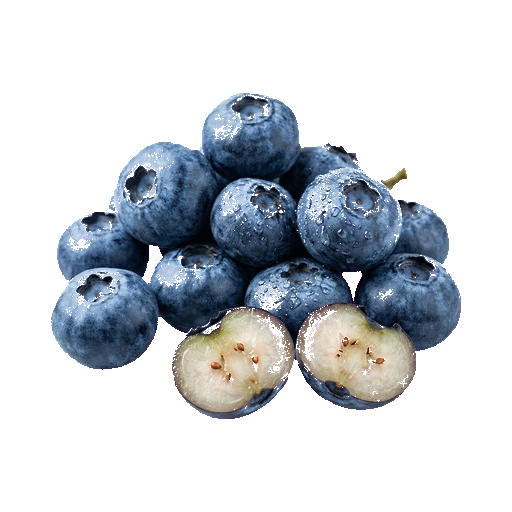
Blueberry is a berry with dark blue skin and a sweet-sour taste with a subtle bitterness that reveals itself well fresh and when heat-treated. Its soft flesh contains many tiny seeds, making the berry ideal for jams, compotes, pies, and berry sauces. When selecting, pay attention to the density of the berries and the matte bloom on the skin — these are signs of freshness; it's better to freeze blueberries on a tray rather than in a container so the berries don't stick together.
Micronutrients
per 100 g
About
Blueberry is a berry that works universally in the kitchen: equally good in pies, compotes, smoothies, and simply with cream. Its main virtue lies not only in its taste, but also in the fact that it holds its shape during heat treatment, doesn't fall apart, and doesn't turn into mush. This makes it indispensable for those who want to preserve not only the aroma but also the texture in their dish.
Taste and Aroma
Blueberry has a soft, slightly sweet taste with a barely noticeable sourness. It doesn't shout, but rather whispers — which is why it's often combined with more expressive ingredients. The aroma is delicate, herbaceous, with a hint of forest. A ripe berry is almost black, with a silvery bloom that easily rubs off with a finger.
Where and how to use
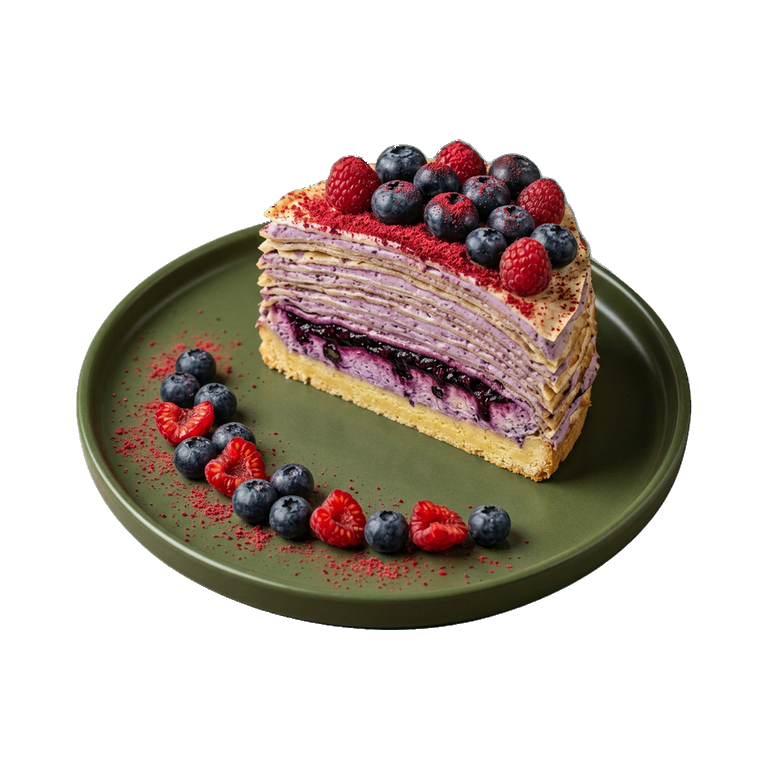
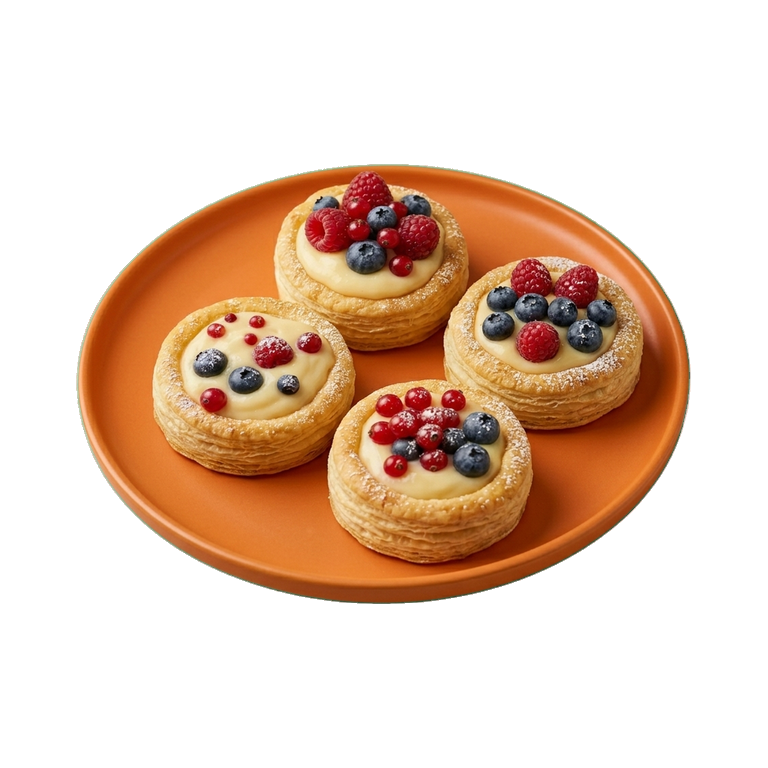
- Baking: pies, cupcakes, buns — berries won't fall apart or stain the dough black
- Compotes and fruit drinks: gives a soft, subtle flavor, works well with lemon and ginger
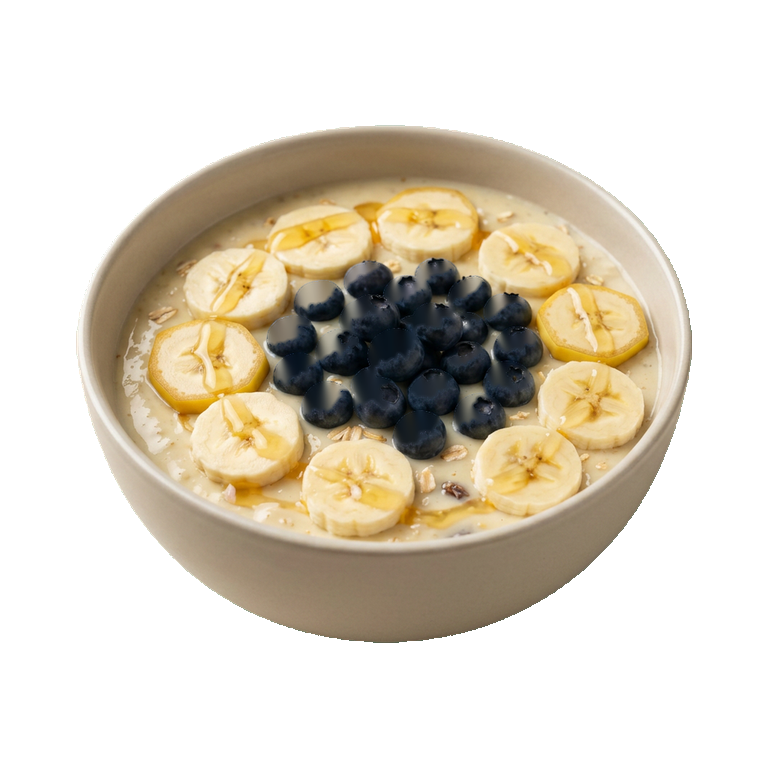
- Smoothies and beverages: blends perfectly, doesn't create a rough texture
- Desserts: panna cotta, mousse, cream — blueberries add delicacy
- Jams and preserves: holds its shape, creates a beautiful, not too dark jam
Combinations and pairings
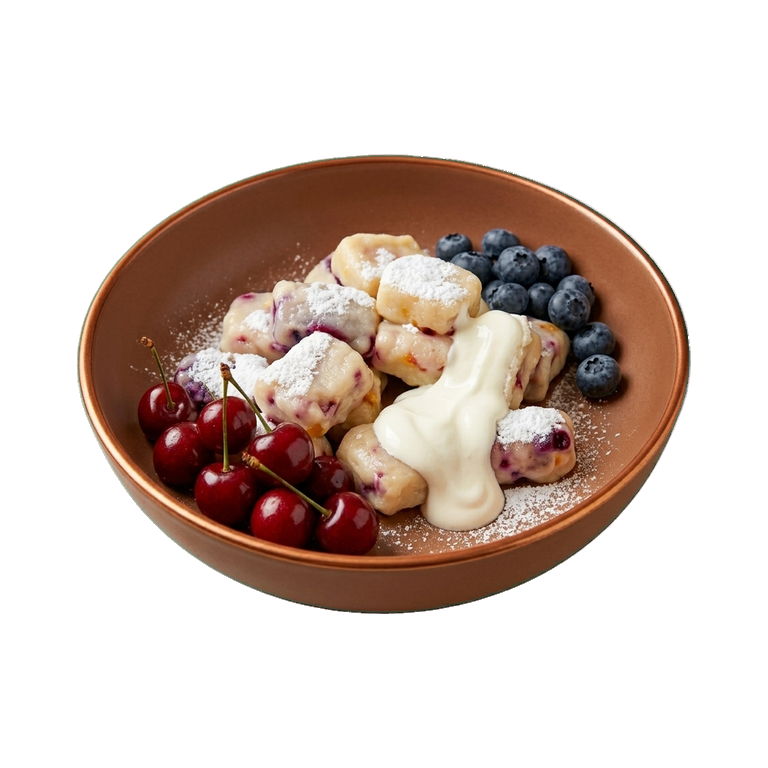
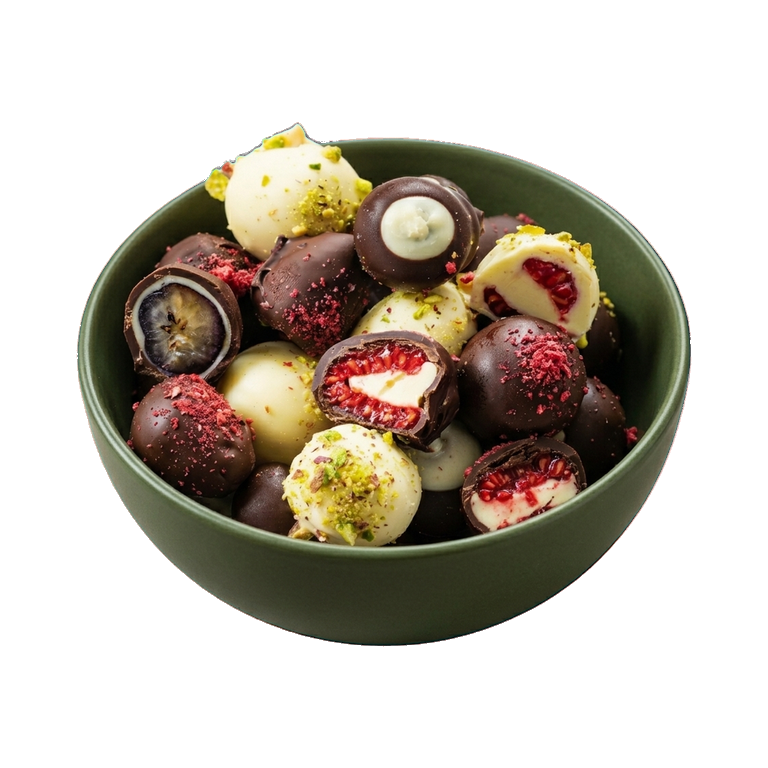
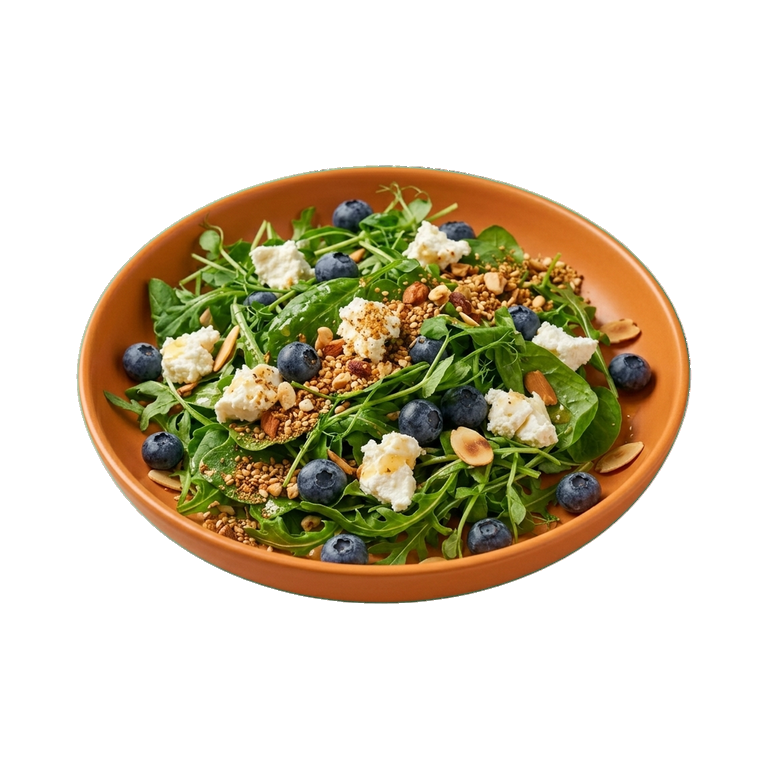
Blueberry pairs well with lemon, vanilla, cinnamon, and ginger. Works great alongside cottage cheese, yogurt, and cream cheese. Adding mint or lemon balm creates a fresh, summery flavor. With black pepper and dark chocolate, it creates an interesting contrast — sweet with bitter and spicy notes.
Selection and Storage
Choose berries that are firm and uniformly dark in color, without soft spots. A silvery bloom is normal and indicates freshness. Store fresh blueberries in the refrigerator in a shallow container for no more than a week. It's better not to wash the berries before storage — moisture reduces shelf life.
Frozen blueberries work great in cooking: they maintain their shape and flavor. Freeze berries in a single layer on a board, then transfer them to a container — this way they won't stick together. For baking, you can use them directly from the freezer without thawing.
Practical Tips
- If blueberries seem bland, add acidity to the dish: lemon juice, vinegar, or sour berries
- Before adding to the dough, lightly dust the berries with flour — this will prevent them from sinking to the bottom
- For compote, take berries in excess: they lose volume when cooked
- Blueberry juice can stain your hands and cutting board — this is normal and washes off
Nutrition
per 100 g
- Calories
- 57 kcal
- Protein
- 0.7 g
- Fat
- 0.3 g
- Carbs
- 14.5 g
Micronutrients
per 100 g
Macronutrients
- Water
- 84.19 g
Minerals
- Sodium
- 0 mg
- Potassium
- 85.64 mg
- Calcium
- 11.69 mg
- Magnesium
- 6.18 mg
- Phosphorus
- 12.96 mg
- Iron
- 0.34 mg
- Zinc
- 0.09 mg
- Copper
- 0.05 mg
- Manganese
- 0.42 mg
Vitamins
- Vitamin C
- 8.06 mg
Measures and weight
- 1 pcs
- 2 g
Measure calculator
- Weight
- 100 g
- Calories
- 57 kcal