Usuba
Usuba
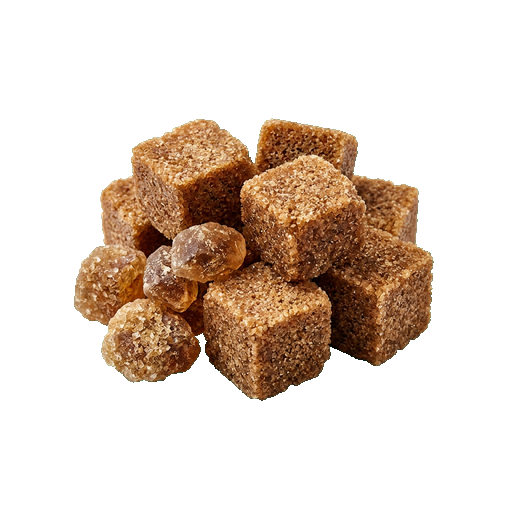
Cane sugar
Cane sugar is derived from sugarcane juice and undergoes minimal processing, which allows it to retain its brown hue and subtle molasses aroma with caramel notes. Its crystals are larger than white sugar, and its flavor is deeper and more intense, making it particularly valuable in baking, beverages, and sauces. When substituting white sugar with cane sugar, keep in mind that it may give your dish a darker color and slightly moist texture due to its molasses content.
About
Cane sugar is a crystal produced from sugarcane juice. Unlike beets, sugarcane yields a more moist, less refined product, which is why such sugar often contains molasses residue. This is what gives it a brownish color and imparts a characteristic flavor. In the kitchen, this works to your advantage: the sugar turns out not just sweet, but with depth.
Aroma and Flavor
Feel the difference when compared to white sugar. Cane sugar has a soft, slightly caramel flavor with barely noticeable notes of molasses. It's not a bold taste — rather, a subtle background that enriches the dish. In baking, it adds moisture and makes the texture more tender. In beverages, it imparts roundness and a touch of complexity.
Role in dishes
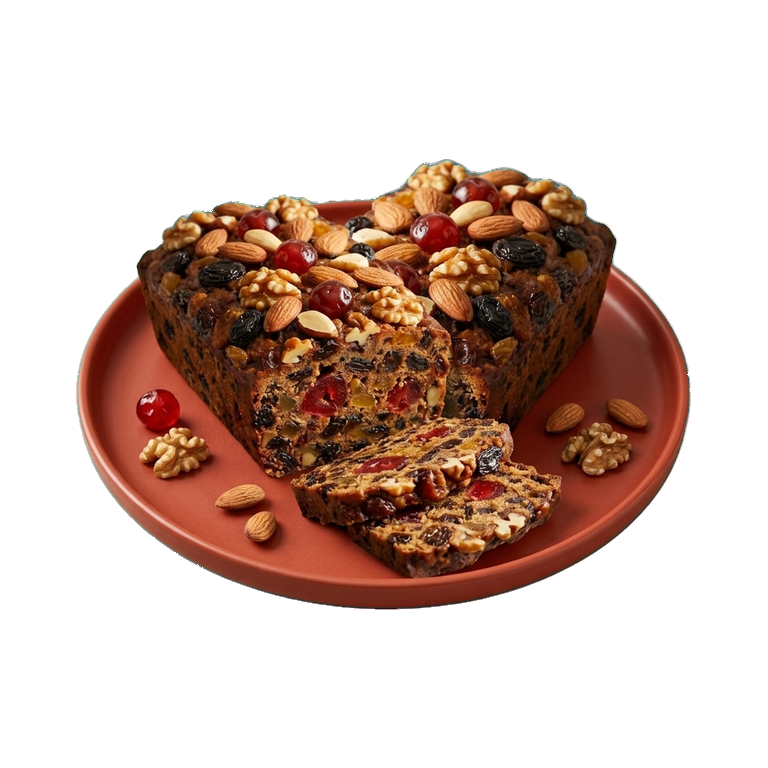
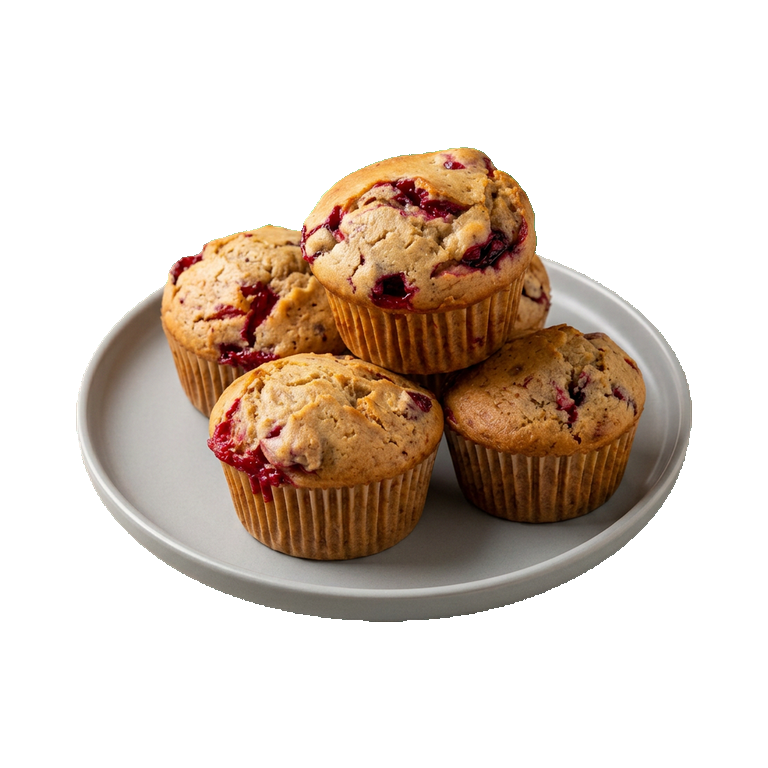
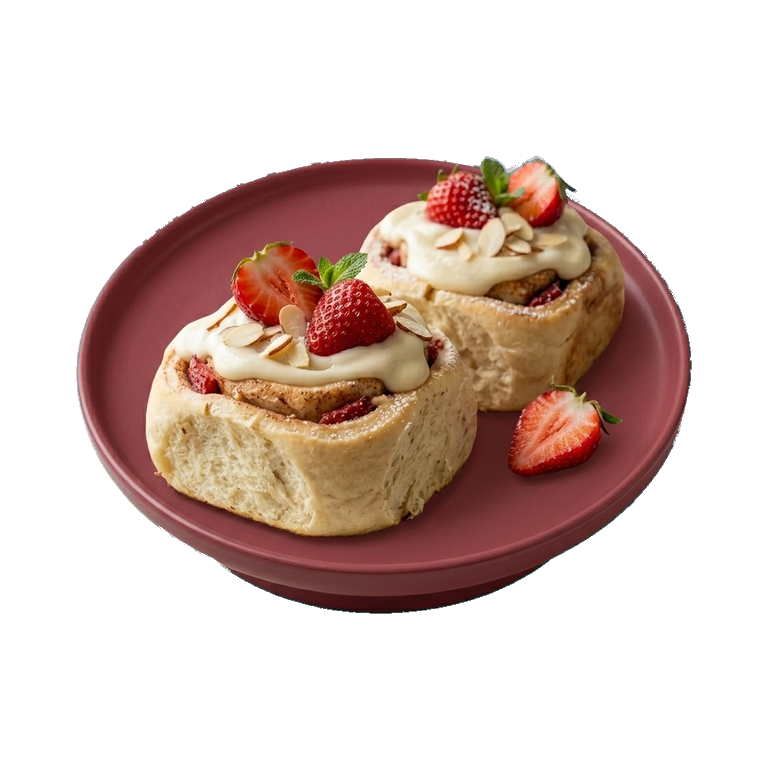
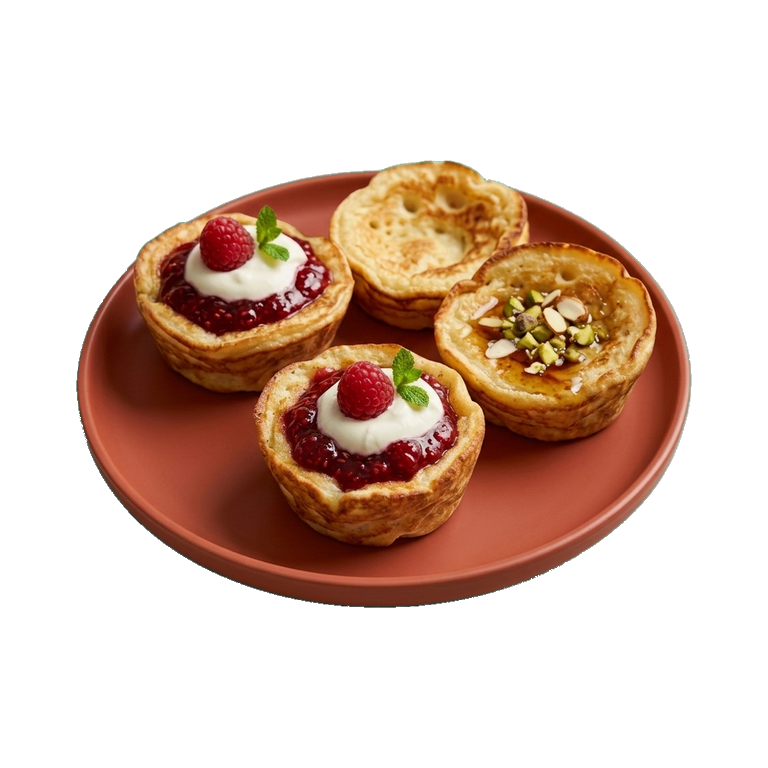
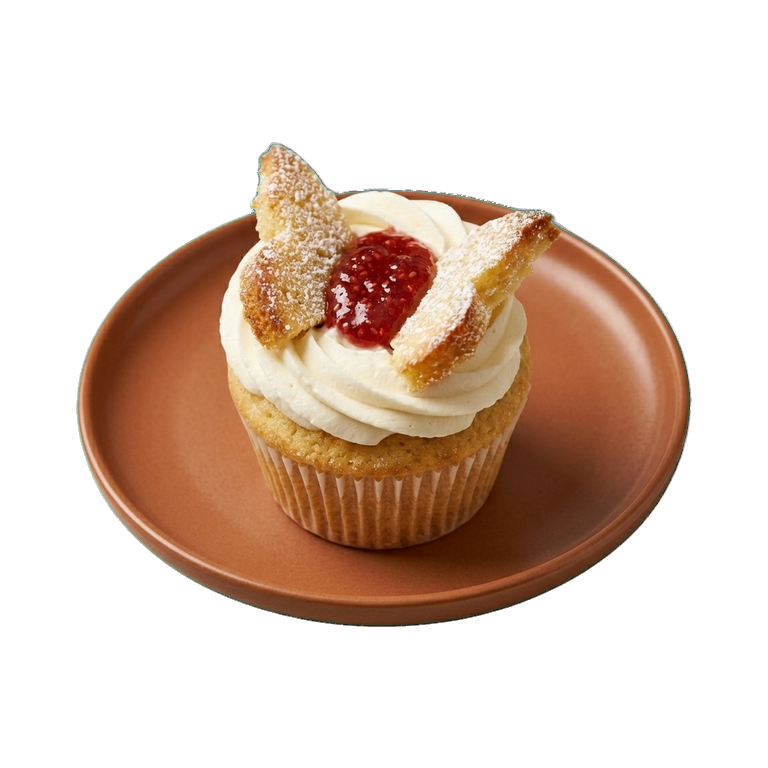
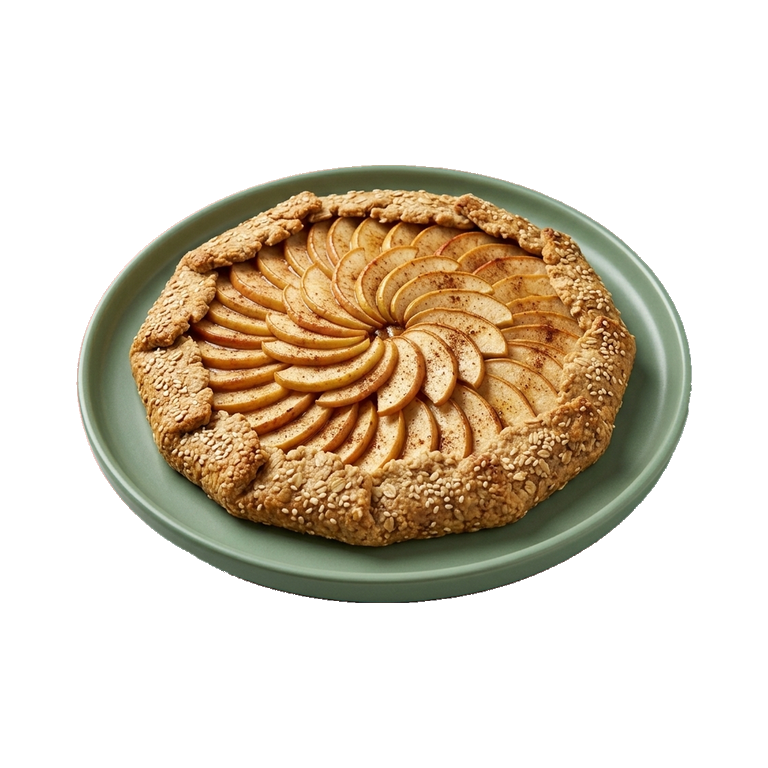
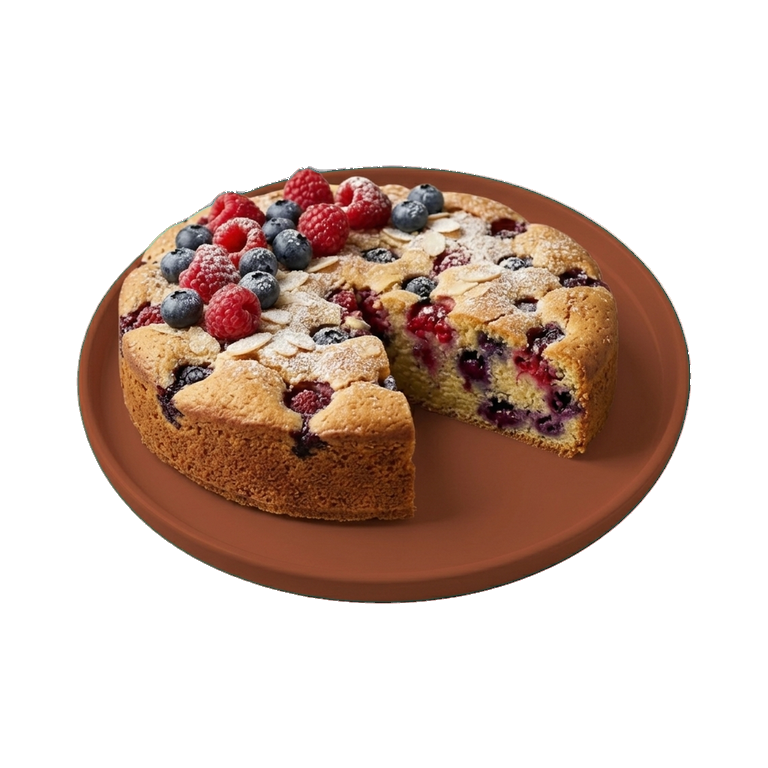
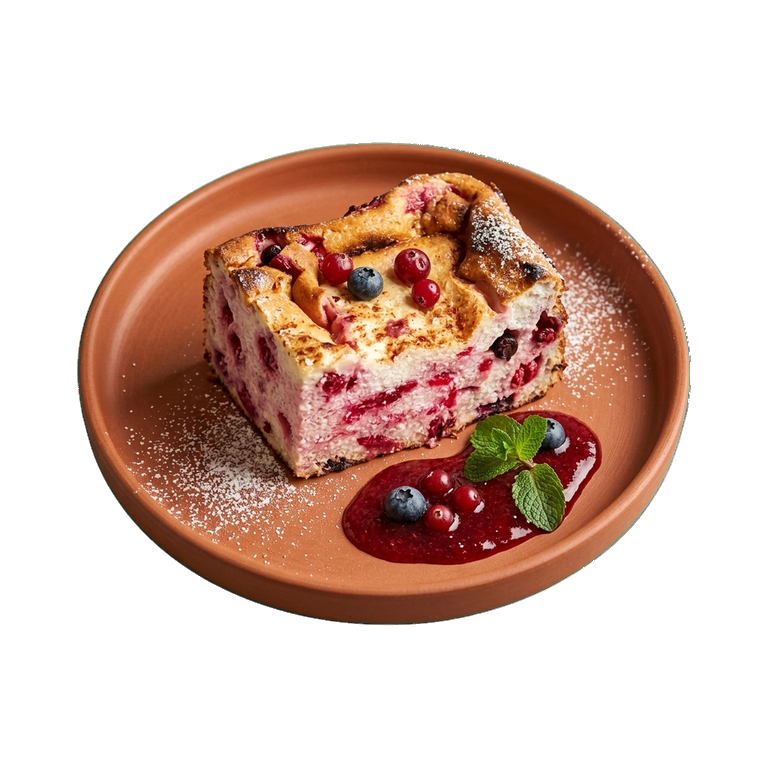
- Baking and desserts — cookies, cupcakes, pies become more moist and acquire a light caramel tint
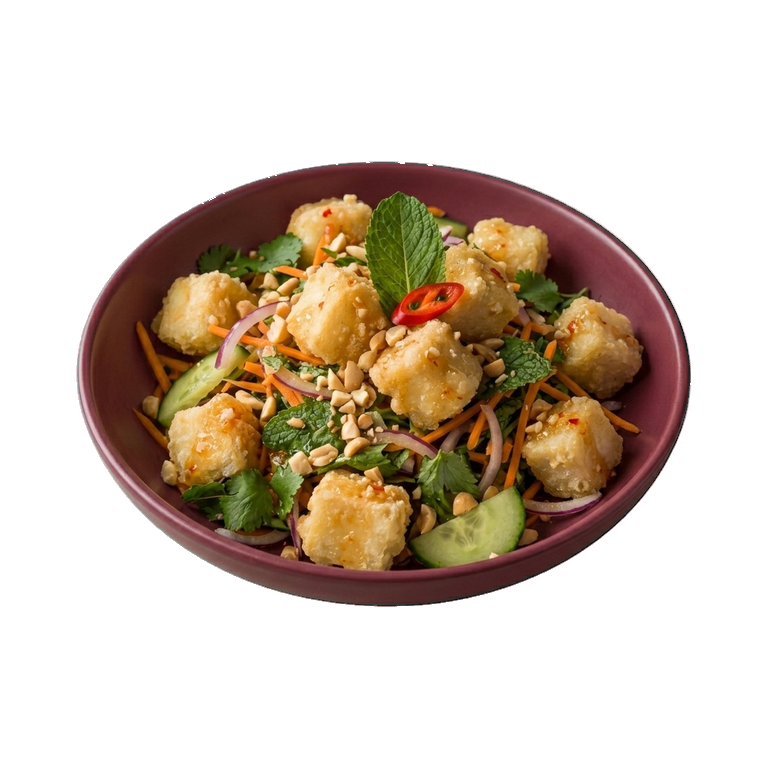
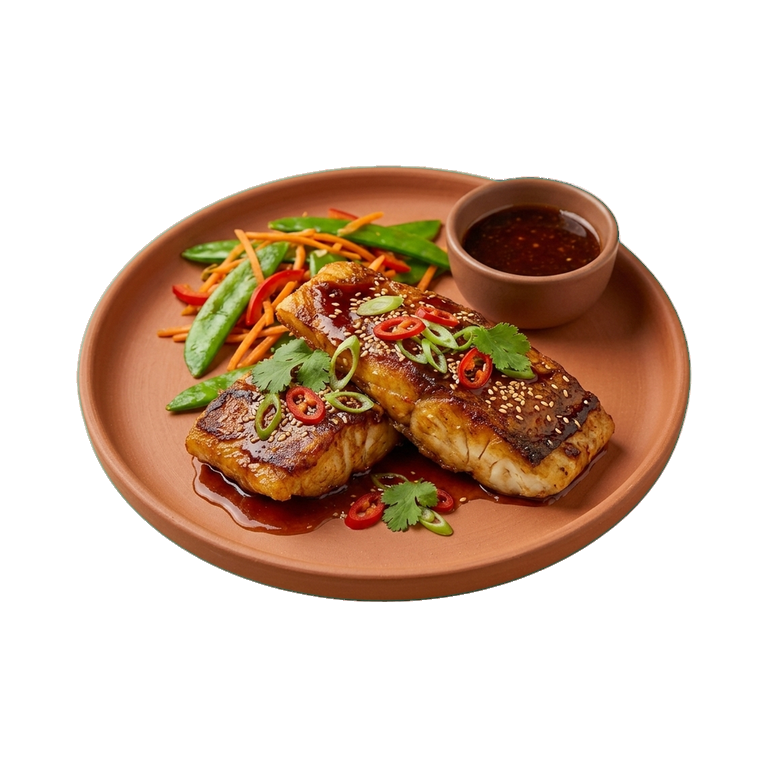
- Sauces and marinades — works excellently in spicy and sweet-and-sour combinations, balances spices
- Beverages — coffee, tea, cocktails acquire softness and fullness of flavor
- Caramel and candies — gives a more interesting, ambiguous result than white sugar
Pairings
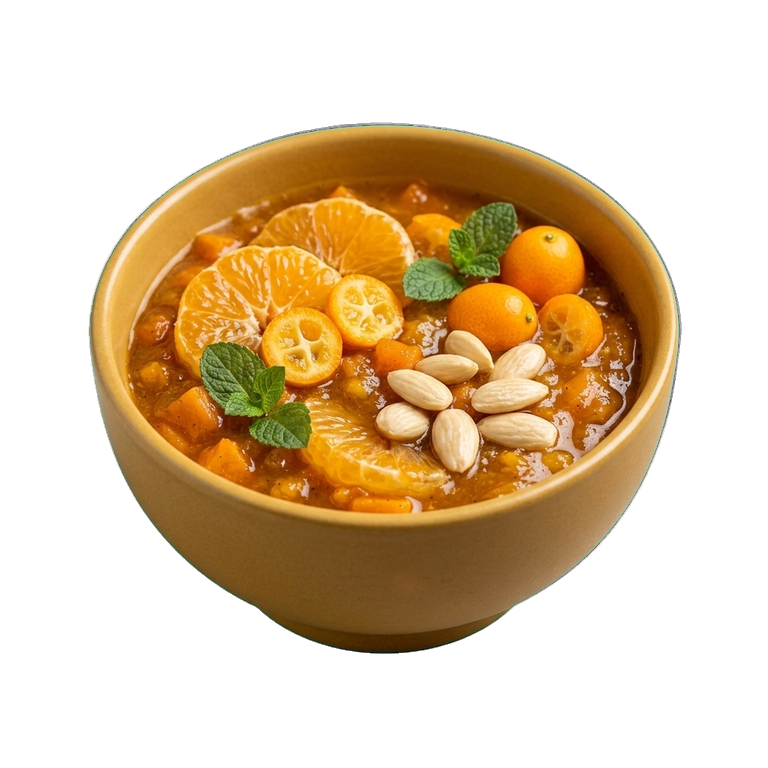
Cane sugar pairs well with spices: cinnamon, ginger, and cloves. It doesn't compete with chocolate, nuts, and citrus — rather, it highlights them. In spicy dishes, it works as a mellowing agent, allowing other components to reveal themselves more fully.
Selection and Storage
When purchasing, pay attention to the color: the darker the crystals, the more molasses they contain and the more pronounced the flavor. Light brown sugar is more neutral, while dark brown sugar is more aromatic. Store in an airtight container in a dry place. If the sugar has clumped together, simply break up the lumps or place a small bowl of water nearby for a few hours — the moisture will help the crystals separate.
Cane sugar works one-to-one like white sugar in most recipes. Just remember: it affects not only the sweetness but also the flavor profile of the dish. This is not a drawback, but an opportunity.
Nutrition
per 100 g
- Calories
- 387 kcal
- Protein
- 0 g
- Fat
- 0 g
- Carbs
- 96.5 g
Measures and weight
- 1 tbsp
- 12 g
- 1 tsp
- 4 g
- 1 cup
- 200 g
Measure calculator
- Weight
- 100 g
- Calories
- 387 kcal