Usuba
Usuba
Blackberry
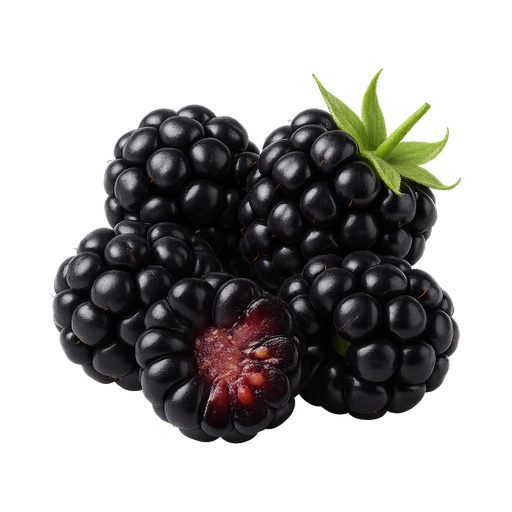
Blackberry is a dark berry with a tart-sweet flavor and subtle astringency that works well for fresh consumption, jam, compotes, and baking. The berry contains many small drupelets, so when selecting, make sure the blackberry is ripe and not moldy. In cooking, blackberry is often combined with other berries, used in desserts and sauces, and can be replaced with raspberry, black currant, or blackberry juice.
Micronutrients
per 100 g
About
Taste and Aroma
Blackberry is a berry with characteristic tartness and sweetness that perfectly balance each other. In ripe fruits, the flavor becomes softer and deeper, with a slight astringency on the finish. The aroma of fresh blackberry is delicate, slightly herbaceous, with a hint of forest freshness. The texture of the berry is tender, almost crumbly — each segment melts in your mouth.
How to use in the kitchen
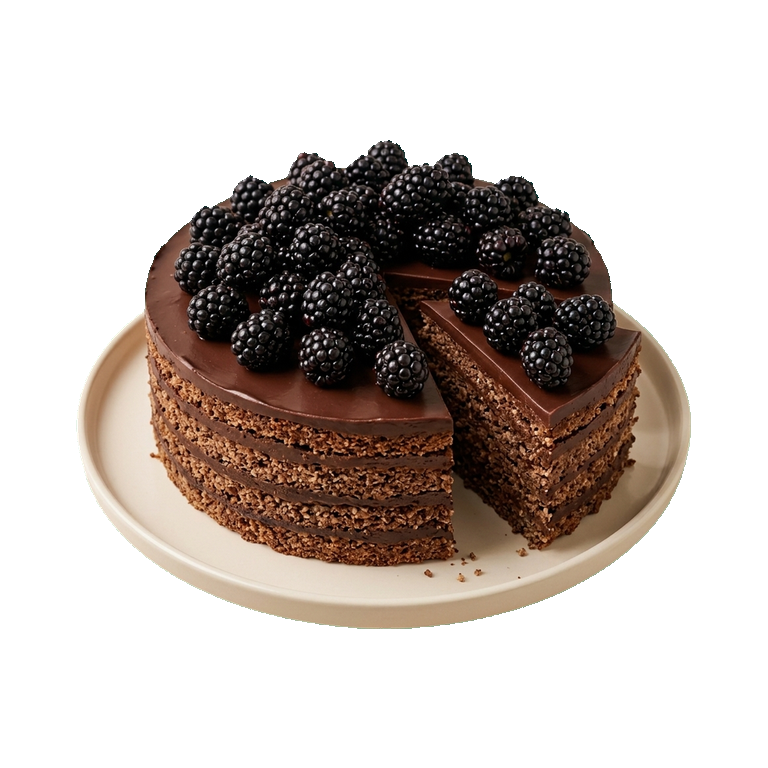
Blackberry is versatile: delicious fresh, in compotes, jams and pies. Its tartness makes it ideal for sauces to serve with meat and poultry — try adding berries to duck or lamb gravy. In baking, blackberry works well in pies, muffins or cheesecakes, maintaining its shape thanks to its dense structure.
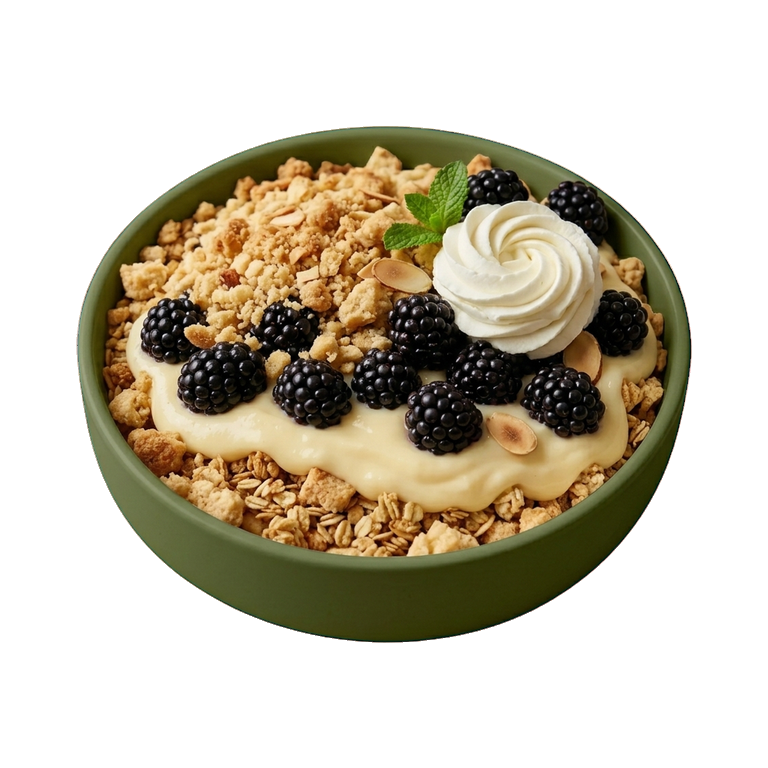
- Fresh berries in desserts, yogurts and porridge
- Jam, preserves and fruit spread
- Compotes and fruit drinks
- Sauces for meat and game
- Filling for pies and tarts
- Liqueurs and tinctures
Successful Pairings
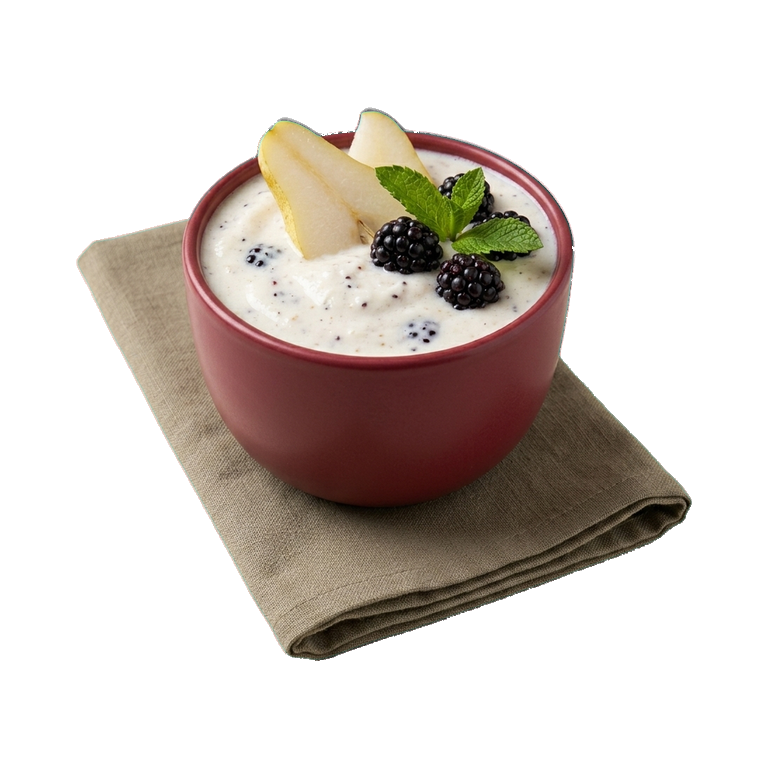
Blackberry pairs well with other berries — raspberries, currants, and blueberries. Its tartness emphasizes the sweetness of pears, apples, and apricots. In spicy combinations, it works with cinnamon, cardamom, and black pepper. On the table, blackberry is well-suited alongside cream cheese, yogurt, dark chocolate, and nuts.
Selection and Storage
When purchasing, choose berries that are black in color with a light grayish bloom — this is a sign of ripeness. Avoid crushed or moldy fruits. Blackberries are delicate and have a short shelf life: in the refrigerator at a temperature of 2–4 degrees, they will last a maximum of 3–4 days. Do not wash the berries before storage, as this will accelerate spoilage. If you plan to use them later, freeze the blackberries in a single layer on a tray, then transfer them to a container — this way they will keep for several months.
Nutrition
per 100 g
- Calories
- 43 kcal
- Protein
- 1.5 g
- Fat
- 0.5 g
- Carbs
- 9.6 g
Micronutrients
per 100 g
Macronutrients
- Fiber
- 5.3 g
- Water
- 86.45 g
Minerals
- Sodium
- 1.55 mg
- Potassium
- 167.4 mg
- Calcium
- 15.45 mg
- Magnesium
- 20.58 mg
- Phosphorus
- 20.16 mg
- Iron
- 0.21 mg
- Zinc
- 0.19 mg
- Copper
- 0.15 mg
- Manganese
- 0.88 mg
Vitamins
- Vitamin C
- 15.4 mg
Measures and weight
- 1 pcs
- 2 g
Measure calculator
- Weight
- 100 g
- Calories
- 43 kcal