Usuba
Usuba
French baguette
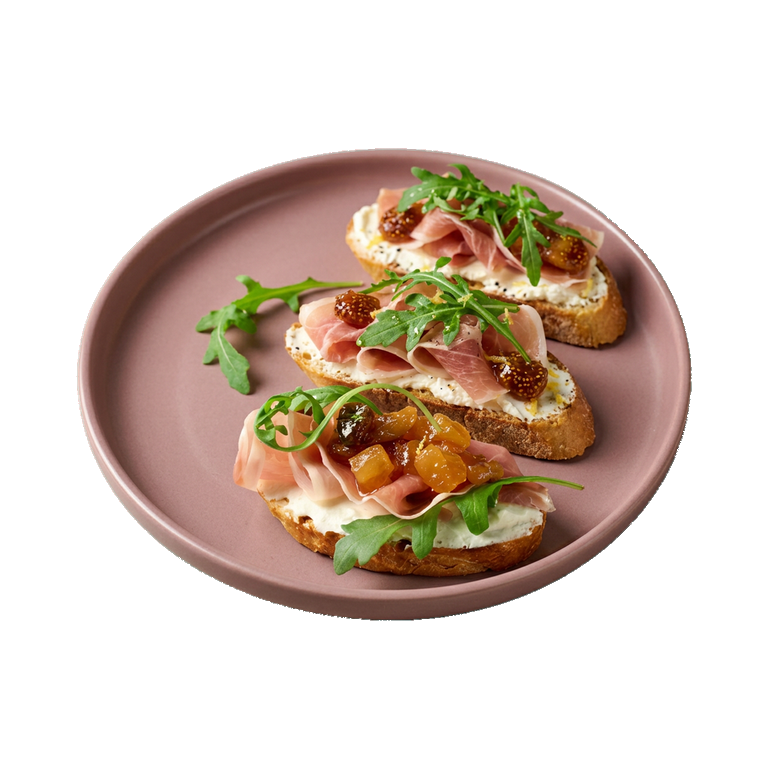
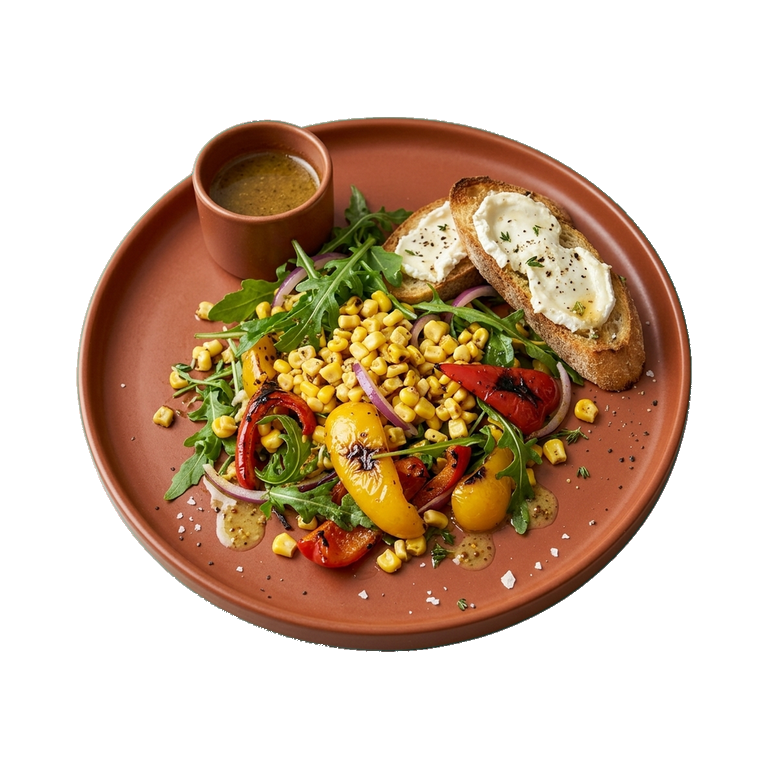
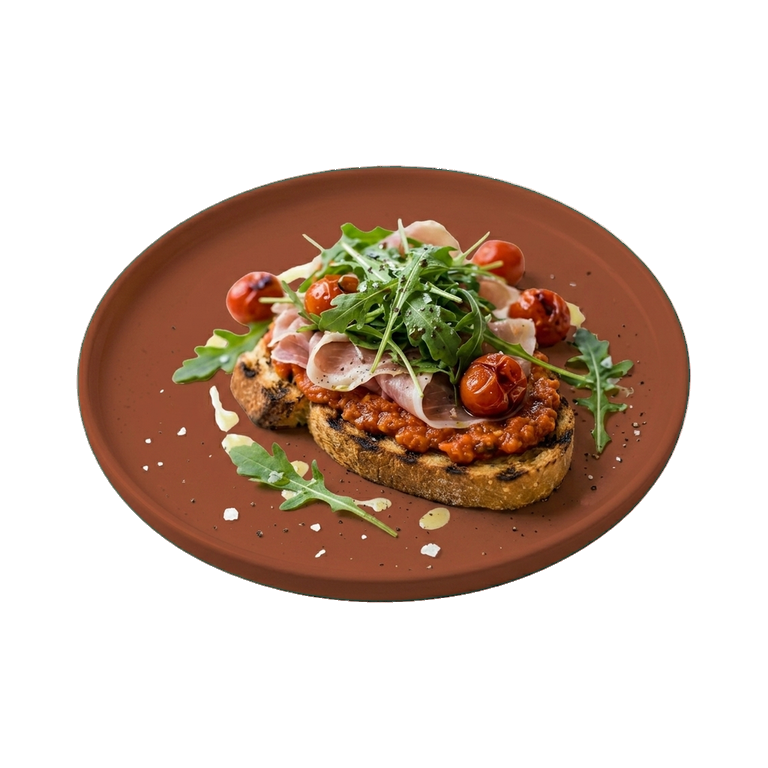
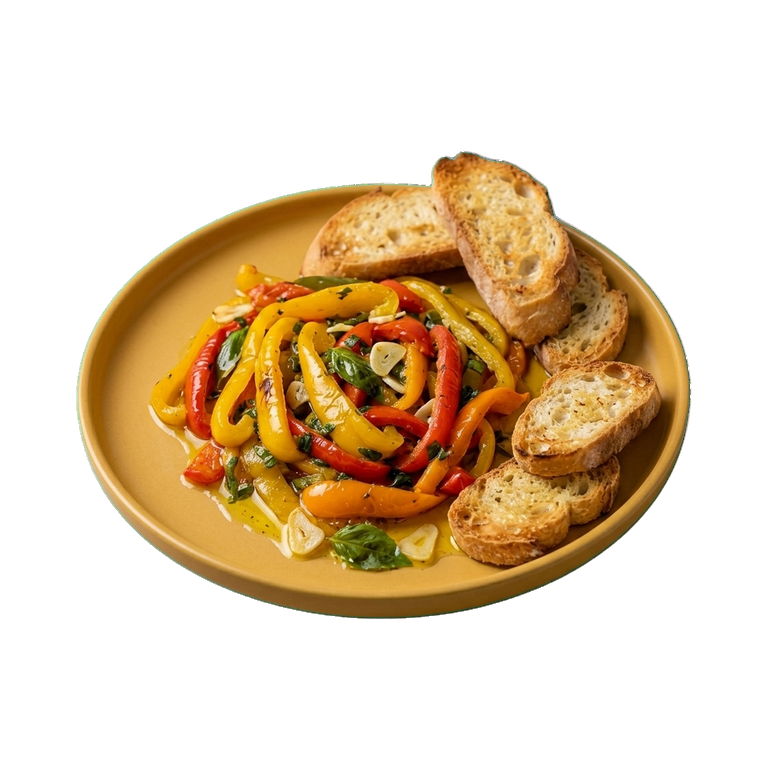
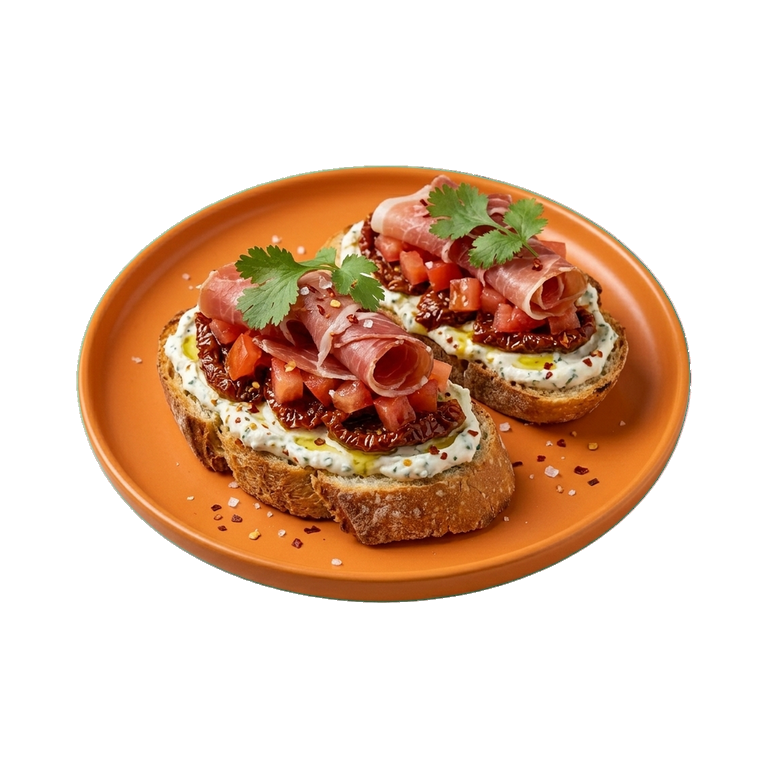
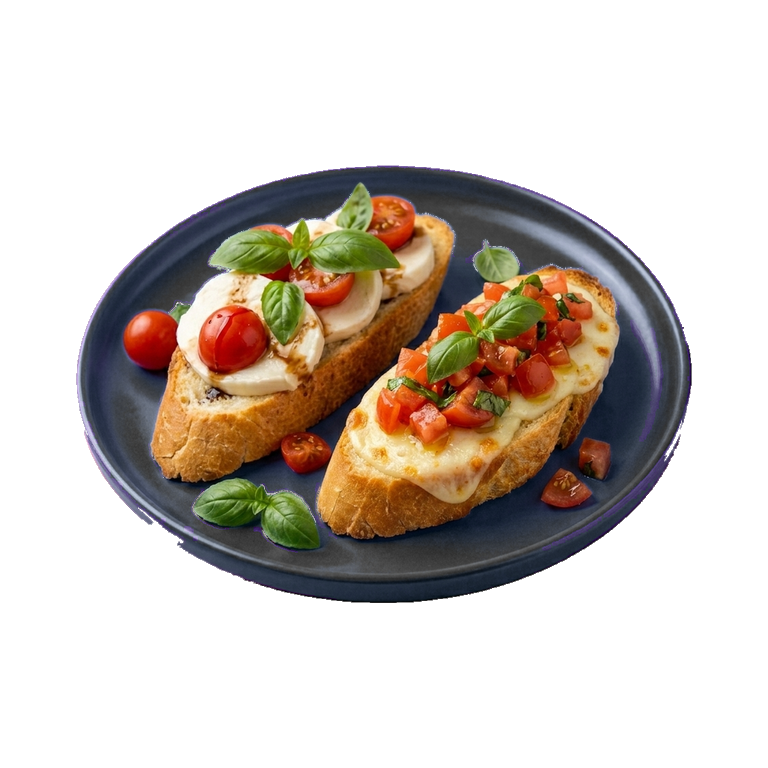
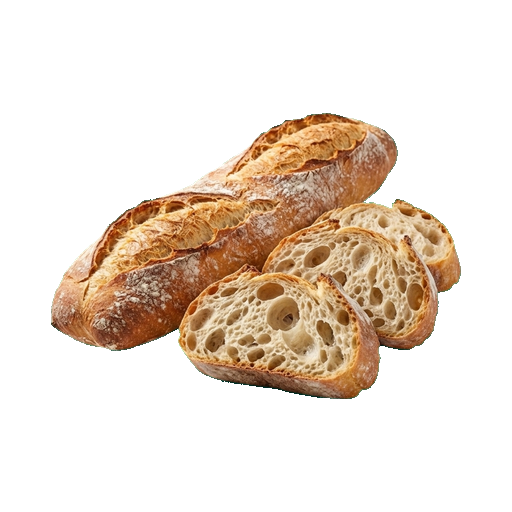
An elongated bread with a crispy golden crust and airy crumb inside, characteristic of French culinary tradition. Made from simple ingredients — flour, water, salt, and starter — but requires proper technique: prolonged fermentation and baking in a steam-filled oven to achieve the ideal texture. Baguette is versatile in the kitchen: suitable for sandwiches, appetizers, served with soups and cheeses, and also serves as a base for bruschetta and croutons.
About
A French baguette is not just bread, but a perfect tool for any cook. Long, thin, with a crispy crust and airy crumb inside, it works everywhere: sliced into pieces for sandwiches, cut into cubes for croutons, crumbled into breadcrumbs, or used as a base for bruschetta. Its neutral flavor doesn't compete with fillings, but only complements them.
Structure and Texture
Contrast is the main advantage of a baguette. On the outside is a crispy crust that makes a pleasant sound when broken. Inside is a light, porous crumb with large air cells. This structure allows the bread to absorb sauces and oils without falling apart. The crust holds its shape well when sliced and doesn't crumble in your hands.
Where and how to use
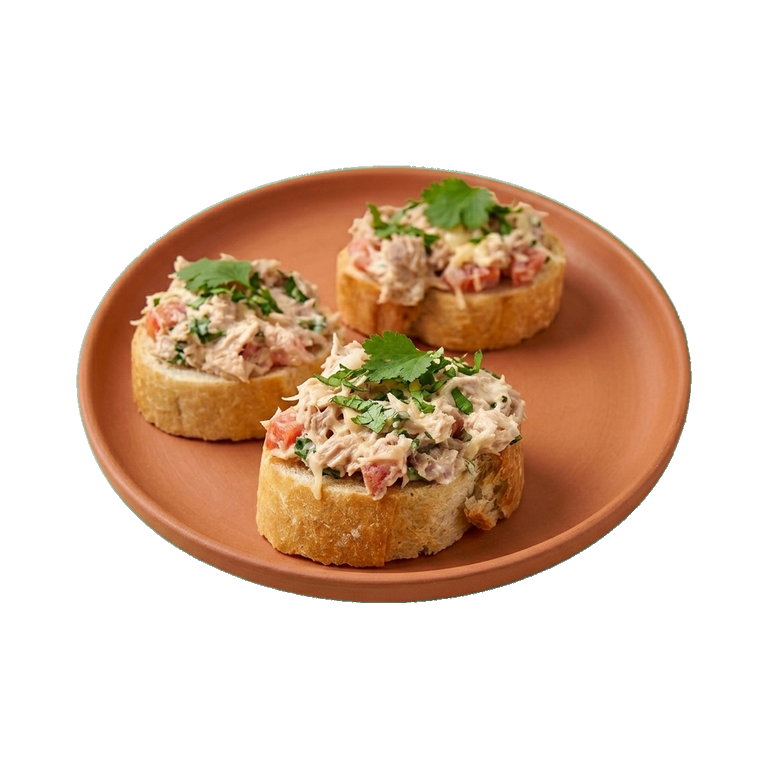
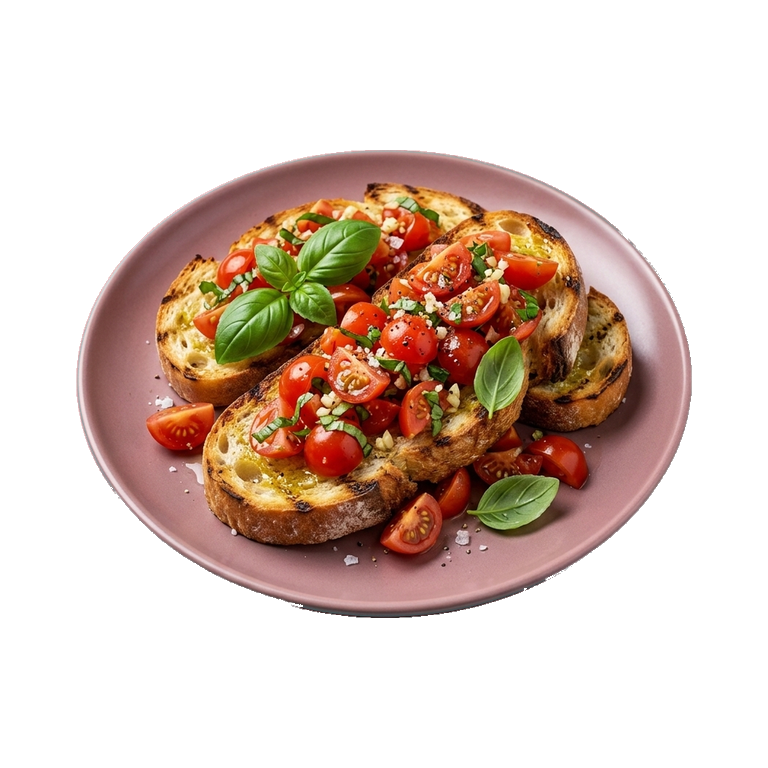
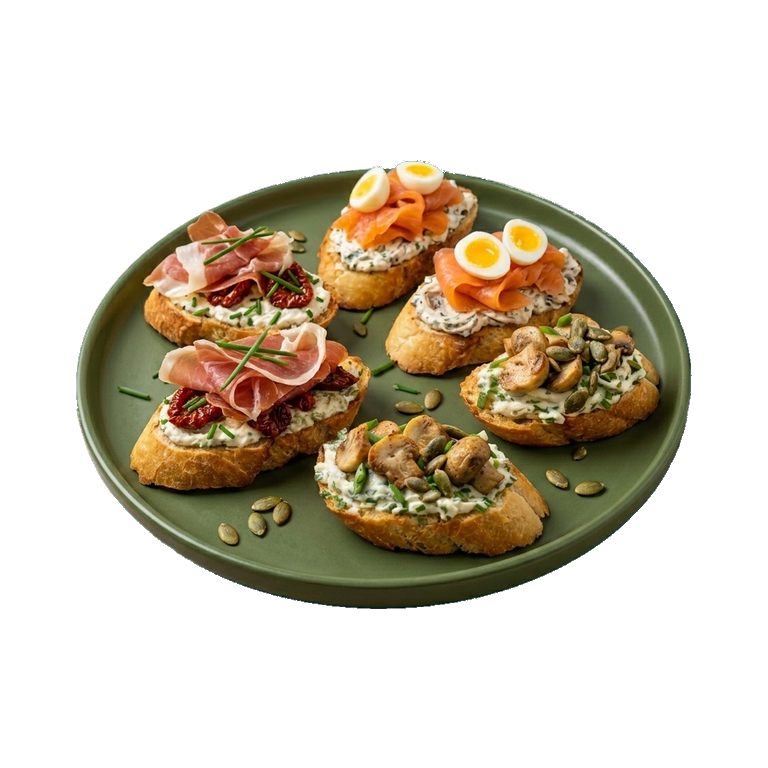
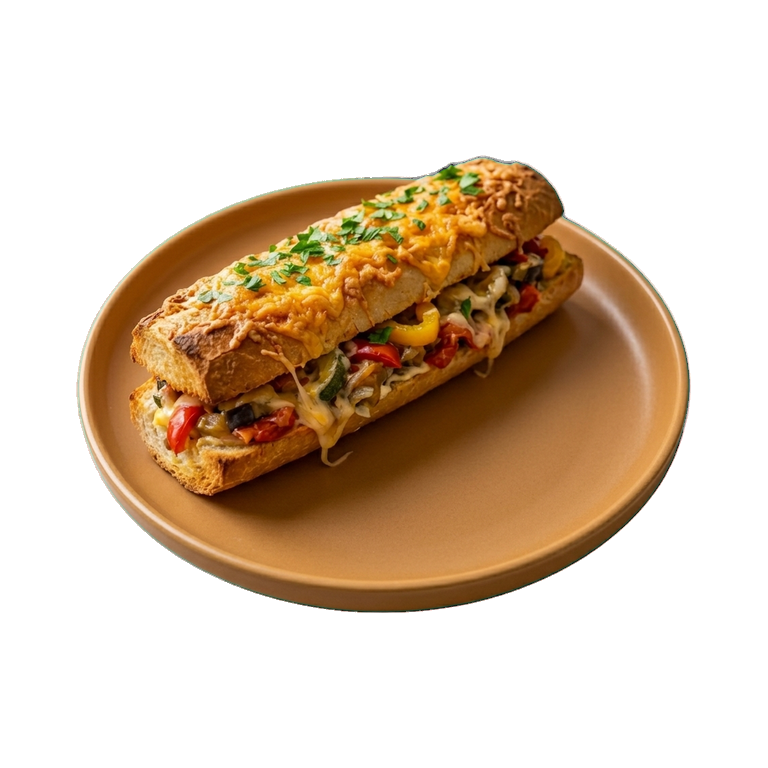
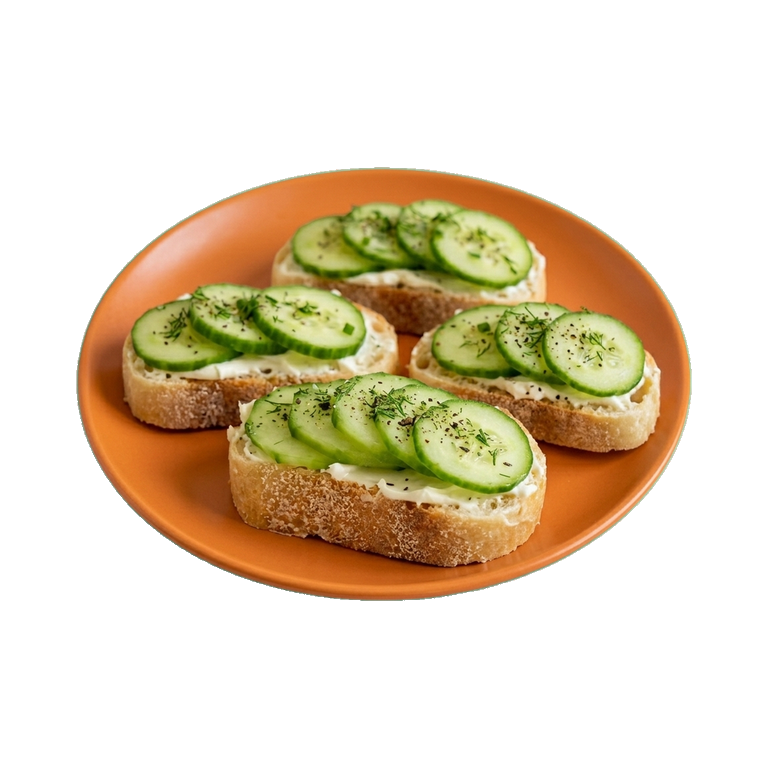
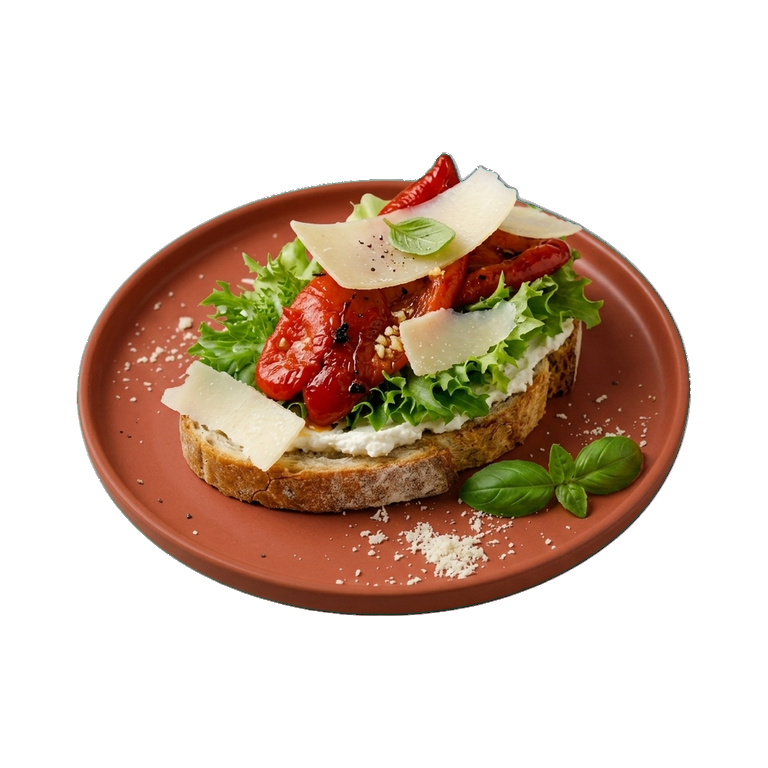
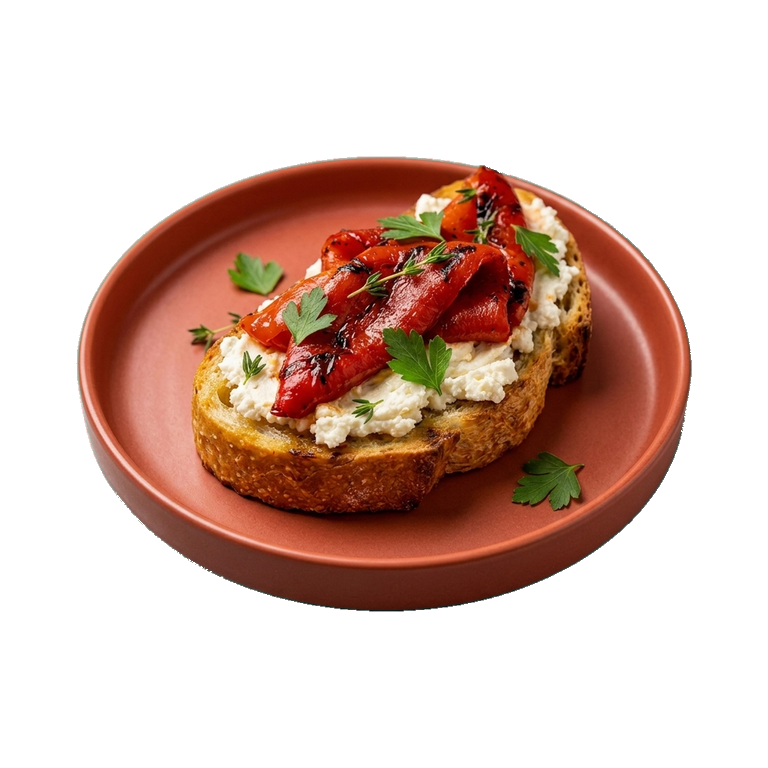
- Bruschetta and canapés — slice thinly, dry in the oven, arrange the filling
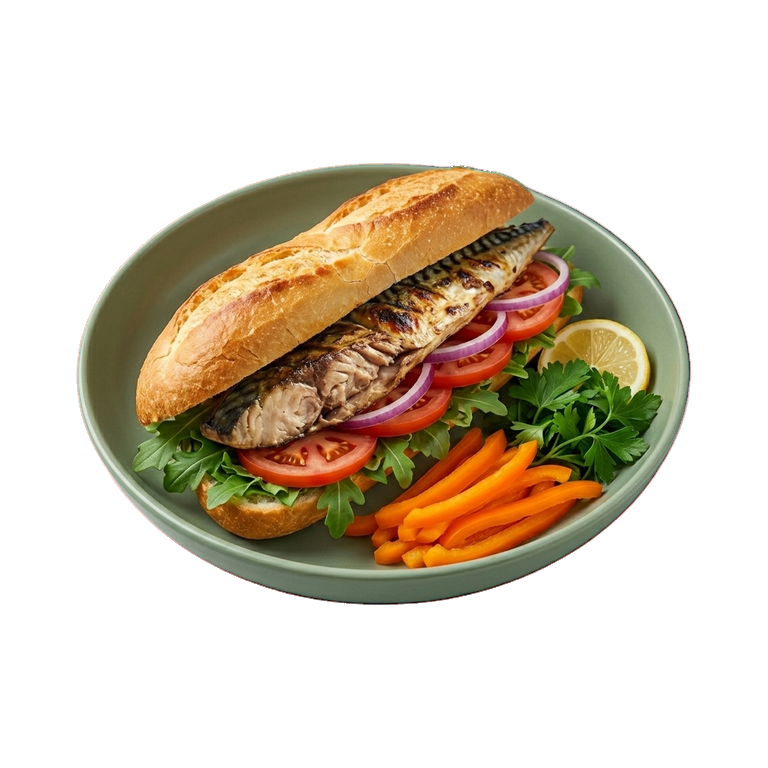
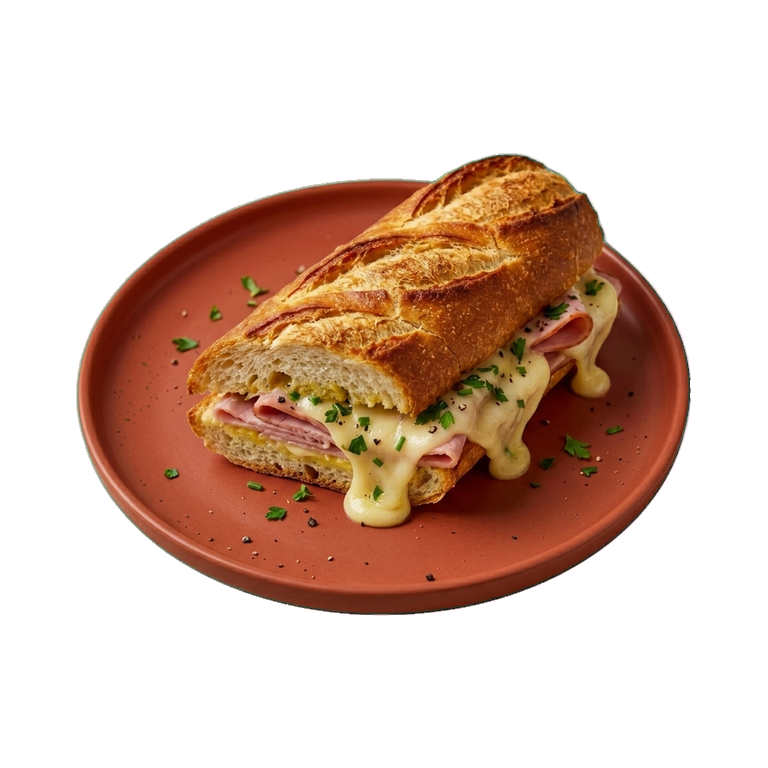
- Sandwiches — cuts easily and neatly, does not crumble under pressure
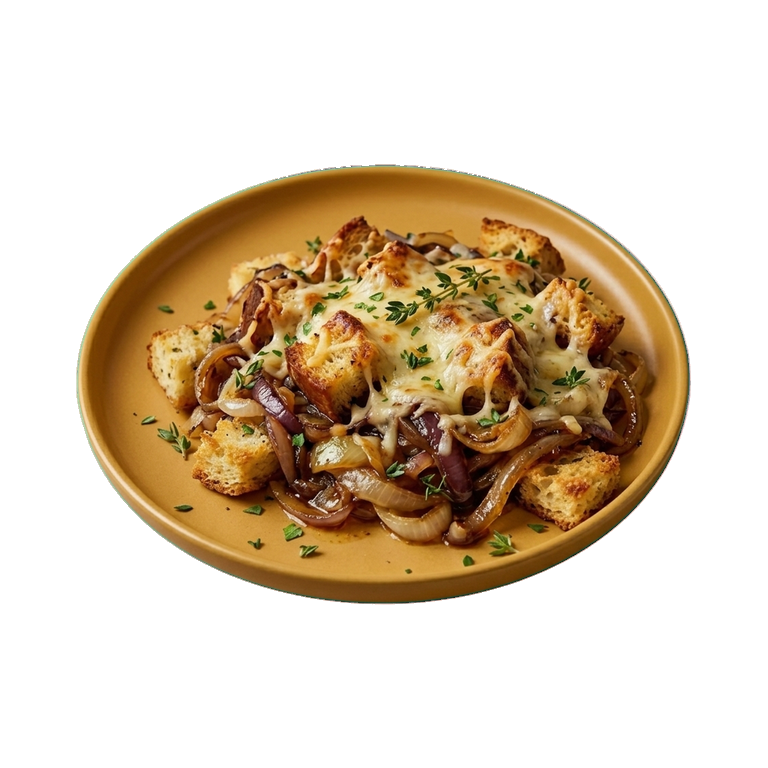
- Croutons and breading — slice into cubes or grate for breadcrumbs
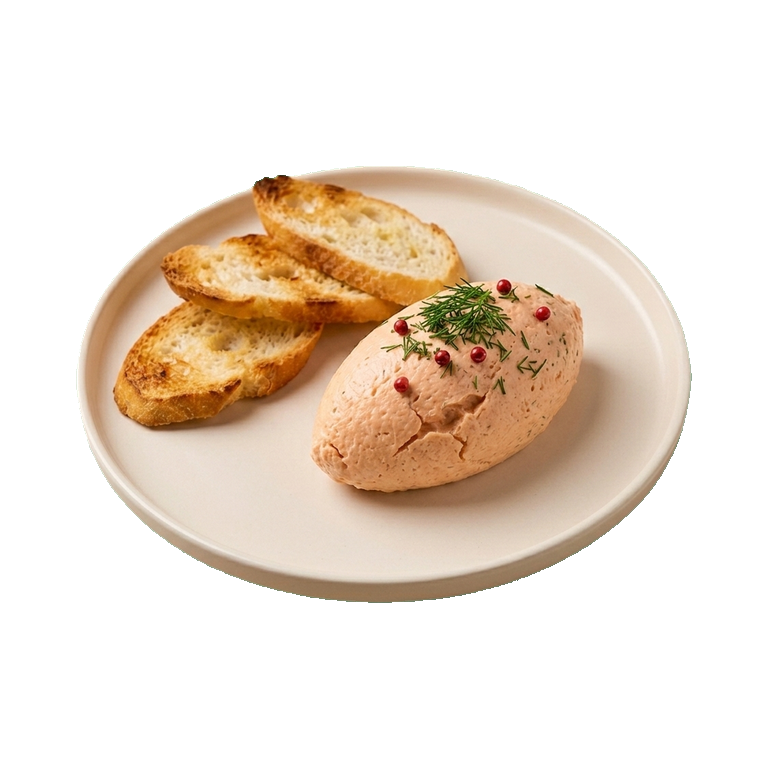
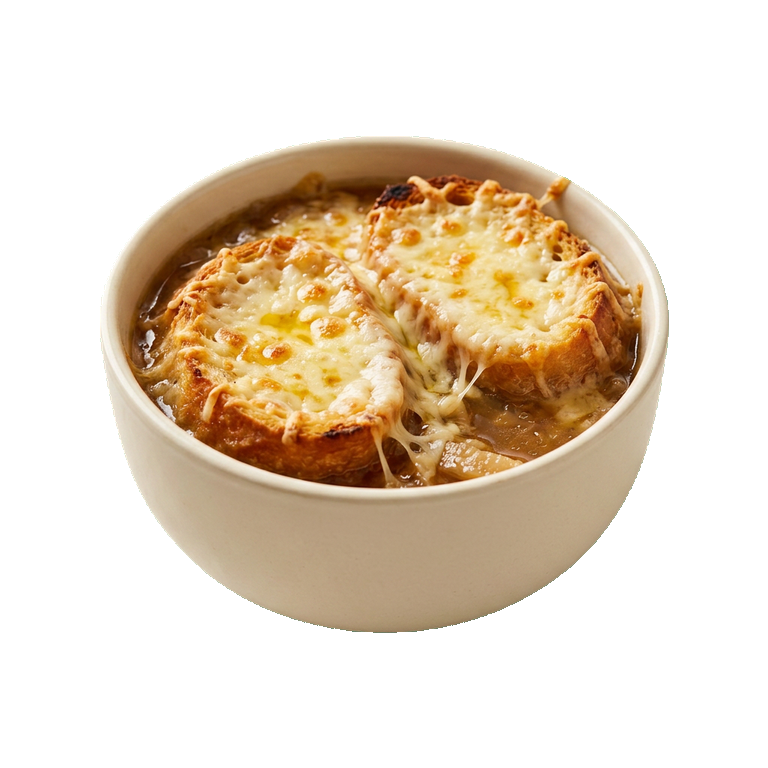
- Accompaniment to soups and pâtés — a slice of bread absorbs liquid but remains firm
- Base for open pies and pizza — if sliced lengthwise and filled with topping
Combinations and pairings
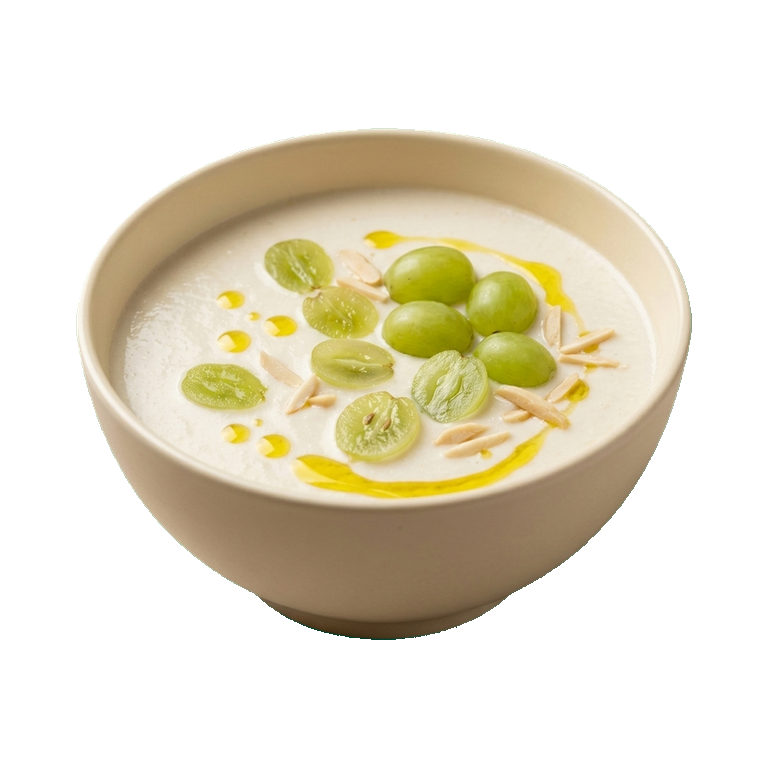
Baguette works well with butter, pâtés, soft cheeses, and cold cuts. It is served with borscht and cream soups — the bread absorbs the aroma without losing its structure. With sharp sauces and savory fillings, the contrast between the crust and crumb becomes even more expressive. Try drying the slices and rubbing them with garlic before serving with olive oil.
Selection and Storage
Fresh baguette has a crispy crust and makes a sound when broken. The crumb should be light, without dark spots or moisture. If the bread is soft and limp, it has already started to go stale. Use the baguette on the day of purchase or the next day — it is bread for quick consumption, not for long storage.
- At room temperature — in a paper bag or cloth, away from moisture
- In the refrigerator — not recommended, bread goes stale faster
- In the freezer — slice before freezing, take out as needed and dry in a toaster
- Stale baguette — dry in the oven at low temperature, it will restore the crunchiness of the crust
Practical tip
Cut the baguette with a sharp bread knife at a 45-degree angle — this way the slices turn out more even and beautiful. If you need thick slices for bruschetta, hold the knife perpendicular. For thin slices for canapés, use sawing motions without pressing down — the crust will stay intact and won't crack.
Nutrition
per 100 g
- Calories
- 280 kcal
- Protein
- 9 g
- Fat
- 1.1 g
- Carbs
- 56 g
Measures and weight
- 1 pcs
- 50 g
- 1 slice
- 25 g
Measure calculator
- Weight
- 100 g
- Calories
- 280 kcal