Usuba
Usuba
Ground meat
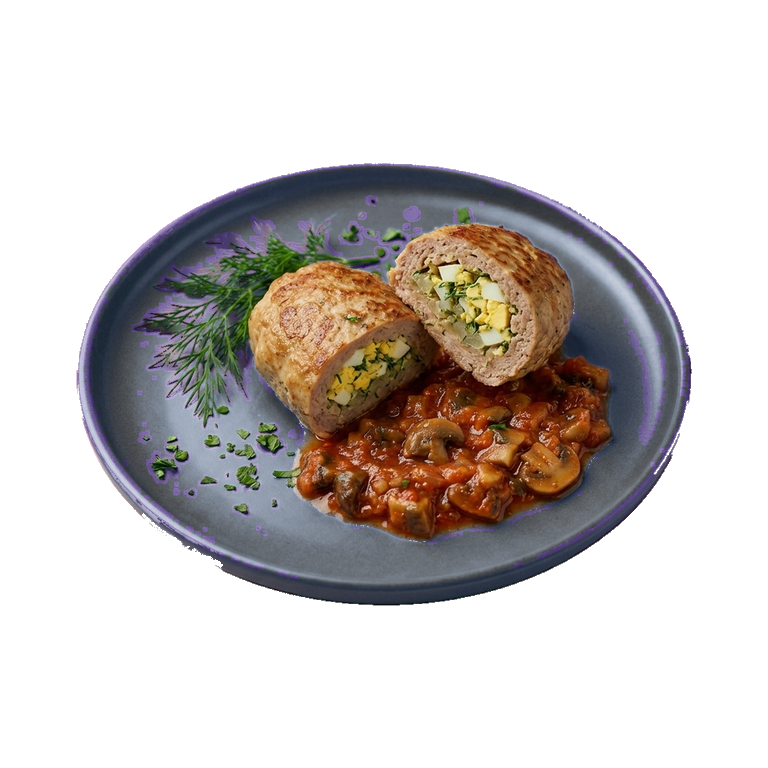
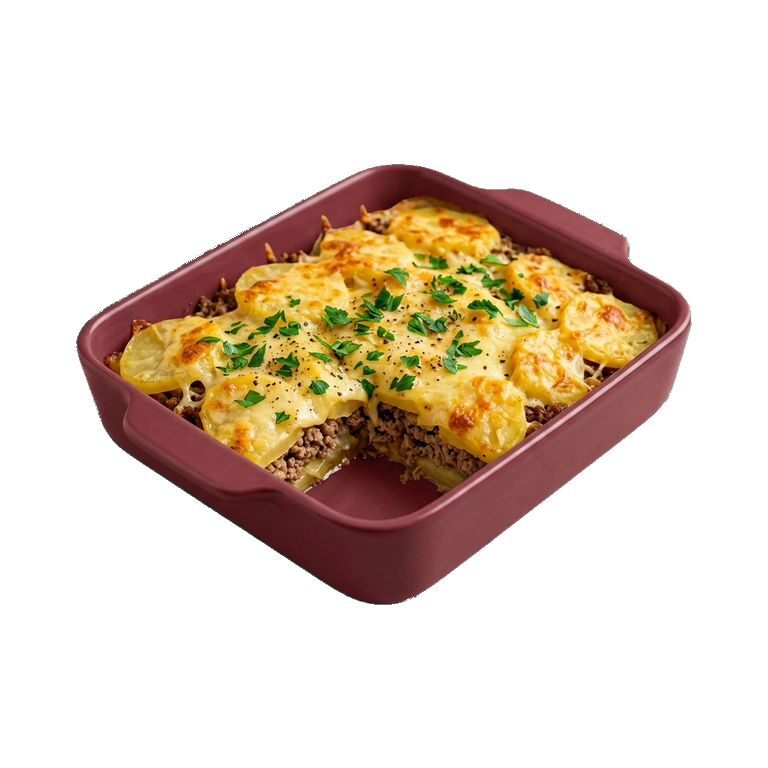
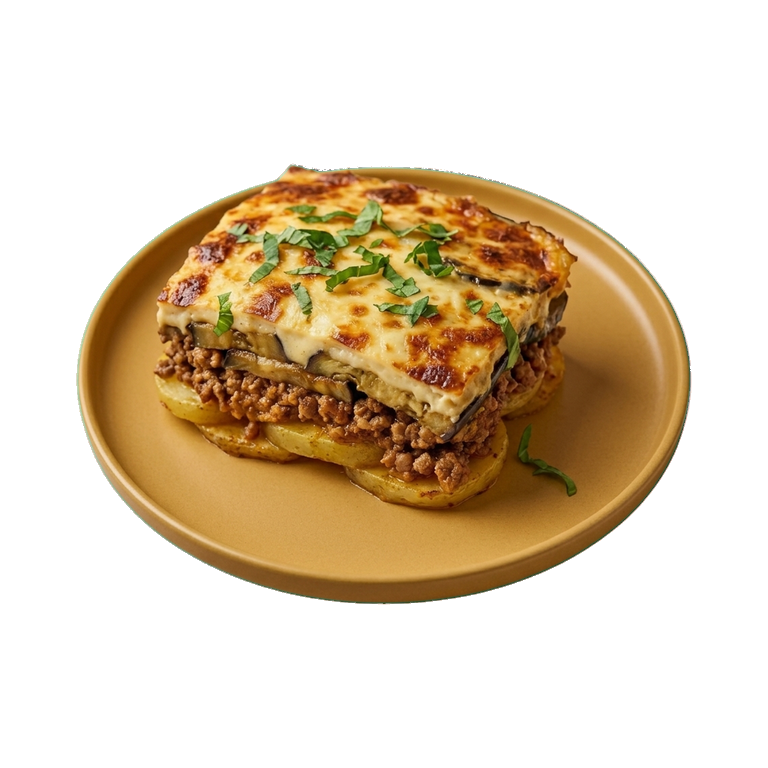
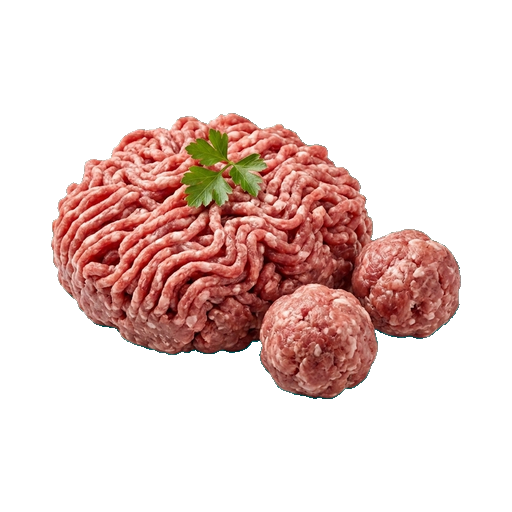
Ground meat is finely chopped or minced meat used as a base for cutlets, meatballs, fillings, and sauces. It is made from beef, pork, chicken, or their mixture depending on the dish and preferences. When selecting, it is important to pay attention to color and freshness — quality ground meat has a uniform consistency without excess moisture, and when substituting one type of meat for another, keep in mind that this will affect the juiciness and taste of the finished dish.
About
Ground meat is minced meat that has become the foundation of countless dishes around the world. Its versatility lies in the fact that it easily takes shape, absorbs the aromas of spices and sauces, and cooks much faster than whole cuts. Whether it's patties in a pan, filling for dumplings, or the base for gravy — ground meat works everywhere you need a soft texture and quick results.
Types and Selection
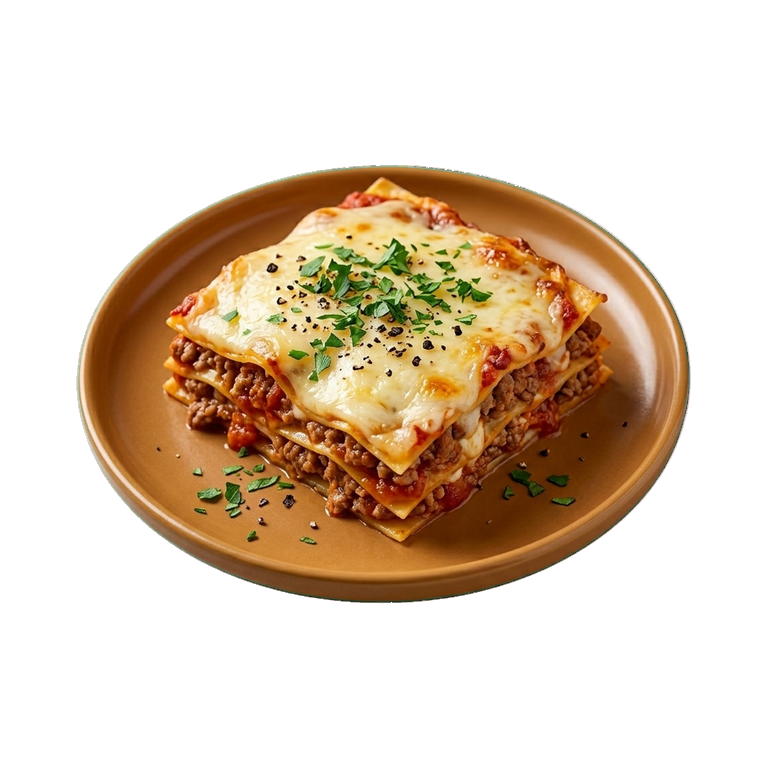
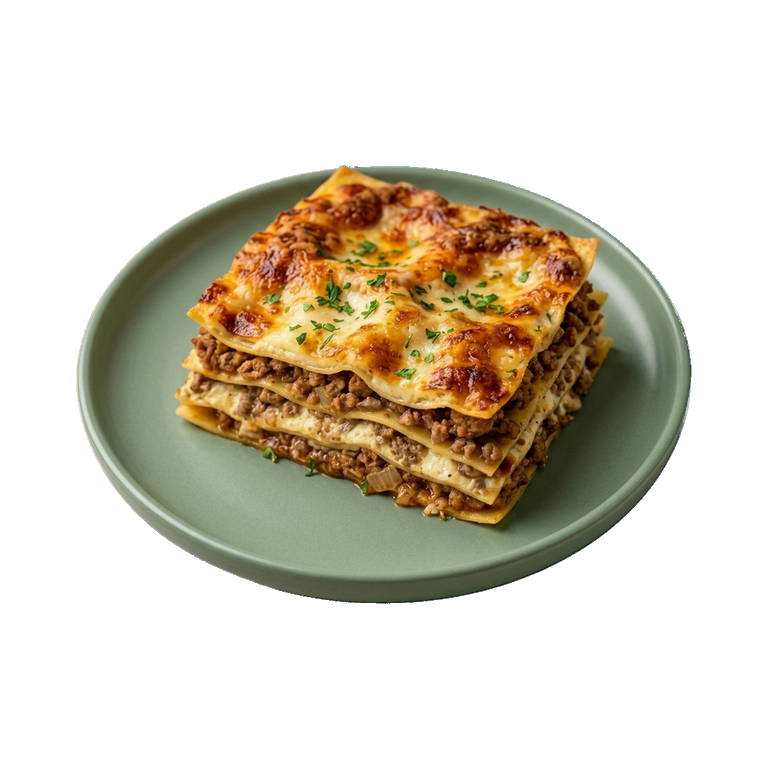
Meat filling is made from different types of meat, and each variety has its own character. Beef filling is denser and more robust, ideal for burgers and lasagna. Pork is more tender and fatty, great for meatballs and fillings. Chicken is the most dietary option, but requires the addition of fat or binding ingredients to prevent it from falling apart during cooking. Butchers often mix two or three types to balance flavor and texture.
- Choose ground meat with a bright color — a dull shade indicates long storage
- The smell should be meaty, fresh, without sourness or staleness
- Check the packaging date — ground meat doesn't keep long, even in the refrigerator
- If possible, ask to have the meat ground in front of you — this way you'll get the freshest product
Role in dishes and pairings
Ground meat is not just an ingredient, it's a foundation that transforms depending on what you add. Onion, garlic, and herbs elevate its taste to a new level. Egg and breadcrumbs bind the structure and prevent it from falling apart. Vegetables — carrots, celery, zucchini — make the dish juicier and lighter. Spices work like a magic wand: cumin and coriander turn ground meat into an Eastern dish, oregano and garlic — into an Italian one.
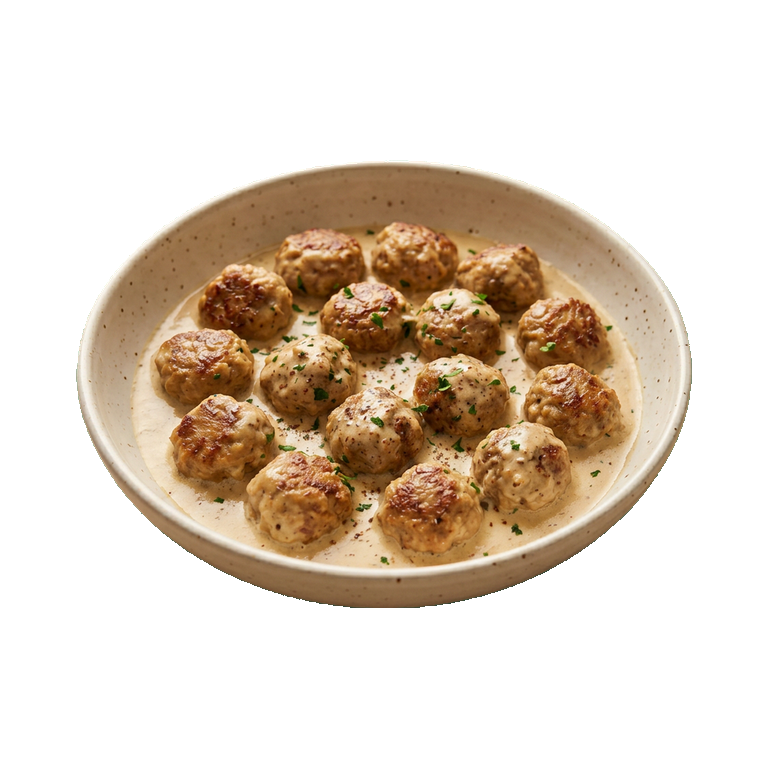
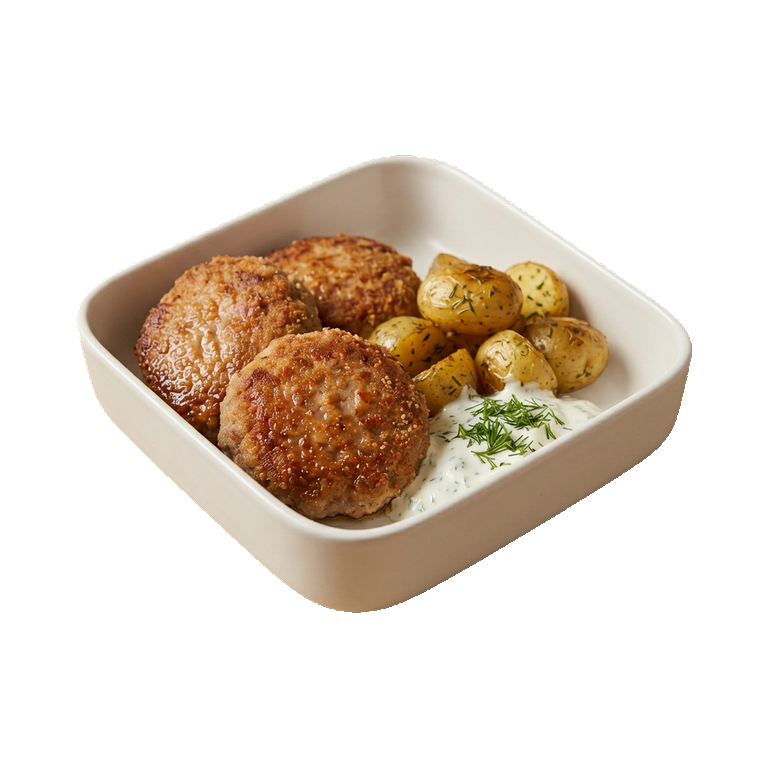
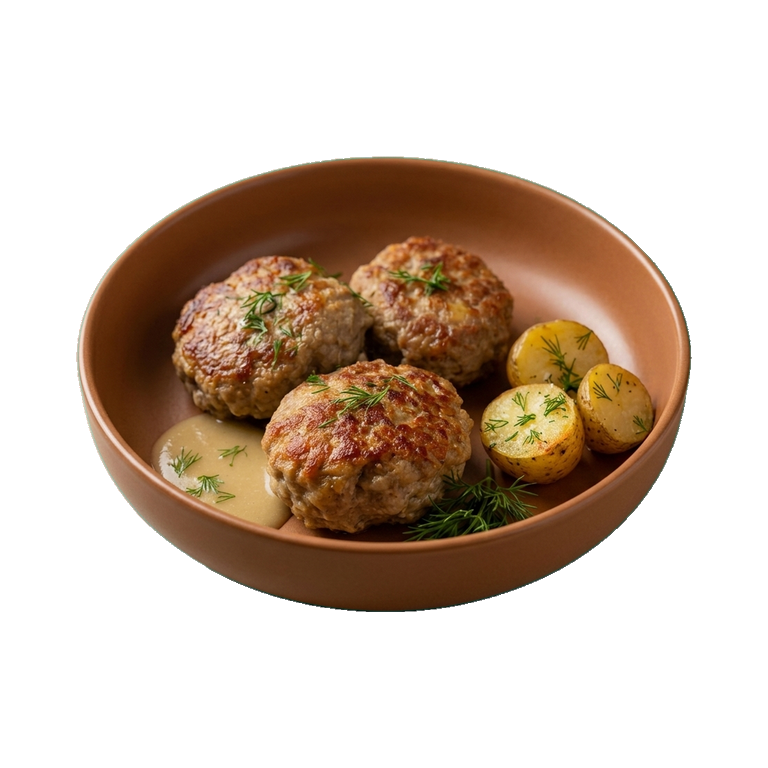
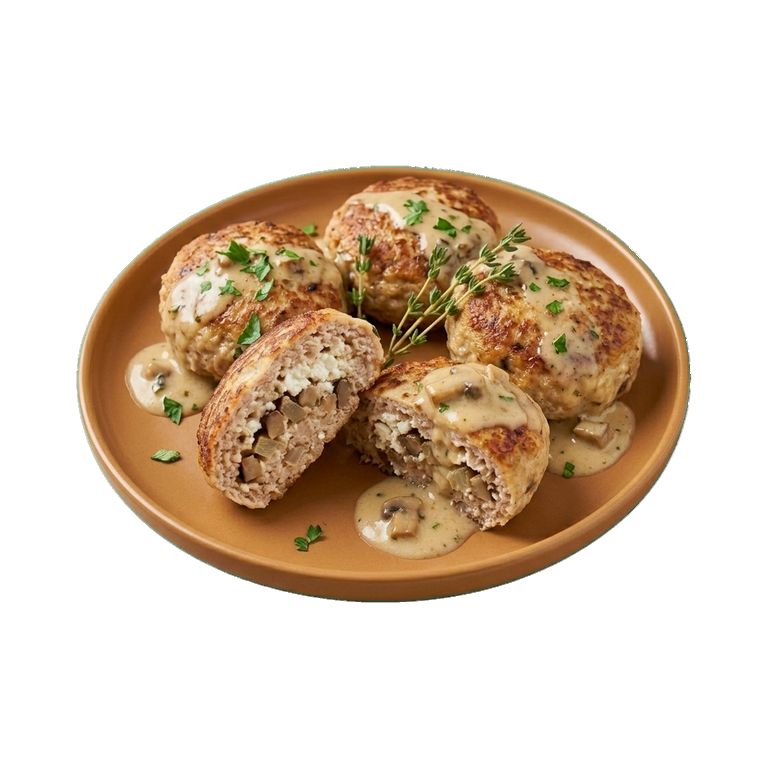
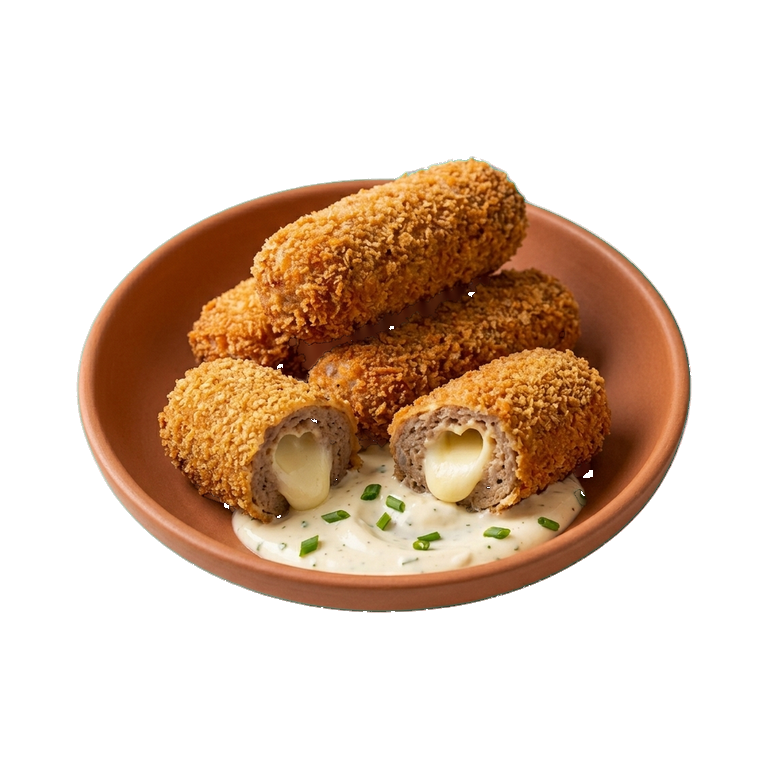
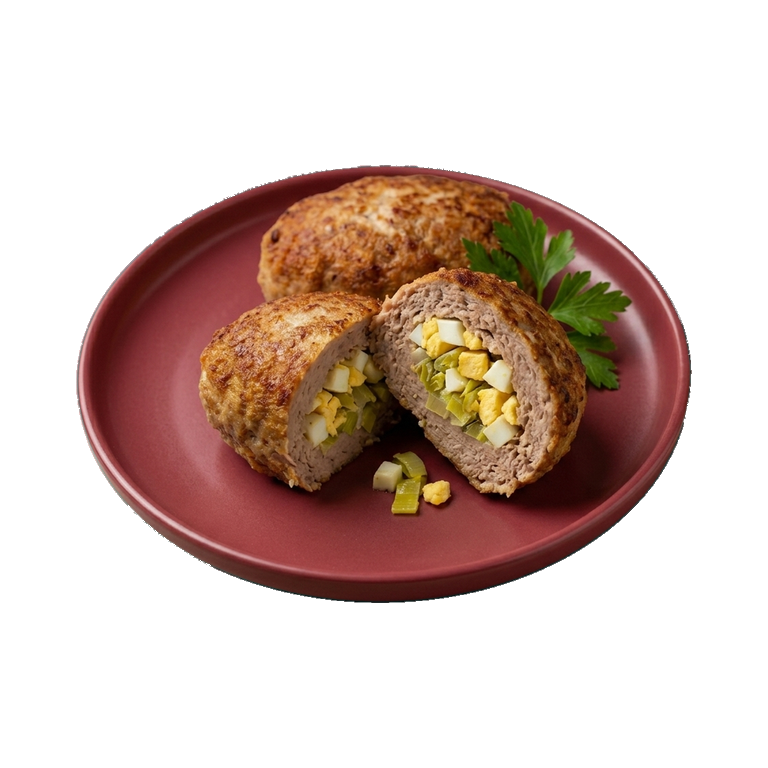
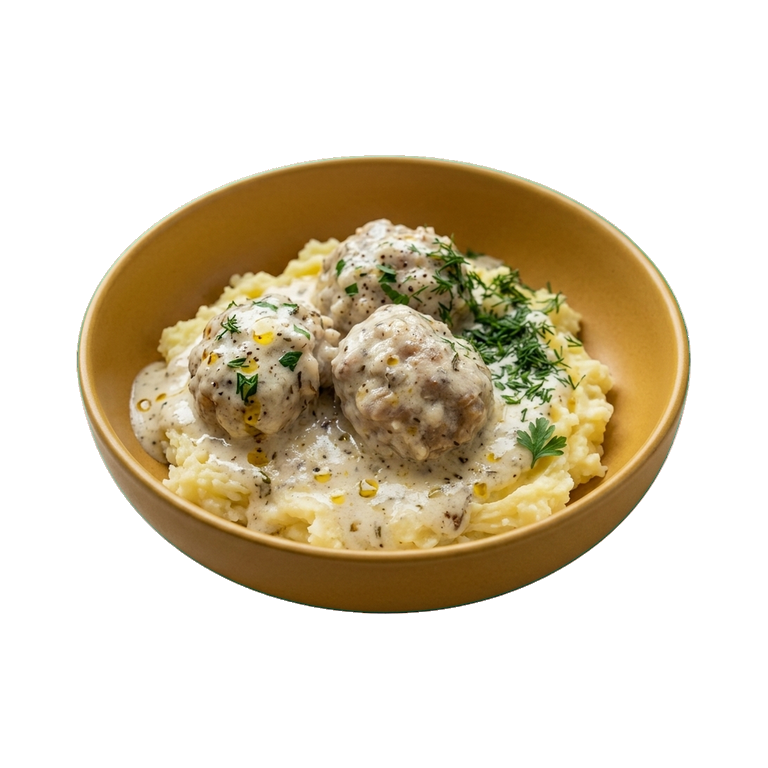
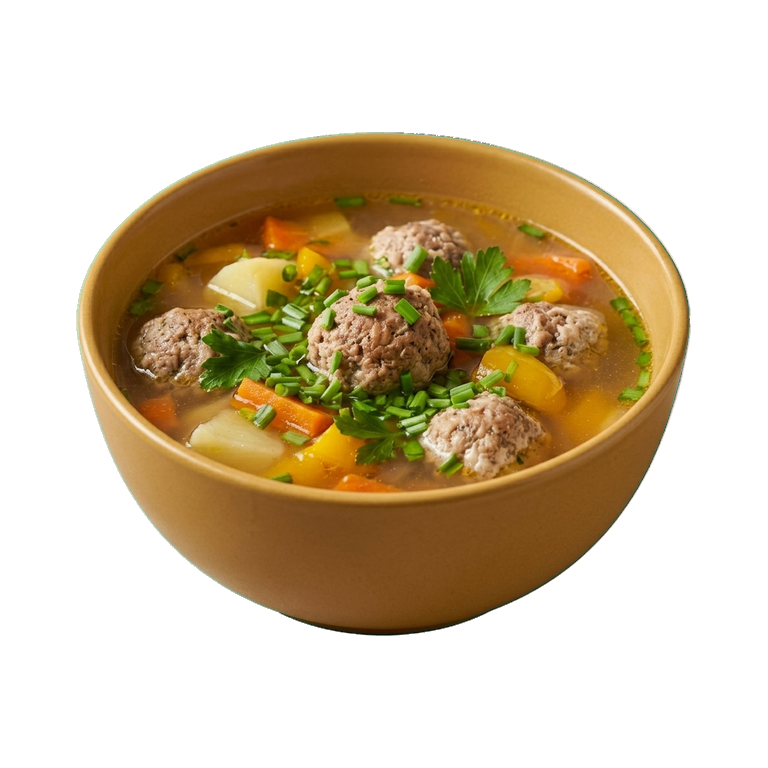
- Cutlets and meatballs — a classic that never gets old
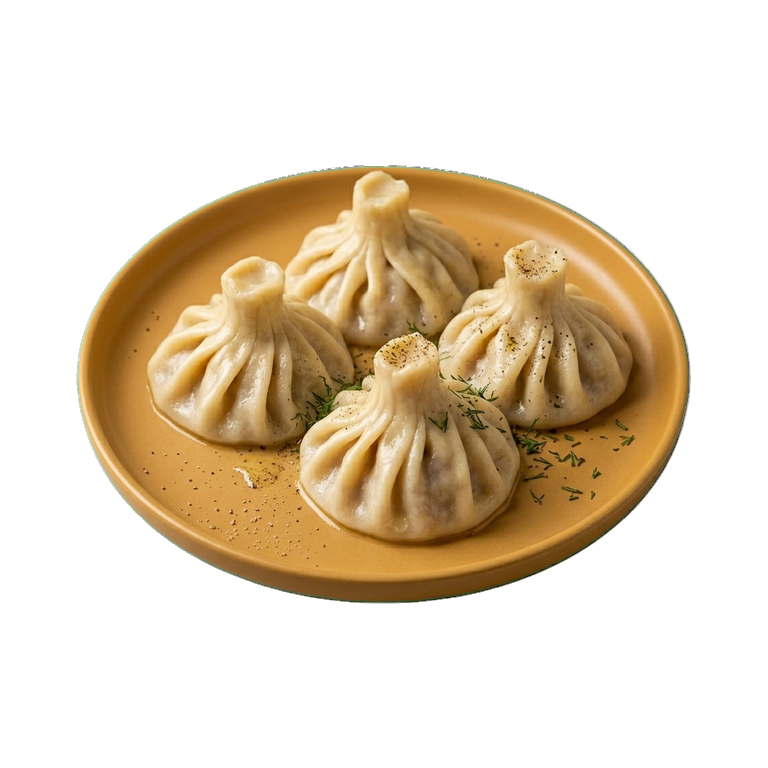
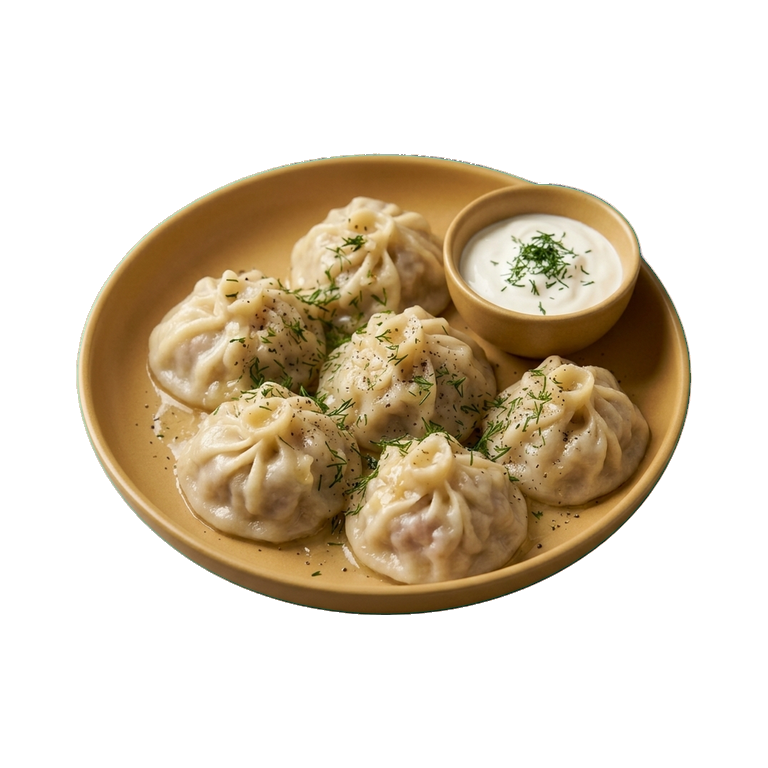
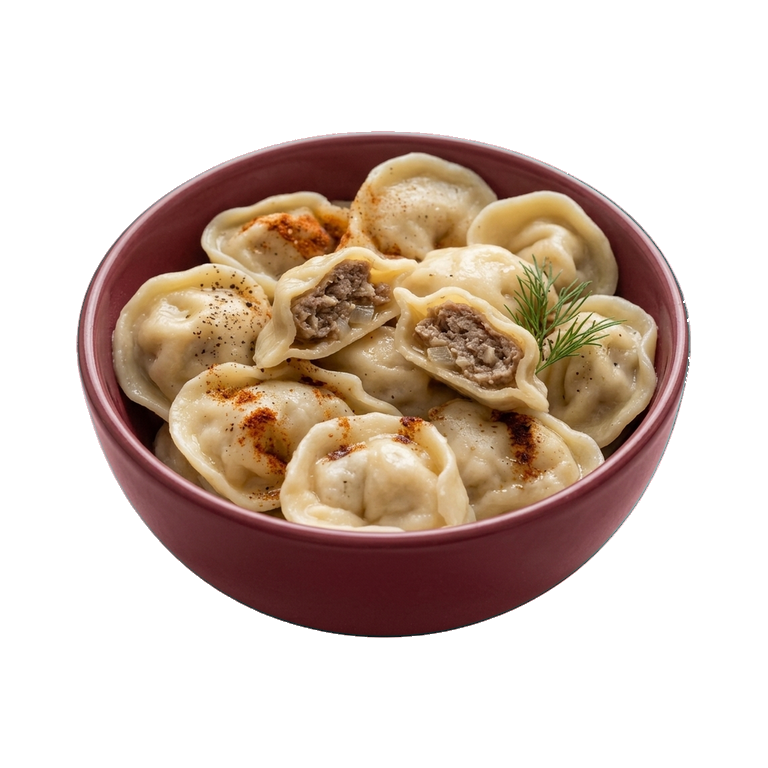
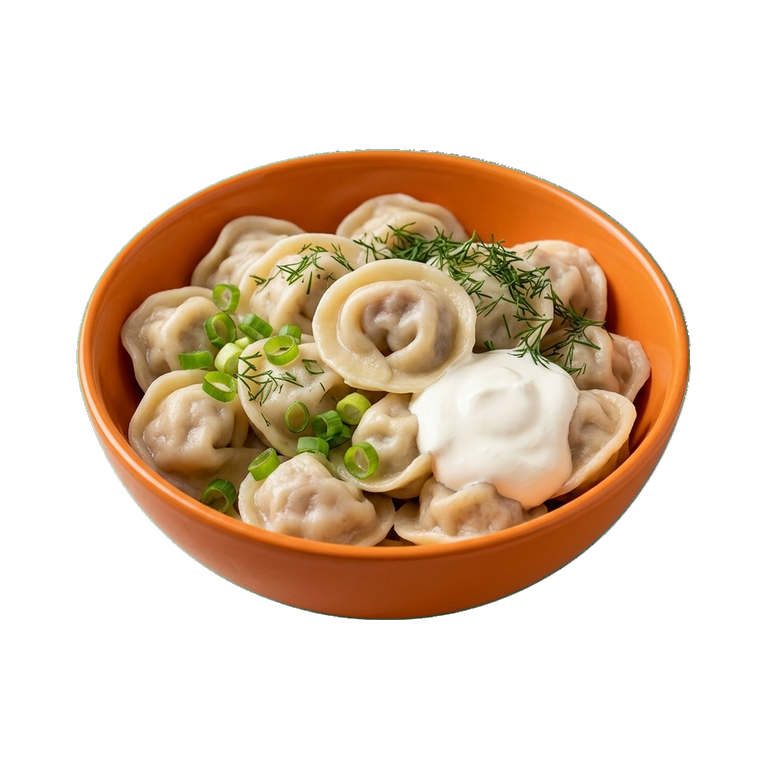
- Dumplings, manti, varenyky — minced meat as a filling wrapped in dough
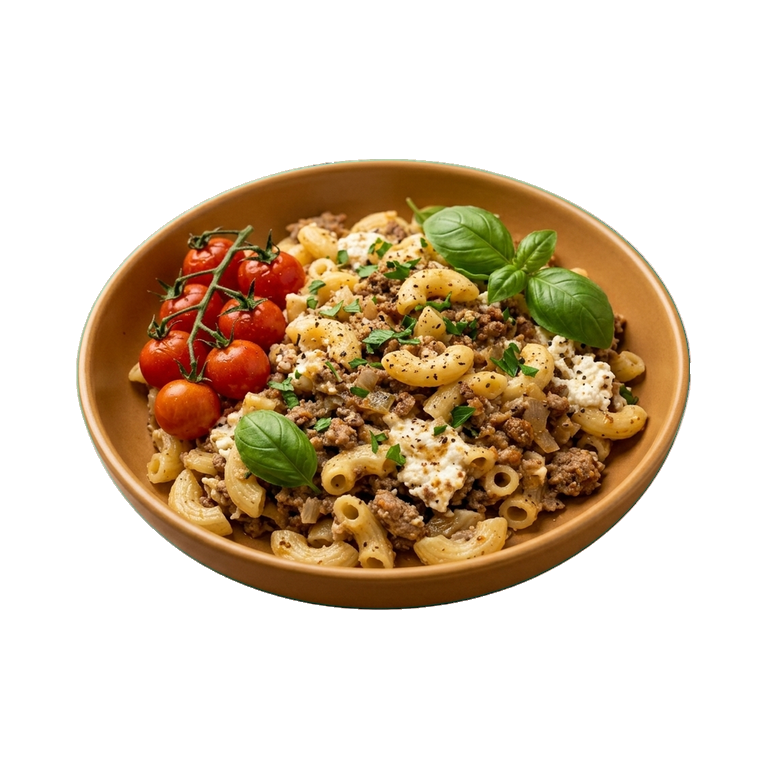
- Bolognese, stew, gravies — minced meat dissolves in sauce and becomes its essence
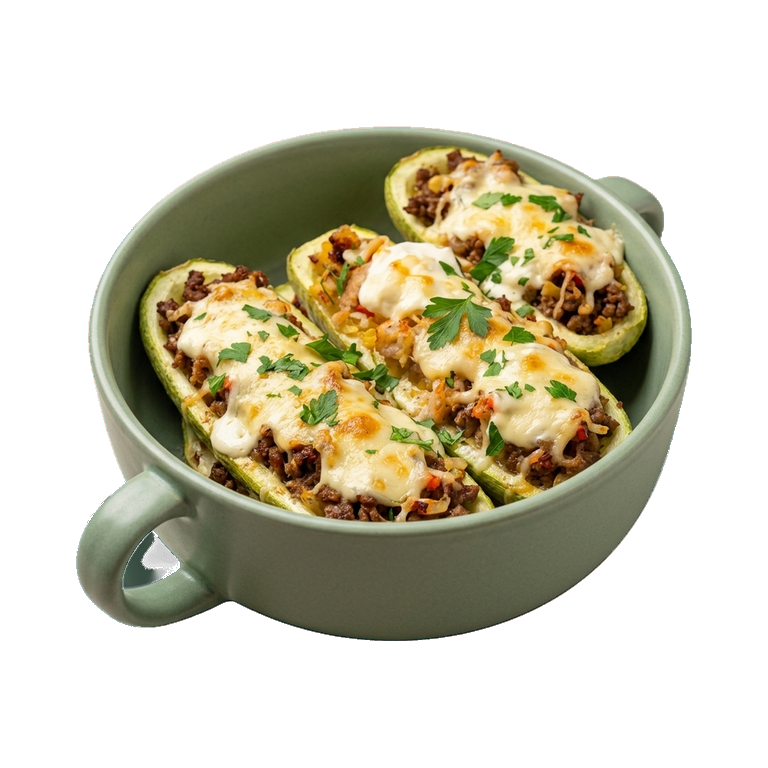
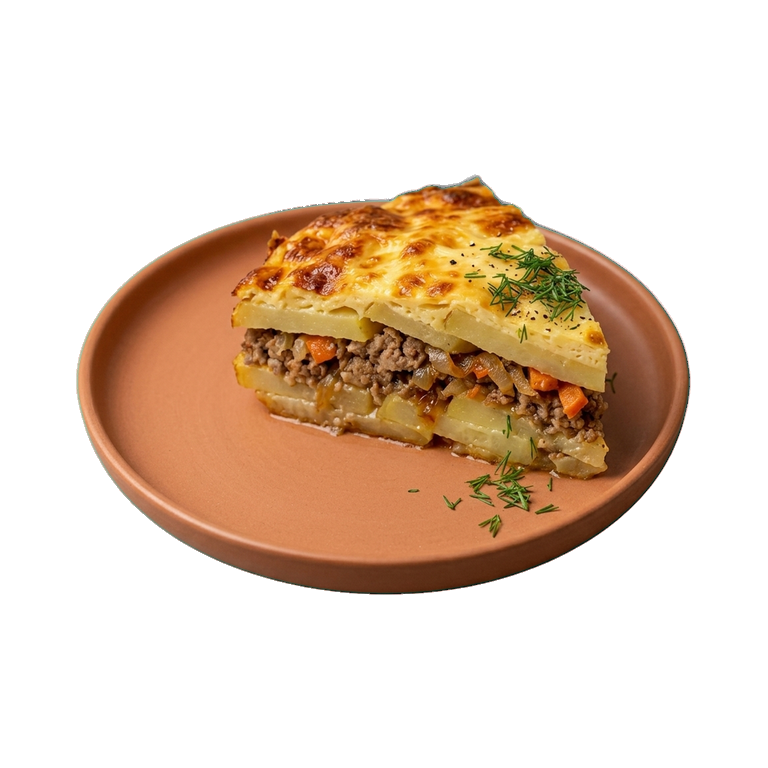
- Filling for peppers, tomatoes, zucchini — vegetables become a container for minced meat
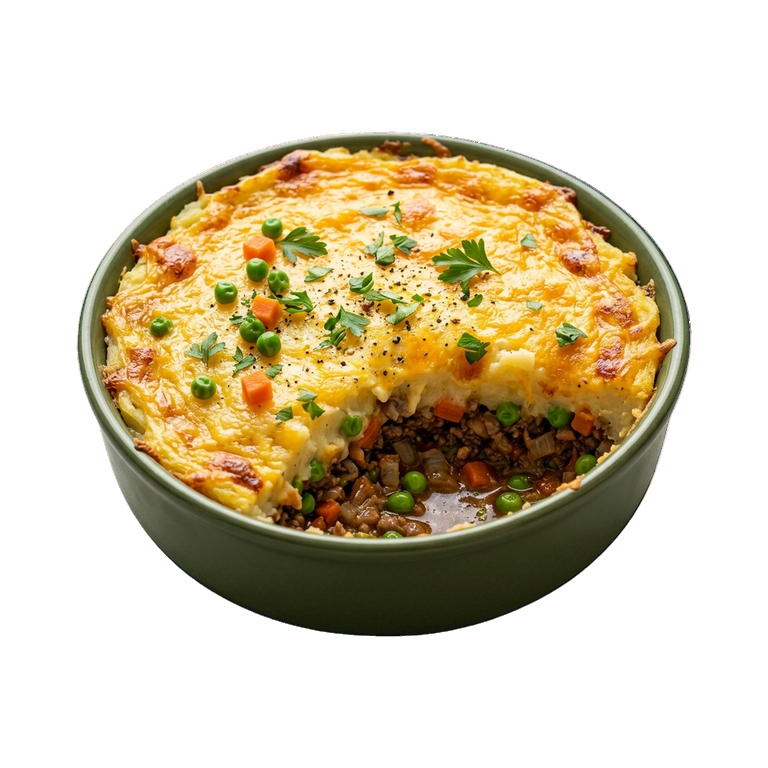
- Pies, pancakes, porridges — minced meat is hidden inside dough or grains
Practical Tips
Ground meat requires attention, but not complexity. The main thing is not to overwork it with your hands for no reason, otherwise it will become dense and tough. When shaping cutlets or meatballs, wet your hands with cold water — this way the meat won't stick. If the ground meat is too dry, add milk or broth. If too wet — add breadcrumbs or flour. Before cooking, let the ground meat rest in the refrigerator for an hour or two — it will become denser and hold its shape better.
Storage
- Ground meat lasts a maximum of two days in the refrigerator in an airtight container
- Freeze ground meat in portions in bags or containers — this makes it easier to take out the amount you need
- Frozen ground meat keeps for three months without loss of quality
- Thaw in the refrigerator, not at room temperature — this will prevent bacterial growth
Ground meat is a tool in the chef's hands. The better you know its properties, the more dishes you can create. Start with simple cutlets, then experiment with spices, vegetables, and techniques. The result will depend only on your imagination.
Nutrition
per 100 g
- Calories
- 180 kcal
- Protein
- 18 g
- Fat
- 10 g
- Carbs
- 0 g
Measure calculator
- Weight
- 100 g
- Calories
- 180 kcal