Usuba
Usuba
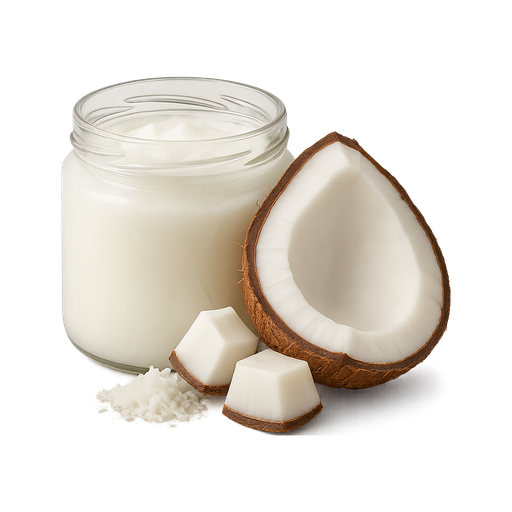
Coconut oil
Coconut oil is extracted from coconut meat and is used in both sweet and savory dishes. At room temperature it is solid, but melts quickly when heated, making it convenient for baking, frying, and sauce preparation. It is important to choose refined, odorless oil for dishes where coconut flavor is undesirable, or unrefined virgin oil if a pronounced coconut note is needed.
Micronutrients
per 100 ml
About
Coconut oil is one of those ingredients that works simultaneously in sweet and savory dishes, in baking and in main courses. Its main feature is that it remains stable at high temperatures, doesn't oxidize quickly, and gives food a characteristic, recognizable taste. In cooking, it's not just a fat — it's an aromatic component that changes the perception of a dish.
Aroma and taste
There are two types of coconut oil: refined and unrefined. Refined has almost no smell — it is used when a neutral base is needed to not overpower other flavors. Unrefined, or virgin, smells distinctly of coconut: sweet, tropical, sometimes with a slight nutty note. The taste matches the aroma, but in the finished dish it is usually milder than one might expect from the smell.
When heated, oil reveals its full flavor — coconut aroma becomes more pronounced. This works well in baking, where light sweetness is needed, or when sautéing vegetables and seafood. Cold unrefined oil is better suited for smoothies, raw desserts, or as a finishing touch to a prepared dish.
Role in dishes
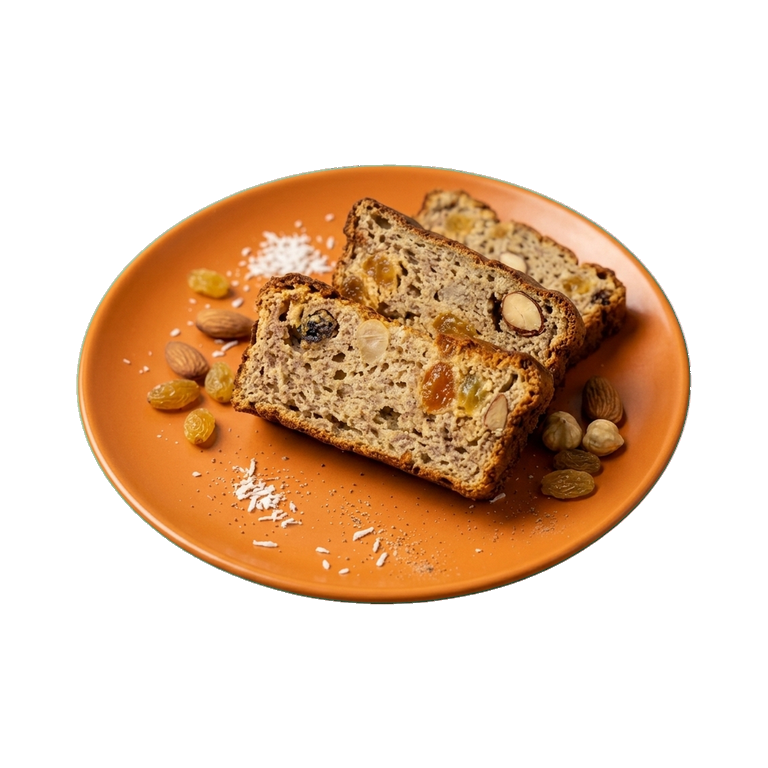
In baking, coconut oil creates a crispy crust and airy structure. It works well in cookies, cupcakes, pies — anywhere you need flakiness or crumbliness. You can replace butter with it in a 1:1 ratio, although the taste of the dish will change.
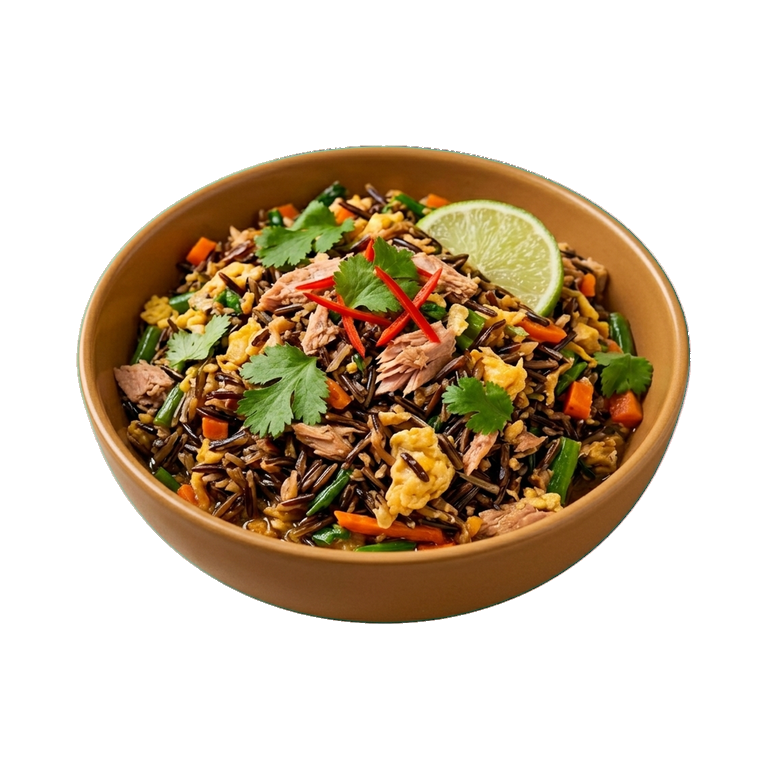
Oil in a pan is ideal for sautéing vegetables, especially sweet ones — sweet potatoes, carrots, pumpkin. It is suitable for frying shrimp, white fish, and chicken. The smoke point of refined oil is higher than that of unrefined oil, so for high temperatures it is better to choose refined oil.
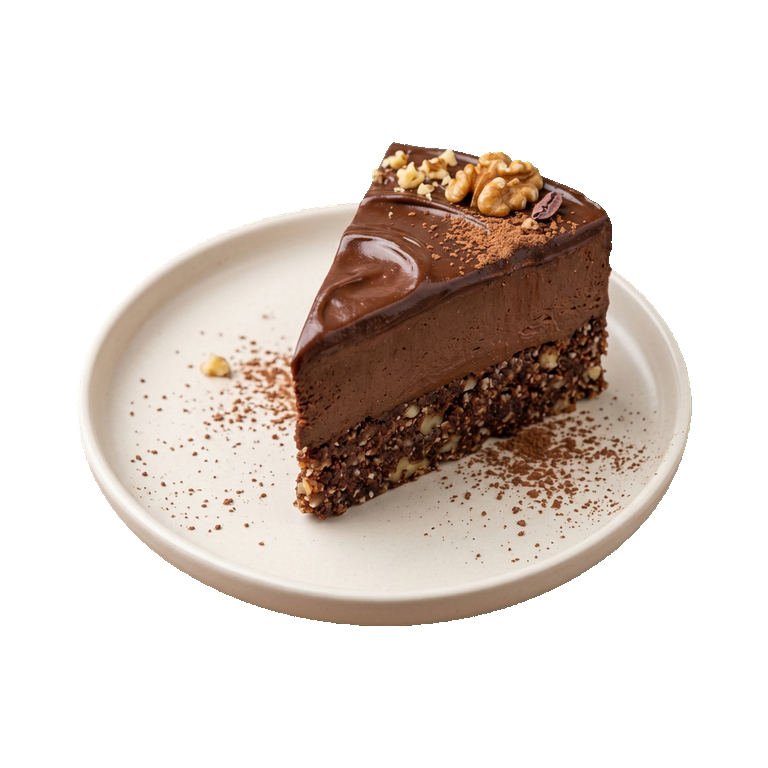
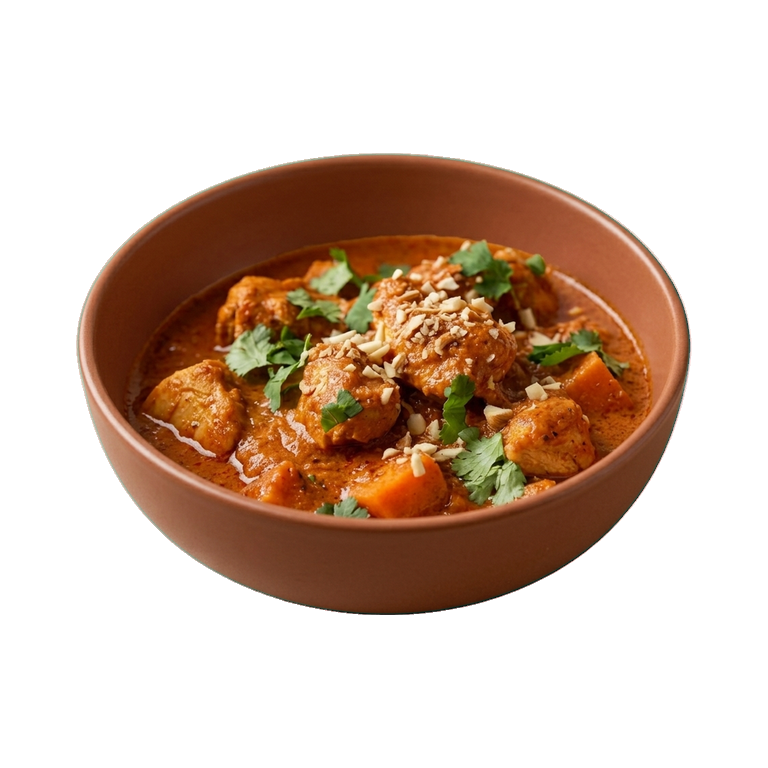
In sauces and creams, coconut oil helps create a smooth texture. It is added to curries, nut butters, and vegan mayonnaise. In cold desserts, it solidifies, providing structure — for example, in raw cheesecake or chocolate glaze.
Pairings and Uses
- With spicy spices: coconut oil softens the heat and adds roundness to curries, Thai soups, Indian dishes
- With citrus: lime or lemon contrast with coconut sweetness, creating balance in Asian dishes and desserts
- With cocoa: coconut oil enhances chocolate flavor and makes it smoother
- With vanilla: a classic combination for baking and sweet dishes
- With seafood: works especially well with shrimp, crab, white fish
- With cucurbit vegetables: sweet potato, pumpkin, carrot gain additional sweetness and depth
Selection and Storage
When purchasing, pay attention to two things: the degree of refinement and the production method. Cold-pressed means that the oil was not heated, so it retained the maximum amount of flavor and nutrients. This applies mainly to unrefined oil.
Coconut oil remains solid or semi-solid at room temperature below 25 degrees. This is normal and does not affect quality. If you need liquid oil for convenience, choose refined oil — it melts at lower temperatures.
Coconut oil has a long shelf life — up to two years under proper conditions. Keep it in a cool, dark place, away from direct sunlight. Airtight packaging protects it from moisture and odors. If the oil starts to smell rancid or has developed an unpleasant taste, this is a sign of oxidation — use it only for technical purposes, not for food.
Tip: keep two jars — refined oil for frying and neutral dishes, unrefined for baking and desserts where you need coconut aroma. This way you'll be able to control the intensity of flavor in each dish.
Nutrition
per 100 ml
- Calories
- 892 kcal
- Protein
- 0 g
- Fat
- 99.1 g
- Carbs
- 0 g
Micronutrients
per 100 ml
Macronutrients
- Saturated fat
- 75.9 g
- Monounsaturated fat
- 5.805 g
- Polyunsaturated fat
- 1.564 g
- Omega-3 (EPA + DHA)
- 0 g
- Water
- 0.028 g
Minerals
- Sodium
- 0 mg
- Potassium
- 0 mg
- Calcium
- 0.92 mg
- Magnesium
- 0 mg
- Phosphorus
- 0 mg
- Iron
- 0.05 mg
- Zinc
- 0.02 mg
- Copper
- 0 mg
- Manganese
- 0 mg
Vitamins
- Vitamin E
- 0.1 mg
- Vitamin K
- 0.6 mcg
Measures and weight
- 1 tbsp
- 13.8 g
- 1 tsp
- 4.6 g
- 1 cup
- 230 g
Measure calculator
- Weight
- 100 g
- Calories
- 970 kcal