Usuba
Usuba
Sausages
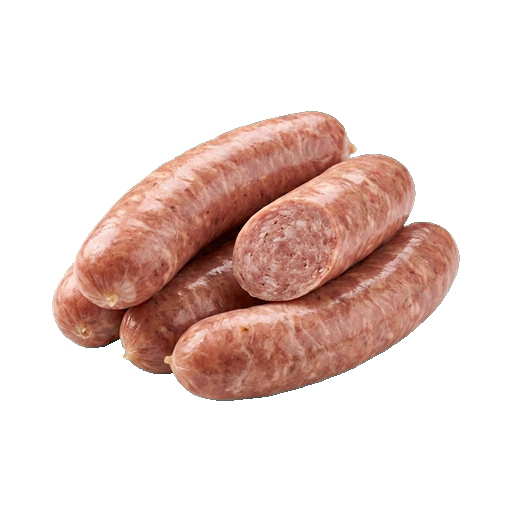
A ready-made meat product in a casing made from pork, beef, or a mixture of both with added spices and preservatives. Sausages are boiled, fried, or grilled, they heat up quickly and absorb sauces and seasonings well. When choosing, pay attention to the composition — a quality product contains more meat and less starch and additives, which affects the taste and texture during cooking.
About
What you need to know about sausages
Sausages are a ready-made meat product that saves time in the kitchen and works in dozens of dishes. They have already undergone heat treatment, so they are ready to eat: just heat them up or even eat them cold. The bulk of sausages consists of ground meat (beef, pork, or a mixture), binding additives, and spices. Quality depends on the meat content — the more there is, the better the taste and texture.
Taste and Aroma
Sausages have a soft, delicate meat flavor with a light smokiness. They don't require spices and seasonings to taste good, but they absorb the aromas of sauces and side dishes well. When heated, sausages release fat and juices that make the dish juicier. The casing may burst during boiling — this is normal, but if you cook on low heat or prick them before boiling, this can be avoided.
Where and how to cook them
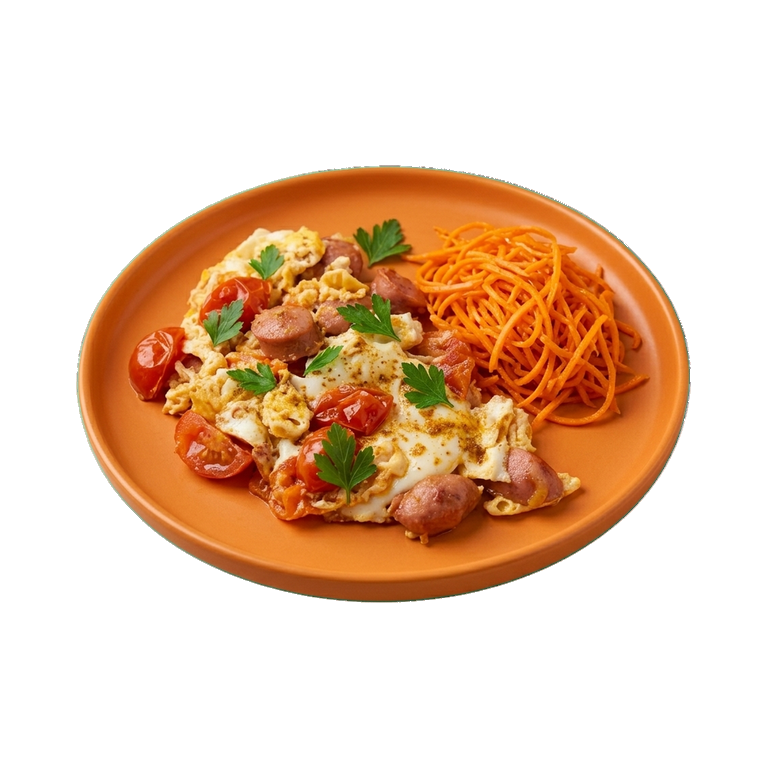
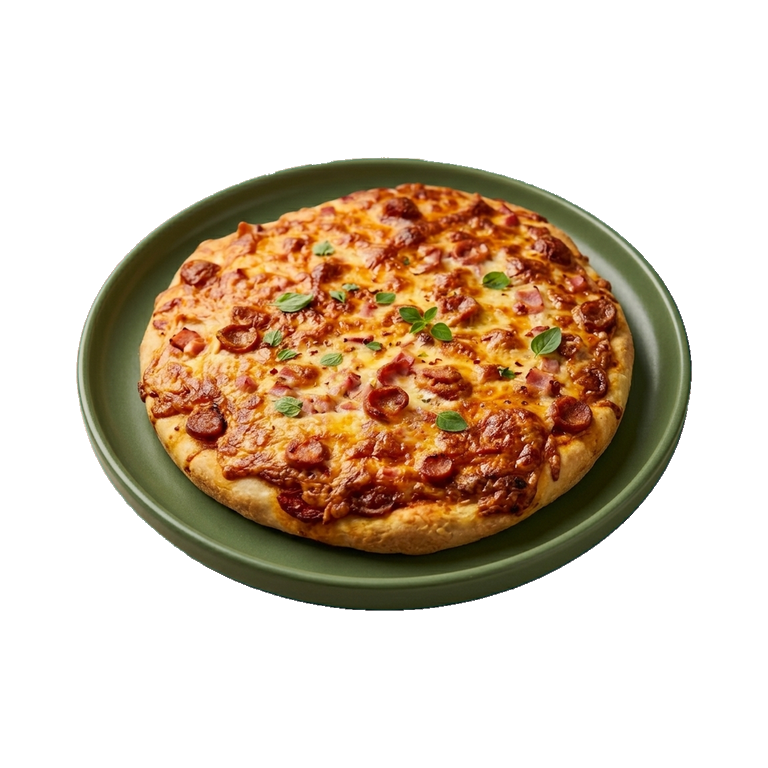
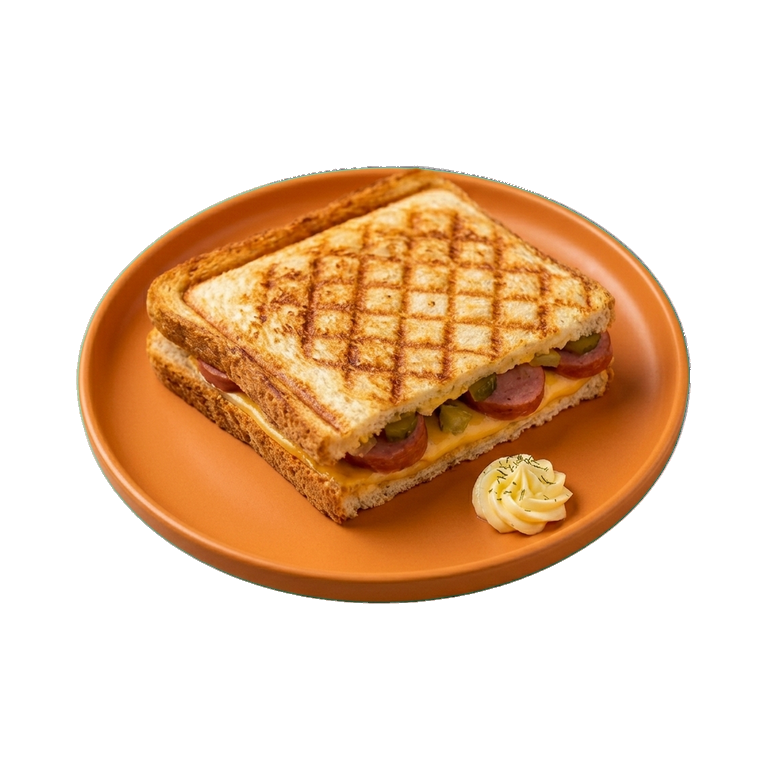
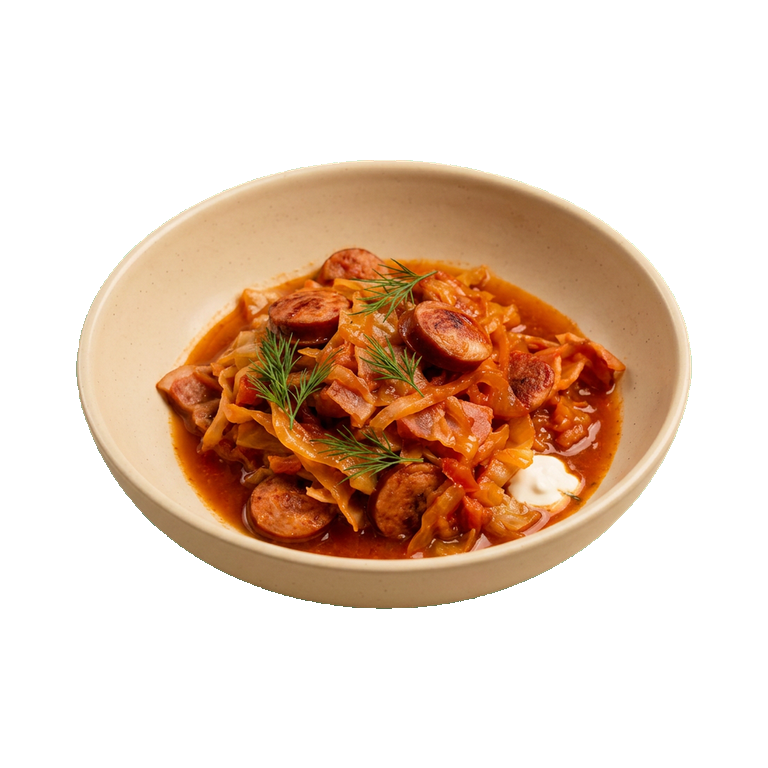
Sausages are versatile: they can be boiled in hot water (5–7 minutes), fried in a pan or on a grill, added to soups and stews, and used in sandwiches and salads. They work well in borscht, cabbage soup, and other first courses, adding heartiness to them. In a pan, sausages acquire a golden crust if lightly scored before frying. In casseroles and pasta dishes, sausages serve as a protein base and require no additional preparation before adding to the dish.
Pairings and side dishes
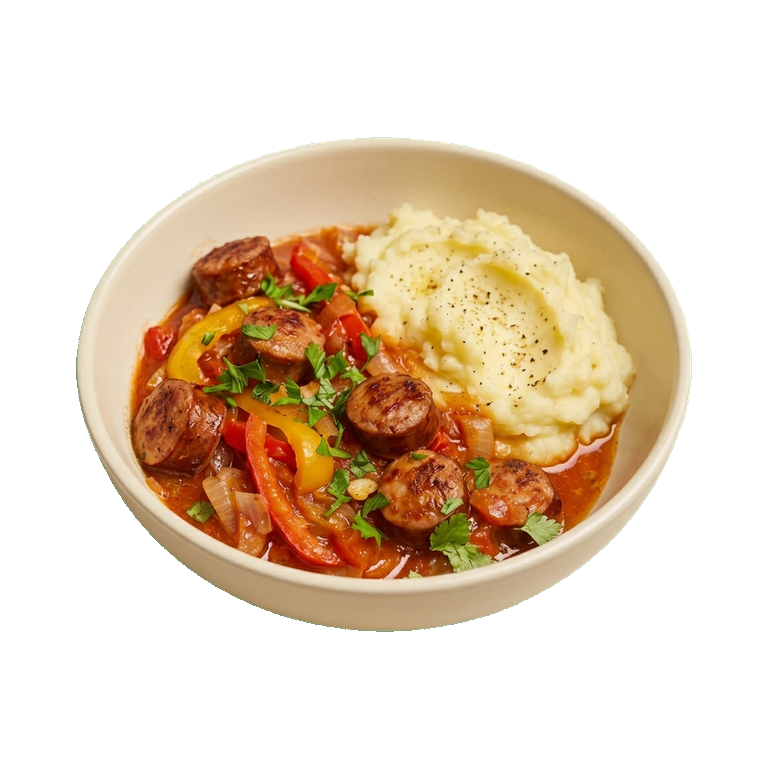
- With potatoes: boiled, fried, mashed or jacket potatoes
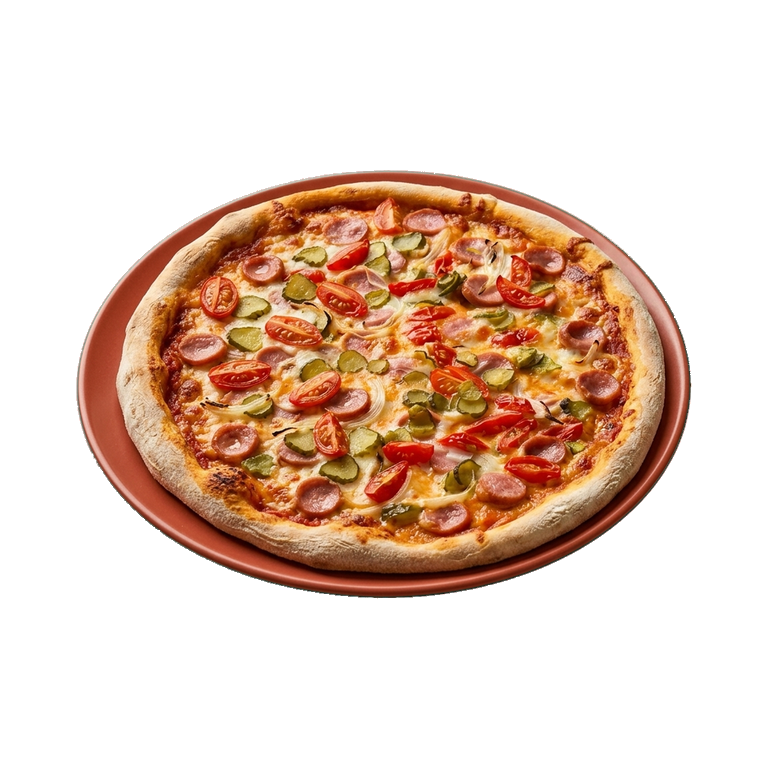
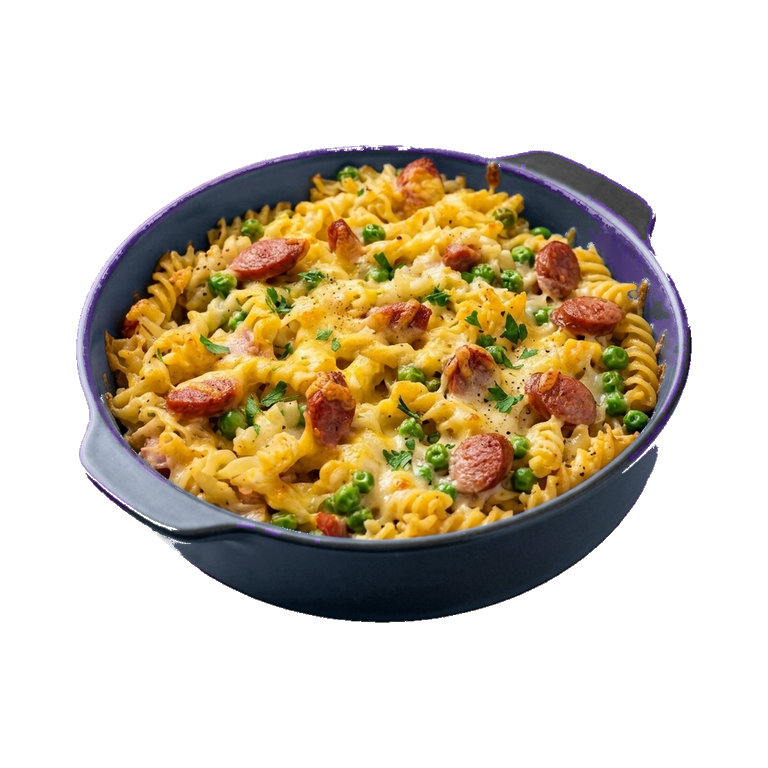
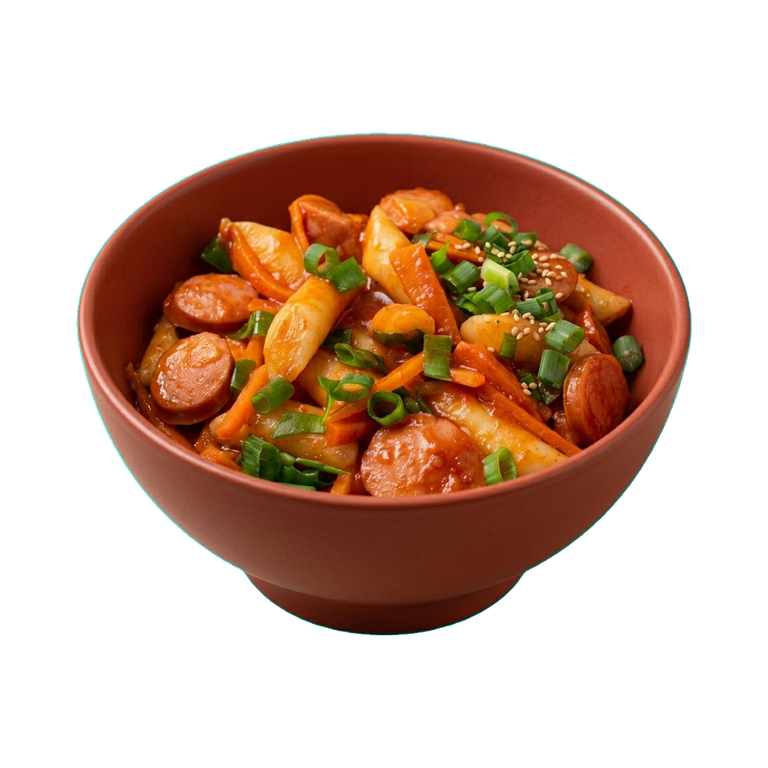
- With pasta: sausages are sliced into rings and mixed with pasta
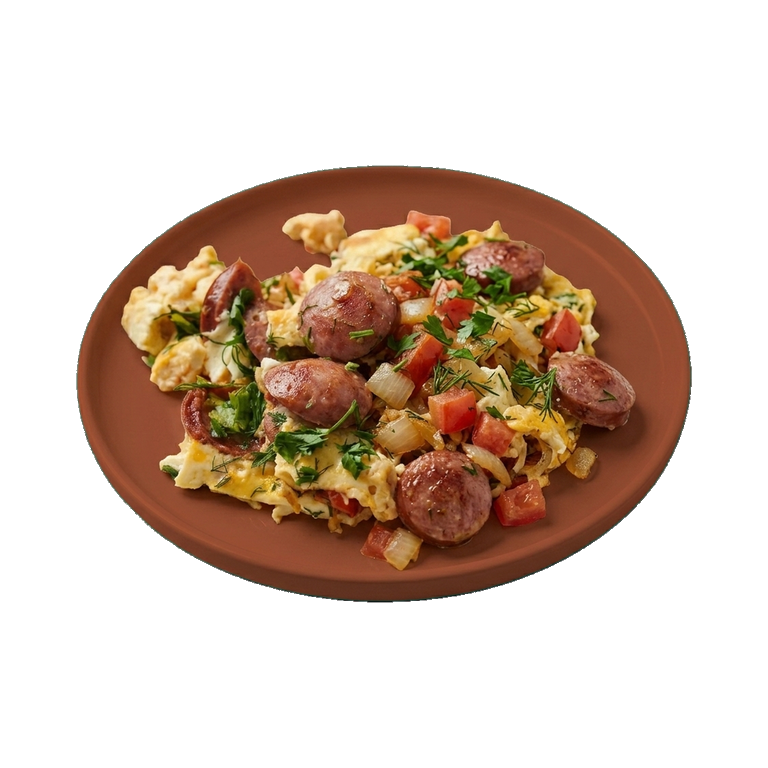
- With vegetables: cabbage, carrots, onions in any form
- With sauces: tomato, sour cream, mustard or spicy ketchup
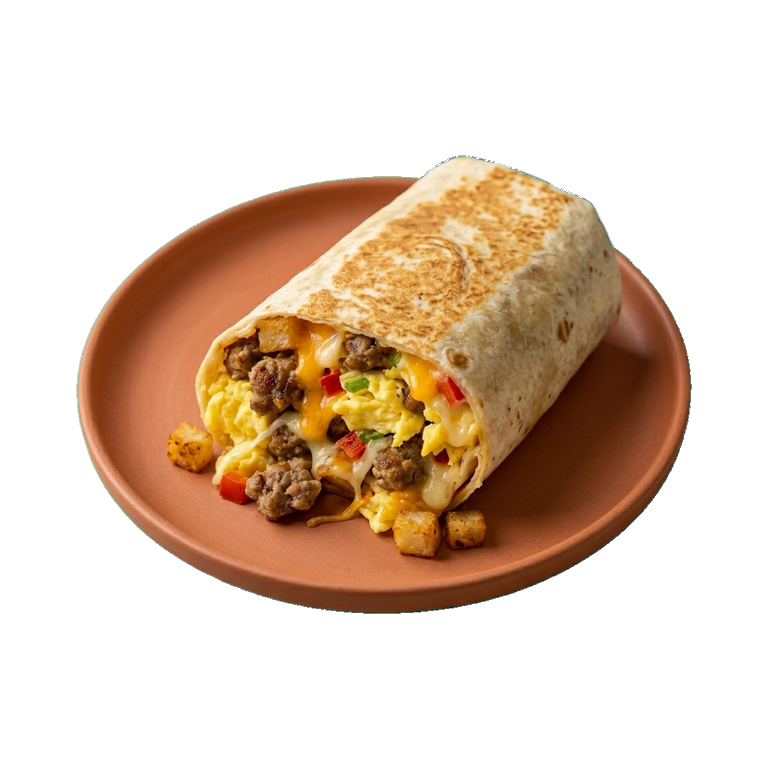
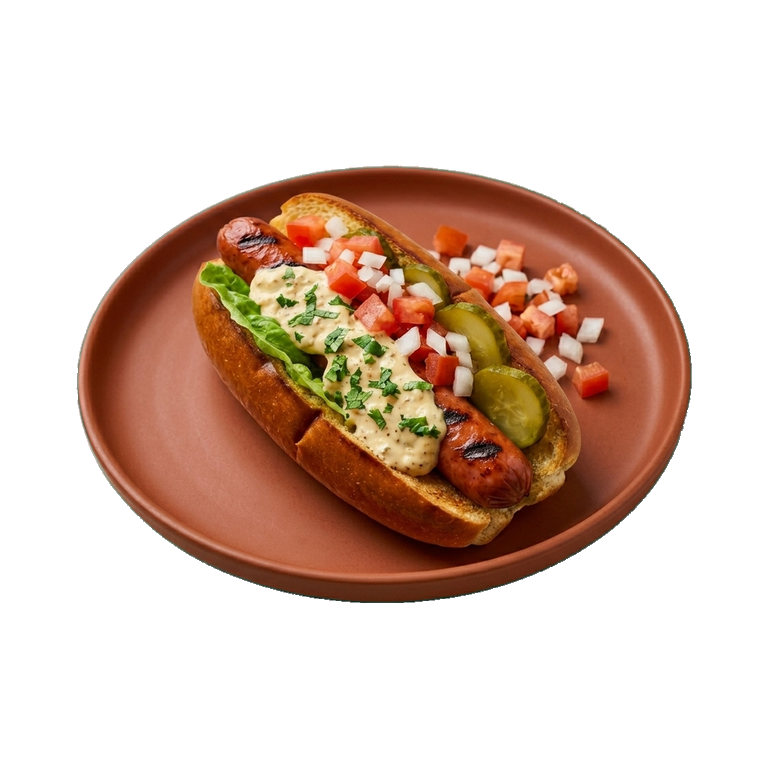
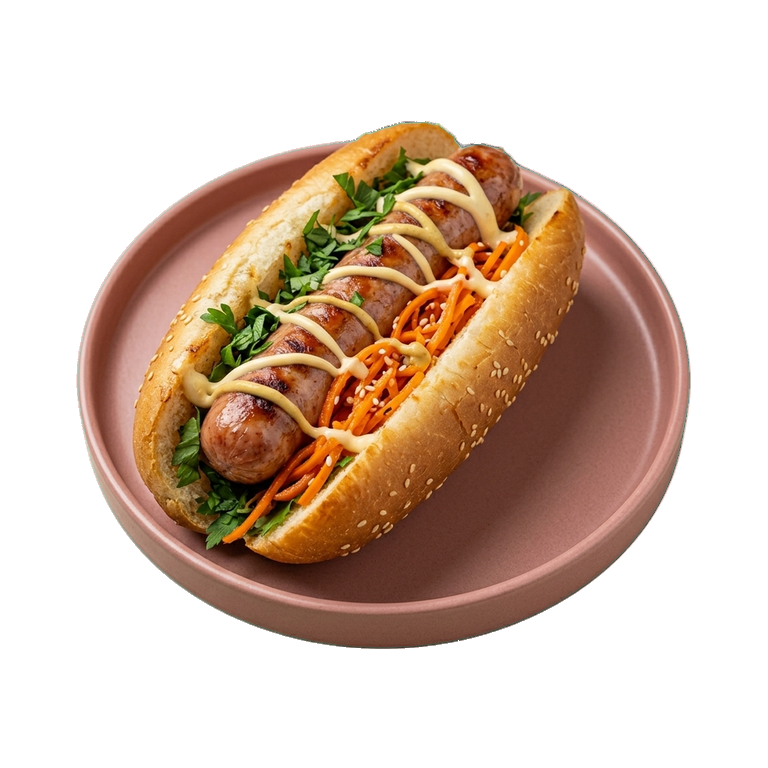
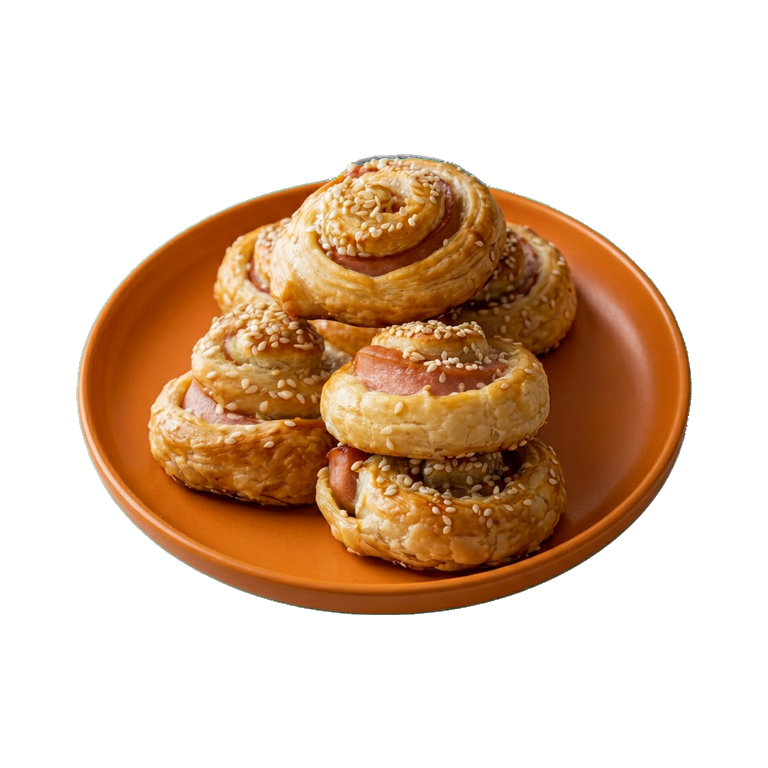
- In bread: classic version — sausage in dough or in a bun with mustard
Selection and Storage
When purchasing, pay attention to the composition: the more meat (usually the first ingredient in the list), the higher the quality. The casing should be intact, without cracks or darkening. The color ranges from light pink to brownish depending on the type of smoking. Avoid products with excessively bright color — this is a sign of excess food coloring.
Sausages should be stored in the refrigerator at a temperature of 0–4 degrees Celsius. An unopened package can be kept until the date indicated on the label, usually 2–3 weeks. An opened package is best used within 2–3 days, after transferring the sausages to an airtight container. Freezing is possible: at minus 18 degrees Celsius, they maintain their quality for 2–3 months. Thaw in the refrigerator, not at room temperature.
Nutrition
per 100 g
- Calories
- 290 kcal
- Protein
- 12.3 g
- Fat
- 25.3 g
- Carbs
- 1.9 g
Measures and weight
- 1 pcs
- 50 g
Measure calculator
- Weight
- 100 g
- Calories
- 290 kcal