Usuba
Usuba

Fresh berries
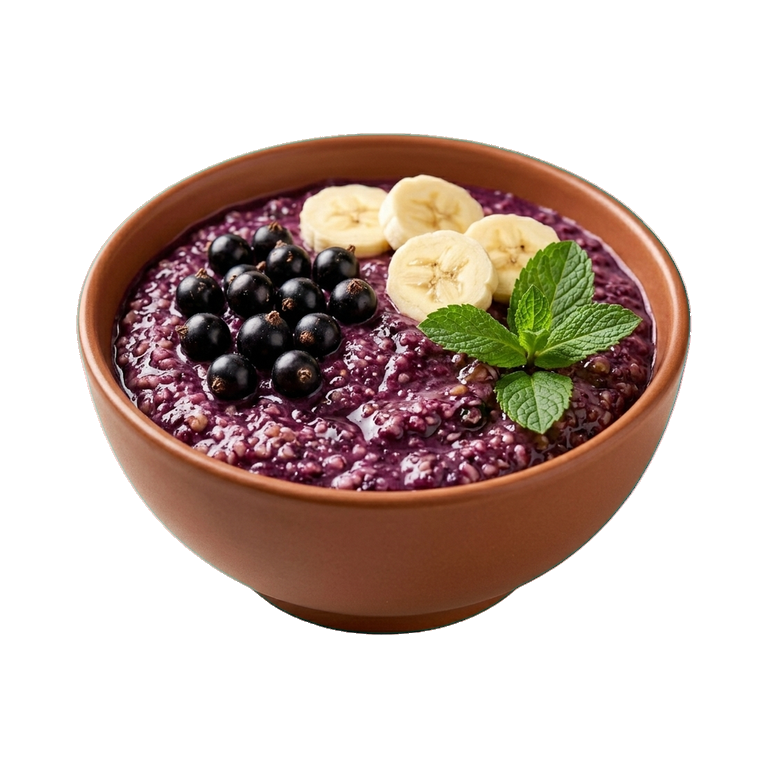
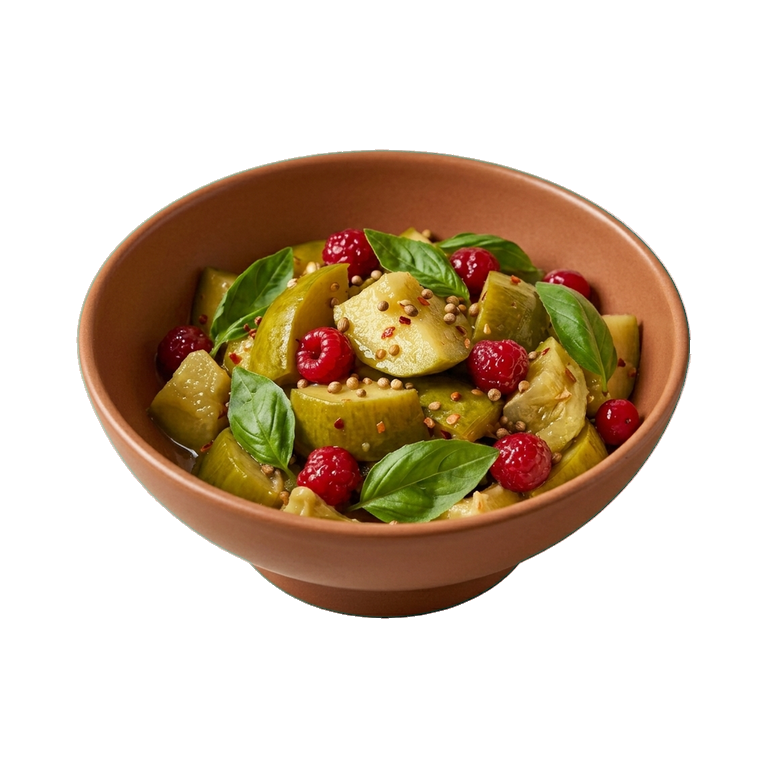
Fresh berries is a collective term for various fruits, such as strawberries, raspberries, blueberries, currants, and blackberries, which are distinguished by their bright flavor, juiciness, and high vitamin content. They are versatile in cooking: suitable for desserts, compotes, jams, garnishing dishes, and eating fresh. When selecting berries, it is important to pay attention to the integrity of the fruits, the absence of mold and soft spots, and to remember that different varieties have varying degrees of sweetness and acidity, which affects the final taste of the finished dish.
About
Why fresh berries are the foundation of summer cuisine
Fresh berries are not just a decoration for dessert. They are the concentrated taste of the season, capable of transforming any dish. Raspberries, strawberries, blueberries, currants, blackberries — each brings its own character to the kitchen: from bright tartness to deep sweetness. When a berry is freshly picked, it contains the maximum aroma, vitamins, and that living texture that no compote can convey.
Taste and Aroma: Variety in One Category
Each type of berry has its own distinctive character. Strawberries offer sweetness with a light acidity, perfect eaten raw and in compotes. Blueberries are milder, with a subtle flavor and sweetness, excellent in baking where they won't overpower other ingredients. Raspberries are delicate and aromatic, temperamental when processed, but generous in flavor. Currants, especially black ones, are tart and rich, requiring sugar, but they shine as stars in sauces and beverages. Blackberries occupy a middle ground between raspberries and currants: sweet and tart, with a deep aroma.
Where and how to use fresh berries
Fresh berries play different roles. Raw — as a standalone dessert, with yogurt, in salads, on a cake or in ice cream. They require no cooking and retain maximum nutritional value. If processing is needed — jam, compote, sauce, berry drink — the berry gives its full potential, turning into a winter preserve or sauce for meat.
In baking, berries require delicacy. Add them to the batter at the last moment or arrange them on the surface before baking so they don't fall apart and don't stain everything around. Blueberries hold up better than others, raspberries and strawberries are more delicate. For pies and creams, berries are often slightly cooked down or used as a puree to make the flavor more concentrated.
How to Choose and Store
When choosing, look at the color — it should be rich and uniform. The berry should not be bruised, but it should not be hard either. Smell it: a fresh berry has a scent, sometimes very intense. Avoid containers with liquid at the bottom — this is a sign that the berry has started to spoil.
Storage is the main challenge. Fresh berries don't last long, especially at room temperature. Keep them in the refrigerator in their original packaging or in a ventilated container, and don't wash them before storage — moisture will accelerate spoilage. Most berries keep for 3–5 days, and strawberries can last up to a week. If you need to preserve them longer — freeze them. Frozen berries lose their texture but retain their flavor and nutritional value, and are ideal for compotes, purees, and baking.
Combinations that work
- Strawberry + vanilla, chocolate, mint, black pepper
- Blueberry + lemon, ginger, cinnamon, yogurt
- Raspberry + white chocolate, rose water, coconut
- Blackcurrant + orange, clove, black tea
- Blackberry + thyme, lavender, black pepper
Berries work well with dairy products — cream, sour cream, yogurt soften their acidity. Spices enhance the aroma, especially if the berries will be cooked. Citrus highlights freshness and acidity. Combine boldly, but remember: berries are the star, everything else is support.
Nutrition
per 100 g
- Calories
- 45 kcal
- Protein
- 0.9 g
- Fat
- 0.3 g
- Carbs
- 10.2 g
Measure calculator
- Weight
- 100 g
- Calories
- 45 kcal