Usuba
Usuba
Butternut squash
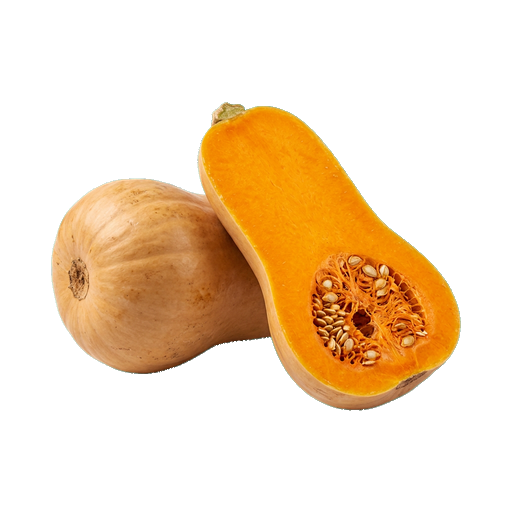
This is a sweet winter squash with tender, creamy-colored flesh and a delicate nutty flavor. Butternut is perfect for cream soups, casseroles, and side dishes thanks to its uniform consistency when cooked and natural sweetness that requires no added sugar. When selecting, look for squashes with smooth skin free of damage, and for storage, keep in a cool, dry place — it can last several months this way.
Micronutrients
per 100 g
About
Butternut is the pear among squashes. An elongated shape, thin caramel-colored skin, and inside dense orange flesh that literally melts in your mouth. Its main advantage: minimal seeds and fibers, maximum sweet puree. It cooks quickly, cuts easily, and the flavor is so delicate that butternut works for both sweet and savory dishes.
Aroma and Flavor
Butternut smells of autumn: sweet, with light nutty notes and a hint of vanilla. In taste, it's a sweet porridge without the starchiness that often irritates in regular pumpkin. The flesh is creamy, almost like sweet potato puree, but more delicate and less sweet. This makes it versatile: it doesn't overwhelm a dish with its sweetness, but complements it.
Role in dishes
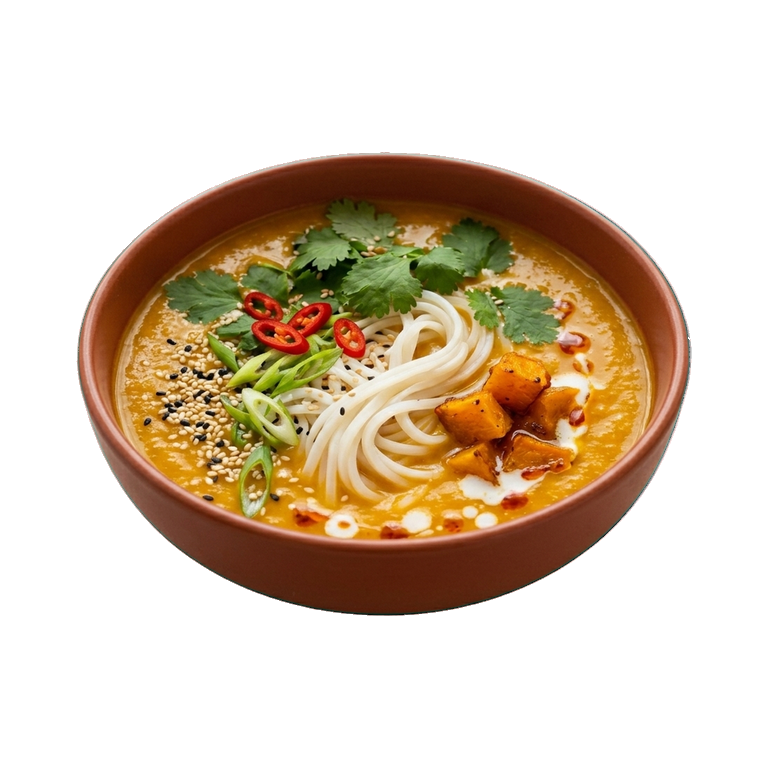
- Soups and creams — butternut squash becomes the base without thickeners, the flesh itself gives the right consistency
- Side dishes — baked slices with salt and spices, fried cubes with herbs
- Pasta and risotto — butternut squash puree creates a creamy sauce without cream
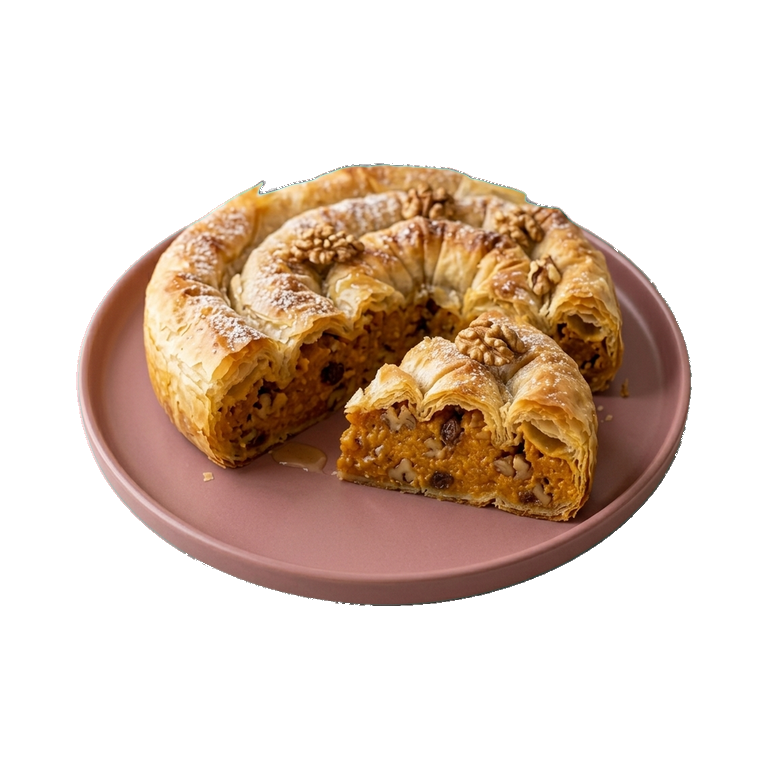
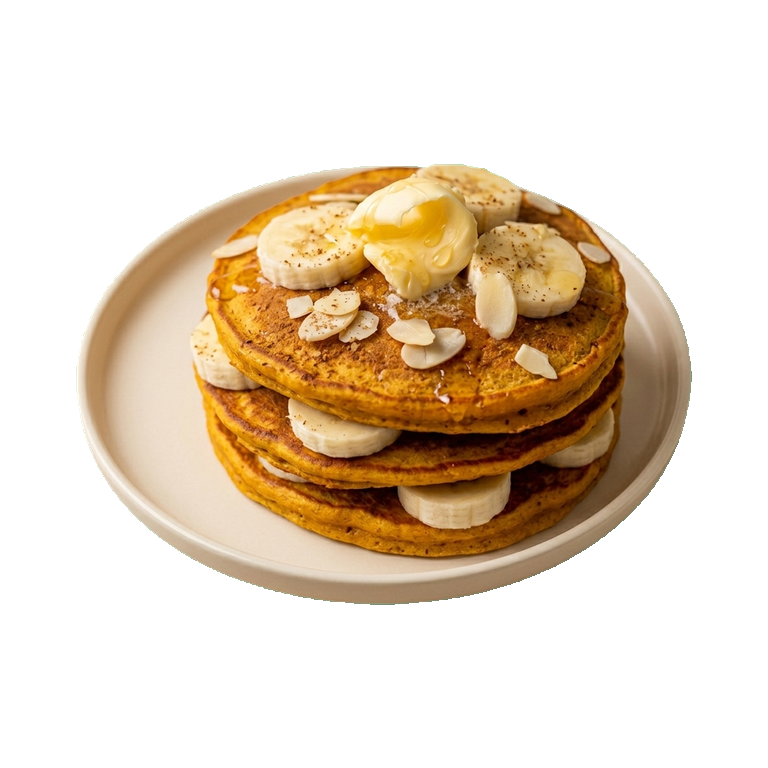
- Baking — in pies, cupcakes and cookies instead of sweet potato or pumpkin puree
- Side dishes for meat and poultry — its sweetness balances saltiness and richness
Pairings
Butternut squash pairs well with warm spices: cinnamon, nutmeg, ginger, and black pepper. It works great with garlic and herbs — thyme, sage, rosemary. It's well-suited to be served alongside nut butters, coconut milk, and broths. Paired with bacon or smoked meats, it creates a sweet and savory contrast. In sweet dishes, it complements caramel, vanilla, and brown sugar.
Selection and Storage
When shopping, look for a firm butternut squash without dents or soft spots. The skin should be matte, sandy-brown, without green areas. Weight is a good indicator: a heavy butternut squash means there's plenty of flesh inside. If you press with your fingernail, the skin should not puncture easily.
- Whole pumpkin is stored in a cool dark place (basement, pantry) for 2–3 months
- Sliced butternut squash in a container in the refrigerator — for a week
- Puree is frozen in portions — for up to 3 months
- Baked butternut squash in the refrigerator lasts 5 days
Cooking
Butternut squash is cut lengthwise with a sharp knife, then crosswise into slices or cubes. The skin is thin, so it can be left on when roasting — it will become soft. For soup, cut into pieces and cook for 15–20 minutes until soft. For roasting — at 200 degrees for 25–30 minutes. Cubes in a pan fry for 10–12 minutes until golden brown. Butternut squash does not require pre-boiling, unlike other squashes.
Nutrition
per 100 g
- Calories
- 45 kcal
- Protein
- 1 g
- Fat
- 0.1 g
- Carbs
- 10.2 g
Micronutrients
per 100 g
Macronutrients
- Fiber
- 1.959 g
- Water
- 87.32 g
Minerals
- Sodium
- 0 mg
- Potassium
- 329.1 mg
- Calcium
- 21.74 mg
- Magnesium
- 14.95 mg
- Phosphorus
- 26.53 mg
- Iron
- 0.21 mg
- Zinc
- 0.19 mg
- Copper
- 0.07 mg
- Manganese
- 0.08 mg
Vitamins
- Vitamin C
- 7.6 mg
Measures and weight
- 1 pcs
- 1200 g
Measure calculator
- Weight
- 100 g
- Calories
- 45 kcal