Usuba
Usuba
Vanilla
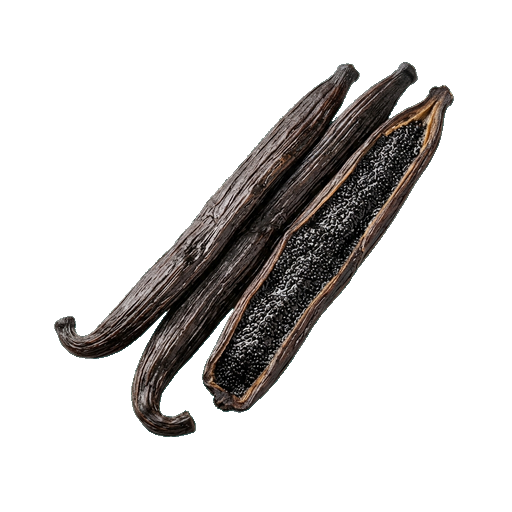
Vanilla is an orchid pod with tiny black seeds inside, boasting a sweet, warm aroma with subtle woody notes. In cooking, it is used both as natural vanilla in pods and as vanilla extract or vanillin, imparting a deep, delicate flavor to desserts, beverages, and sweet dishes. When selecting vanilla, pay attention to the pod's flexibility and aroma intensity — quality vanilla should be oily to the touch and emit a strong fragrance.
About
Aroma and Flavor
Vanilla is not just a spice, but an entire spectrum of aromatic sensations. Its smell is warm, sweet, with woody and slightly spicy notes. The taste is milder than it seems from the intensity of the aroma: sweet, slightly bitter at the end, with a creamy aftertaste. This is the vanilla paradox — it smells much more intense than it tastes.
There are three main forms of vanilla in the kitchen: pods (the most expensive and aromatic, with visible black seeds inside), ground spice, and extract. Pods require careful handling — you need to split them lengthwise and scrape out the seeds with a knife. Ground vanilla is more convenient for quick use, but loses its aroma faster. Extract is a compromise between convenience and intensity.
Role in dishes
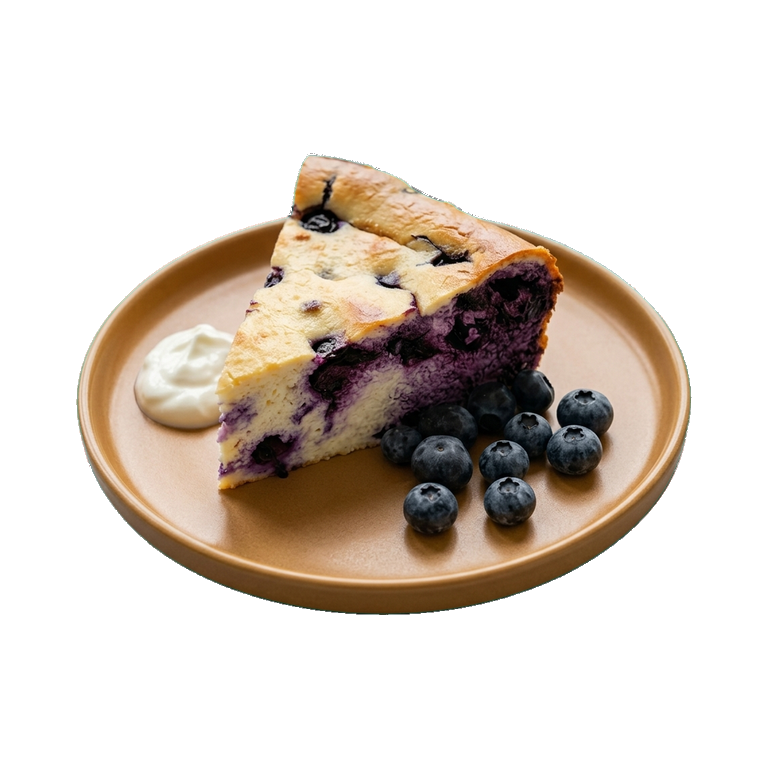
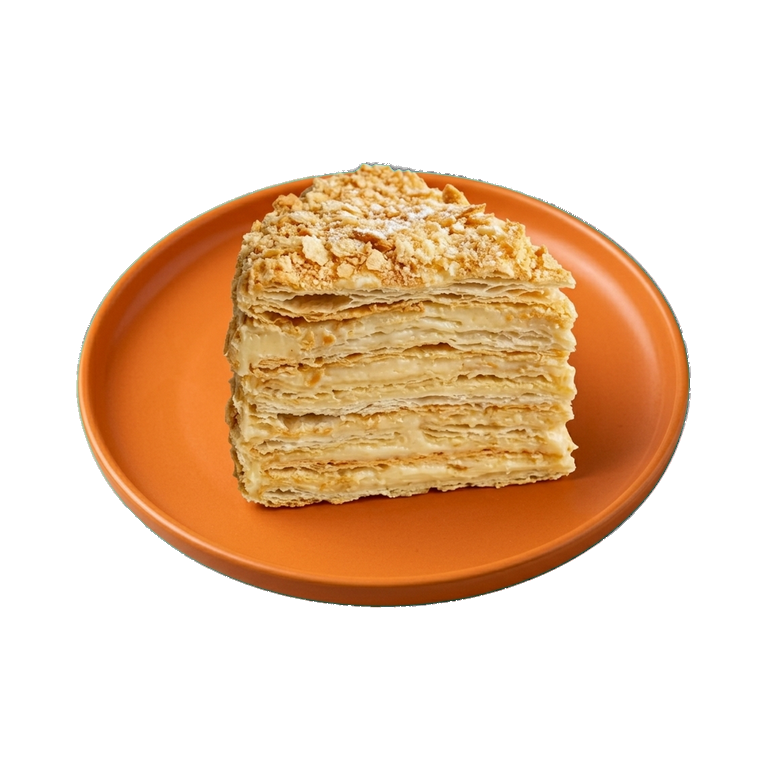
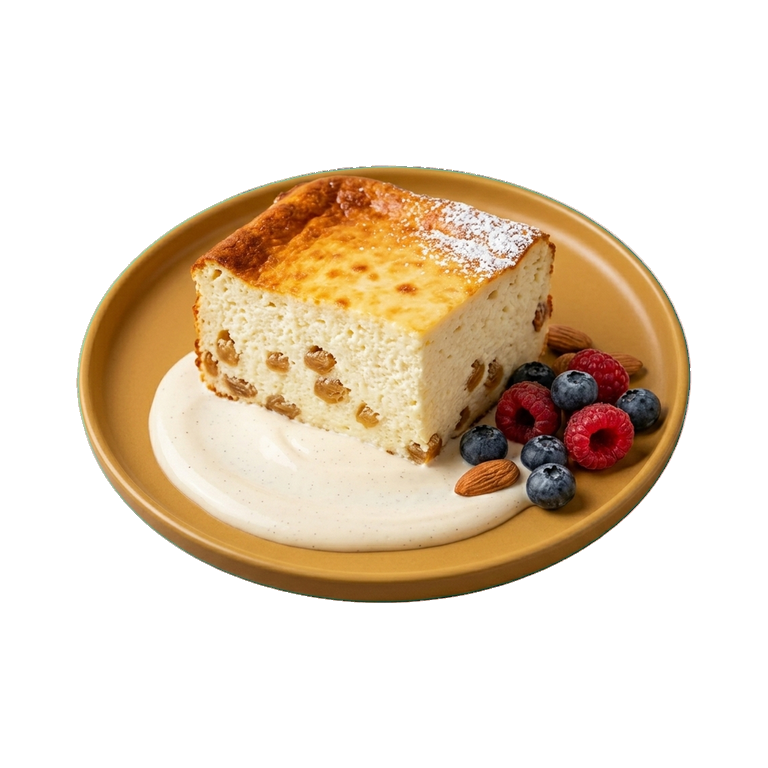
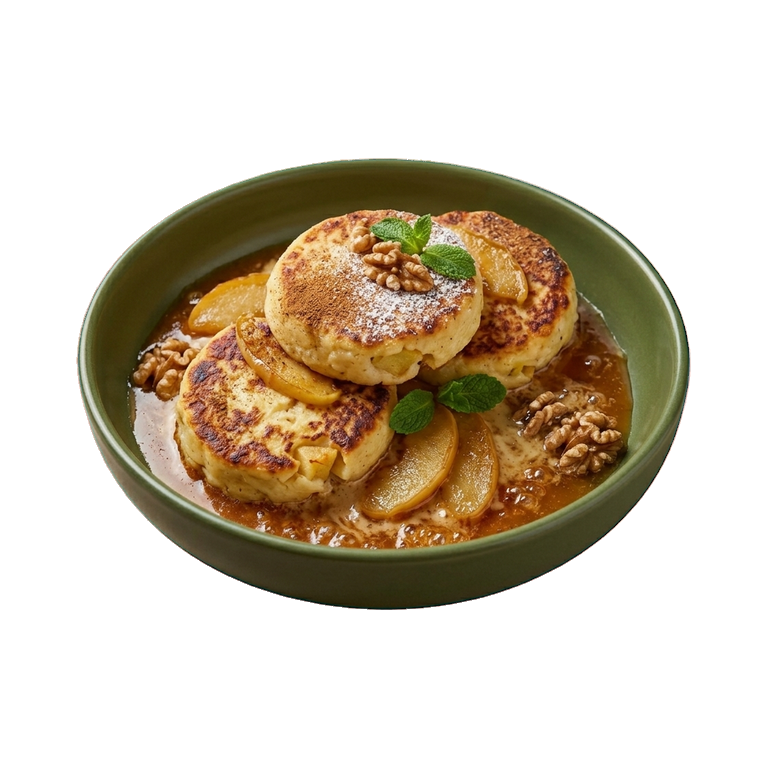
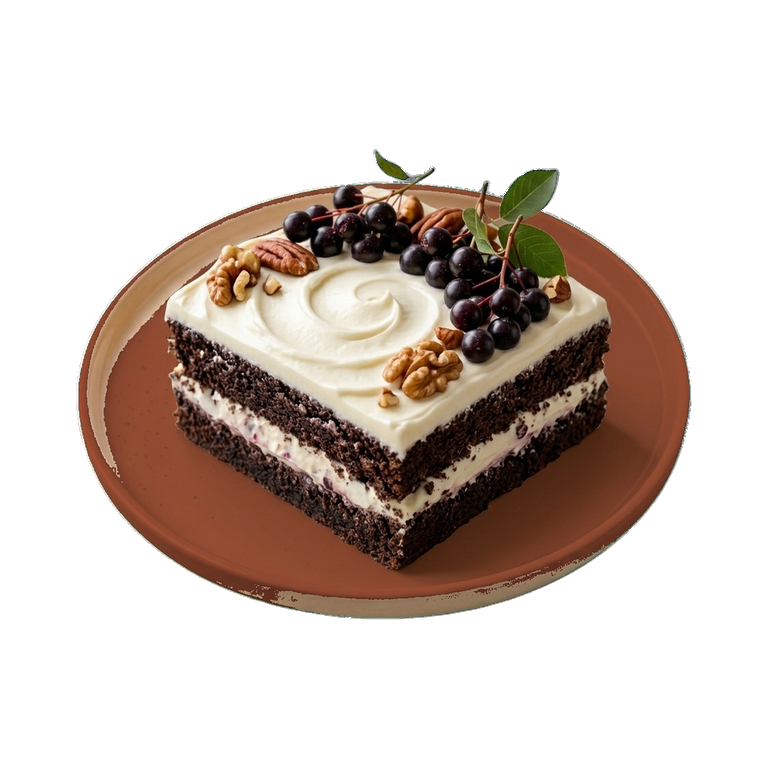
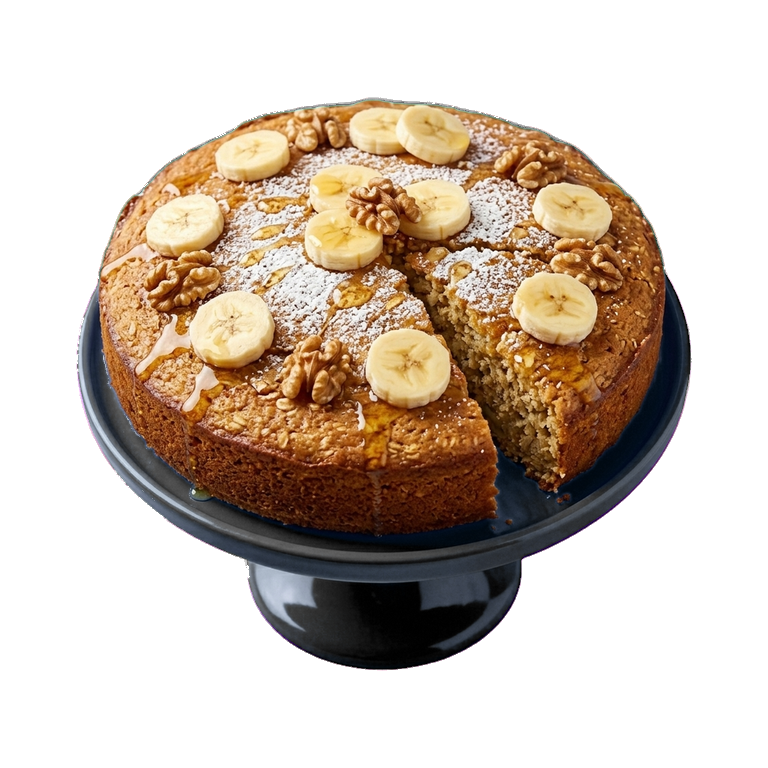
Vanilla is the queen of sweet dishes. It is added to cookie and pie dough, creams and mousses, ice cream and yogurts. It works as an enhancer: it doesn't overpower other flavors, but reveals their depth. A pinch of vanilla in a chocolate dessert makes it more rich, in a berry dessert — the berries sound brighter.
The main rule is moderation. Vanilla is easy to overdo, and then the dish will smell like a pharmacy rather than food. For dough made with 500 grams of flour, half a pod or a quarter teaspoon of ground spice is enough. With extract, be even more careful: a few drops per portion of cream — and you're done.
Pairings
- Vanilla and cinnamon — a classic pair for cakes and beverages
- Vanilla and cardamom — create exotic depth in cookies and creams
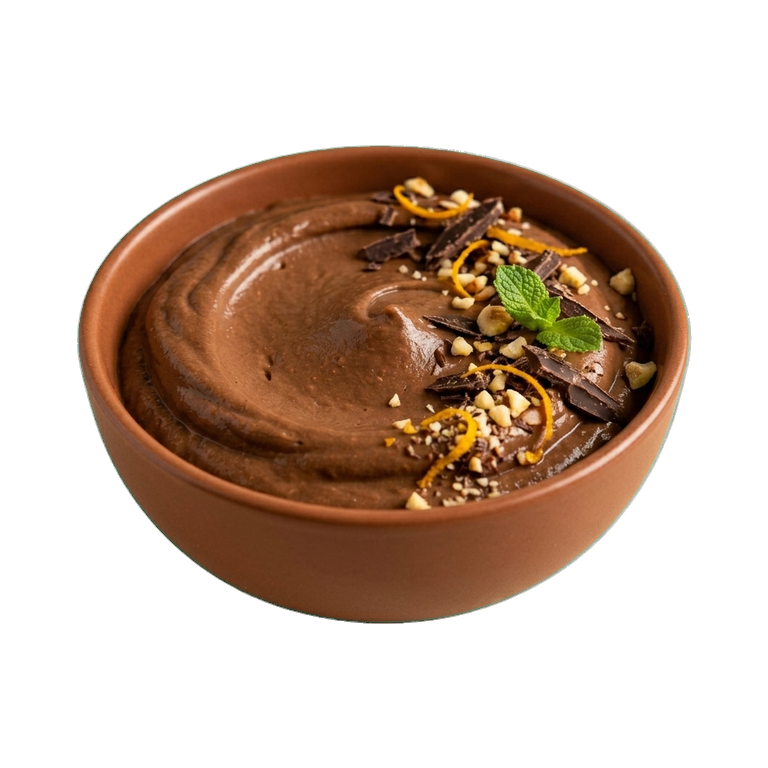
- Vanilla and cocoa — enhance each other in chocolate desserts
- Vanilla and lemon zest — bring freshness and lightness to dough
- Vanilla and almond — create a soft, delicate background in confectionery
Selection and Storage
When purchasing pods, pay attention to the following: they should be dark, almost black, flexible, and not brittle. If the pod is dry and fragile, it has lost moisture and most of its aroma. Smell it — the scent should be pronounced, sweet, without any mustiness. A white crystalline coating on the surface is acceptable — this is not mold, but crystallized aromatic substances.
Store vanilla in an airtight container in a cool, dark place. Pods can last for months if they don't dry out. Keep ground spice in a tightly sealed jar away from light and heat — its aroma fades quickly. Do not store vanilla in the refrigerator: it will absorb odors and become damp.
Vanilla is an investment in baking quality. Slightly more expensive than synthetic substitutes, but the result is incomparable. A single pod, used correctly, will transform several desserts at once.
Nutrition
per 100 g
- Calories
- 287 kcal
- Protein
- 1.2 g
- Fat
- 3.2 g
- Carbs
- 63 g
Measures and weight
- 1 tbsp
- 4.5 g
- 1 tsp
- 1.5 g
- 1 cup
- 75 g
Measure calculator
- Weight
- 100 g
- Calories
- 287 kcal