Usuba
Usuba
Vodka
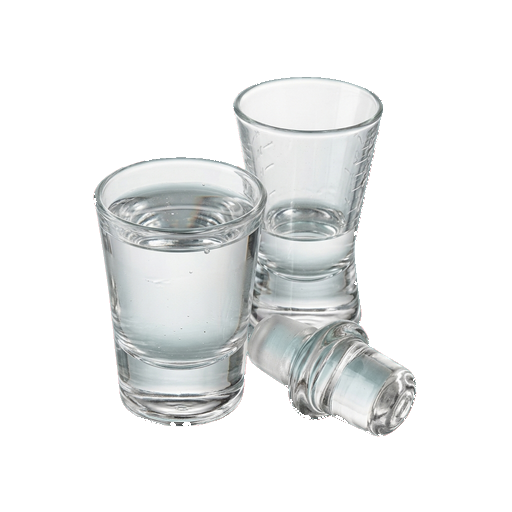
A strong spirit with an alcohol content of 40% ABV or higher, characterized by a neutral taste and absence of a pronounced aroma. In cooking, it is used for preparing cocktails, marinades, infusions, and certain sauces, as well as for flambéing dishes. When selecting vodka, focus on the quality of filtration and smoothness of taste; in recipes, vodka can often be substituted with another spirit of similar strength.
Micronutrients
per 100 ml
About
Neutral spirit with character
Vodka is not just pure alcohol, but a tool that enhances the flavors of other ingredients without imposing its own. Its neutral profile makes it a universal helper in the kitchen. High alcohol content allows the extraction of aromatic compounds from spices, herbs, and fruits that do not dissolve in water. This is why vodka is so often found in marinades, infusions, and sauces — it works as a flavor conductor.
When choosing vodka for cooking, quality matters. Good vodka should be smooth to taste, without a sharp alcohol smell or bitterness. This doesn't mean you need a premium bottle — a mid-range option with a good reputation is sufficient. Check the label: the vodka should be distilled multiple times and have an alcohol content of at least 40 degrees.
Role in dishes and pairings
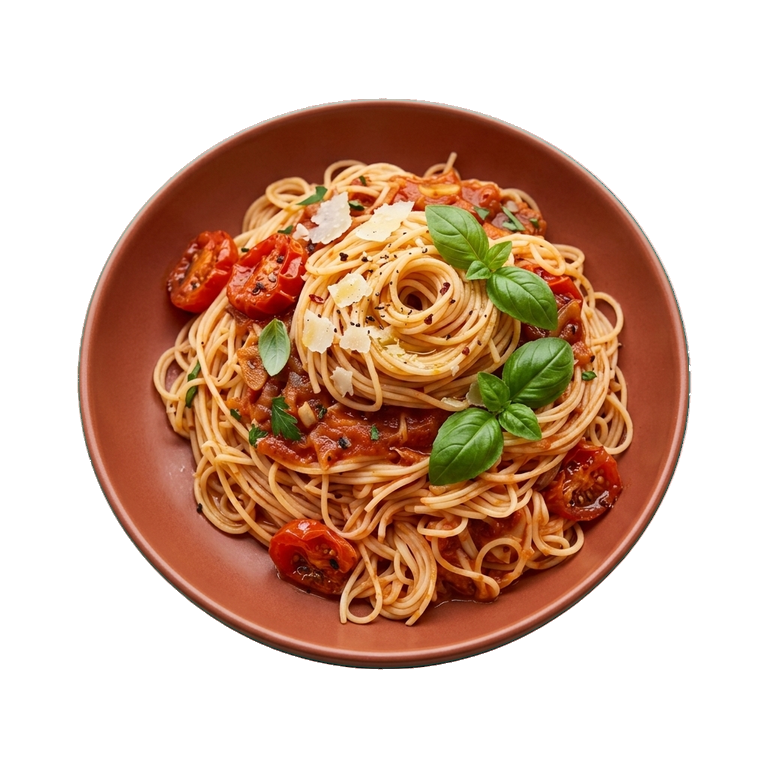
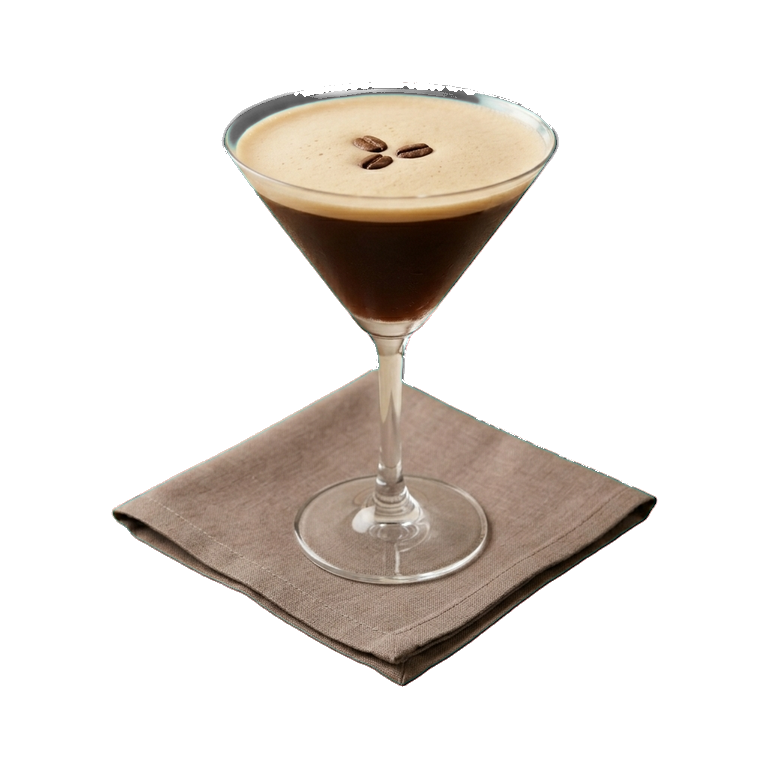
In sauces, vodka reveals itself fully. Classic bolognese sauce with the addition of vodka becomes deeper and more aromatic — the alcohol evaporates, leaving a concentrated taste of tomatoes and meat. The same happens in cream sauces: vodka helps the emulsion become more stable and adds lightness.
Vodka infusions are a separate story. They are perfect for extracting flavors from berries, citrus zest, vanilla, or pepper. Alcohol penetrates deep into the structure of the ingredient and draws out all aromatic oils. Such infusions are then used in desserts, cocktails, and even in marinades for meat.
- Marinades for meat and fish — vodka accelerates the penetration of spices
- Sauces based on tomatoes or cream — enhances depth of flavor
- Tinctures and extracts — extracts aromatic compounds from plant materials
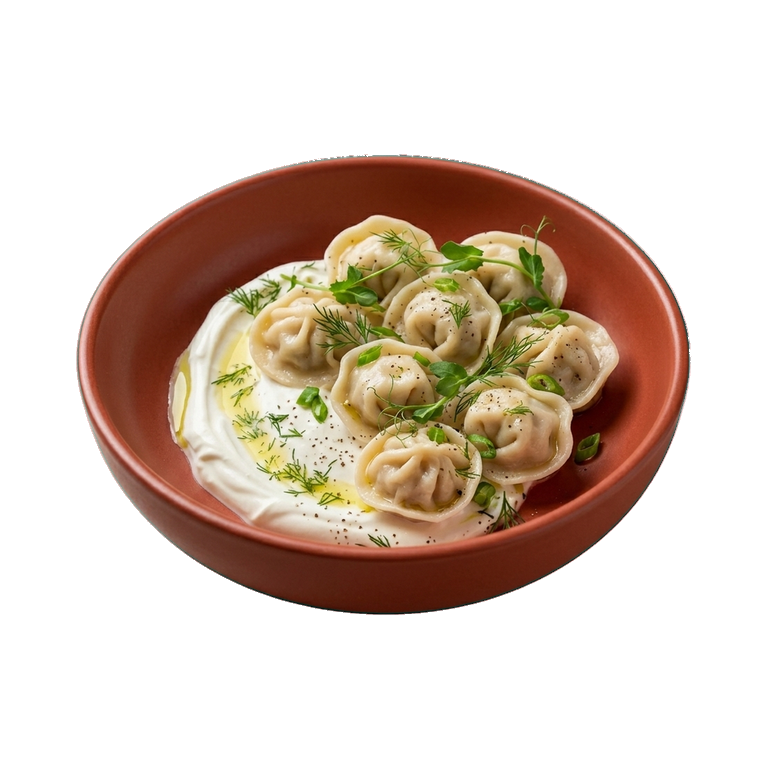
- Dough for dumplings and pierogi — makes it more tender and elastic
- Disinfection of kitchen tools and surfaces when working with delicate products
Practical tips for use
The golden rule: vodka must evaporate. Add it to a hot dish and let it simmer for a few minutes. The alcohol will evaporate, leaving only its flavorful legacy. If you add vodka to a cold dish or don't let it evaporate, an unpleasant alcoholic aftertaste will remain.
Use glass jars with airtight lids for infusions. Store in a cool, dark place — away from sunlight. An infusion typically takes 2–4 weeks to prepare, but it depends on the ingredients. Strain through cheesecloth and pour into a clean bottle. Such infusions can be stored for months or even years.
Vodka in cooking is not about intoxication, but about chemistry. Alcohol does what water cannot: it dissolves fat-soluble aromatic substances and helps them reveal their full potential.
Storage and Selection
Vodka does not require complex storage. Keep it in a closed bottle at room temperature or in the refrigerator — there is no difference. The main thing is that the cap is tightly closed, otherwise the alcohol will evaporate. Use an open bottle within a month, although vodka practically does not spoil.
You don't need expensive vodka for cooking. Choose trusted brands in the mid-price range with good reviews. The main criteria are: smooth taste without harshness, clean aroma, and alcohol content of 40% or higher. If you plan to cook with vodka frequently, buy liter bottles — it's more economical.
Nutrition
per 100 ml
- Calories
- 235 kcal
- Protein
- 0 g
- Fat
- 0 g
- Carbs
- 0 g
Micronutrients
per 100 ml
Macronutrients
- Fiber
- 0 g
- Sugars
- 0 g
- Saturated fat
- 0 g
- Monounsaturated fat
- 0 g
- Polyunsaturated fat
- 0 g
- Omega-3 (EPA + DHA)
- 0 g
- Cholesterol
- 0 mg
- Water
- 63.27 g
Minerals
- Sodium
- 0.95 mg
- Potassium
- 0.95 mg
- Calcium
- 0 mg
- Magnesium
- 0 mg
- Phosphorus
- 4.75 mg
- Iron
- 0.01 mg
- Zinc
- 0 mg
- Copper
- 0.01 mg
- Manganese
- 0 mg
- Selenium
- 0 mcg
Vitamins
- Vitamin C
- 0 mg
- Vitamin B1 (thiamin)
- 0 mg
- Vitamin B2 (riboflavin)
- 0.01 mg
- Vitamin B3 (niacin)
- 0 mg
- Vitamin B5 (pantothenic acid)
- 0 mg
- Vitamin B6
- 0 mg
- Vitamin B9 (folate, DFE)
- 0 mcg
- Vitamin B12
- 0 mcg
Measures and weight
- 1 tbsp
- 14.3 g
- 1 tsp
- 4.8 g
- 1 cup
- 237.5 g
Measure calculator
- Weight
- 100 g
- Calories
- 247 kcal