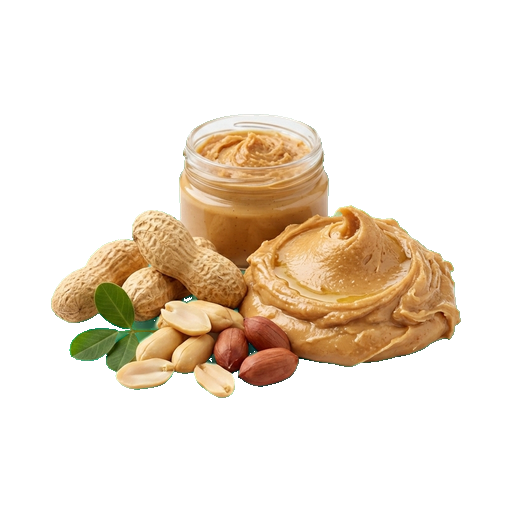
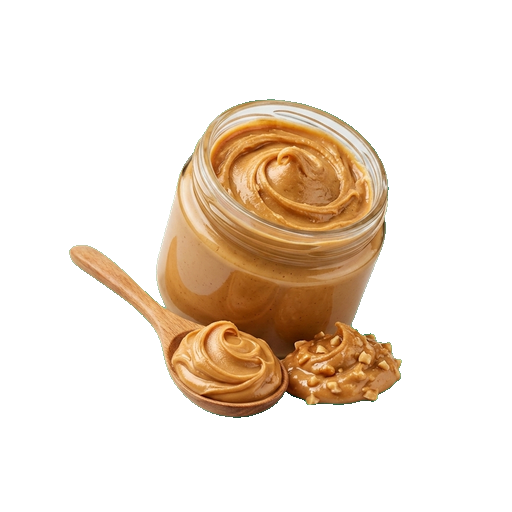
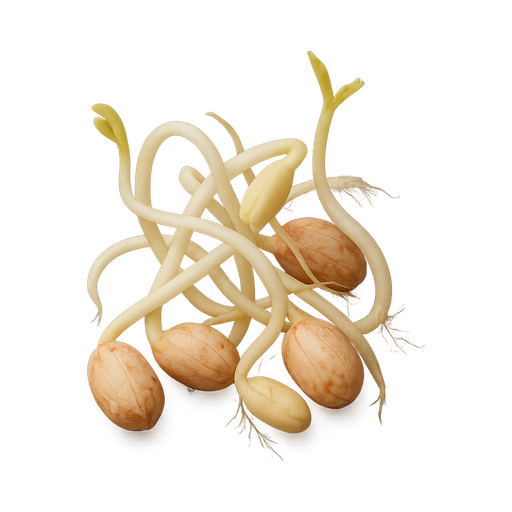
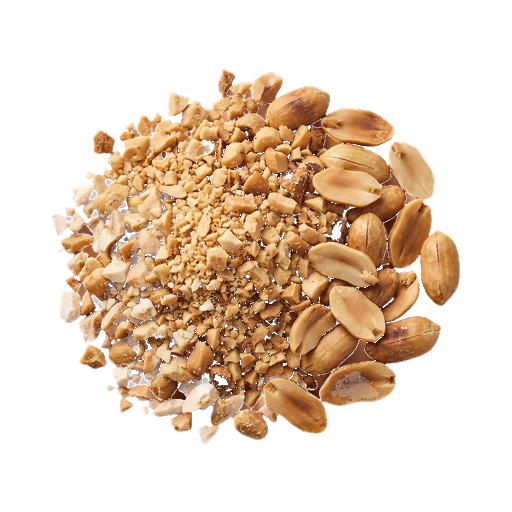
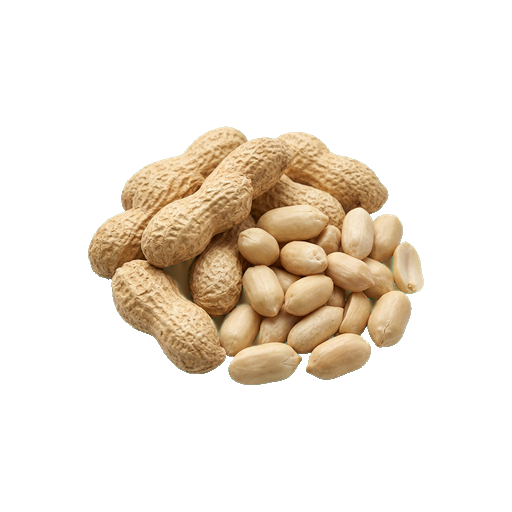
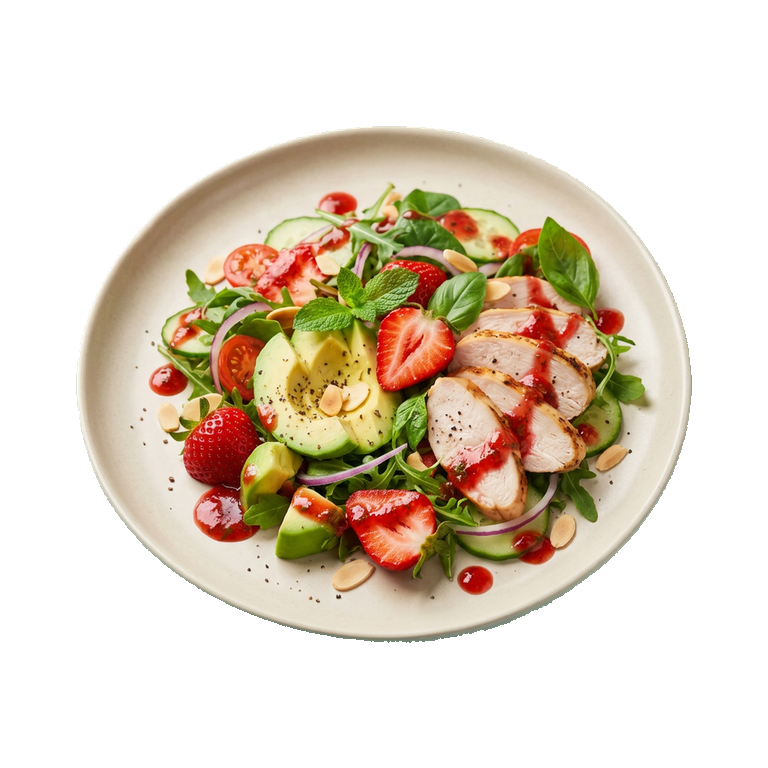
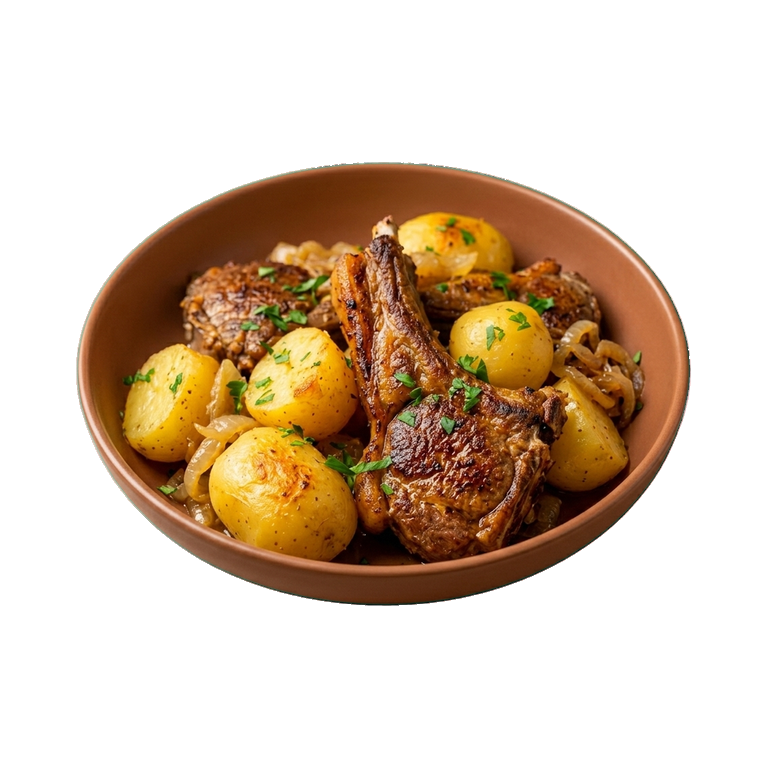
Peanuts are one of the most common food allergens. The reaction can range from mild itching in the mouth to severe anaphylactic shock. Peanut intolerance occurs in both children and adults and often persists throughout life.
Symptoms may appear within minutes or hours after consuming peanuts. They range from mild to severe.
- Itching or tingling in the mouth and throat
- Swelling of lips, tongue, throat
- Hives, skin itching
- Nausea, vomiting, abdominal pain
- Difficulty breathing, wheezing
- Dizziness, loss of consciousness
If you are allergic to peanuts, you must completely avoid not only peanuts themselves, but also all products containing them in any form.
- Peanut butter and oil
- Roasted and boiled peanuts
- Nut and dried fruit mixes
- Candies, bars, cookies with peanuts
- Chocolate products with peanut filling
- Sauces and dressings (often contain peanut butter)
Peanuts can hide in unexpected places. Always carefully read labels and clarify the ingredients with the manufacturer.
- Asian cuisine — sauces, soups, wok dishes
- Bakery products from shared production lines
- Muesli and breakfast cereals
- Ready-made salads and vegetable mixes
- Some varieties of ice cream
- Energy bars and sports nutrition
- Some types of cookies and crackers
If you have a peanut allergy, you can use safe alternatives. Keep in mind that some people may experience cross-reactions to other nuts — in this case, consult before making a substitution.
- Almond paste
- Cashew paste
- Sunflower paste
- Tahini paste (sesame)
- Sunflower seed paste
- Sunflower or pumpkin seeds
- Sliced almonds or cashews
- Coconut flakes
- Roasted flax or sesame seeds
- Breadcrumbs
For Asian dishes, prepare sauces based on coconut milk, ginger, lemon juice, and spices. Add cashew paste or sesame paste instead of peanut paste for a creamy texture.
- Always read labels, even on familiar products — the composition may have changed
- Look for marks like 'may contain peanut traces' or 'produced on equipment that processes peanuts'
- In restaurants, ask staff about the presence of peanuts in dishes and cross-contamination
- When cooking at home, use a separate cutting board and knives if cooking for multiple people
- Check labels on vitamin complexes and dietary supplements
Peanut intolerance does not mean giving up delicious food. There are many safe ingredients that give similar results in recipes.
If you suspect an allergy, it is important to get an accurate diagnosis. Keep a food diary, note your body's reactions, and discuss the results with a medical specialist. This will help correctly identify allergens and safely plan your menu.
 Usuba
Usuba