Usuba
Usuba
Apple Vinegar
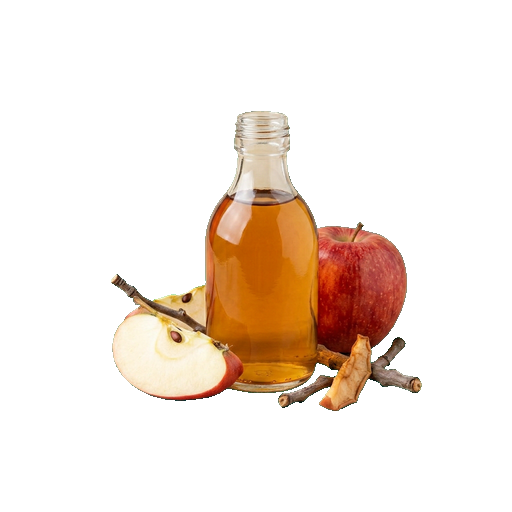
A fermented dairy product with a soft fruity aroma and balanced acidity, made from apple juice or cider. Used in marinades, salad dressings, sauces, and baking, where it adds depth of flavor and helps tenderize meat. When choosing, pay attention to the presence of the "mother" — a sediment containing beneficial bacteria that indicates the product's authenticity; in cooking, vinegar can be diluted with water if the acidity seems too intense.
About
Acid with Character
Apple cider vinegar is not just acid in a bottle. It's a working tool in the kitchen that makes dishes brighter, deeper, and more vibrant. It's produced from apple juice through natural fermentation: first, sugar is converted into alcohol, then microorganisms oxidize the alcohol into acetic acid. The result is a liquid with soft, rounded acidity and a light fruity undertone, which works much less aggressively than white or wine vinegar.
Taste and Aroma
Apple vinegar has a sweet undertone — apples leave behind a memory in the form of light fruity roundness. The acidity here is softer than in other types, but expressive enough to enliven a salad or marinade. Good vinegar smells honest: of apples, fermentation, a little honey. If the smell is sharp or chemical — this is a sign of low quality or additives.
Where to use it
Apple cider vinegar works well in places where acidity is needed, but aggression is not. It is ideal for marinades — vegetables in it become crispy and aromatic, and the marinade itself turns out delicate. In salads, it creates a soft, pleasant acidity that doesn't overpower the taste of other ingredients.
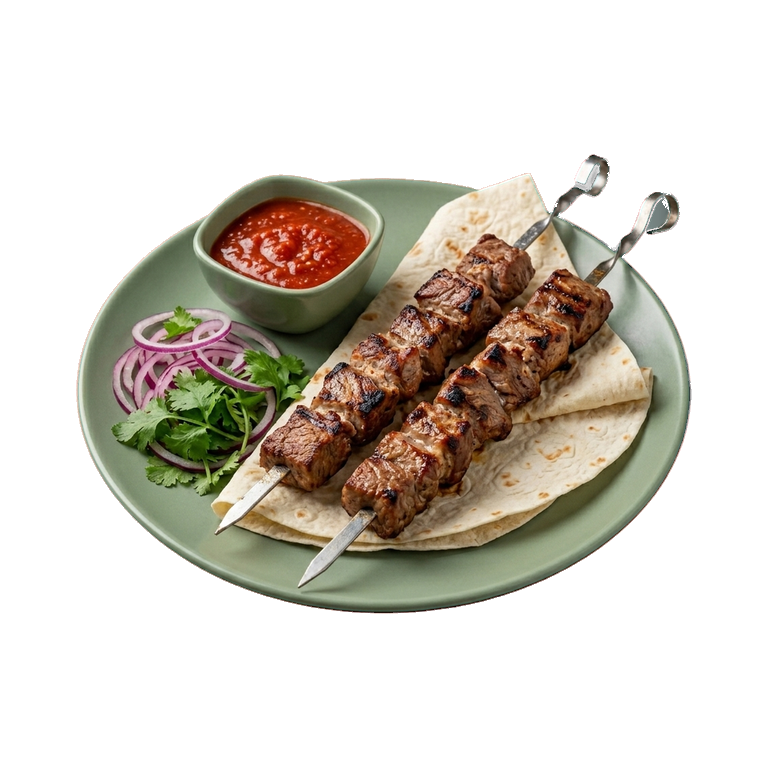
- Marinades for vegetables, fruits and meat
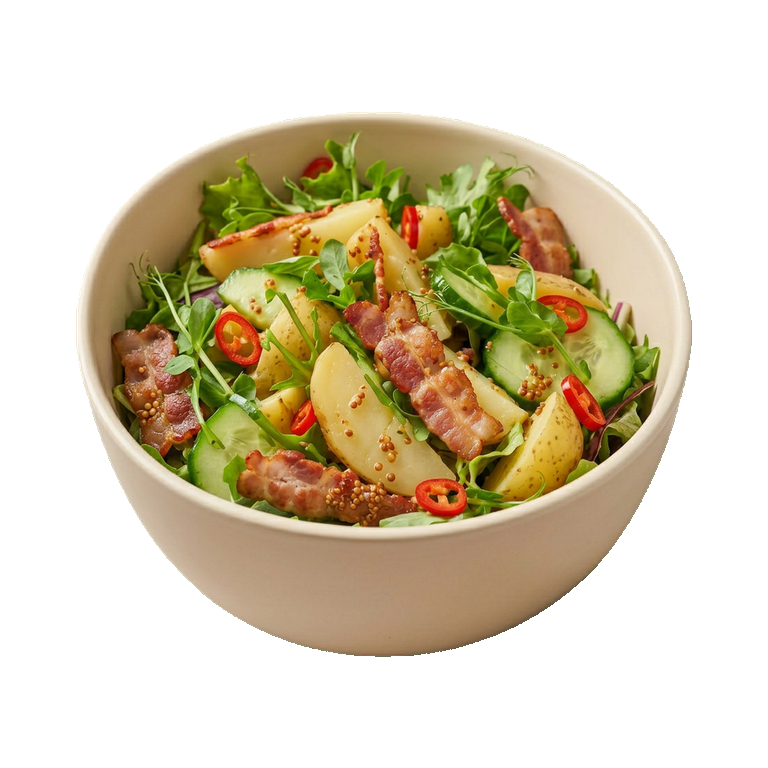
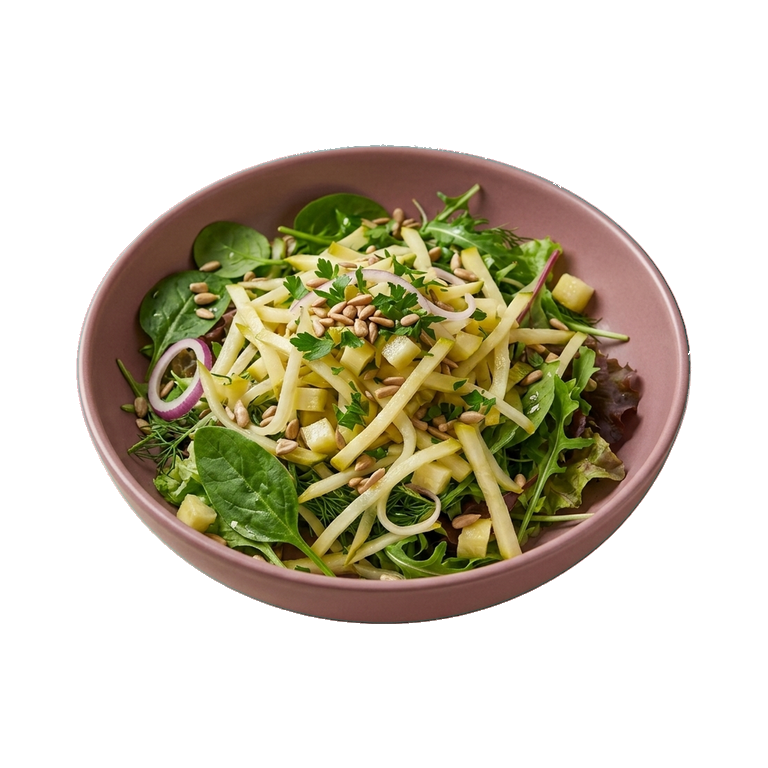
- Dressings for salads and cold dishes
- Sauces and gravies for meat and fish
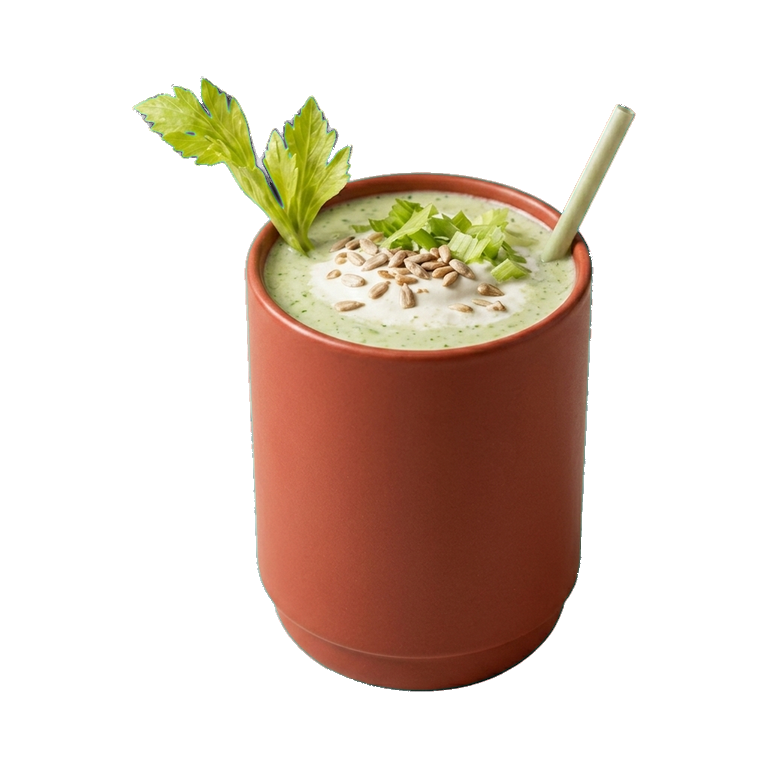
- Drinks and lemonades — diluted vinegar with water and honey
- Pickling mushrooms and root vegetables
What to pair it with
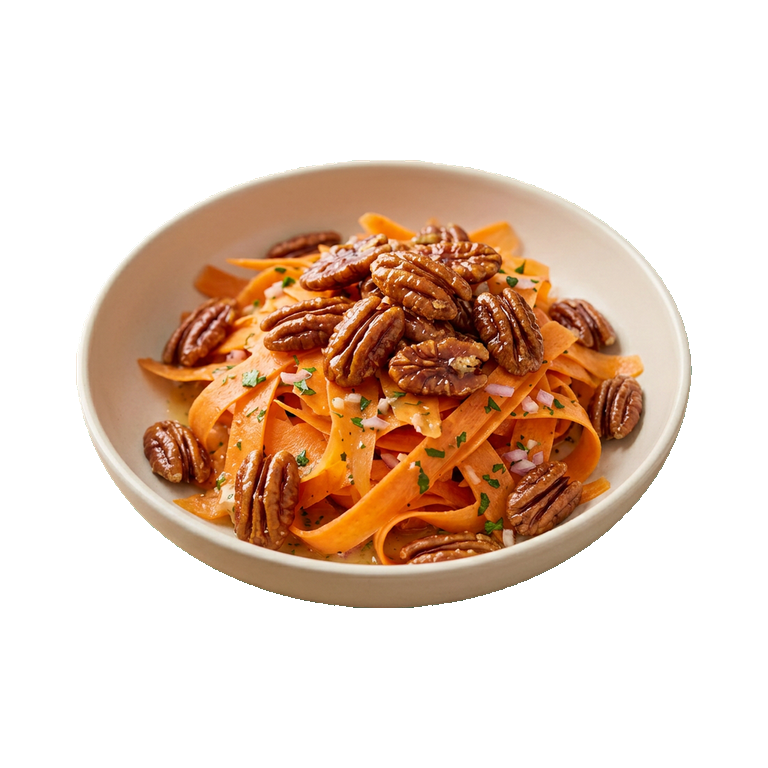
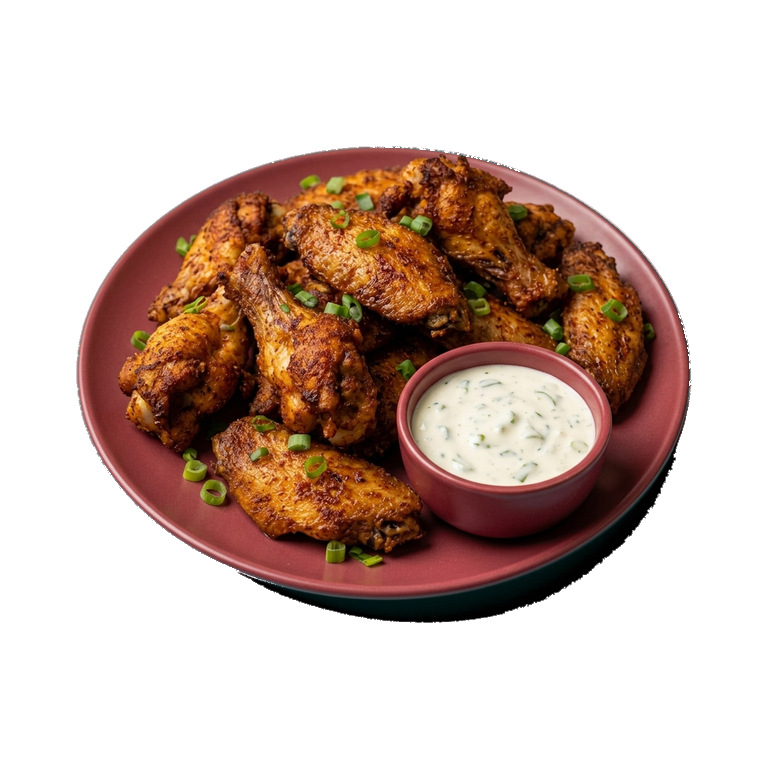
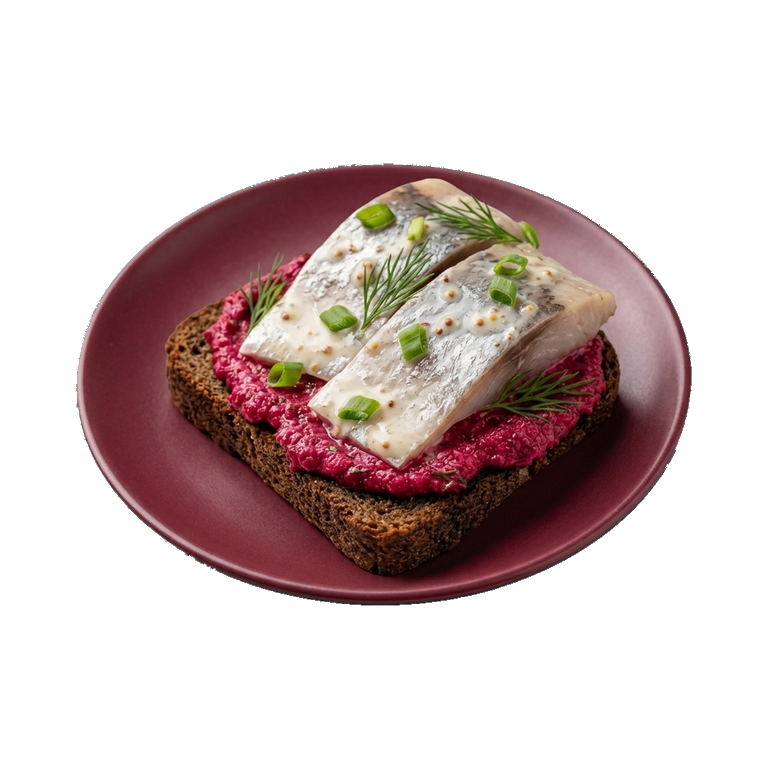
Apple vinegar easily finds common ground with vegetables — especially with fresh herbs, carrots, beets, and cabbage. It works well with honey and mustard in dressings. On meat, it reveals itself in a new way: pork, chicken, and game become more tender and aromatic. Spices like cinnamon, cloves, and black pepper enhance its warm, cozy character.
How to choose and store
Look for vinegar with an acidity of 4–6% — this is the optimal range for cooking. The label should state that it is natural vinegar obtained through fermentation. If you see the words "flavored" or "synthetic" — that's not what you need. Good vinegar may be cloudy or have sediment at the bottom — this is a sign of authenticity, not a flaw. A dark glass bottle protects from light, which is important for maintaining quality.
Apple cider vinegar is stored for a long time — in a dark cool place it will easily last a year or two, or even longer. A hermetic lid is mandatory, otherwise the vinegar will evaporate and oxidize. A refrigerator is not necessary, but it won't hurt either. After opening the bottle, make sure mold doesn't develop — if it appears, it's better to discard the vinegar.
Practical Tips
- Add at the end of cooking — this way it will better preserve its aroma
- In marinades, use at a ratio of 1 part vinegar to 3–4 parts liquid
- If the vinegar seems too acidic, dilute it with water or add honey
- For dressings, mix with oil in a ratio of 1:3 or 1:4
- Remember: apple vinegar works as a flavor enhancer, not as the main ingredient
Nutrition
per 100 ml
- Calories
- 18 kcal
- Protein
- 0.1 g
- Fat
- 0 g
- Carbs
- 0.9 g
Measures and weight
- 1 tbsp
- 15.2 g
- 1 tsp
- 5 g
- 1 cup
- 252.5 g
Measure calculator
- Weight
- 100 g
- Calories
- 18 kcal