Usuba
Usuba
Boiling water
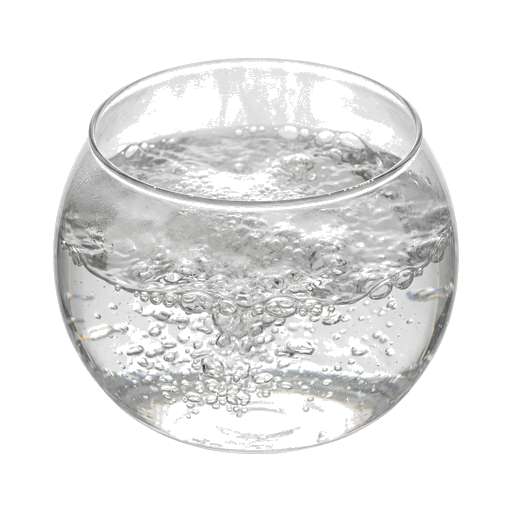
Water heated to boiling temperature (100 °C at normal atmospheric pressure) is used for brewing tea and coffee, preparing hot beverages, blanching vegetables, and softening dry ingredients. When working with boiling water, it is important to keep in mind that it loses temperature quickly, so some recipes require preheating the dishes, while others require cooling to a specific temperature before use. Water quality affects the taste of the finished dish, so it is recommended to use filtered or good drinking water.
About
Boiling water is not just hot water, but an active tool in the kitchen. Water at a temperature of 100°C becomes a powerful solvent, extractor, and flavor conductor. In cooking, boiling water works on different levels: it brews, softens, cleanses, and helps reveal the aromas and textures of ingredients.
Role in Cooking
Boiling water is a universal helper. It brews tea and coffee, extracting from leaves and beans everything needed for taste and aroma. It softens dried fruits and nuts in mere minutes, making them pliable for dishes. Boiling water blanches vegetables, preserving their color and crispness. It is needed for cooking pasta, grains, eggs — for everything that requires quick heating and even cooking.
Practical Tips
- Wait 1–2 minutes after boiling when brewing tea and herbs — the water will cool slightly, and the ingredients will unfold better
- Use plenty of boiling water for blanching vegetables so the water doesn't cool down when you add the product
- For cooking pasta and rice, boiling water should cover the ingredient by 2–3 cm, otherwise they will cook unevenly
- If you need to soften dried fruits or nuts, pour boiling water over them and cover with a lid — this way they will absorb moisture faster
- For soups and broths, add boiling water at the end of cooking to reach the desired volume without affecting the taste of the main dish
What boiling water works with
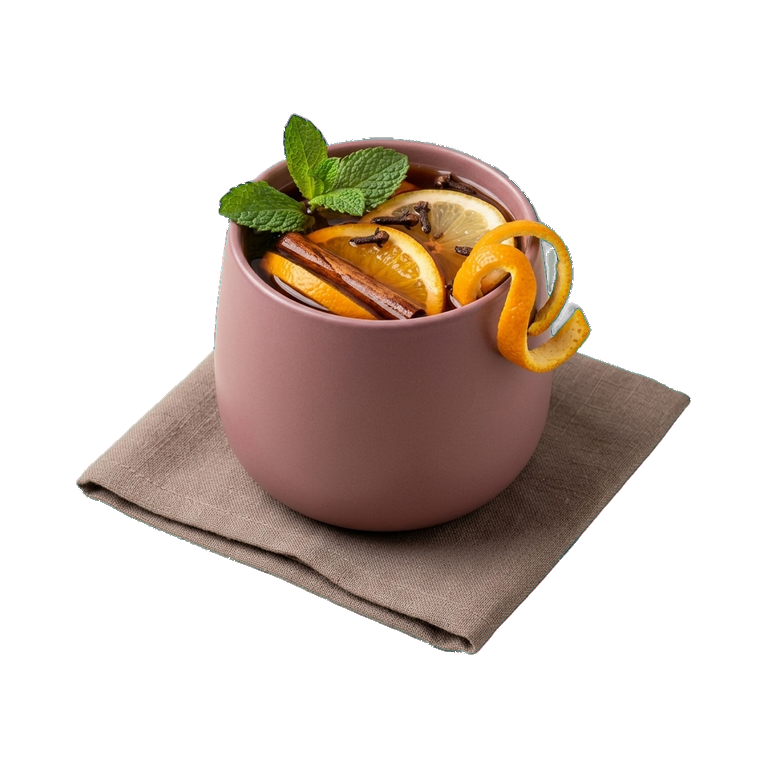
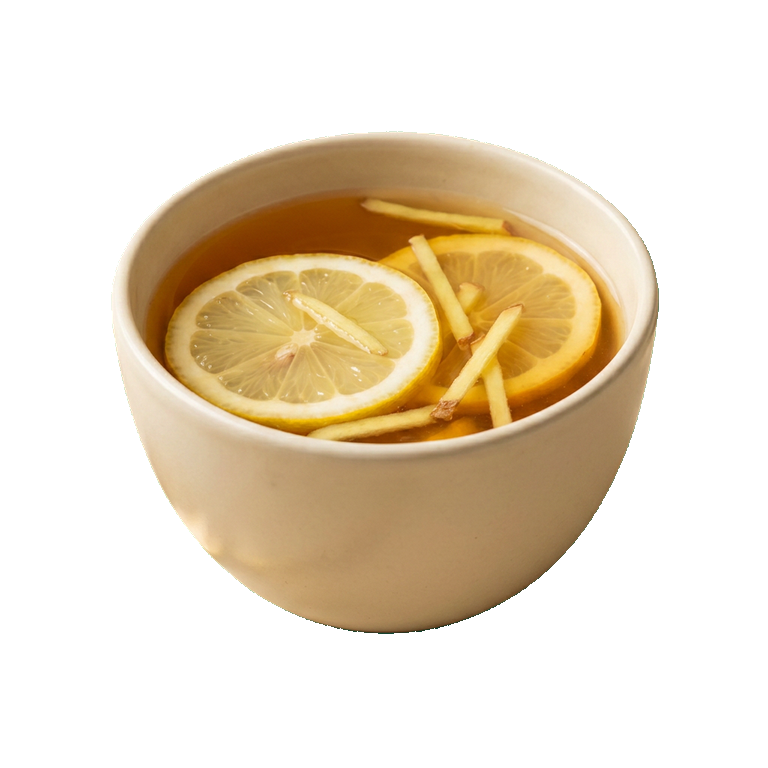
Boiling water is a partner to almost all dry ingredients: tea leaves, coffee beans, dried fruits, nuts, spices, grains, and pasta. It helps vegetables and meat cook evenly. It works with starch, creating the right consistency in sauces. Together with boiling water, the aromas of lemon, ginger, cinnamon, cloves—any additives that need to be extracted and mixed with liquid—unfold.
Selection and Use
The quality of boiling water depends on the quality of the water itself. If tap water is hard or has an odor, boiling will not eliminate this completely — it's better to use filtered or bottled water. Boiling water should be used immediately after it boils, while it's still hot. If the water has cooled to 80–90°C, it becomes less effective for brewing and extraction. For different purposes, water slightly below the boiling point may be suitable: for delicate tea — around 80°C, for strong coffee — closer to 95°C.
Boiling water is not only a cooking tool but also a safety concern. Always handle it carefully: use a kettle with a comfortable handle, pour slowly, keep dishes away from the edge of the table, especially if children are nearby.
Nutrition
per 100 ml
- Calories
- 0 kcal
- Protein
- 0 g
- Fat
- 0 g
- Carbs
- 0 g
Measures and weight
- 1 tbsp
- 15 g
- 1 tsp
- 5 g
- 1 cup
- 250 g
Measure calculator
- Weight
- 100 g
- Calories
- 0 kcal