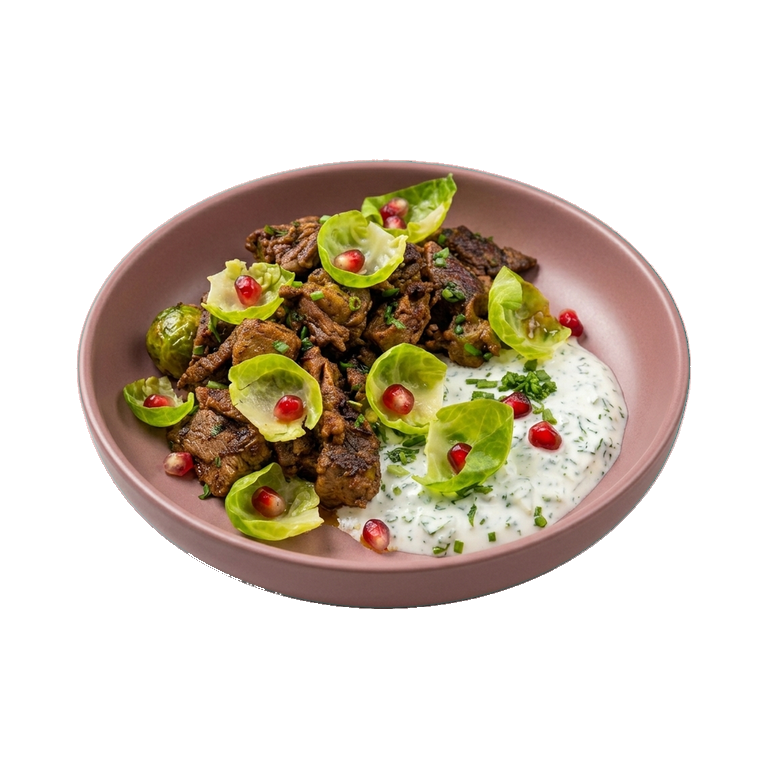
Usuba
Usuba
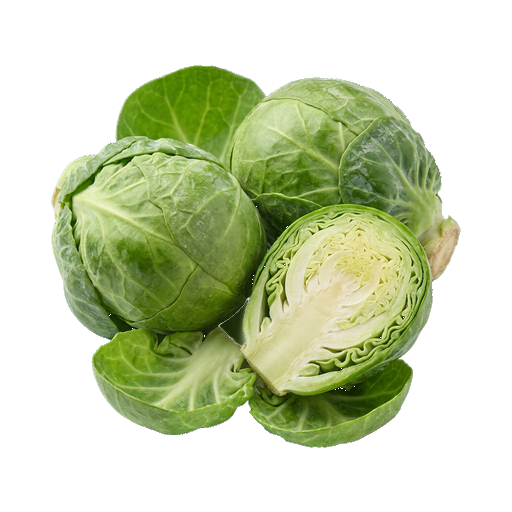
Brussels sprouts
Small Brussels sprout heads resemble miniature regular cabbage heads and are distinguished by a slightly sweet, nutty flavor with a mild bitterness. During cooking, they hold their shape well, becoming soft on the outside while remaining firm inside, especially if not overcooked. Used in stir-frying, braising, roasting, and soups, they pair well with butter, bacon, and spicy sauces. When selecting, prefer dense, medium-sized heads without yellow leaves.
Micronutrients
per 100 g
About
Why Brussels sprouts deserve a place in your kitchen
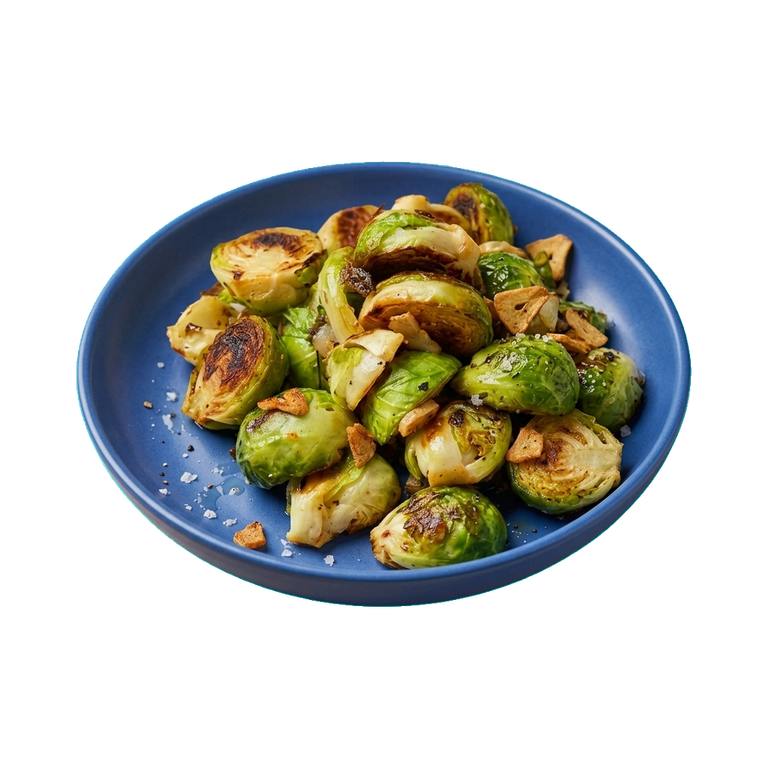
Brussels sprouts are not just a vegetable, but a small head of cabbage that cooks quickly and gives a dish a nutty, slightly sweet flavor. When you cut it in half and sear it cut-side down in a pan, it caramelizes and becomes crispy on the outside while remaining tender on the inside. It is one of the few vegetables that is equally good in simple preparations and in complex compositions.
When shopping, choose dense, heavy heads of the same size — this way they will cook evenly. The leaves should be green, without yellow spots or damage. Slightly frozen cabbage becomes even sweeter after thawing, so don't be alarmed by frost on vegetables from winter shelves.
How to cook and what to pair with
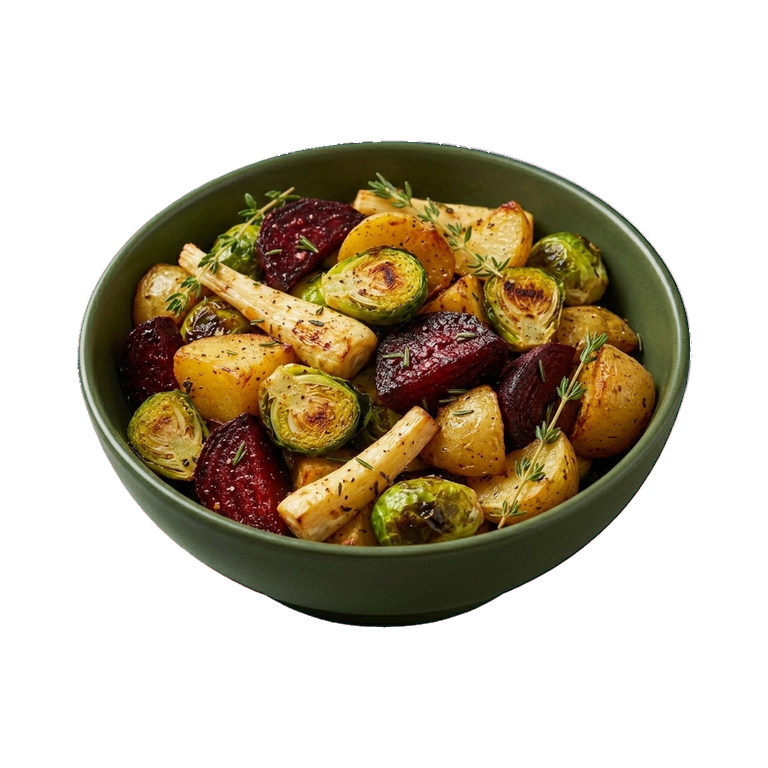
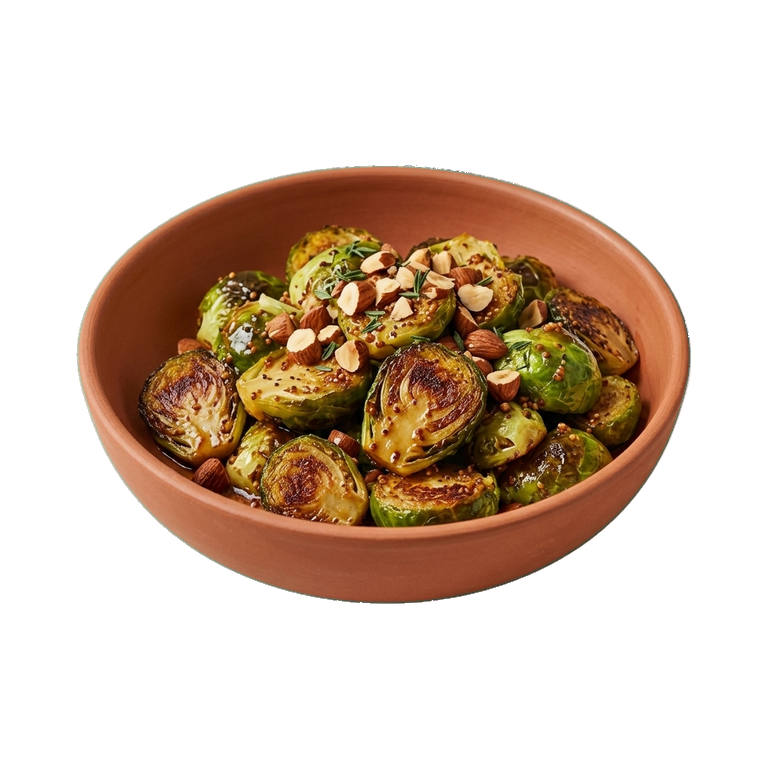
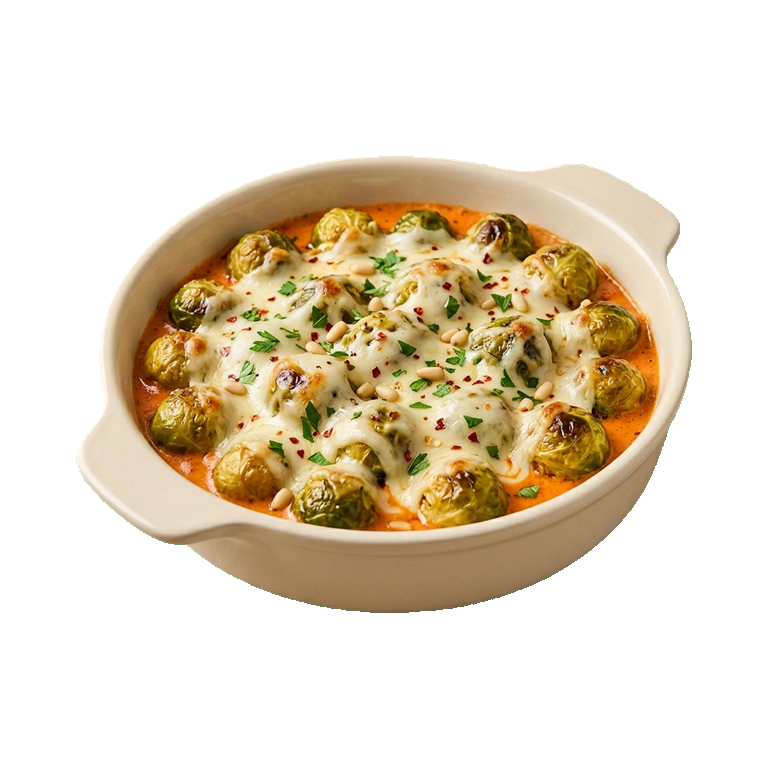
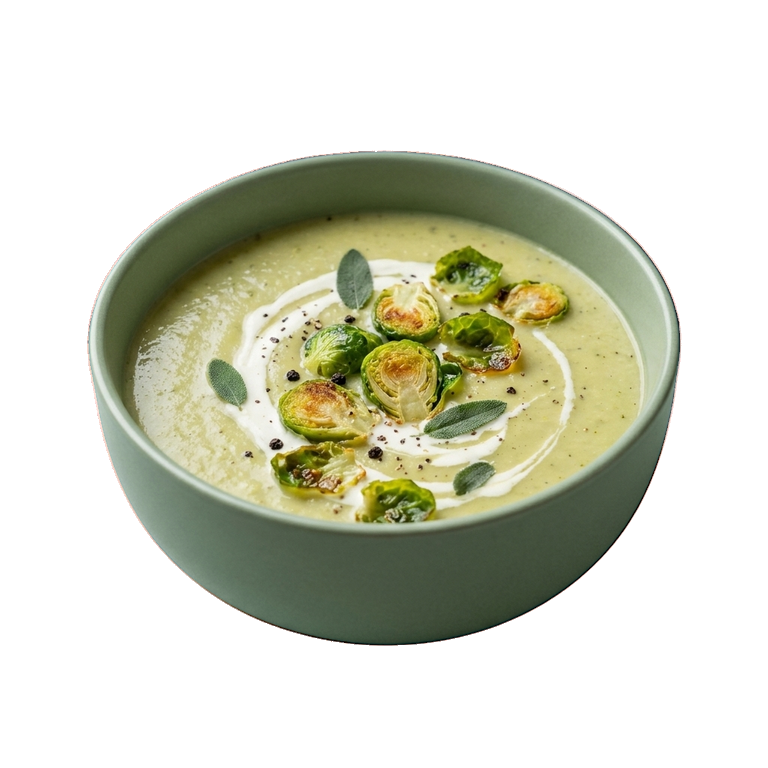
The most reliable method is pan-frying. Cut the Brussels sprouts in half lengthwise, brush with oil, salt them, and fry cut-side down over high heat until golden brown. You can also bake them in the oven with garlic and olive oil, boil until tender and stew with cream, or even add raw sprouts to a salad if sliced thinly.
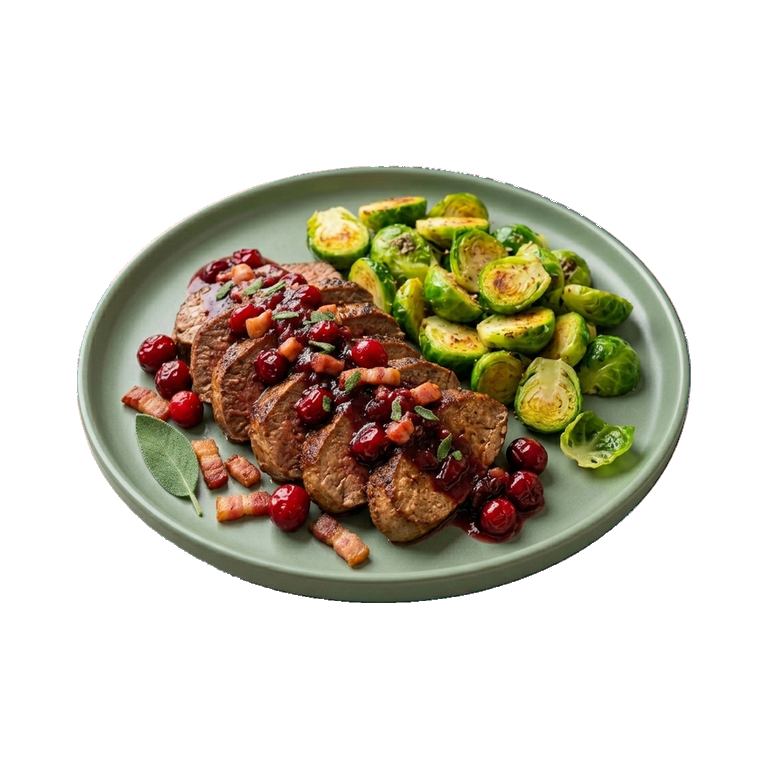
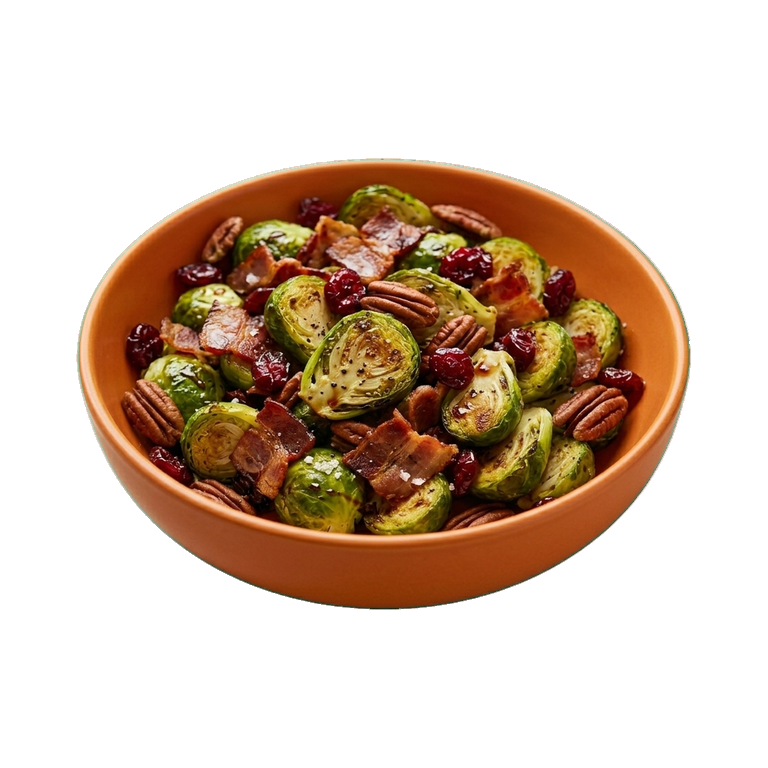
- Bacon, prosciutto and other cured meat — a classic combination that highlights the nuttiness of cabbage
- Garlic, ginger and hot pepper — spices that add brightness to cabbage
- Creamy sauces, butter, nut oils — soften the bitterness and enrich the taste
- Acidity of lemon, vinegar, soy sauce — refresh the dish and balance the sweetness
- Parmesan, gorgonzola, goat cheese — enhance the depth of flavor
Selection, storage and preparation
Brussels sprouts can be stored in the refrigerator for up to two weeks in the vegetable compartment — ideally in a perforated bag. Before cooking, rinse them under cold water, pat dry, and remove any yellowed or damaged leaves from the surface. If the sprouts are large, cut them in half; if very large, cut them into quarters so they cook evenly with the rest.
Main tip: do not overcook. Overcooked cabbage acquires an unpleasant sulfurous smell and loses its crispness. Even if you are cooking it soft for a puree or side dish, it is better to stop half a minute earlier than to save the dish afterwards.
Nutrition
per 100 g
- Calories
- 43 kcal
- Protein
- 3.4 g
- Fat
- 0.3 g
- Carbs
- 8.9 g
Micronutrients
per 100 g
Macronutrients
- Fiber
- 4.785 g
- Water
- 84.62 g
Minerals
- Sodium
- 25.74 mg
- Potassium
- 476.8 mg
- Calcium
- 38.64 mg
- Magnesium
- 25 mg
- Phosphorus
- 78.54 mg
- Iron
- 0.73 mg
- Zinc
- 0.37 mg
- Copper
- 0.04 mg
- Manganese
- 0.24 mg
Vitamins
- Vitamin C
- 142.9 mg
Measures and weight
- 1 pcs
- 15 g
Measure calculator
- Weight
- 100 g
- Calories
- 43 kcal