Usuba
Usuba

Cherry juice
Concentrated or fresh cherry juice has a pronounced acidity and tart taste with fruity notes. It is used in beverages, sauces, marinades, and desserts to add rich color and deep flavor. When selecting, pay attention to the presence of added sugar and preservatives. As a substitute, you can use cranberry juice or diluted blackcurrant juice, though the flavor profile will differ.
Micronutrients
per 100 ml
About
Cherry juice is one of the brightest and most flavorful fruit juices. Its deep dark red color and tart sweetness make it a versatile helper in both sweet and savory dishes. In cooking, it is valued for its ability to simultaneously emphasize and balance flavors, adding complexity and visual appeal to dishes.
Aroma and taste
Cherry juice has an expressive berry aroma with a subtle tartness. The taste is simultaneously sweet and sour, with a barely noticeable bitterness in the aftertaste. This balance makes it an interesting ingredient: it doesn't overpower other flavors, but complements them. Concentrated juice is even more intense, so it needs to be diluted or used in small quantities.
Role in dishes
In cooking, cherry juice works on both the sweet and savory sides. It is added to marinades for meat — the juice softens the fibers and adds depth to the flavor. In desserts and baking, it serves as the base for glaze, syrup, or compote. Cherry juice works well in sauces for duck, beef, and game, where its acidity cuts through the richness.
- Marinades and sauces for meat and poultry
- Glazes for baked goods and cakes
- Compotes and kissel
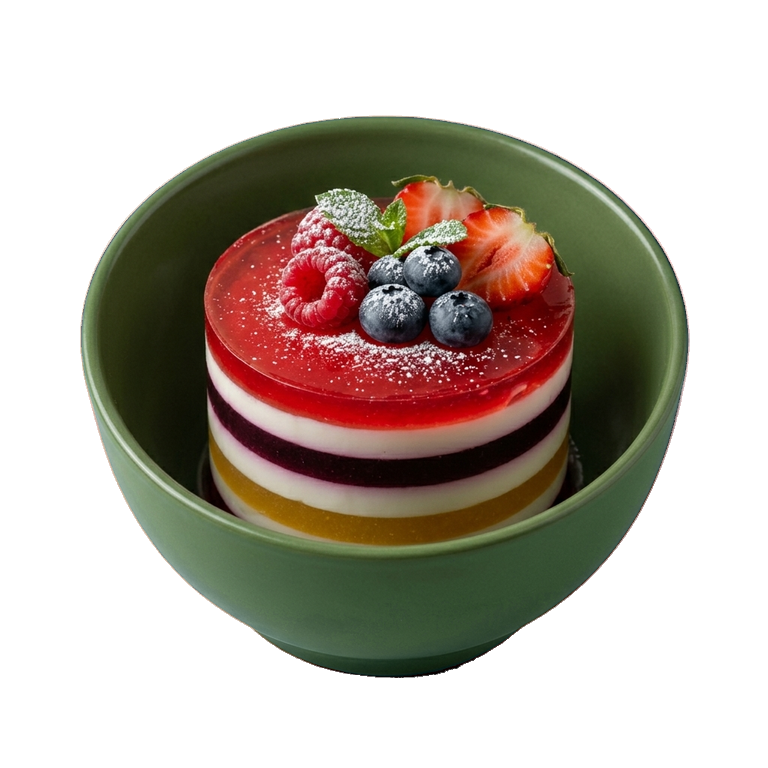
- Base for jelly and mousse
- Ingredient for cocktails and beverages
Pairings and Harmonies
Cherry juice pairs well with spices: black pepper, cinnamon, cloves, and cardamom enhance its character. With chocolate, it creates a classic pairing — their contrast works perfectly. Cherry respects fresh herbs: mint, basil, and thyme add freshness. On the savory side, the juice combines well with red wine, balsamic vinegar, and mustard.
Selection and Storage
When choosing cherry juice, pay attention to the composition: ideally it should be 100% juice without additives. Concentrated juice is more economical and compact, but requires dilution. Freshly squeezed juice works best, but has a short shelf life. If you use ready-made juice in a bottle, check the date and storage conditions.
- Store an open bottle in the refrigerator for no more than 7-10 days
- Concentrated juice can be frozen in ice cube trays for convenience
- Freshly squeezed juice is best used on the day of preparation
Practical Tips
If cherry juice seems too tart to you, dilute it with water or mix it with a sweeter juice — apple or pear. For marinades, use concentrated juice in smaller quantities to avoid overdoing the acidity. When heated, cherry juice can lose its aroma, so add it at the end of cooking or use it in cold dishes where its flavor will fully shine through.
Nutrition
per 100 ml
- Calories
- 47 kcal
- Protein
- 0.5 g
- Fat
- 0.1 g
- Carbs
- 11 g
Micronutrients
per 100 ml
Macronutrients
- Sugars
- 12.698 g
- Cholesterol
- 0 mg
- Water
- 88.587 g
Minerals
- Sodium
- 4.16 mg
- Potassium
- 167.44 mg
- Calcium
- 13.52 mg
- Magnesium
- 11.44 mg
- Phosphorus
- 17.68 mg
- Iron
- 0.44 mg
- Zinc
- 0.03 mg
- Copper
- 0.04 mg
- Manganese
- 0.06 mg
Vitamins
- Vitamin D
- 0 mcg
- Vitamin C
- 0 mg
- Vitamin B1 (thiamin)
- 0.06 mg
- Vitamin B6
- 0.04 mg
- Vitamin B12
- 0 mcg
Measures and weight
- 1 tbsp
- 15.6 g
- 1 tsp
- 5.2 g
- 1 cup
- 260 g
Measure calculator
- Weight
- 100 g
- Calories
- 45 kcal