Usuba
Usuba
Chicken Wings
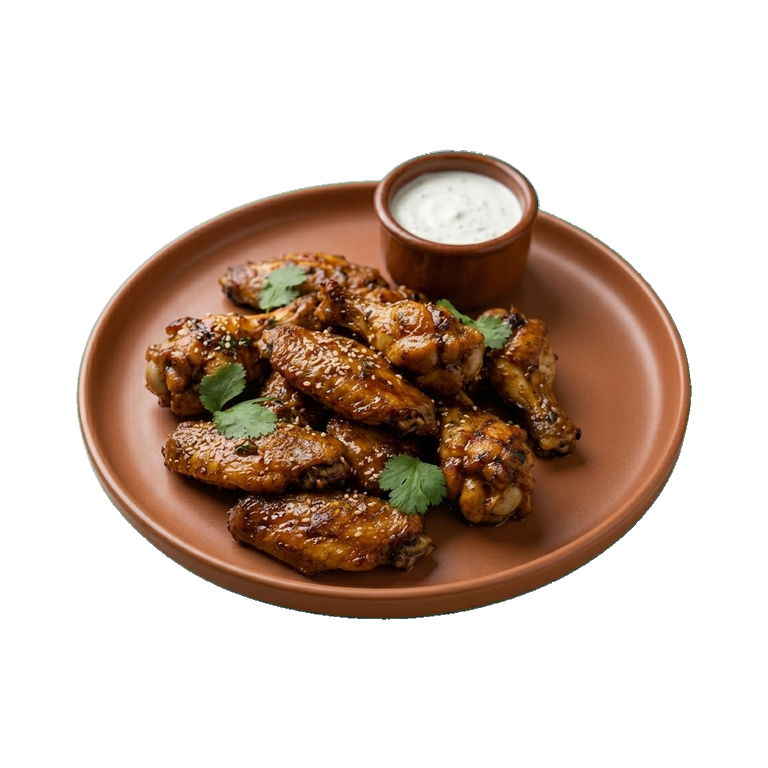
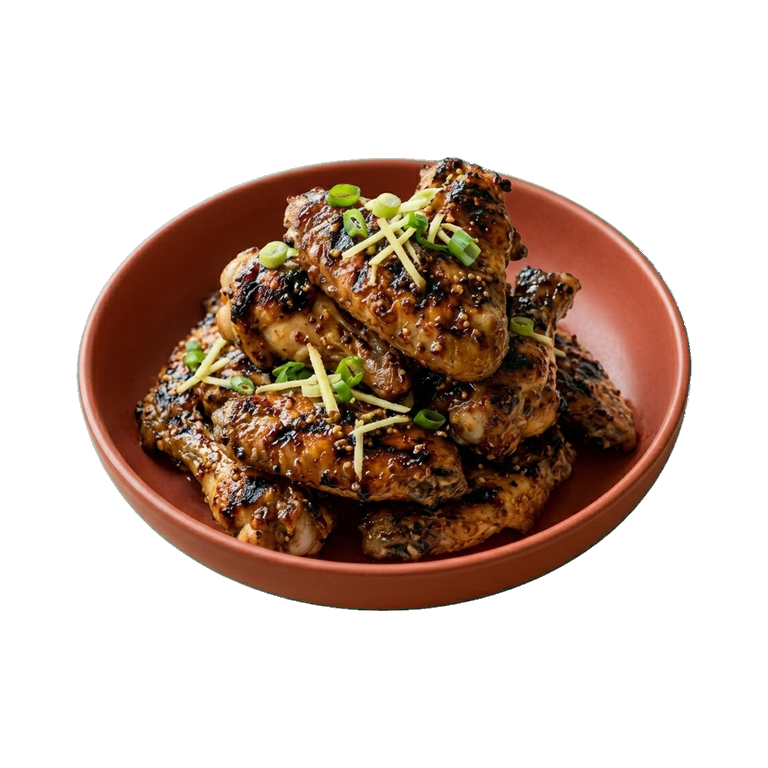
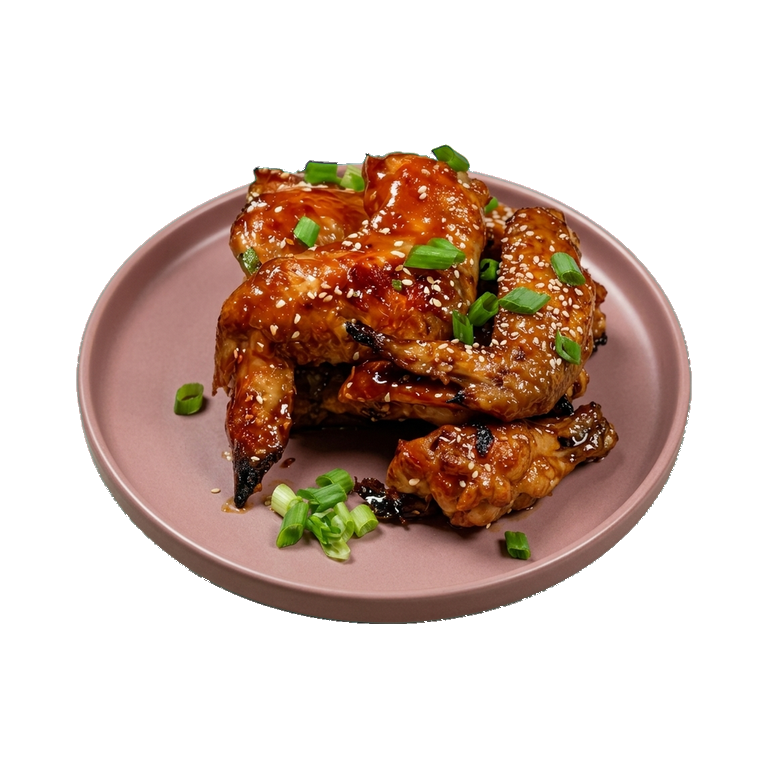
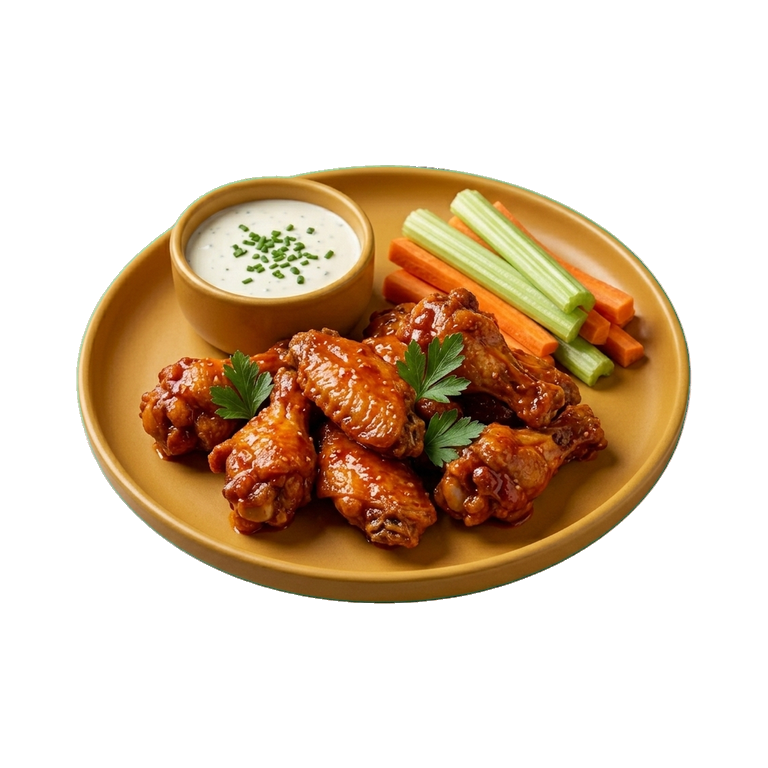
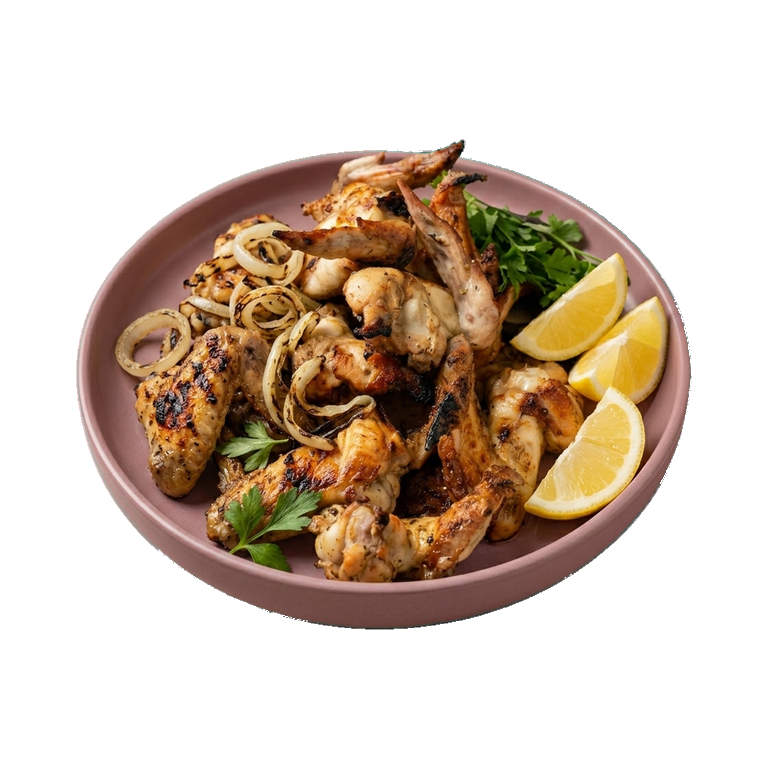
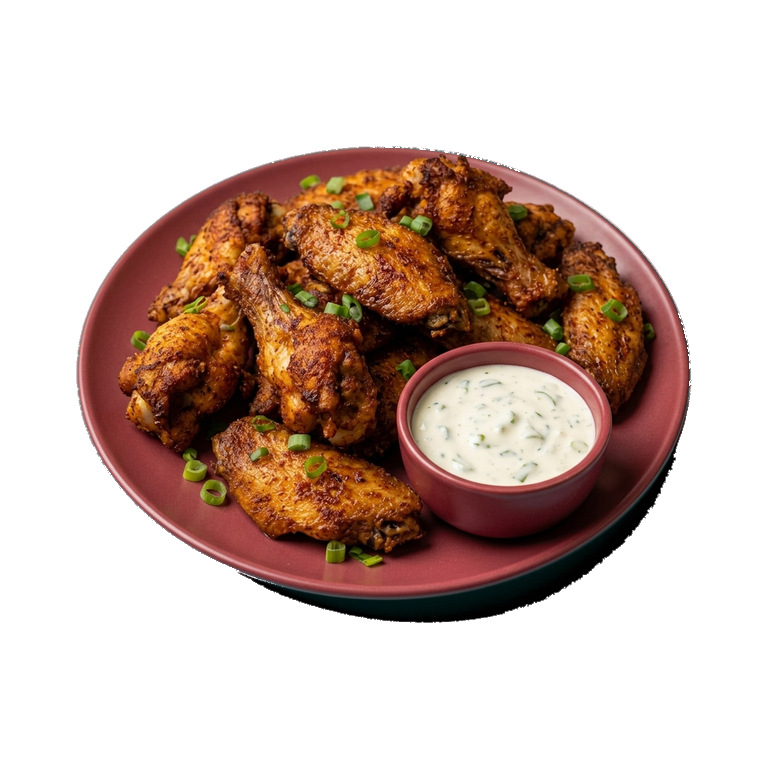
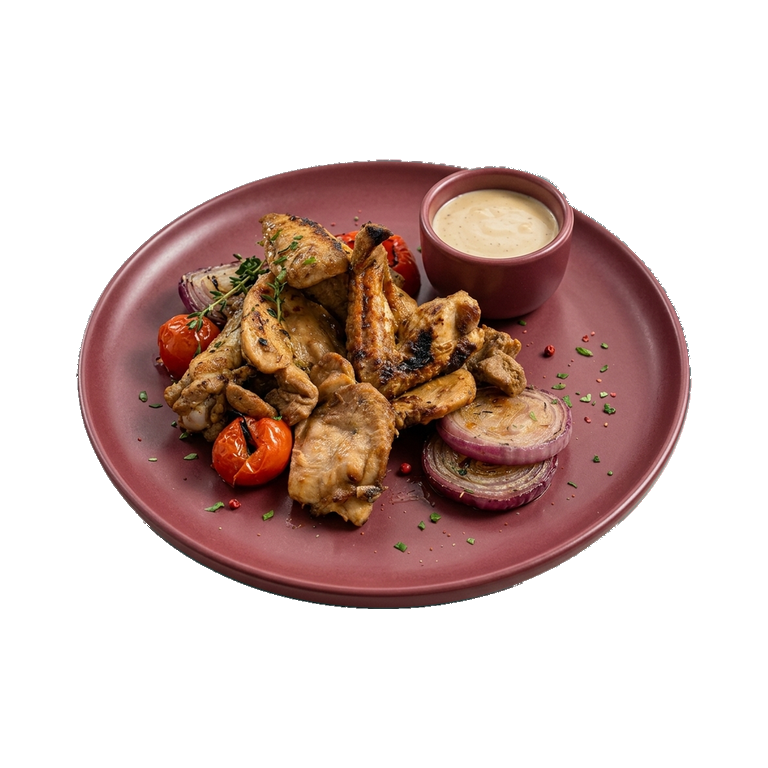
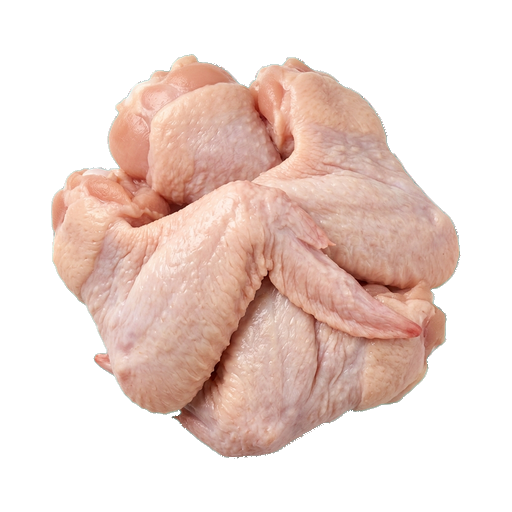
Chicken wings are a versatile and economical poultry cut with high collagen and fat content, making them ideal for prolonged heat cooking. The meat on wings is tender and juicy, absorbs marinades and sauces well, and is perfect for frying, stewing, baking, and grilling. When selecting, pay attention to color — the meat should be pinkish and the skin free of dark spots; freezing has virtually no impact on quality, but fresh wings cook slightly faster.
Micronutrients
per 100 g
About
Chicken wings are one of the most rewarding cuts for the kitchen. They are cheaper than breast meat, juicier, and when cooked properly, become the real star of the table. The meat here is dense, with a good layer of fat, which helps it stay moist even with aggressive heat treatment. It's no wonder that wings work equally well in frying, baking, smoking, and even in soups.
Taste and texture
A chicken wing consists of three parts: the drumette (the meatiest and most convenient piece), the joint in the middle, and the tip. Each part cooks for the same amount of time, but the drumette is always the favorite — it's easier to hold in your hand, and there's more meat on it. The flavor is neutral, slightly more pronounced than breast meat, thanks to its higher fat content. This means that wings readily absorb marinades, spices, and sauces, but they also have enough character on their own.
How to cook and what to pair with
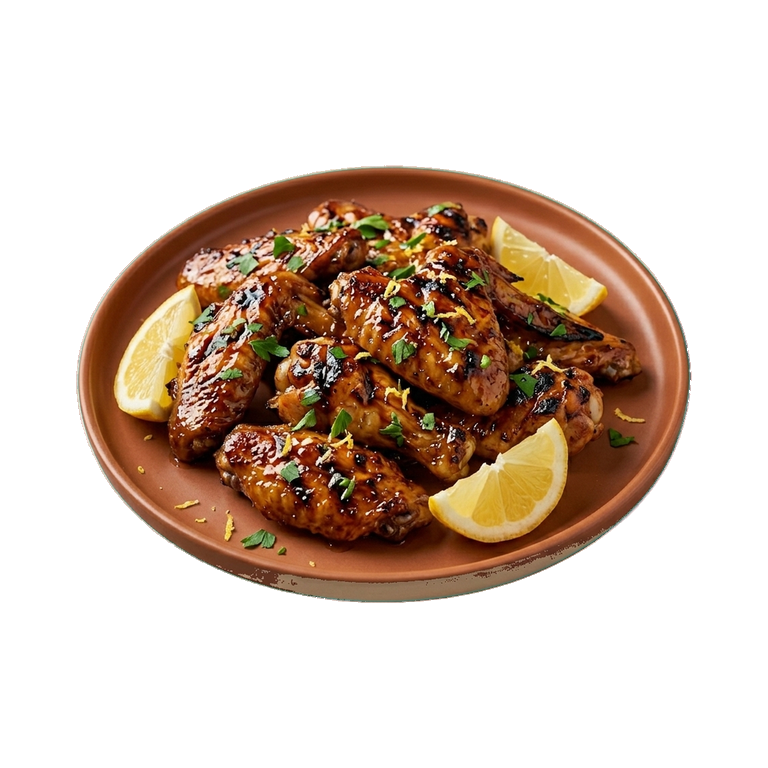
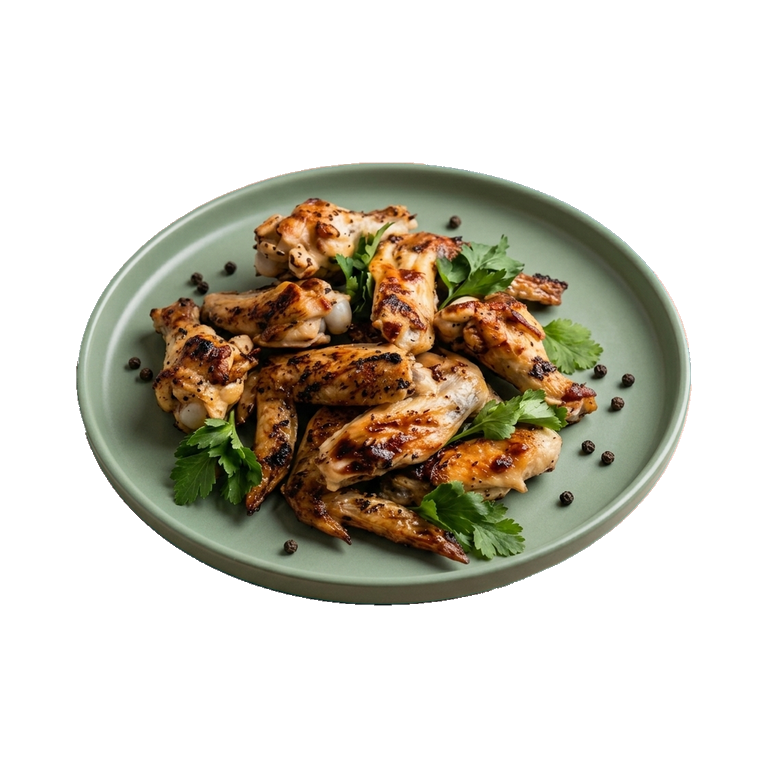
The golden rule: don't be afraid of high heat. Wings love pan-frying or grilling — the skin becomes crispy while the meat inside stays tender. For oven baking, 200 degrees and 30–40 minutes are enough. Even an hour of marinating noticeably improves the result. Sauces work flawlessly: from spicy buffalo to honey-soy, from garlic to tomato.
- Sharp and sour sauces (tabasco, vinegar, lemon) emphasize meat and cut through richness
- Asian marinades with soy sauce, ginger and garlic — a classic that never disappoints
- Herbs (rosemary, thyme, oregano) pair well with chicken
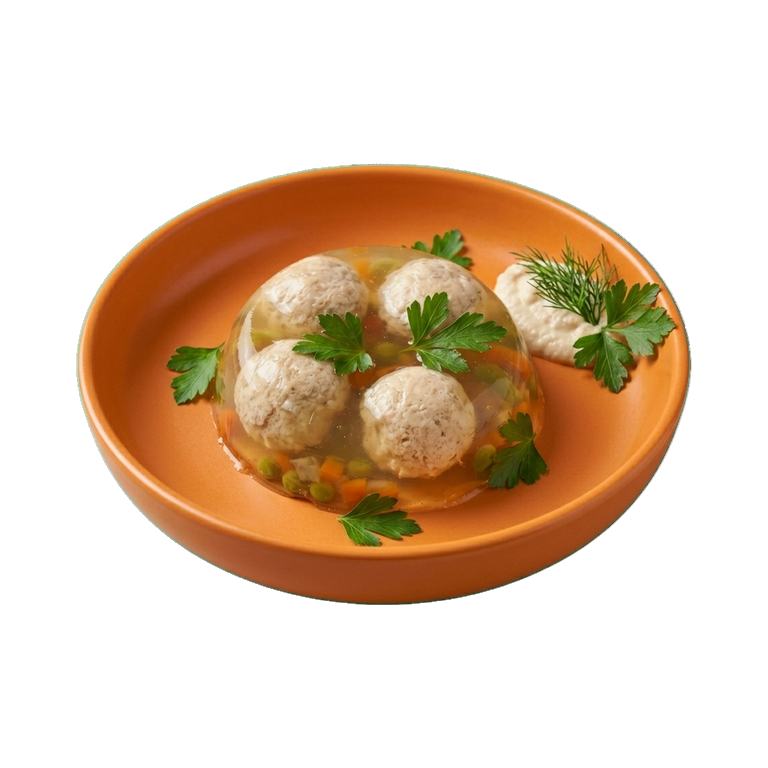
- In soups, wings give the broth a rich flavor and collagen, which makes the liquid thicker and silkier
Selection and Storage
When buying, pay attention to the color: the meat should be pink or light yellow, the skin should be smooth, without dark spots. The smell should be neutral, chicken-like, without sourness. Frozen wings are no worse than fresh ones if you thaw them correctly — in the refrigerator, not at room temperature. In the freezer, they can be stored for months, in the refrigerator — no more than two days.
Before cooking, let the wings warm up to room temperature for at least 15 minutes — this way they will cook more evenly. If you plan to marinate them, do it in advance: even one night in the refrigerator will give a noticeable effect. And remember: chicken wings are a versatile and forgiving product. They are harder to overcook than breast fillet, and they cook quickly, so they are ideal for everyday meals.
Nutrition
per 100 g
- Calories
- 186 kcal
- Protein
- 19.2 g
- Fat
- 12.2 g
- Carbs
- 0 g
Micronutrients
per 100 g
Macronutrients
- Cholesterol
- 98.88 mg
- Water
- 70.66 g
Minerals
- Sodium
- 84.14 mg
- Potassium
- 194 mg
- Calcium
- 13.55 mg
- Magnesium
- 16.53 mg
- Phosphorus
- 132.8 mg
- Iron
- 0.51 mg
- Zinc
- 1.18 mg
- Copper
- 0.01 mg
- Manganese
- 0 mg
Measures and weight
- 1 pcs
- 60 g
Measure calculator
- Weight
- 100 g
- Calories
- 186 kcal