Usuba
Usuba
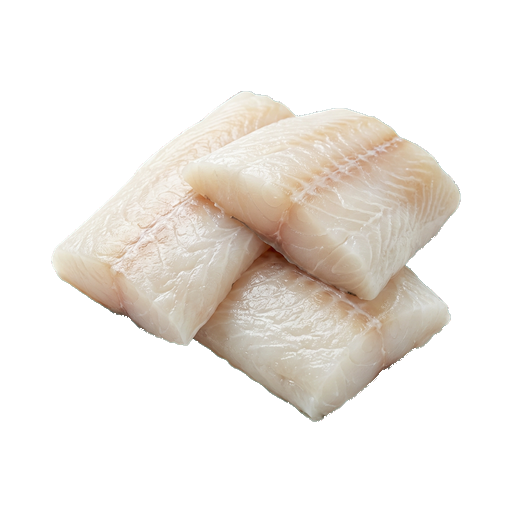
Cod fillet
Cod fillet is white meat with a delicate structure and mild buttery flavor that easily flakes into fibers when cooked. The fish has virtually no odor and absorbs flavors from sauces, spices, and marinades well, making it ideal for baking, frying, and boiling. When selecting, pay attention to the density and white color of the fillet without any yellowing, and avoid overcooking during preparation to prevent the meat from becoming dry.
Micronutrients
per 100 g
About
Cod fillet is one of the most versatile and reliable choices for everyday cooking. White meat with a delicate texture, minimal bones and fat, and a flavor neutral enough not to compete with sauces and side dishes. It's a fish that never disappoints: cooks quickly, absorbs flavors well, holds its shape in a pan and in the oven.
Taste and texture
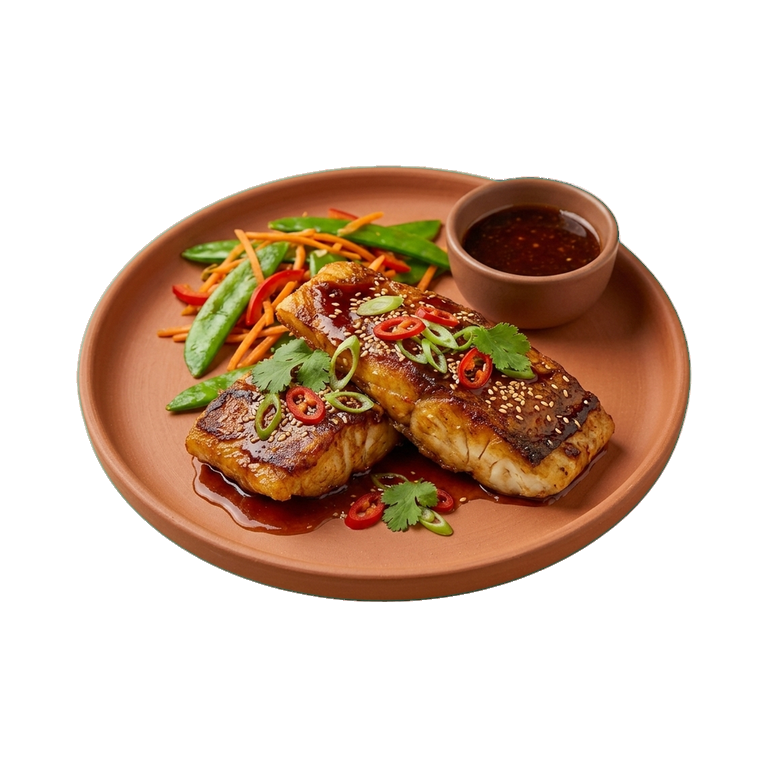
Cod meat is dense, yet not tough — with proper heat treatment, it remains juicy. The flavor is delicate, slightly sweet, with a subtle seafood note, but not sharp. This allows the fillet to be used in a wide variety of culinary styles: from classic European dishes to Asian interpretations with soy sauce and ginger.
How to cook and what to pair with
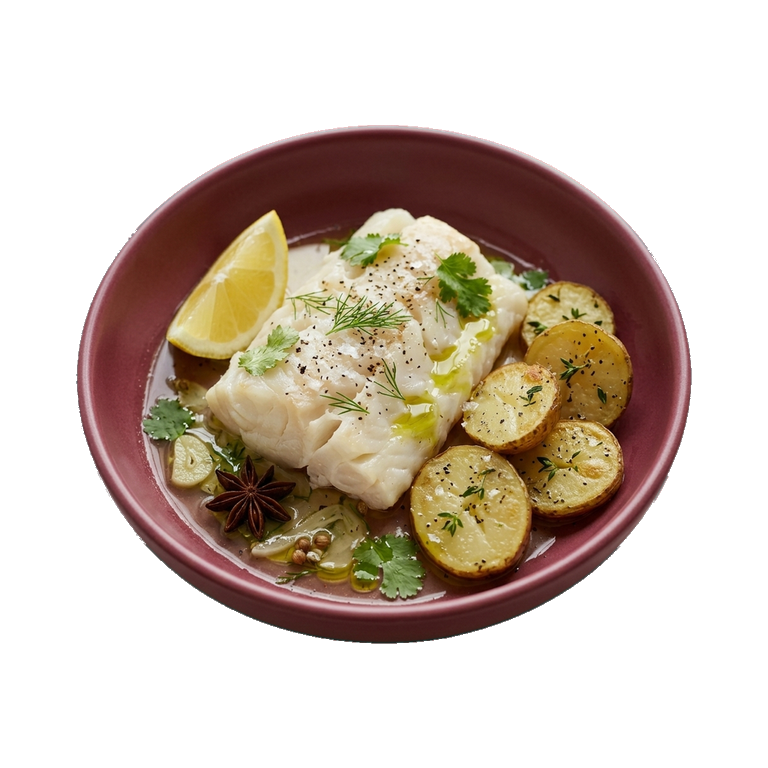
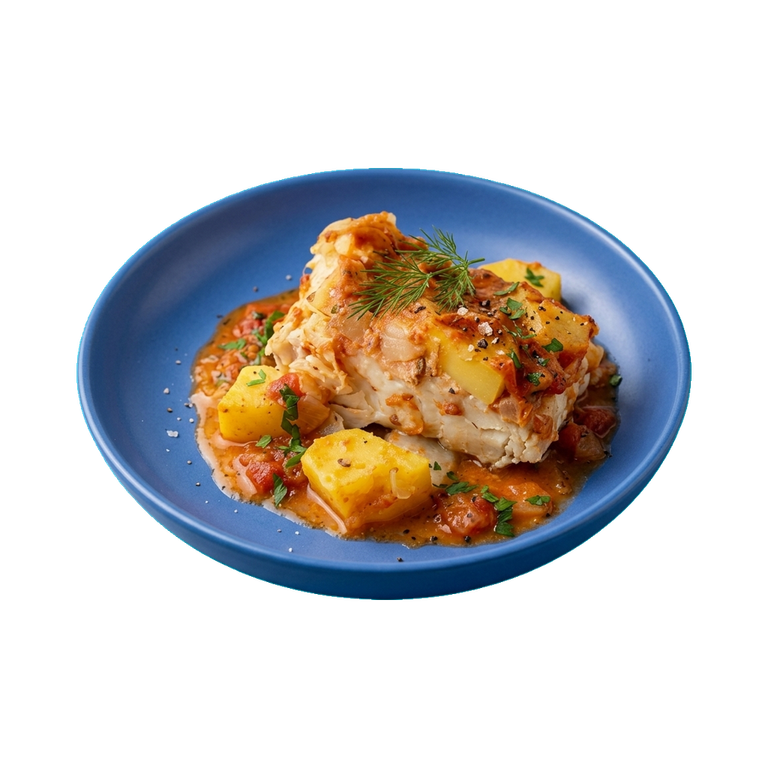
Cod fillet cooks quickly — just 8–12 minutes in a pan or in the oven at 180 degrees. The main thing is not to overcook it, otherwise the meat becomes dry. It works well steamed, in parchment, under a butter sauce or tomato ragout. A squeeze of lemon juice, fresh herbs, and olive oil — already a complete dish.
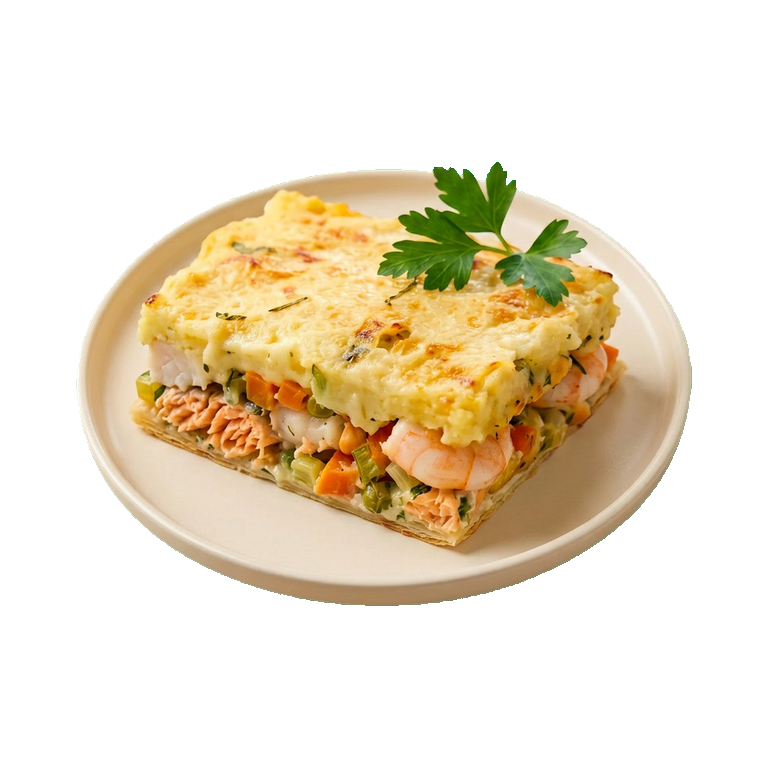
- Classic side dishes: boiled potatoes, rice, pasta bake
- Sauces: hollandaise, beurre blanc, creamy mushroom, tomato
- Vegetables: zucchini, eggplant, tomatoes, carrots, asparagus
- Herbs and spices: dill, parsley, tarragon, thyme, white pepper
Selection and Storage
Look for fillets with white or light pink color, without yellow spots and darkening. The smell should be fresh, ocean-like, without an ammonia tint. If buying frozen — make sure it has no ice crust and crystals. Fresh fillet is stored in the refrigerator for no more than two days; frozen — up to three months at minus 18 degrees.
Cod is good because it doesn't require complex preparation and expensive sauces. It honestly works in any role — from an everyday dinner to a festive table.
Practical Tips
- Thaw the fillet in the refrigerator, not at room temperature
- Before cooking, pat the fish dry with a paper towel — this will help it brown better
- Don't flip the fillet on the pan multiple times; once is enough
- Salt and pepper the fish right before cooking, not before
Nutrition
per 100 g
- Calories
- 82 kcal
- Protein
- 17.5 g
- Fat
- 0.7 g
- Carbs
- 0 g
Micronutrients
per 100 g
Macronutrients
- Saturated fat
- 0.044 g
- Monounsaturated fat
- 0.026 g
- Polyunsaturated fat
- 0.081 g
- Omega-3 (EPA + DHA)
- 0.072 g
- Cholesterol
- 47.44 mg
- Water
- 82.86 g
Minerals
- Sodium
- 298.8 mg
- Potassium
- 245.1 mg
- Calcium
- 6.59 mg
- Magnesium
- 17.98 mg
- Phosphorus
- 224.1 mg
- Iron
- 0.07 mg
- Zinc
- 0.31 mg
- Copper
- 0 mg
- Manganese
- 0 mg
- Selenium
- 22.8 mcg
- Iodine
- 113.7 mcg
Vitamins
- Vitamin B12
- 1.2 mcg
Measures and weight
- 1 pcs
- 150 g
Measure calculator
- Weight
- 100 g
- Calories
- 82 kcal