Usuba
Usuba
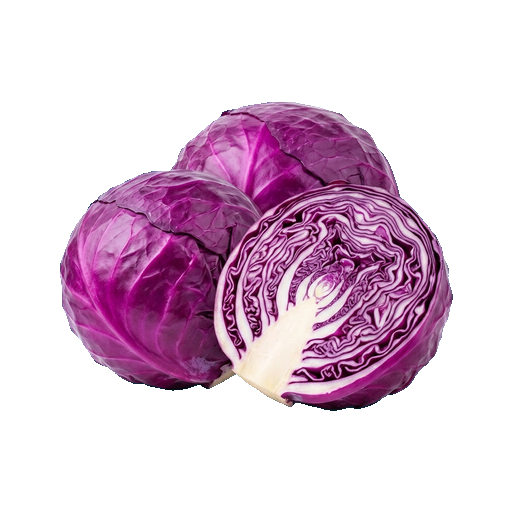
Red cabbage
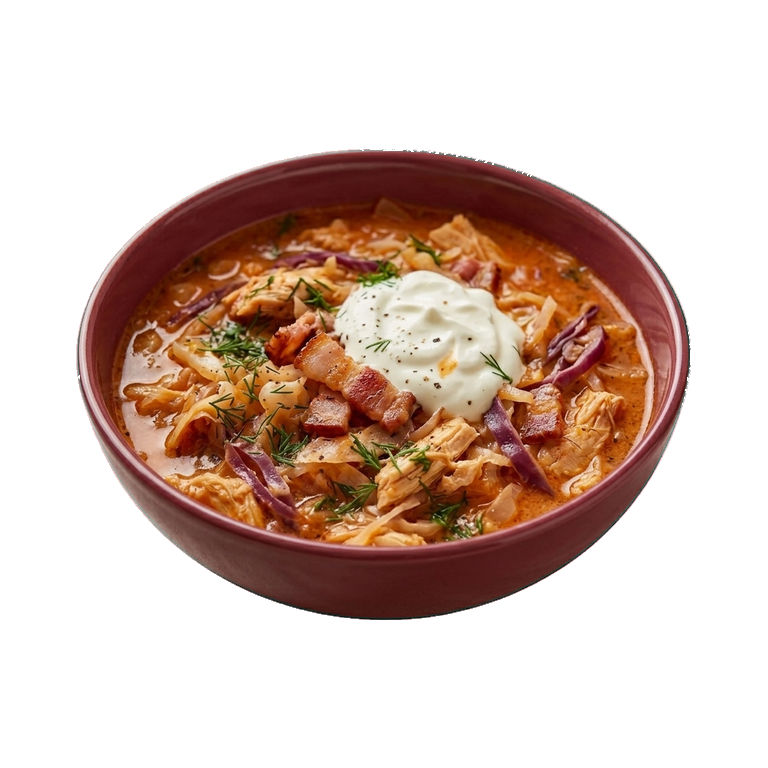
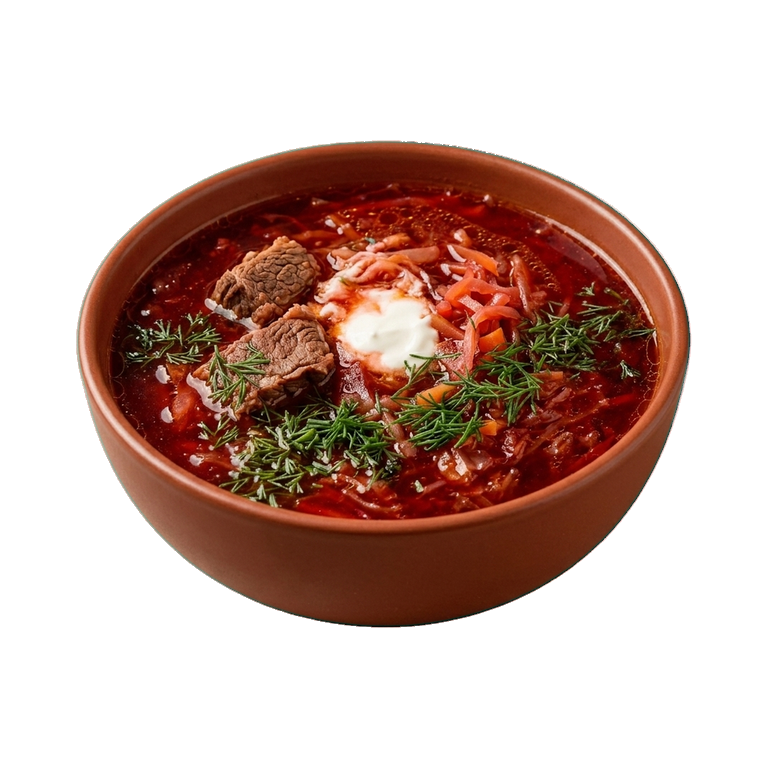
Red cabbage differs from white cabbage with its denser structure and rich purple-red color due to the presence of anthocyanins. It has a slightly sweeter and more tender taste with a barely noticeable bitterness that disappears when cooked. In cooking, it is used for salads in raw form, pickling, stewing, and added to cabbage soup and borscht, where it imparts a beautiful color and rich flavor to the dishes.
Micronutrients
per 100 g
About
Red cabbage is not just a vegetable of a different color. Its dense leaves with a purple-burgundy hue contain more beneficial substances than white cabbage, and it is more resistant to pests and has a longer shelf life. In the kitchen, it works both raw and when heat-treated, although each method reveals its qualities differently.
Taste and Texture
Red cabbage tastes slightly sweeter than white cabbage, with a barely noticeable bitterness that disappears during cooking. The leaves are denser and crunchier, making it ideal for salads — they hold their shape and don't get soggy. If boiled or stewed, cabbage becomes softer but maintains its structure better than its pale cousin.
Important note: when heated, red cabbage may turn blue or green — this is normal and depends on the acidity of the dish. If you add lemon juice, vinegar, or tomatoes, the color will remain brighter and more saturated.
Where to use it
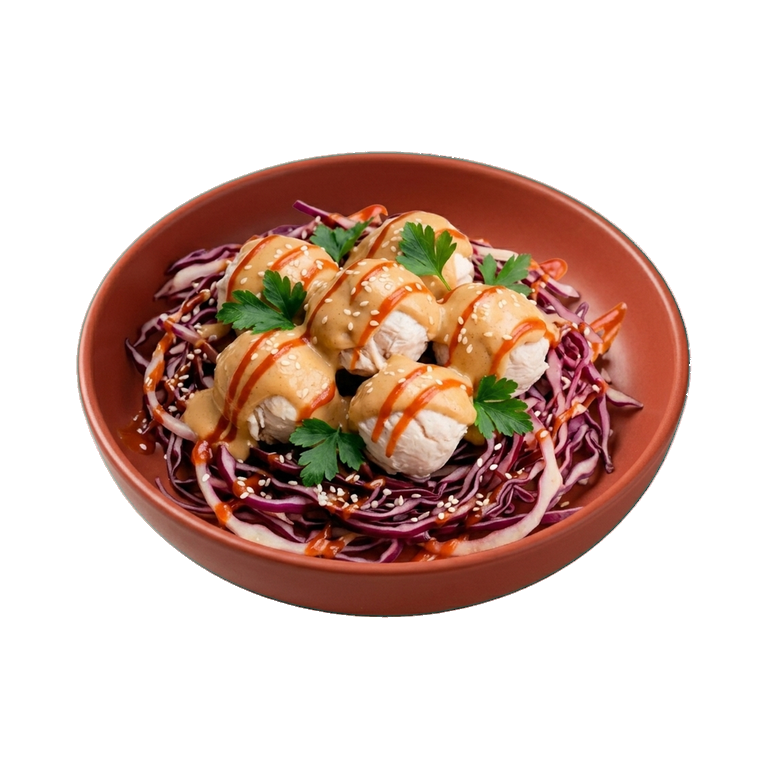
- Raw salads and coleslaw — cabbage remains crispy and looks beautiful on the plate
- Pickled cabbage — an excellent appetizer and side dish for meat, absorbs spices well
- Borscht and soups — gives a deep color and subtle sweetness
- Stewed as a side dish — softer, but holds its shape, pairs well with meat and fish
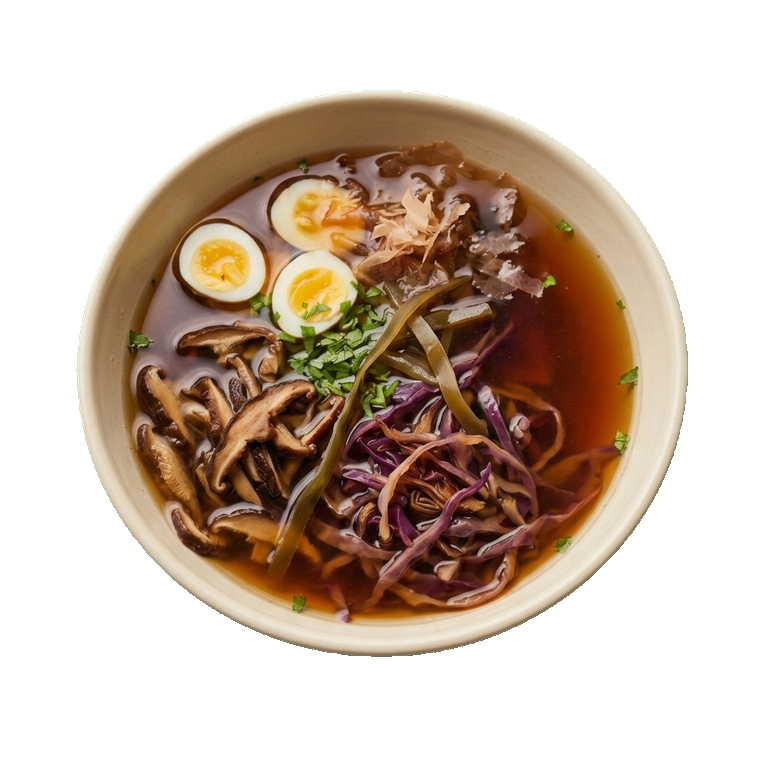
- Red cabbage works well with hot spices, ginger, garlic and Asian seasonings
How to Choose and Store
Choose dense, heavy heads without dents and dark spots. The leaves should be firm, and the cut should be fresh. Red cabbage can be stored in the refrigerator for 3–4 weeks, and can last for months in a cool basement. It's best to use chopped cabbage within a few days so it doesn't lose its crispness.
Before use, remove the upper leaves if damaged, and rinse the head thoroughly. For salads, slice thinly — this way the cabbage will better absorb the dressing and be more tender. For boiling and stewing, cut into larger pieces so the pieces don't fall apart.
Red cabbage is a versatile vegetable that works in any season and easily fits into your menu if you know its characteristics. It adds color, texture, and nutrition to any dish, and it stores longer than many other vegetables.
Nutrition
per 100 g
- Calories
- 31 kcal
- Protein
- 1.4 g
- Fat
- 0.2 g
- Carbs
- 7.2 g
Micronutrients
per 100 g
Macronutrients
- Water
- 91.14 g
Minerals
- Sodium
- 11.72 mg
- Potassium
- 269.1 mg
- Calcium
- 30.99 mg
- Magnesium
- 13.3 mg
- Phosphorus
- 35.84 mg
- Iron
- 0 mg
- Zinc
- 0.25 mg
- Copper
- 0 mg
- Manganese
- 0.31 mg
Vitamins
- Vitamin K
- 32.3 mcg
- Vitamin C
- 53.88 mg
- Vitamin B6
- 0.18 mg
Measures and weight
- 1 head
- 1500 g
Measure calculator
- Weight
- 100 g
- Calories
- 31 kcal