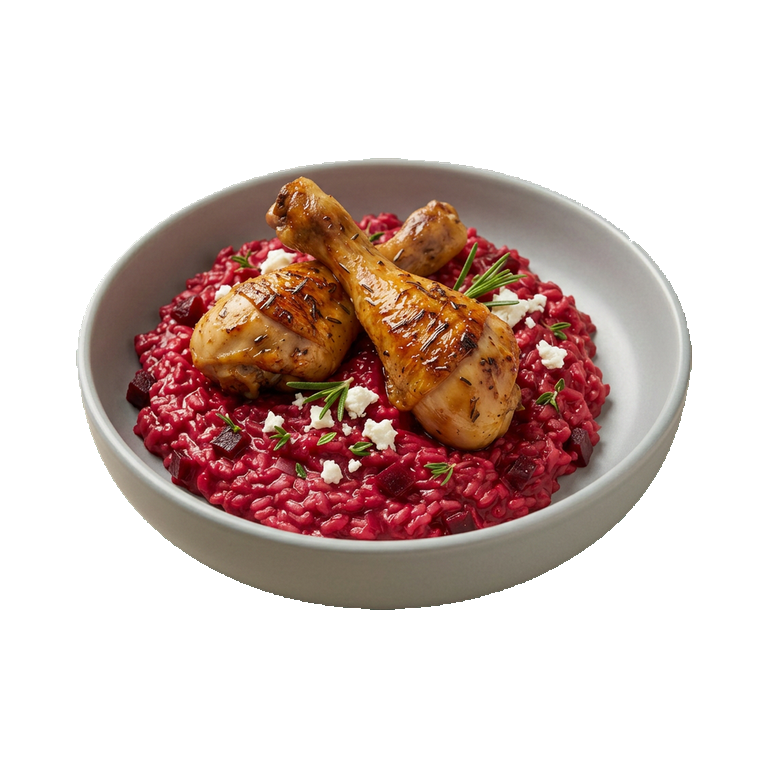
Usuba
Usuba
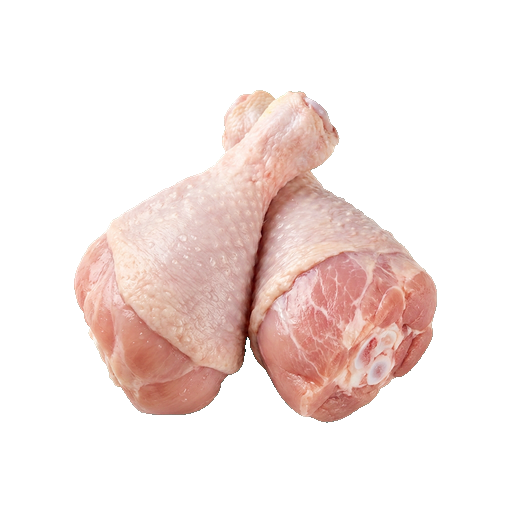
Chicken drumstick
Chicken drumstick is the part of a bird's leg from the knee to the end of the foot, consisting of dark meat, bones, and connective tissue. The meat of the drumstick is juicy and aromatic due to its high fat and collagen content, holds its shape well during cooking, and becomes soft and tender. The drumstick is versatile for boiling, stewing, frying, and smoking, and is especially good in soups, stews, and grilled dishes, where prolonged cooking reveals its flavor and makes the meat easily separable from the bone.
Micronutrients
per 100 g
About
Chicken drumstick is one of the most rewarding parts of the bird for home cooking. It is the lower part of the leg with bone, meat, and skin, which when cooked properly becomes juicy and aromatic. Drumsticks are cheaper than fillets, but they impart more flavor to dishes thanks to the bone broth released during heat treatment.
Taste and texture
Drumstick meat is darker than breast meat and contains more fat — this makes it less dry during prolonged heat. The fibers are denser, but become tender and almost melt in your mouth when braised, boiled, or fried. The skin crisps at high temperature if left on, and bone marrow adds depth of flavor.
Where to cook it
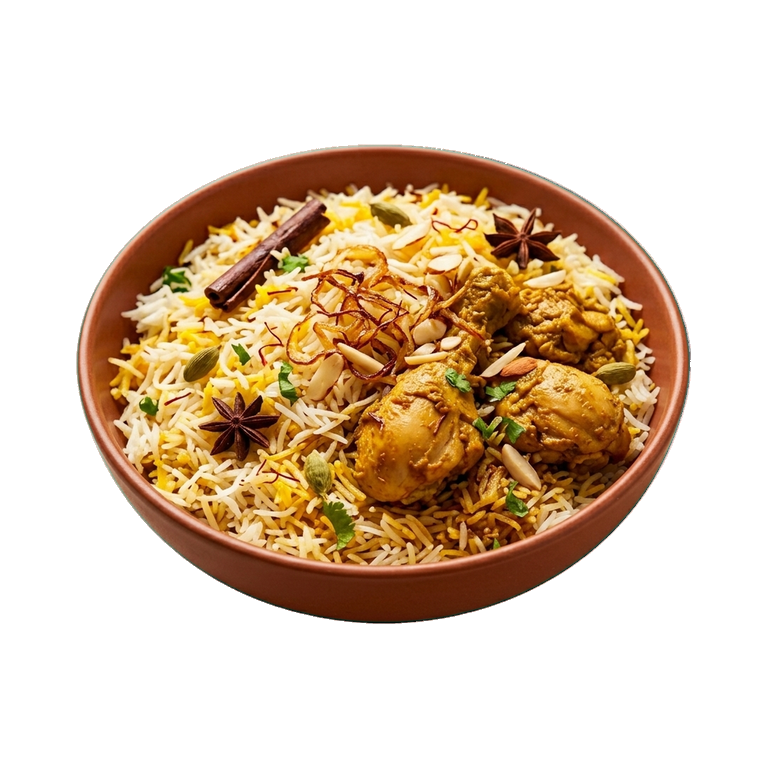
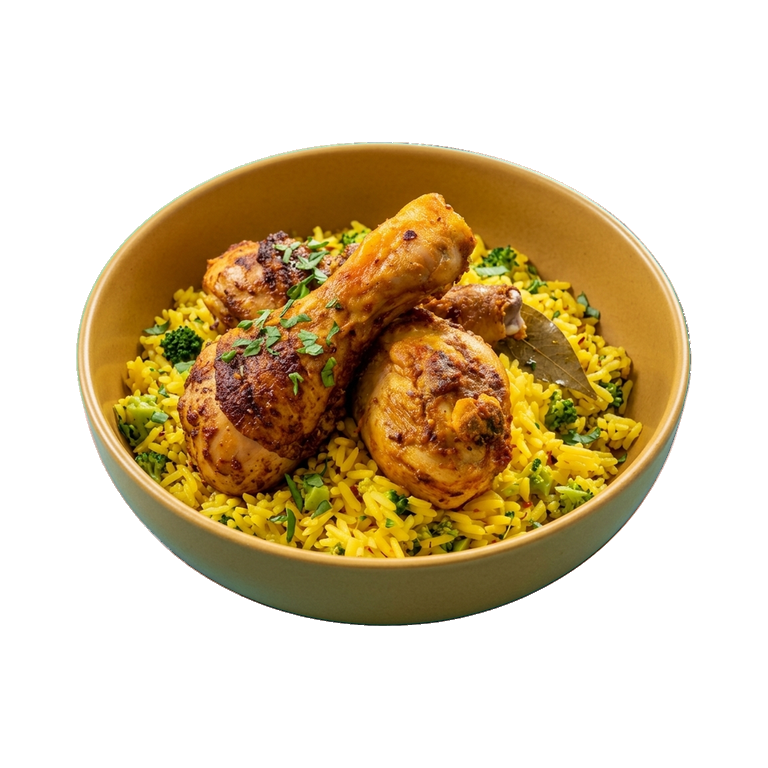
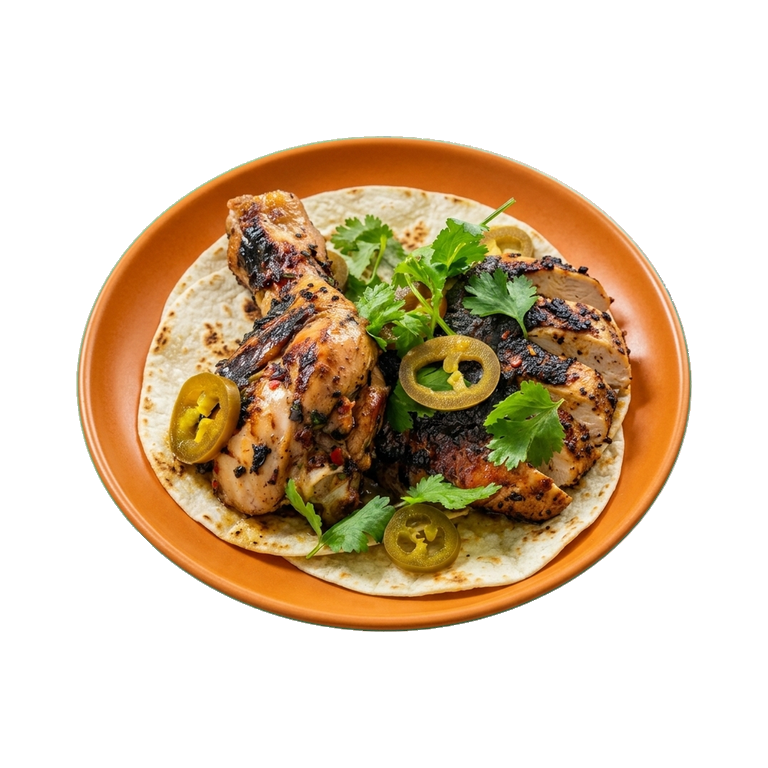
Shank is versatile and forgiving. It's equally good in soups, stews, pilaf, and baked whole. Long braising under a lid, pan-searing, or simmering in broth — in all cases the meat will remain juicy. For a festive table, you can roast shanks in the oven with vegetables and sauce, for everyday meals — add to soup or rice.
What pairs well with
- Root vegetables: carrots, potatoes, celery — they absorb chicken fat and become more aromatic
- Herbs: thyme, rosemary, oregano emphasize the richness of the meat
- Acidic components: lemon, tomato, wine help soften the fibers and add depth
- Garlic and onion — a classic base that works in any dish
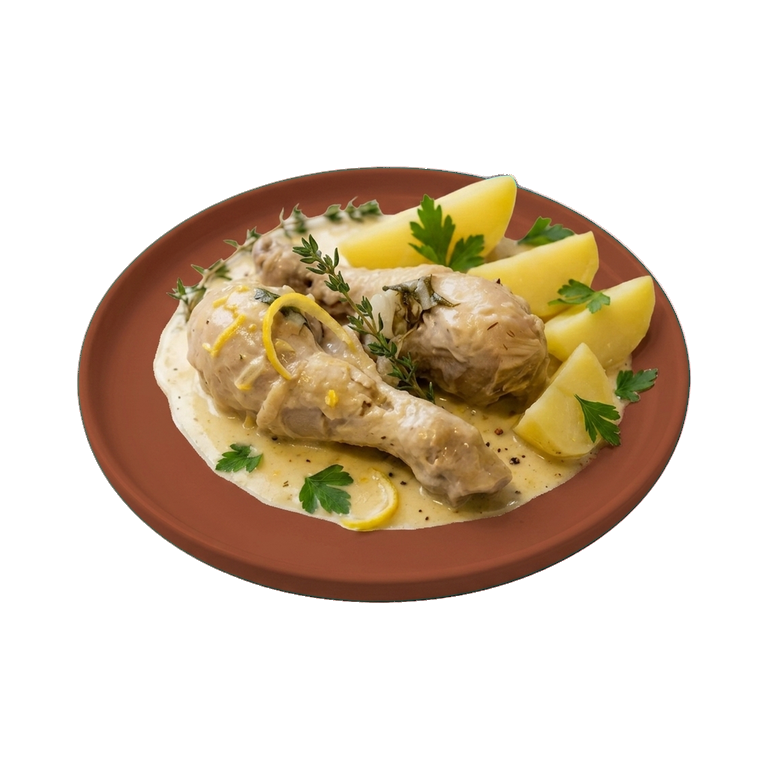
- Cream and sour cream — for delicate sauces that coat the meat well
How to Choose and Store
When buying, pay attention to the color: the meat should be pink or light red, without gray spots. The skin should be whole, without damage. The smell should be fresh, chicken-like, without sourness. If the drumstick was purchased chilled, use it within 2–3 days, storing it on the lower shelf of the refrigerator. Frozen chicken can be kept for months, but thaw it slowly in the refrigerator to avoid losing the juices.
Practical tips
- Pat the shank dry with paper towels before cooking — this will make the skin crispy
- Salt 12–24 hours before cooking or right before frying, not in the middle of the process
- For a quick lunch, 30–40 minutes in a pan over medium heat is enough
- In the oven at 180°C, the shank cooks for 50–60 minutes, depending on size
- The meat is done when it easily separates from the bone and the juices run clear when pierced
Chicken drumstick is the choice of those who value results more than price. It feeds the family, provides a base for broth, and never disappoints at the table. Start with a simple recipe — sauté it with onions and carrots, add water and spices — and you'll understand why this cut never goes out of style.
Nutrition
per 100 g
- Calories
- 110 kcal
- Protein
- 18.3 g
- Fat
- 3.6 g
- Carbs
- 0 g
Micronutrients
per 100 g
Macronutrients
- Cholesterol
- 94.55 mg
- Water
- 75.29 g
Minerals
- Sodium
- 90.98 mg
- Potassium
- 244.1 mg
- Calcium
- 8.29 mg
- Magnesium
- 18.55 mg
- Phosphorus
- 152.5 mg
- Iron
- 0.67 mg
- Zinc
- 1.7 mg
- Copper
- 0.04 mg
- Manganese
- 0.01 mg
Measures and weight
- 1 pcs
- 250 g
Measure calculator
- Weight
- 100 g
- Calories
- 110 kcal