Usuba
Usuba
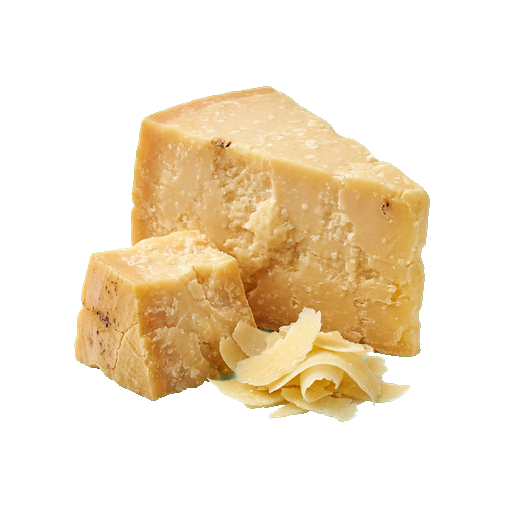
Parmesan cheese
A hard Italian cheese with a sharp, salty flavor and characteristic grainy texture that develops a complex nutty aroma with prolonged aging. Ideal for grating over pasta, risotto, and soups, and also suitable for appetizers and salads due to its ability to melt and create a creamy consistency. When selecting, pay attention to the cheese's density and the presence of crystalline inclusions — a sign of quality aging; if a substitute is needed, other hard cheeses like Grana Padano or Asiago will work, though they will provide a less pronounced flavor.
About
Parmesan is a hard cheese that works on several levels at once: it's sharp and salty, yet slightly sweet, with nutty notes. When you grate it fresh or bite into a piece, you feel characteristic crystalline granules — this is a sign of maturity and quality. This texture appears thanks to long aging, which concentrates the flavor and makes the cheese ideal for many dishes.
Aroma and Taste
The aroma of Parmesan is earthy and deep, with a subtle fruity undertone. The taste is complex: first you feel saltiness and piquancy, then nutty, almost caramel notes emerge. The longer the cheese is aged, the more intense and multifaceted its profile becomes. Young Parmesan is softer, mature Parmesan is more pronounced and crumbly.
Role in dishes
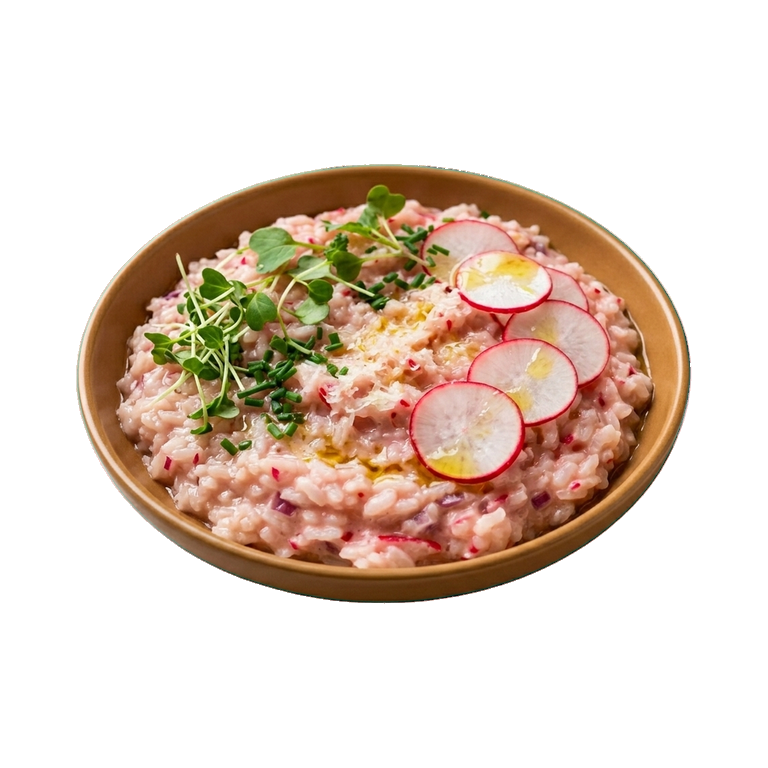
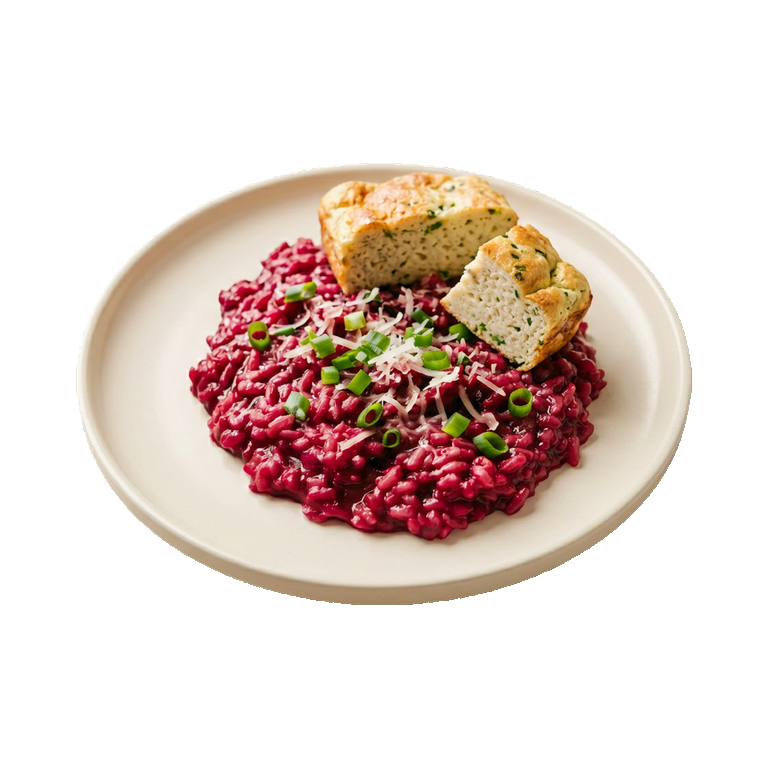
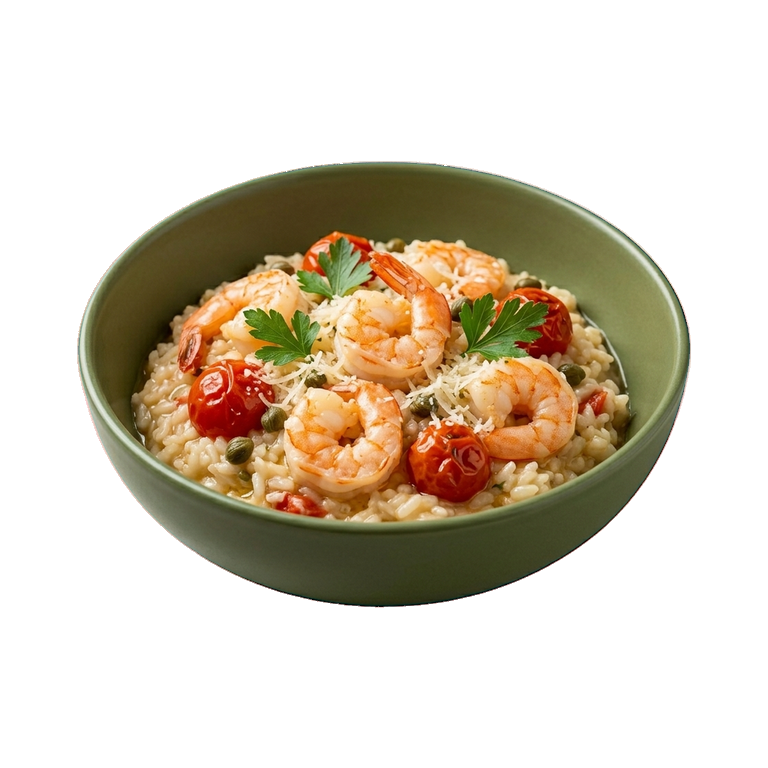
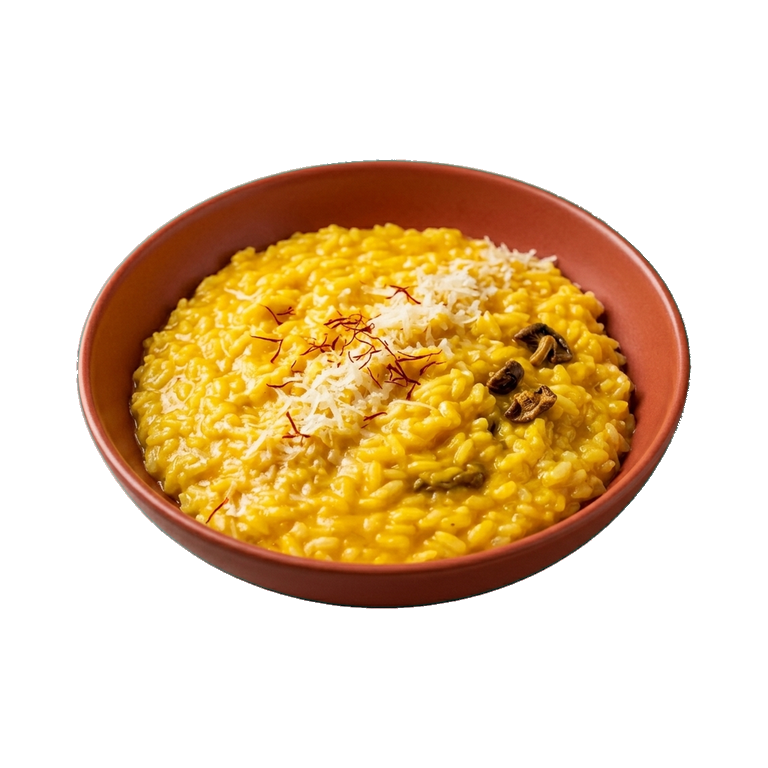
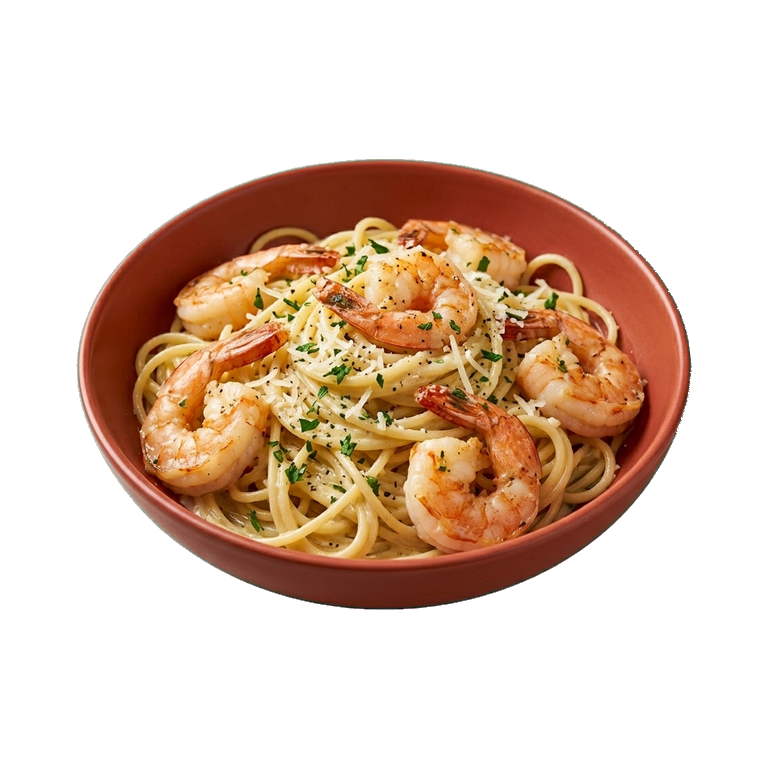
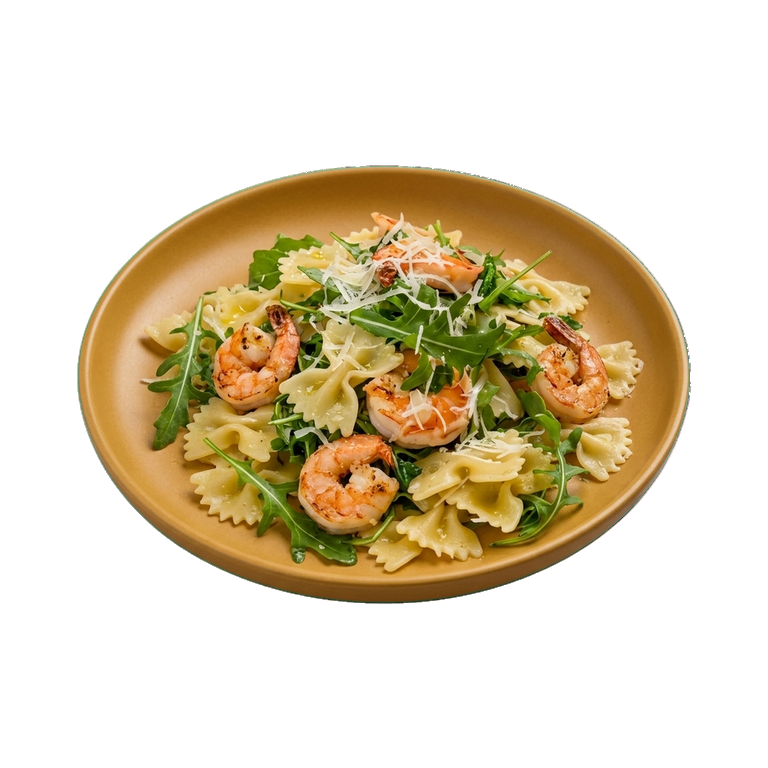
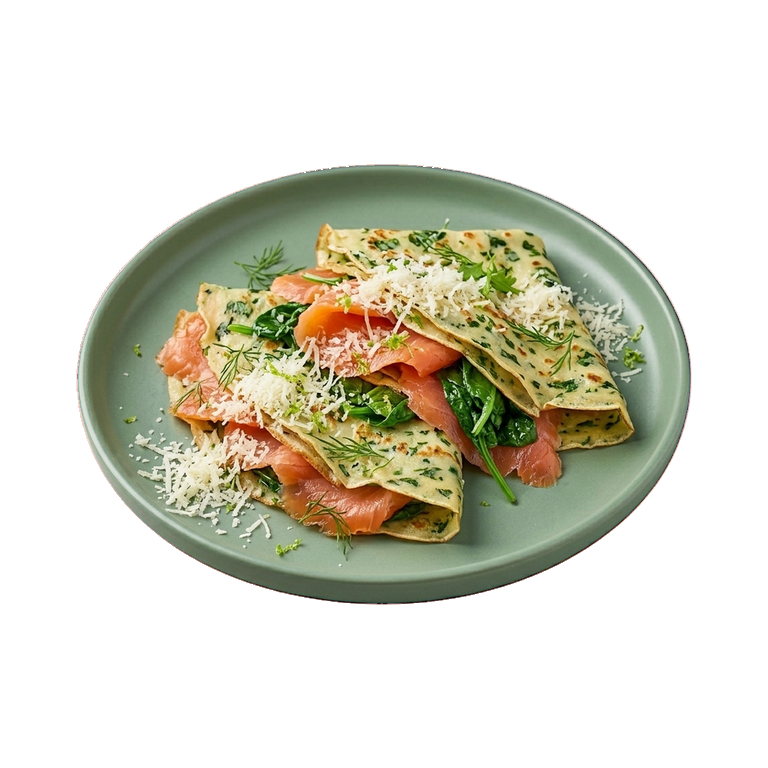
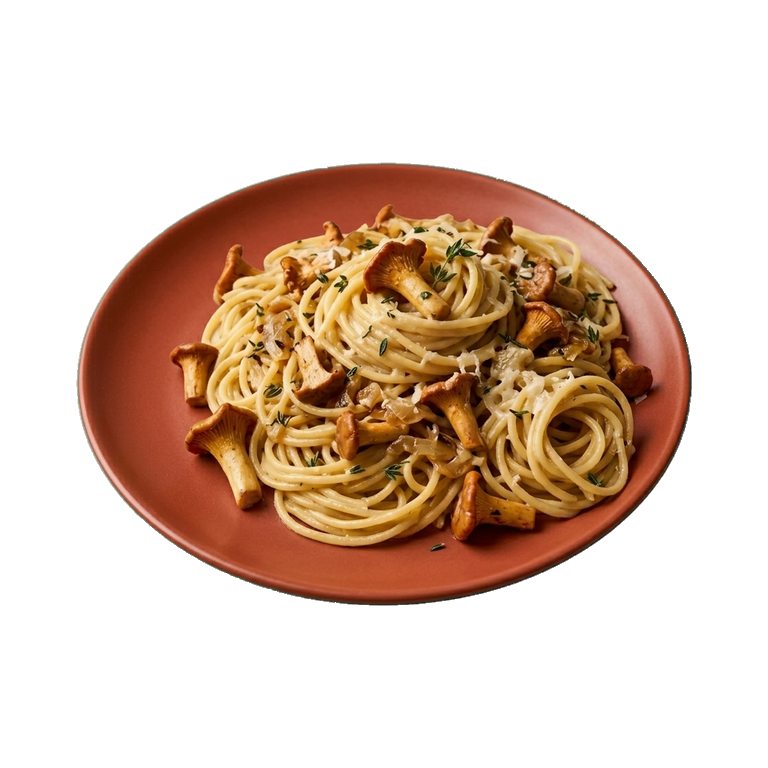
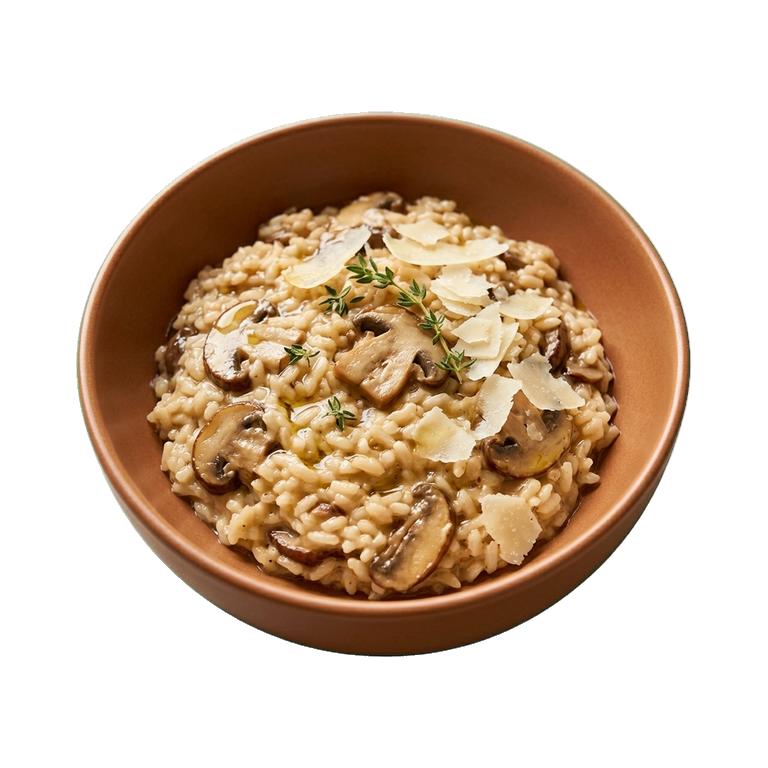
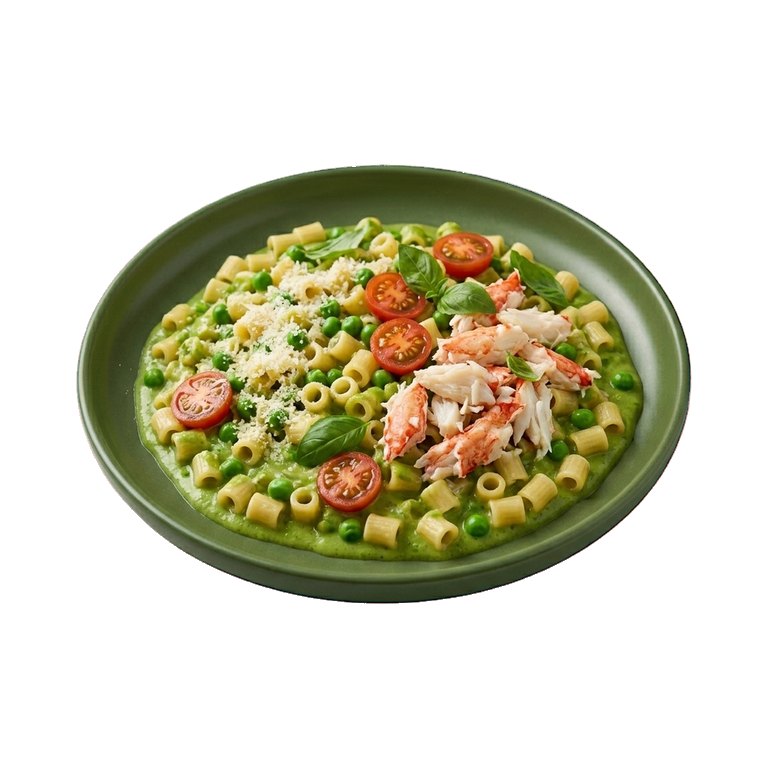
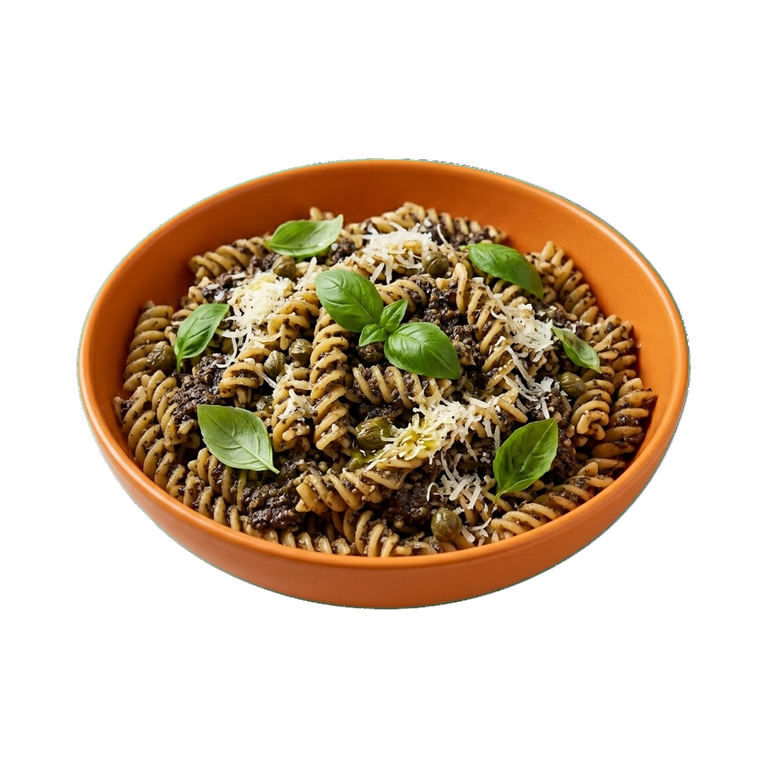
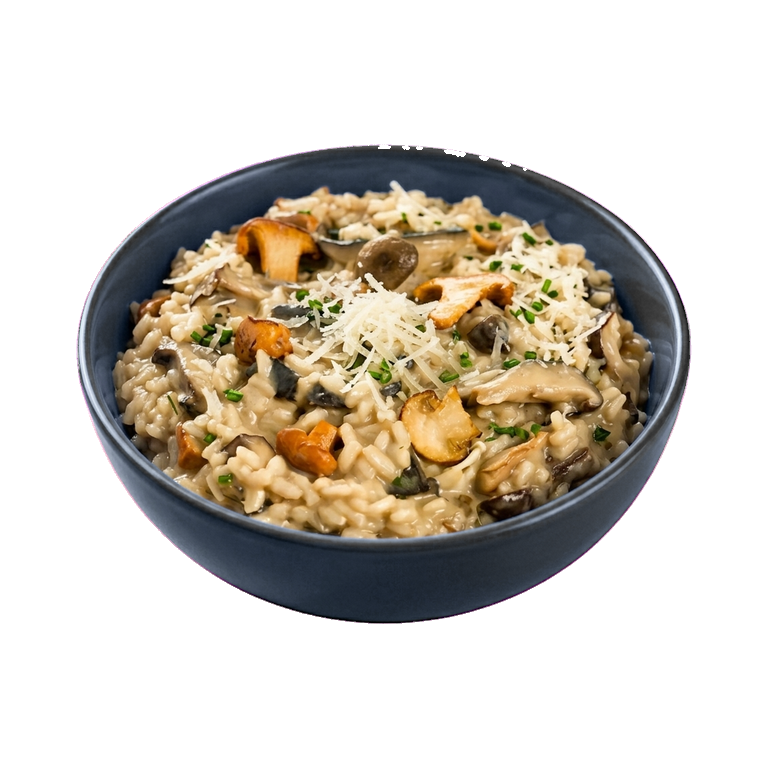
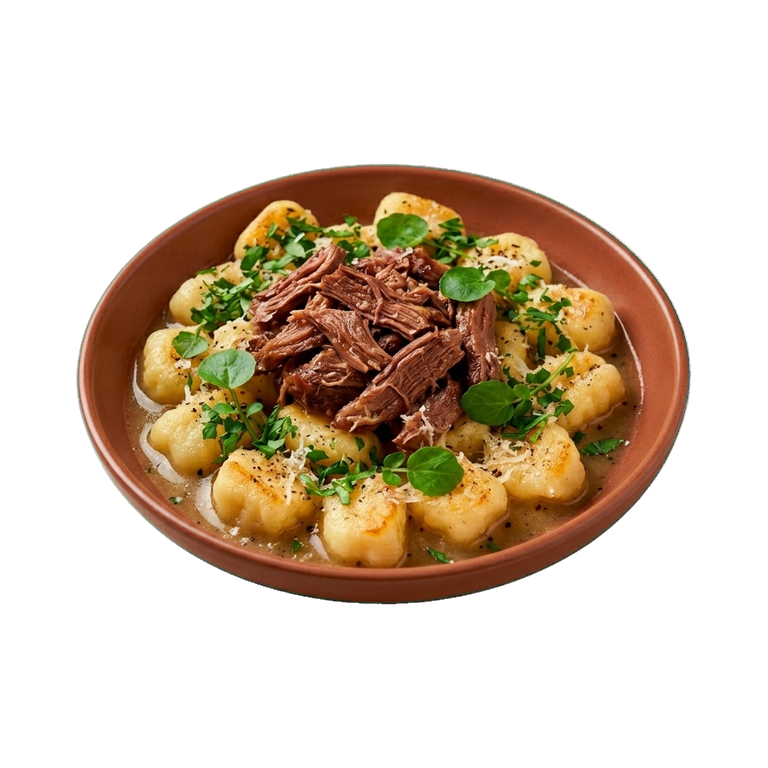
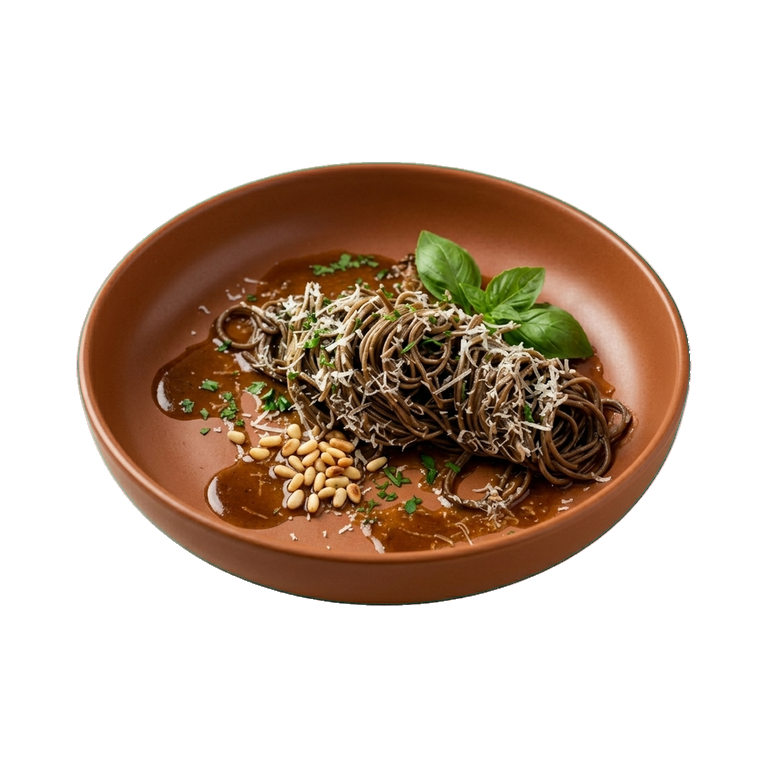
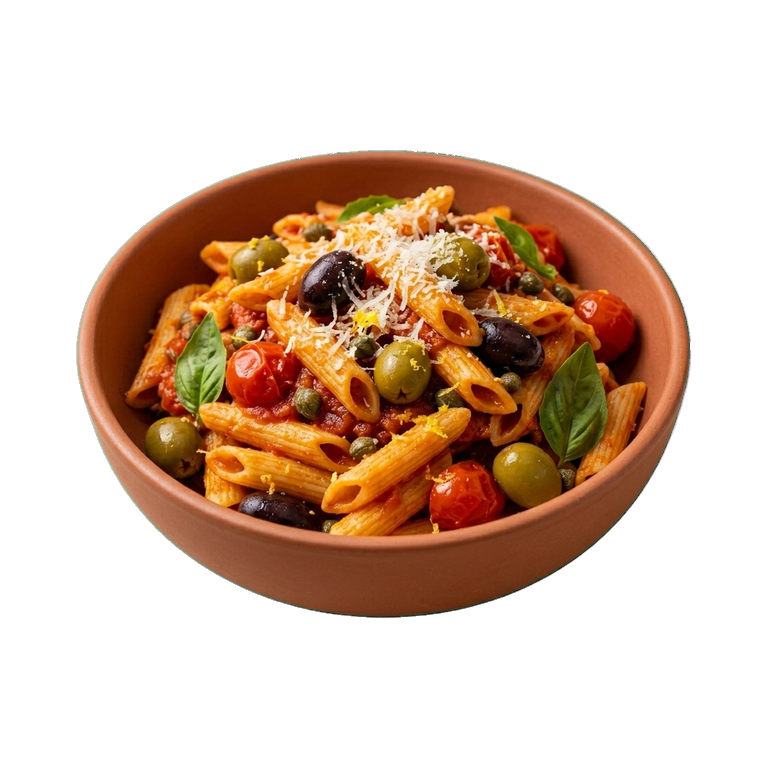
- Grated cheese is a classic topping for pasta, risotto, and soups. It doesn't melt in hot dishes but distributes evenly and adds depth of flavor.
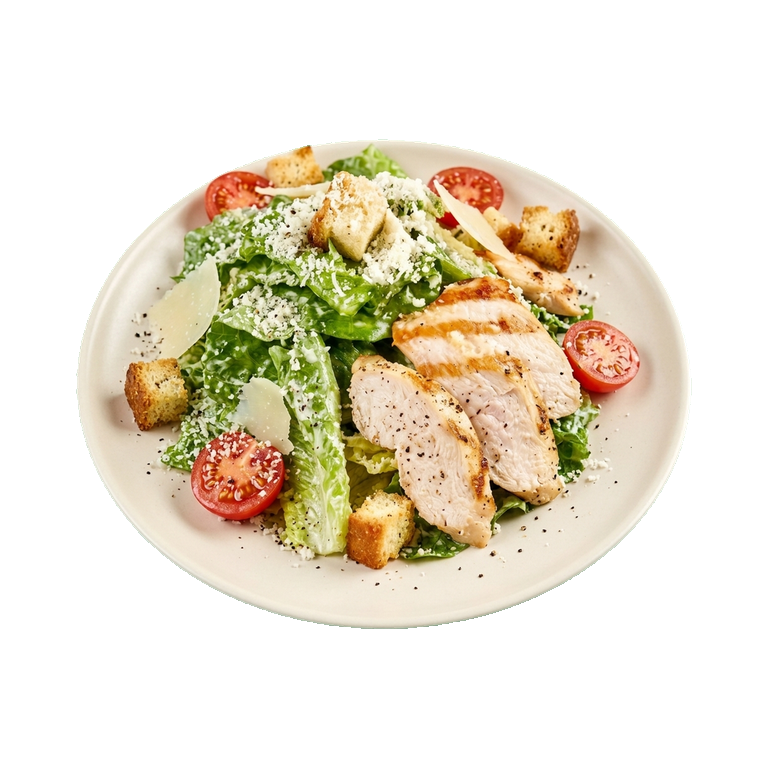
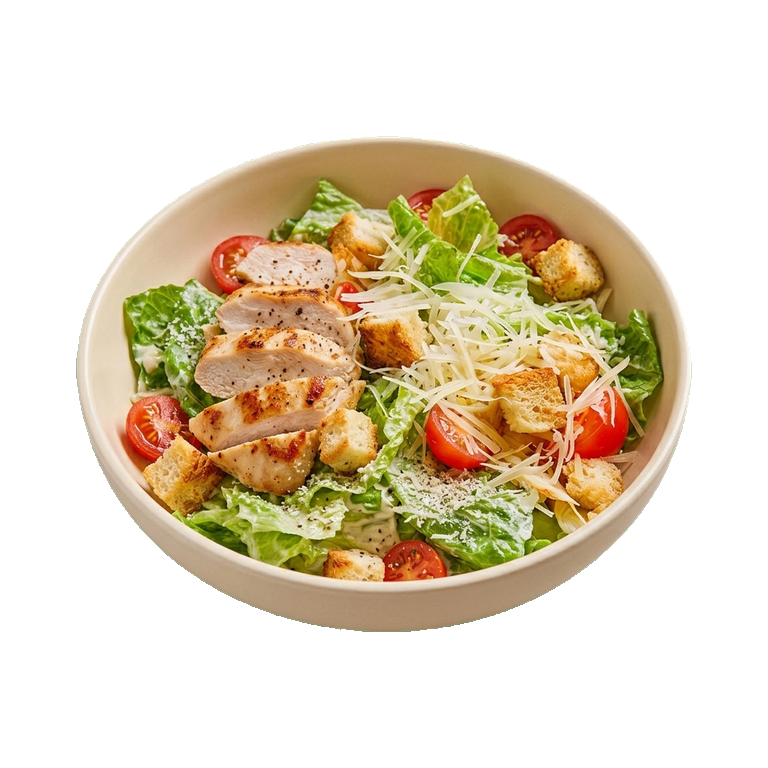
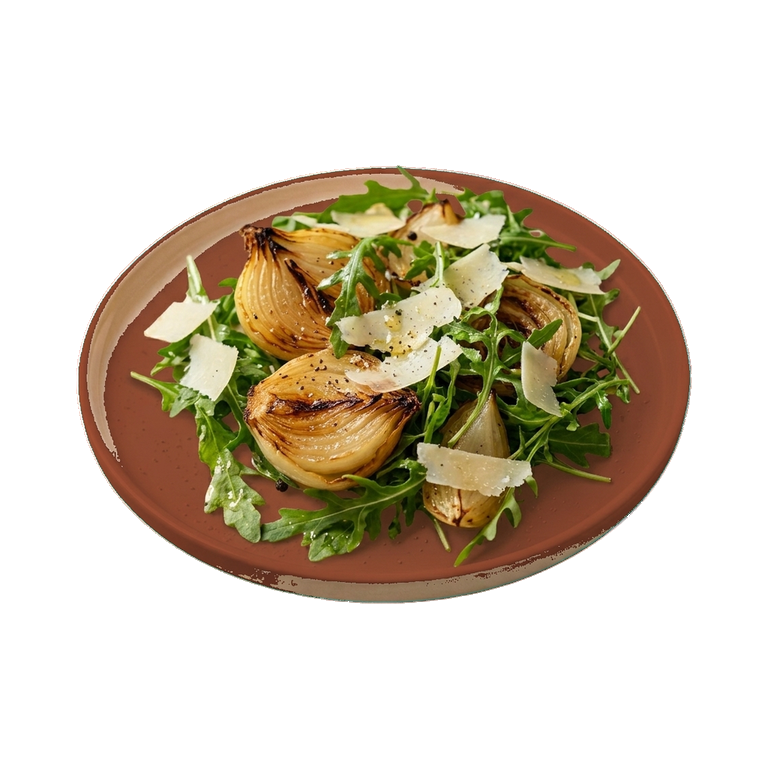
- Thin slices or shavings go well in salads, especially combined with arugula, pear, or tomatoes. The contrast of textures really works.
- Pieces of Parmesan are great as an appetizer with wine or beer — the cheese itself is quite flavorful.
- In soups and broths, it helps enrich and round out the taste, adding umami.
Pairings
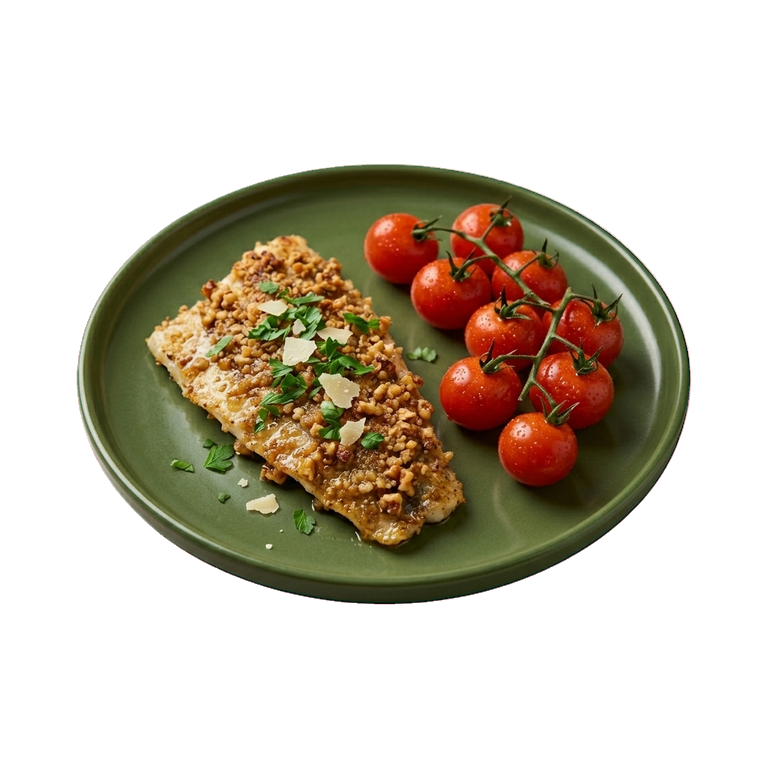
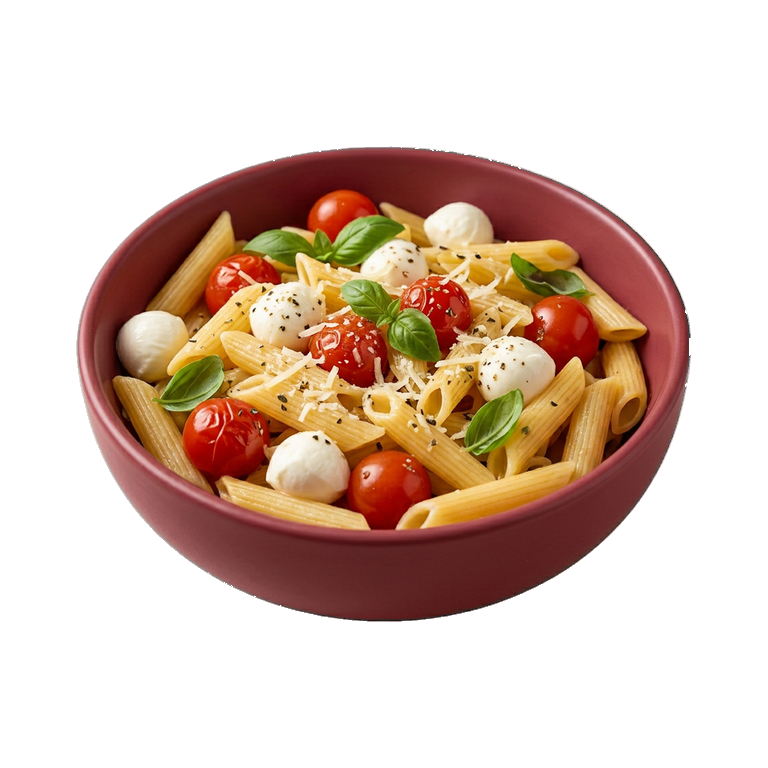
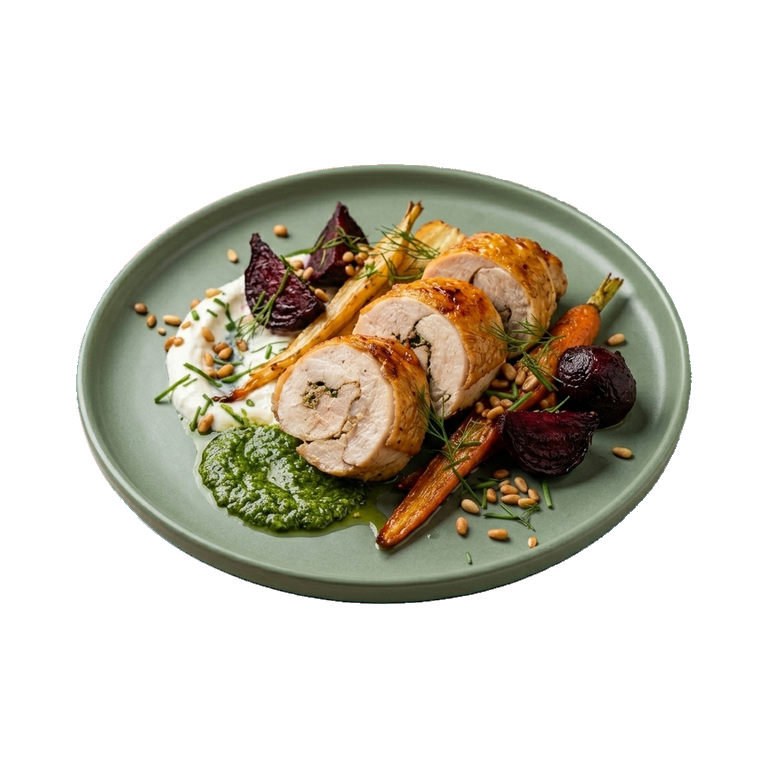
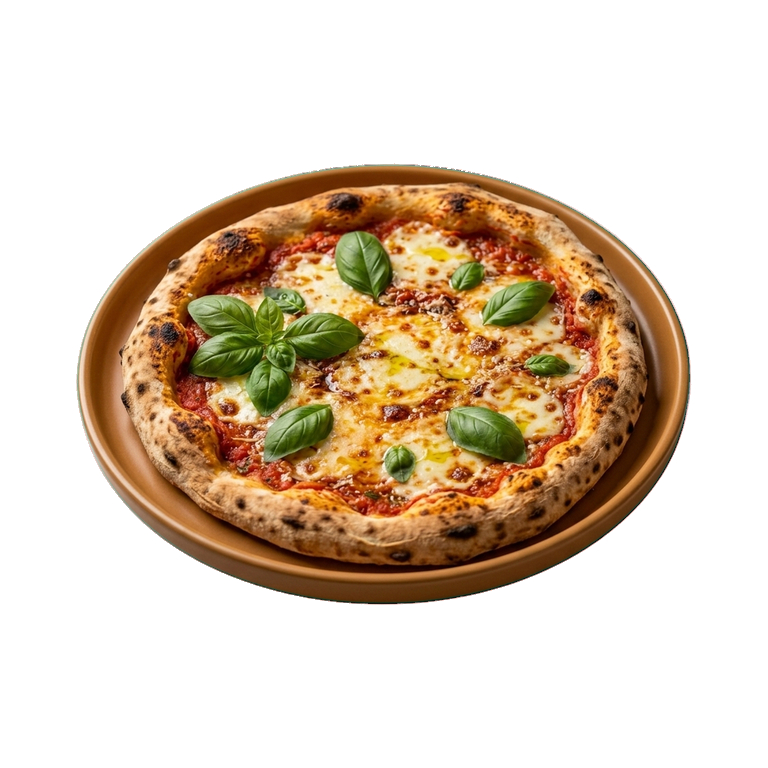
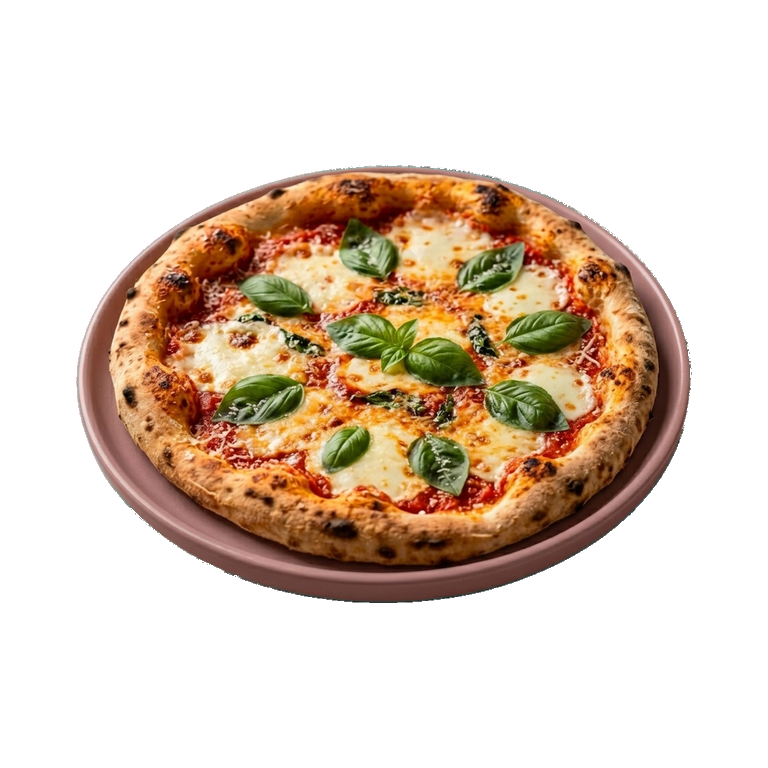
Parmesan works well with tomatoes, basil, olive oil, and garlic — a classic Italian combination. It pairs nicely with pear, apple, and nuts in salads. At the table, it can be served with honey or black pepper for contrast. In hot dishes, it is versatile: from minestrone to risotto, from pasta bakes to roasted vegetables.
Selection and Storage
When purchasing, pay attention to the color — it should be light yellow, without dark spots. The rind is dense, without cracks. If you are buying packaged cheese, make sure there is no condensation inside the package. Grated Parmesan is convenient, but a whole piece lasts longer and tastes better.
- Keep a whole piece in the refrigerator, wrapped in parchment paper or plastic wrap — this way it won't dry out or absorb odors.
- Grated cheese loses its aroma quickly, so it's better to grate it right before use.
- With proper storage, a whole piece of Parmesan can last in the refrigerator for several months.
If mold appears on the surface of the cheese, simply cut off the affected layer — the cheese underneath remains in good condition. Parmesan is dense enough that mold does not penetrate deeply.
Nutrition
per 100 g
- Calories
- 431 kcal
- Protein
- 38 g
- Fat
- 29 g
- Carbs
- 1.3 g
Measures and weight
- 1 slice
- 10 g
Measure calculator
- Weight
- 100 g
- Calories
- 431 kcal